





7-10 Day Shipping


7-10 Day Shipping


7-10 Day Shipping


7-10 Day Shipping


7-10 Day ShippingSave 12%


7-10 Day Shipping


7-10 Day Shipping


5-7 Day Shipping


5-7 Day Shipping


Shipping 5-7 days


7-10 Day Shipping


Shipping 7-10 Days


7-10 Day Shipping


7-10 Day Shipping


7-10 day shipping
7-10 Day Shipping


7-10 Day Shipping


5-7 Day Shipping


7-10 Day Shipping


7-10 Day Shipping


7-10 Day Shipping


7-10 Day Shipping


7-10 Day Shipping


7-10 Day Shipping


7-10 Day Shipping


Shipping 7-10 Days


7-10 Day Shipping


7-10 Day Shipping


5-7 Day Shipping


5-7 Day Shipping


7-10 Day Shipping


7-10 Day Shipping


7-10 Day Shipping


7-10 Day Shipping
7-10 Day Shipping
7-10 Day Shipping
7-10 Day Shipping
7-10 Day ShippingSave 12%
7-10 Day Shipping
7-10 Day Shipping
5-7 Day Shipping
5-7 Day Shipping
Shipping 5-7 days
7-10 Day Shipping
Shipping 7-10 Days
7-10 Day Shipping
7-10 Day Shipping
7-10 day shipping
7-10 Day Shipping
7-10 Day Shipping
5-7 Day Shipping
7-10 Day Shipping
7-10 Day Shipping
7-10 Day Shipping
7-10 Day Shipping
7-10 Day Shipping
7-10 Day Shipping
7-10 Day Shipping
Shipping 7-10 Days
7-10 Day Shipping
7-10 Day Shipping
5-7 Day Shipping
5-7 Day Shipping
7-10 Day Shipping
7-10 Day Shipping
7-10 Day Shipping
Early Medieval Helmets: protection and style on the battlefield
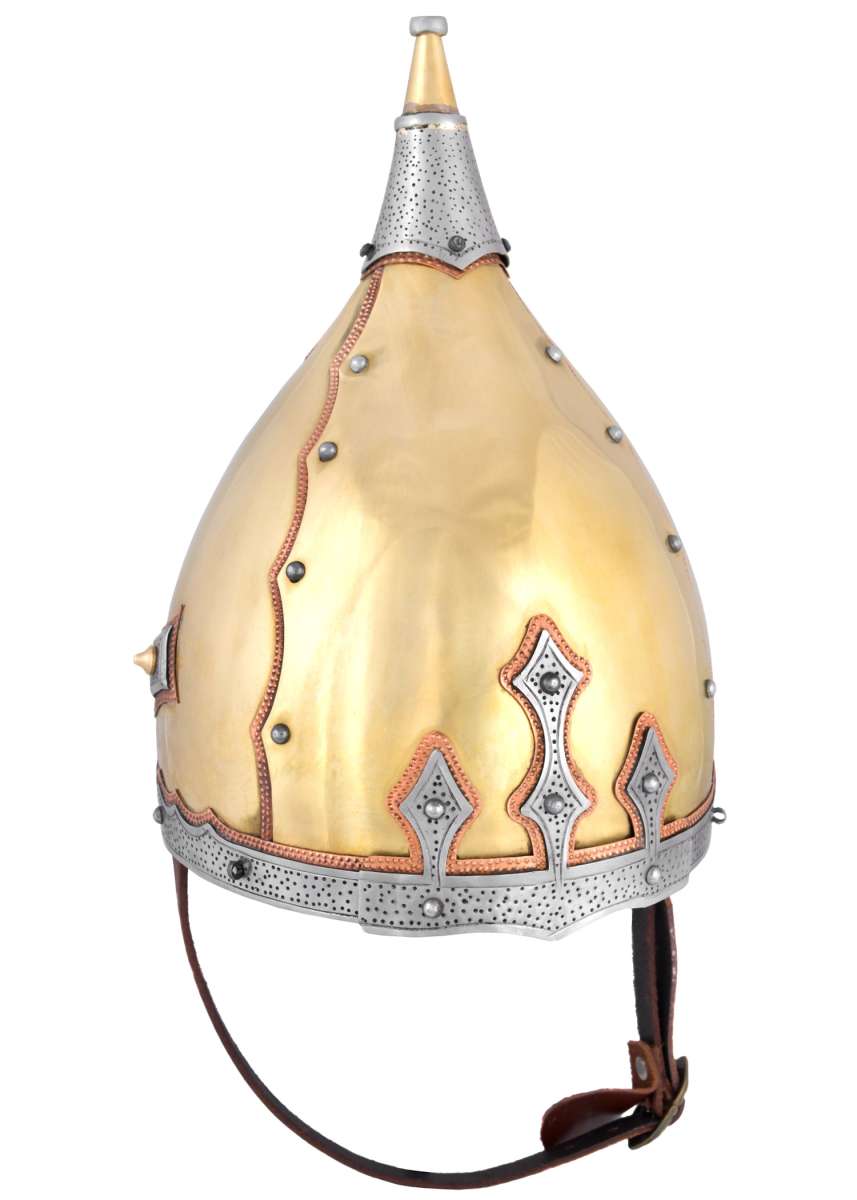
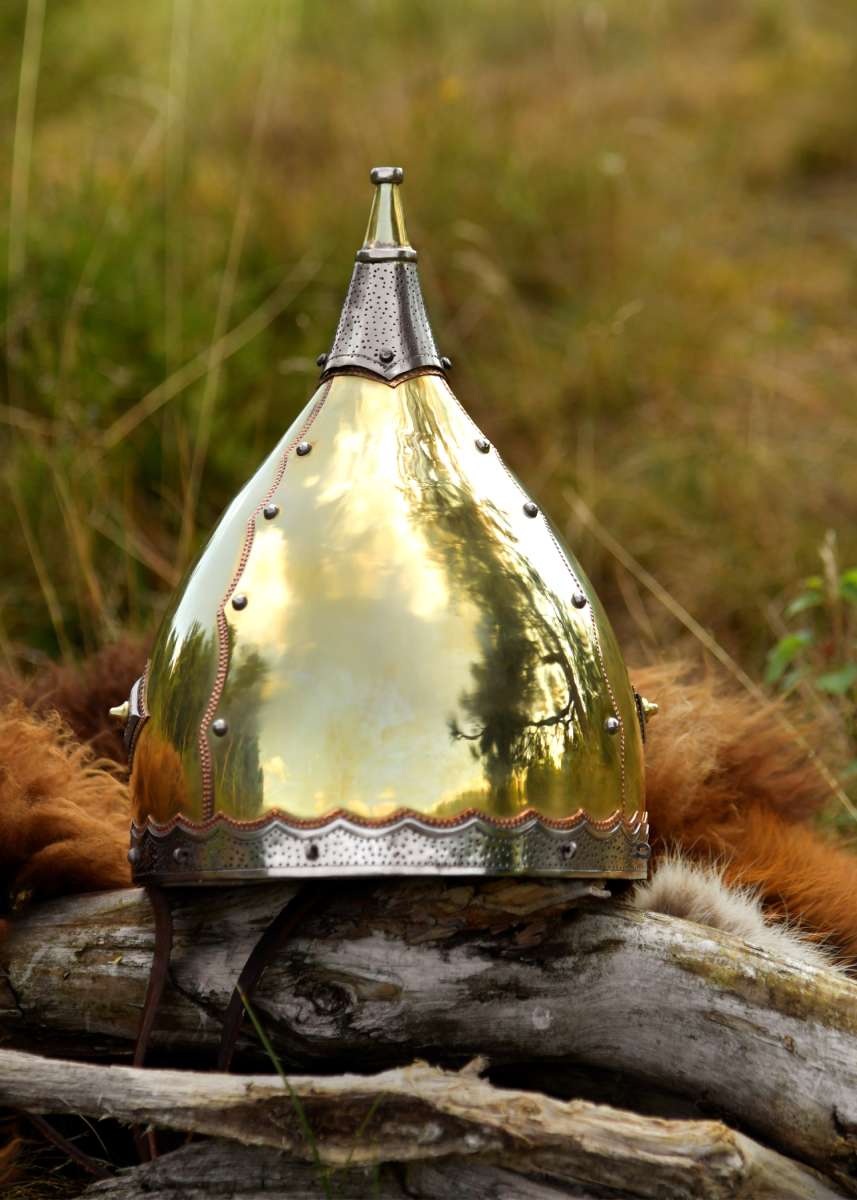
The Early Medieval helmets were essential for the defense of warriors and knights in combat. Designed for strength and functionality , they evolved over time to offer greater protection without sacrificing visibility or mobility. From the first Viking helmets to Norman models, each design had its strategic purpose.
Main types of Early Medieval helmets
- Spangenhelm : One of the most iconic of the period, with a reinforced structure and a nasal guard.
- Viking nasal helmet : With a metal bar over the nose, it offers a combination of protection and good visibility.
- Norman helmet : A variation of the Spangenhelm, with a more stylized shape adapted for mounted combat.
- Almond helmet : A precursor to the medieval great helm, with an oval shape to deflect blows.
Characteristics of Early Medieval helmets
- Iron and steel construction : Strong and durable, ideal for war.
- Reinforced design with rivets : Increased protection without making the helmet too heavy.
- Nasal bar or partial visor : Provided facial protection without limiting the field of vision.
- Padded interior lining : Improved comfort and absorbed impacts.
The Early Medieval helmets were a symbol of status and survival on the battlefield. If you are looking for medieval helmet replicas for historical reenactment, collecting, or medieval combat , at Todo Medieval you will find authentic, high-quality models.
