










Medieval clothing: Clothing and Footwear of the Late Middle Ages (12th–15th Centuries)
Medieval clothing to explore the garments and footwear of the Late Middle Ages collection, focusing on the 12th to 15th centuries. During this period, outfits combined functionality and ornamentation, with differences depending on the region, activity, and social status. Todo Medieval brings you closer to this diversity to prepare reenactments, themed events, or personal collections.
Medieval men's clothing: garments and accessories
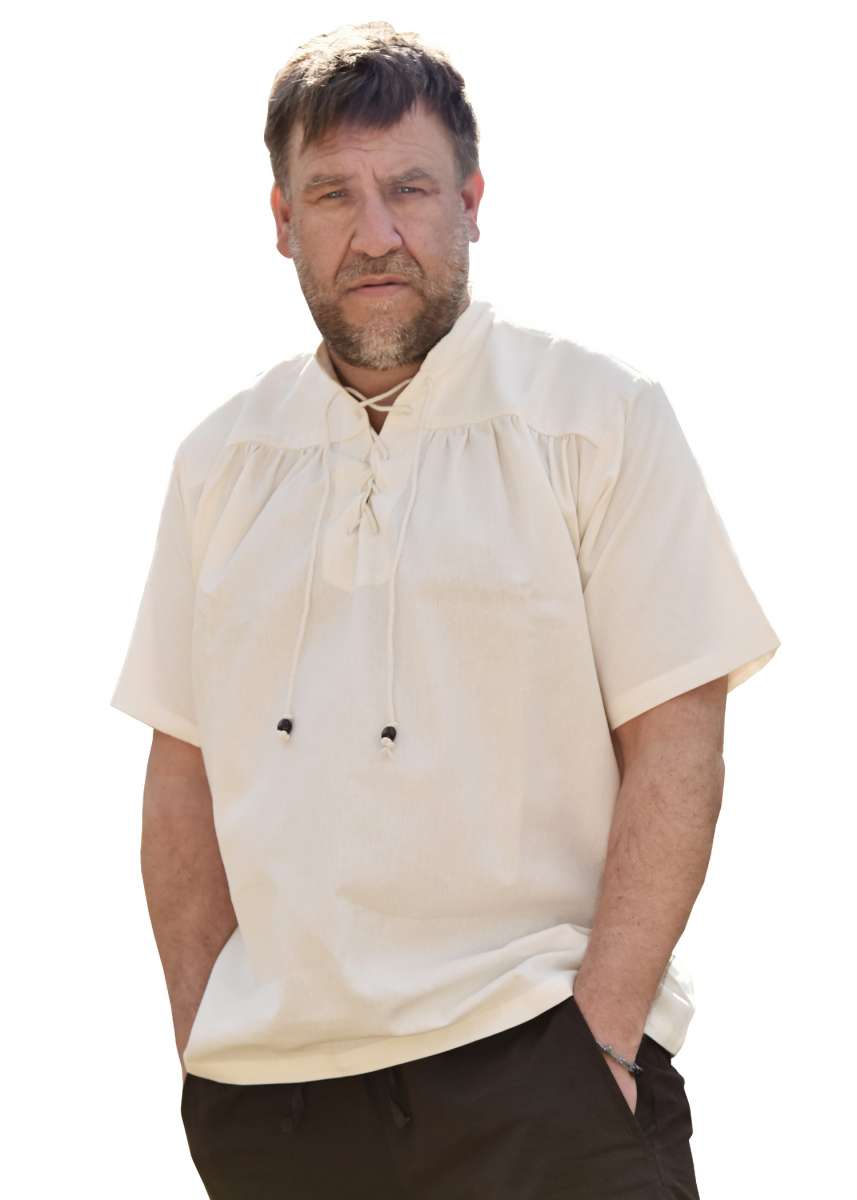
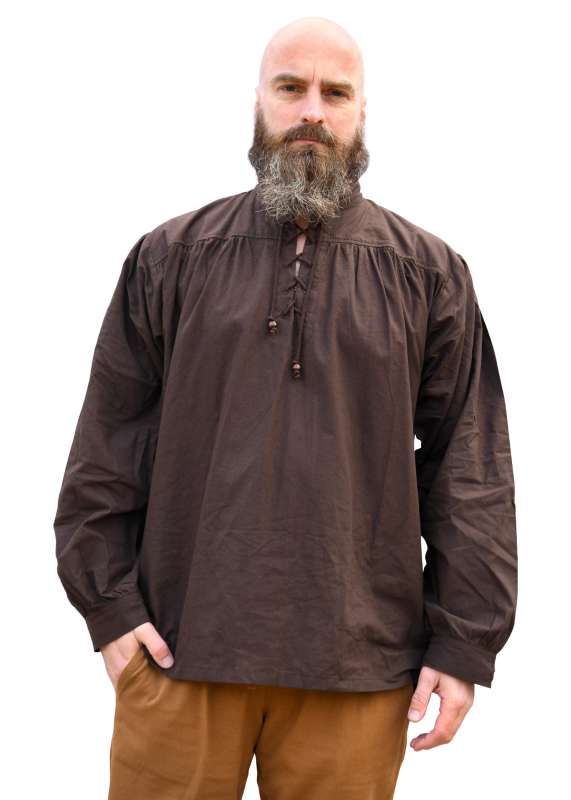
- Tunic: a basic garment made of wool or linen, with different lengths and finishes depending on the period and use, found in everyday and military outfits.
- Cloak or mantle: worn over other garments for warmth; its fabrics and adornments could also express social status.
- Trousers or hose: garments to cover the legs, with cuts and fastening systems that varied depending on the model and century represented.
- Belt: allowed the tunic to be adjusted and carried pouches, tools, or weapons, depending on the outfit.
- Boots: leather or hide footwear to complement the outfit, with different characteristics depending on their construction and use.
- Hat or cap: head coverings that varied in shape and finish depending on the region and social status.
Medieval women's clothing and medieval period dresses
Medieval period dresses could be combined with overgarments, mantles, and headpieces. The layering of garments and their finishes helped define the appearance of the outfit:
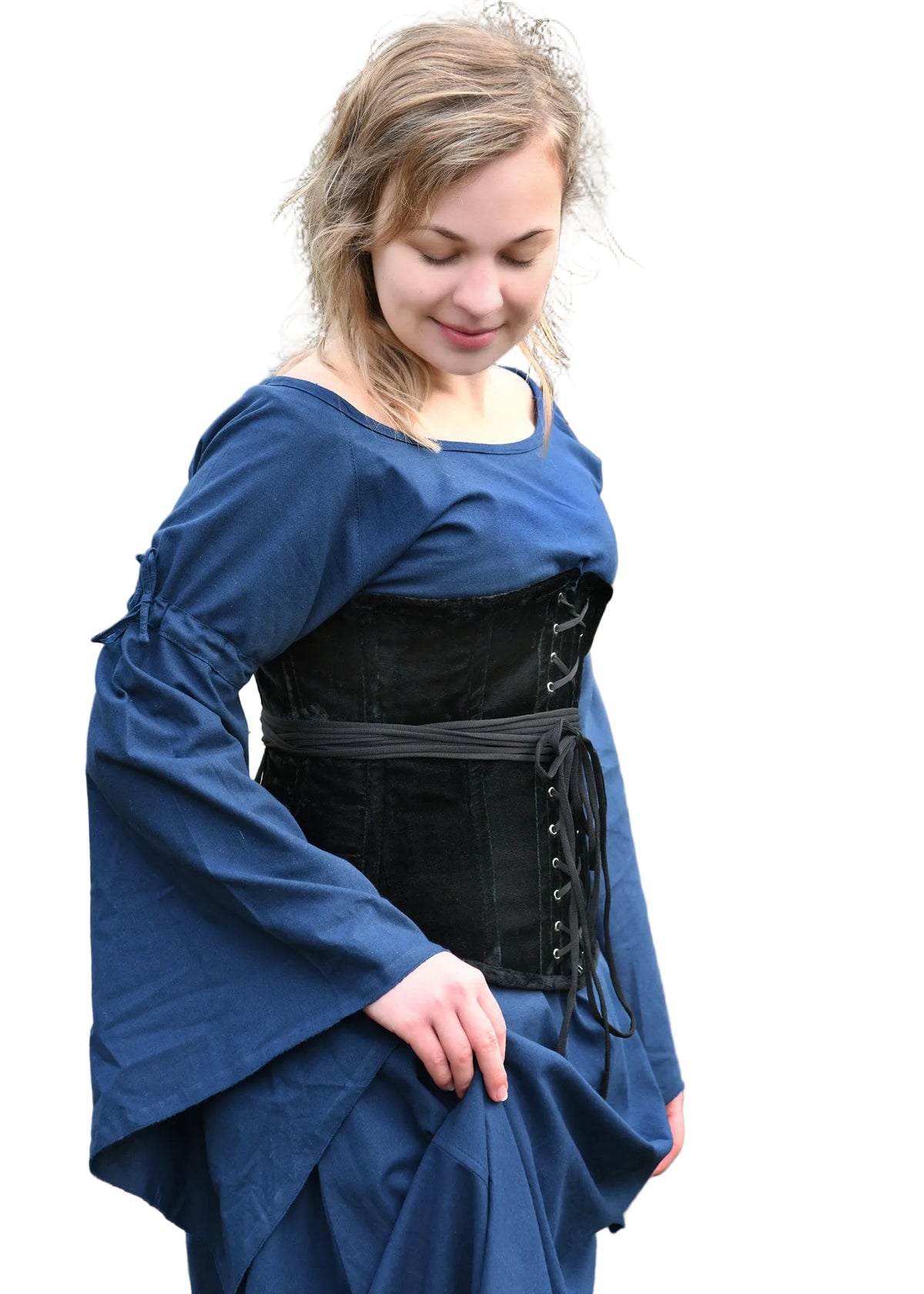
- Long dress: the main garment made of linen or wool, more ornate in the outfits of the upper classes. It could be accompanied by an overgarment, such as a surcoat, depending on the location and period.
- Belt: an accessory to define the waist and provide functionality, with decorative finishes in more elaborate outfits.
- Mantle or cloak: a warm garment that could incorporate fur details in wealthier outfits.
- Headpiece: head covering with design variations related to the region and social status.
- Shoes or boots: leather footwear with different degrees of ornamentation, chosen according to the garments and the representation.
12th-century clothing and 13th-century clothing
To prepare 12th-century clothing or 13th-century clothing outfits, check the dating of each model and combine garments, footwear, and headpieces compatible with the chosen character. The same designation, such as tunic or mantle, does not mean that all its designs correspond to the same century.
15th-century clothing and 15th-century clothes
If you are looking for 15th-century clothes, pay attention to the cut of the garments, their fastenings, and the accessories that accompany them. The selection should take into account both the date and the social status and activity of the character, rather than indiscriminately mixing elements from throughout the Middle Ages.
Medieval women's clothing: how to prepare an outfit
If your search is for Medieval women's clothing, start by defining the century and the type of character you want to portray. Then, coordinate the dress, overgarment, belt, mantle, headpiece, and footwear, checking the materials, sizes, and historical references available in each product page.
Explore the Late Medieval-inspired clothing and footwear options at Todo Medieval, distinguishing documented reproductions from modern or fantasy designs. Choose your garments and bring your next medieval outfit to life!
