





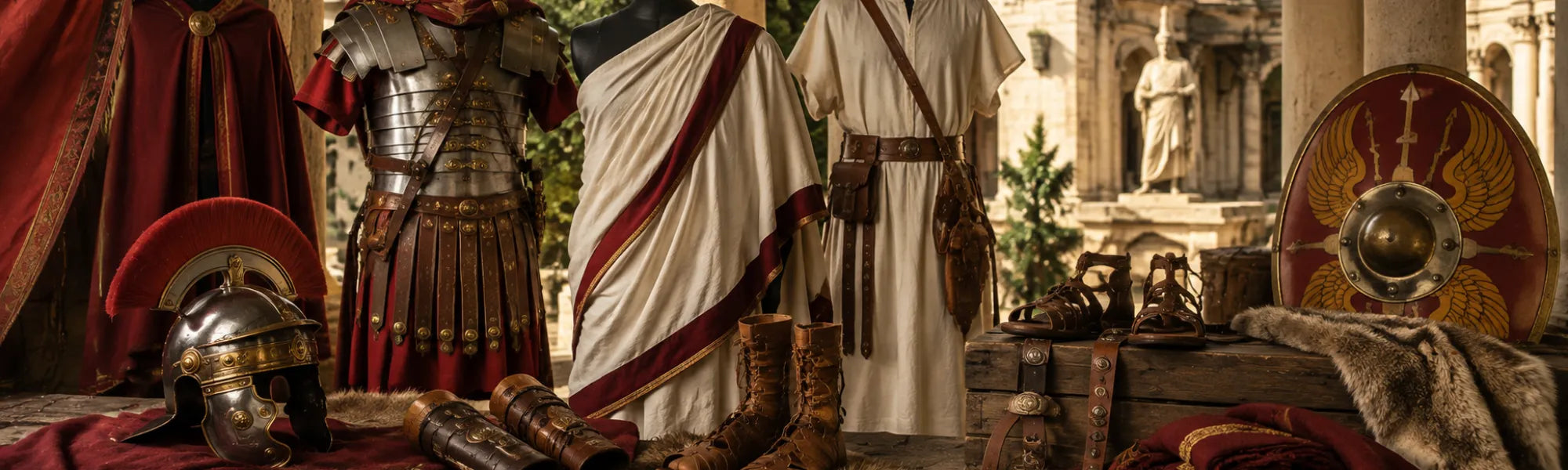




























Roman Women's Clothing: Clothing and Footwear of the Roman Empire
Roman women's clothing and men's clothing to explore the attire within the Roman Clothing and Footwear collection, set in the Roman Empire from the 1st century BC to the 5th century AD. During this period, garments not only served a practical purpose: they also reflected the identity and social status of those who wore them.
Roman clothing, influenced by Greek and Etruscan traditions, combined functionality and distinction, especially among the upper classes. Roman fashion allows us to get closer to both daily life and ceremonies and public events through its garments and accessories.
Roman Women's Clothing: Stola, Palla, and Accessories
Women's attire combined long garments, cloaks, and accessories that helped define the outfit:
- Stola (stola): long dress associated with married women and their social status.
- Palla: cloak that could cover the body and head, used in public spaces and ceremonial occasions.
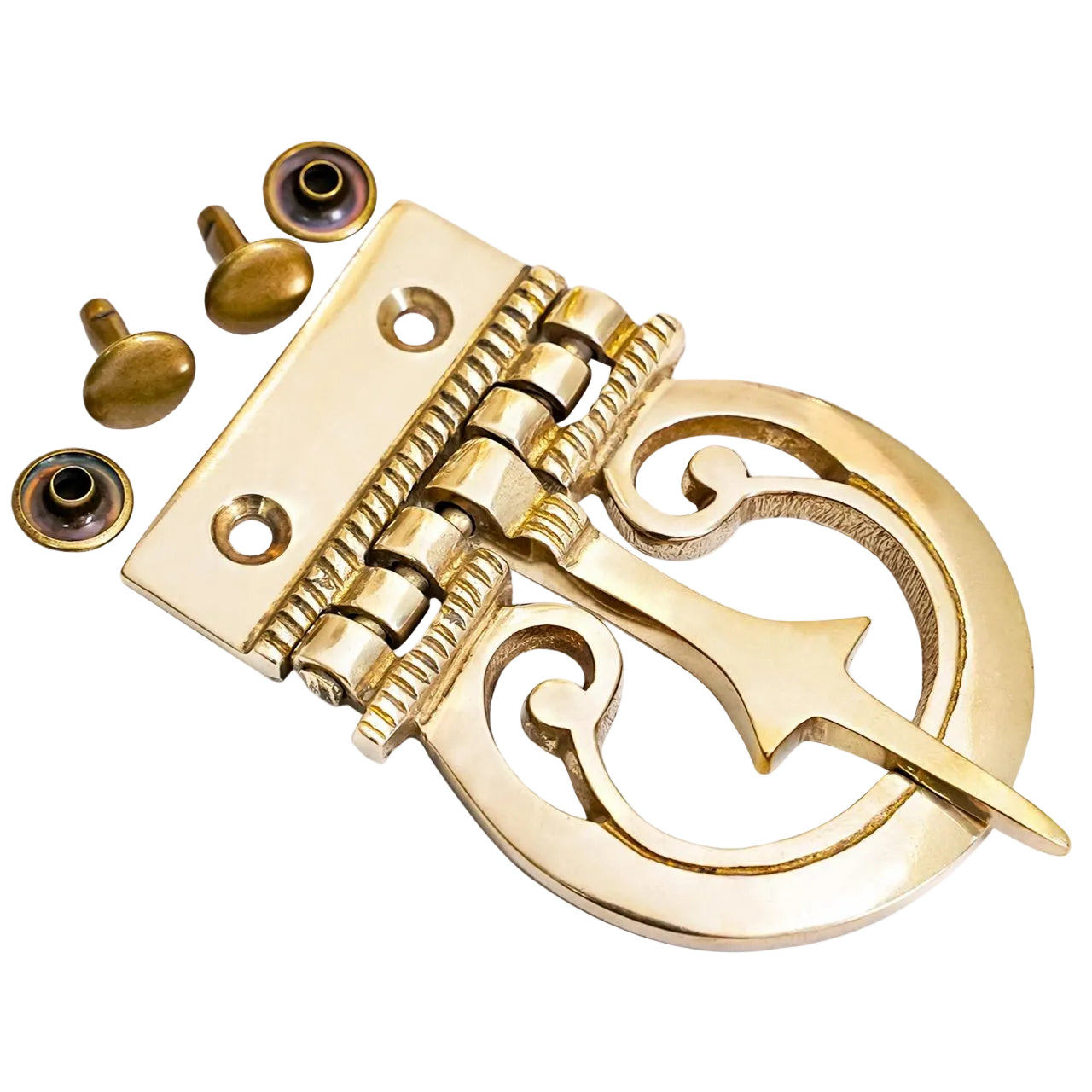
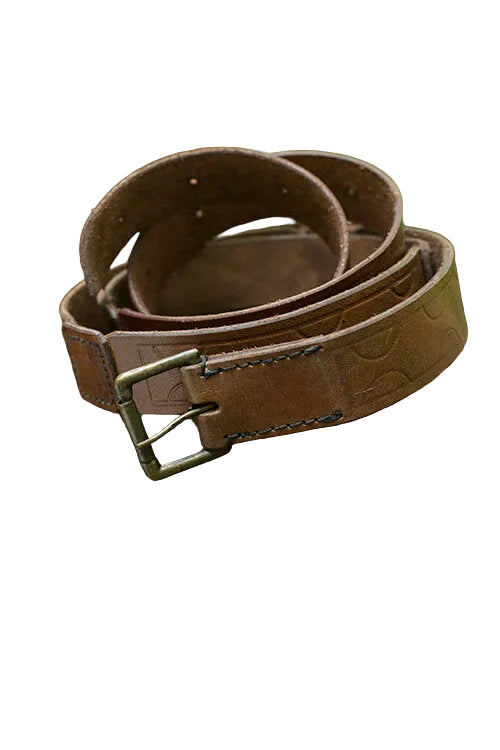
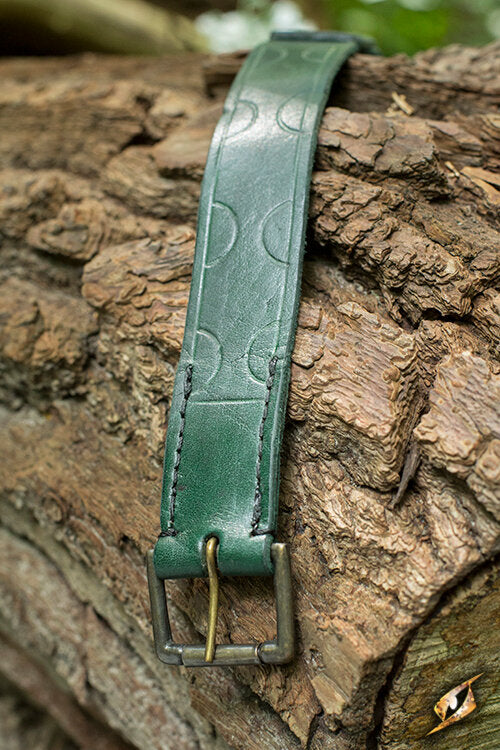
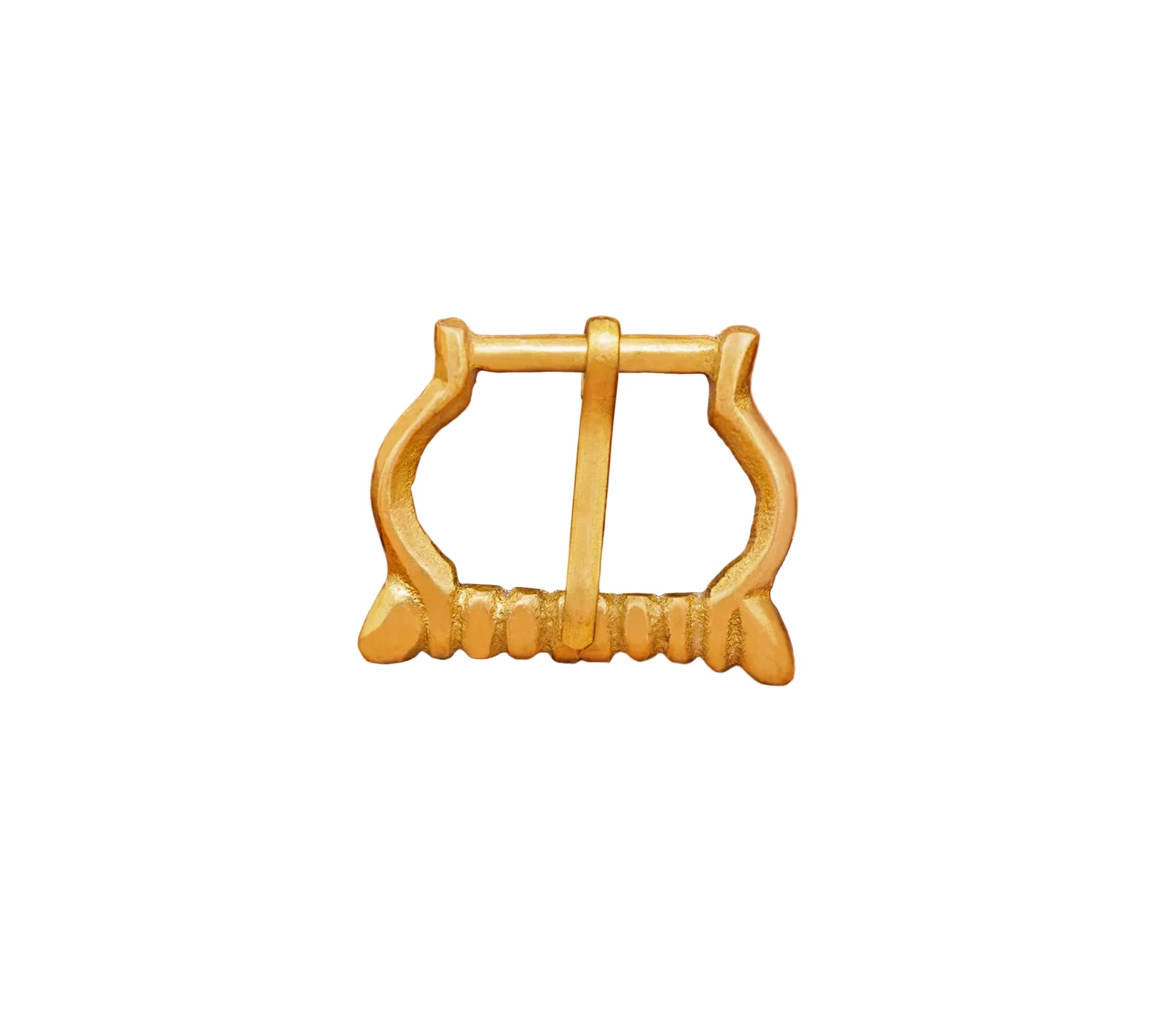
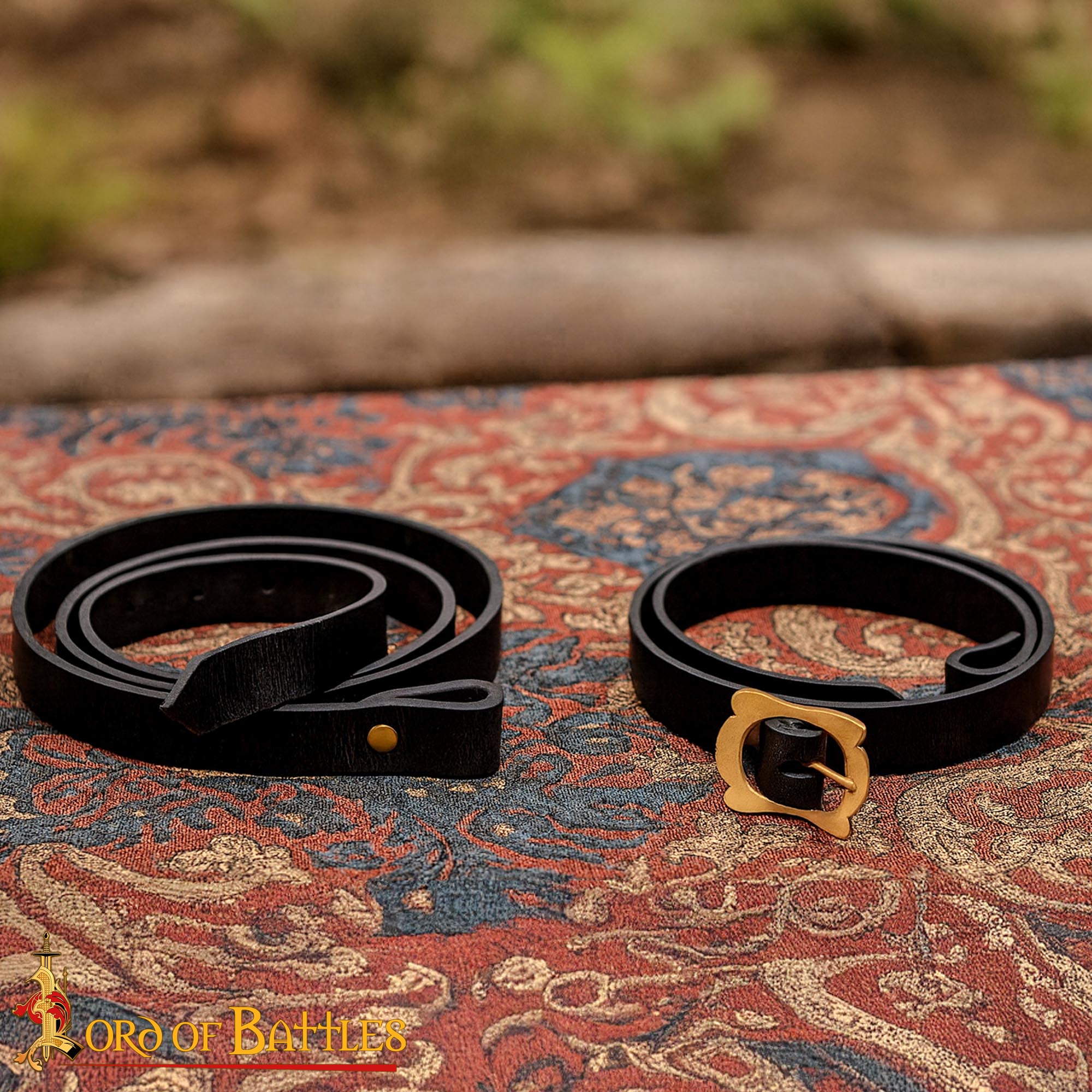
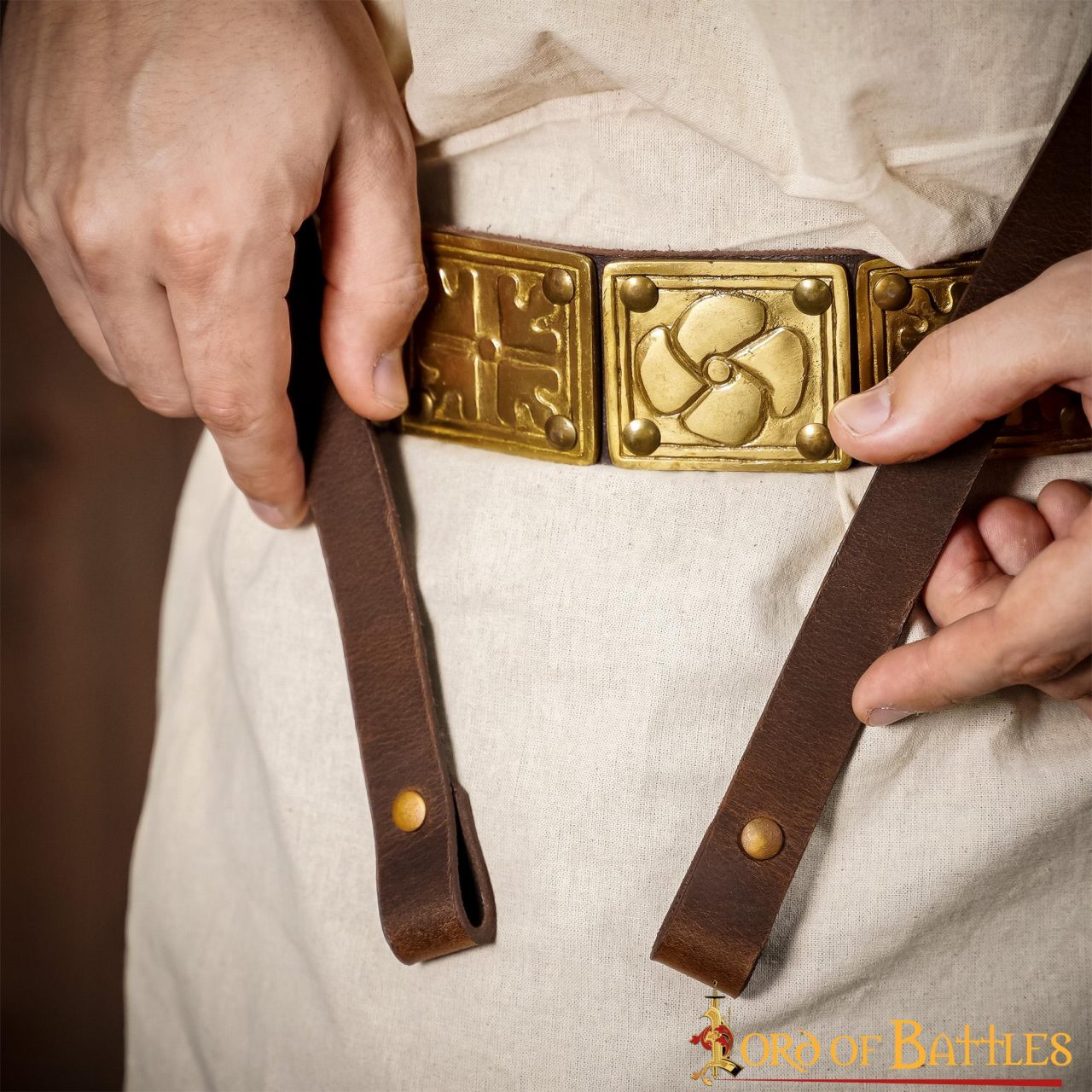
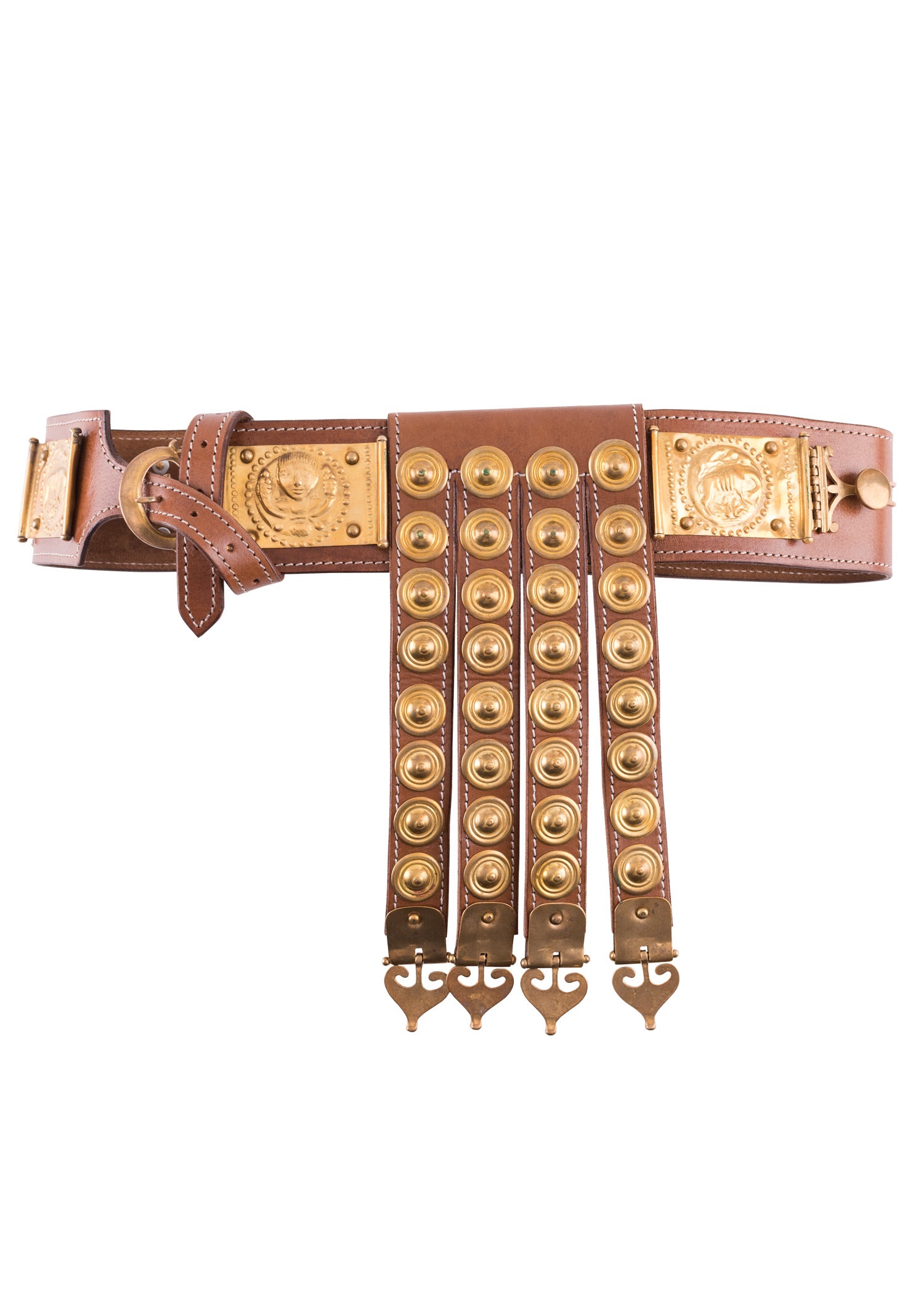
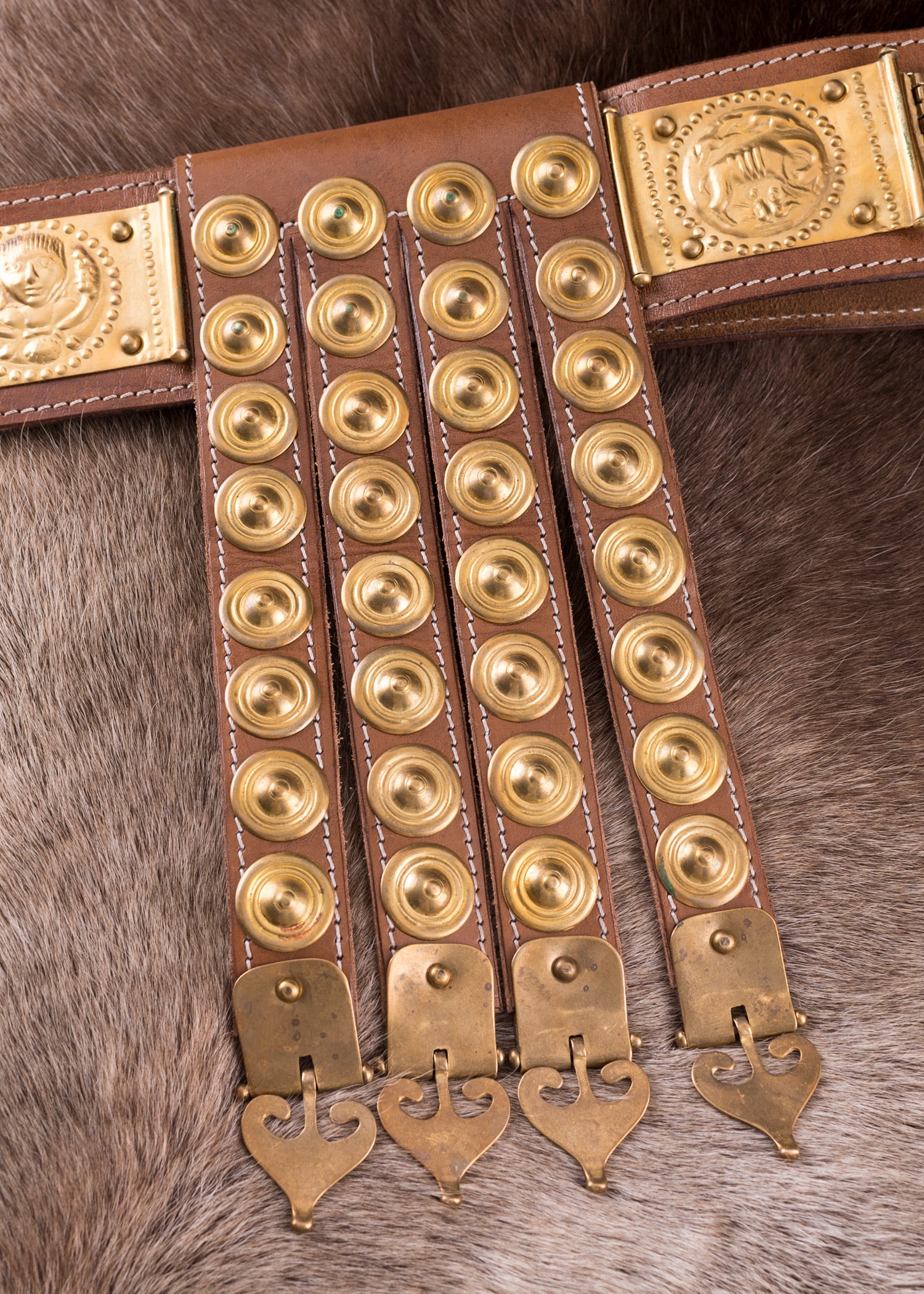
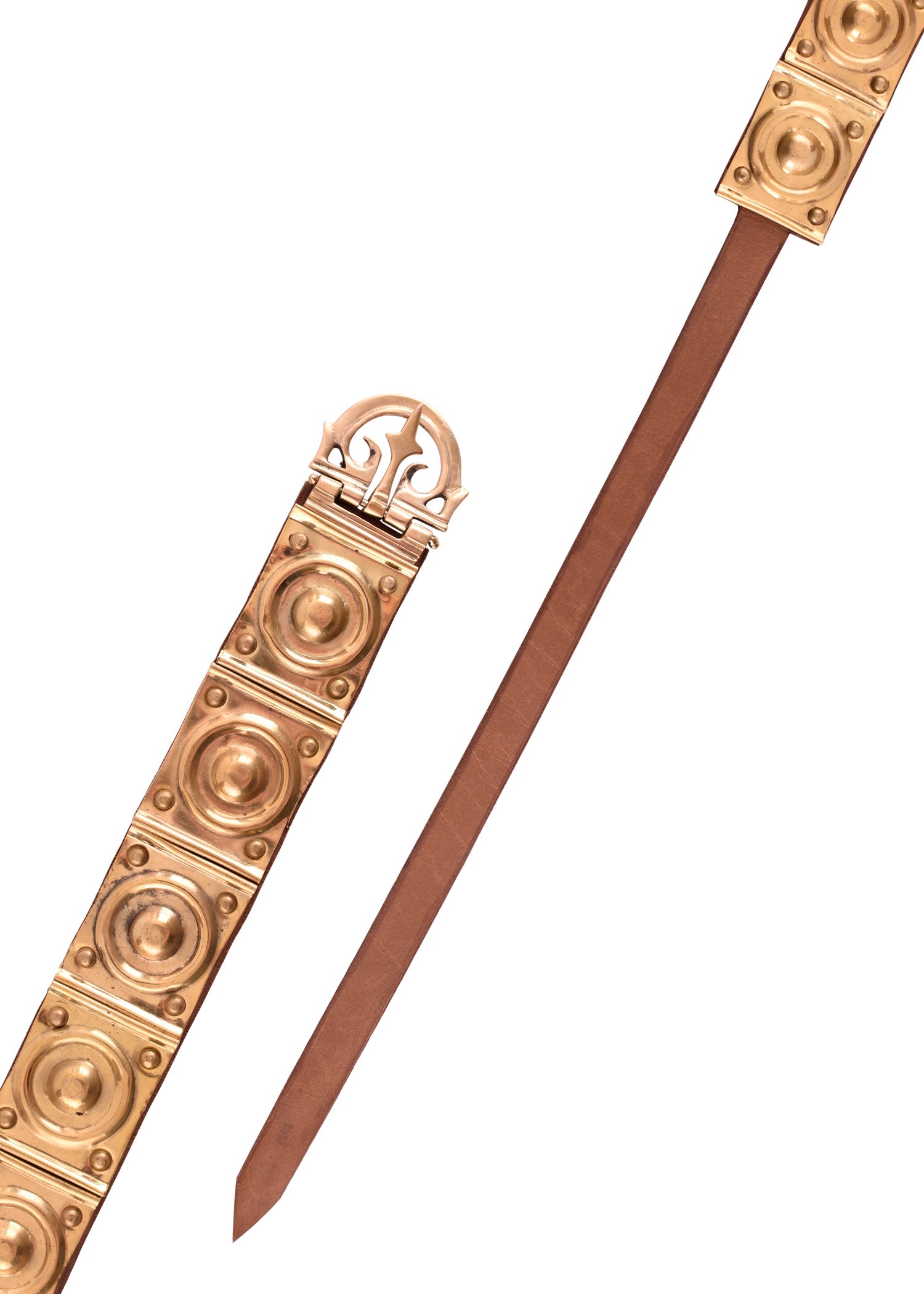
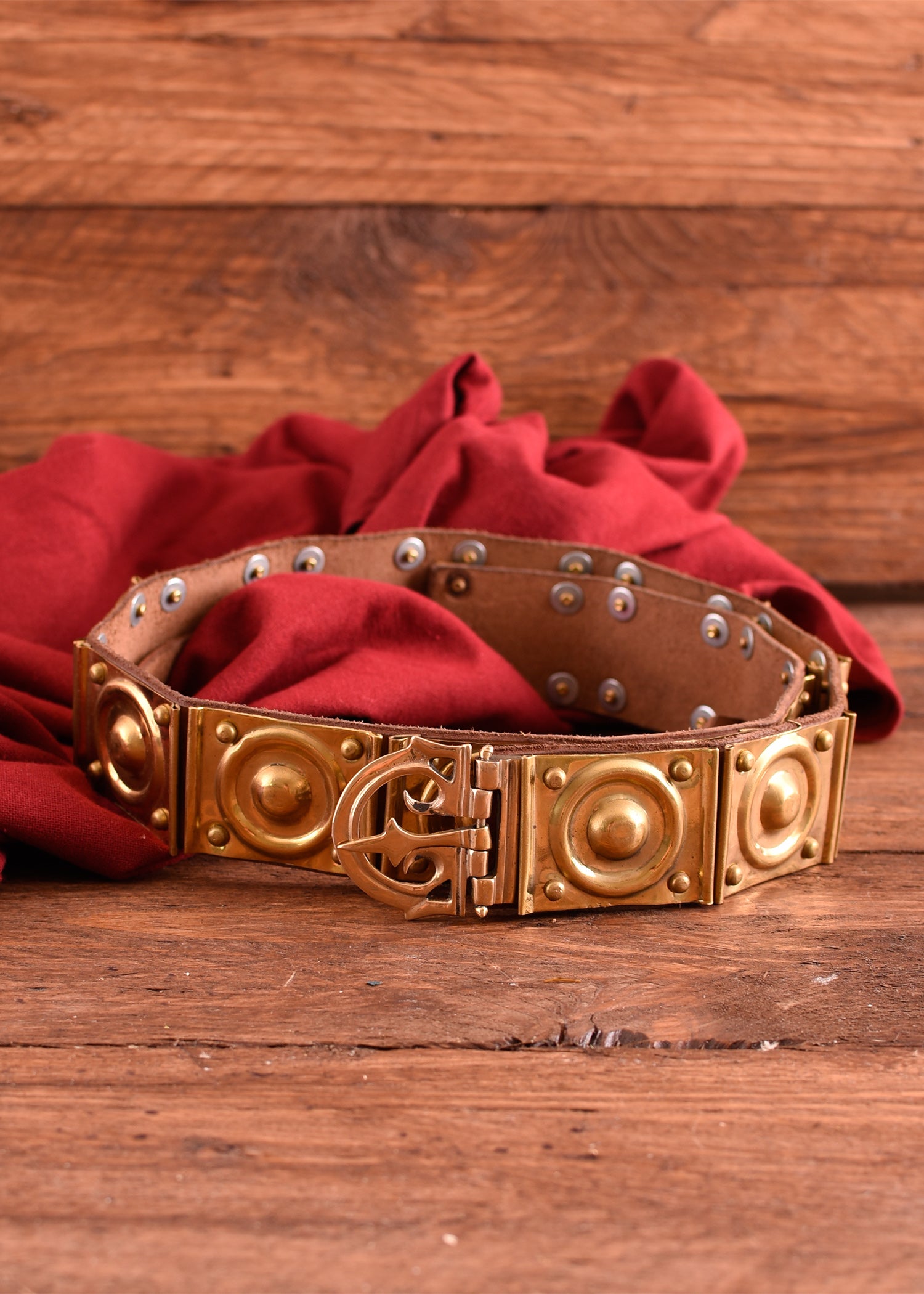
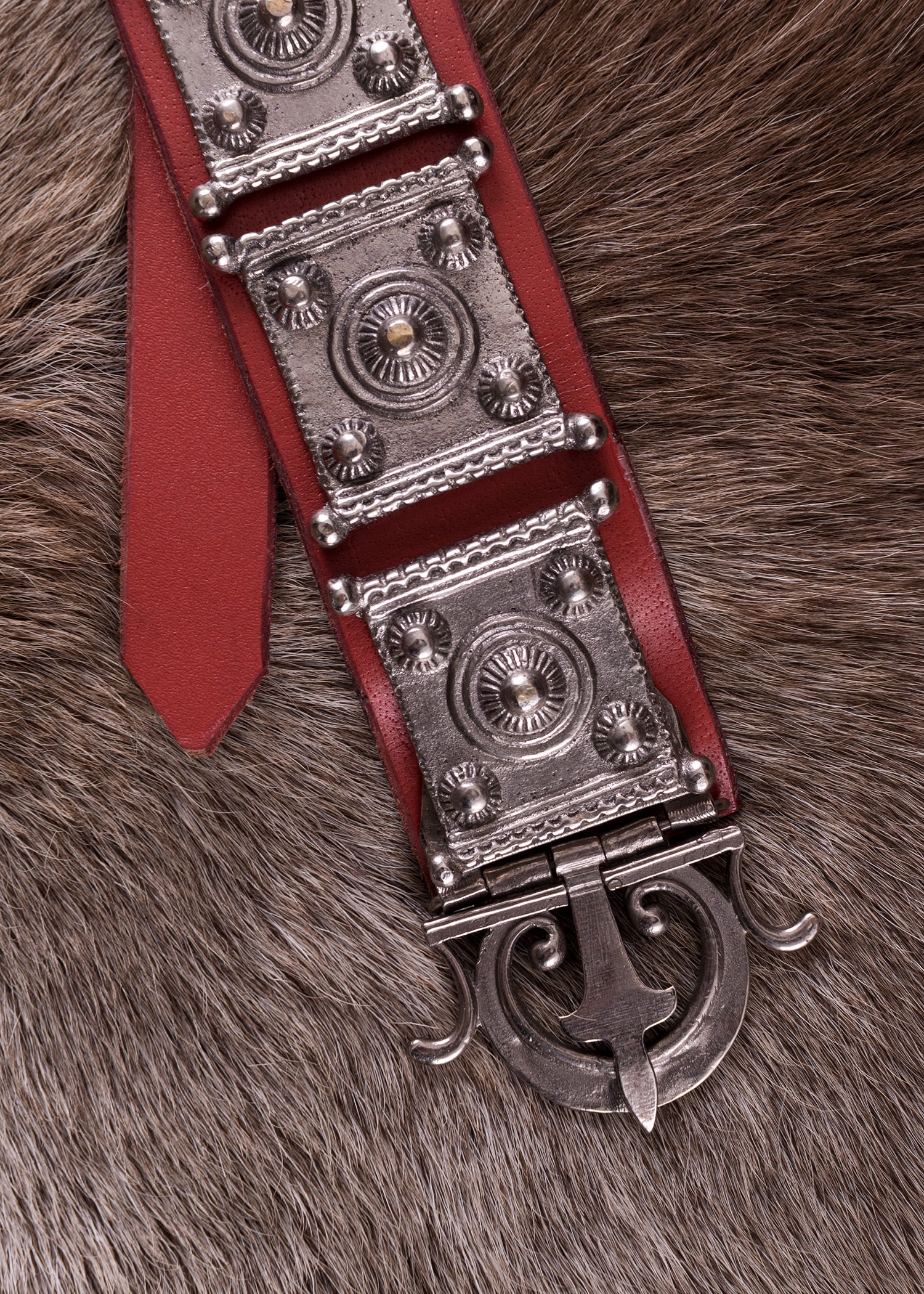
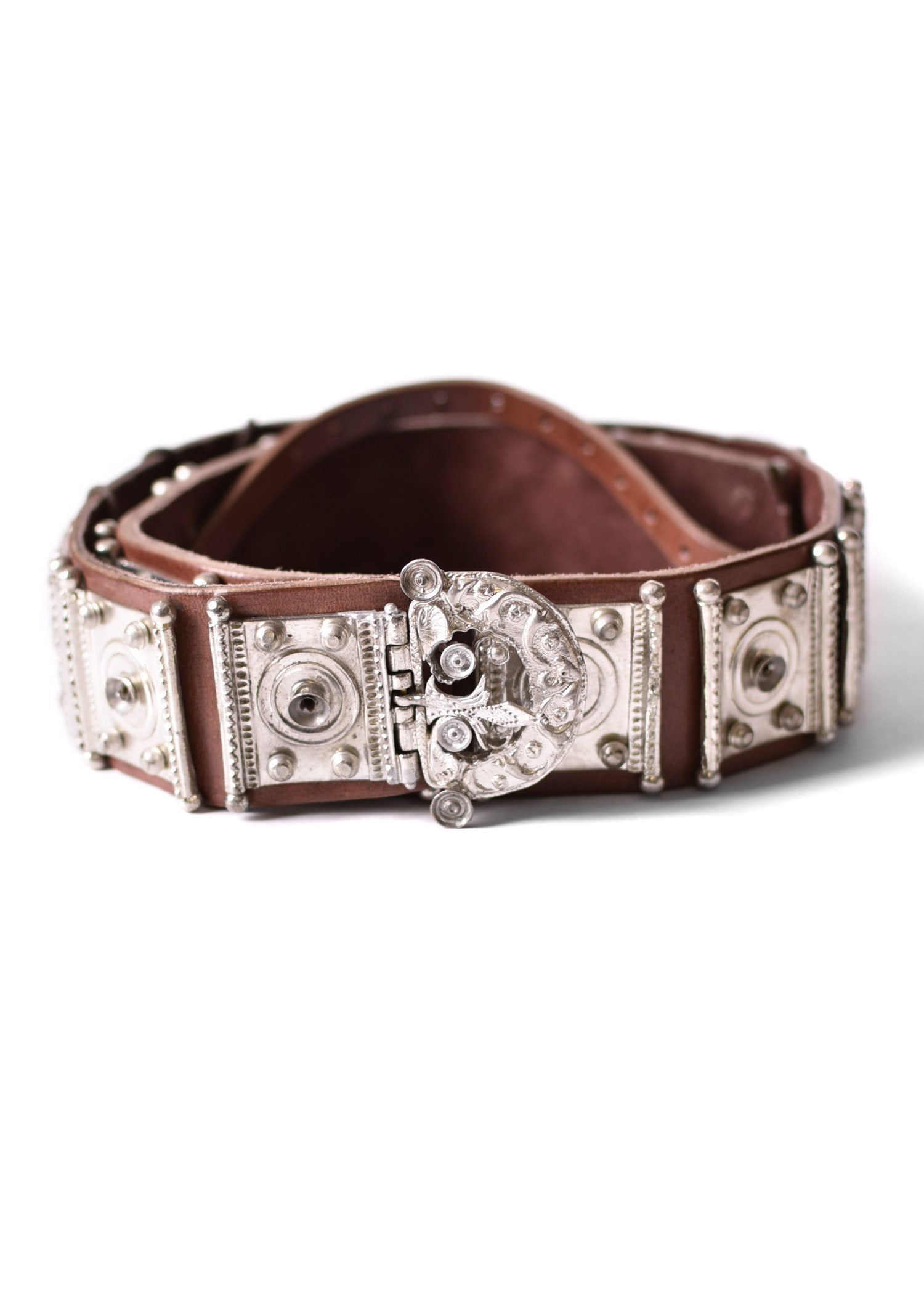
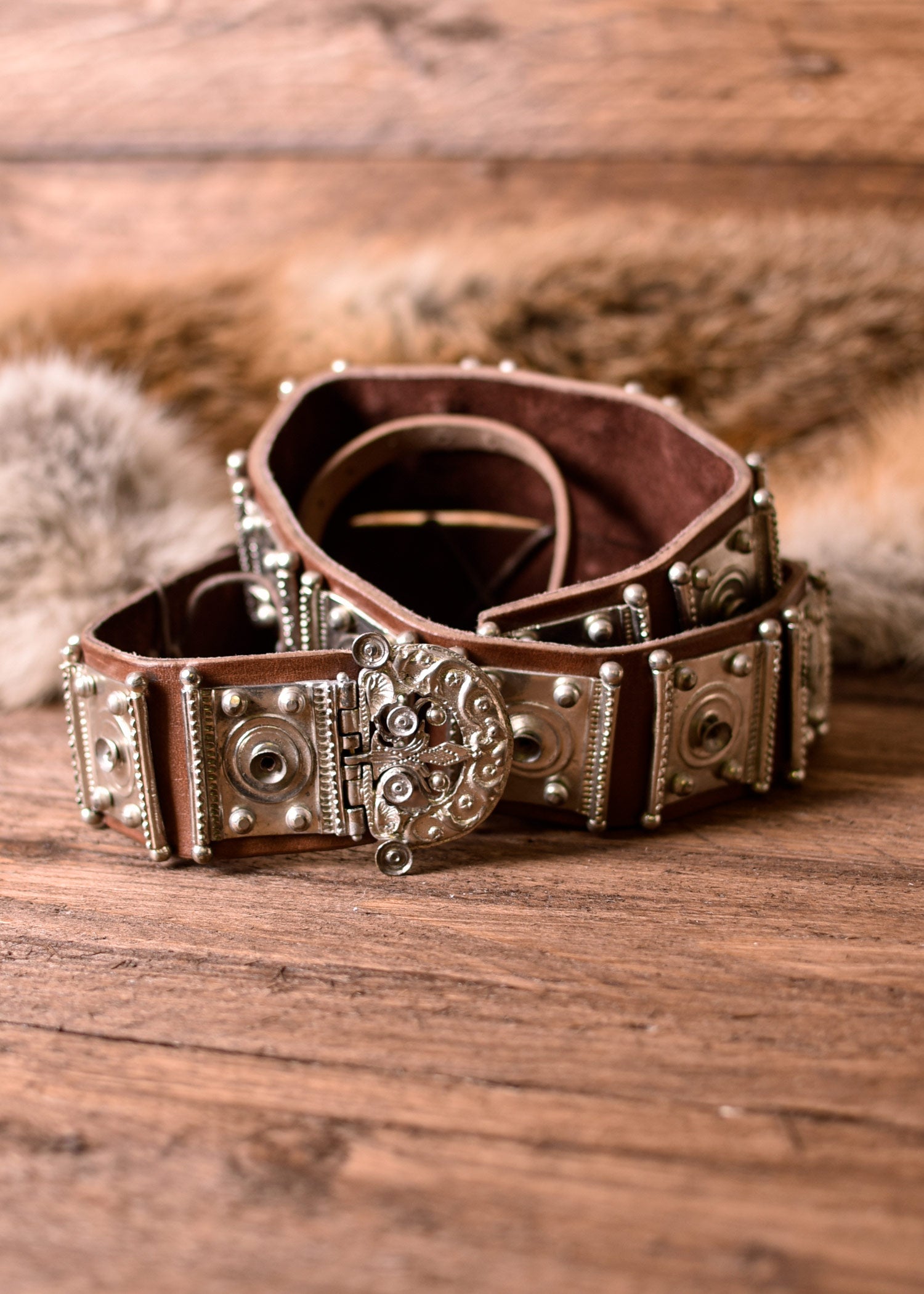
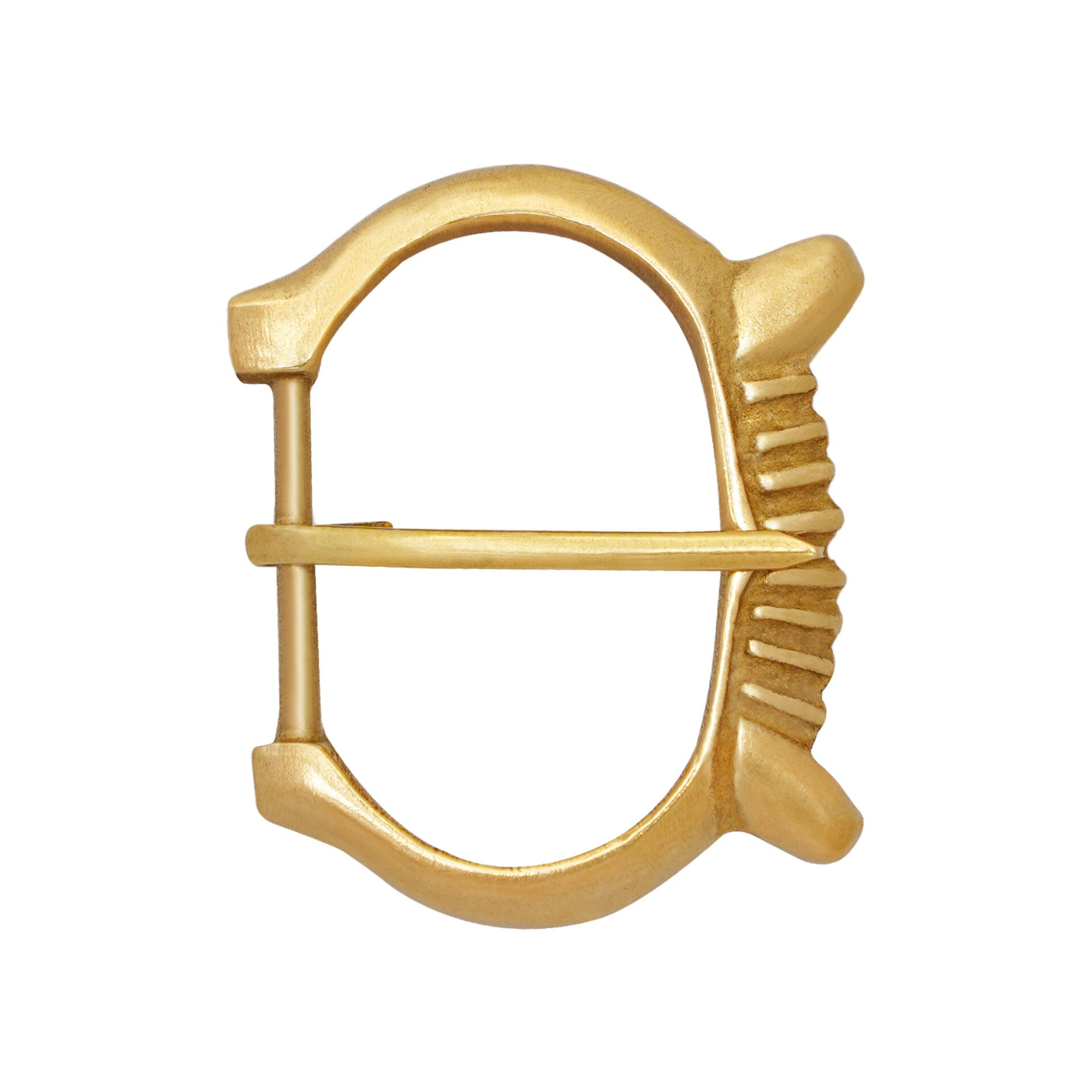
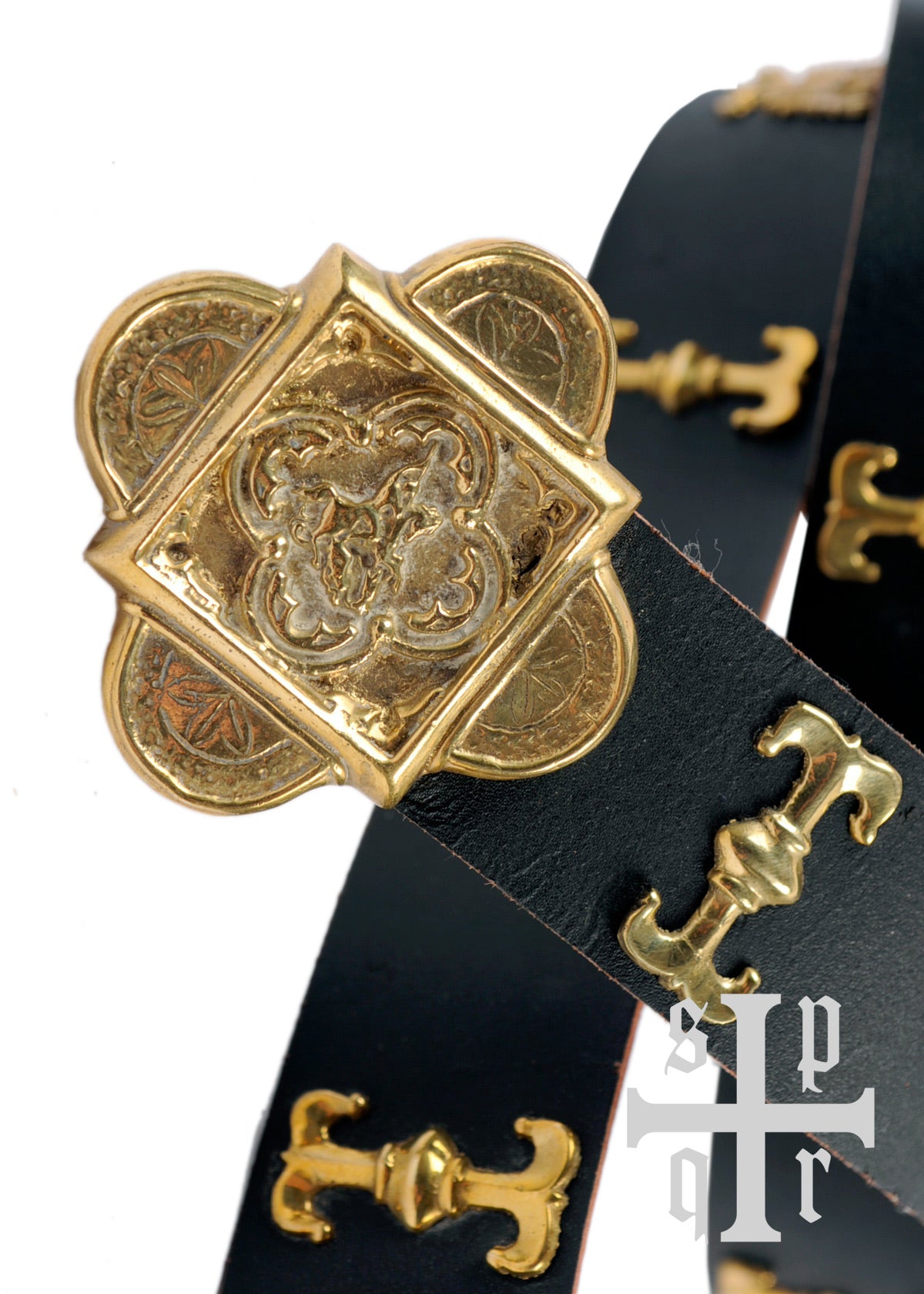
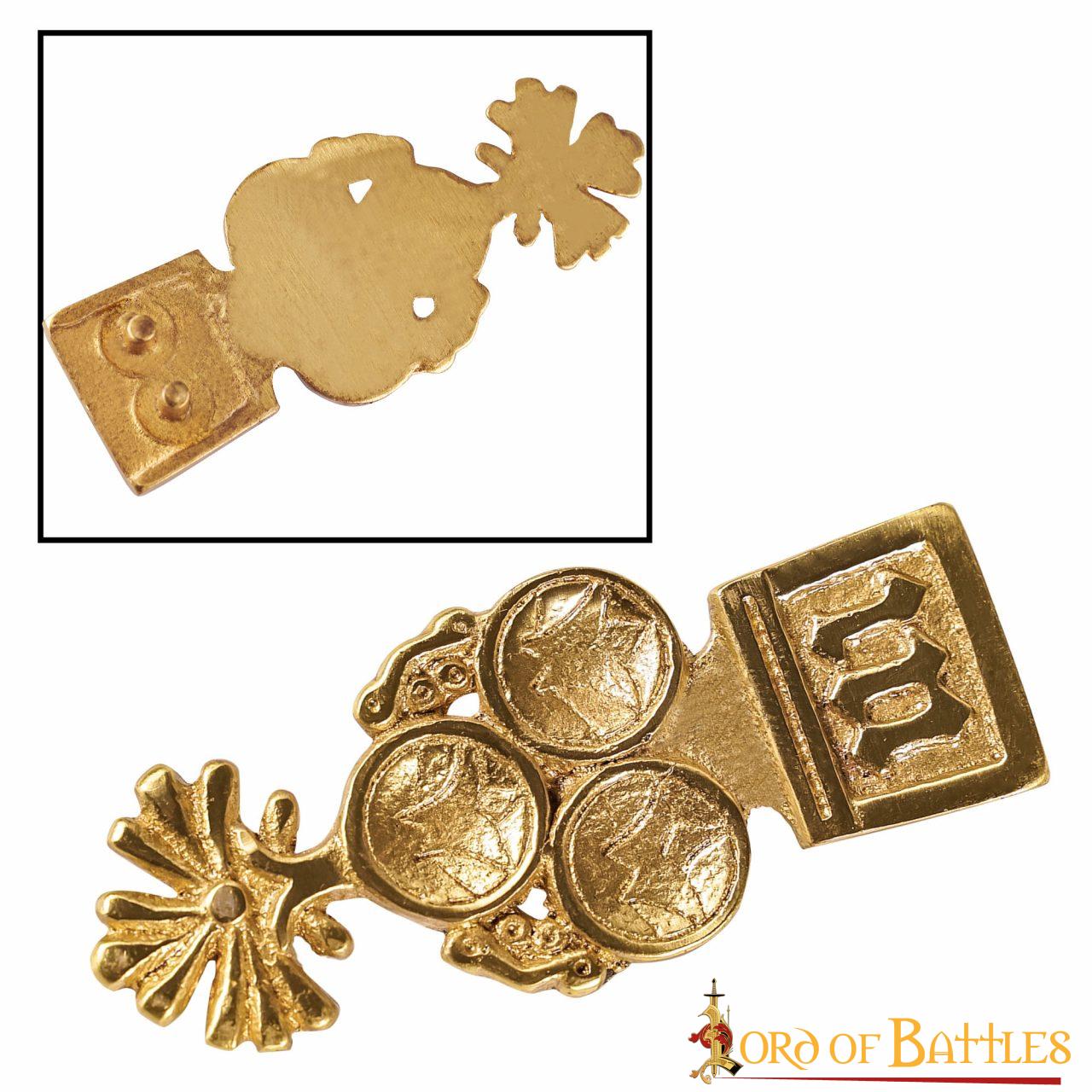
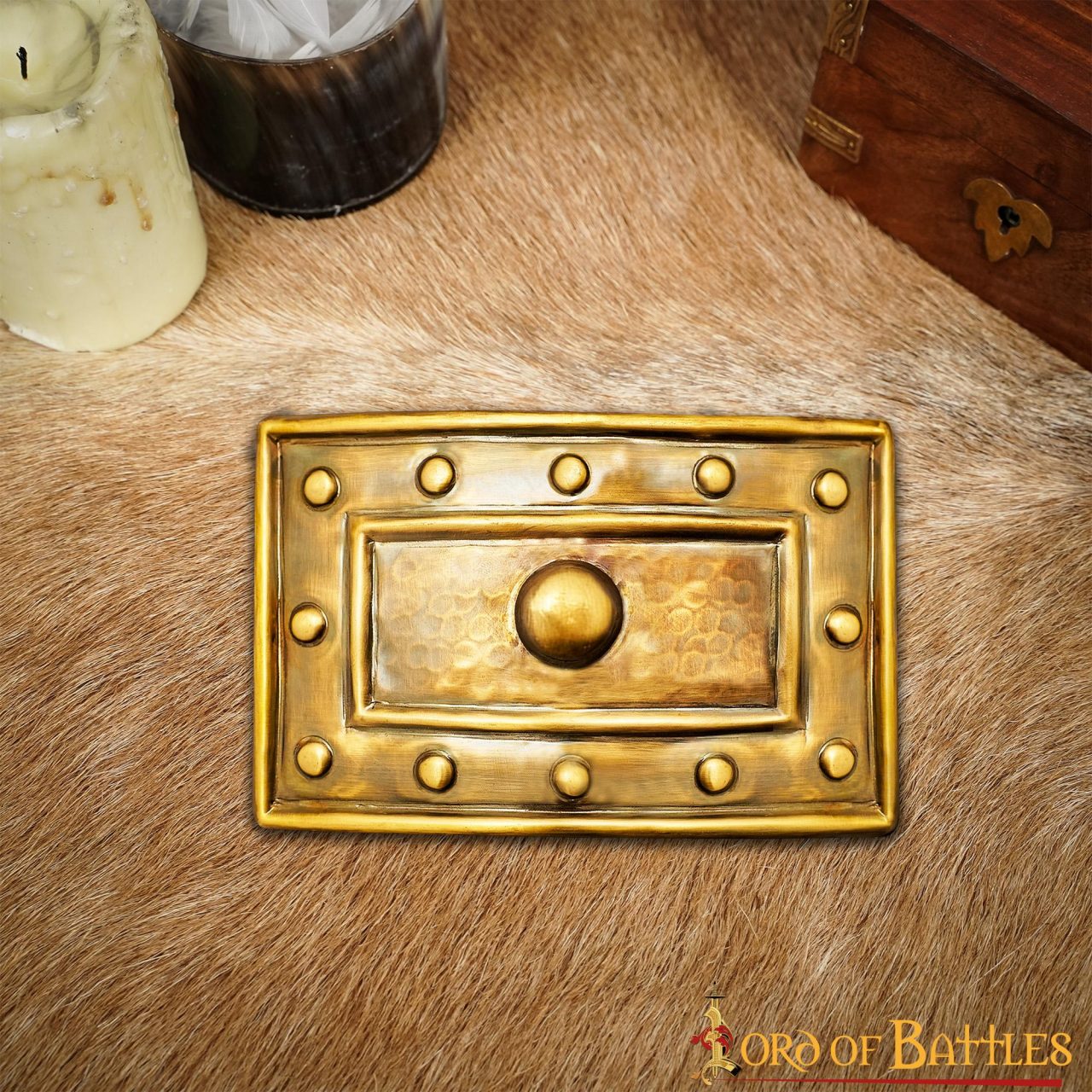
- Belt: accessory that tightened the stola and could incorporate decorative elements to highlight the silhouette.
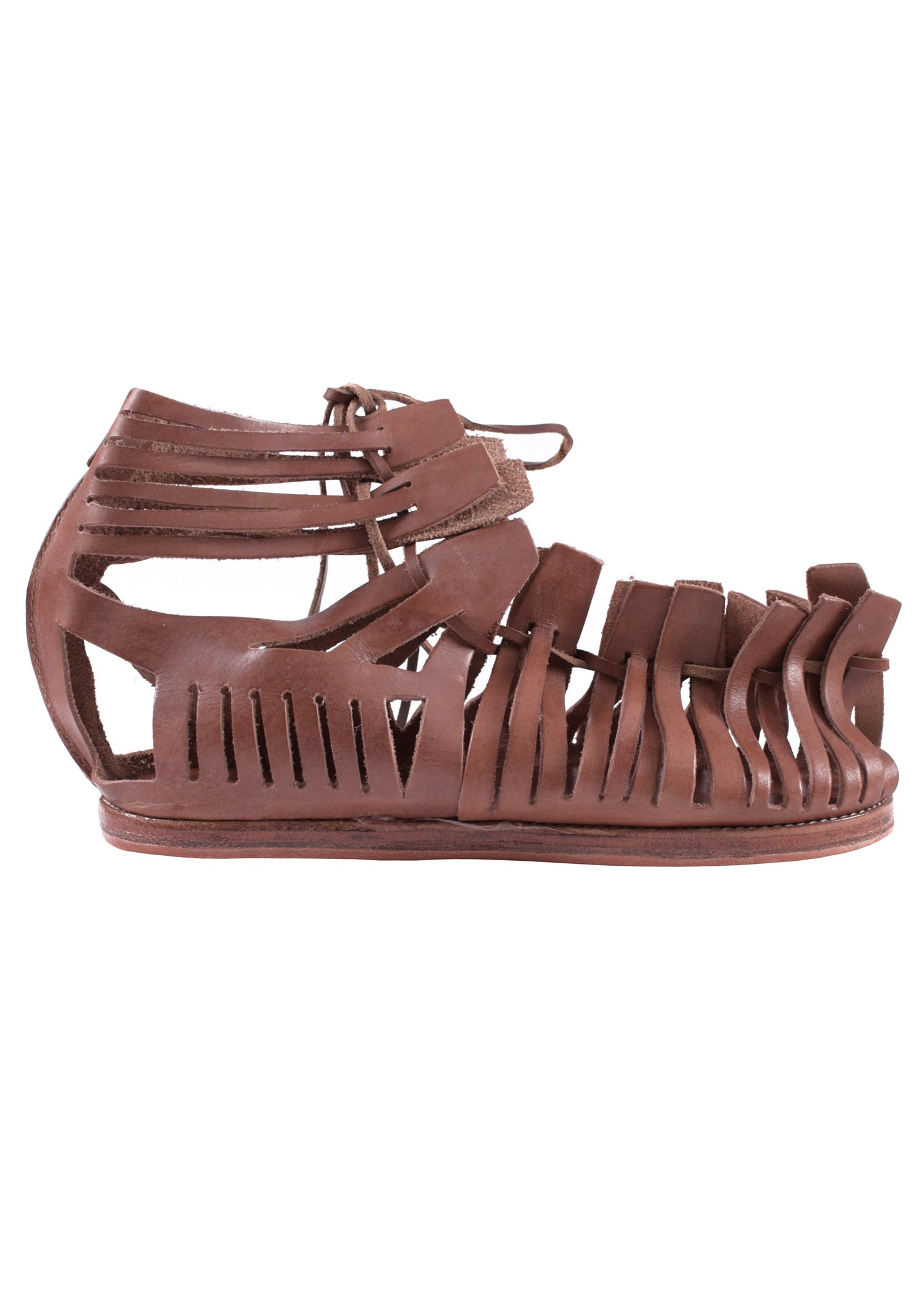
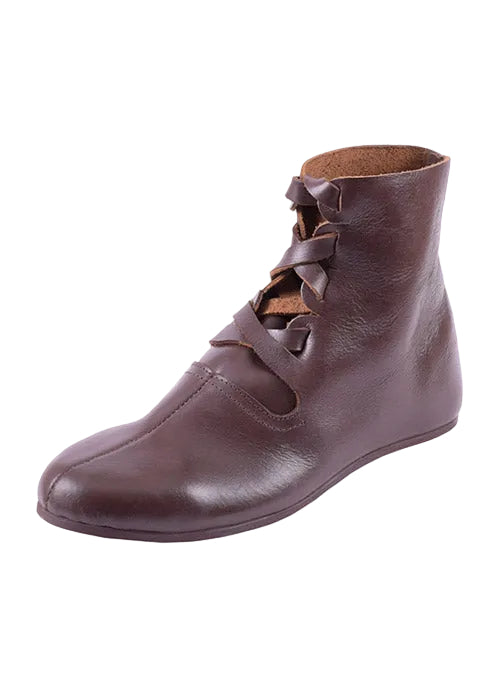
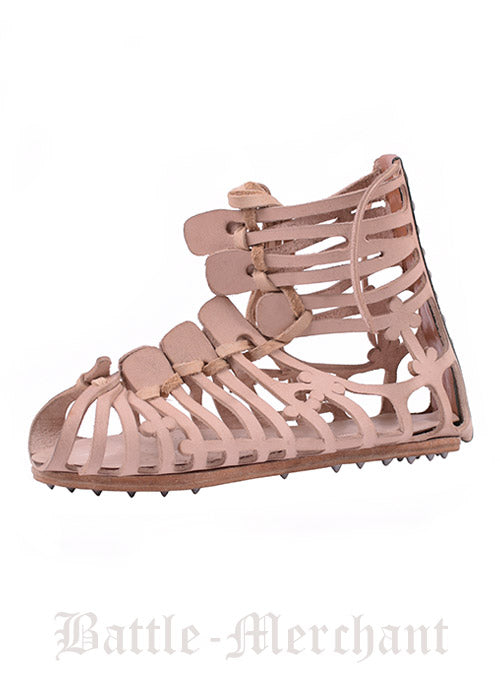
- Sandals or closed shoes: leather footwear whose designs and finishes varied according to social status.
- Headpiece or veil: accessory to cover the head, especially on formal occasions, related to the social conventions of the time.
Roman Men's Clothing: Tunics, Togas, and Cloaks
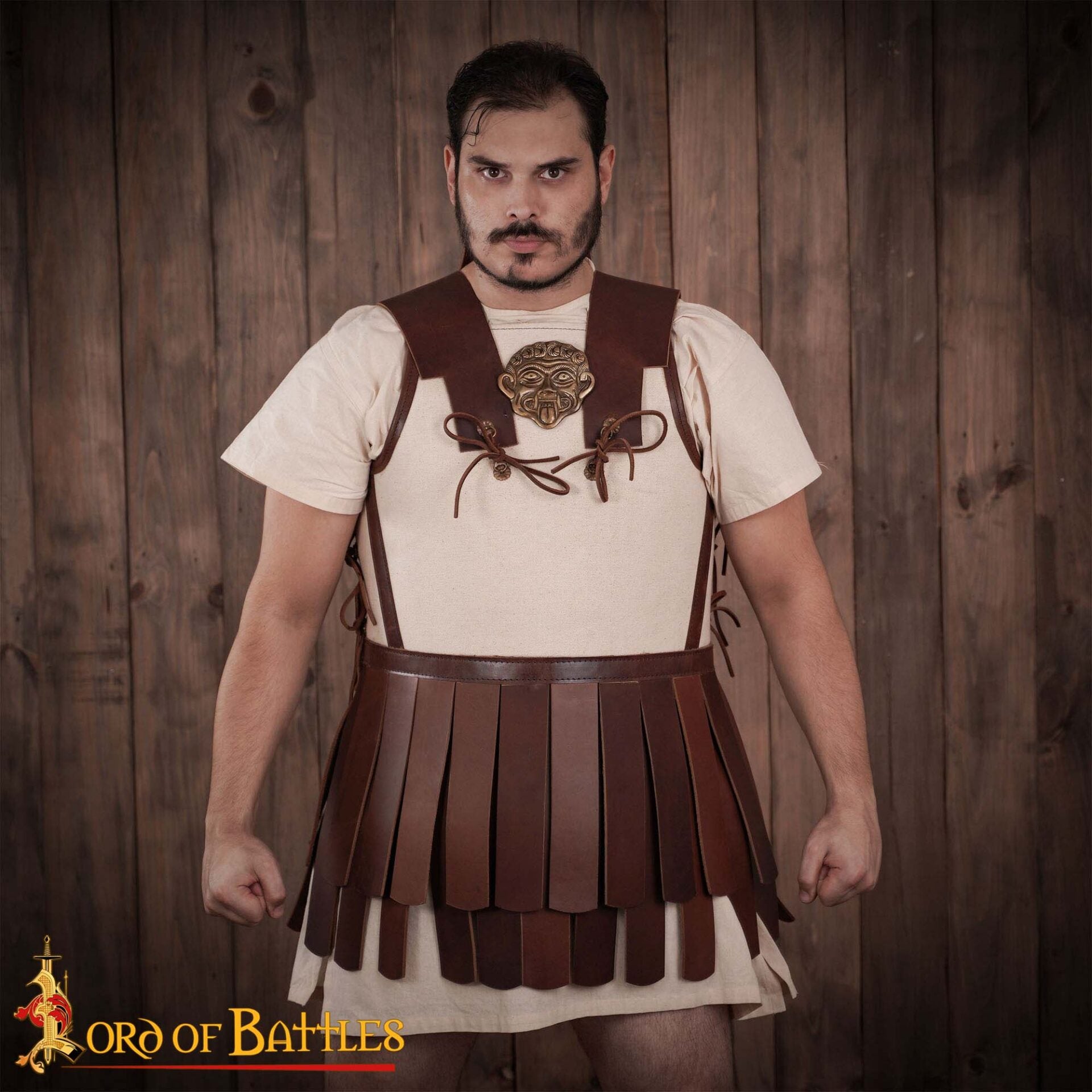
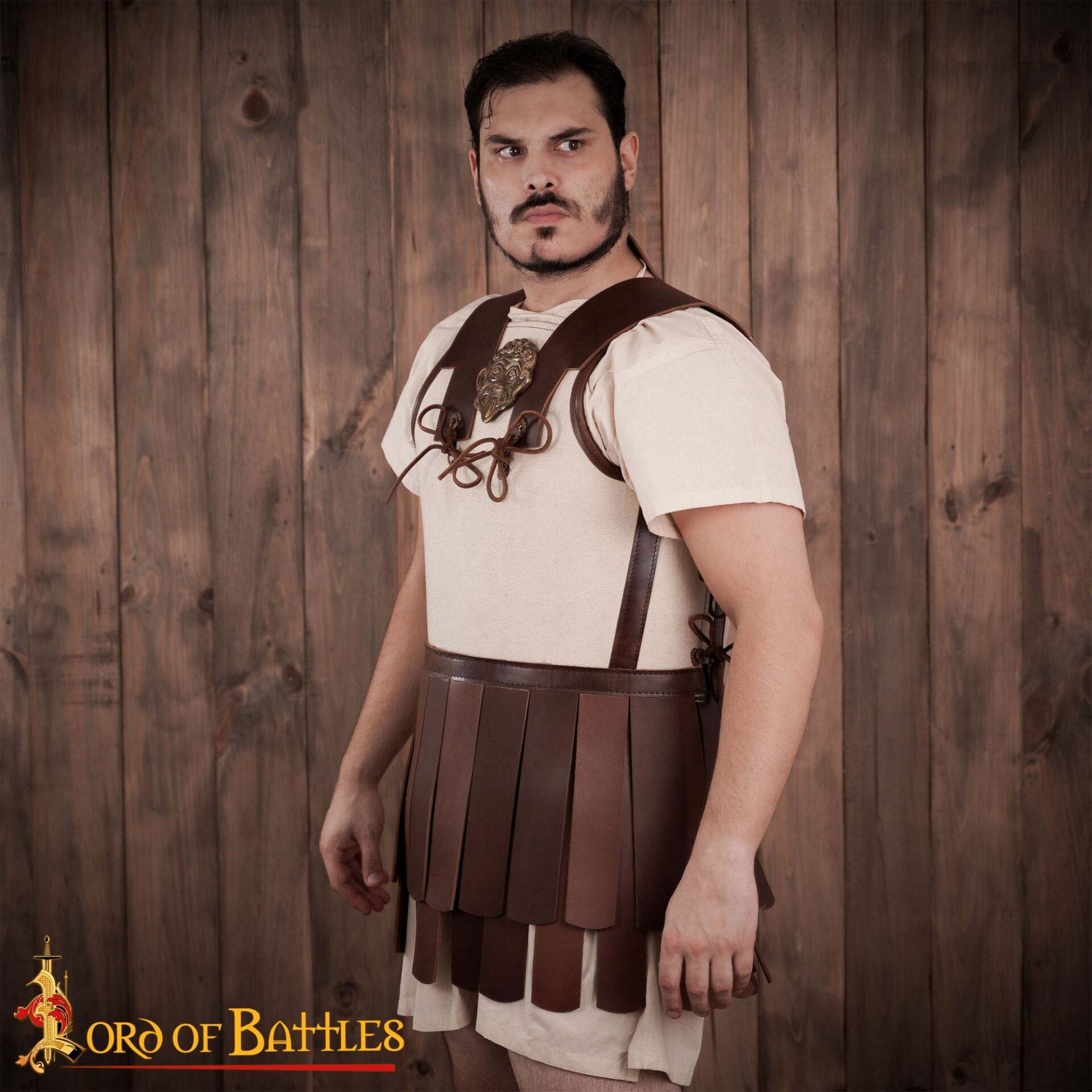
The selection of Roman men's clothing allows us to explore everyday garments and others linked to citizenship, ceremonies, or military life:
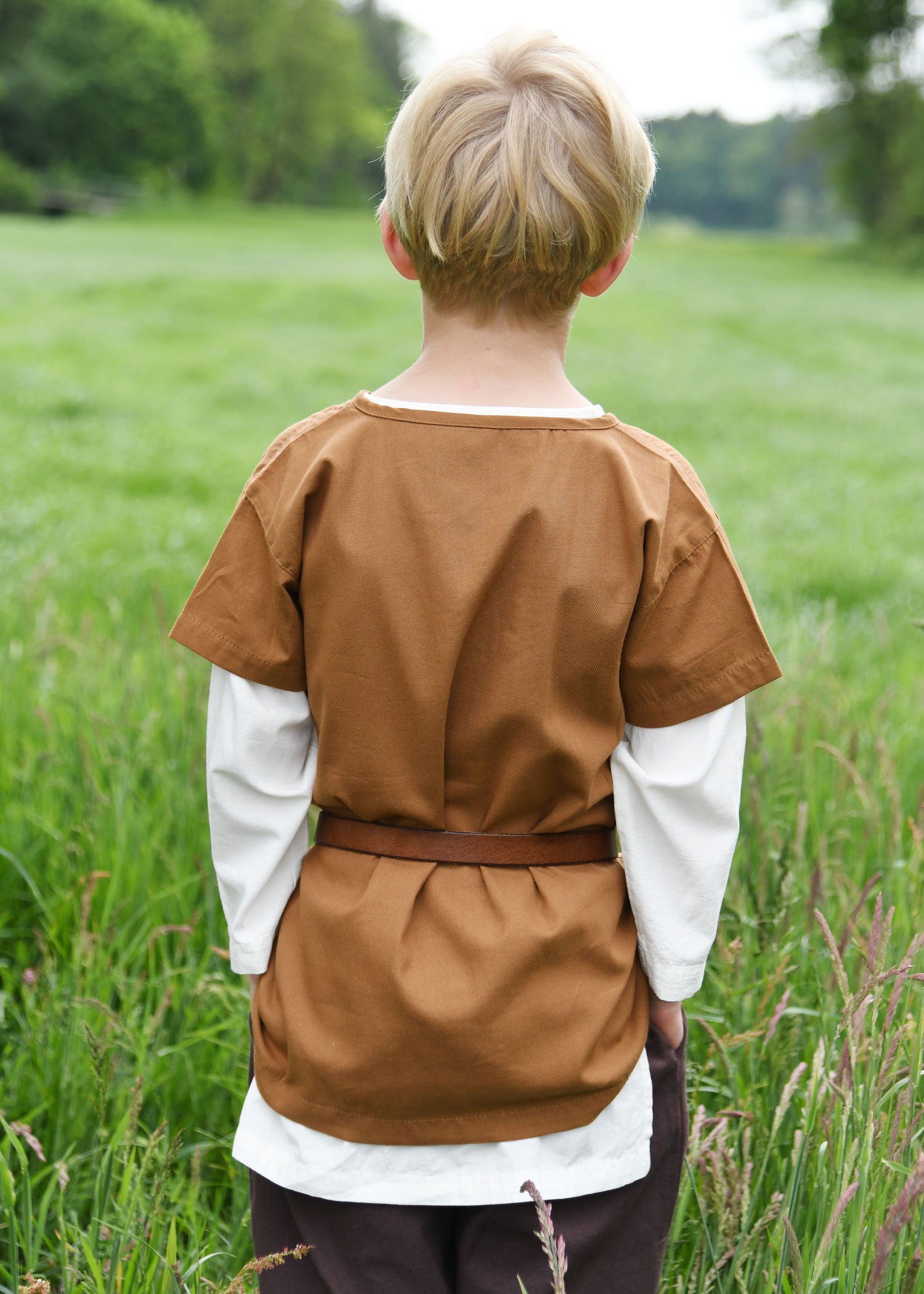
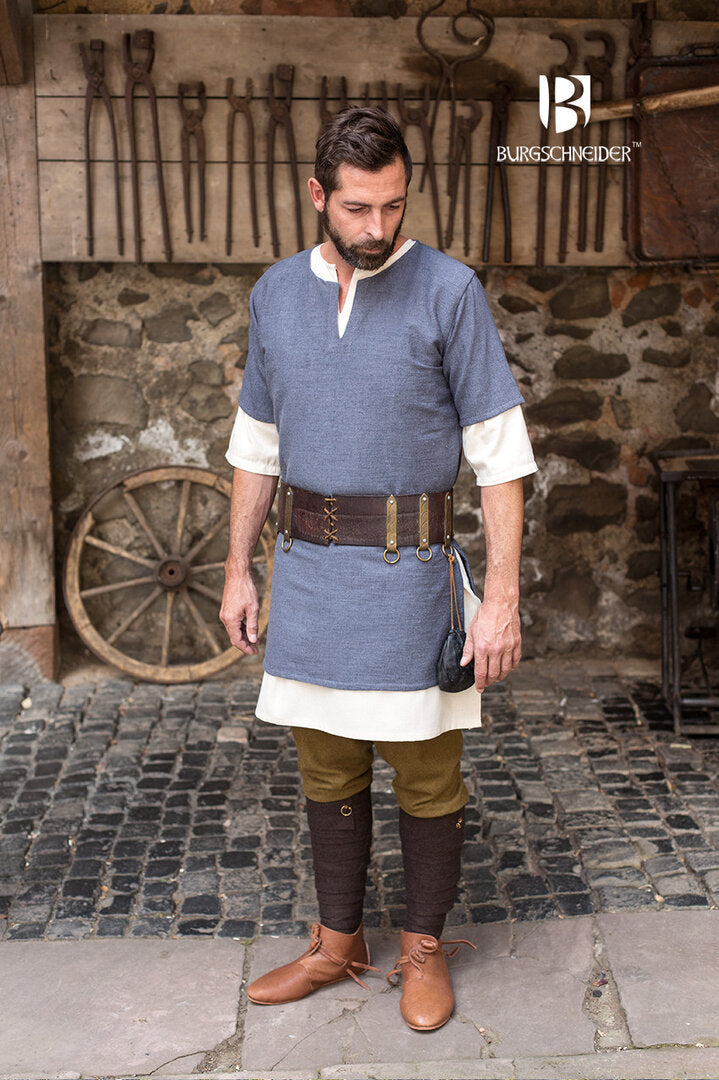
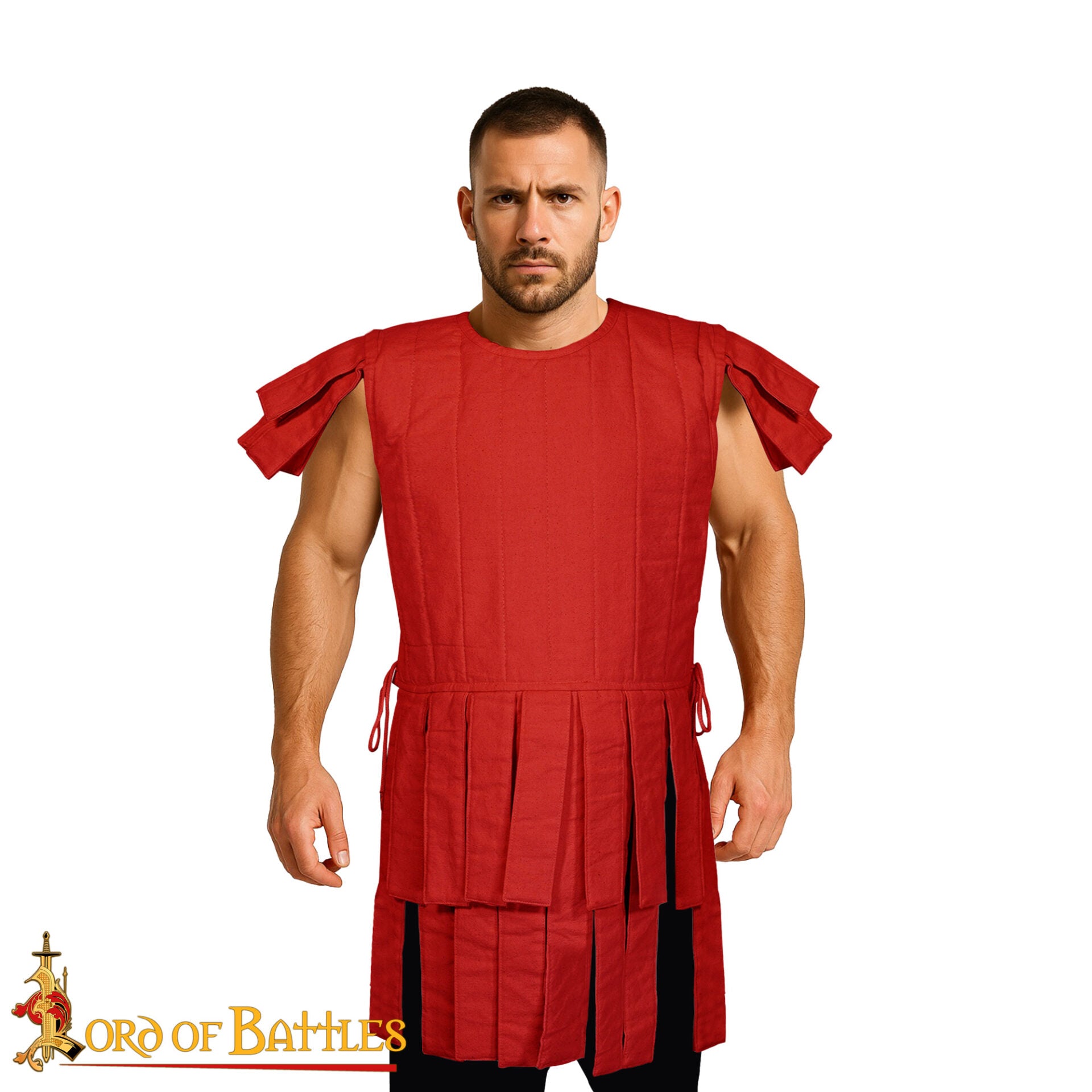
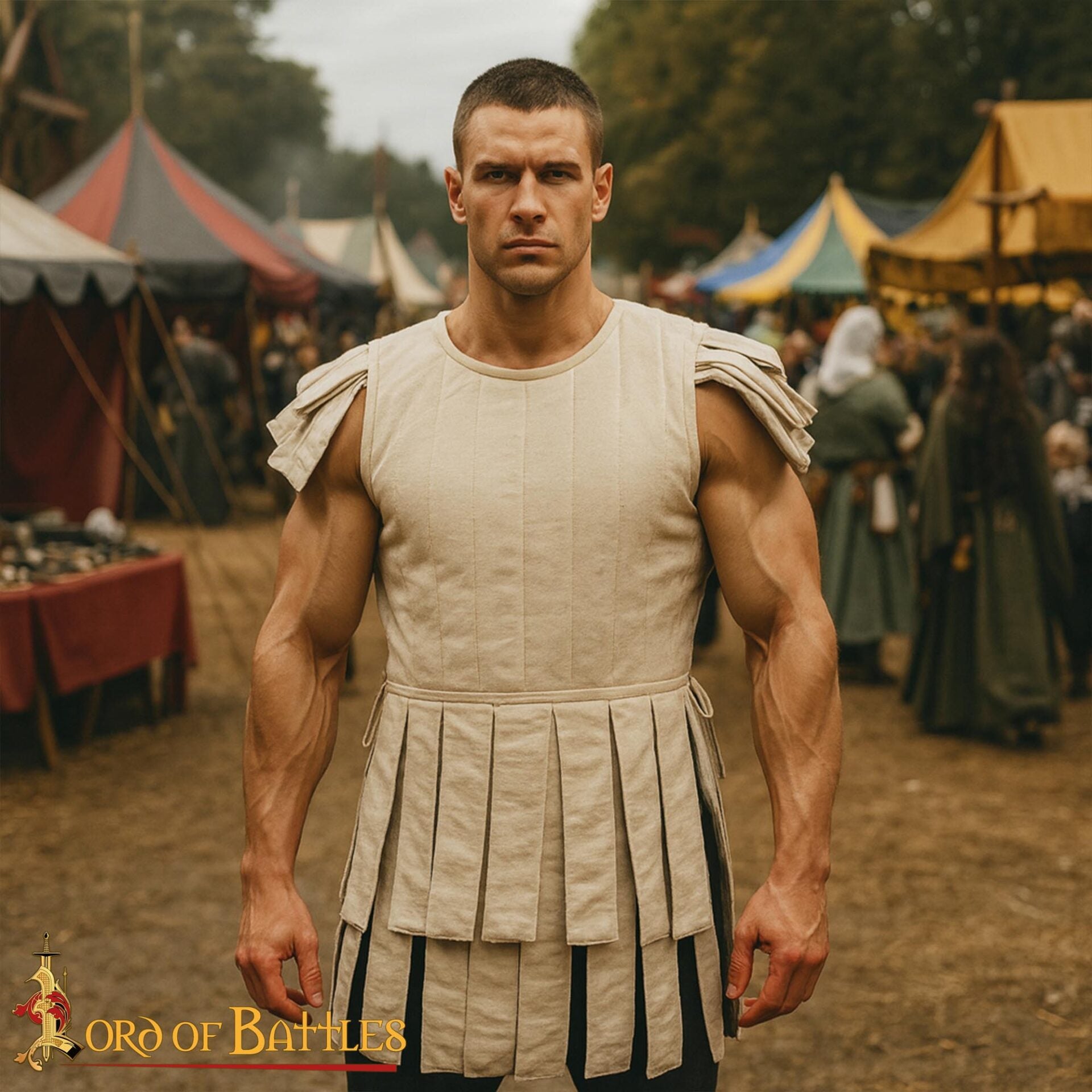
- Tunic: basic linen or wool garment, with variations in length, tailoring, and ornamentation according to use and social status.
- Toga: garment associated with Roman citizenship and status, used in formal events.
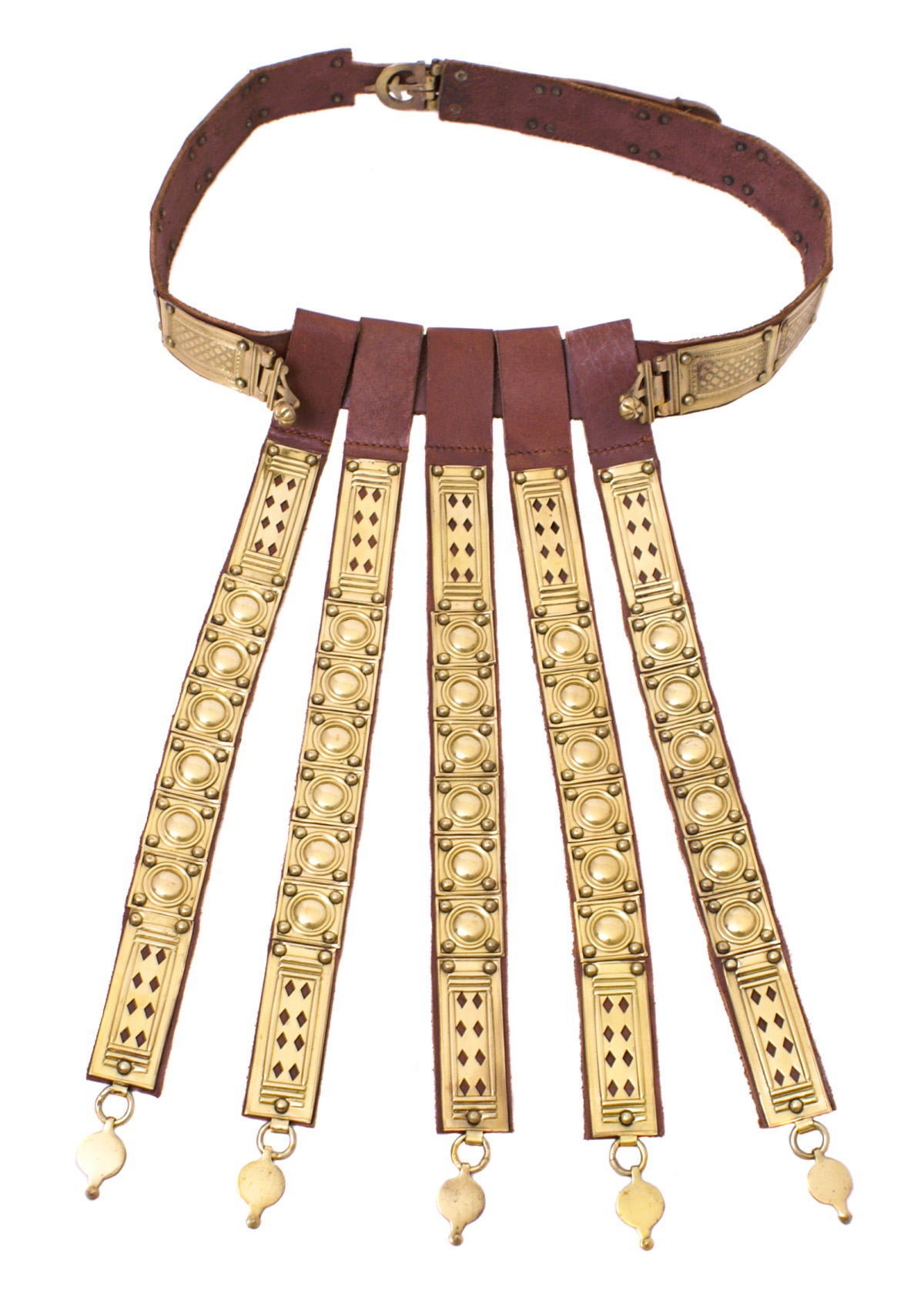
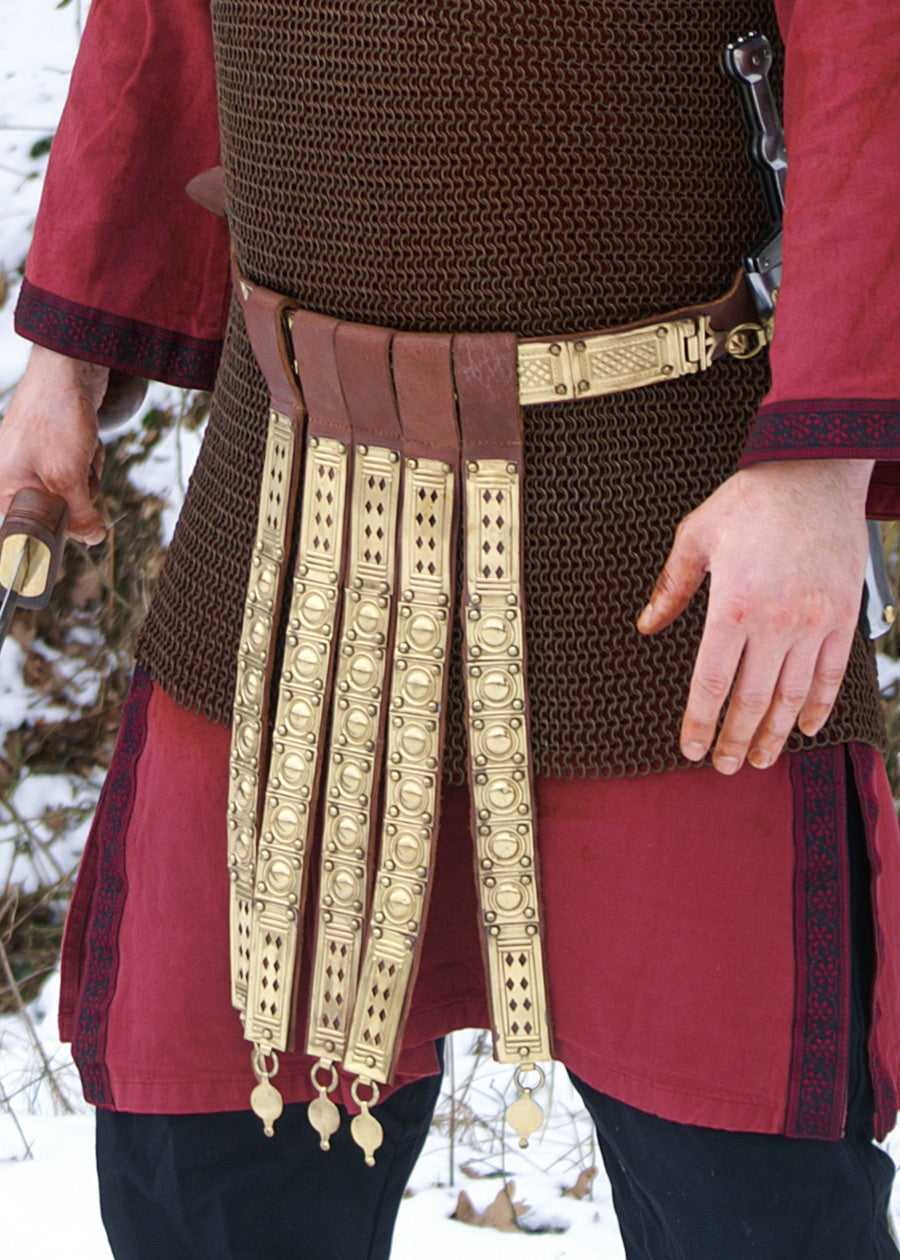
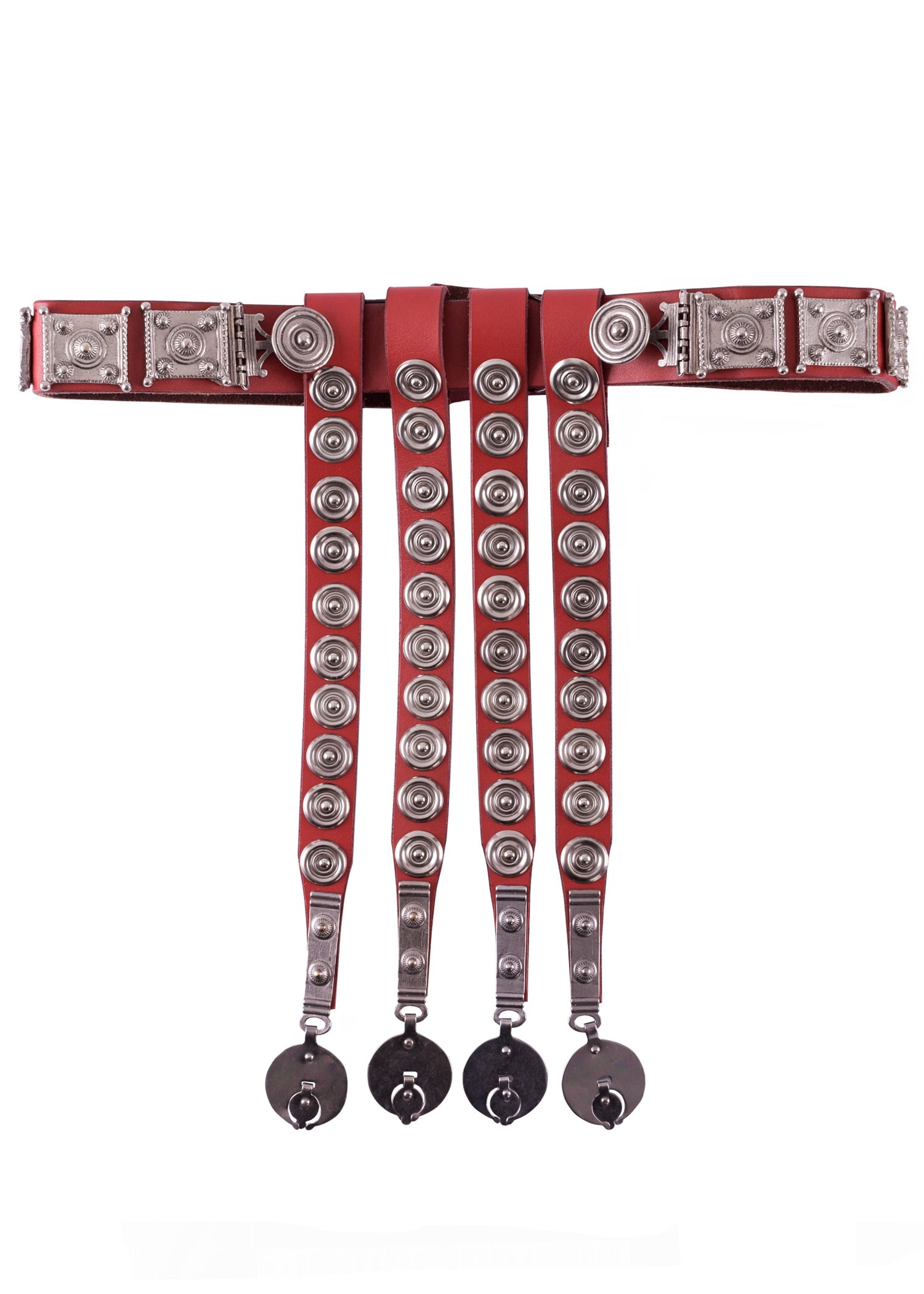
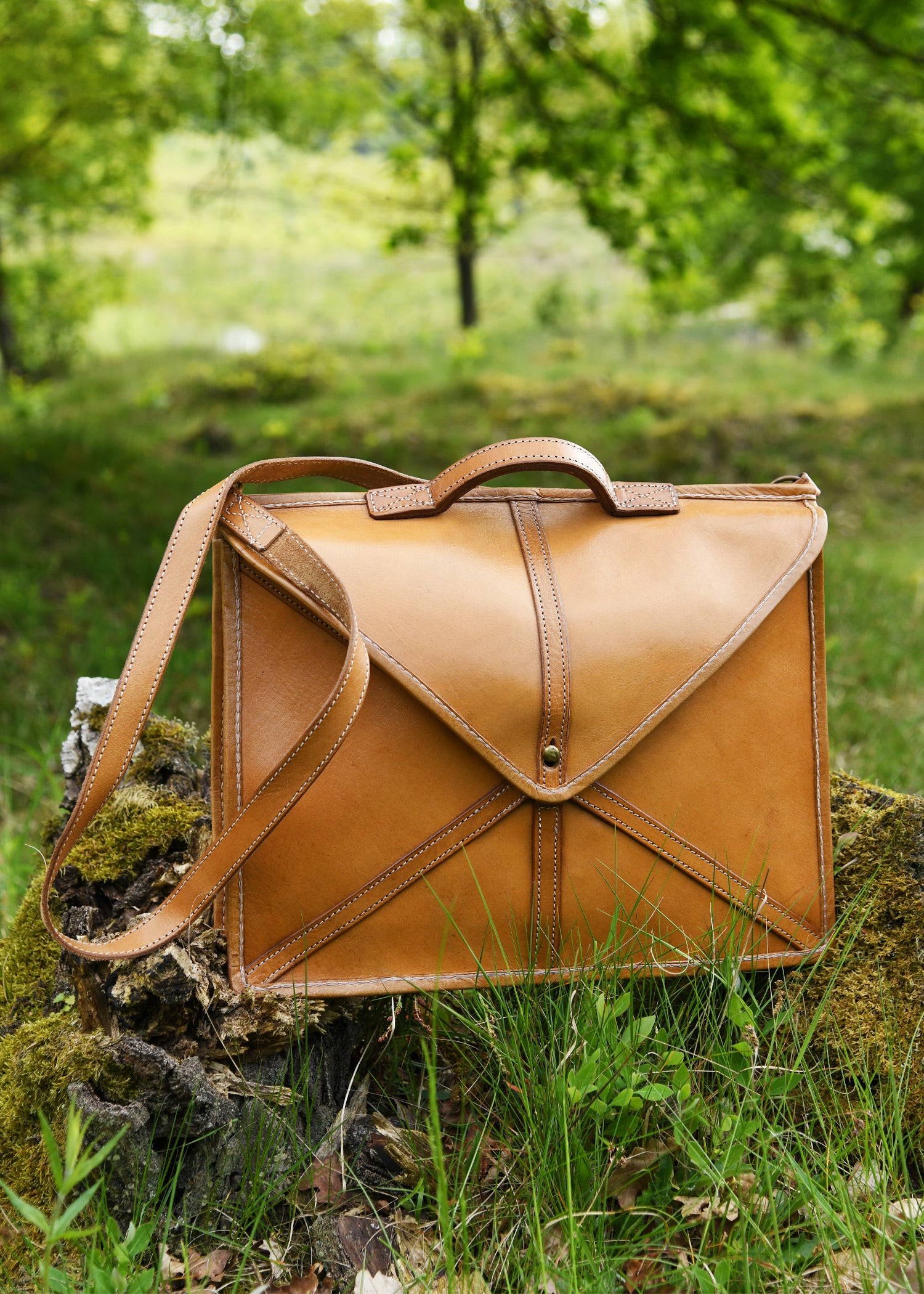
- Belt: used to tighten the tunic and carry tools, weapons, or bags, depending on the type of outfit.
- Sandals or boots: leather footwear adapted to different activities and conditions, from daily life to military marches.
- Cloak (paludamentum): cape linked to military commanders, with a distinctive and ceremonial function, in addition to serving as a coat.
Ancient Roman Clothing: Identity and Functionality
Roman clothing and footwear met the needs of everyday life and reflected each person's identity. When preparing an outfit of Roman men's and women's clothing, it is advisable to distinguish civilian garments from military ones and choose the accessories according to the character and period represented.
Roman Clothing at Todo Medieval
Explore at Todo Medieval the selection of Roman-inspired clothing and footwear for historical reenactments, themed events, or personal collections. Check the materials, sizes, and characteristics of the garments on each product page. Choose your outfit and relive the elegance of Rome at your next event!