
































Viking Clothing: Viking Dress and Footwear (8th–11th Centuries)
Viking clothing to discover the Norse-inspired dress and footwear of the Viking Age, between the 8th and 11th centuries. This Todo Medieval collection brings the garments of the peoples of Northern Europe closer to those preparing historical reenactments, themed events, or collectible outfits.
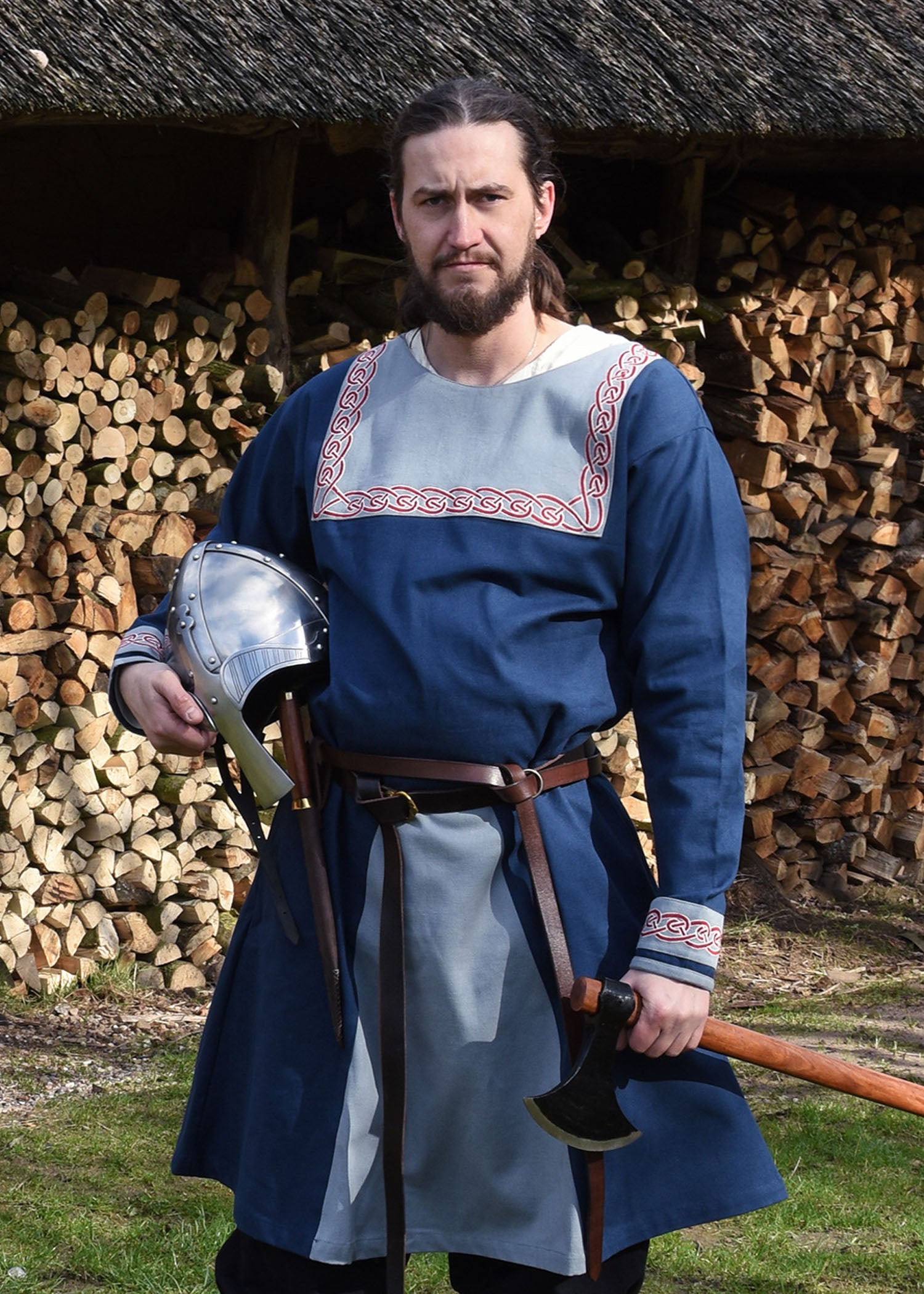
Viking dress met the needs of everyday life and the climate, but also expressed identity and social status. Tunics, dresses, cloaks, and accessories combined functionality and ornamentation, with differences depending on the region and each person's resources.
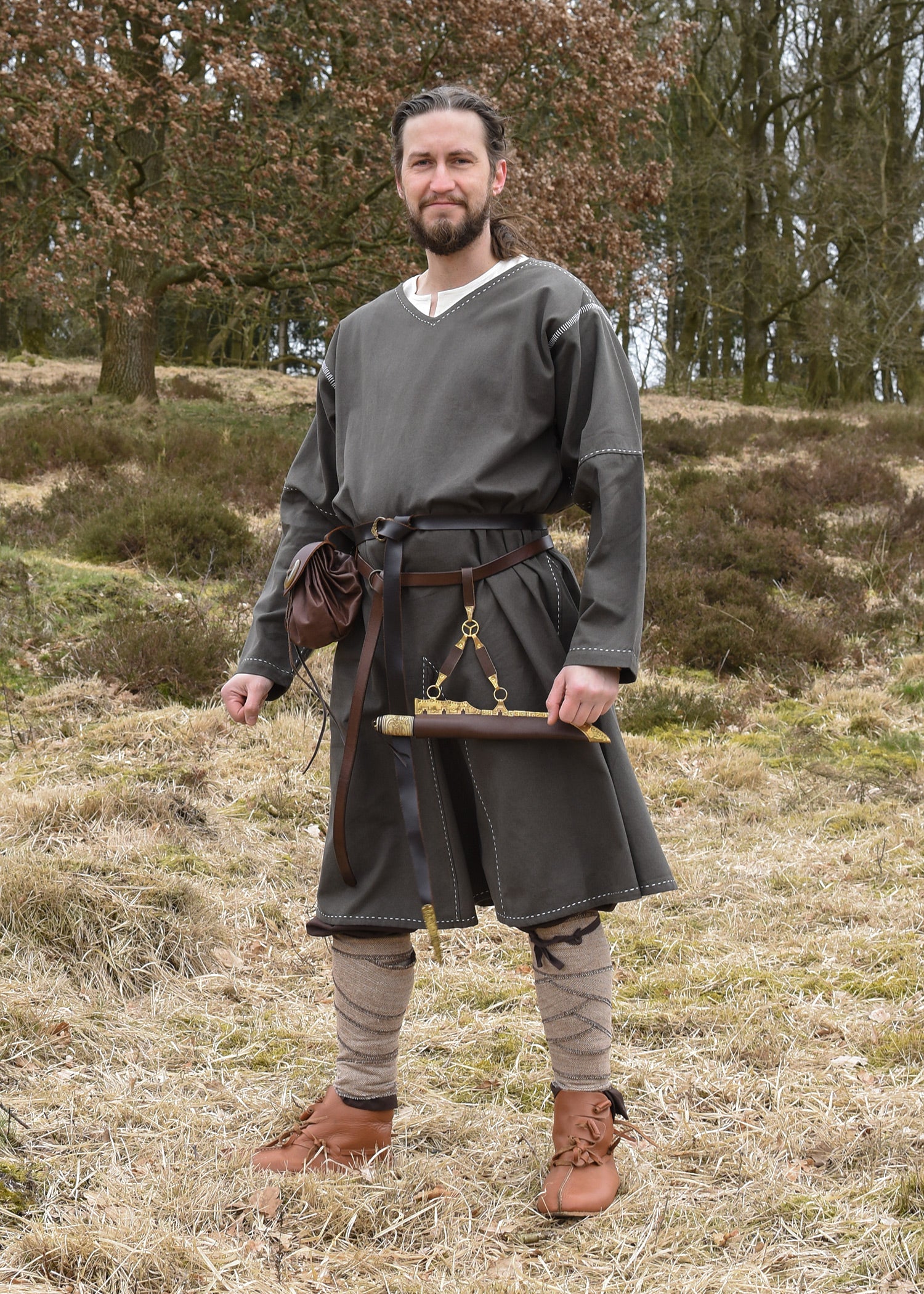
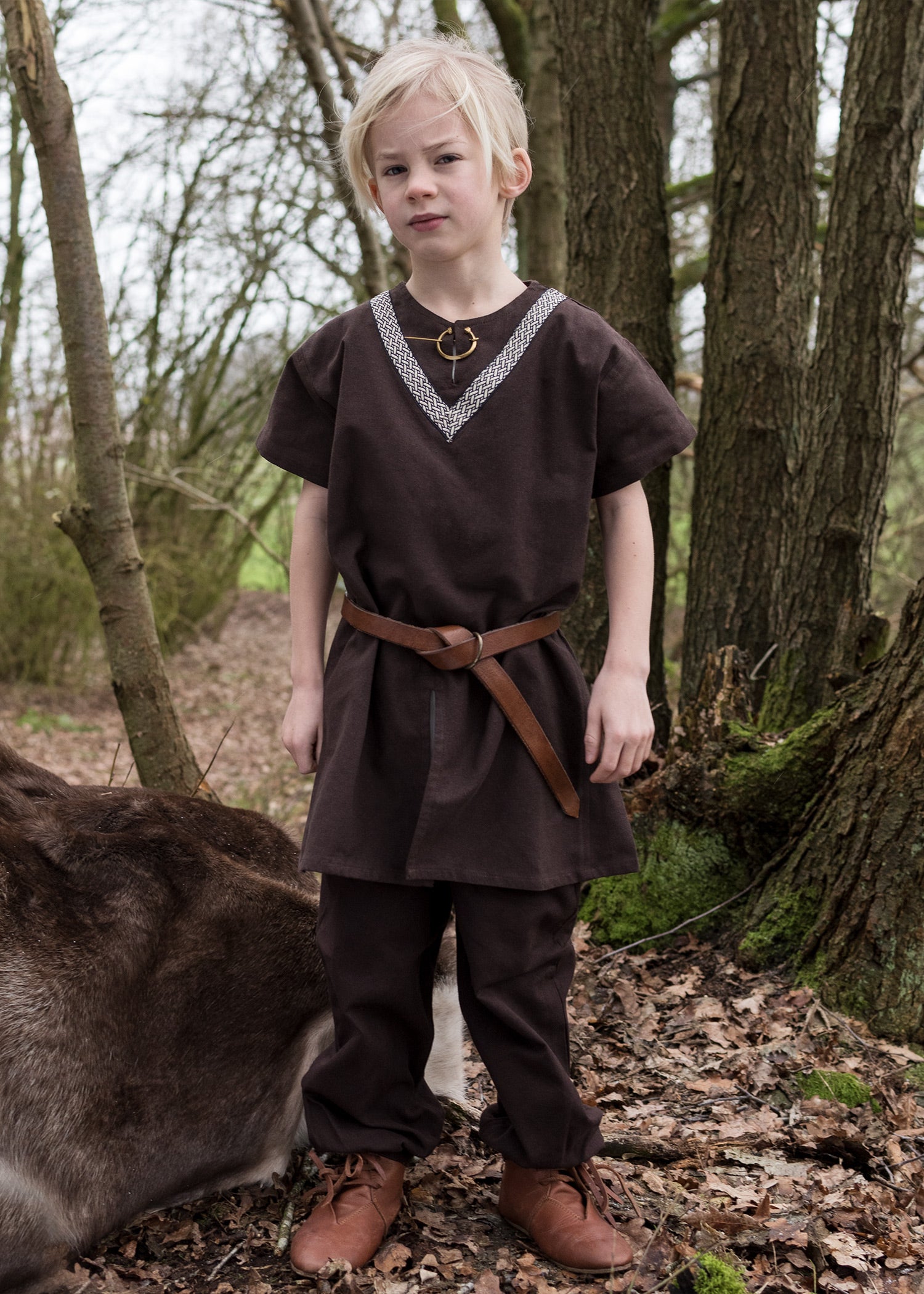
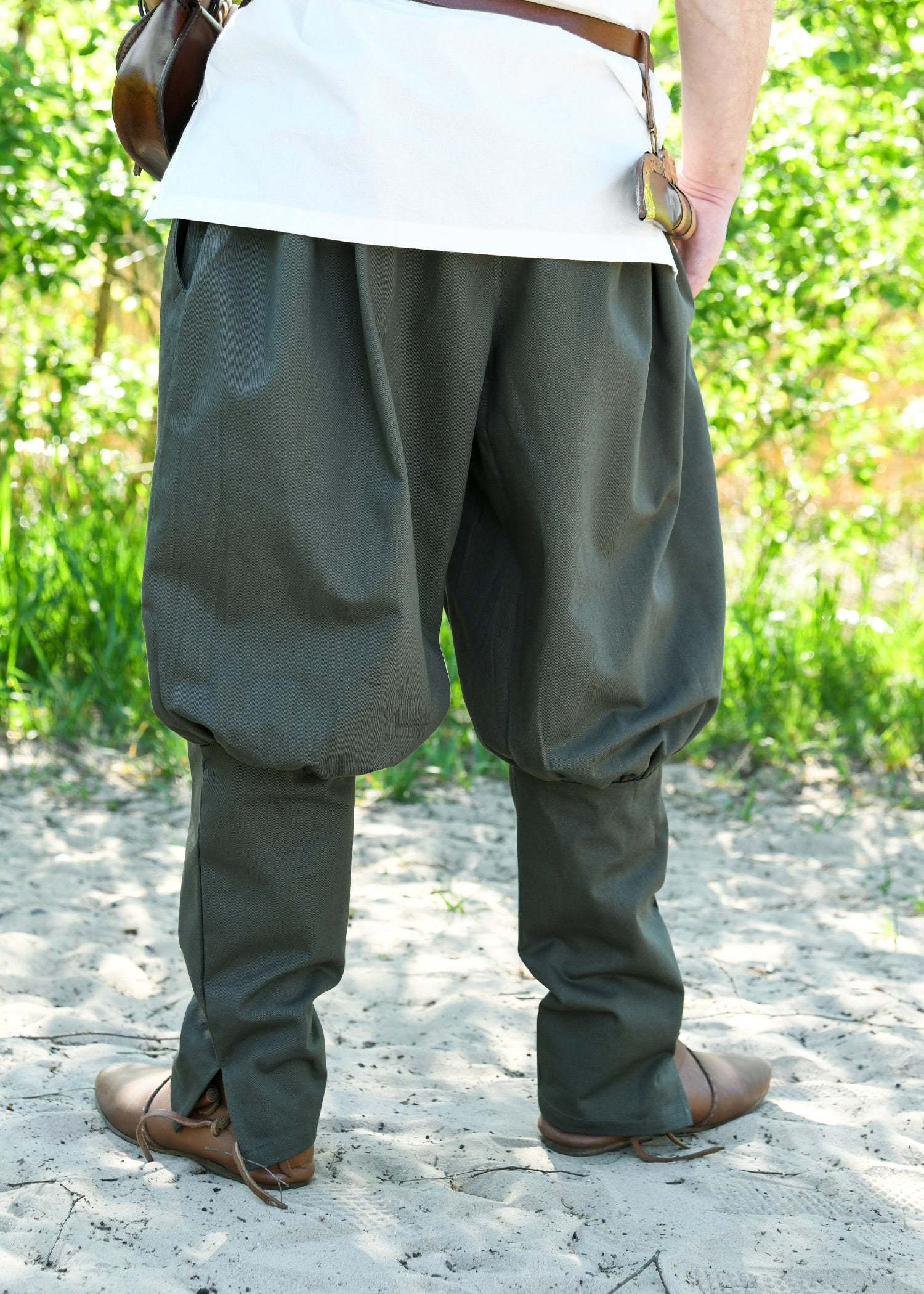
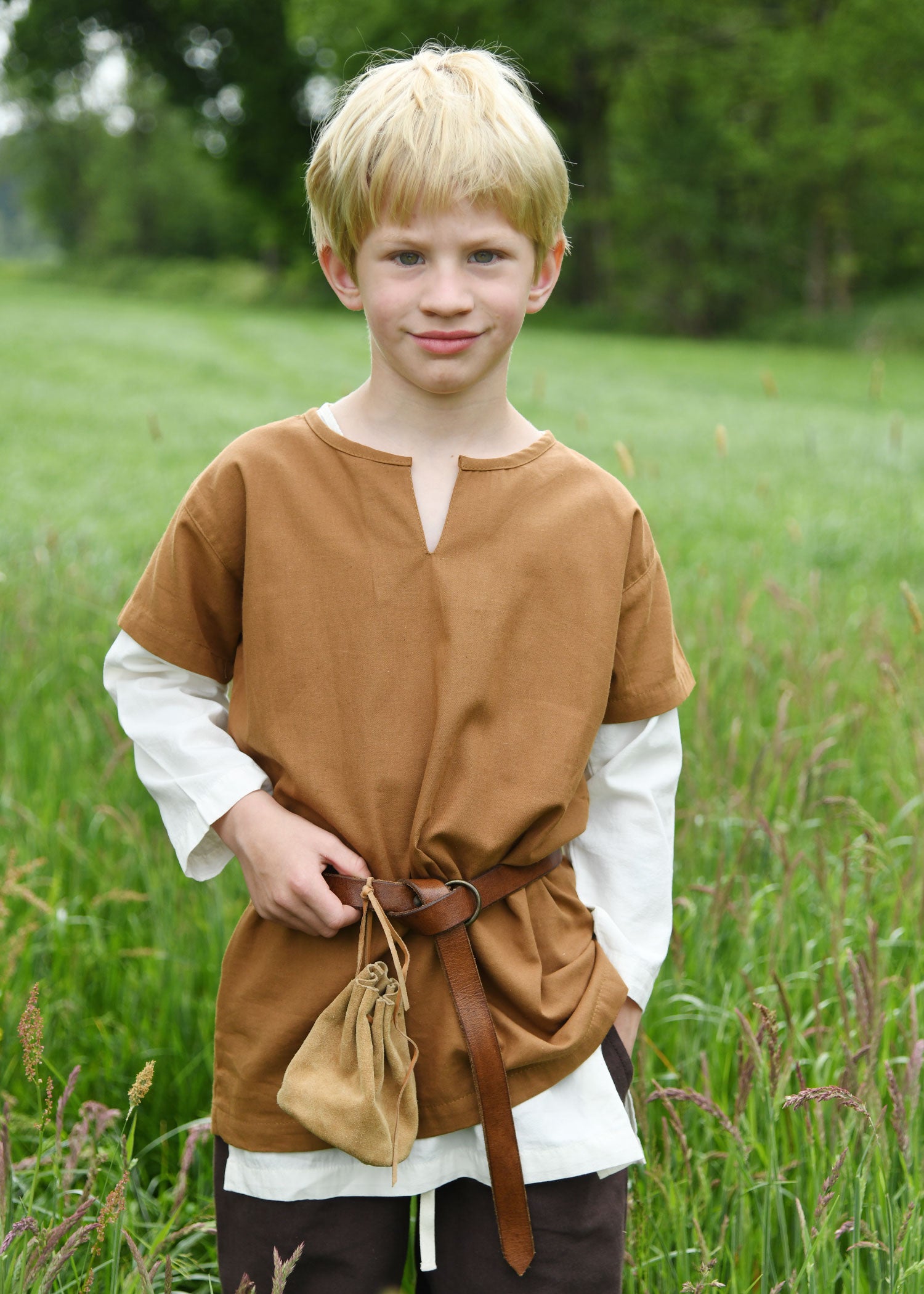
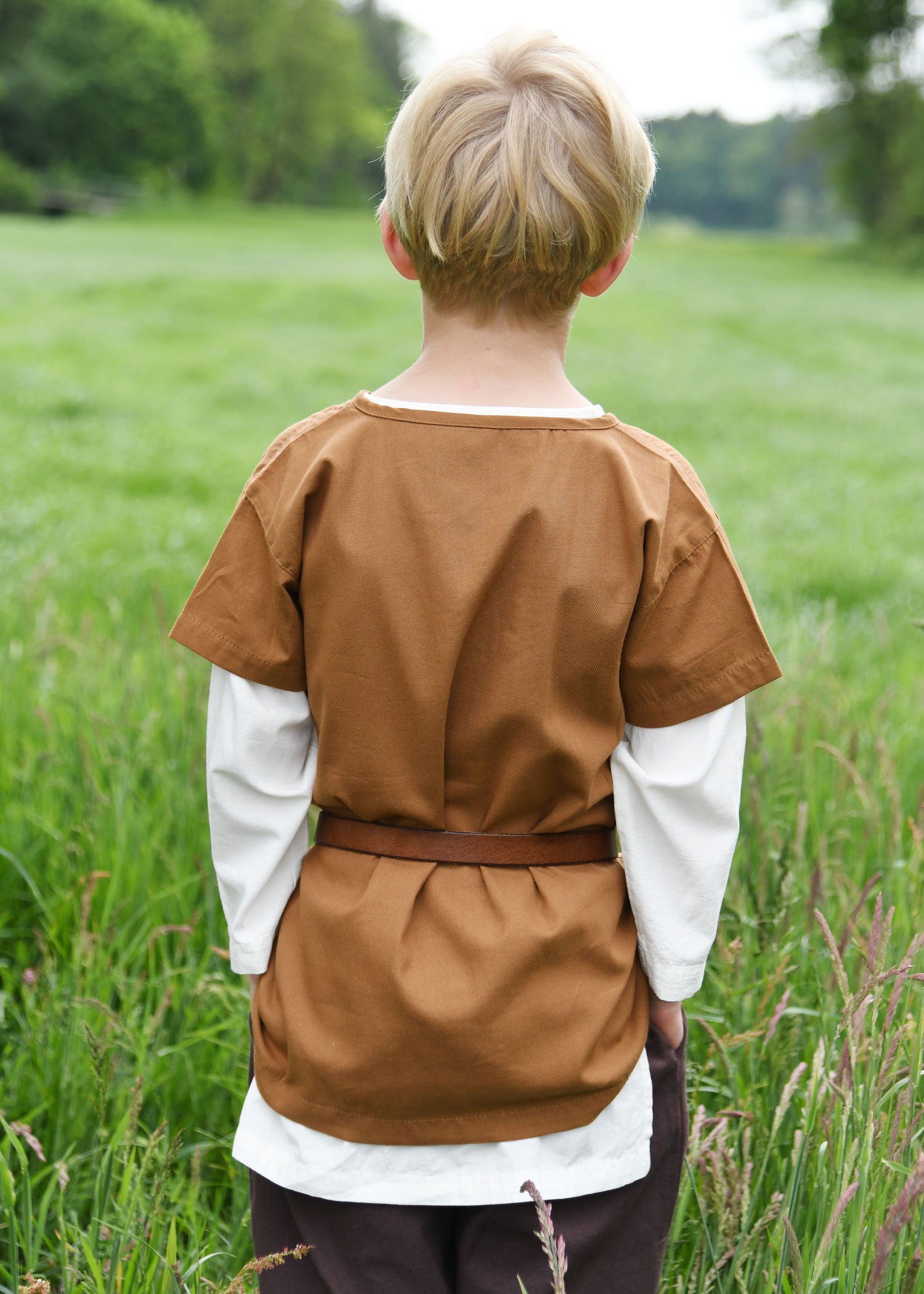
Men's Viking clothing: tunics, trousers, and footwear
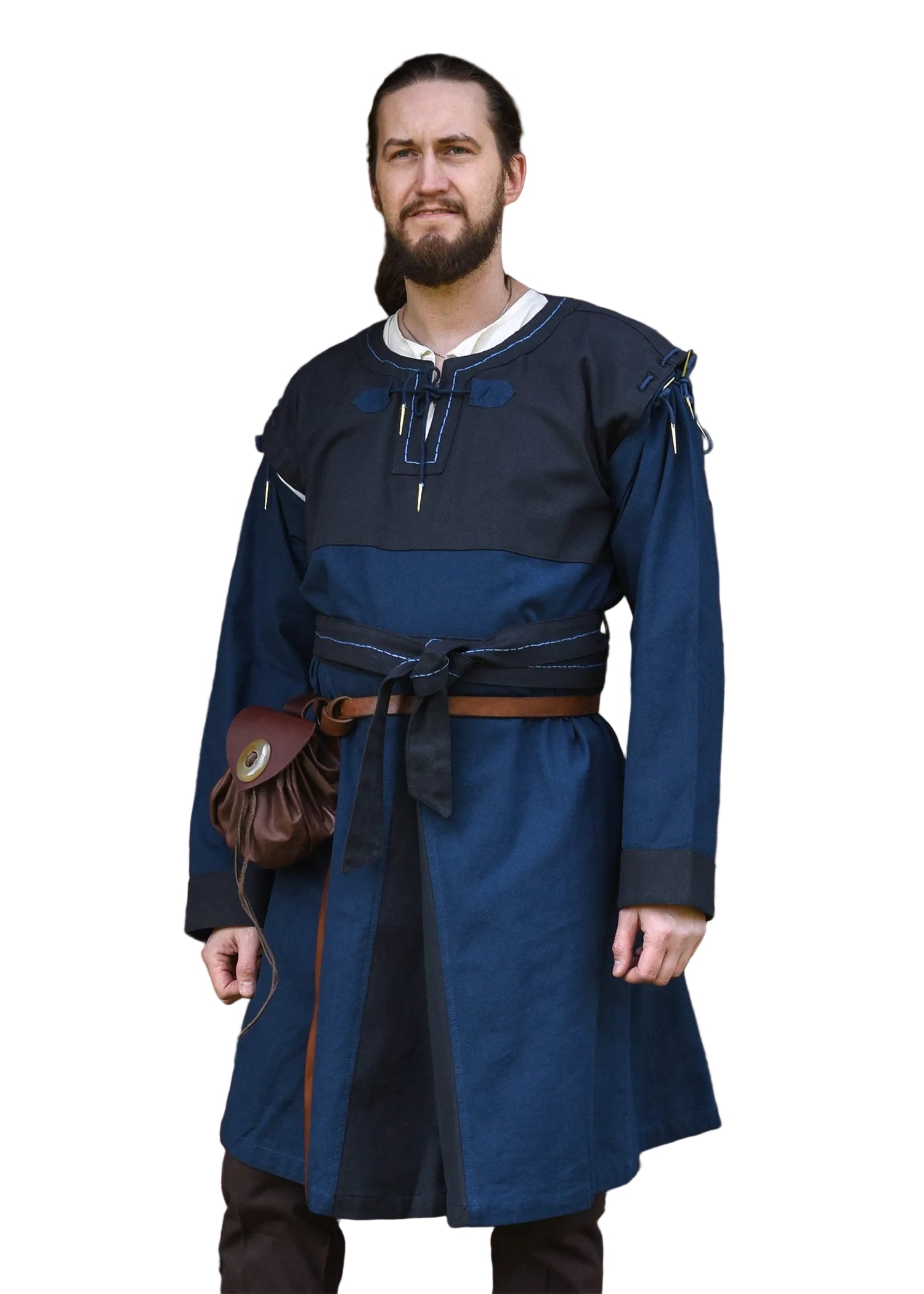
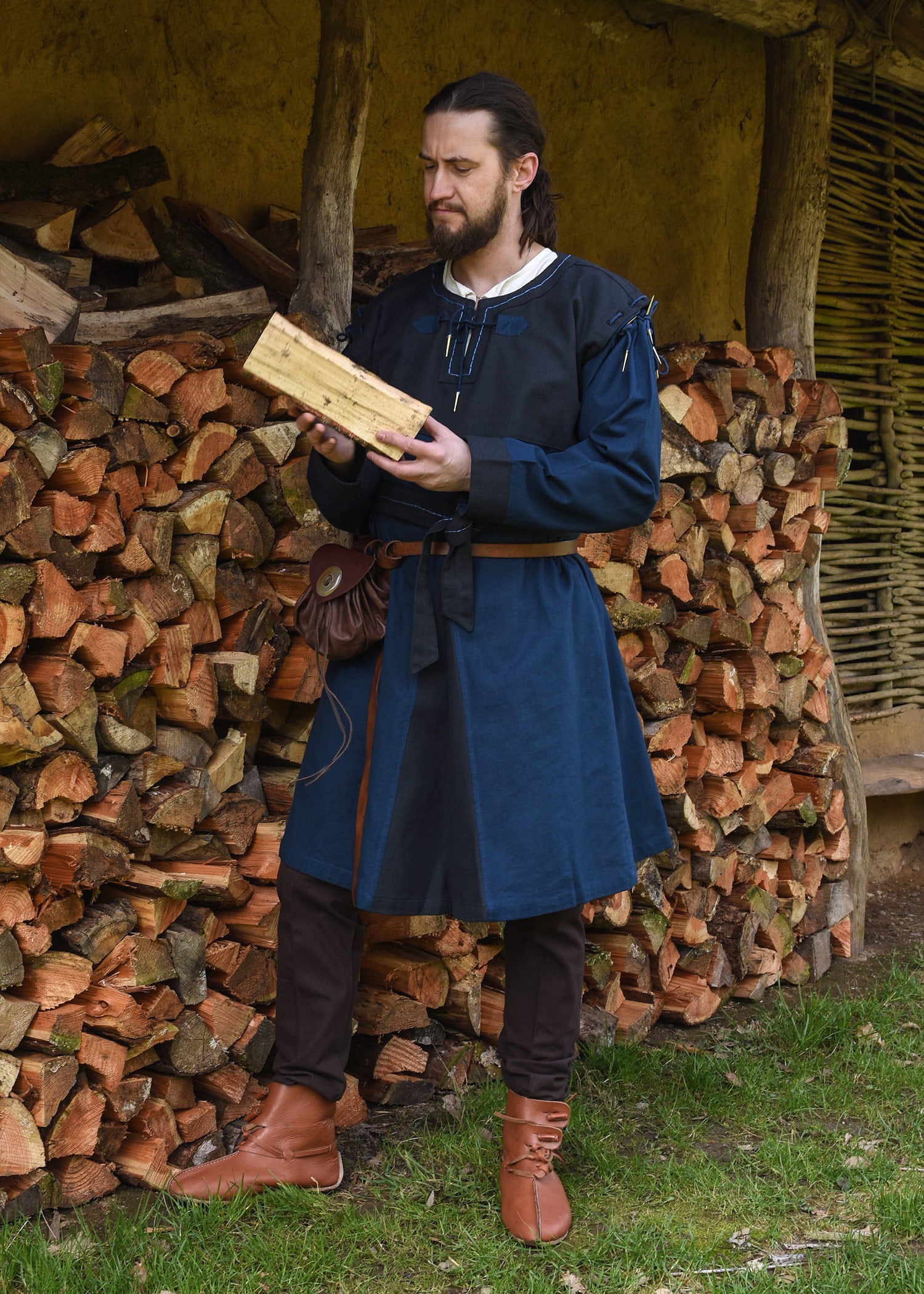
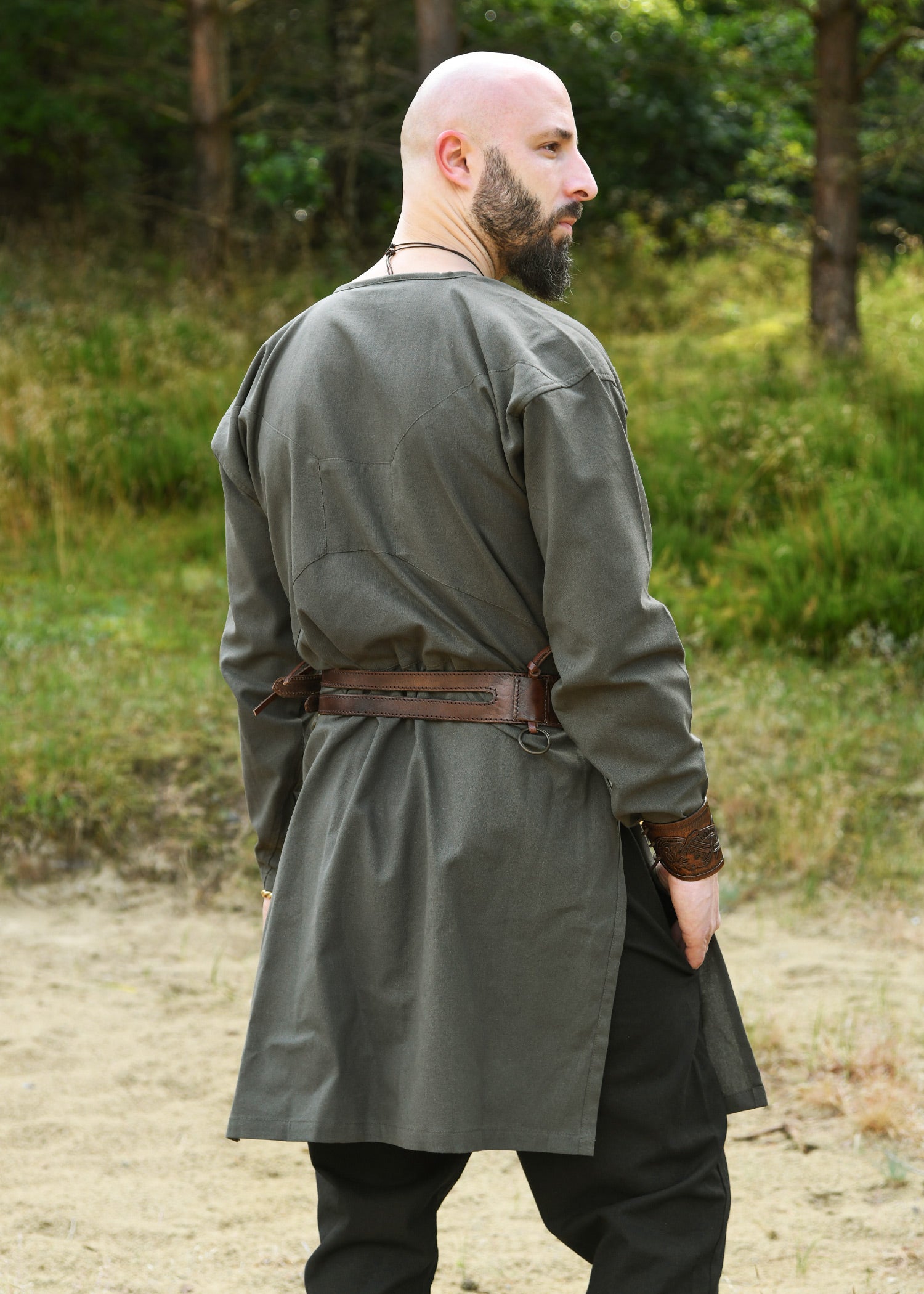
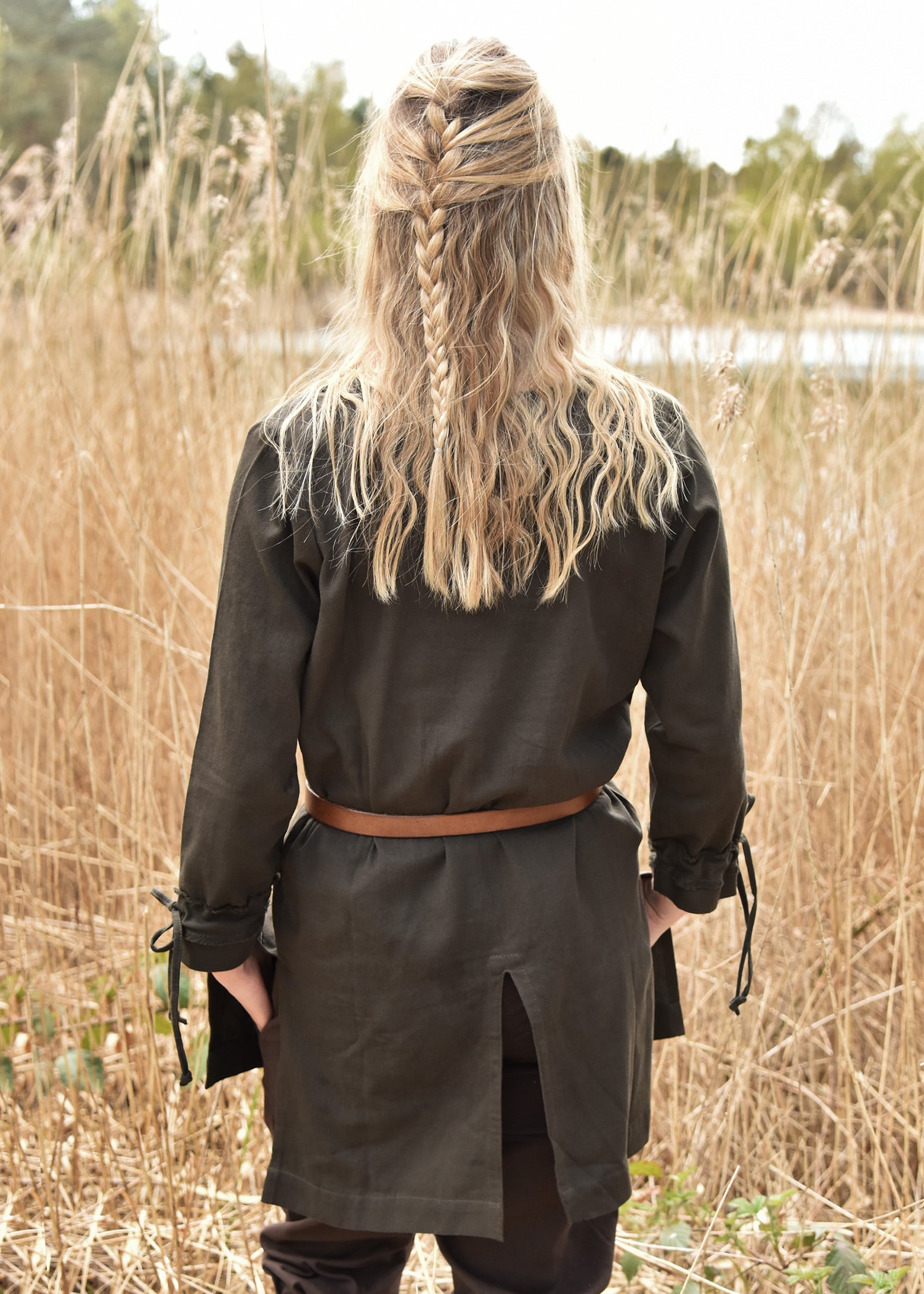
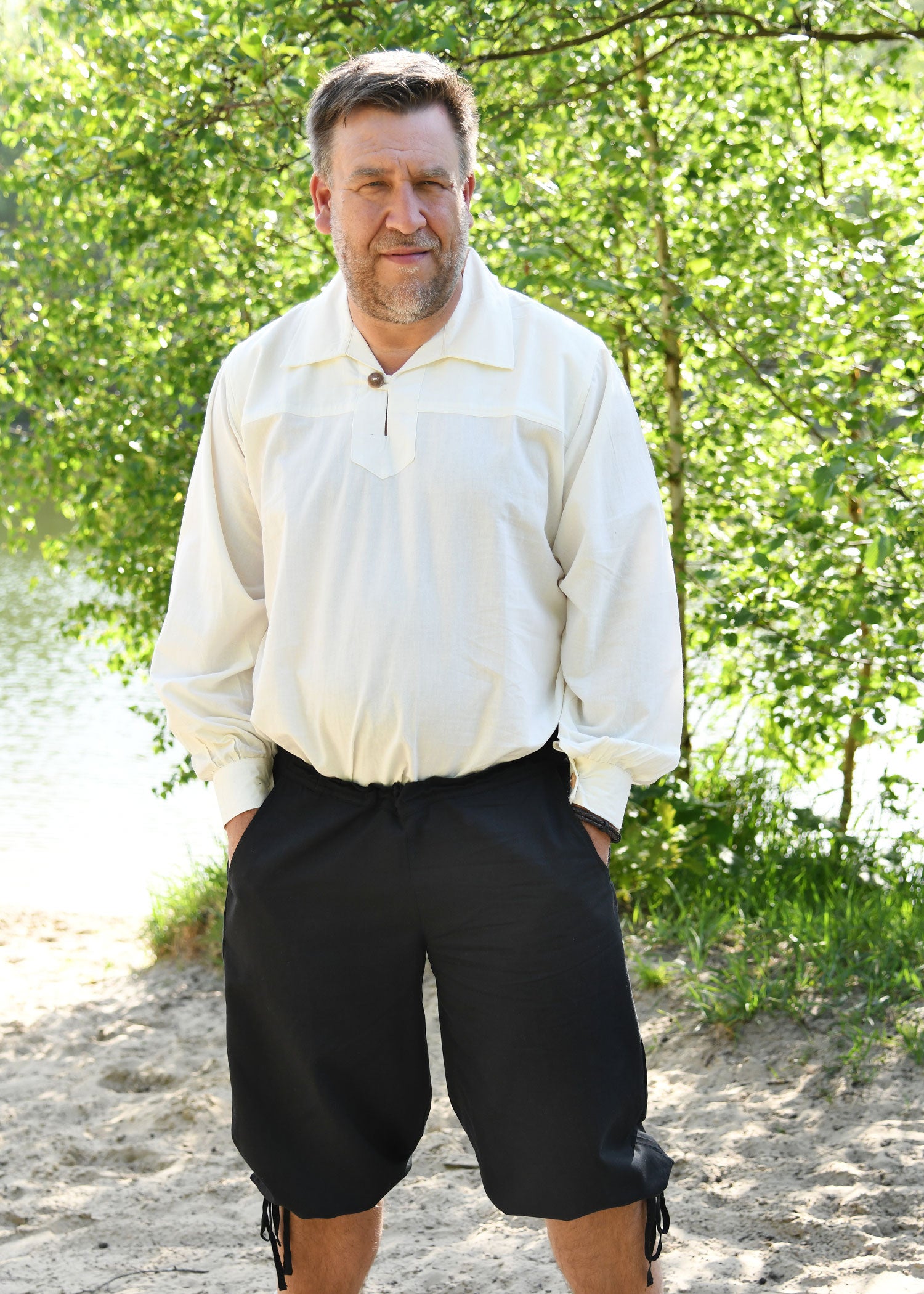
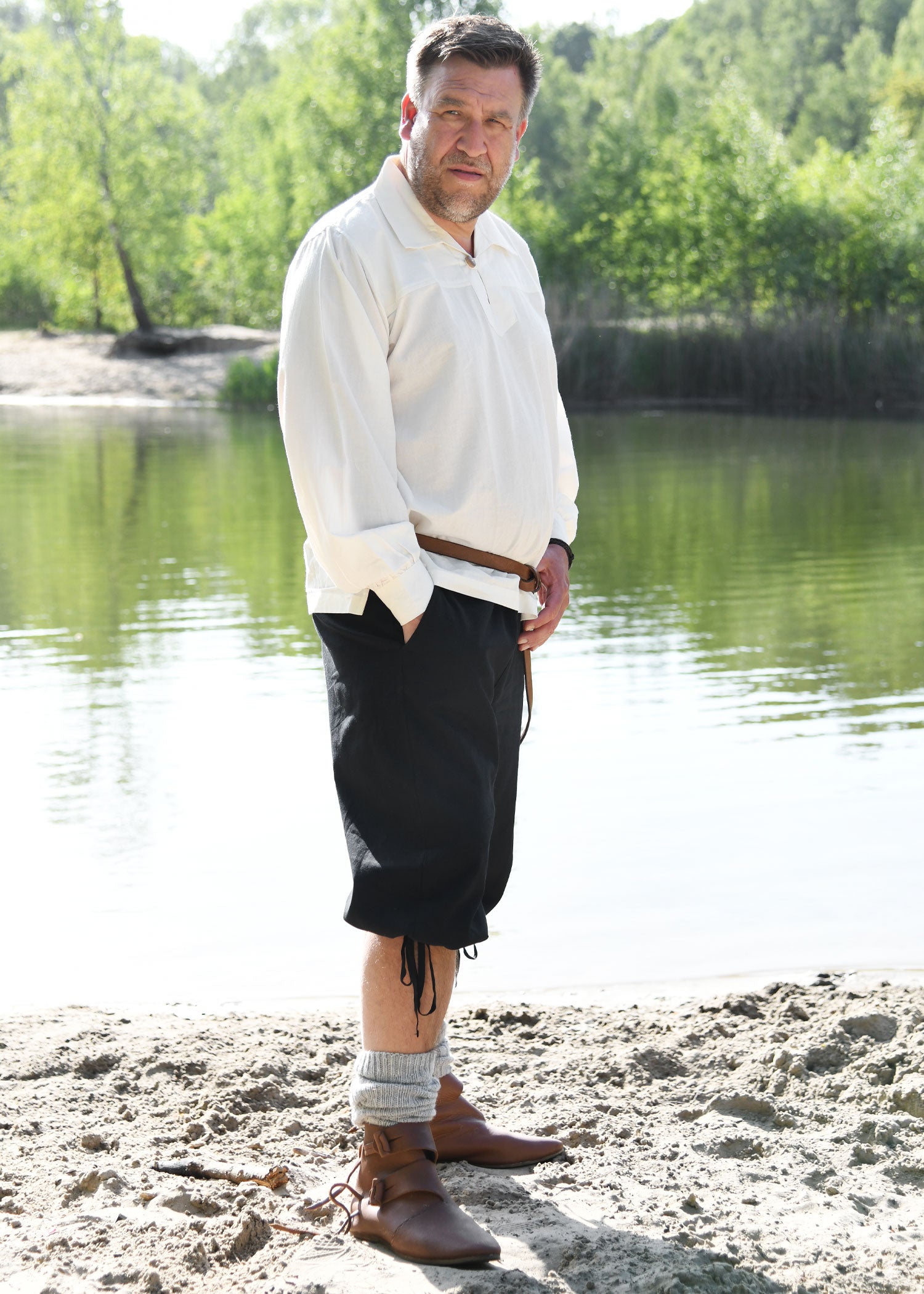
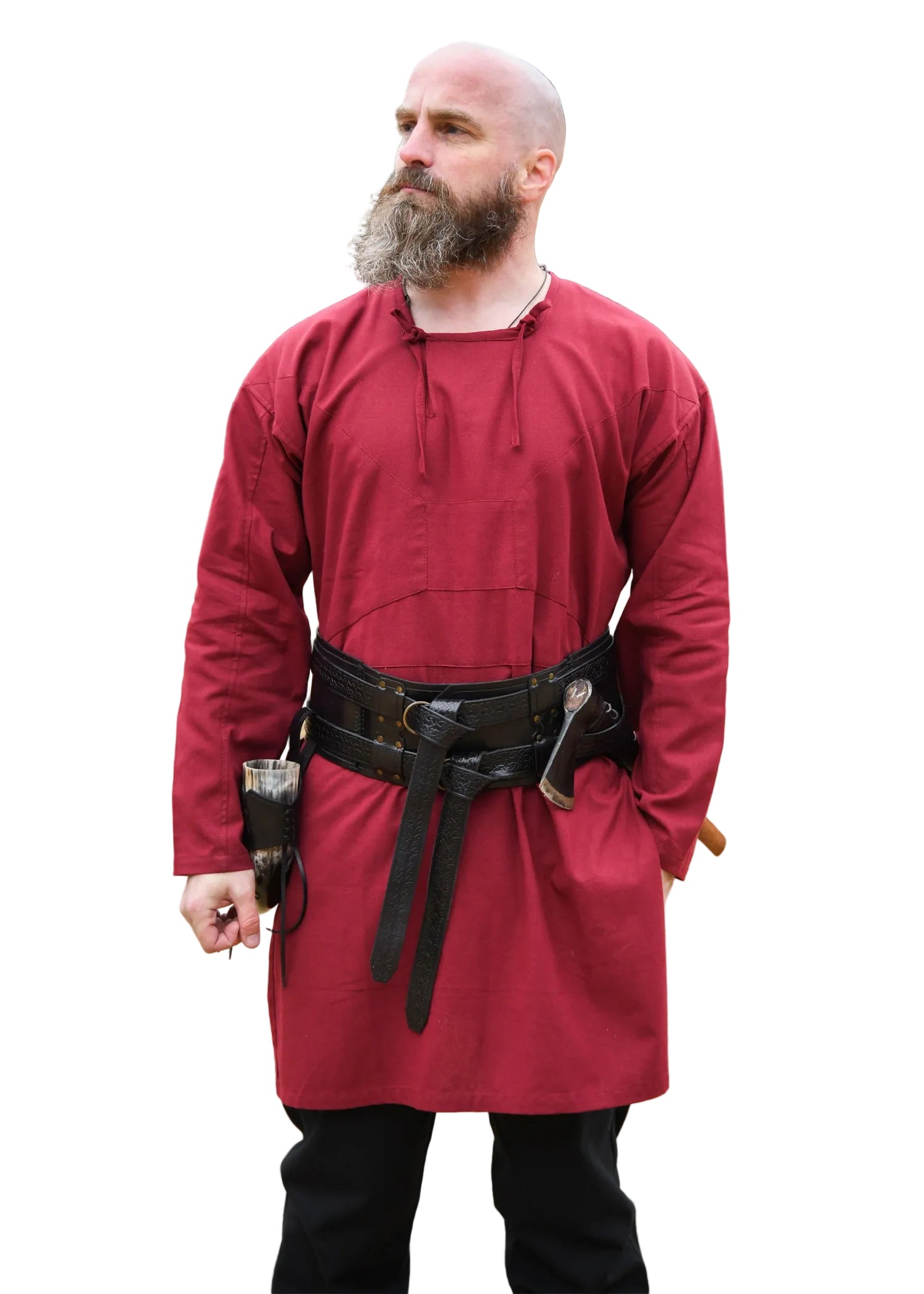
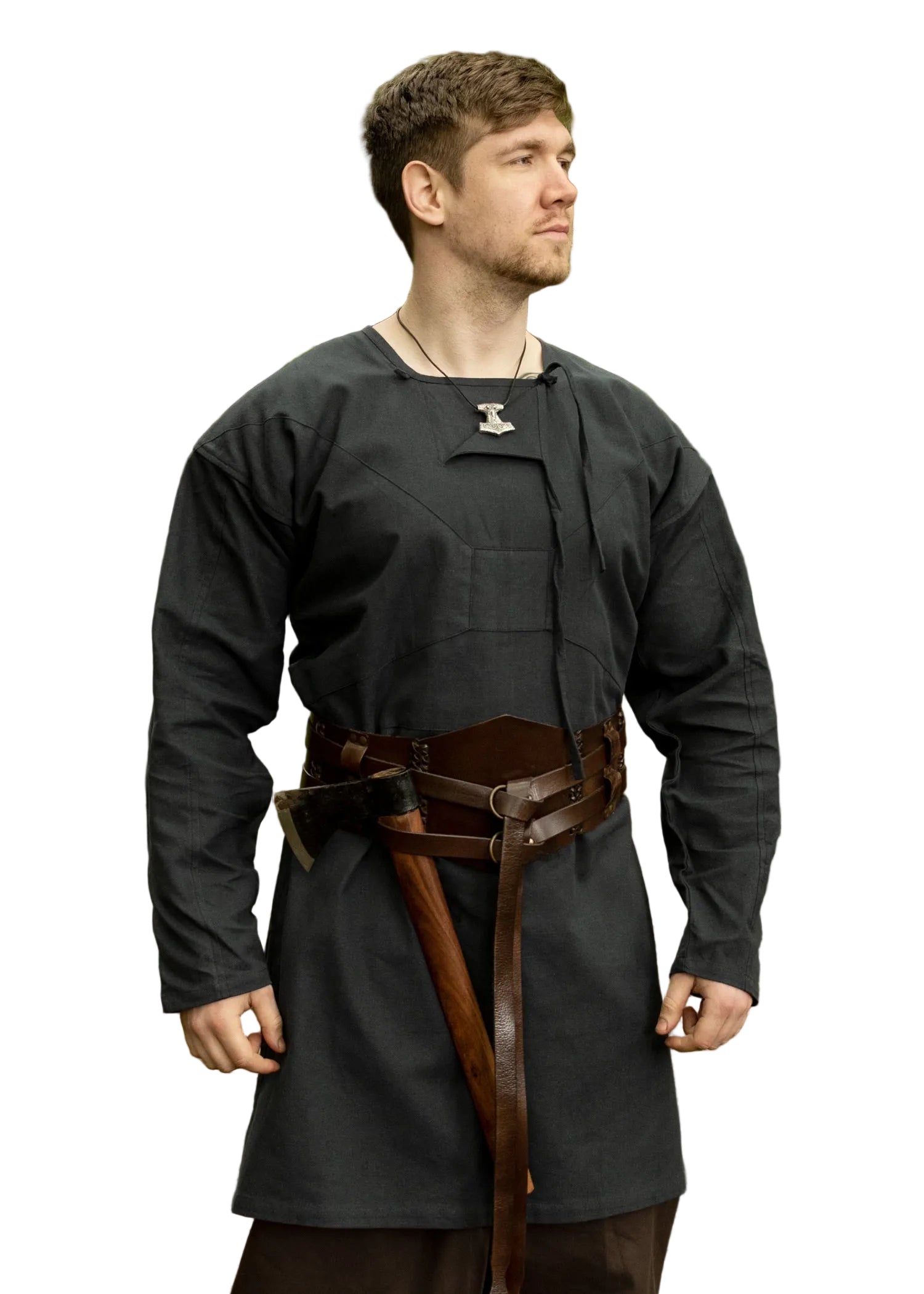
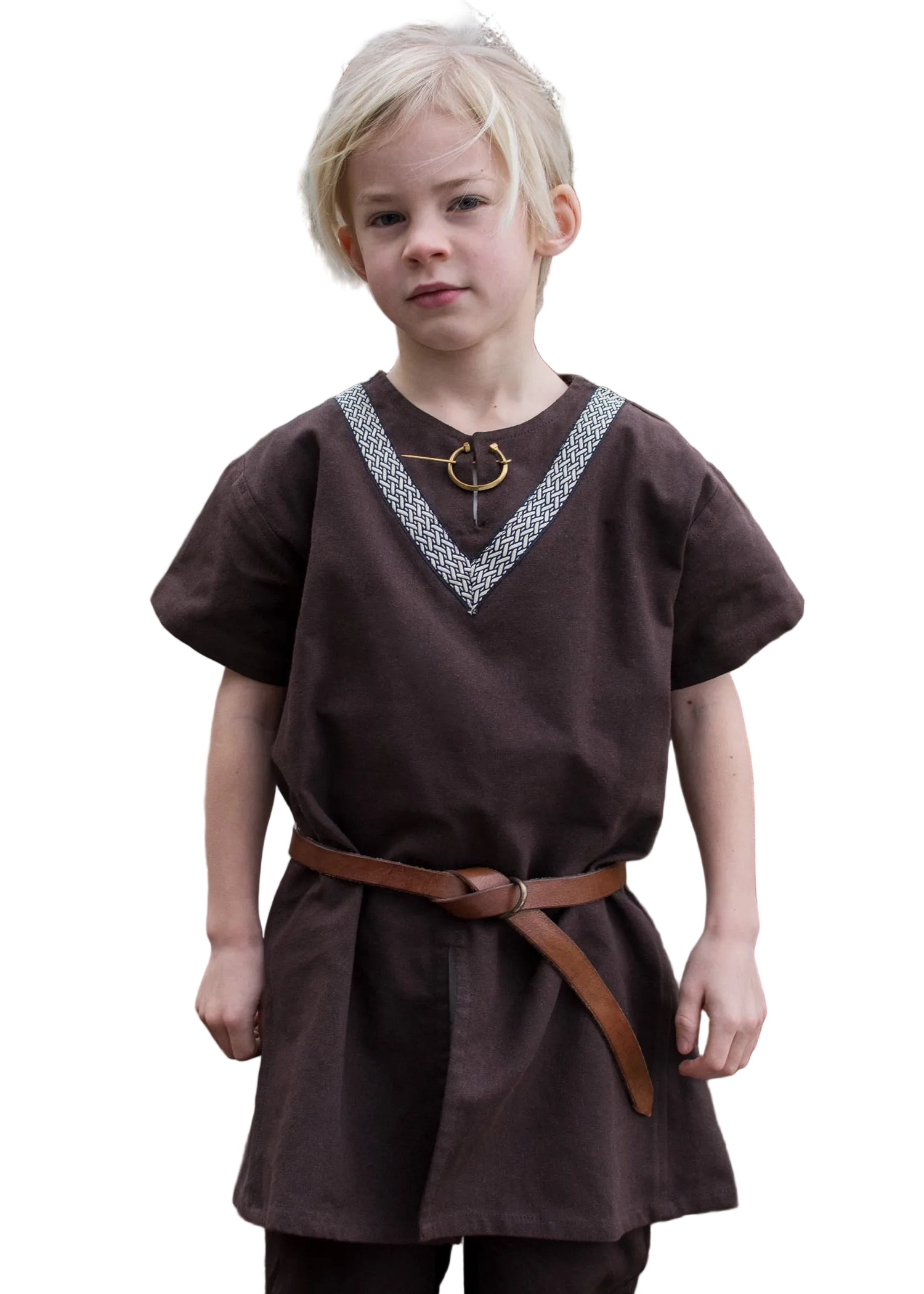
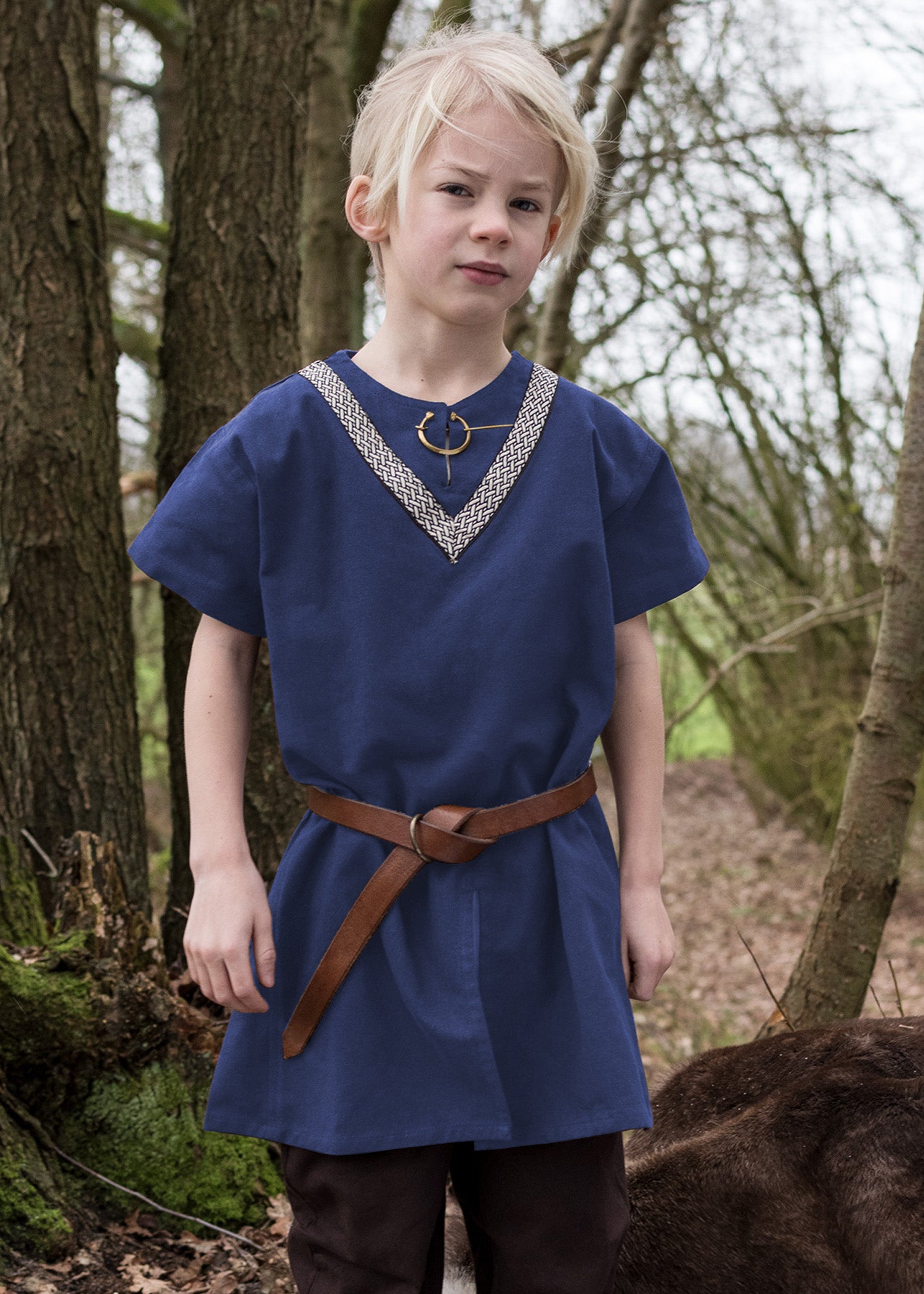
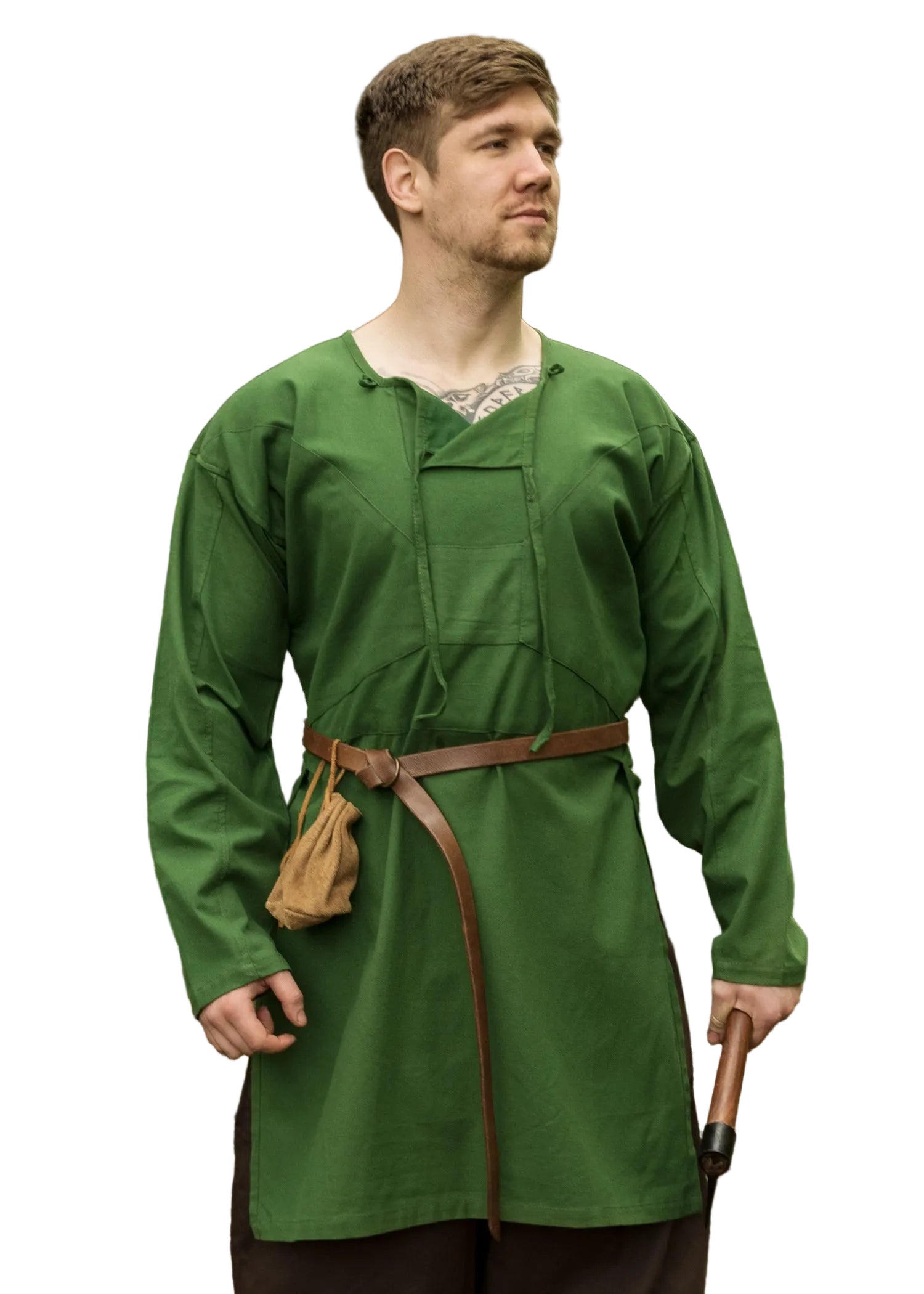
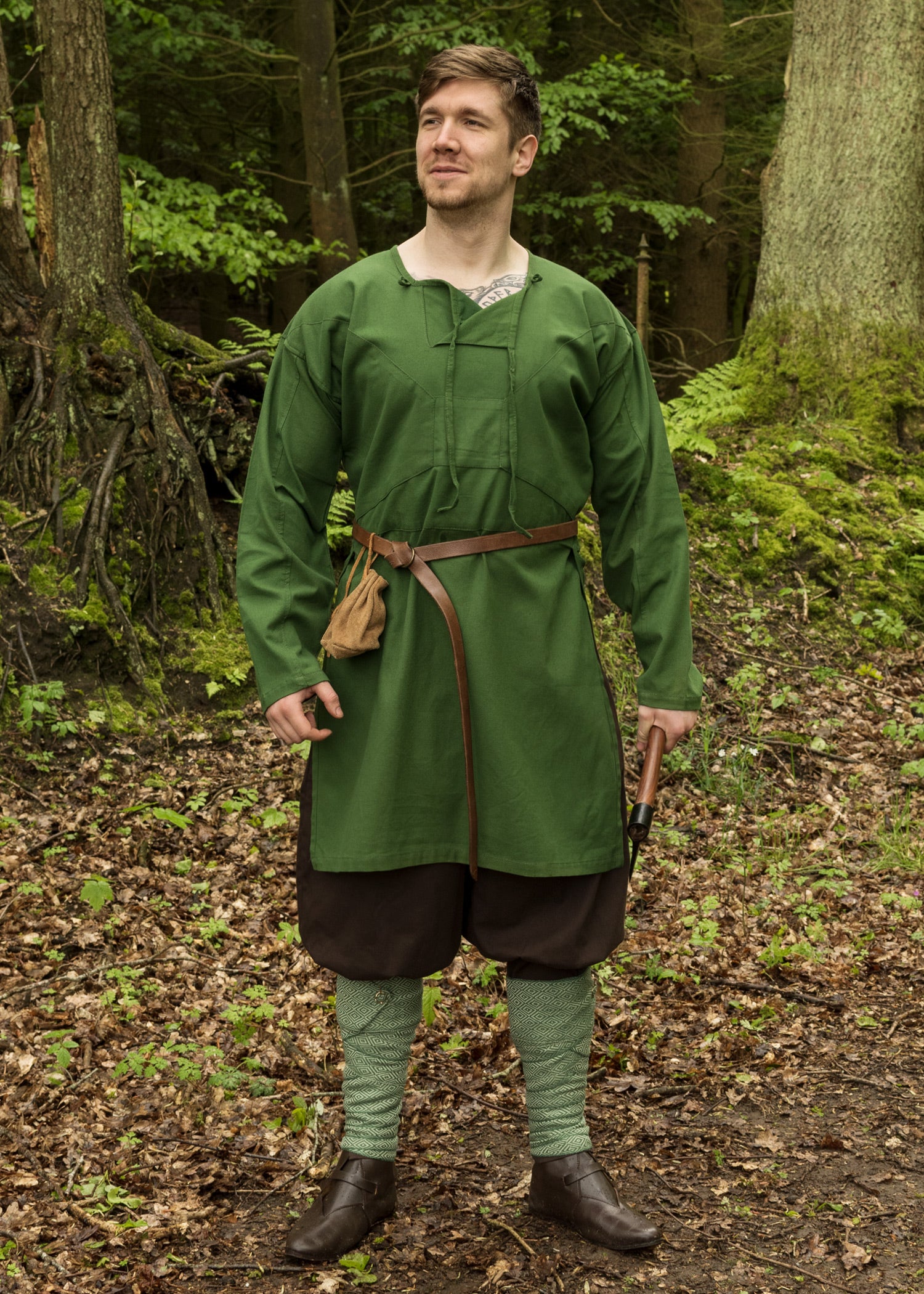
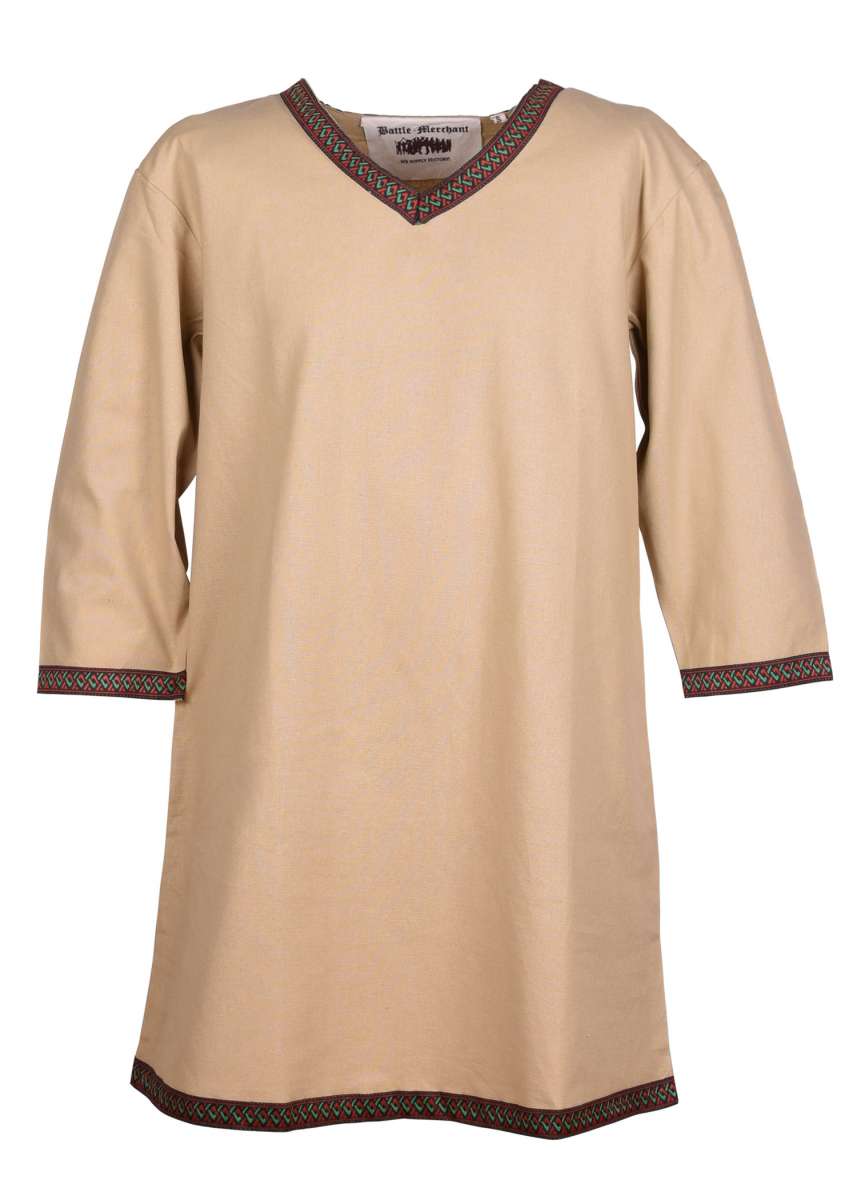
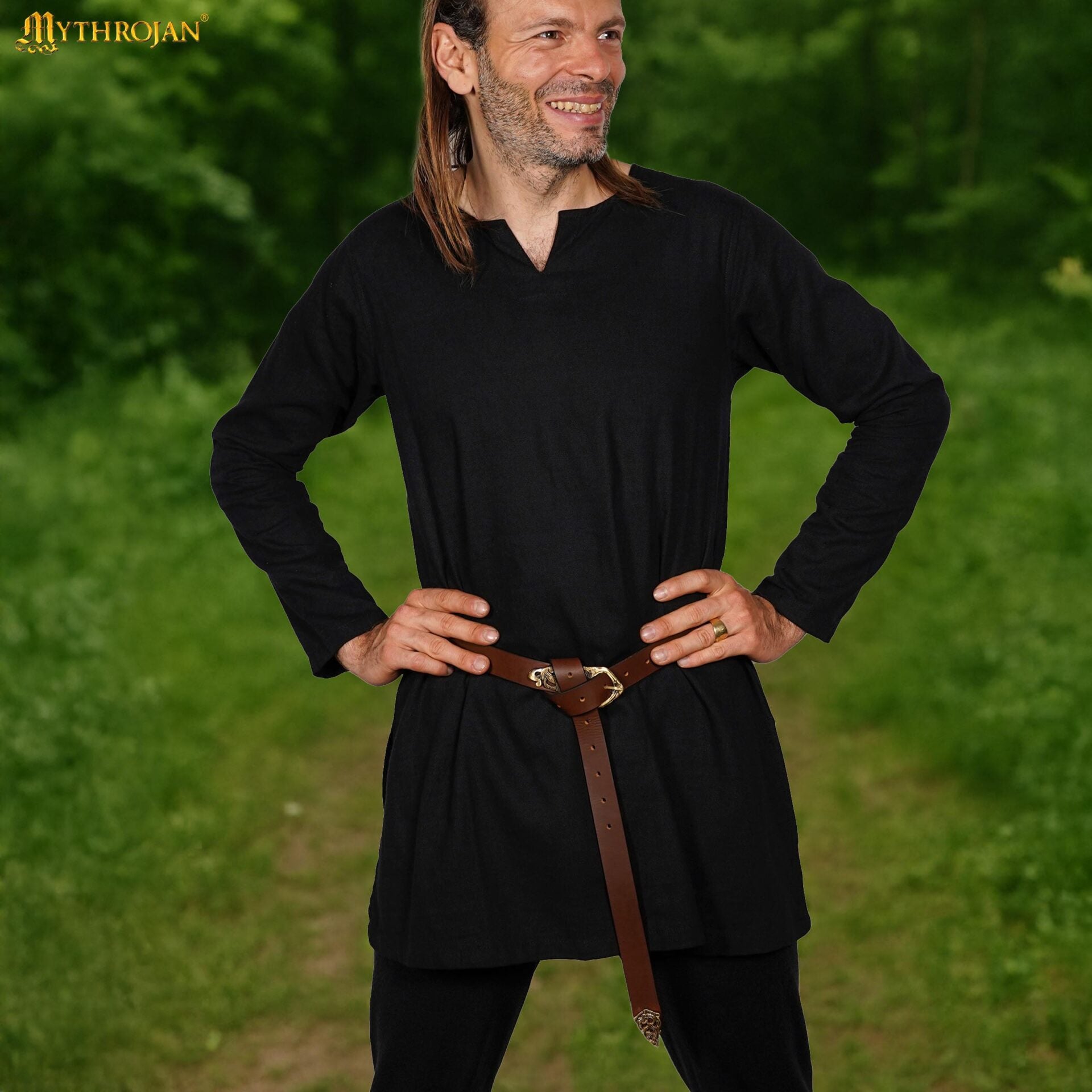
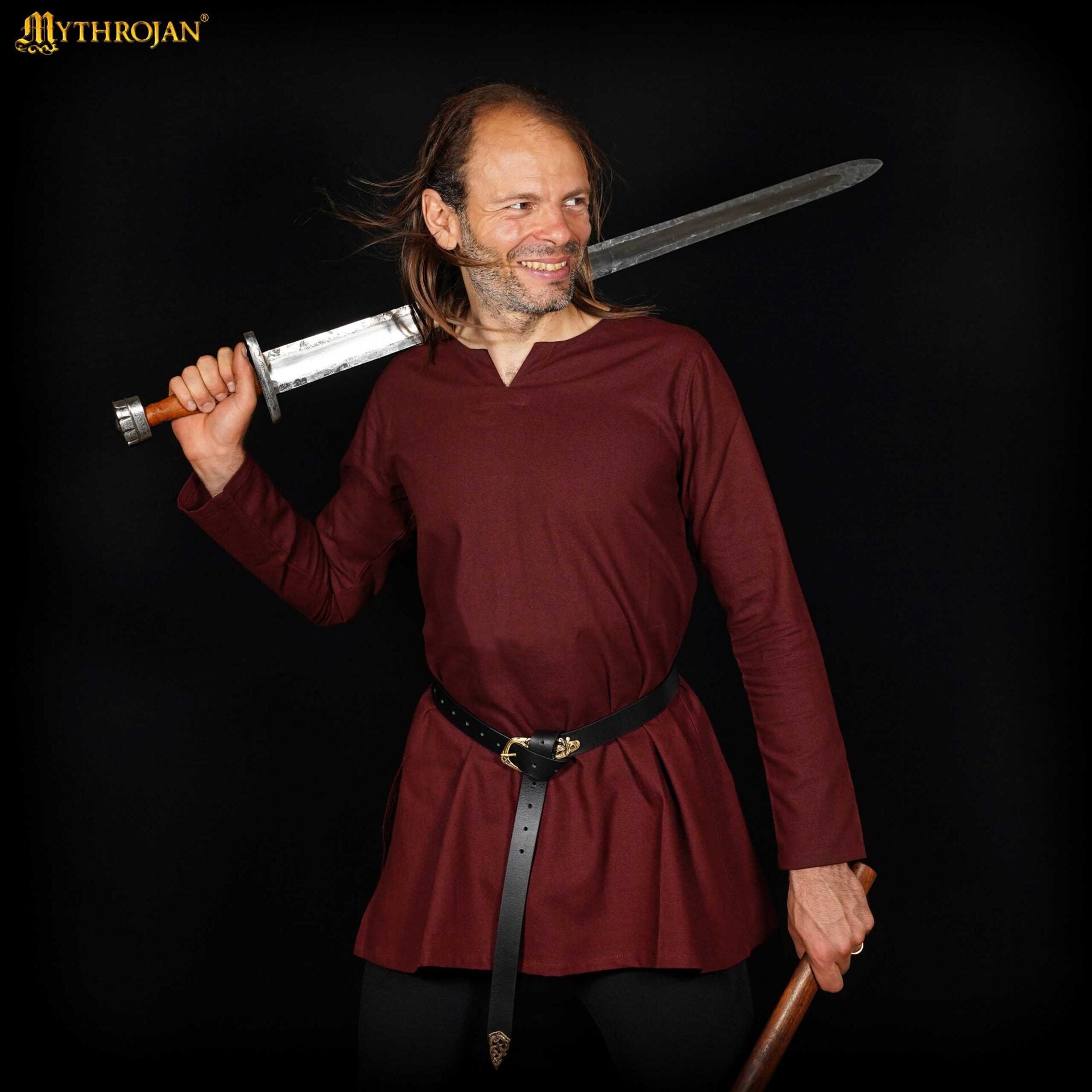
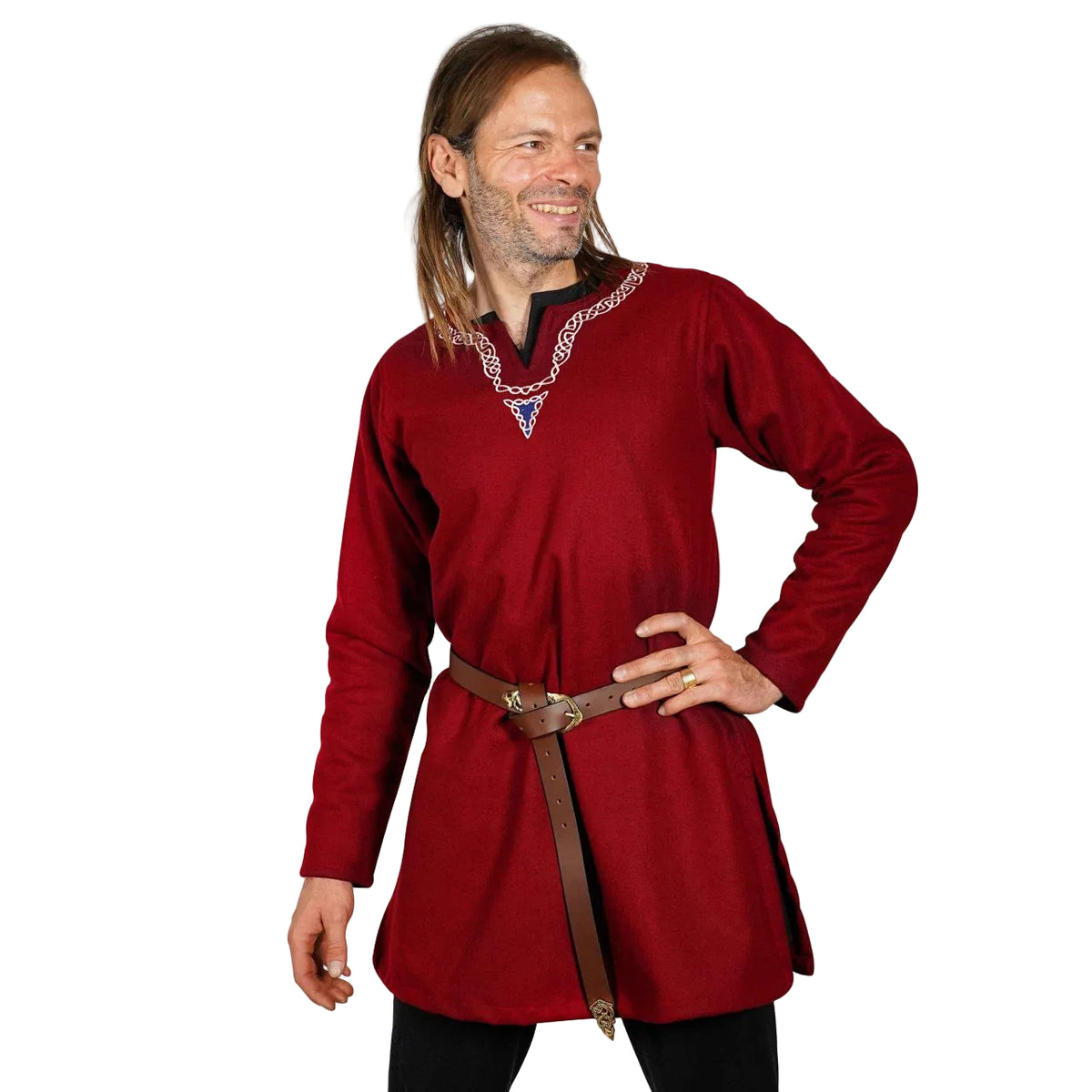
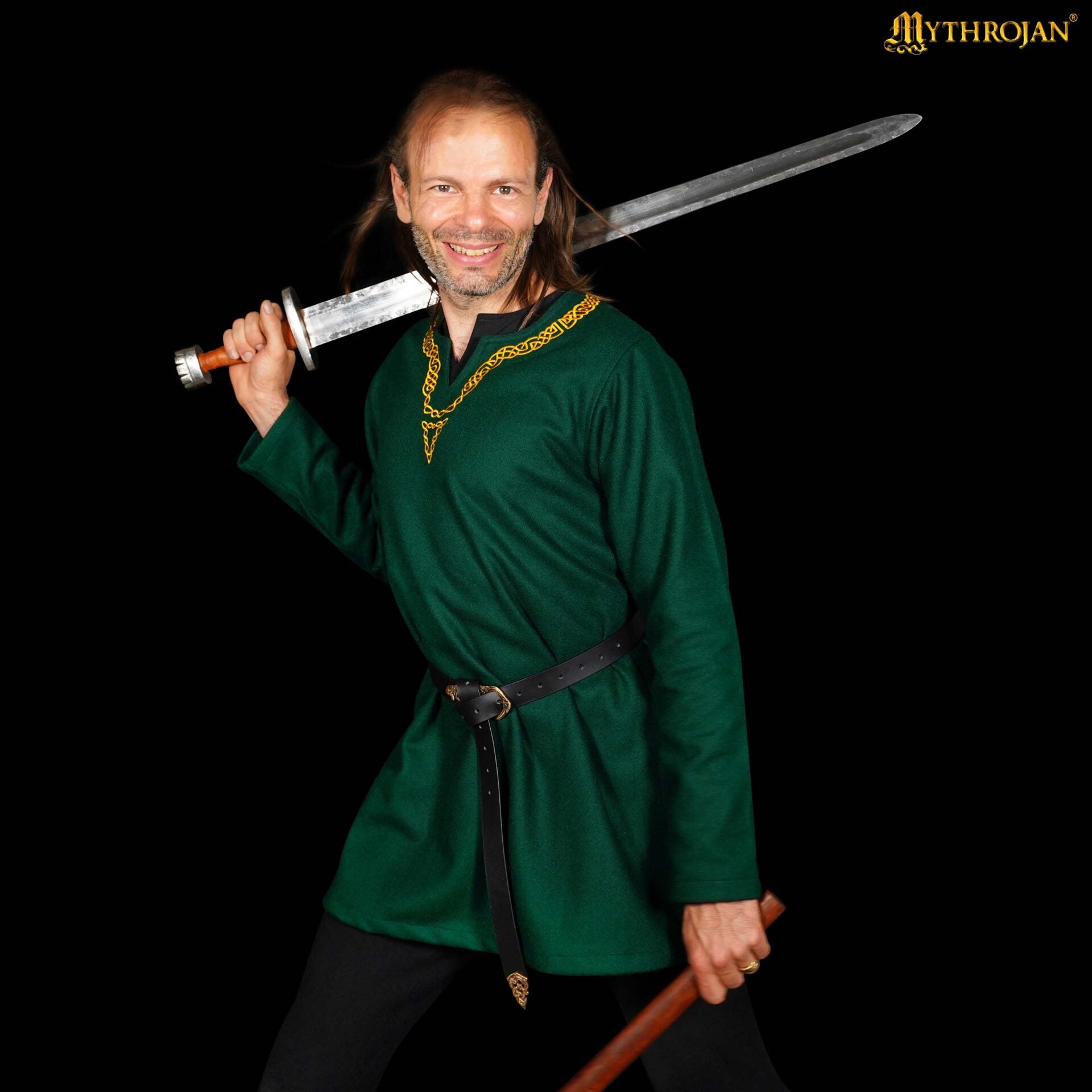
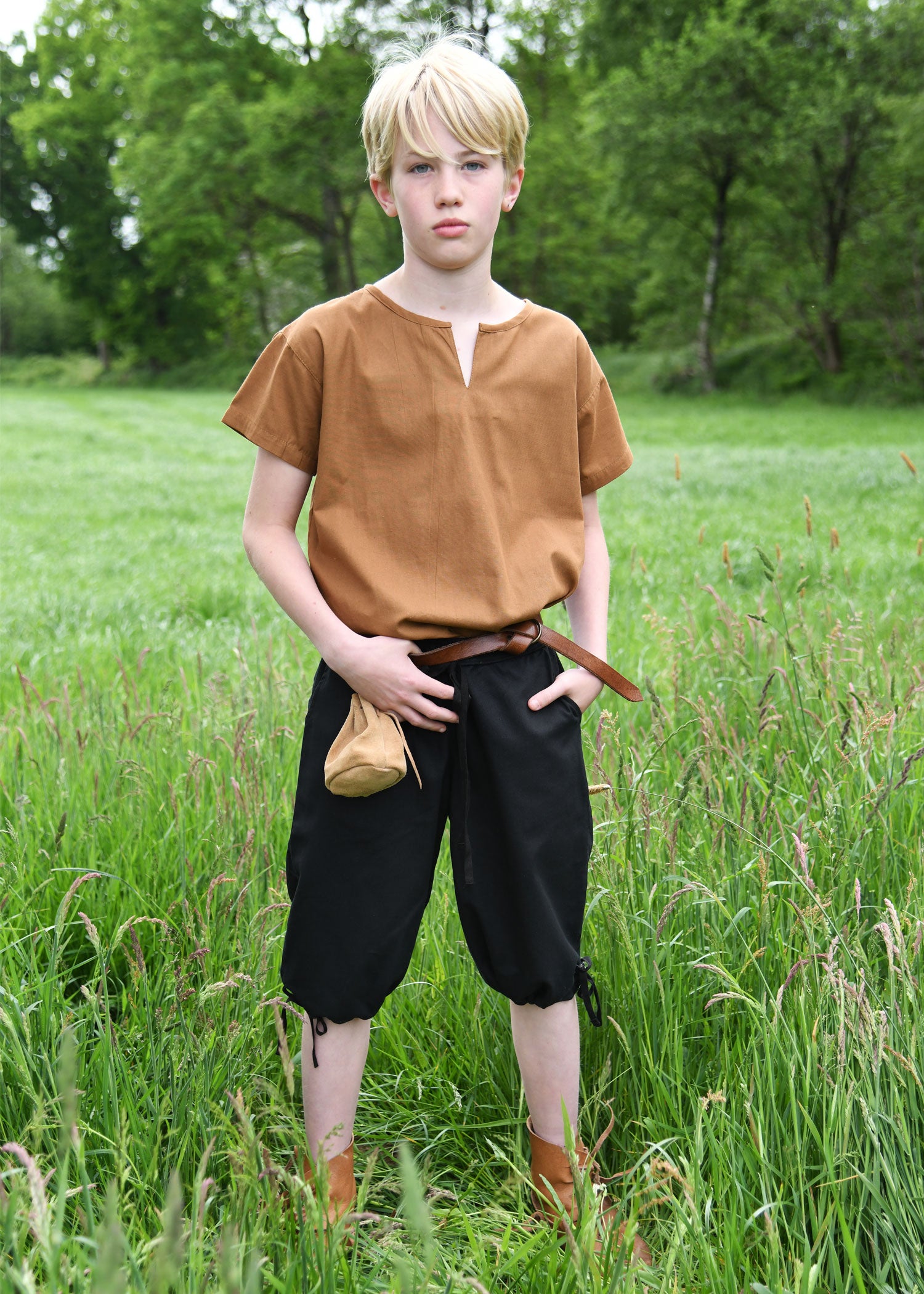
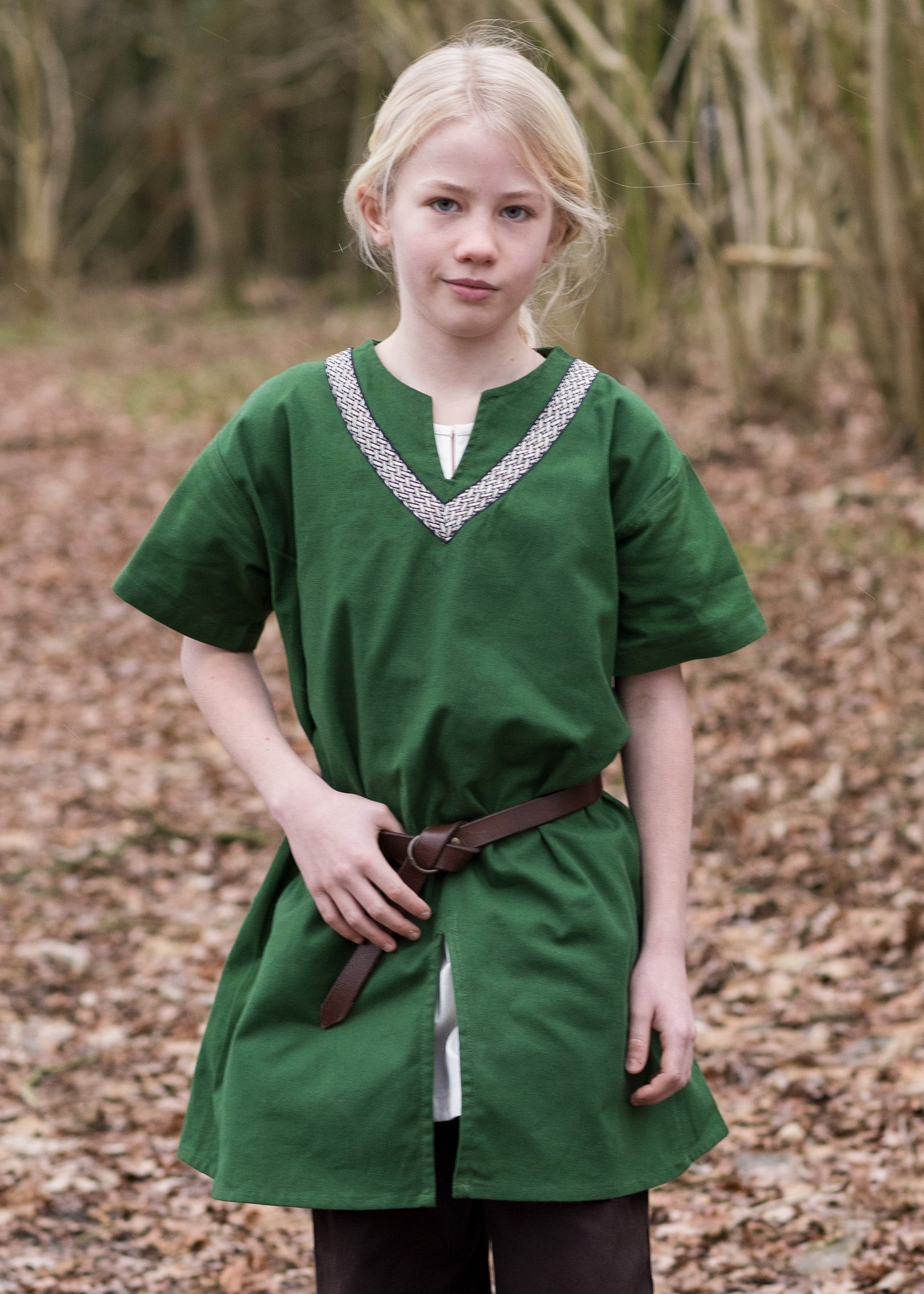
- Tunic: a basic wool or linen garment, generally knee-length. Embroidery and decorations could distinguish the more elaborate outfits.
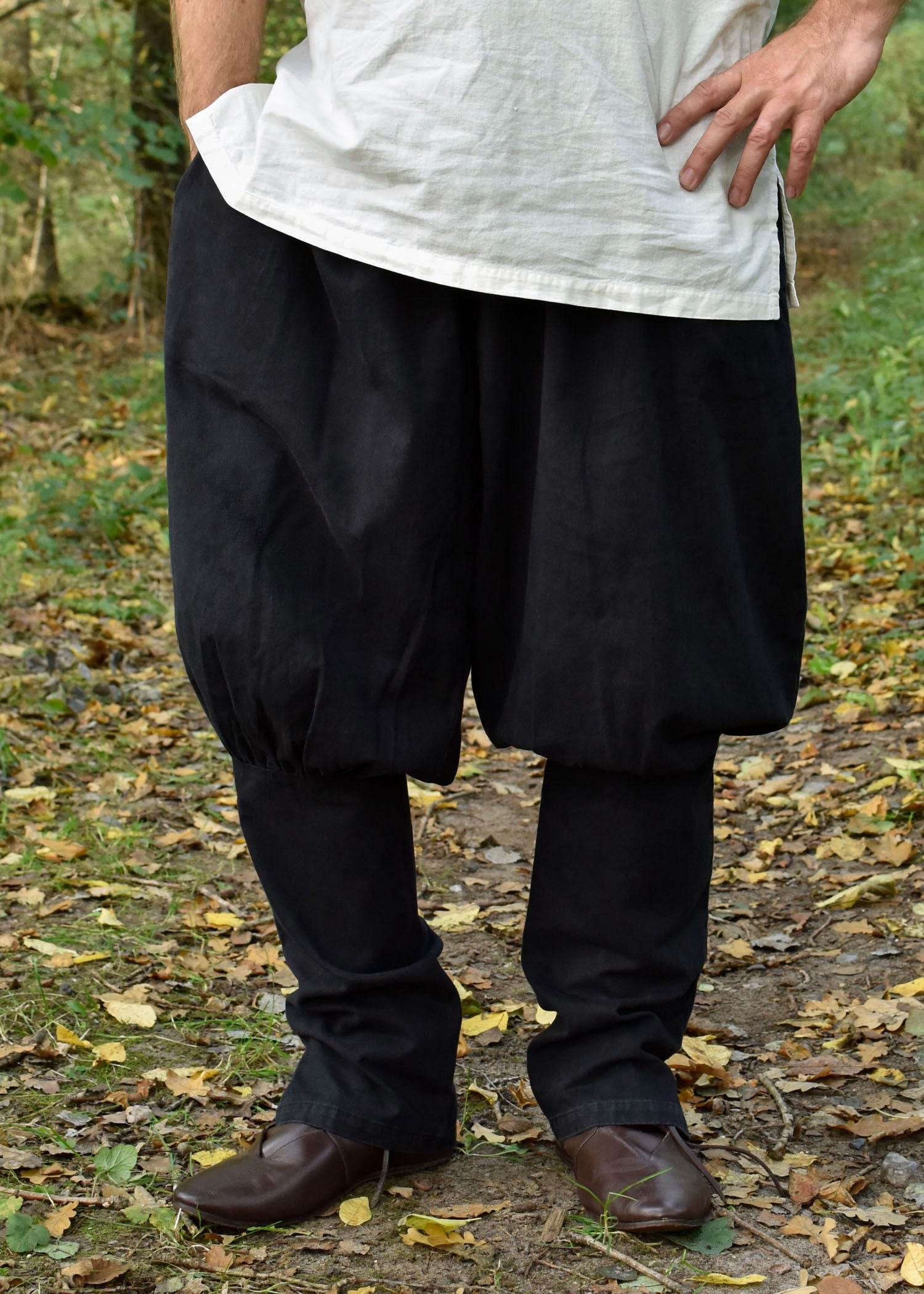
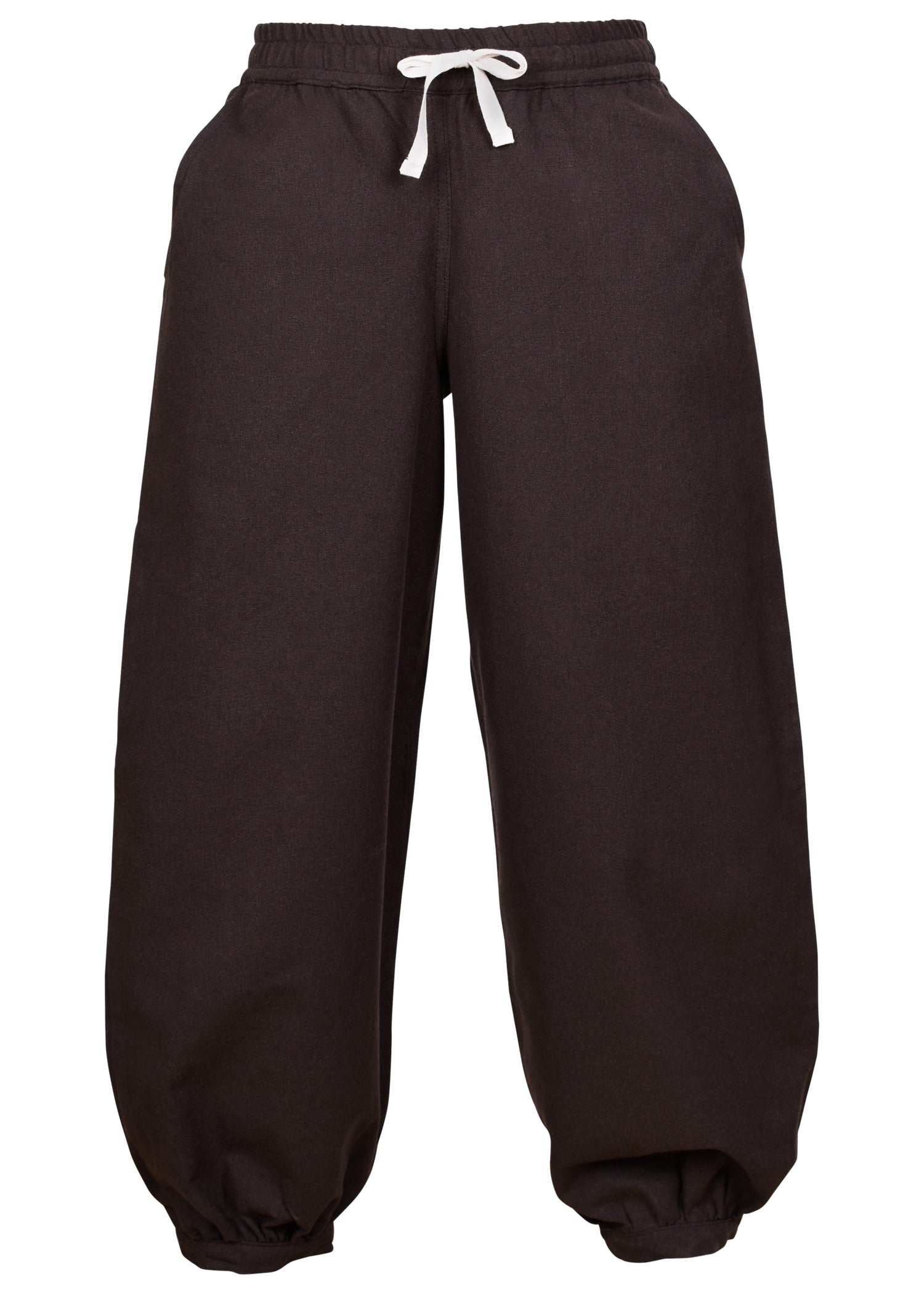
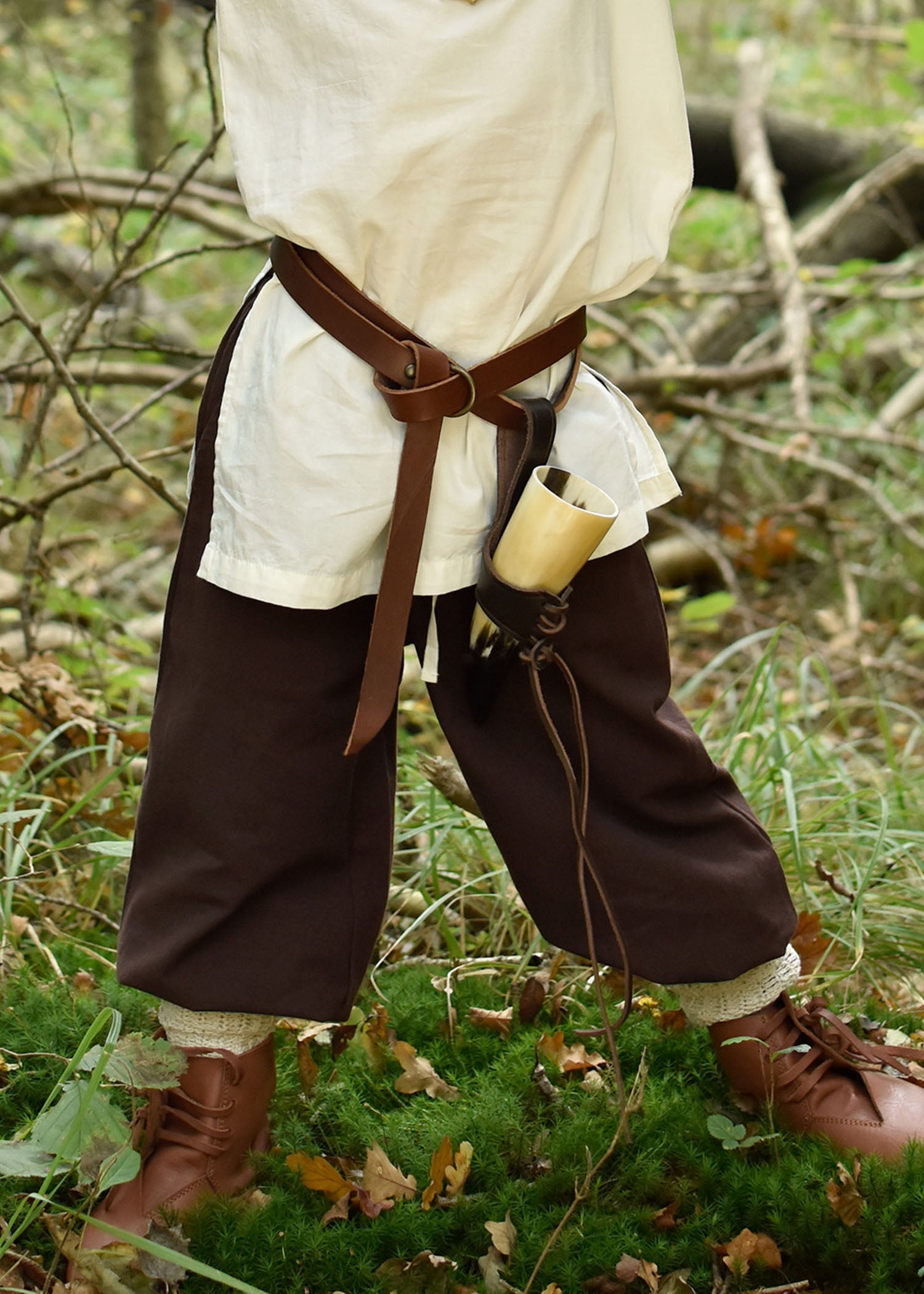
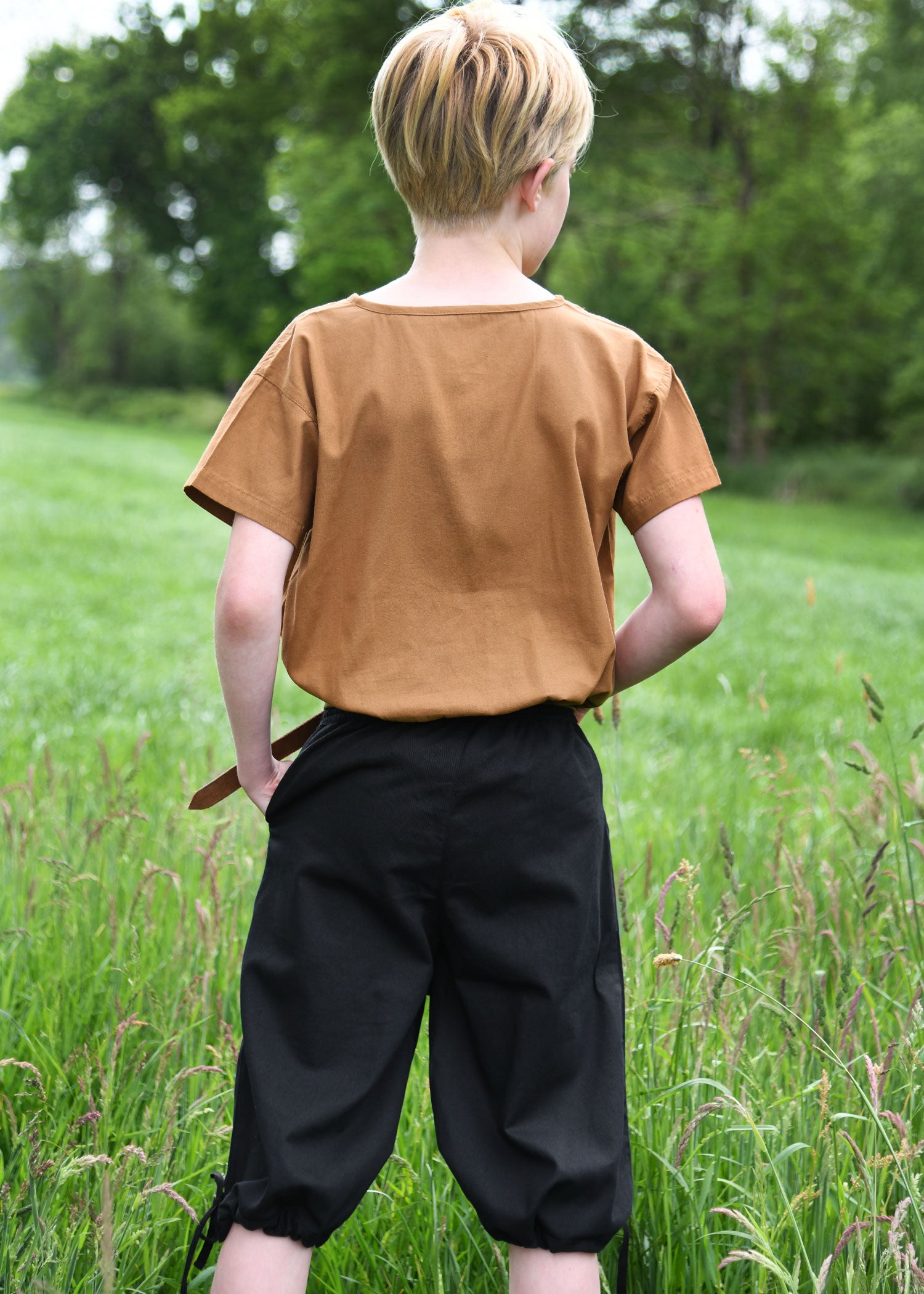
- Trousers: made of wool, with fitted or wide cuts, including Rus-inspired designs, depending on the region and model represented.
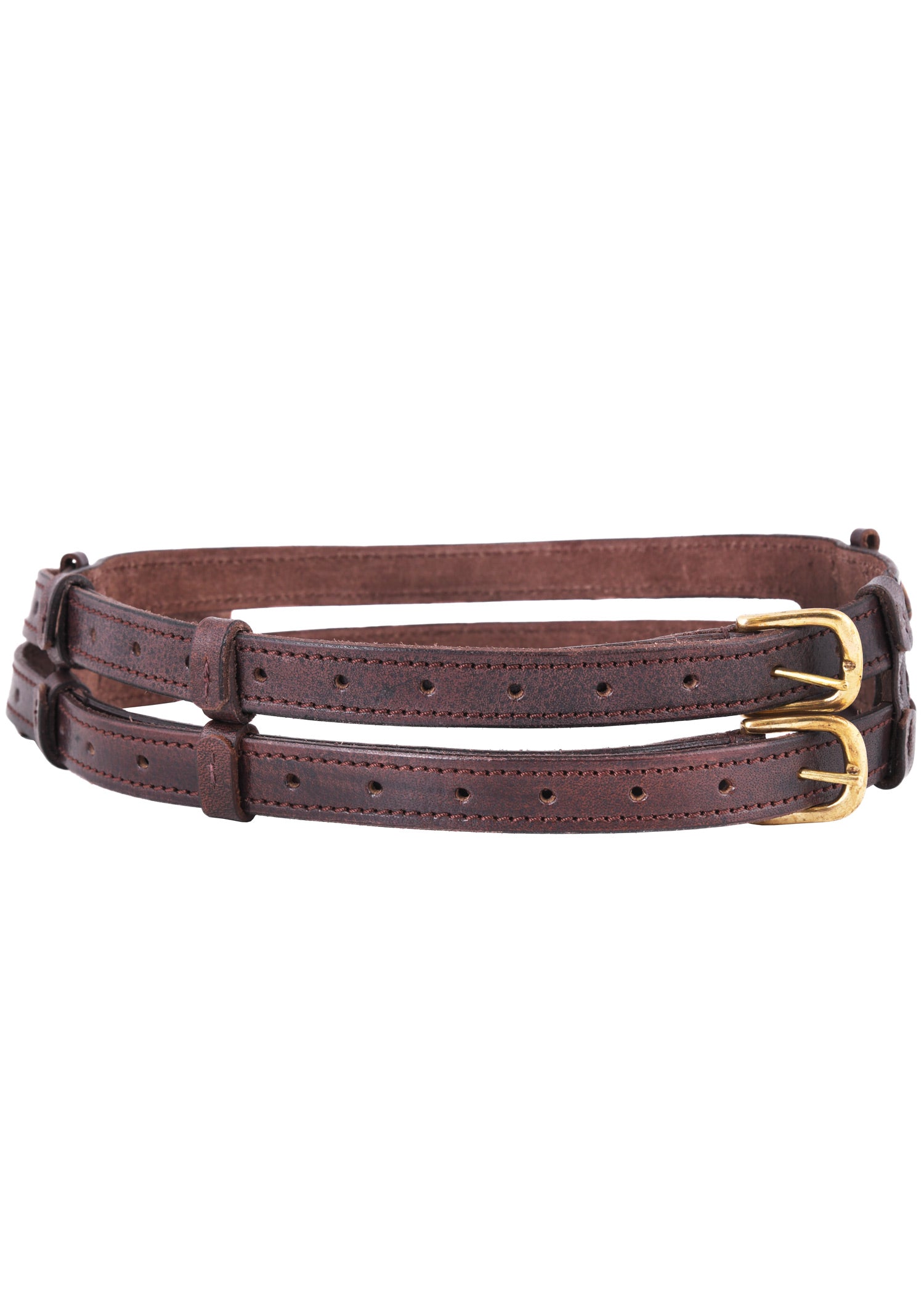
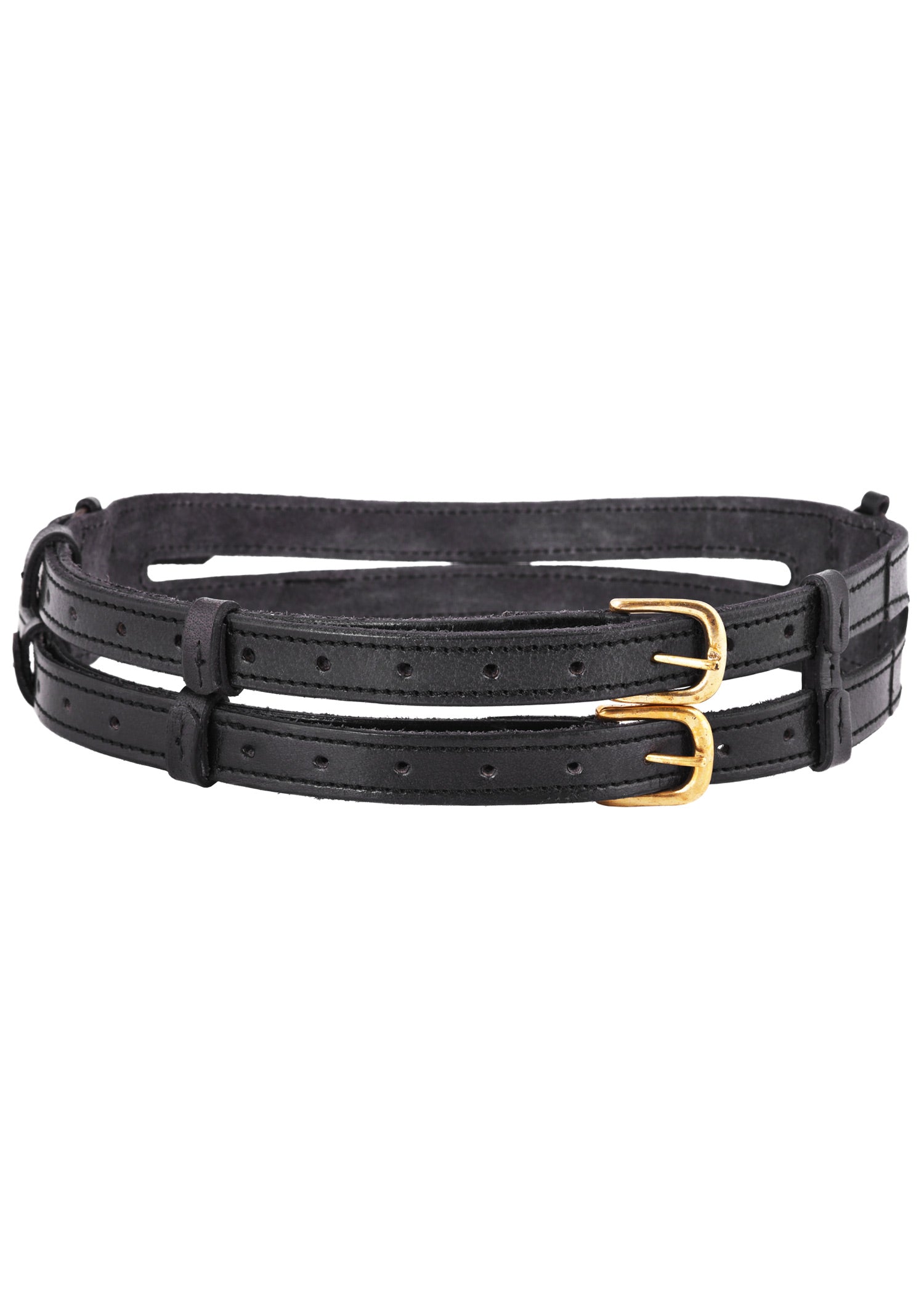
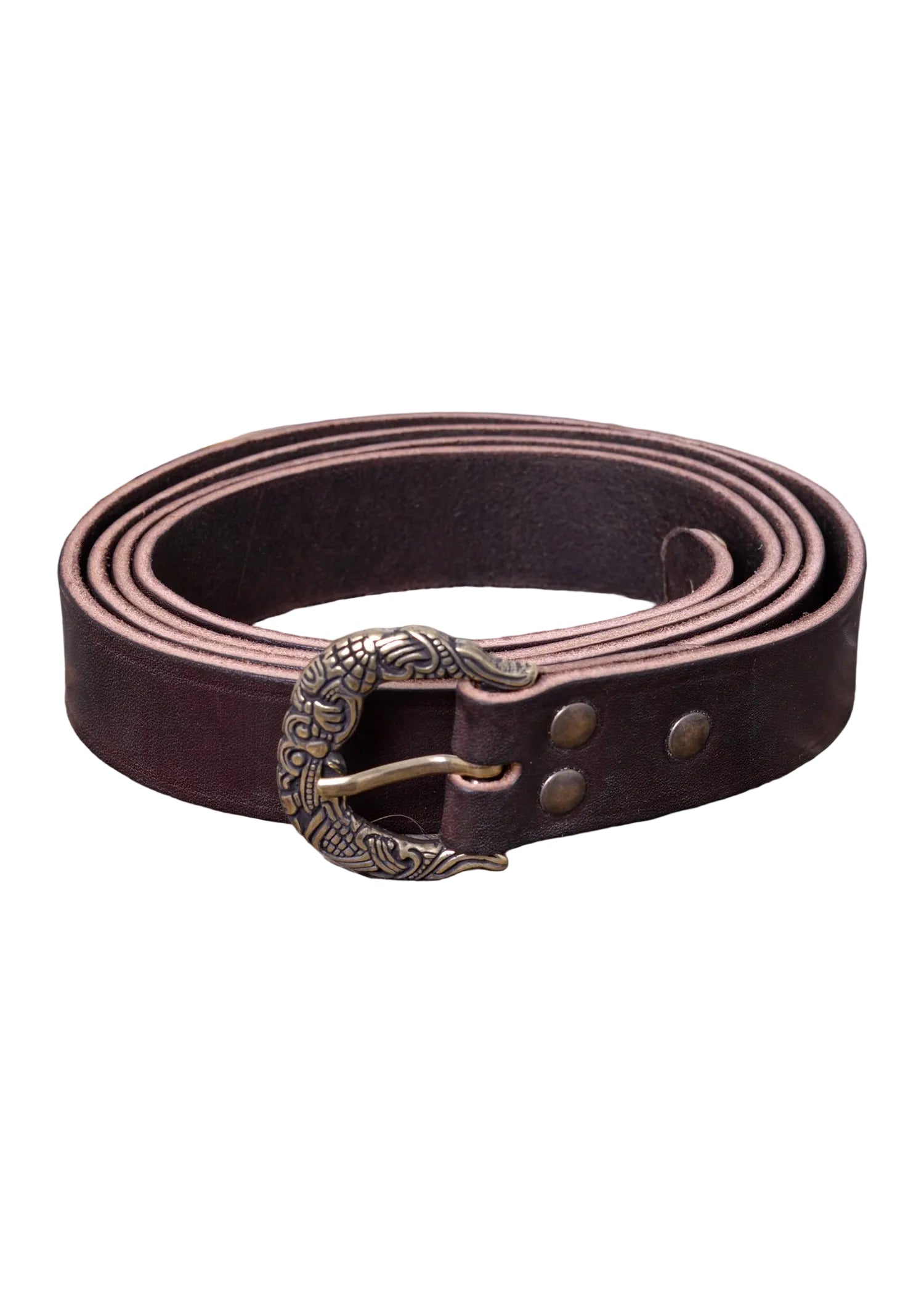
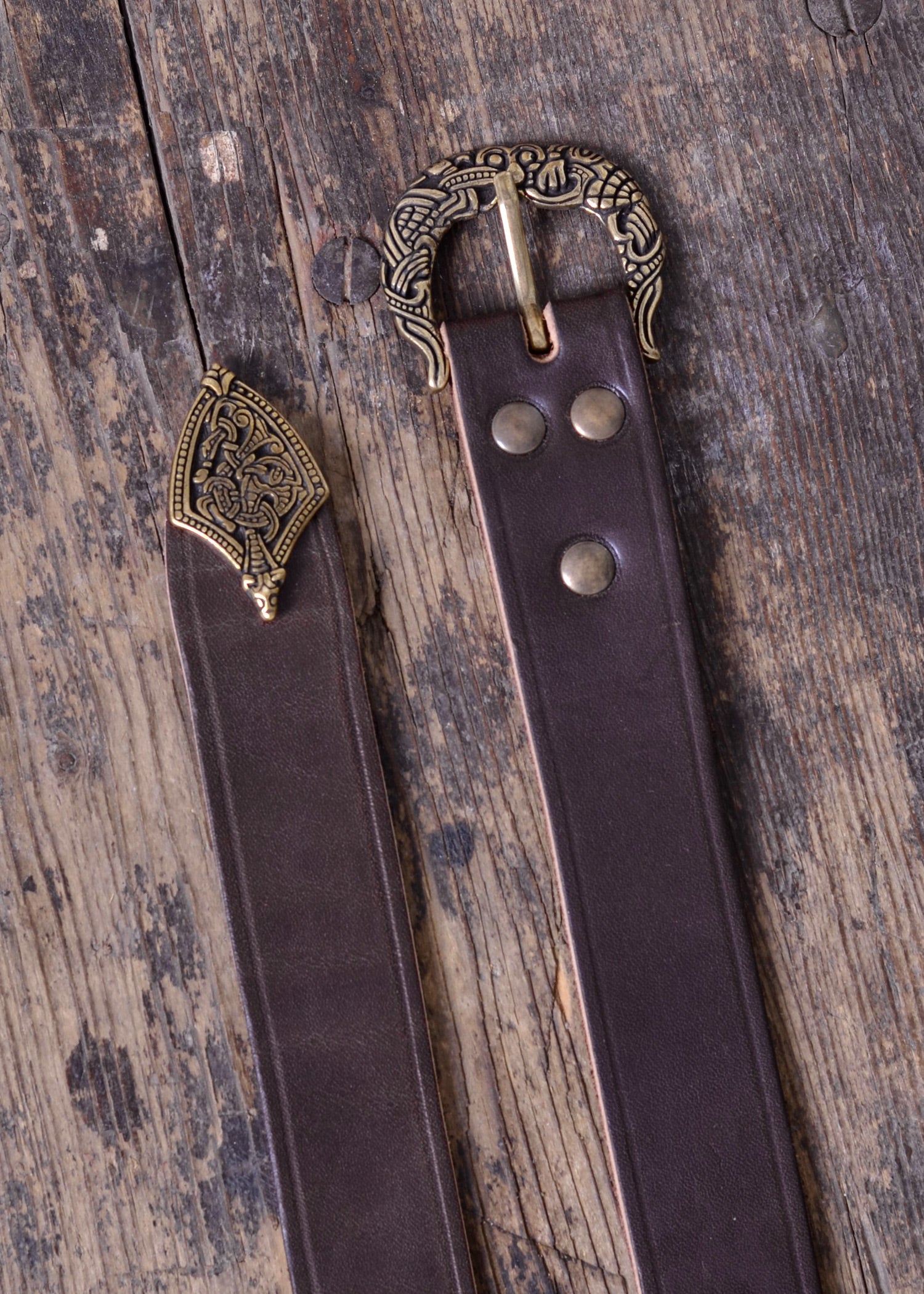
- Belt: a leather accessory to fasten the tunic and carry bags, tools, or a seax. Decorated finishes added distinction to the outfit.
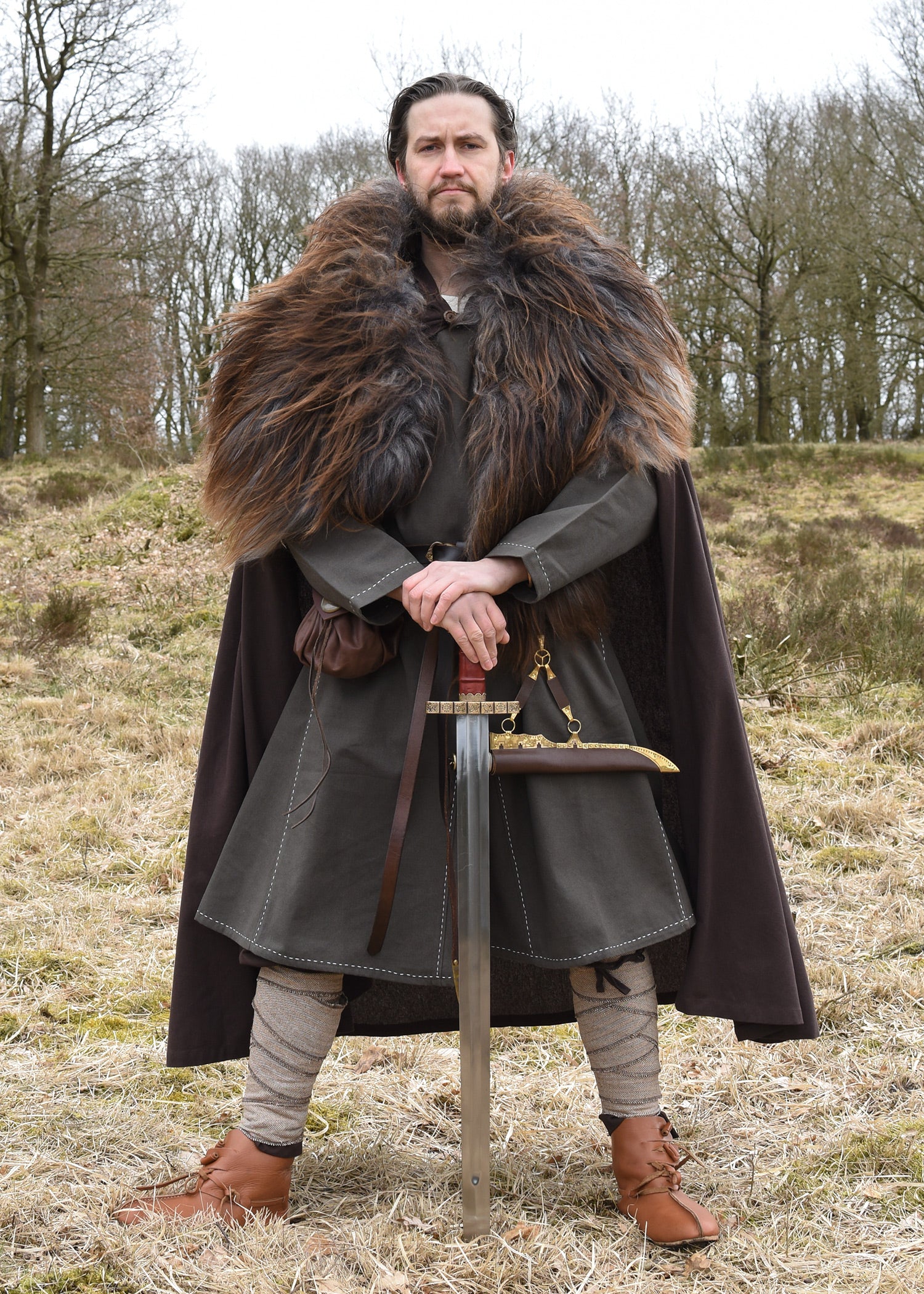
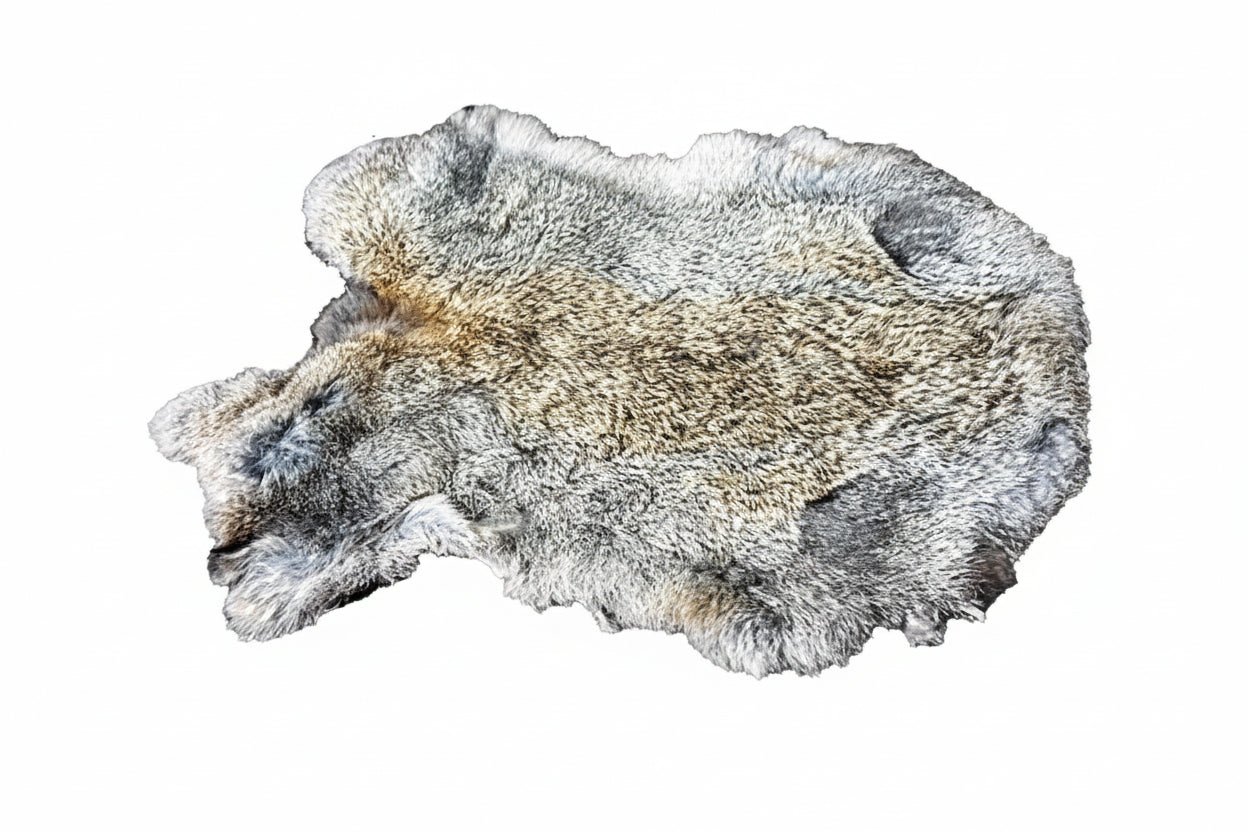
- Cloaks, hats, and hoods: outerwear garments linked to the use of wool and fur. Metal brooches allowed the cloaks to be fastened.
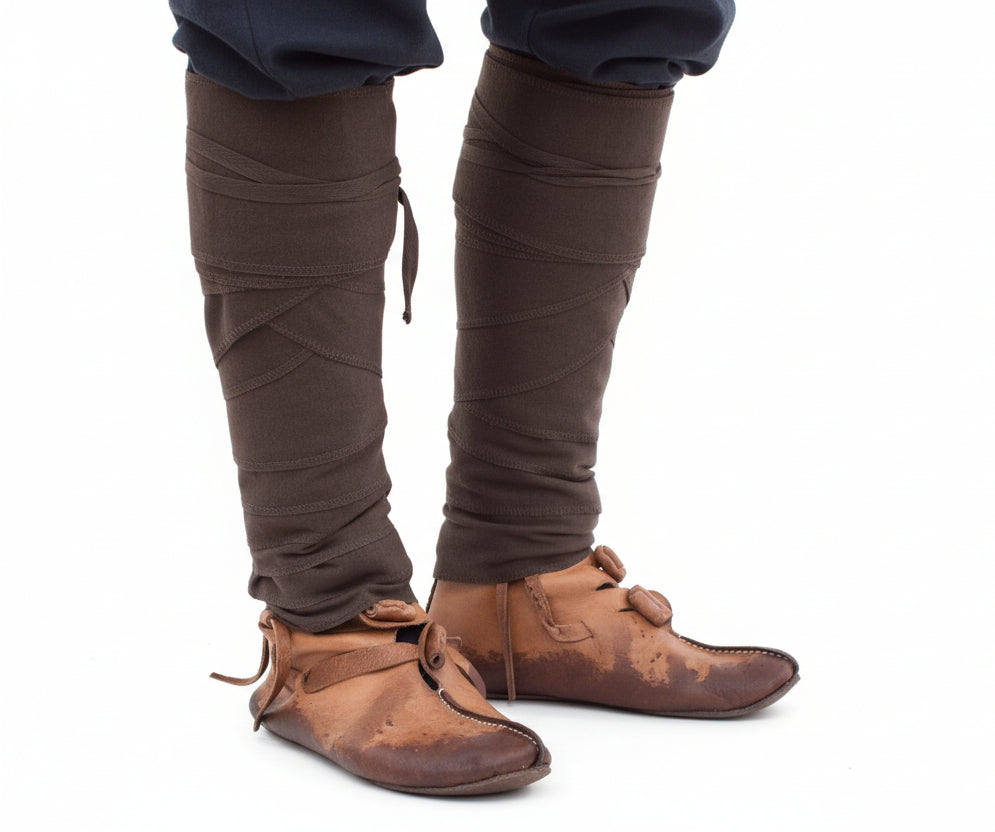
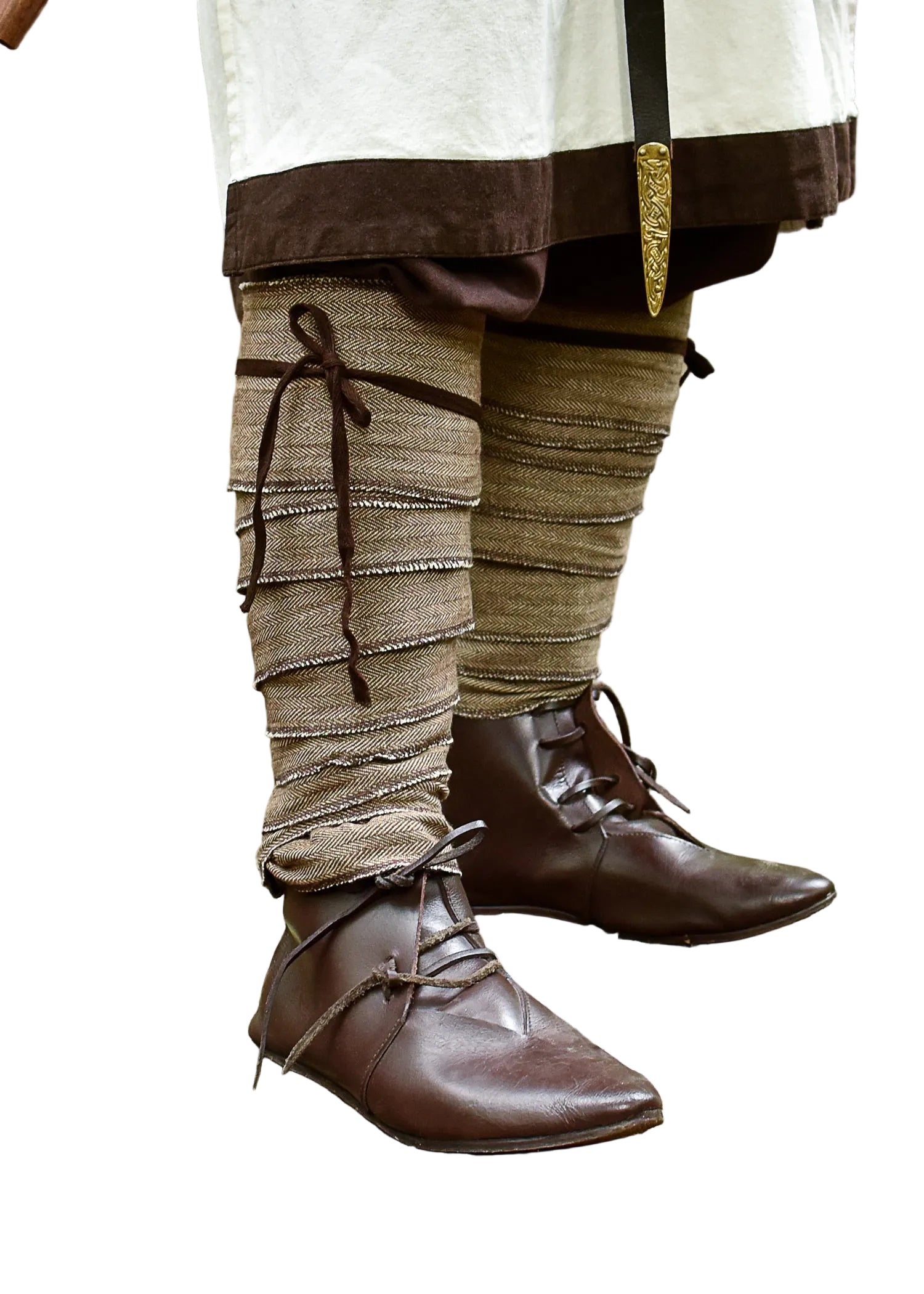
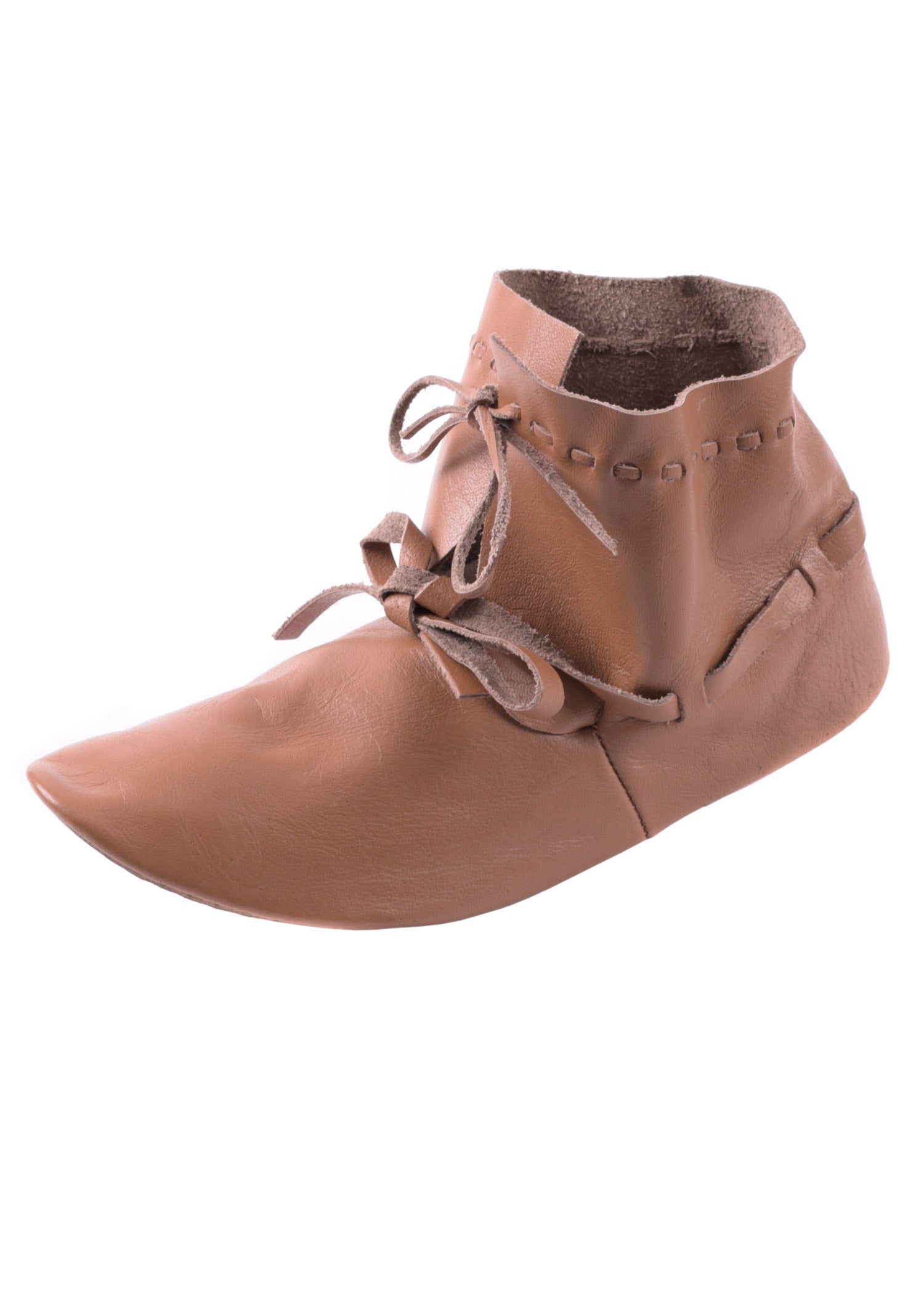
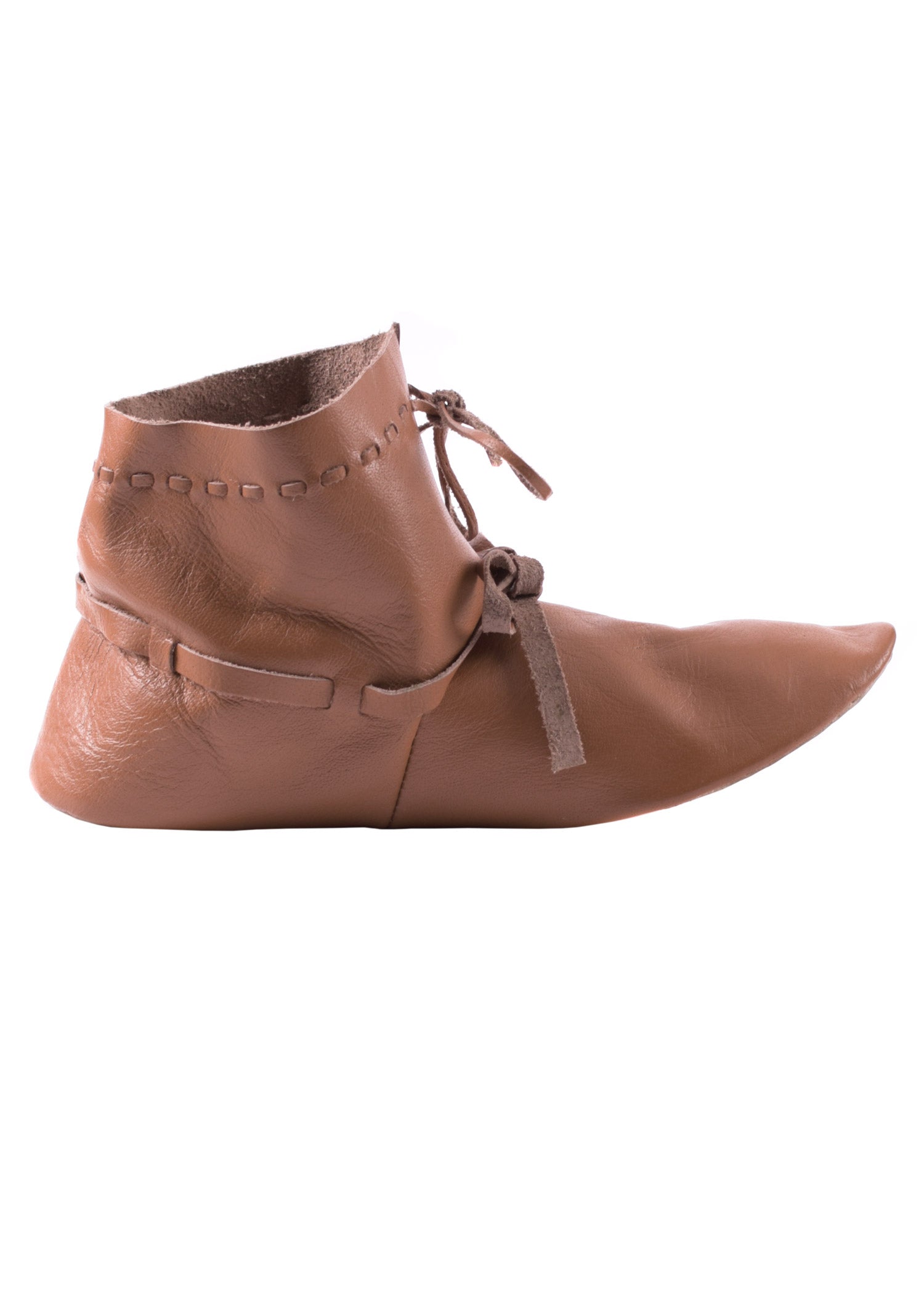
- Shoes or boots: leather footwear adapted to everyday activities. The shape, height, and fastenings should be assessed according to the period and model.
Women's Viking clothing: dresses, aprons, and accessories
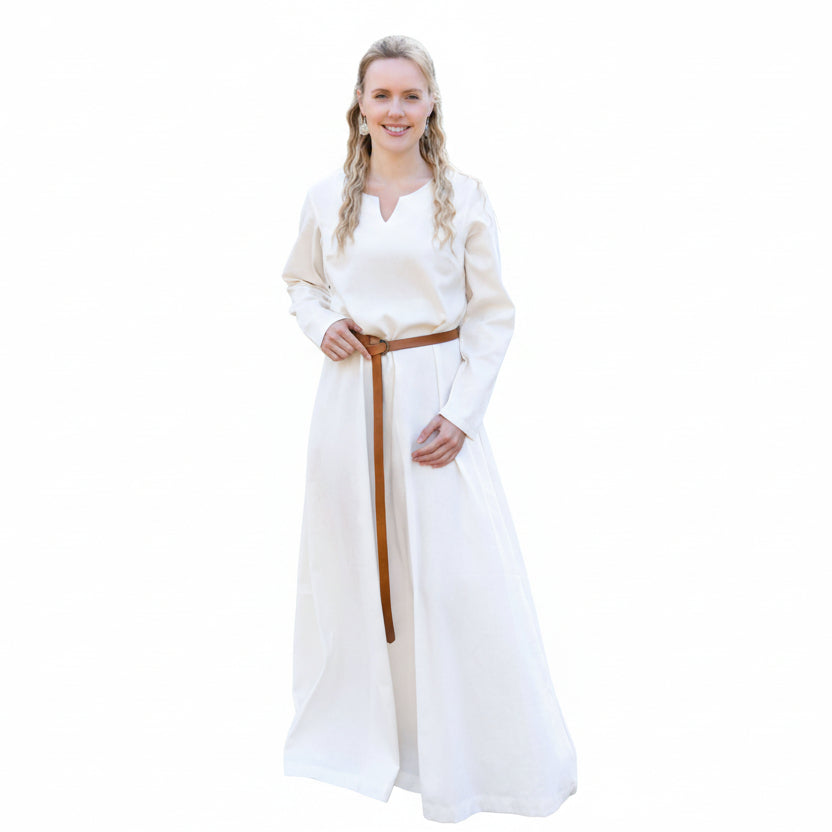
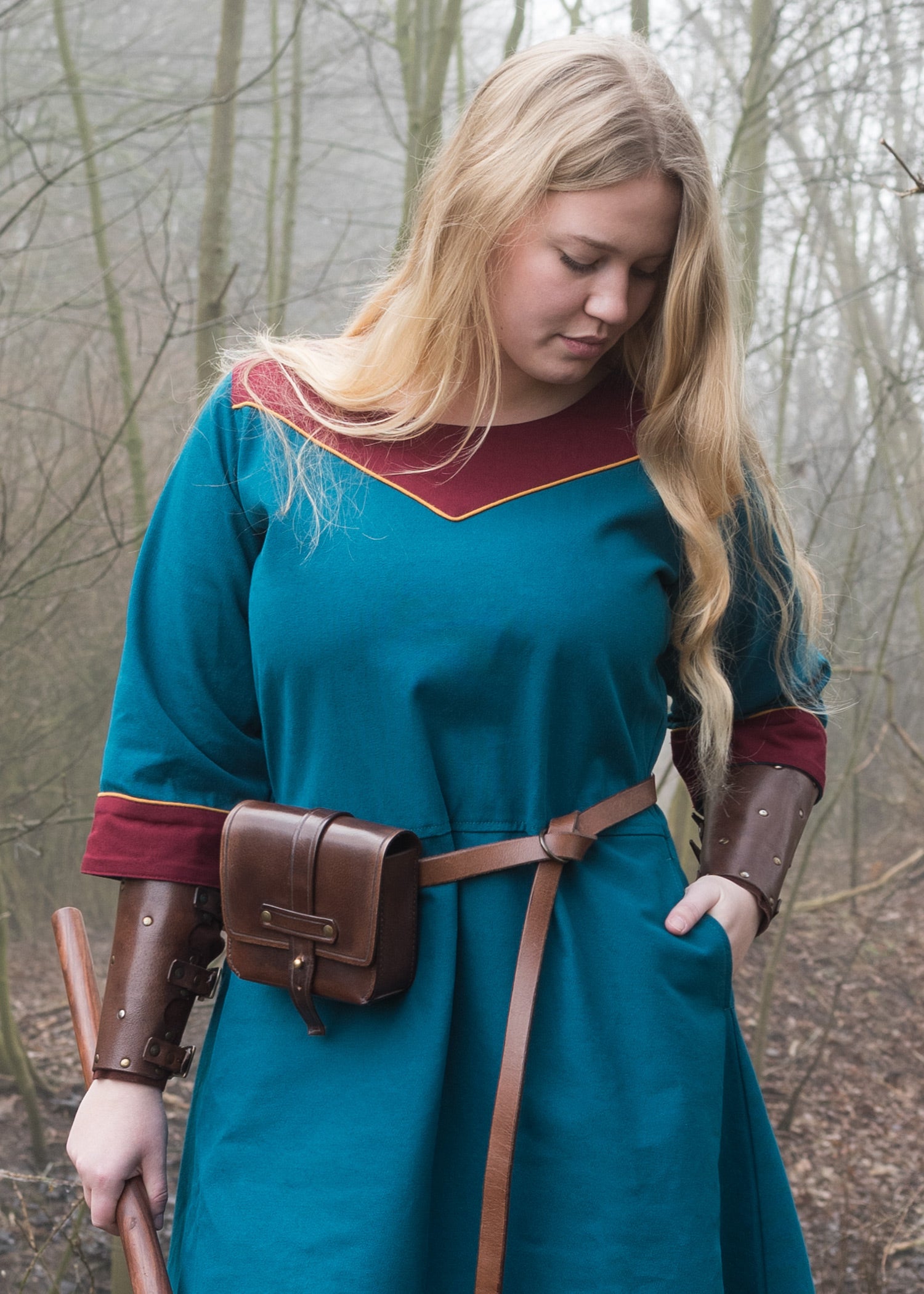
If you are looking for women's Viking dress, you can explore the layered garments and accessories that make up a Norse-inspired outfit:
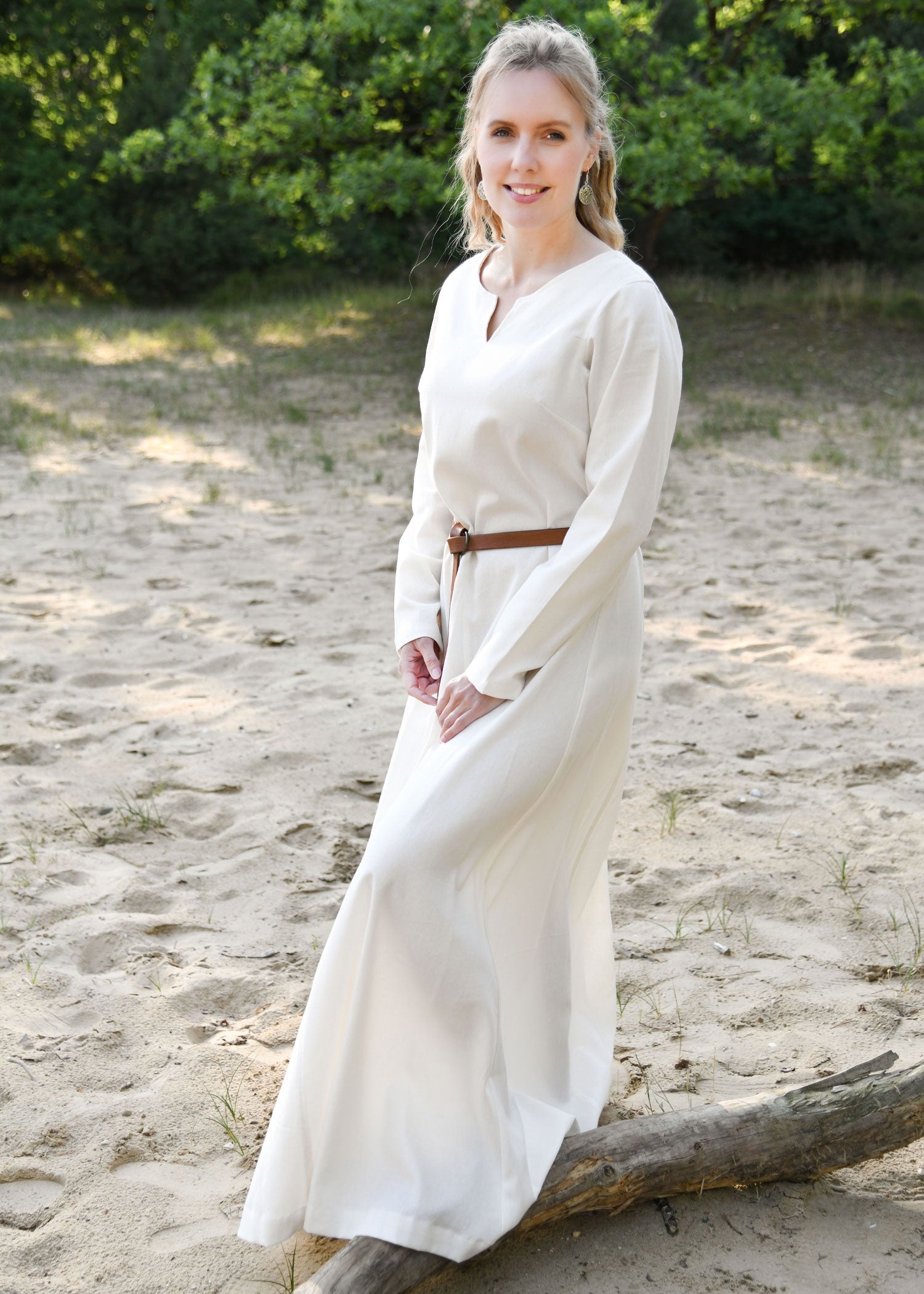
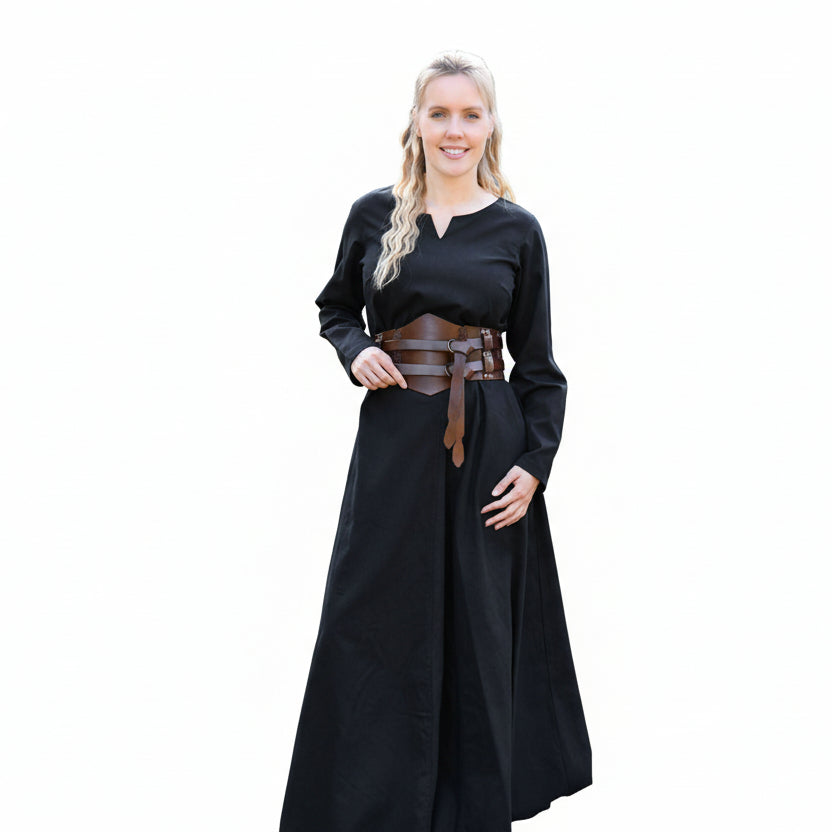
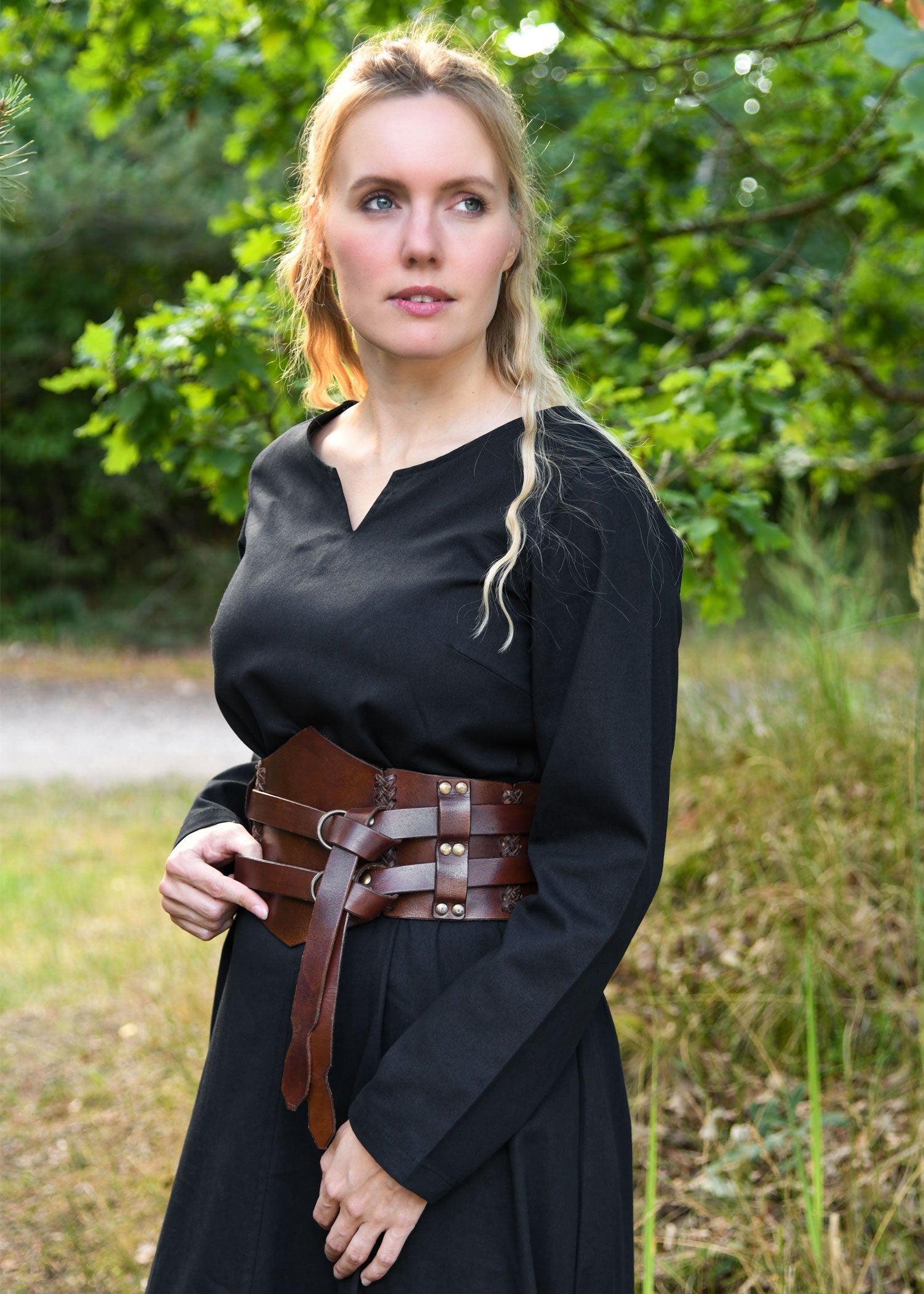
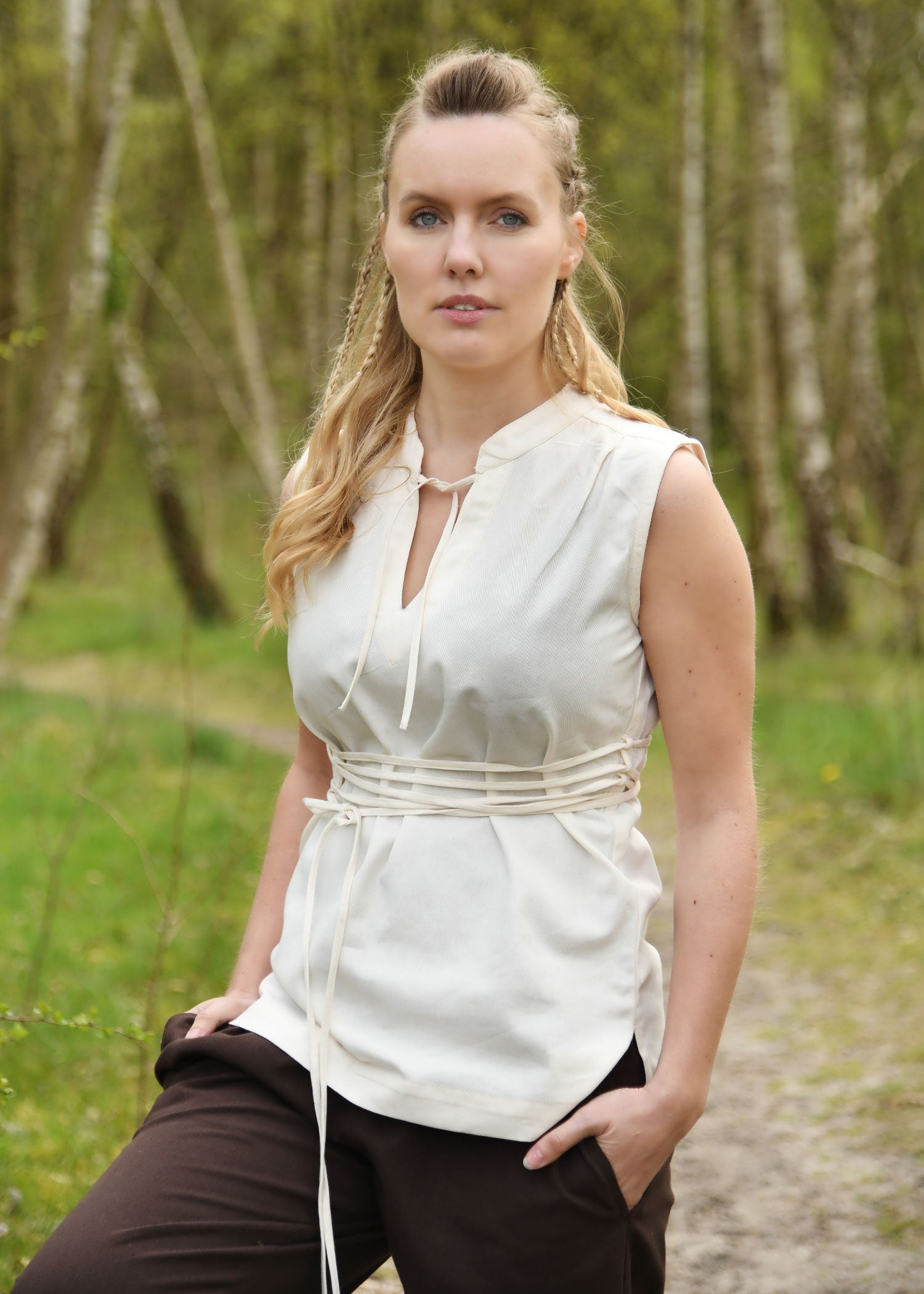
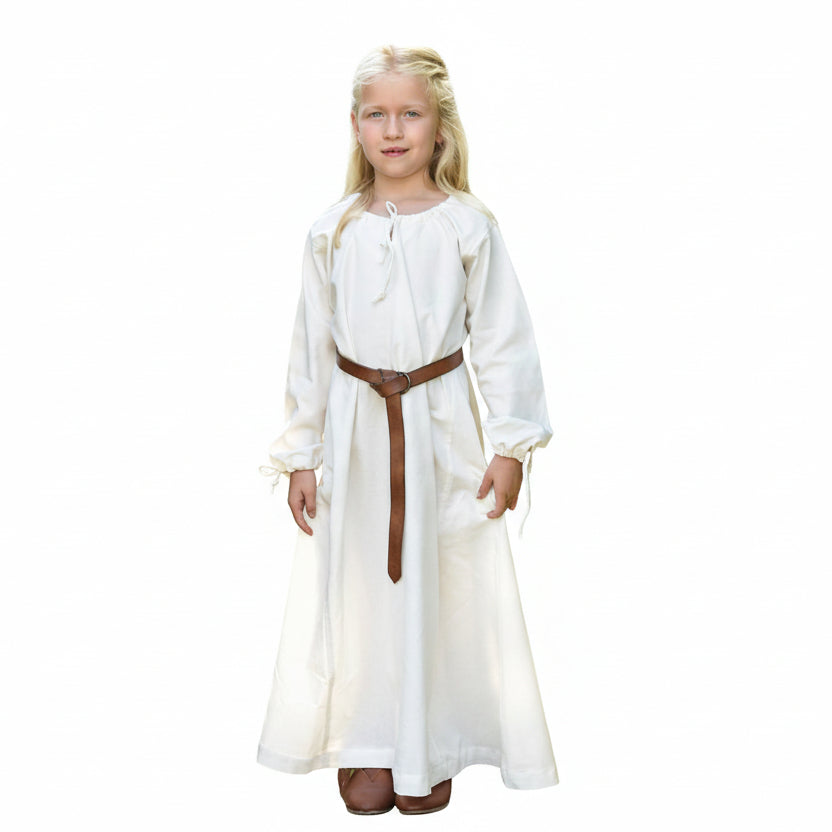
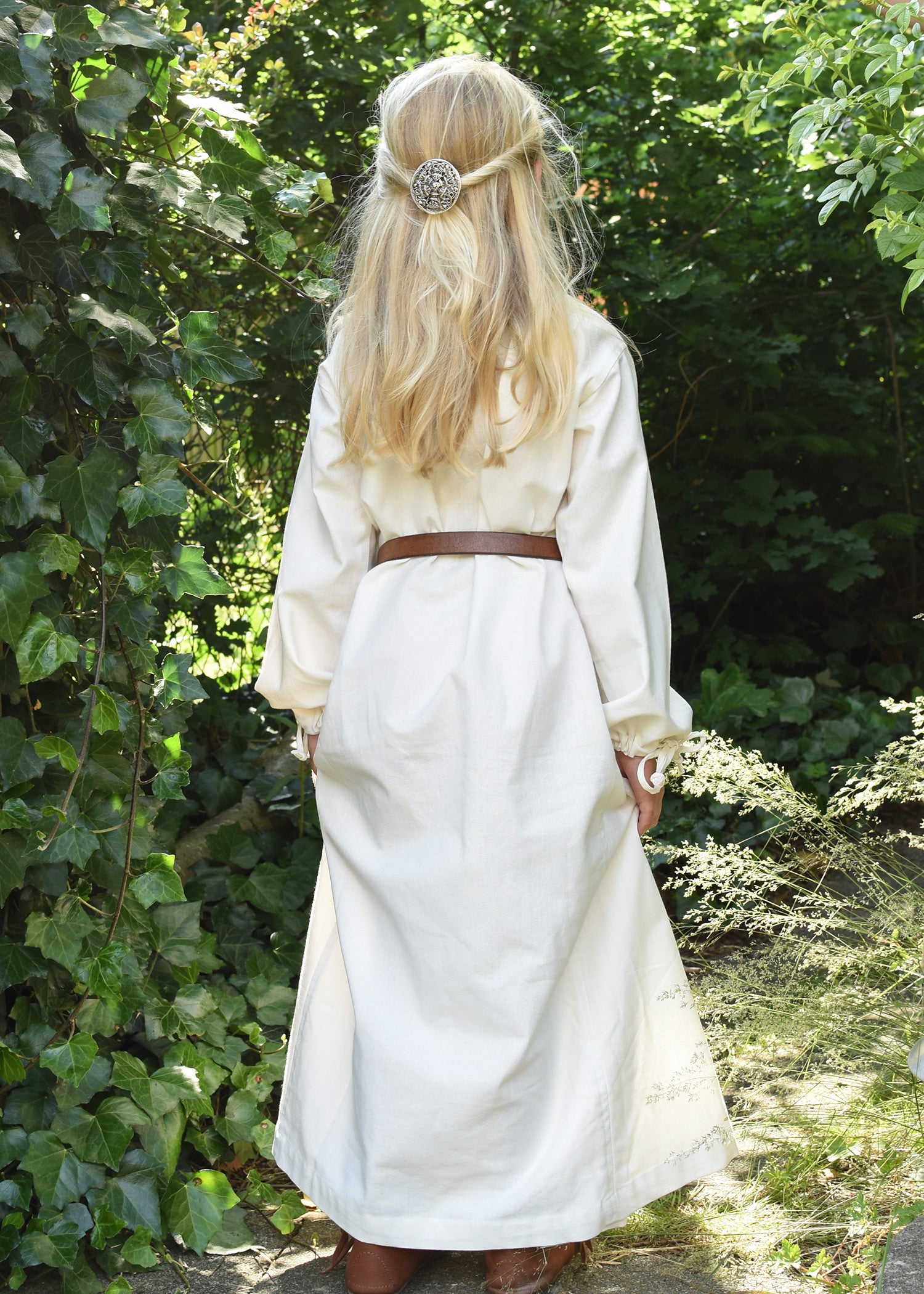
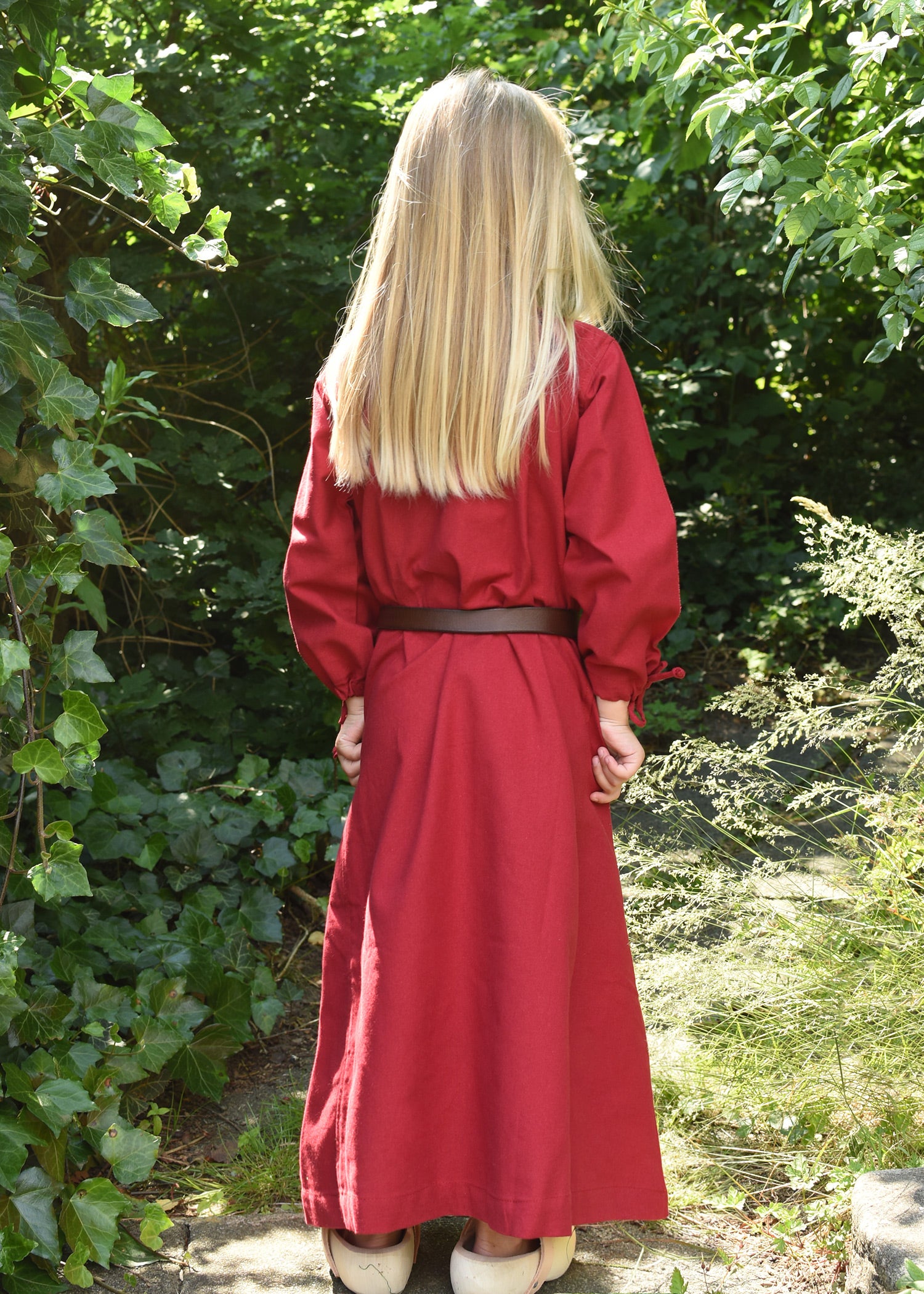
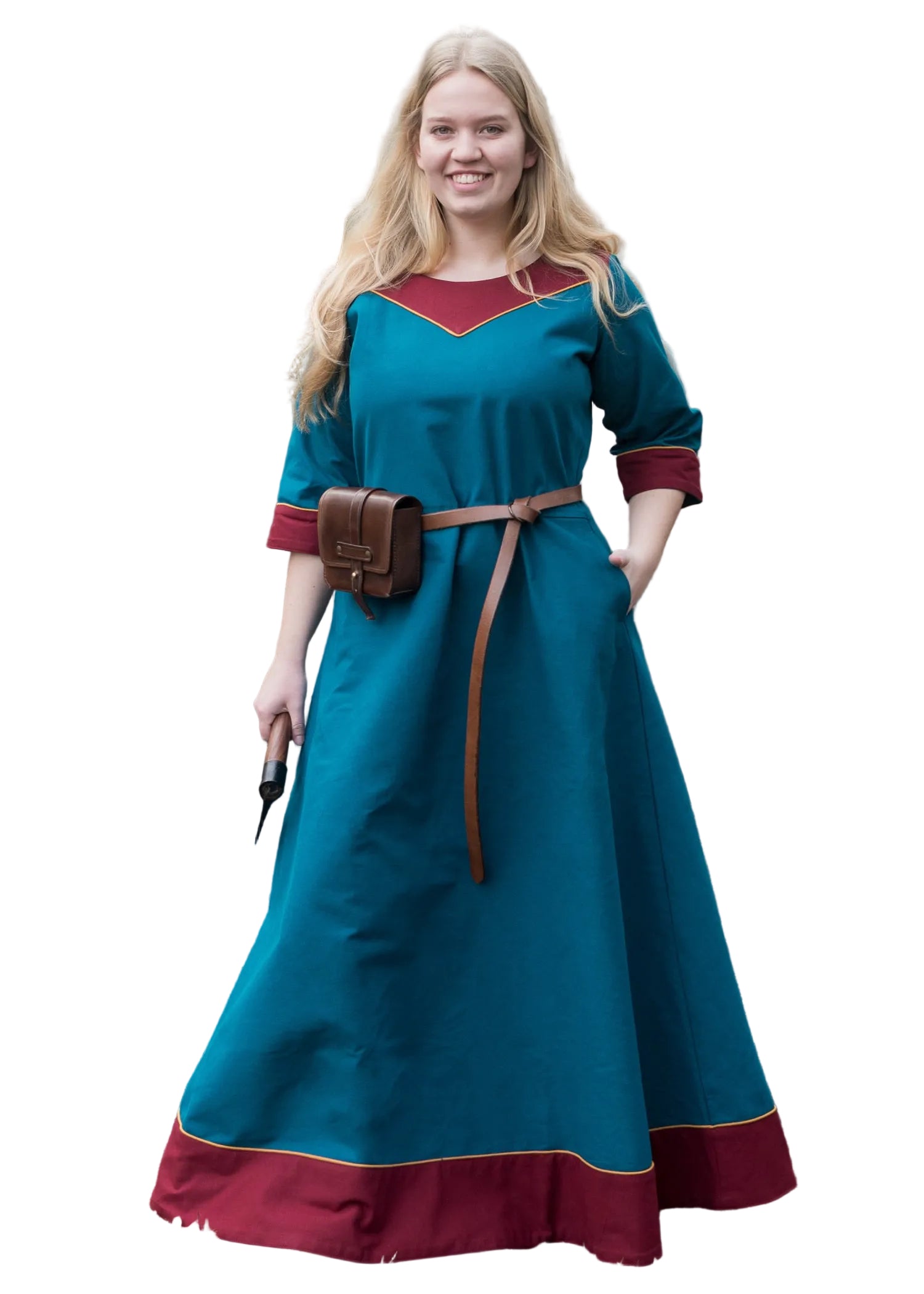
- Dress: a long wool or linen garment, from the shoulders to the ankles, with variations in color and decoration depending on the outfit.
- Apron dress: worn over the dress and fastened with oval brooches, popularly known as turtle brooches. Beads and pendants could be arranged among them.
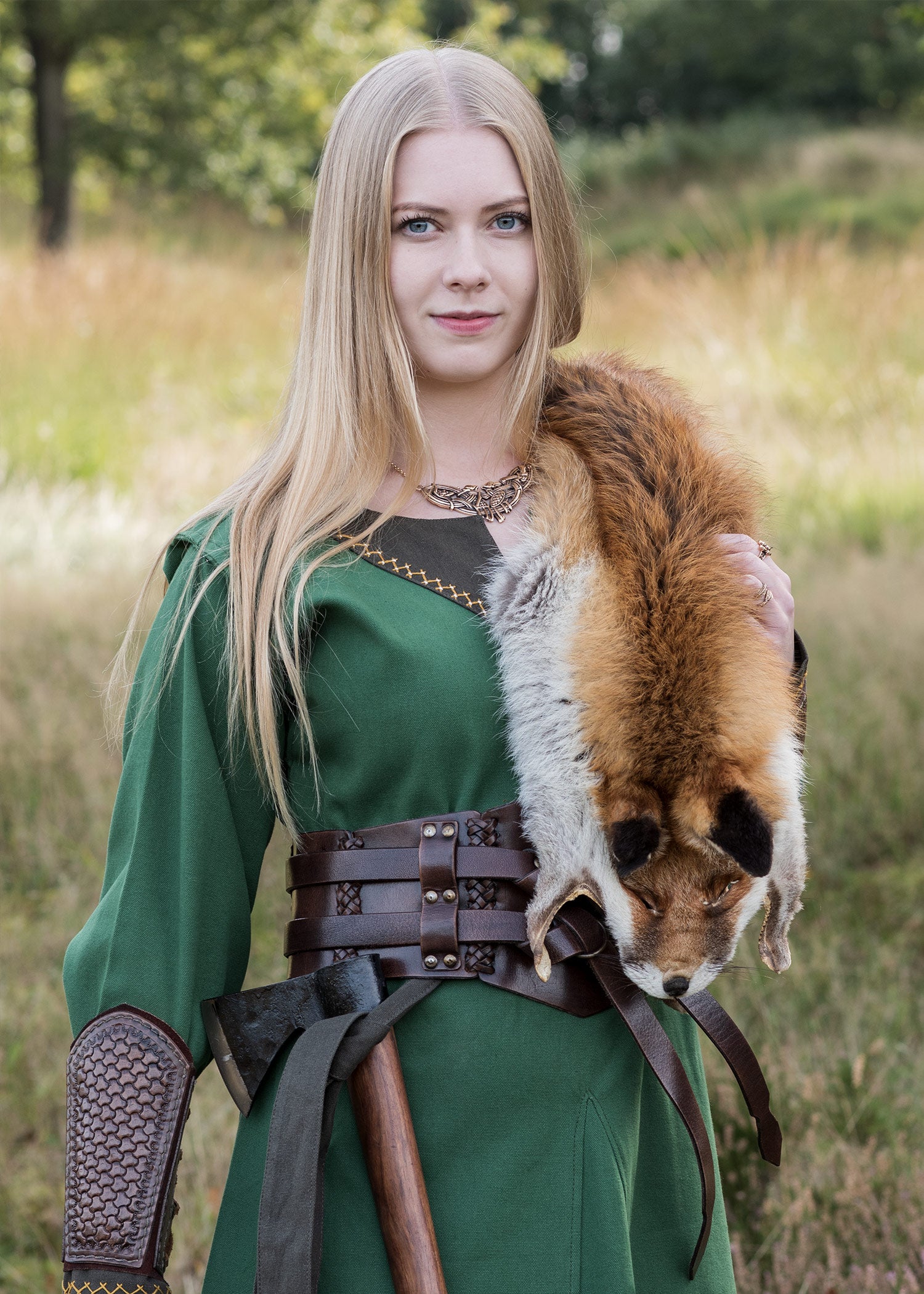
- Belt: allowed carrying small objects and bags, as well as incorporating decorative elements.
- Cloak, hat, or hood: wool or fur outerwear accessories; cloaks could be fastened with metal brooches.
- Shoes or boots: leather footwear, with differences in construction and ornamentation depending on the model.
- Headpiece: veils and fabric hair coverings that could be completed with ornaments, depending on the chosen representation.
Viking fashion and historical reenactment
When looking for real Viking clothing, it is advisable to distinguish original historical garments from modern reproductions and modern fantasy designs. Check the materials, sizes, and historical references available in each product page to choose an outfit suited to your project.
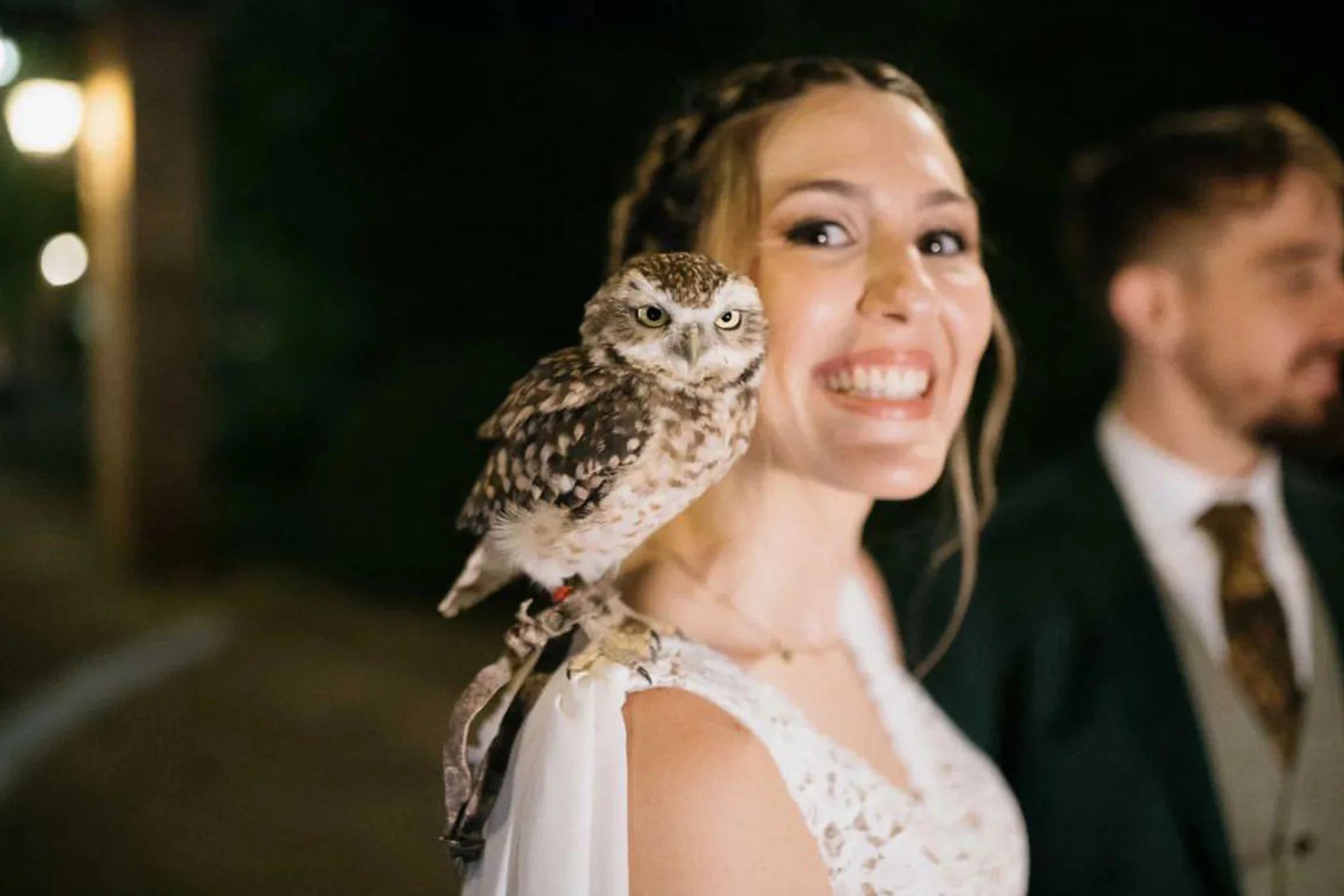
Outfits for a Viking wedding or a warrior character
For a Norse-inspired Viking wedding, combine dresses or tunics with cloaks, belts, and brooches that maintain a coherent aesthetic. This is a modern themed proposal, not the reproduction of a single ceremonial costume common to all Nordic peoples.
If your project starts with the search for female Viking warrior clothing, distinguish a fantasy characterization from a historical reenactment and select the garments according to the character you want to portray. Choose your outfit at Todo Medieval and prepare your next Norse-inspired adventure!