

























Roman weaponry of the Roman Empire (1st century BC - 5th century AD): power and strategy
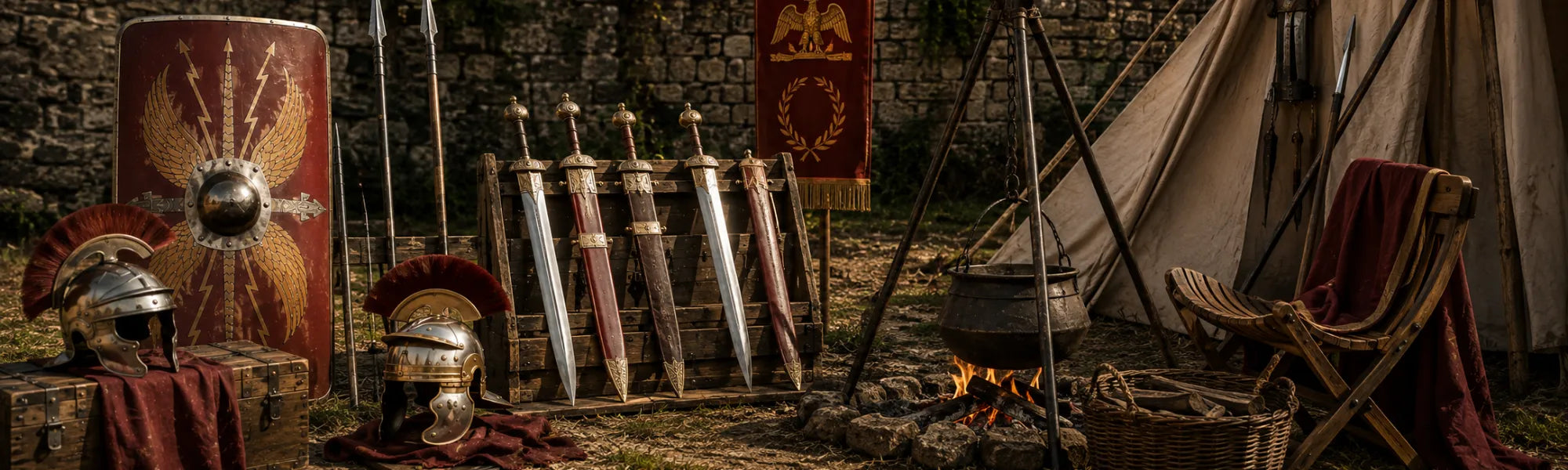
Roman weaponry: the Roman Empire was renowned for its ability to innovate in the design of weapons and armor, creating an efficient and organized army. In this collection, you will explore the elements that made up Roman military equipment, from offensive weapons to the protections used at different stages.
Weapons of the Roman Empire: ingenuity and functionality
Roman weapons served different purposes within military equipment, from close-quarters combat to long-range attacks:
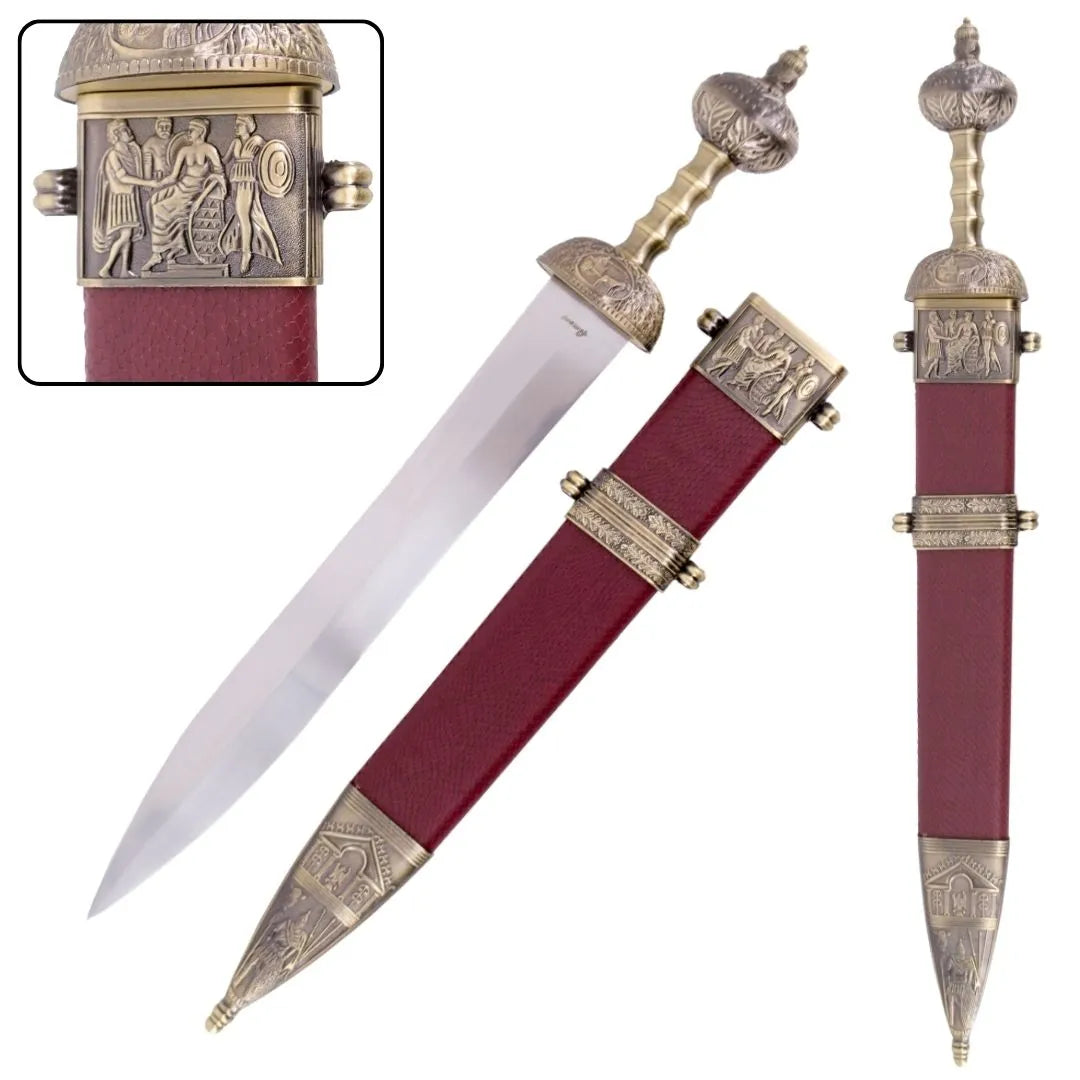
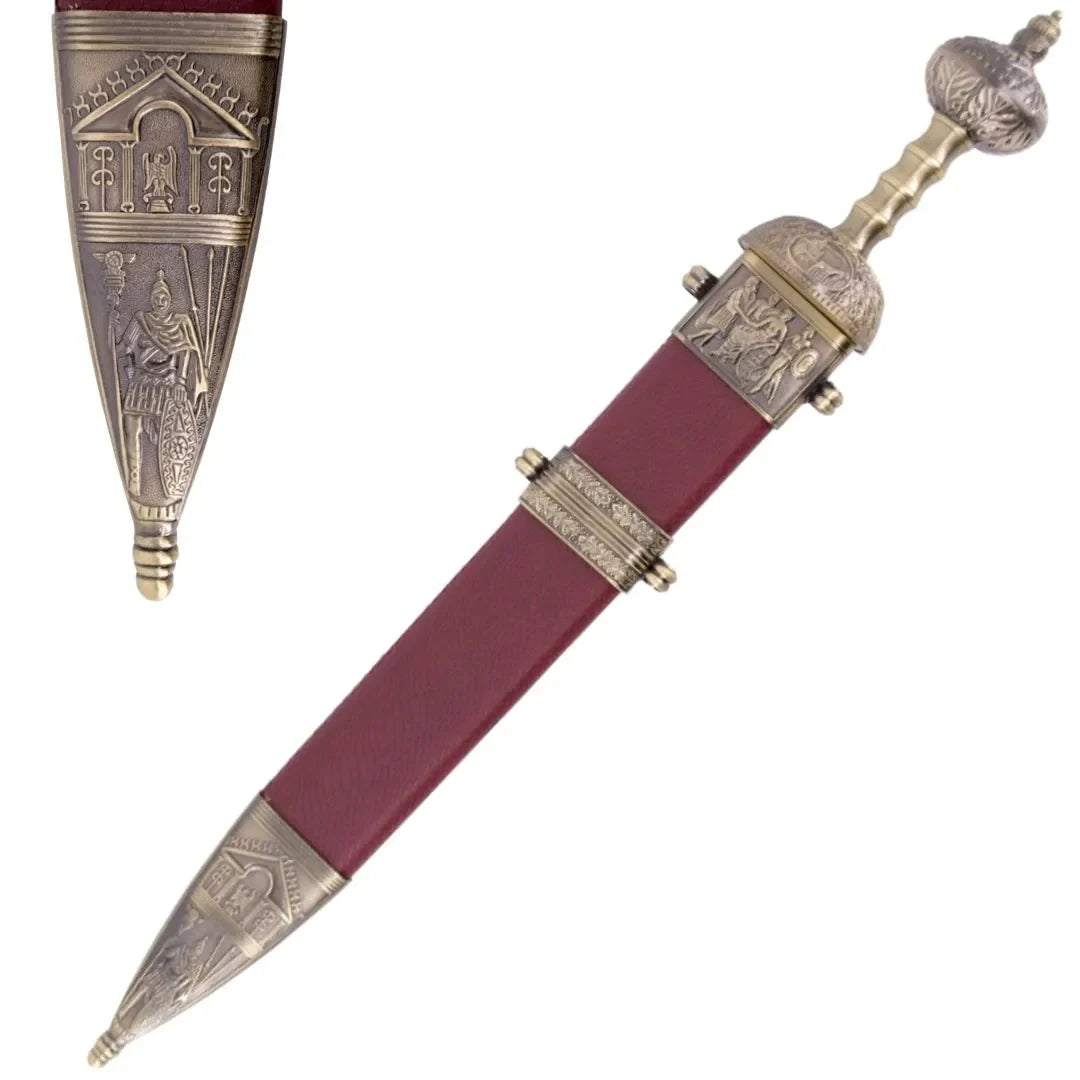
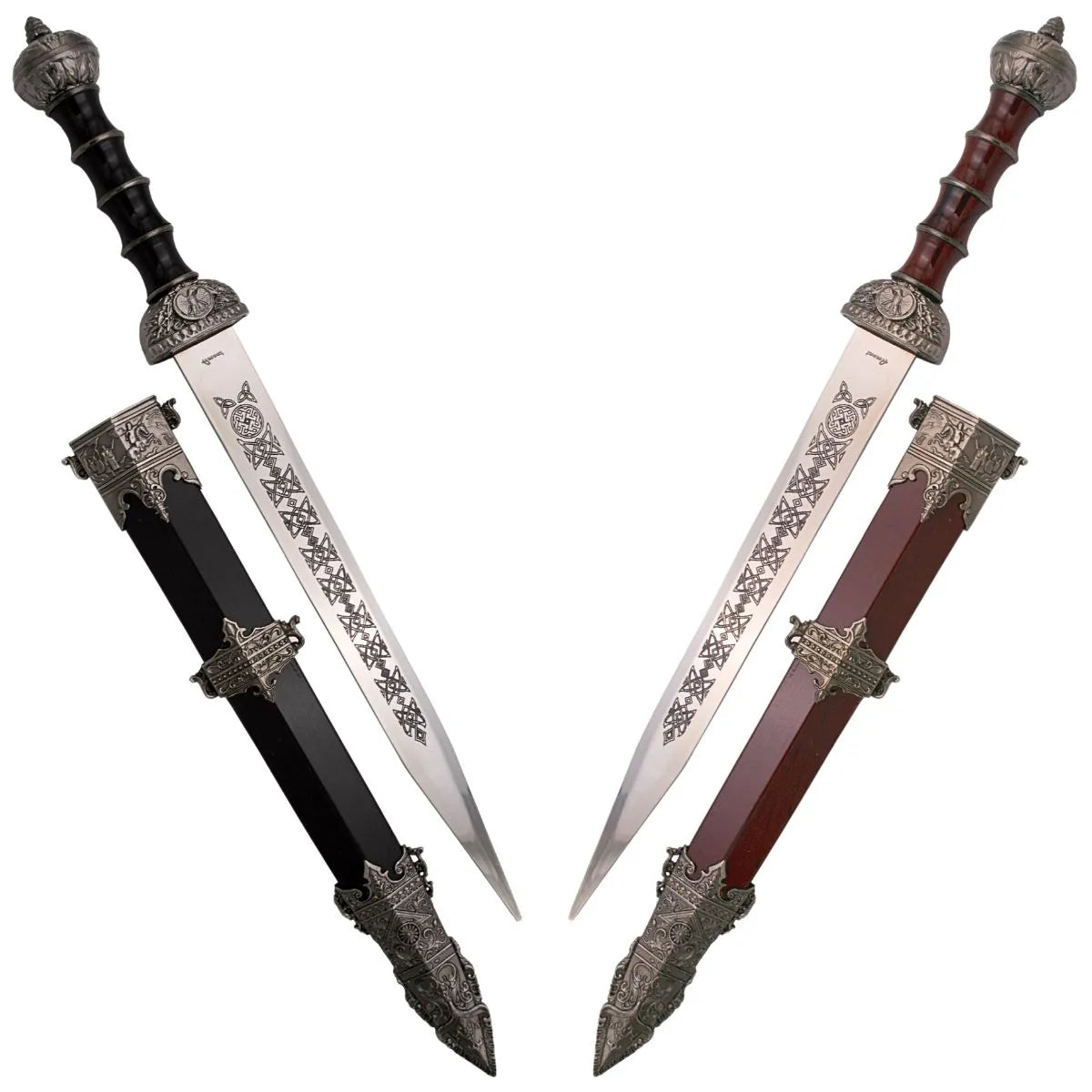
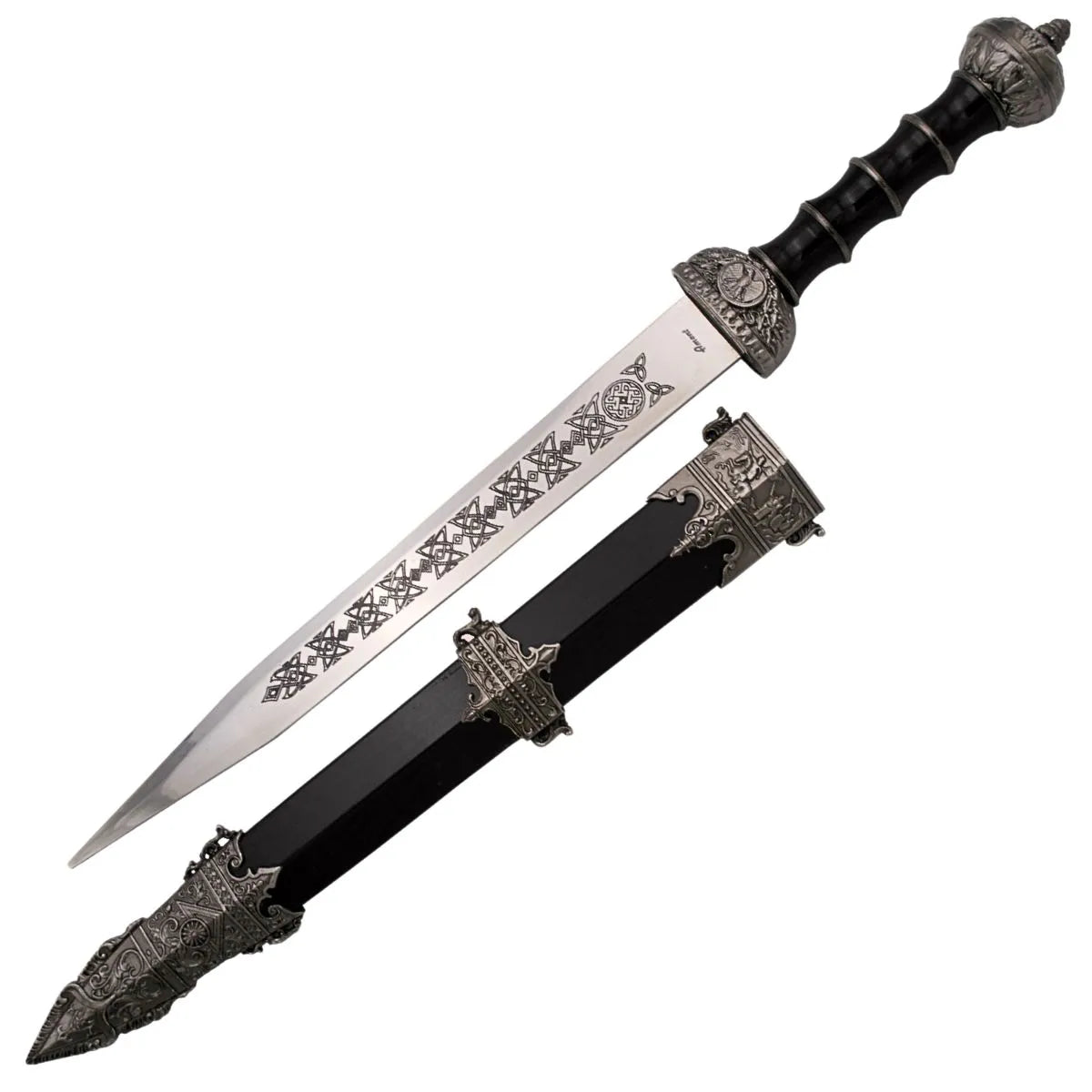
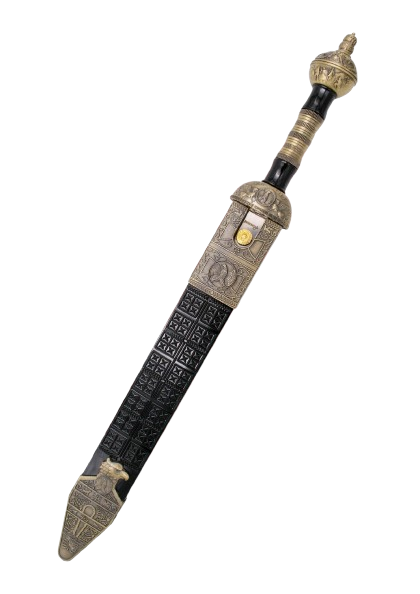
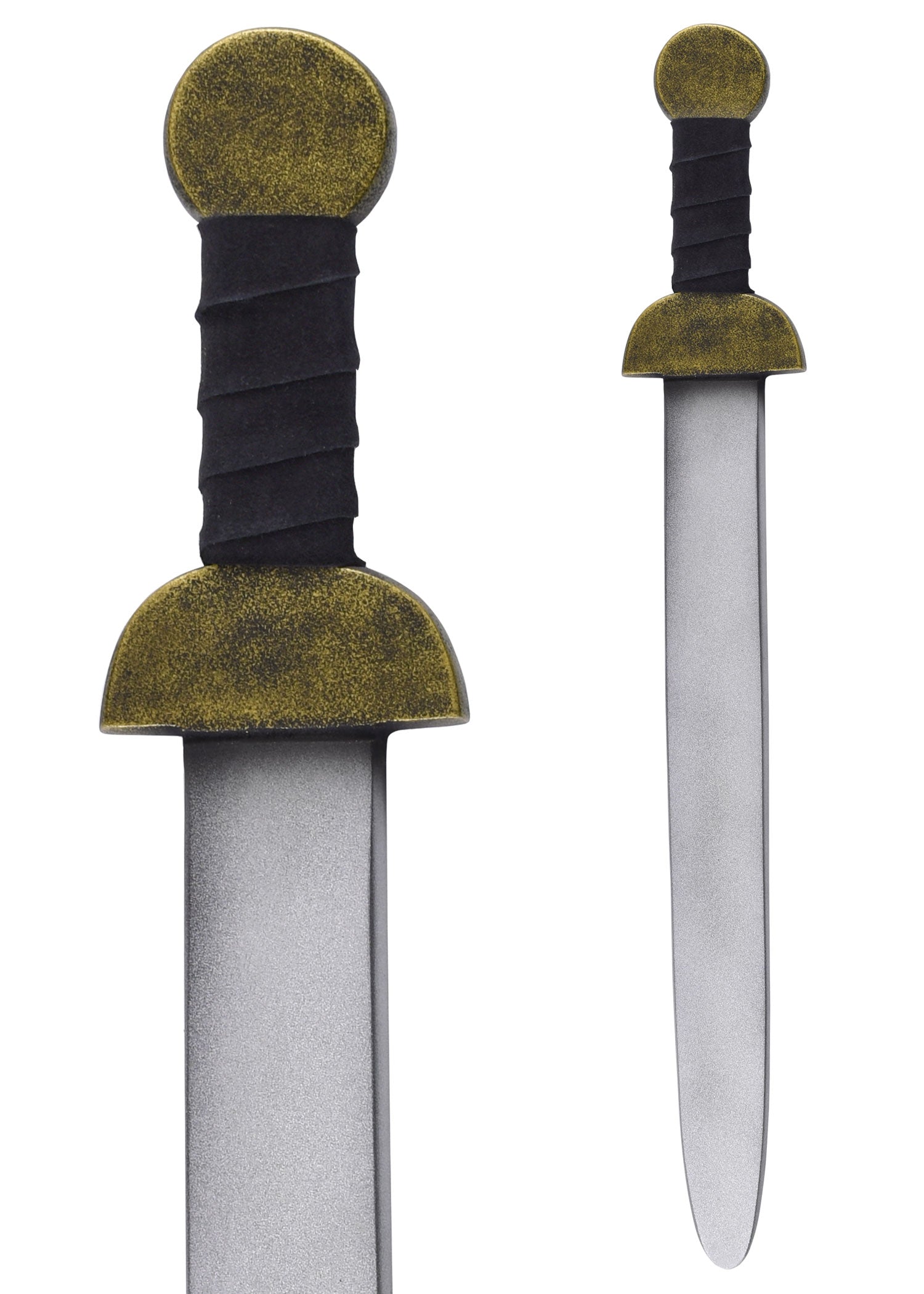
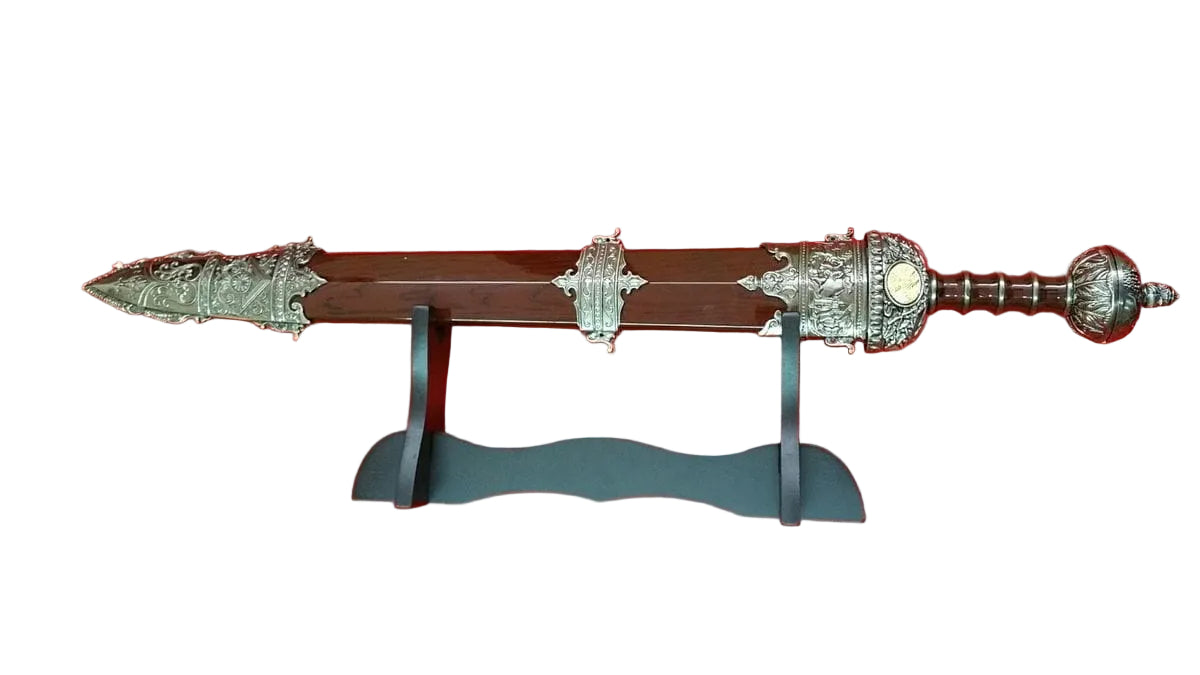
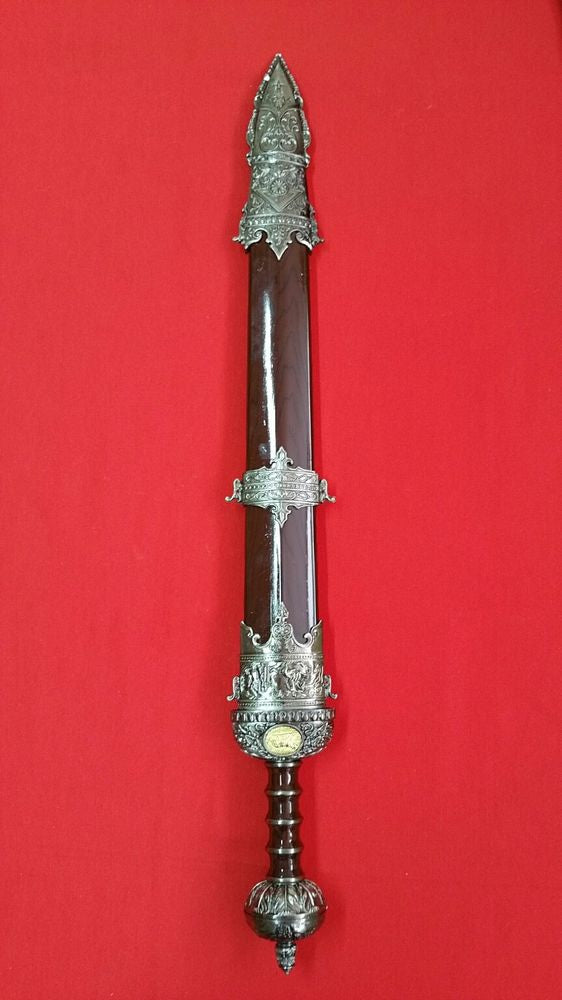
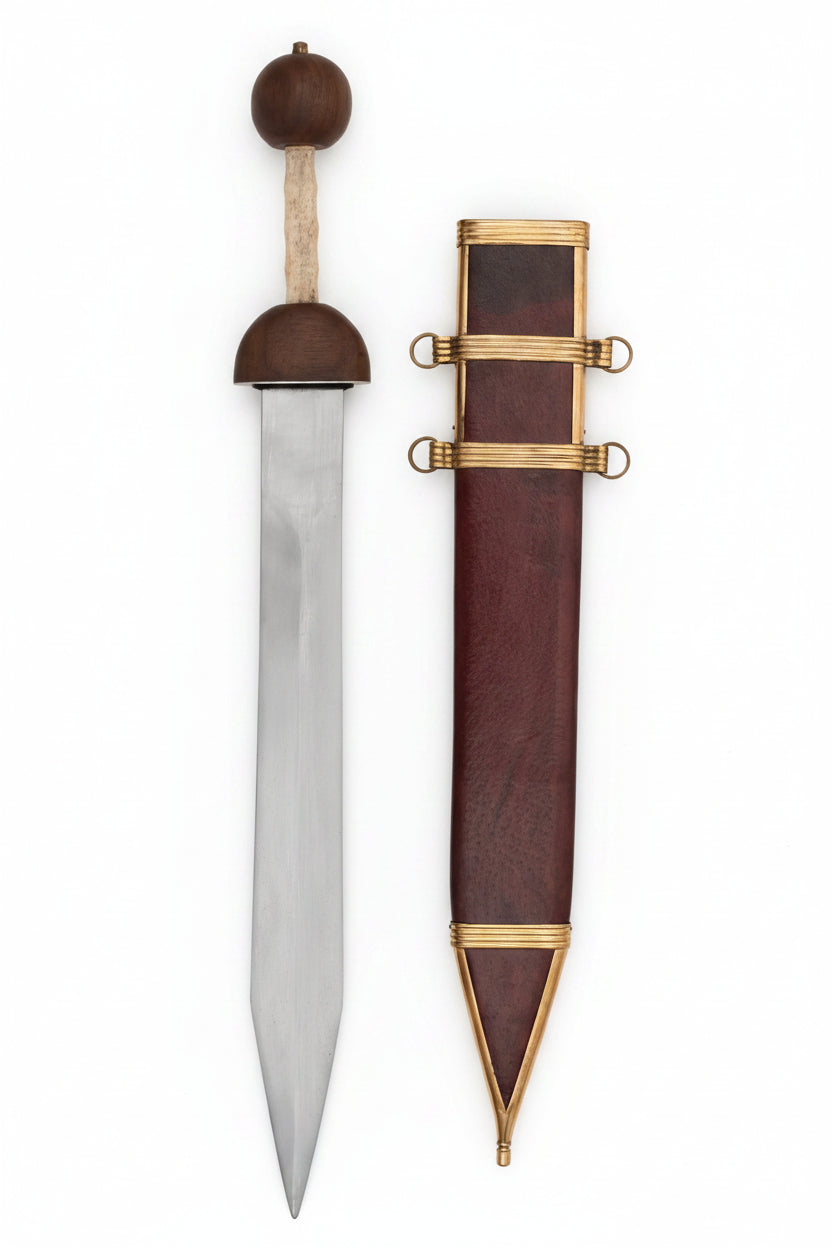
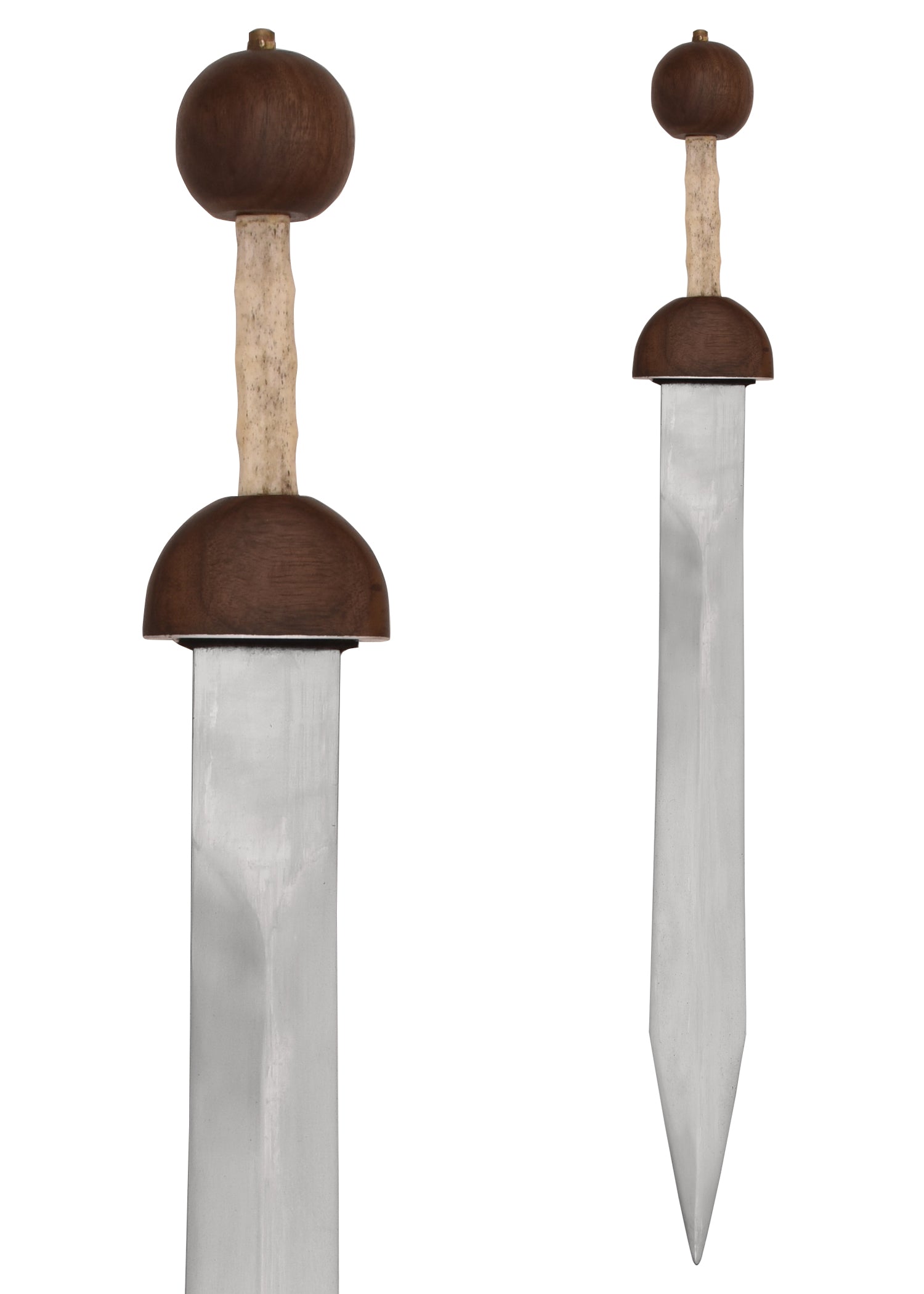
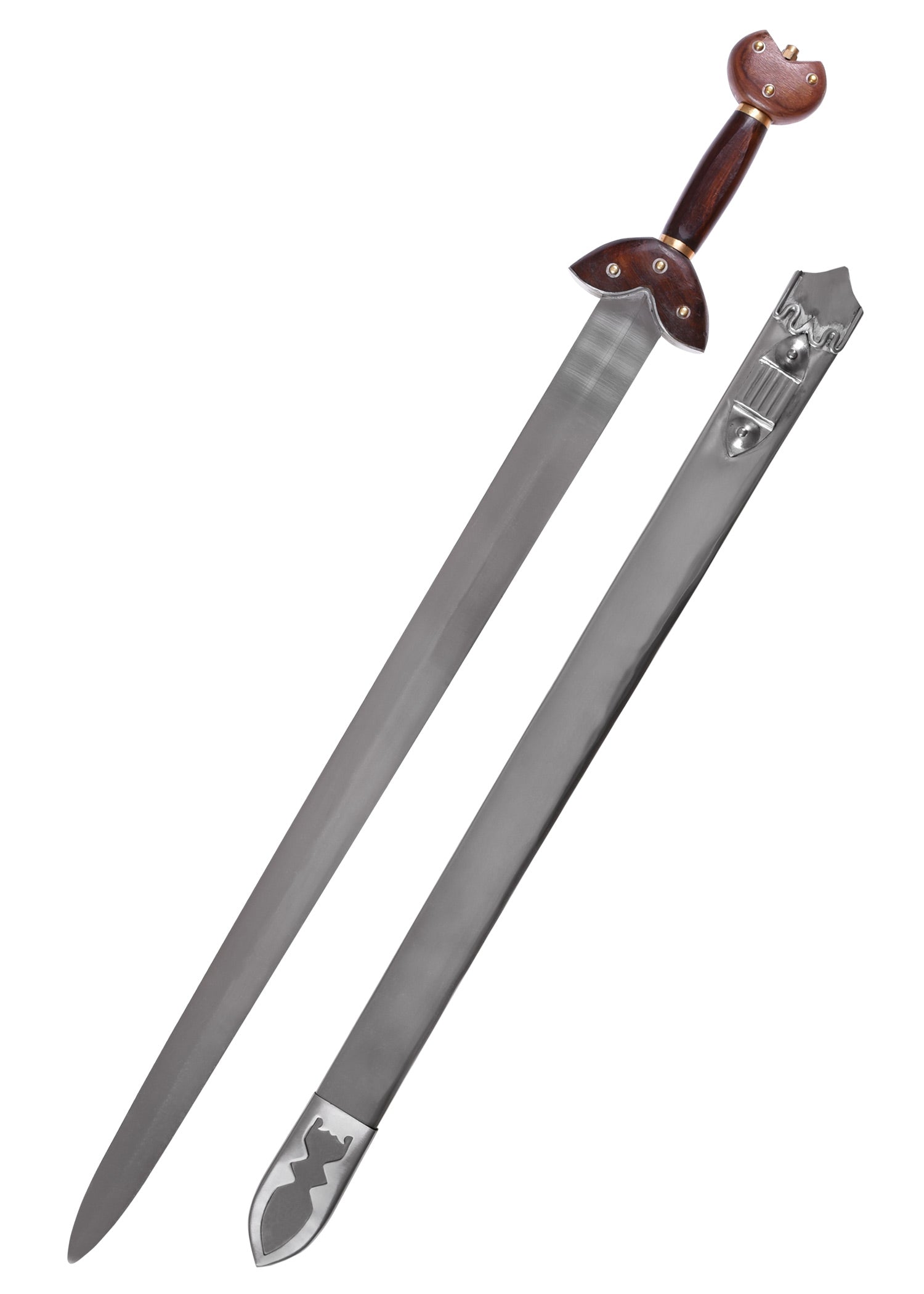
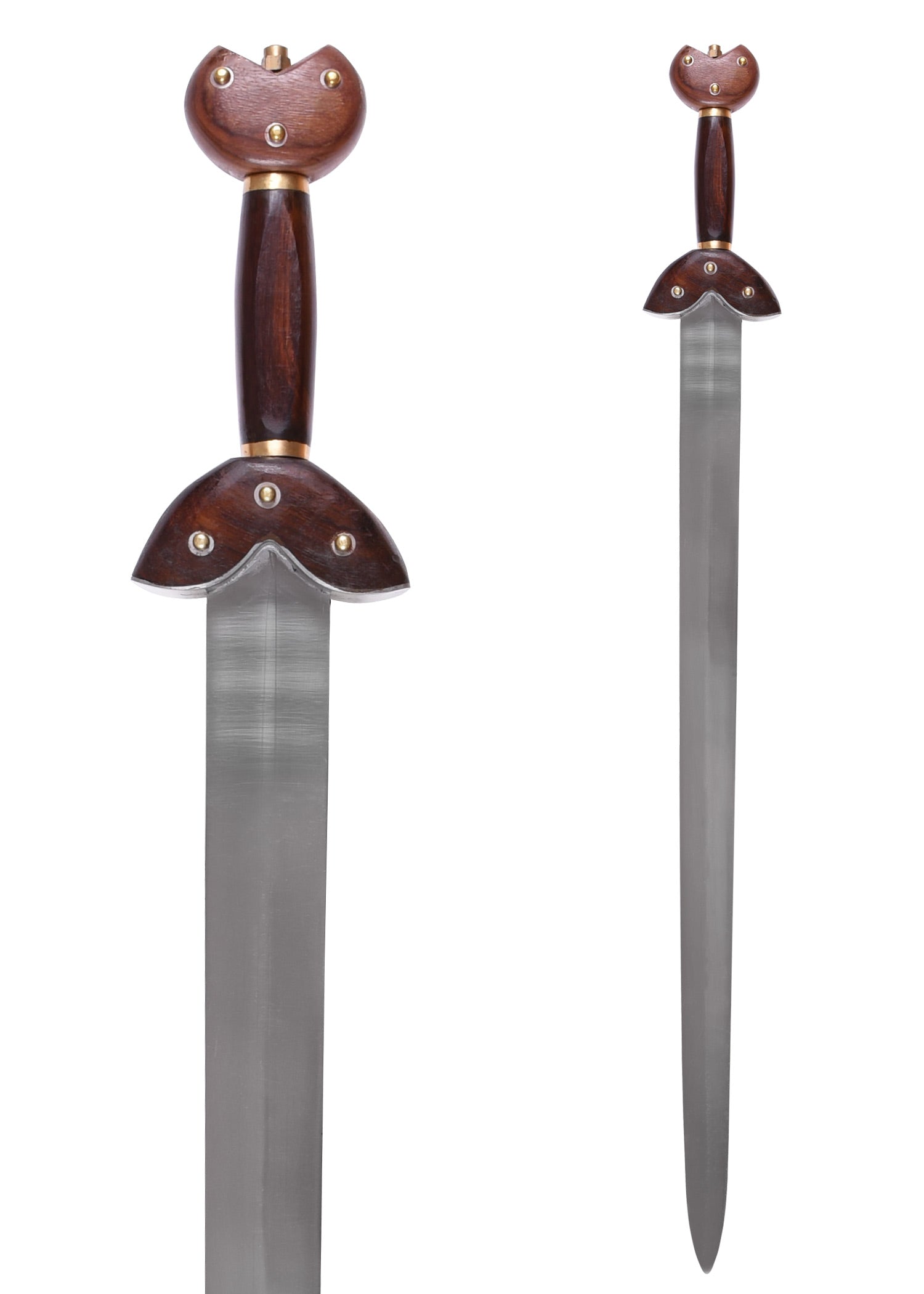
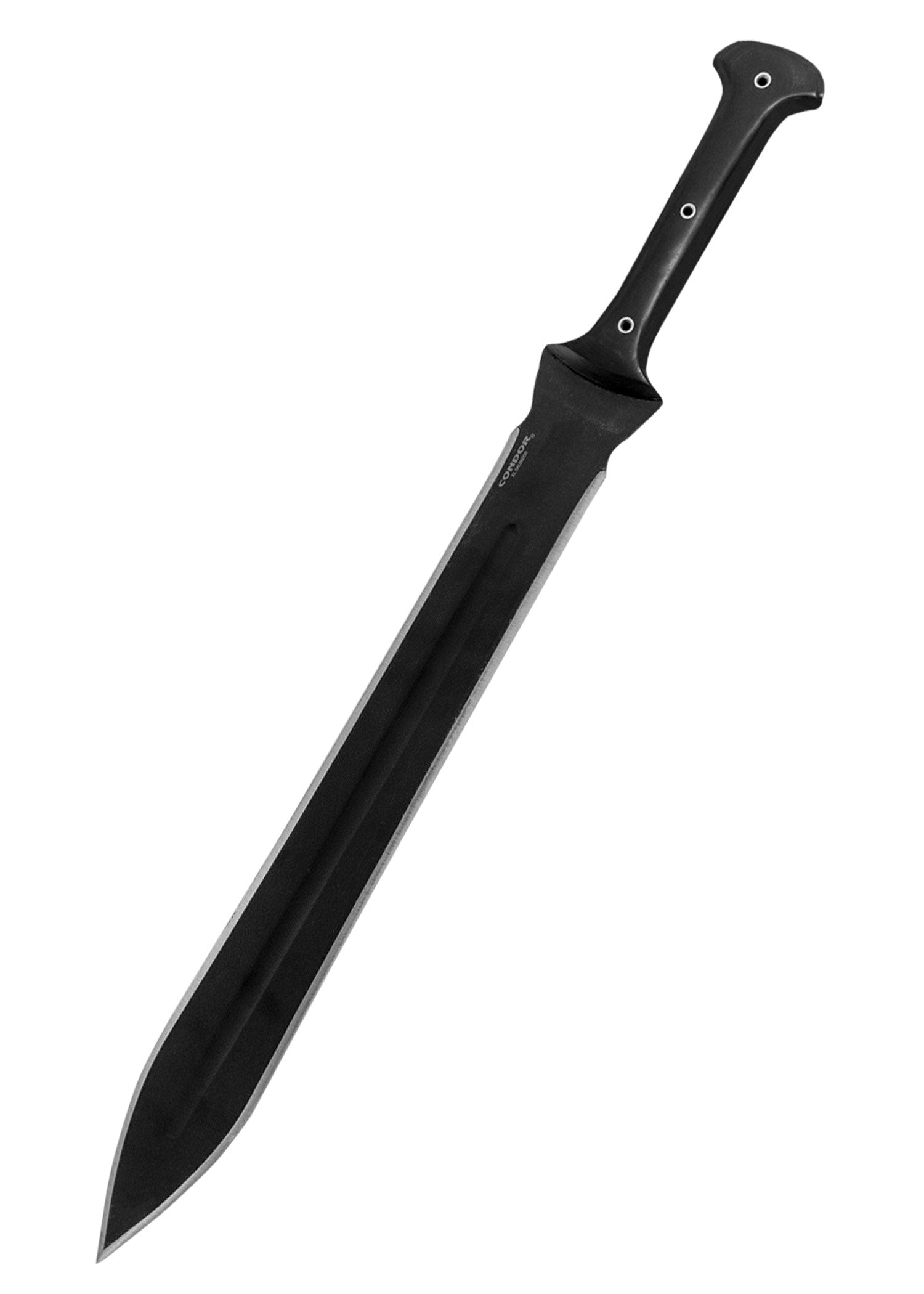
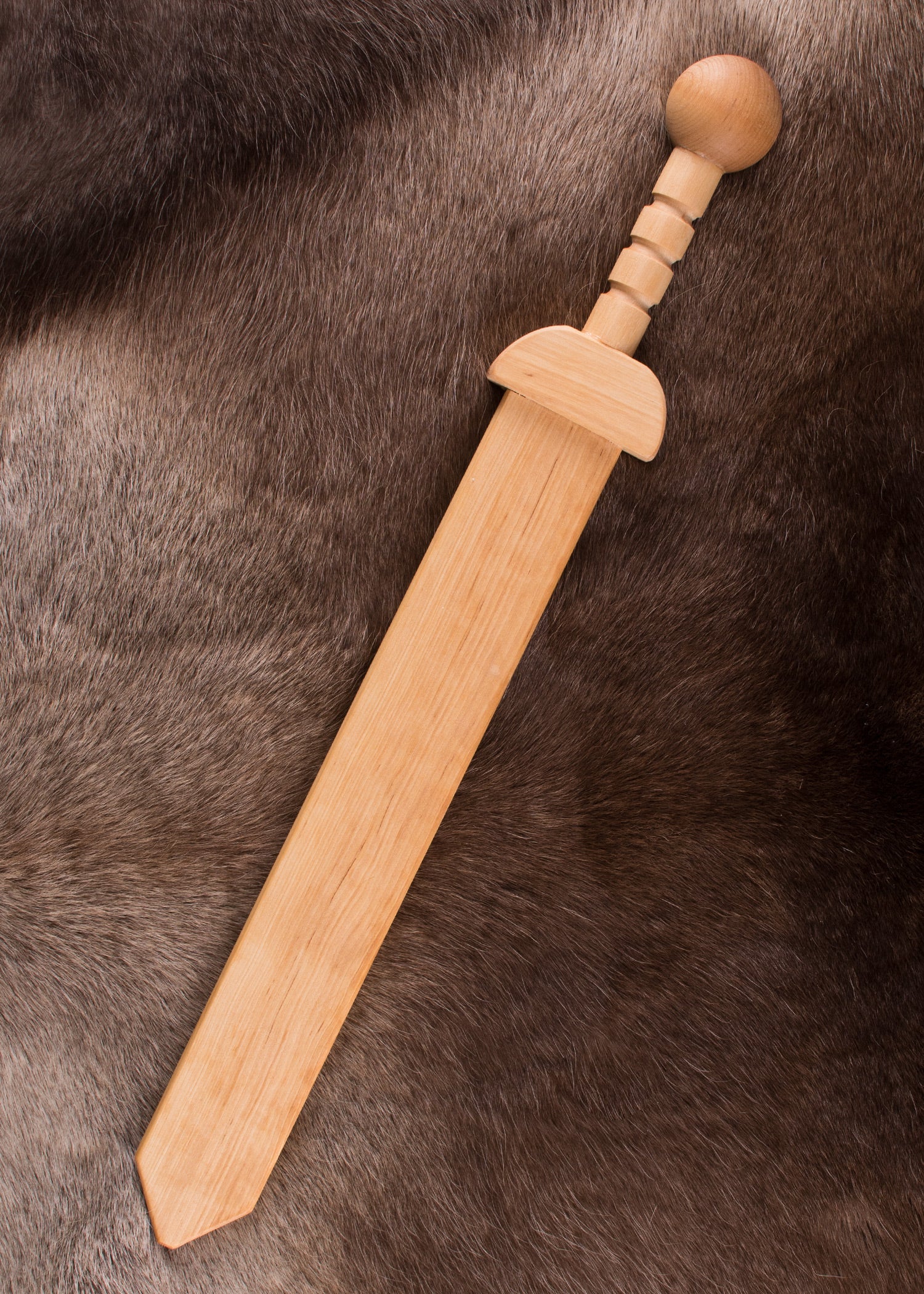
- Gladius: a short, broad sword used in close-quarters combat, especially for thrusting attacks in tight formations.
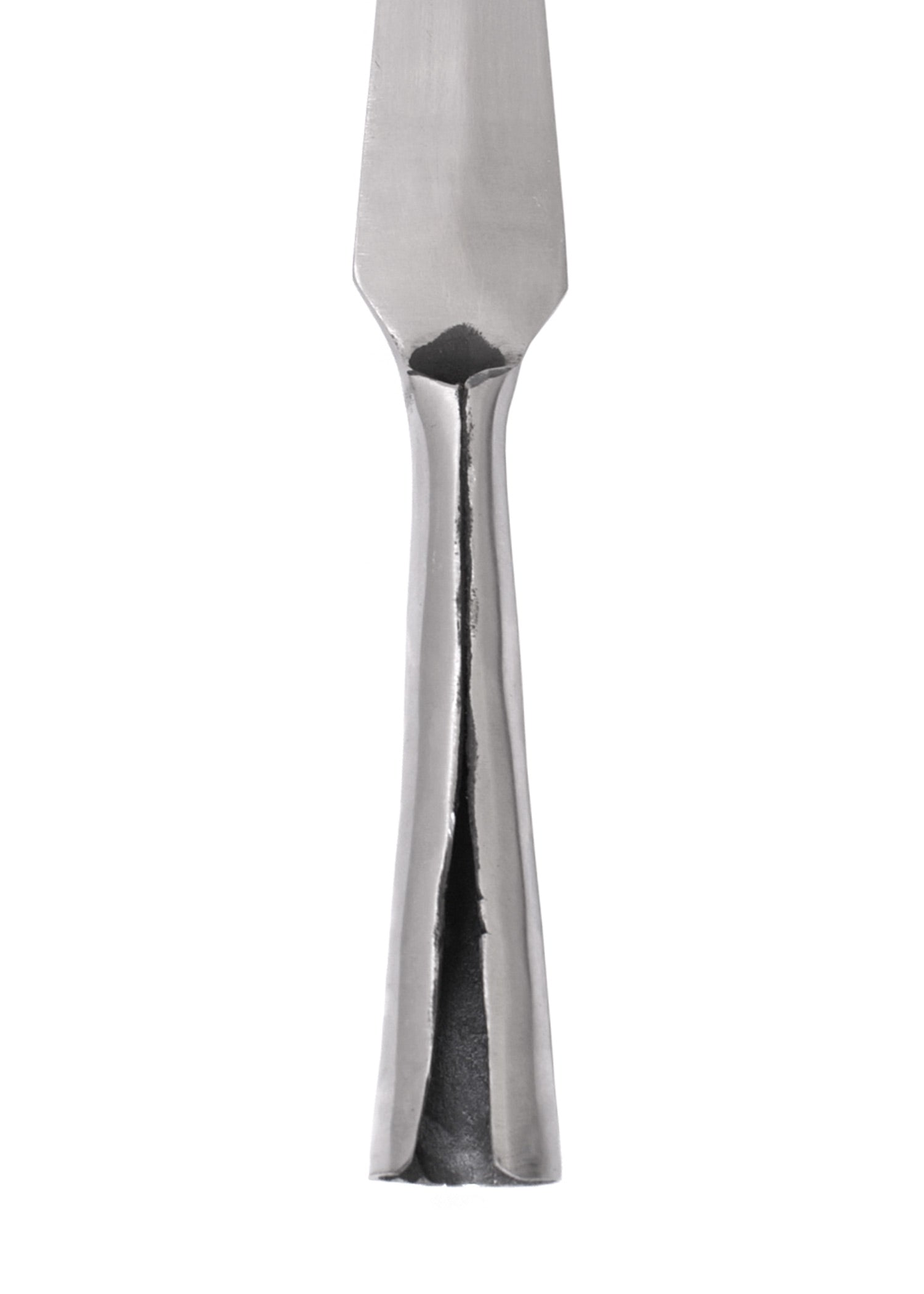
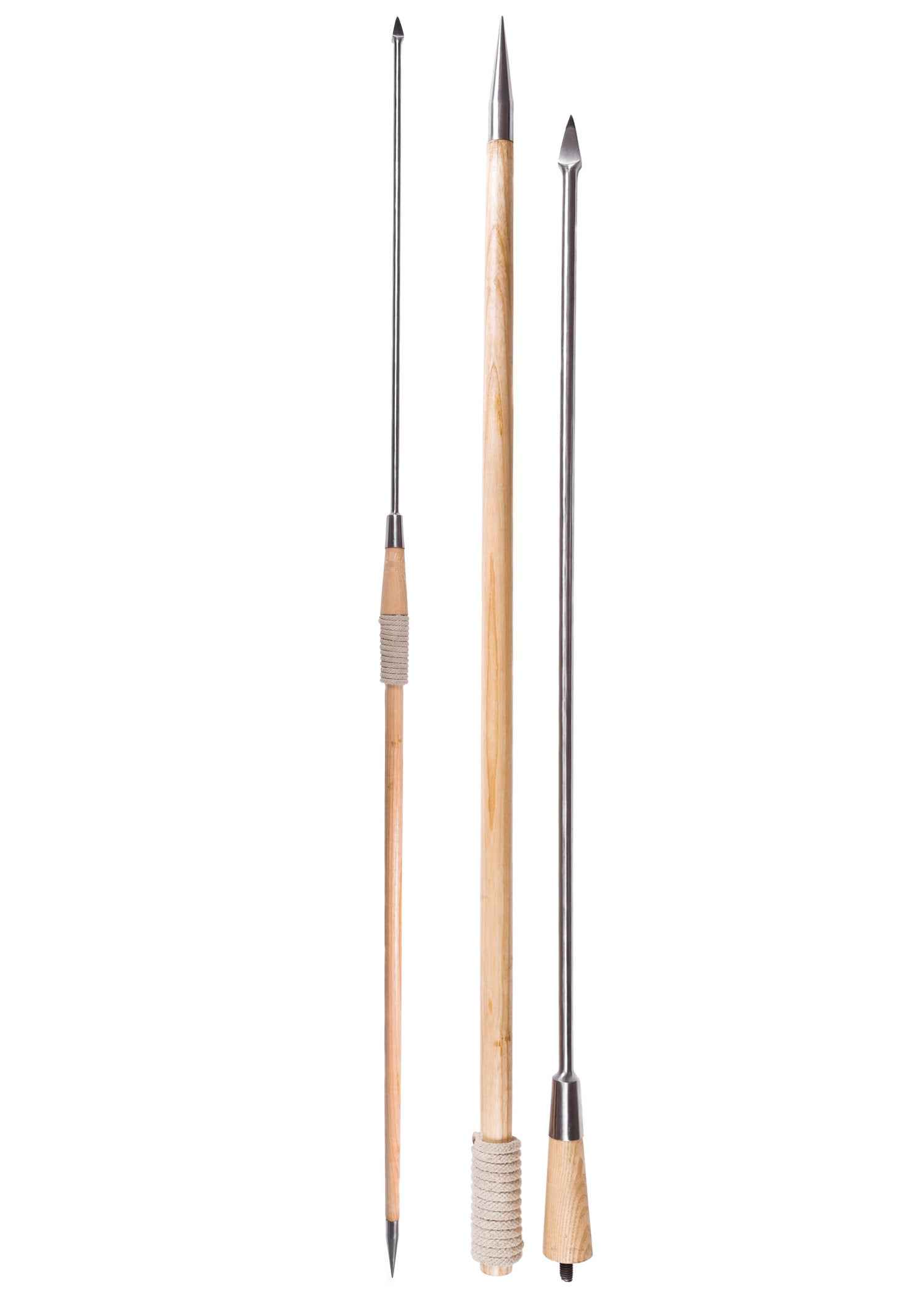
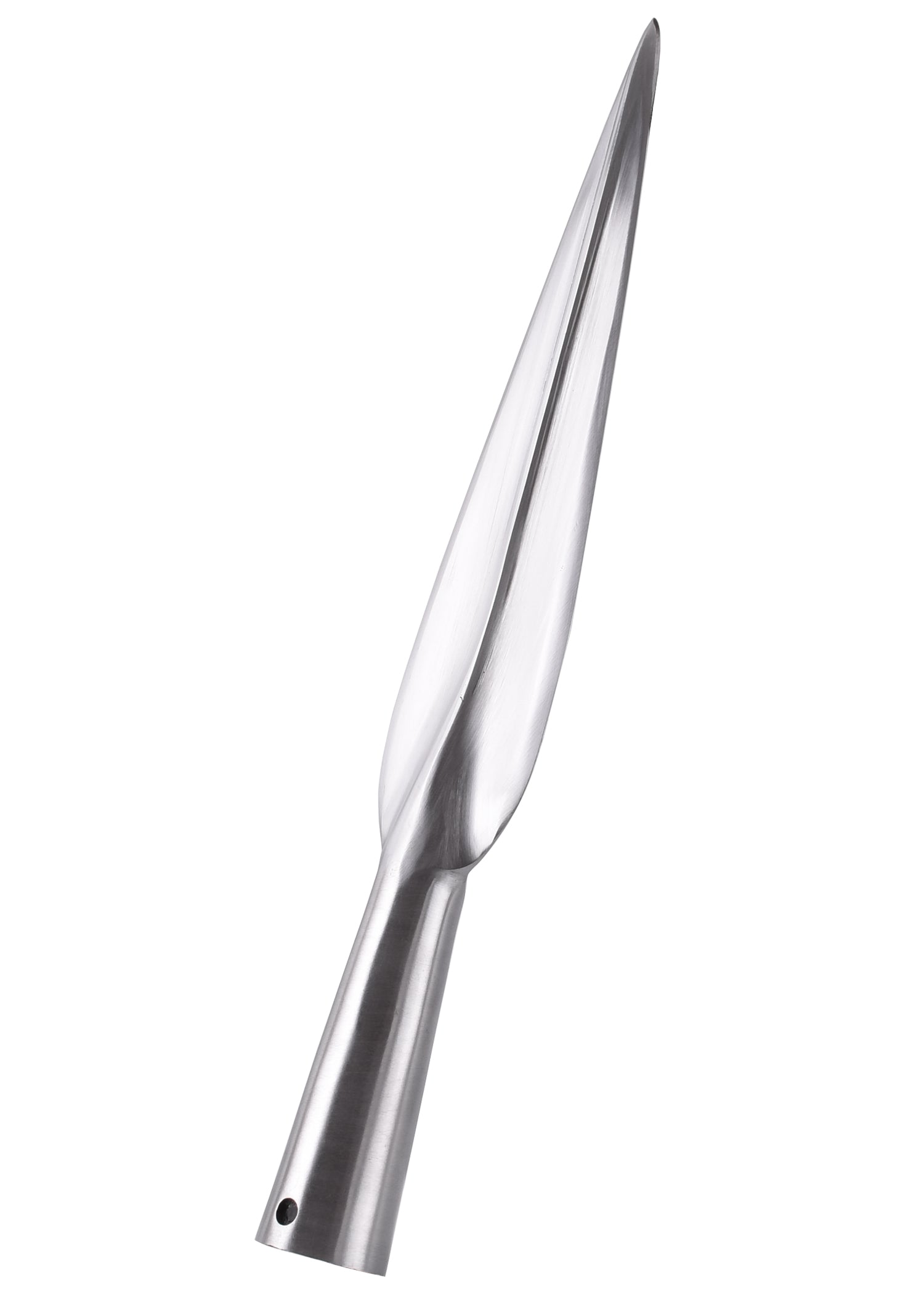
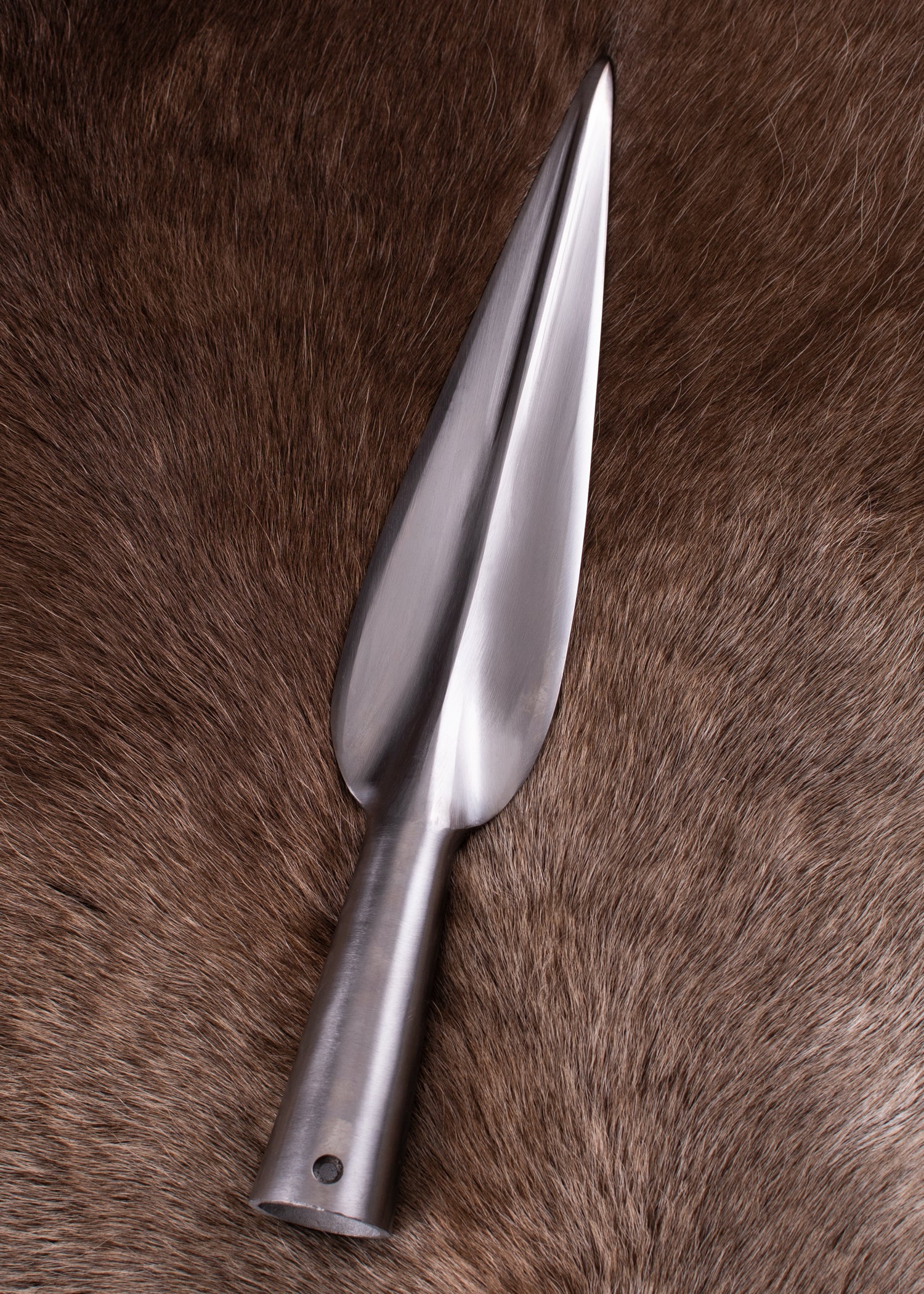
- Pilum: a throwing weapon whose long iron element could bend upon impact, making it difficult for the enemy to reuse.
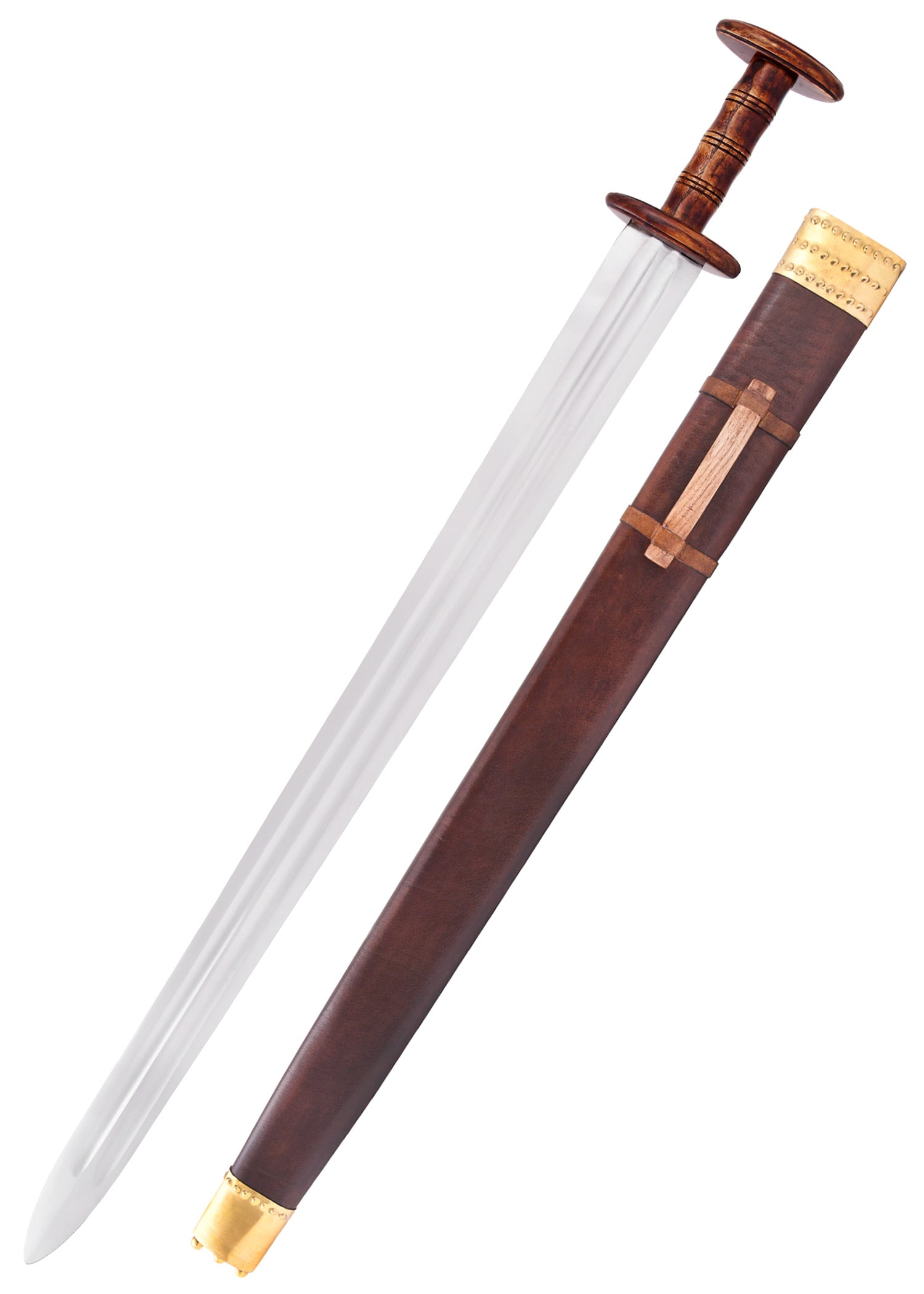
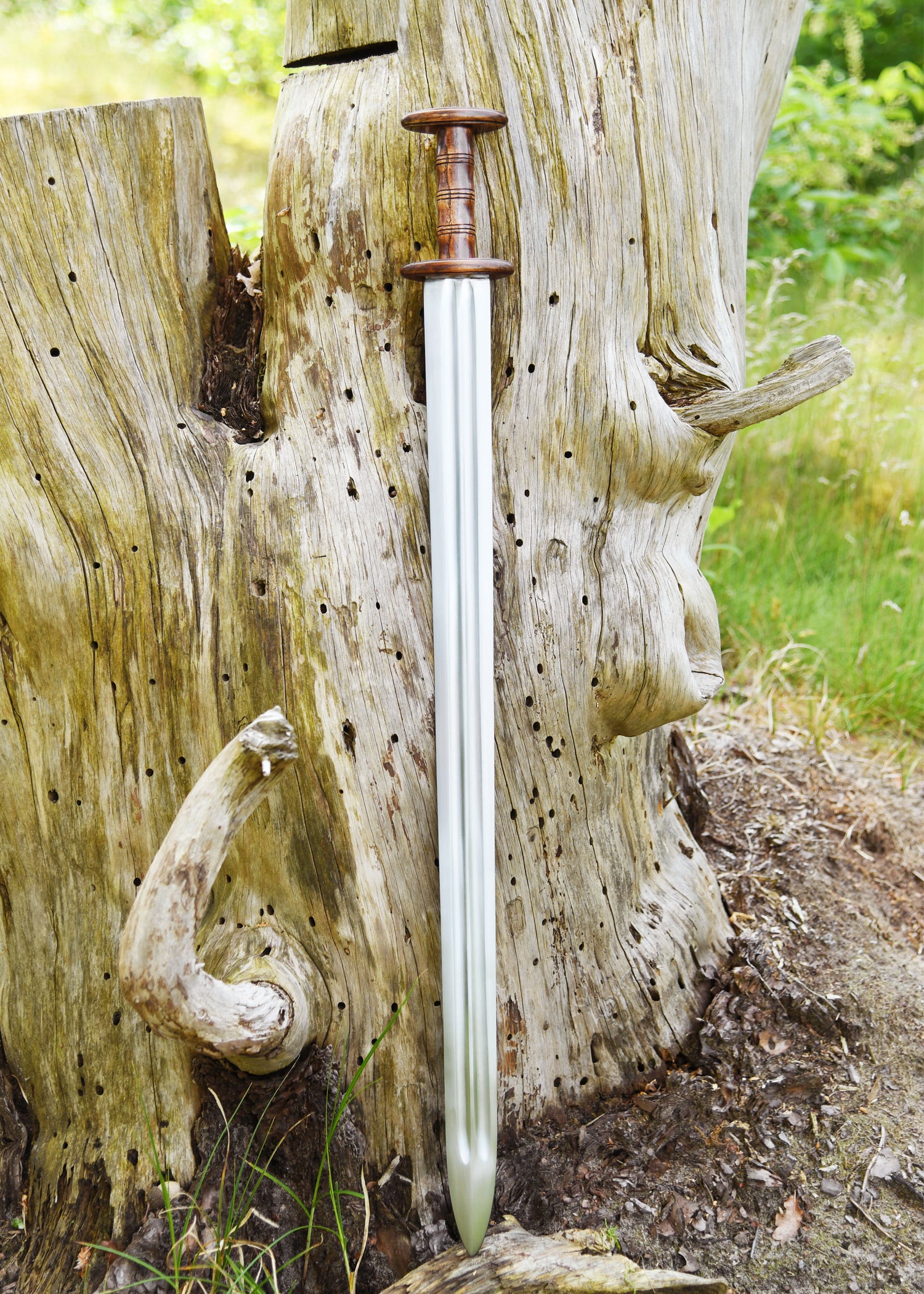
- Spatha: a longer sword, initially used by cavalry and later adopted by infantry.
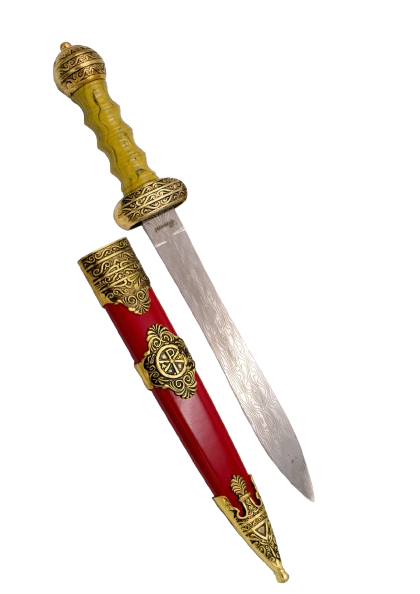
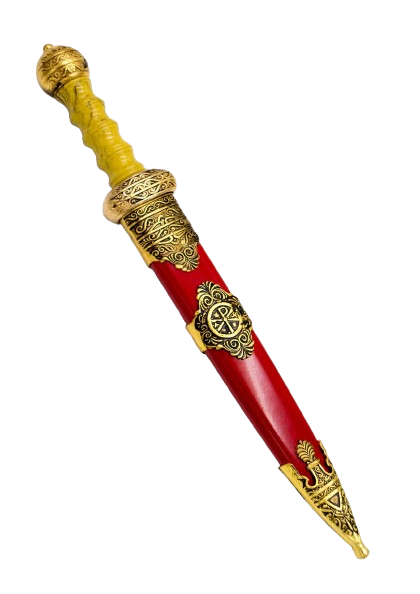
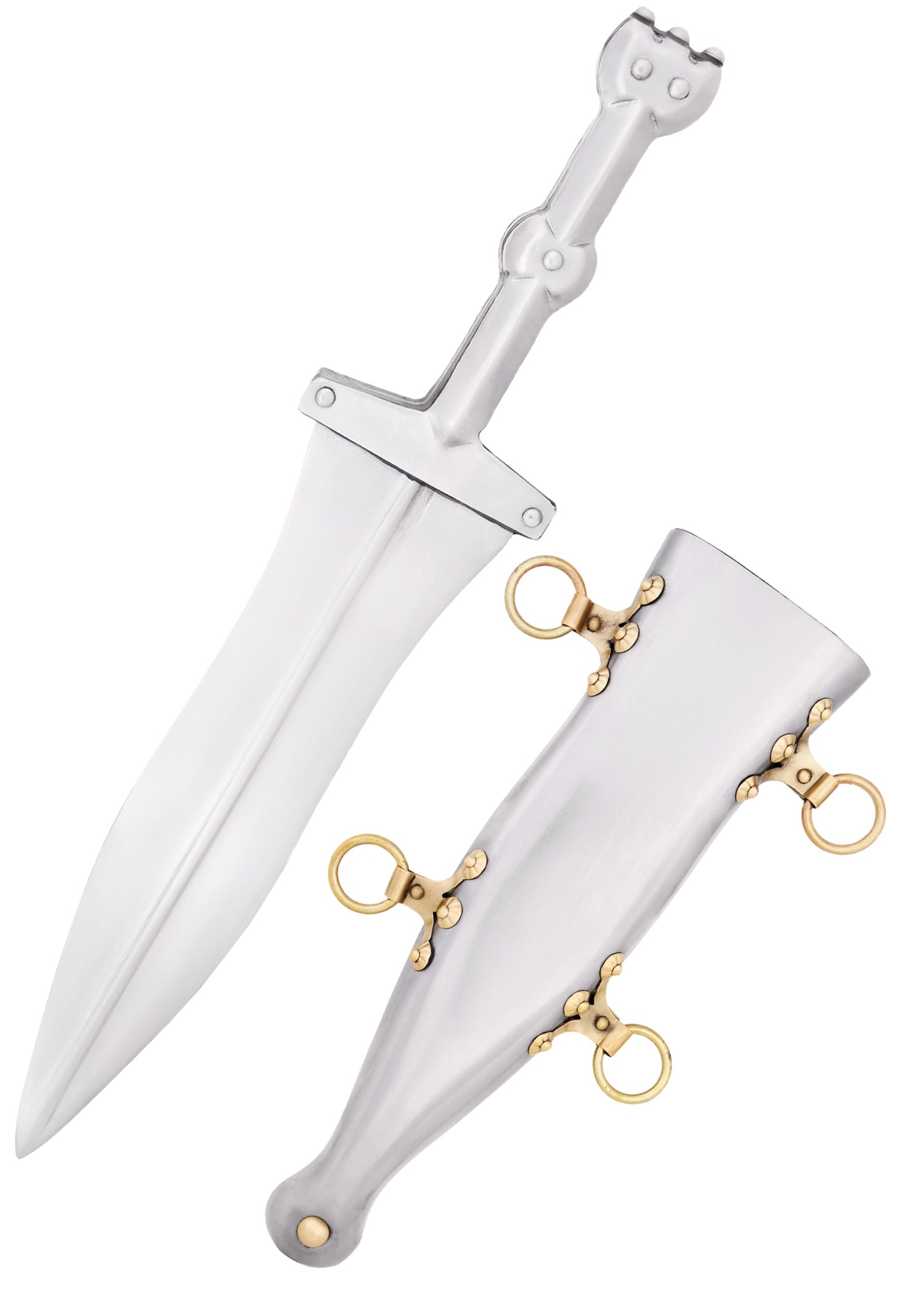
- Pugio: a dagger used as a secondary weapon and tool on the battlefield.
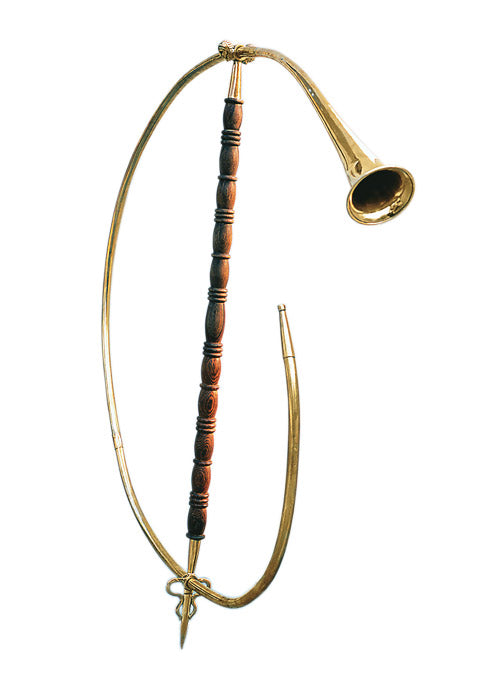
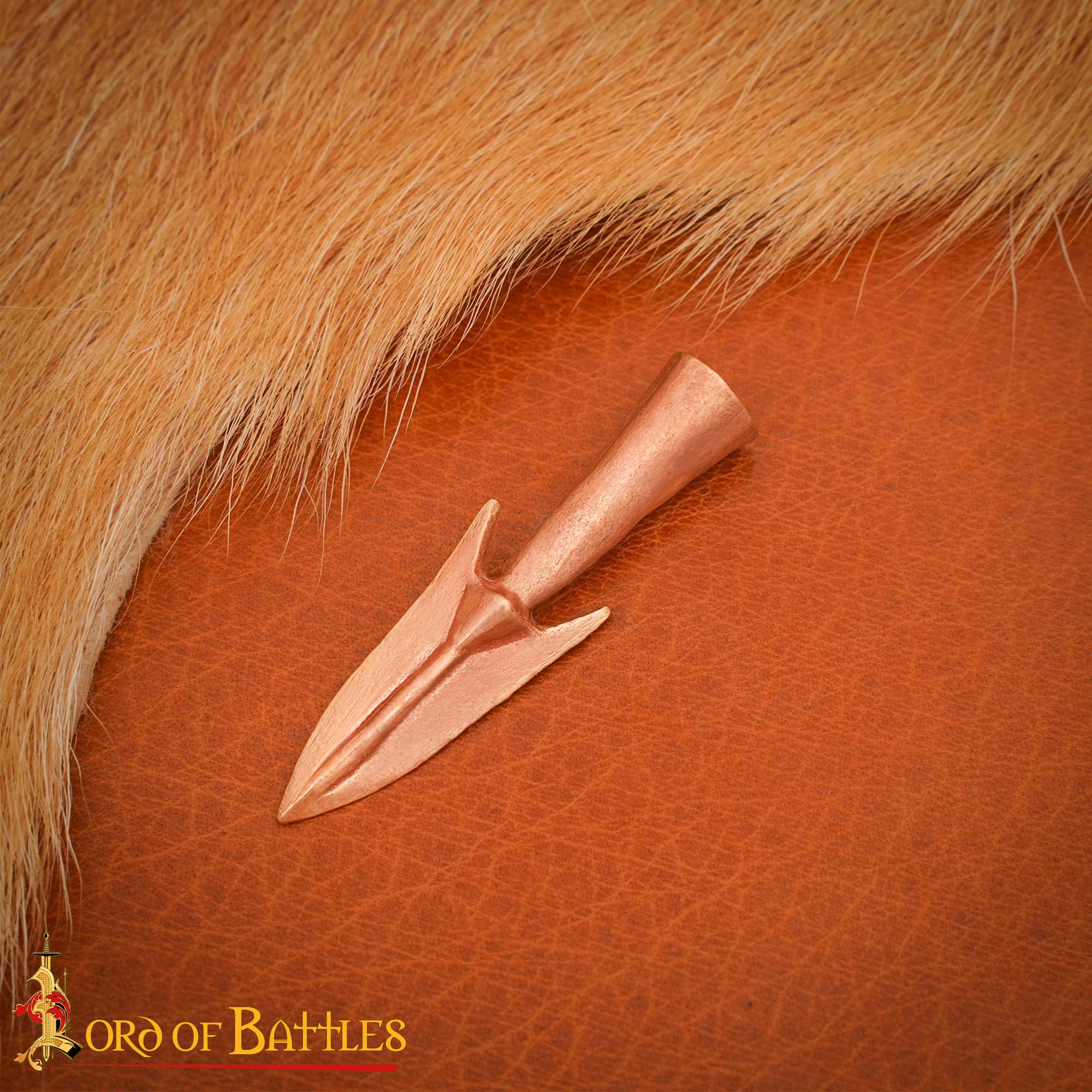
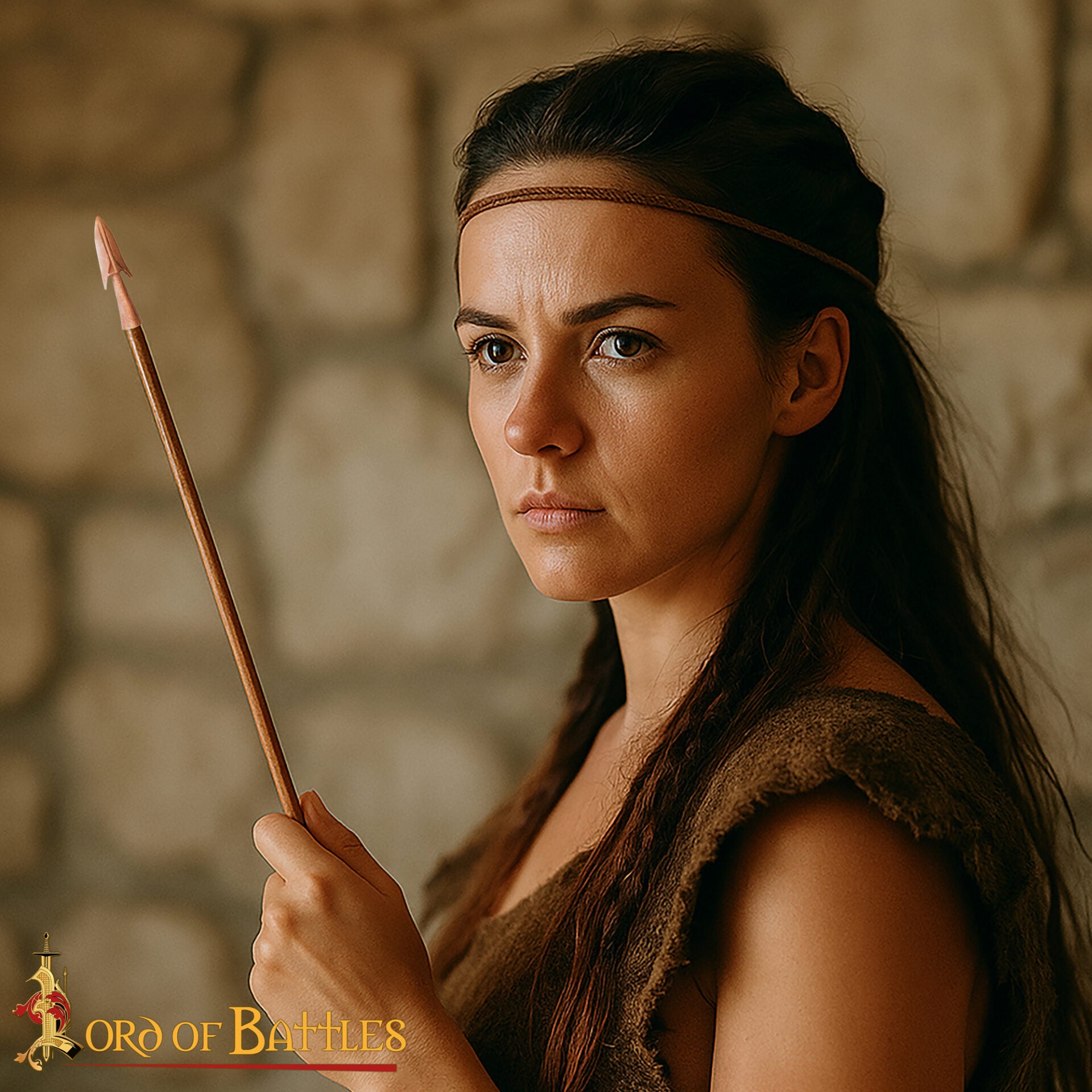
- Bows: long-range weapons associated, among other units, with auxiliary troops. Crossbows should not be confused with bows or Roman artillery machines.
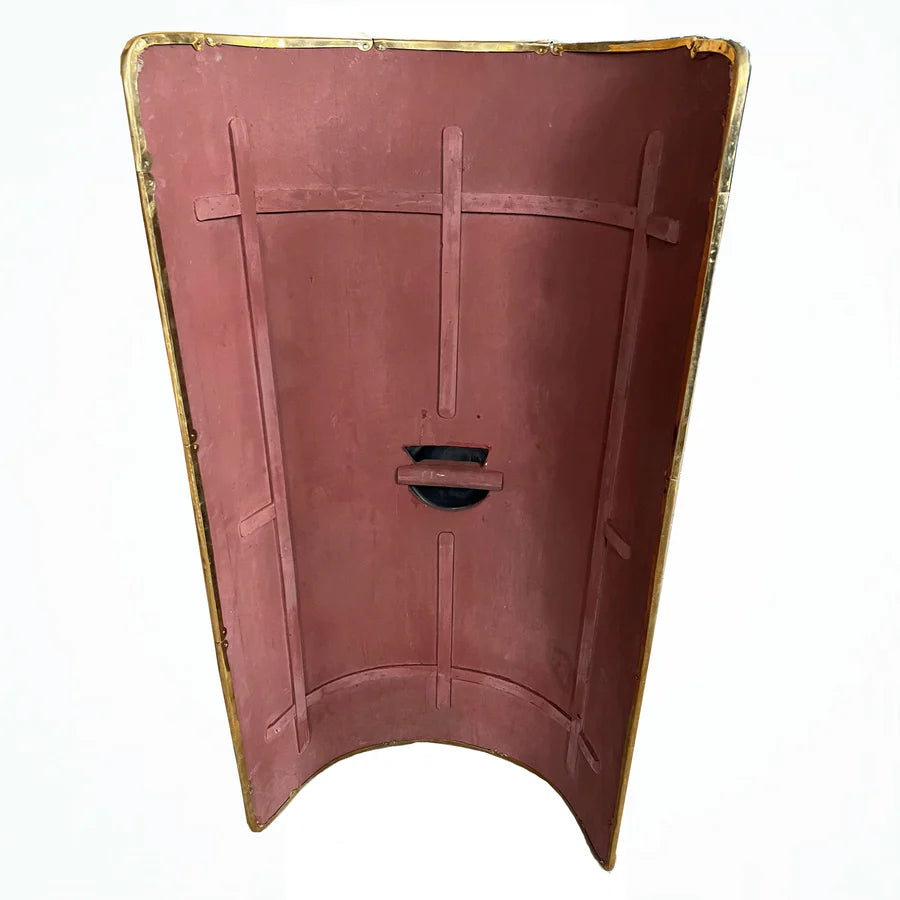
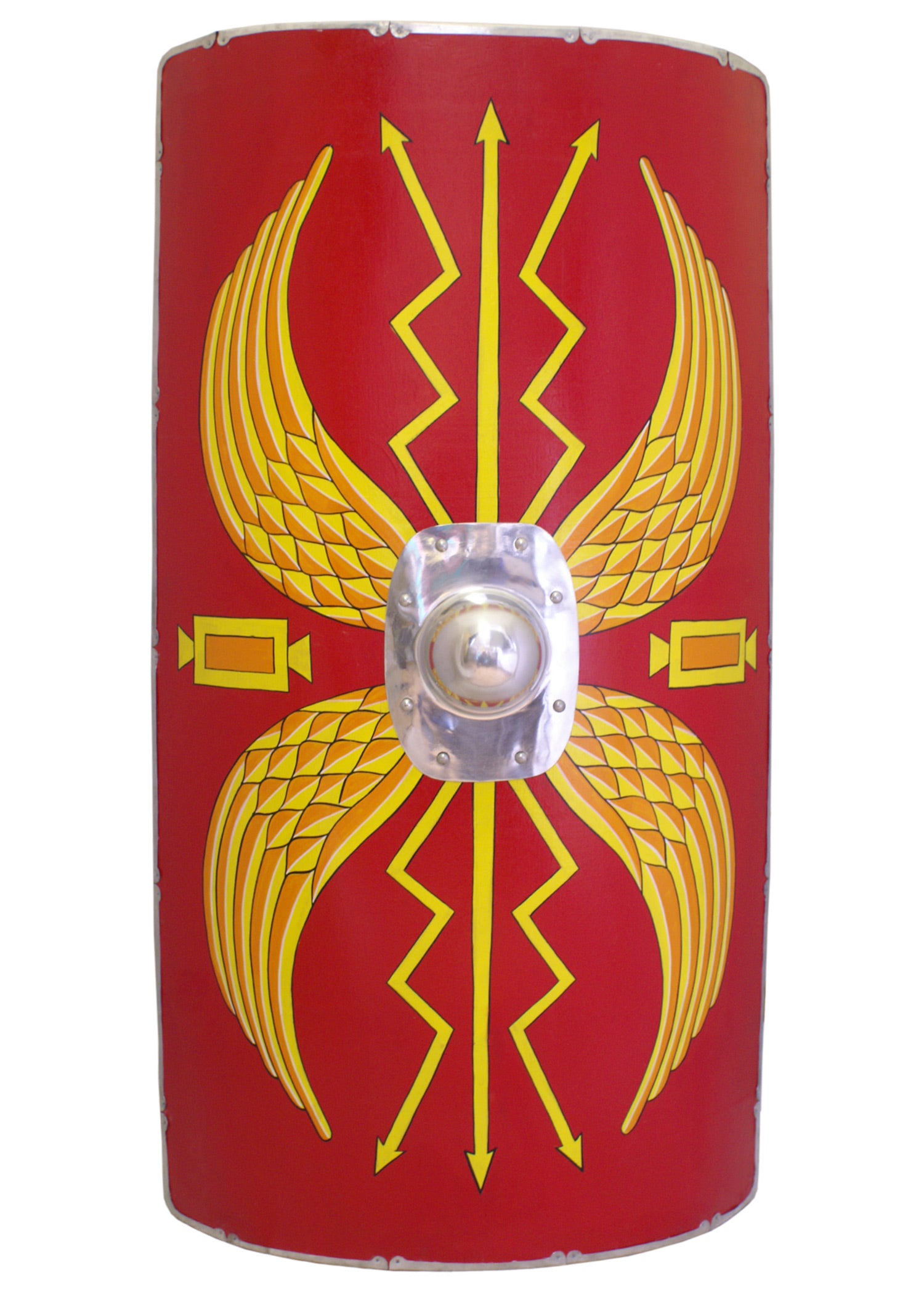
- Shields (scutum): large, rectangular models are associated with the turtle formation or testudo, one of the most recognizable tactics of the Roman army.
Gladius sword and its different types
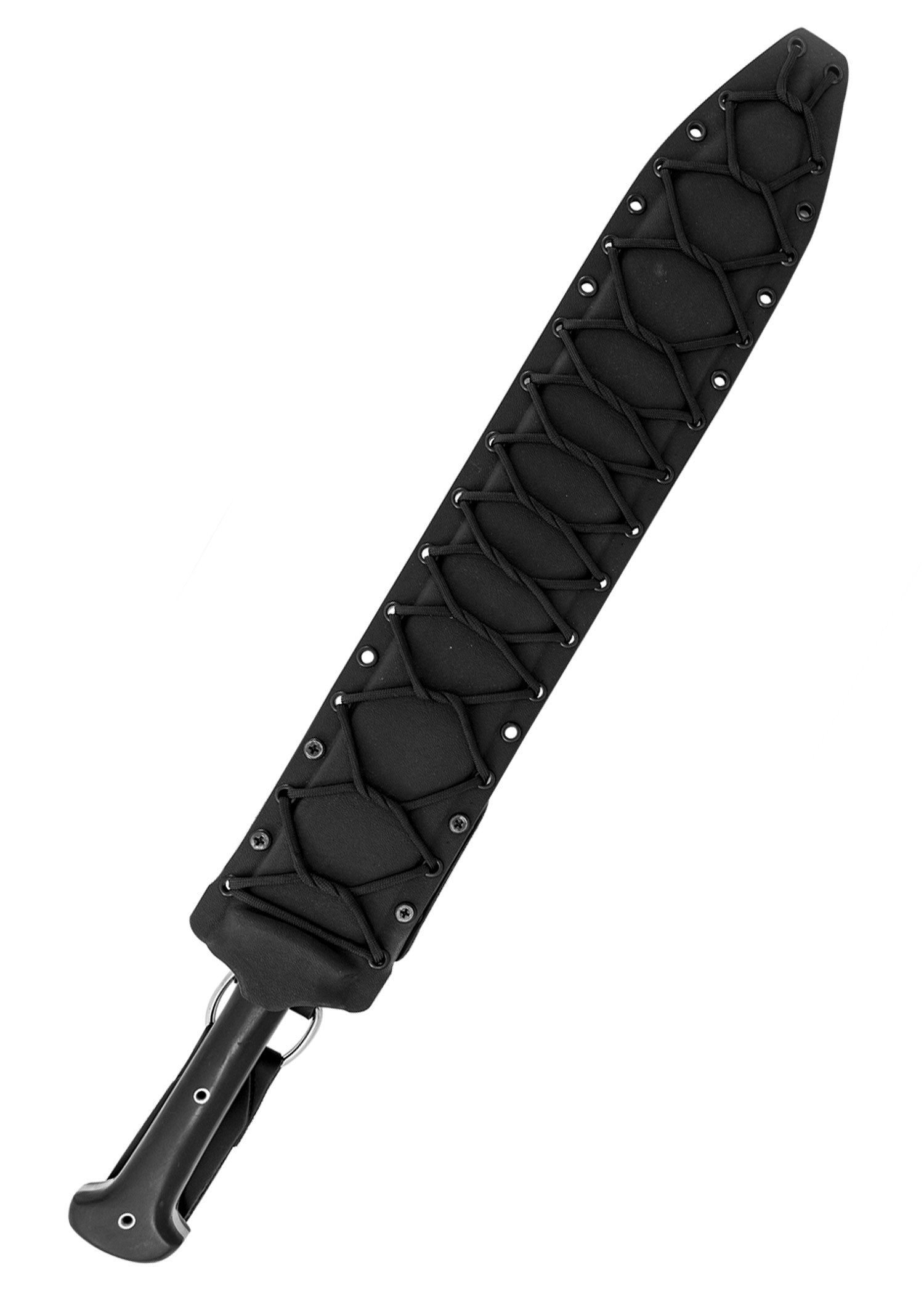
The gladius sword is one of the most recognizable pieces of legionary weaponry. If you are looking for a gladius hispaniensis, check that the product page expressly identifies that type, as not all gladii correspond to the same model. Check the design, dimensions, and details of the blade, hilt, and scabbard of each reproduction.
Roman armor: protection and mobility
The Roman armor and defensive equipment accessories met the needs of protection and mobility:
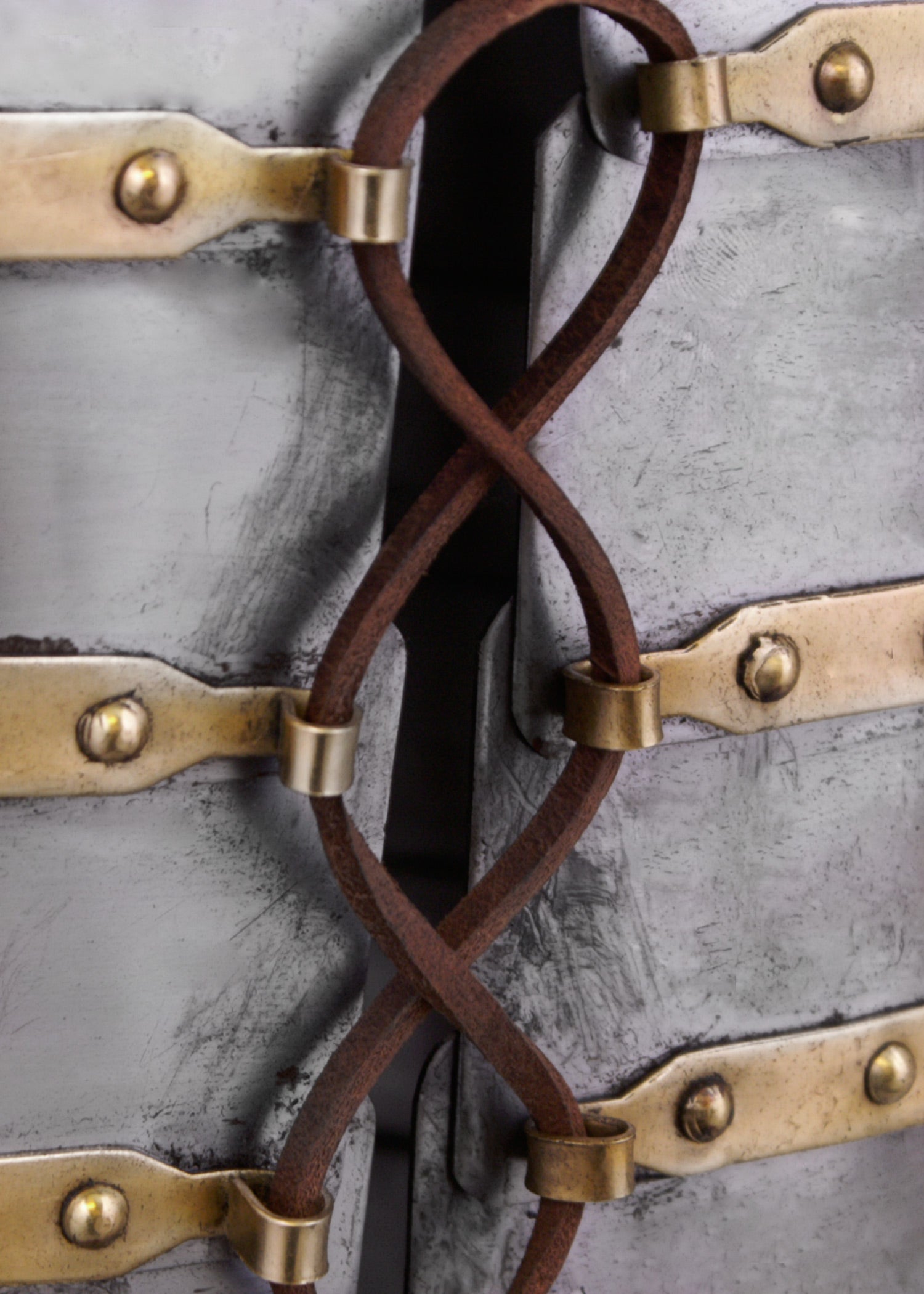
- Lorica segmentata: segmented iron plate armor that combined protection and mobility.
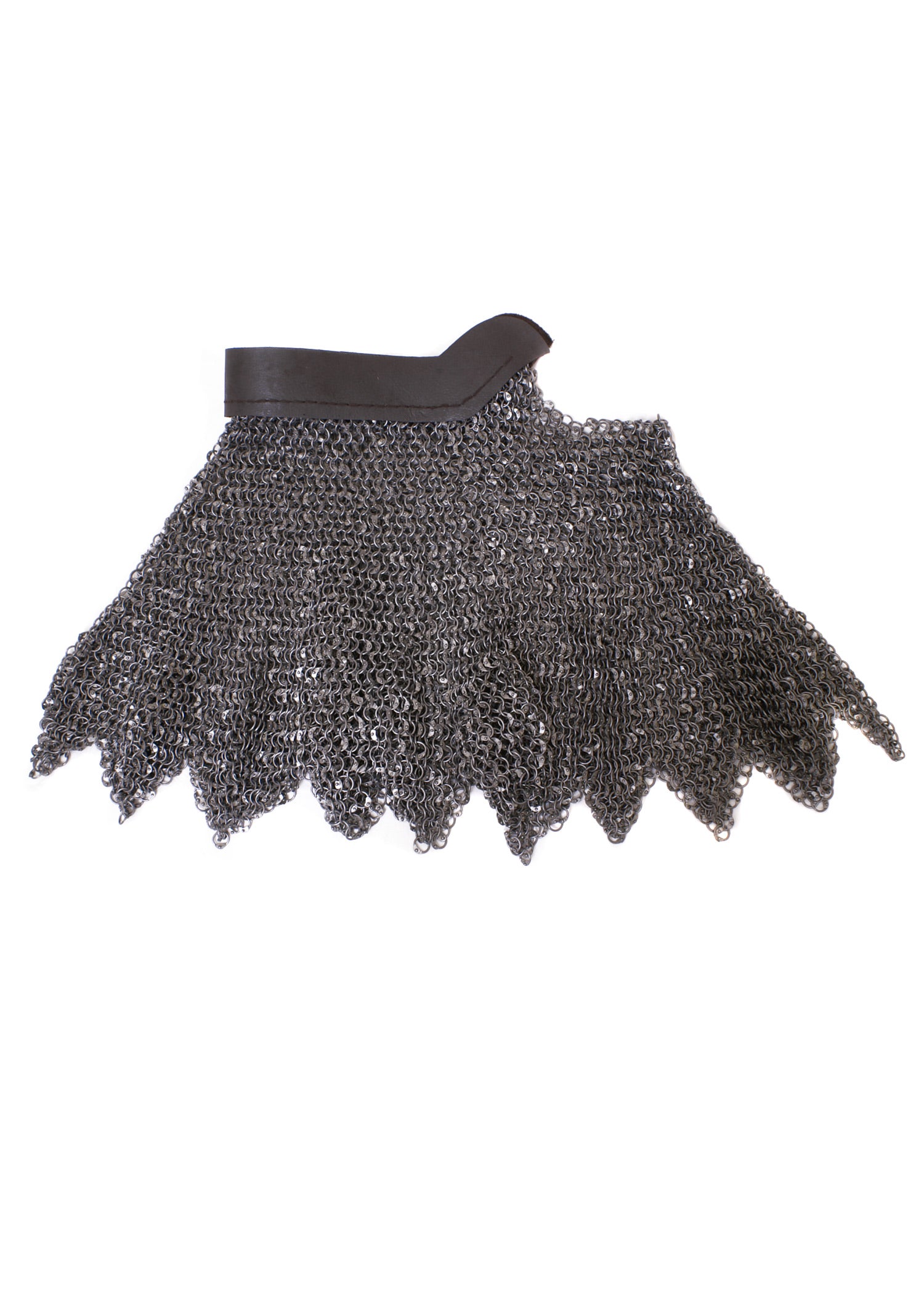
- Lorica hamata: chainmail armor made of interlocking metal rings, used by different types of troops.
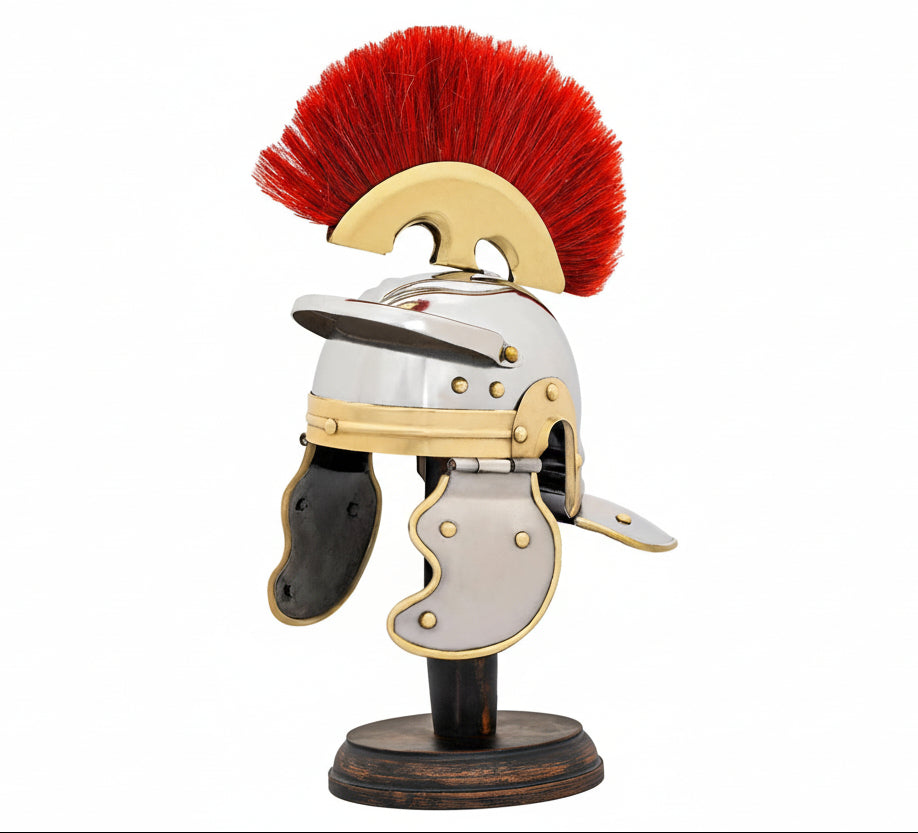
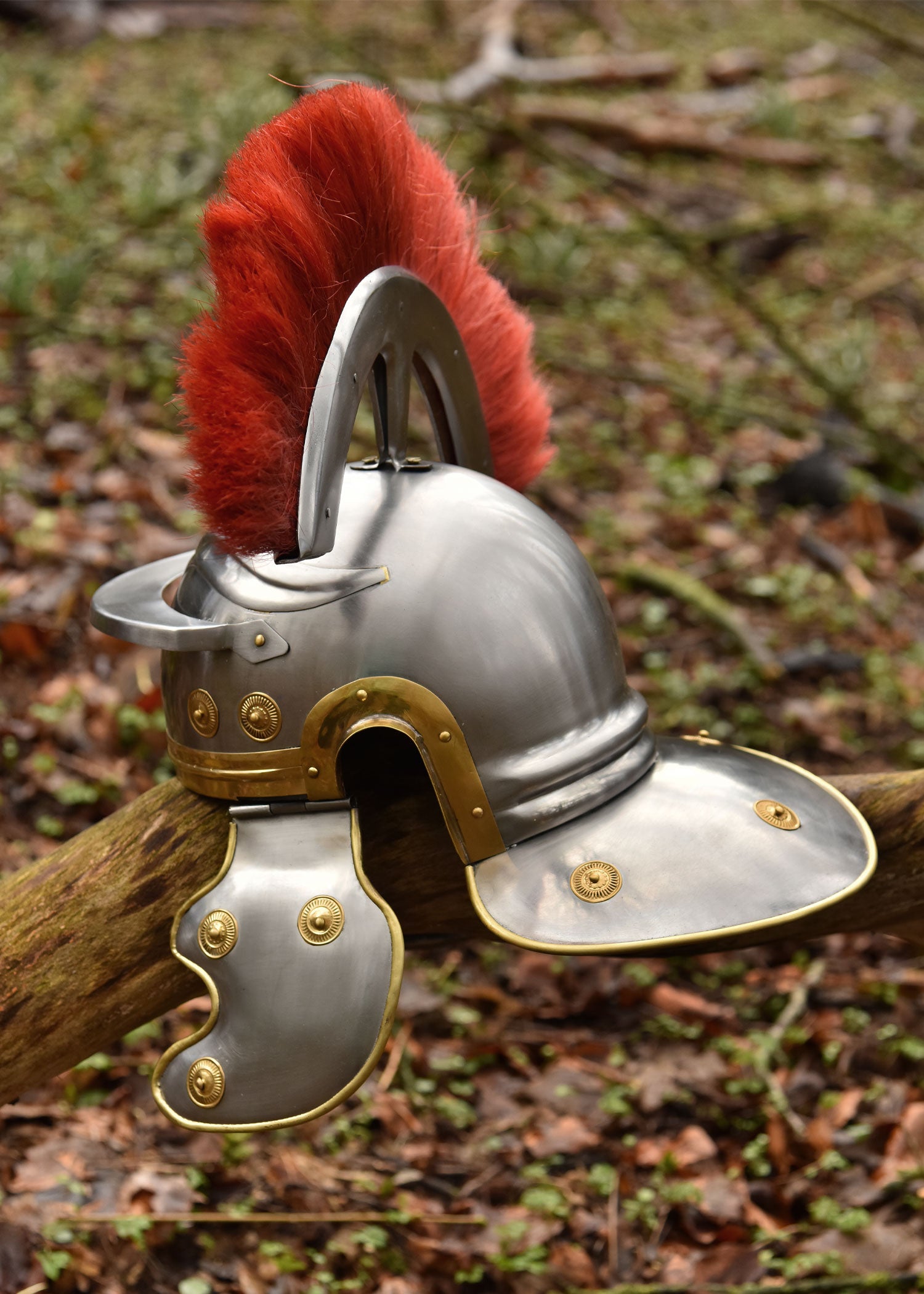
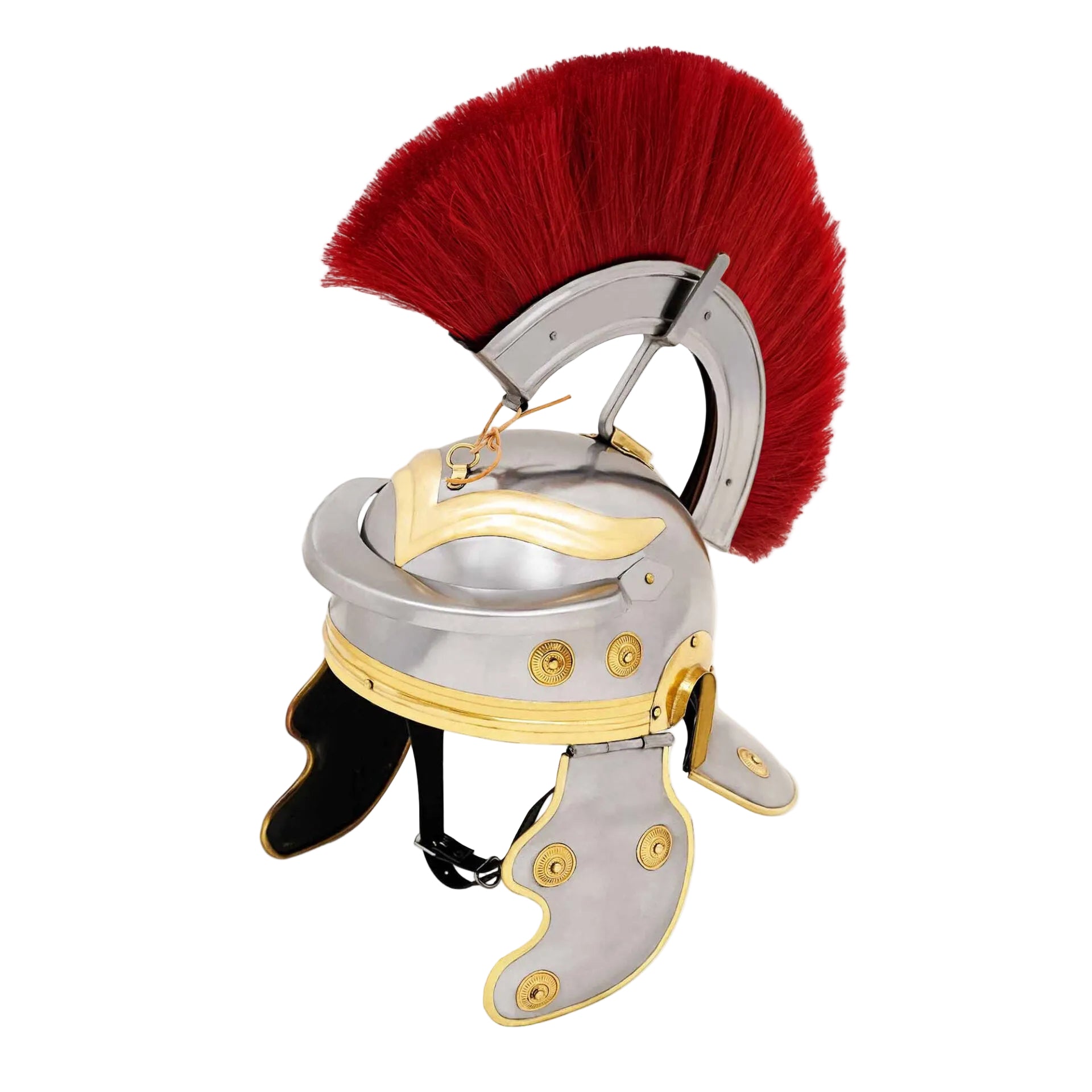
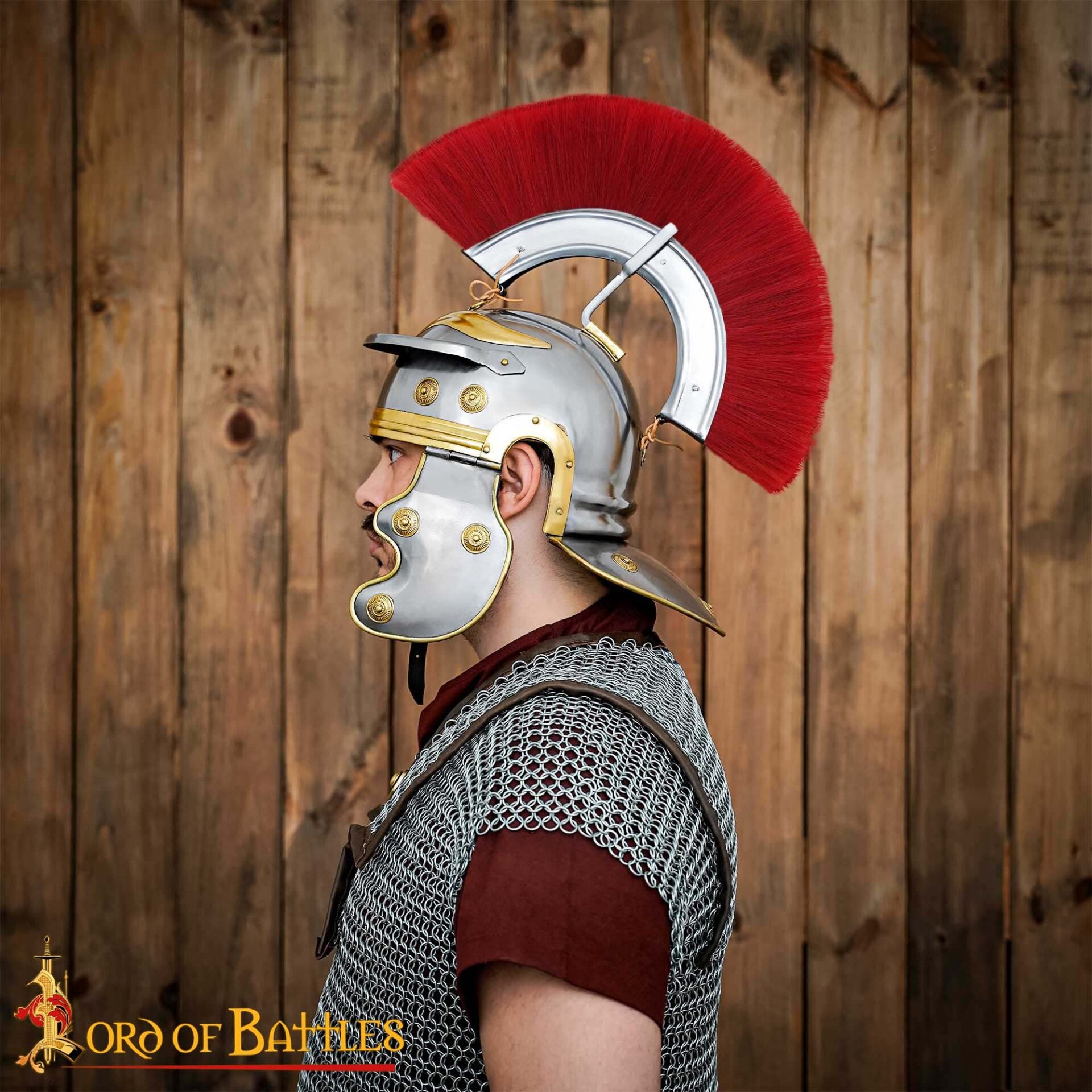
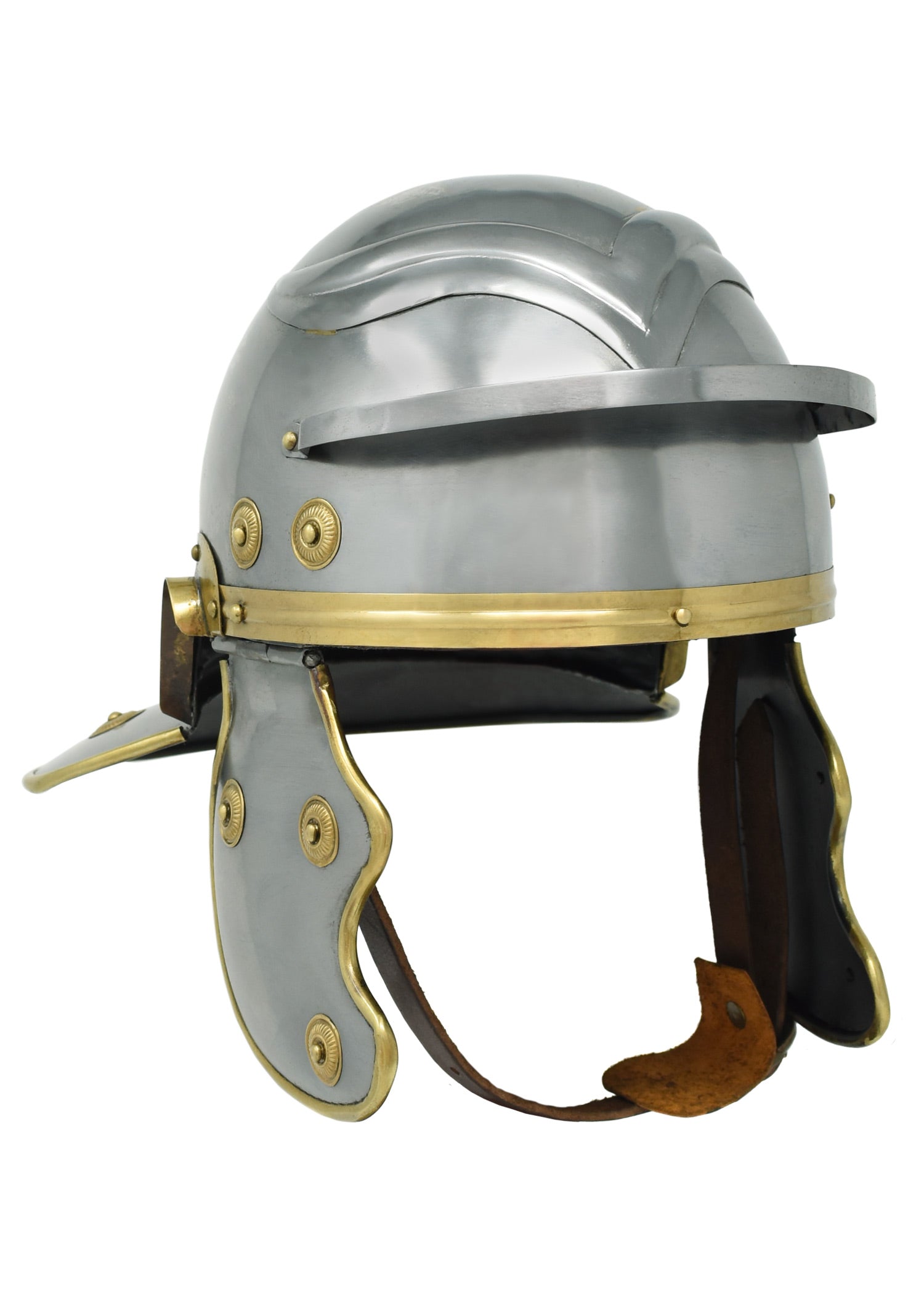
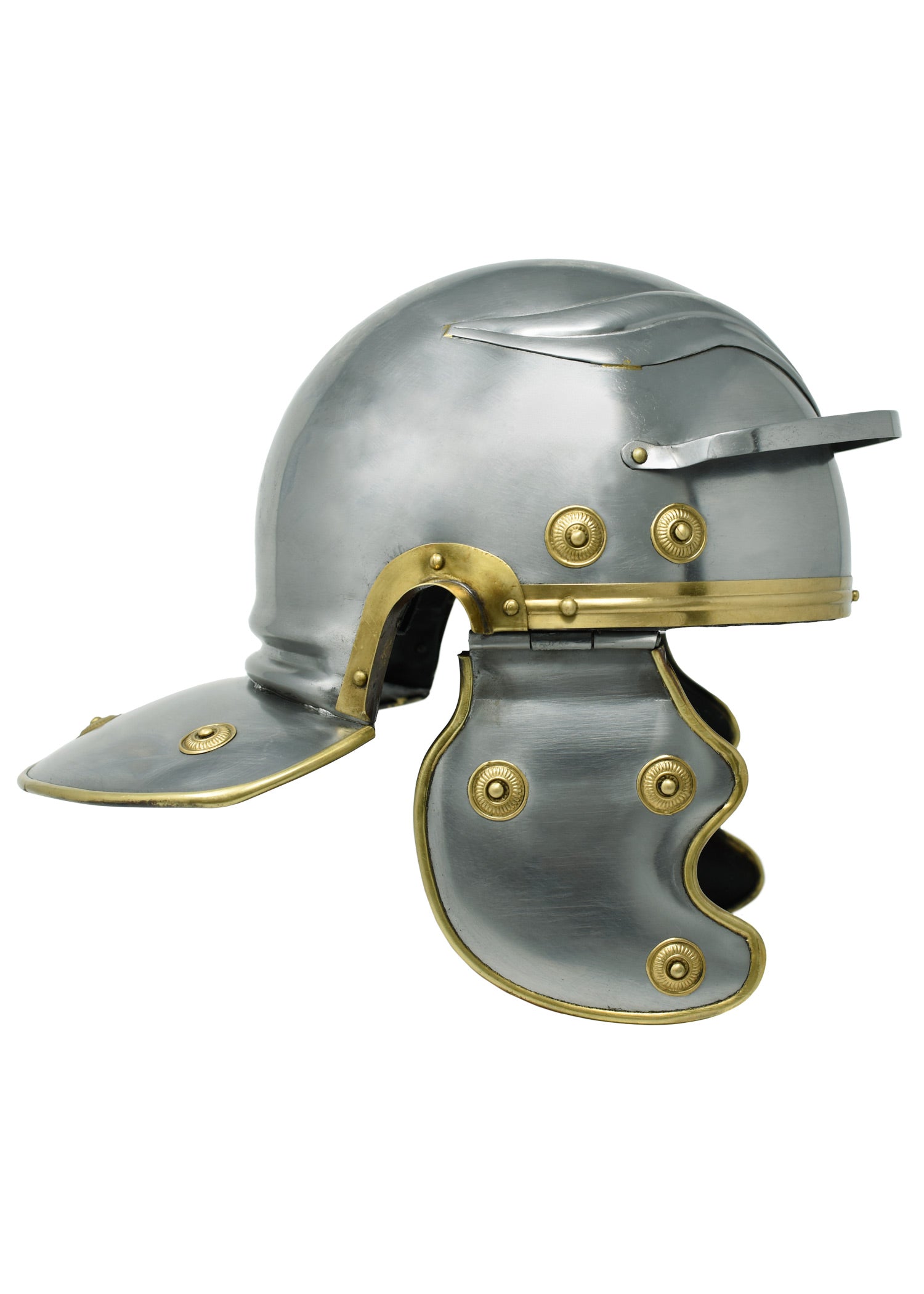
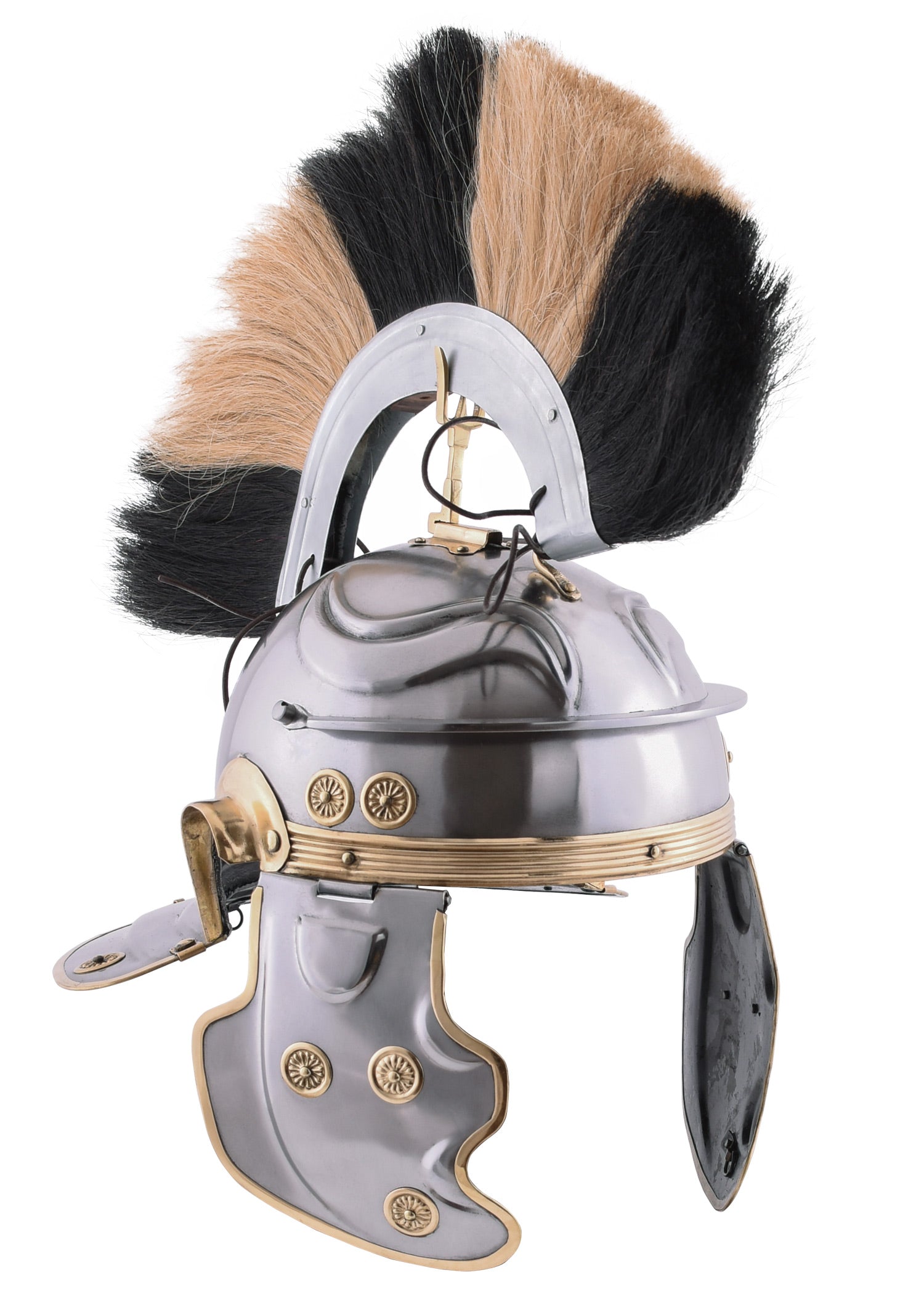
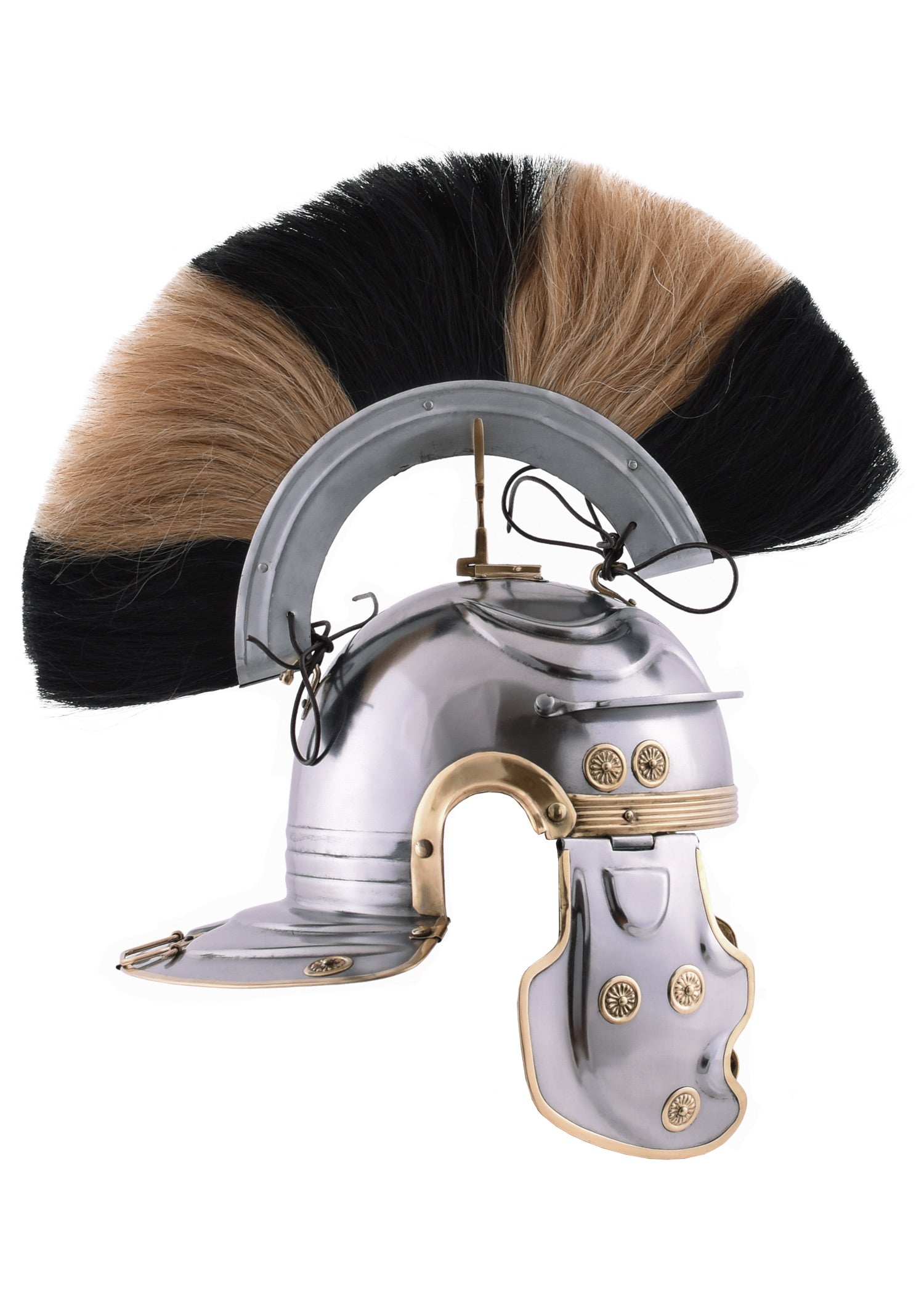
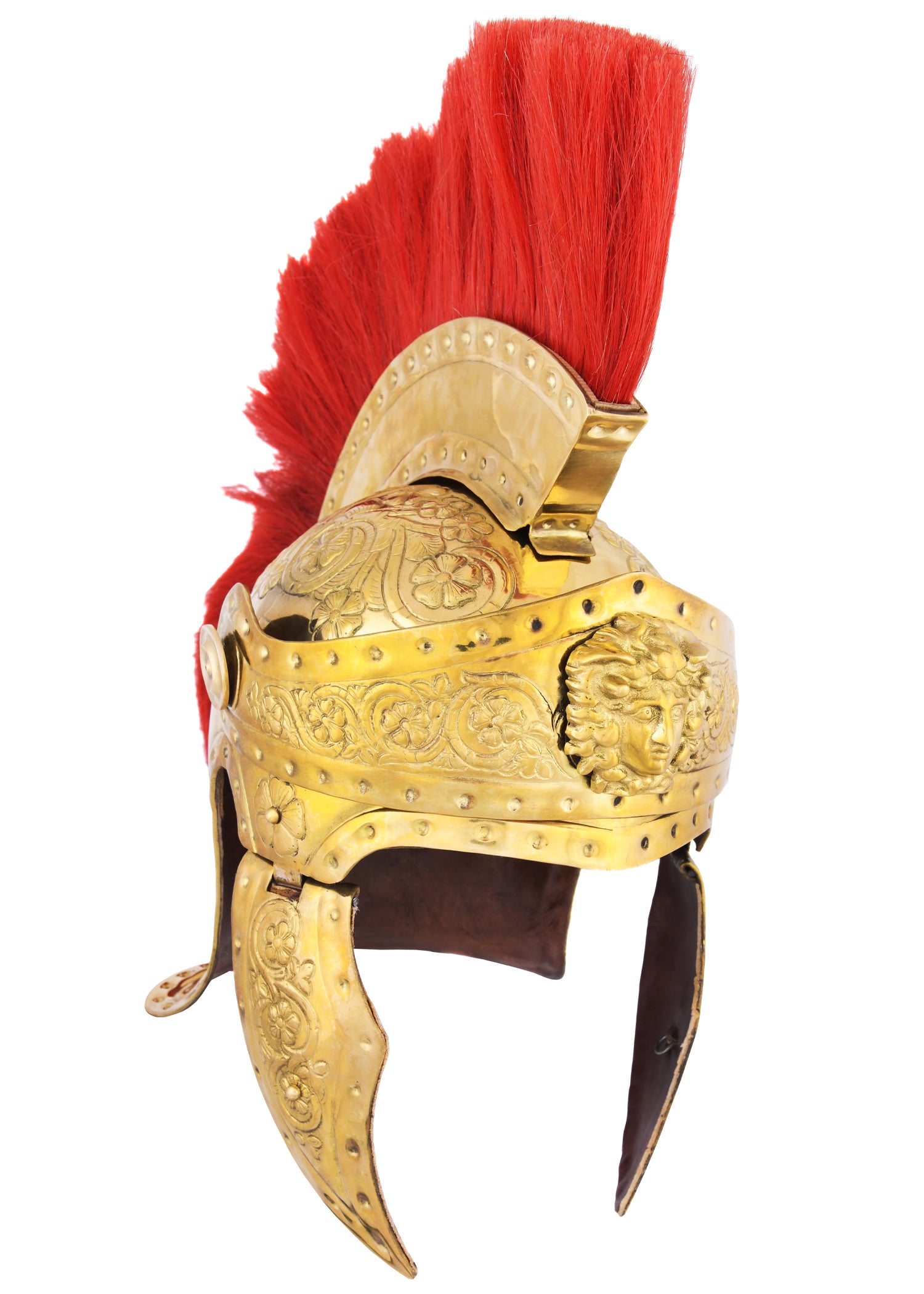
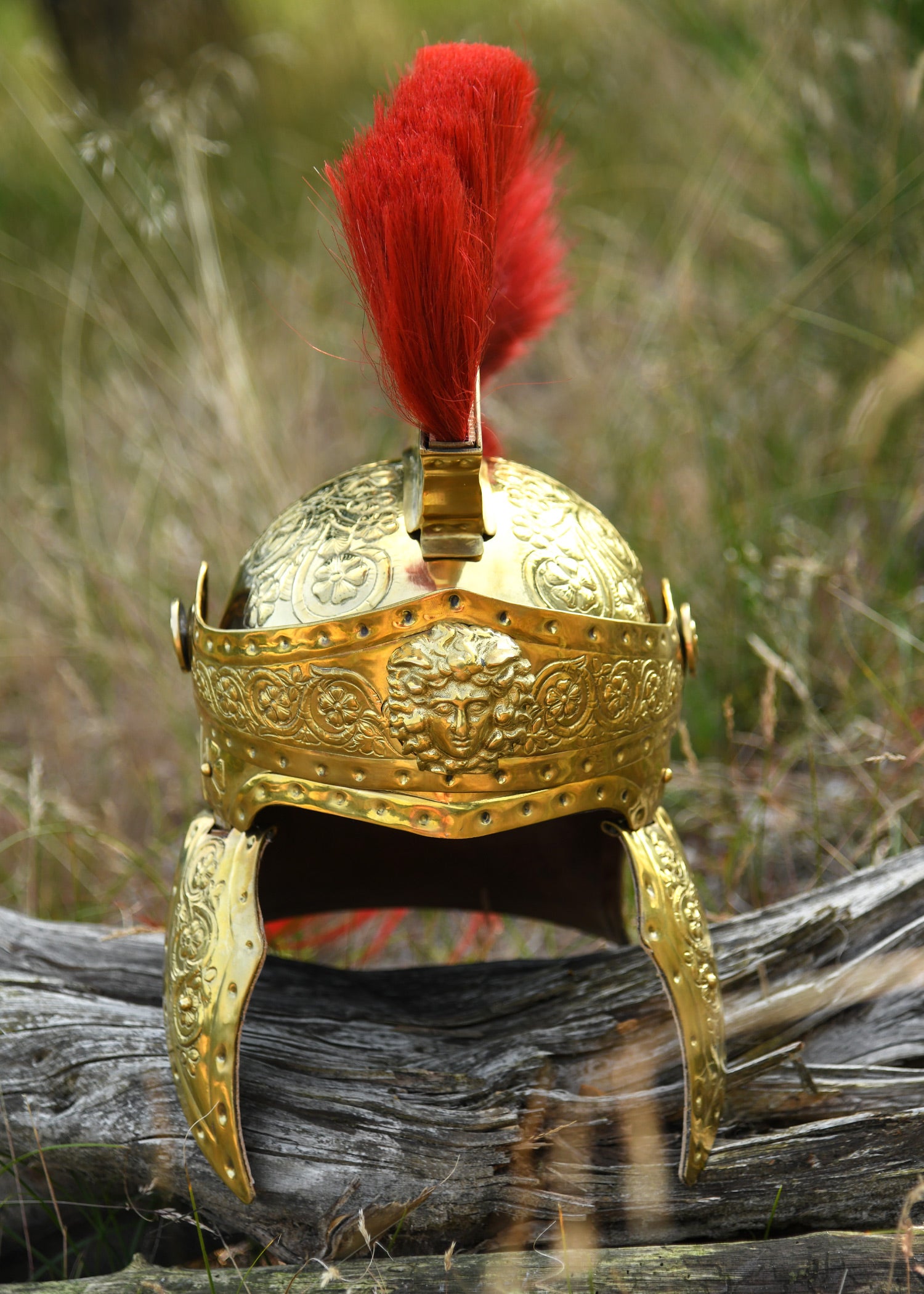
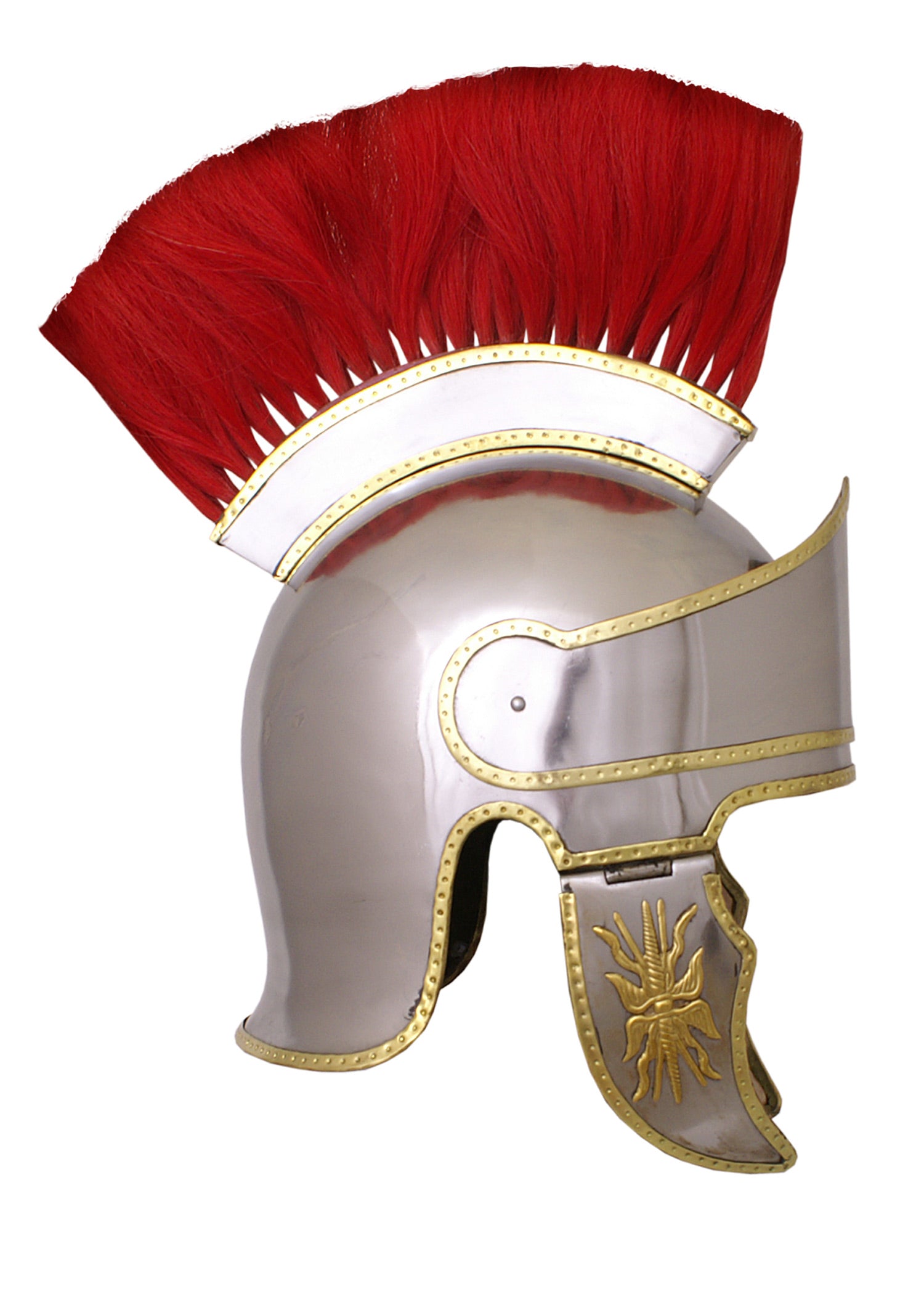
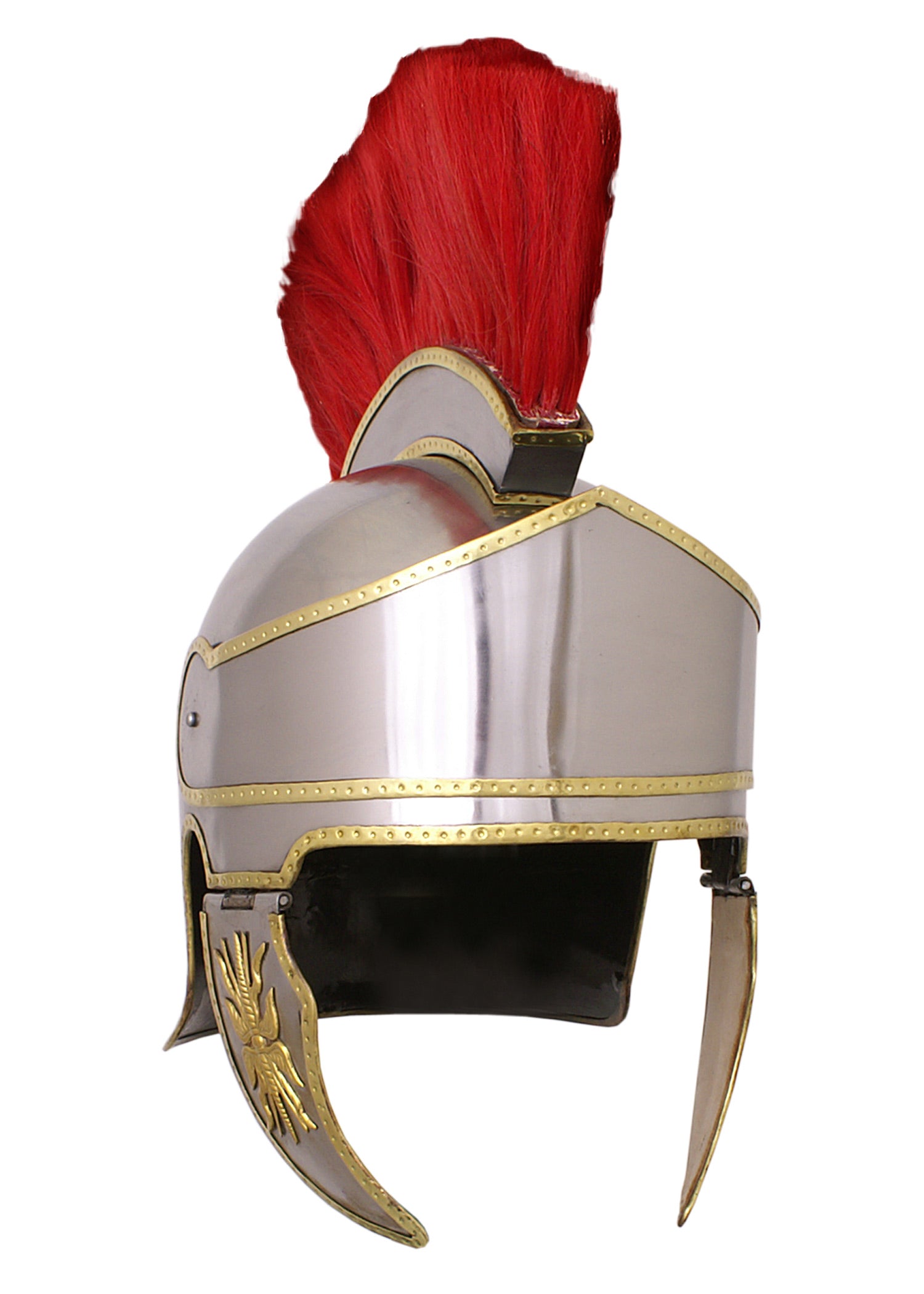
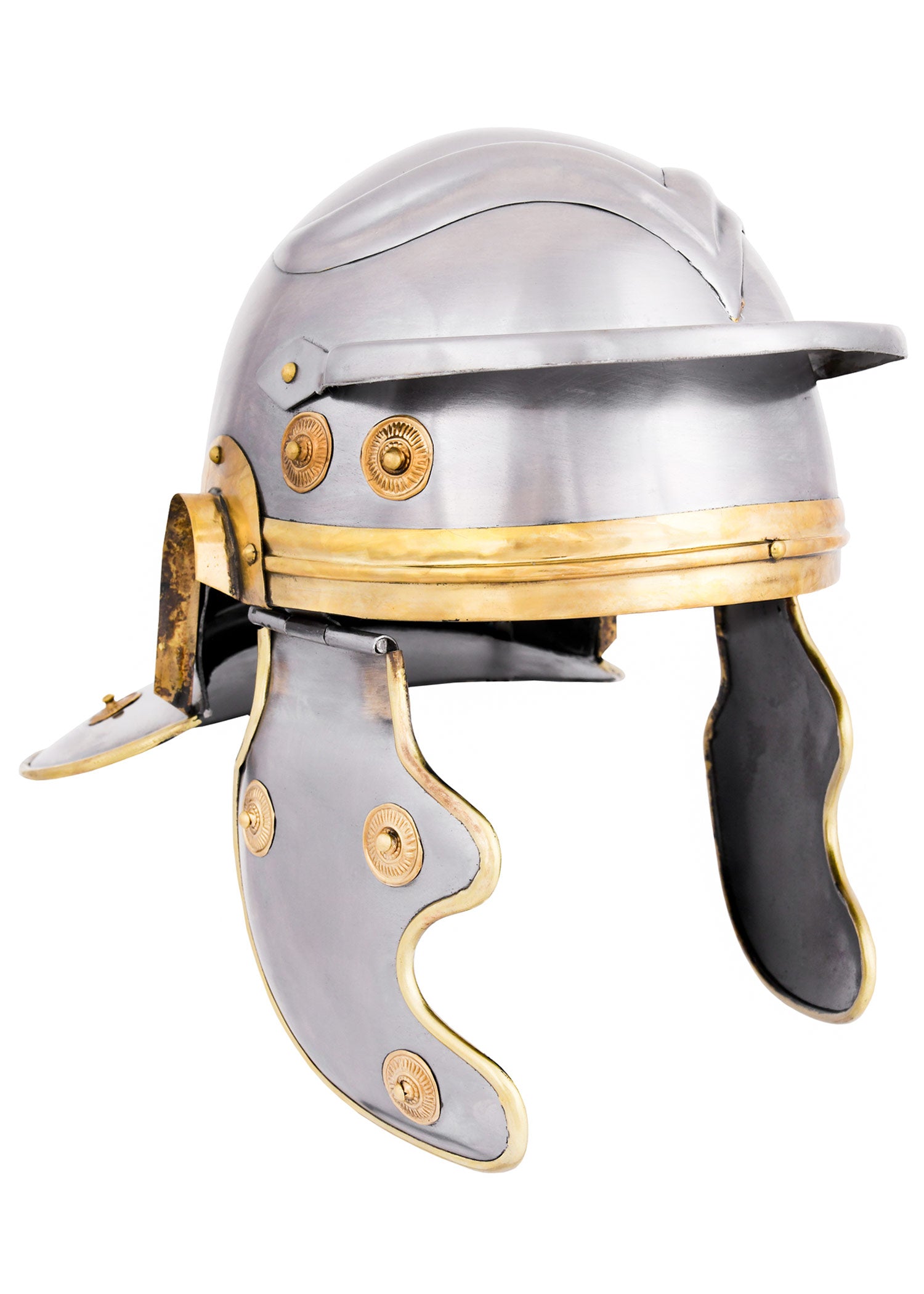
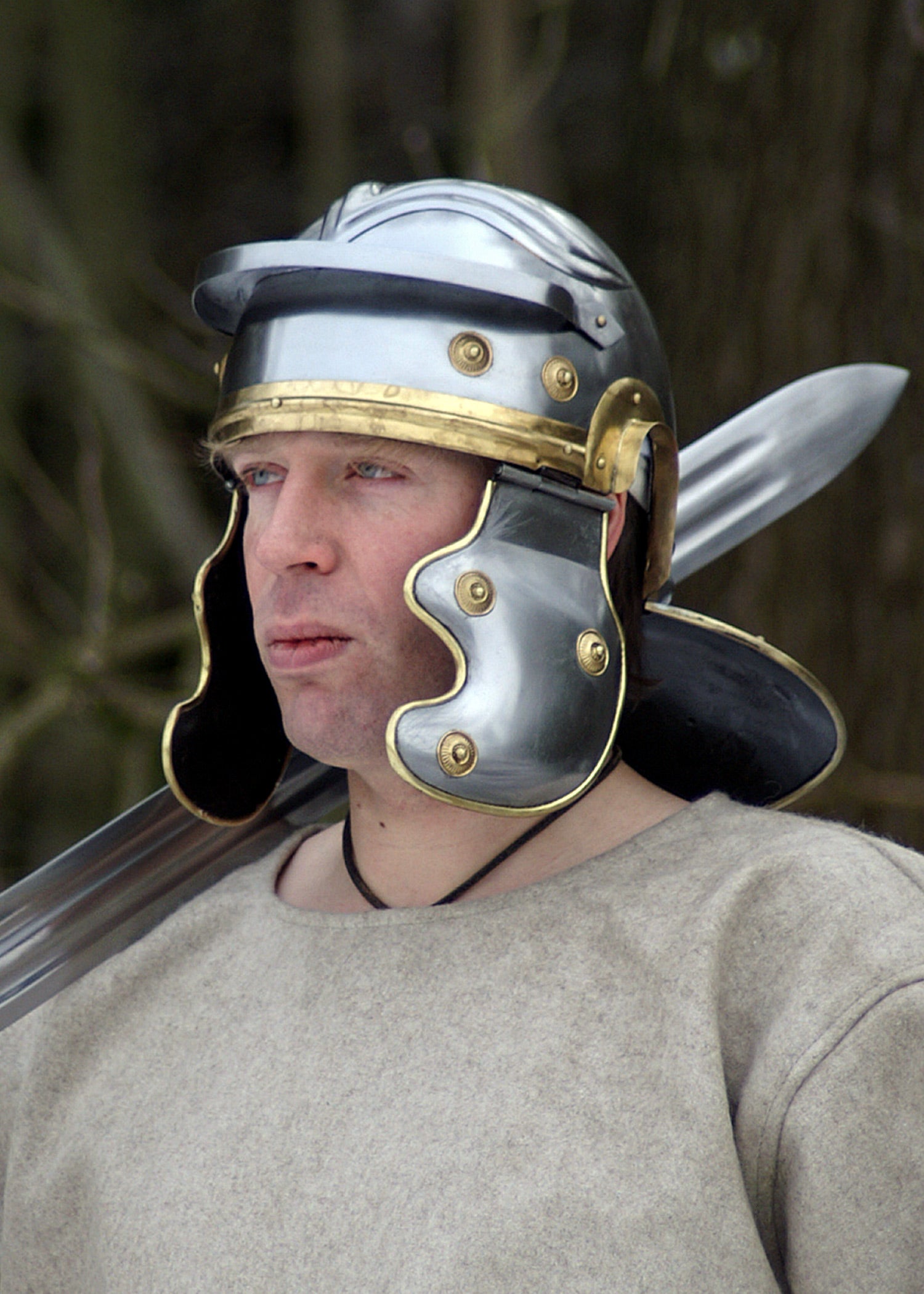
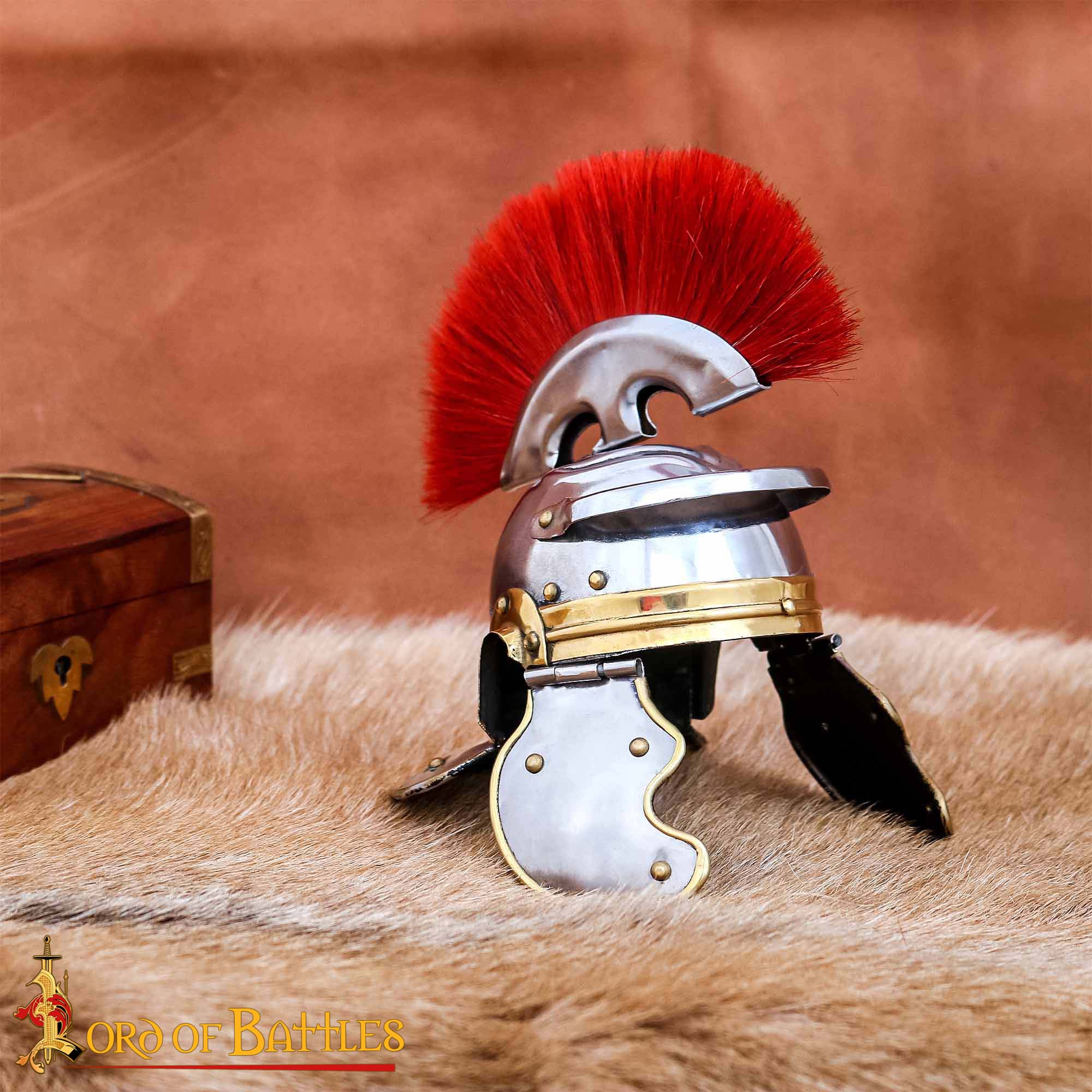
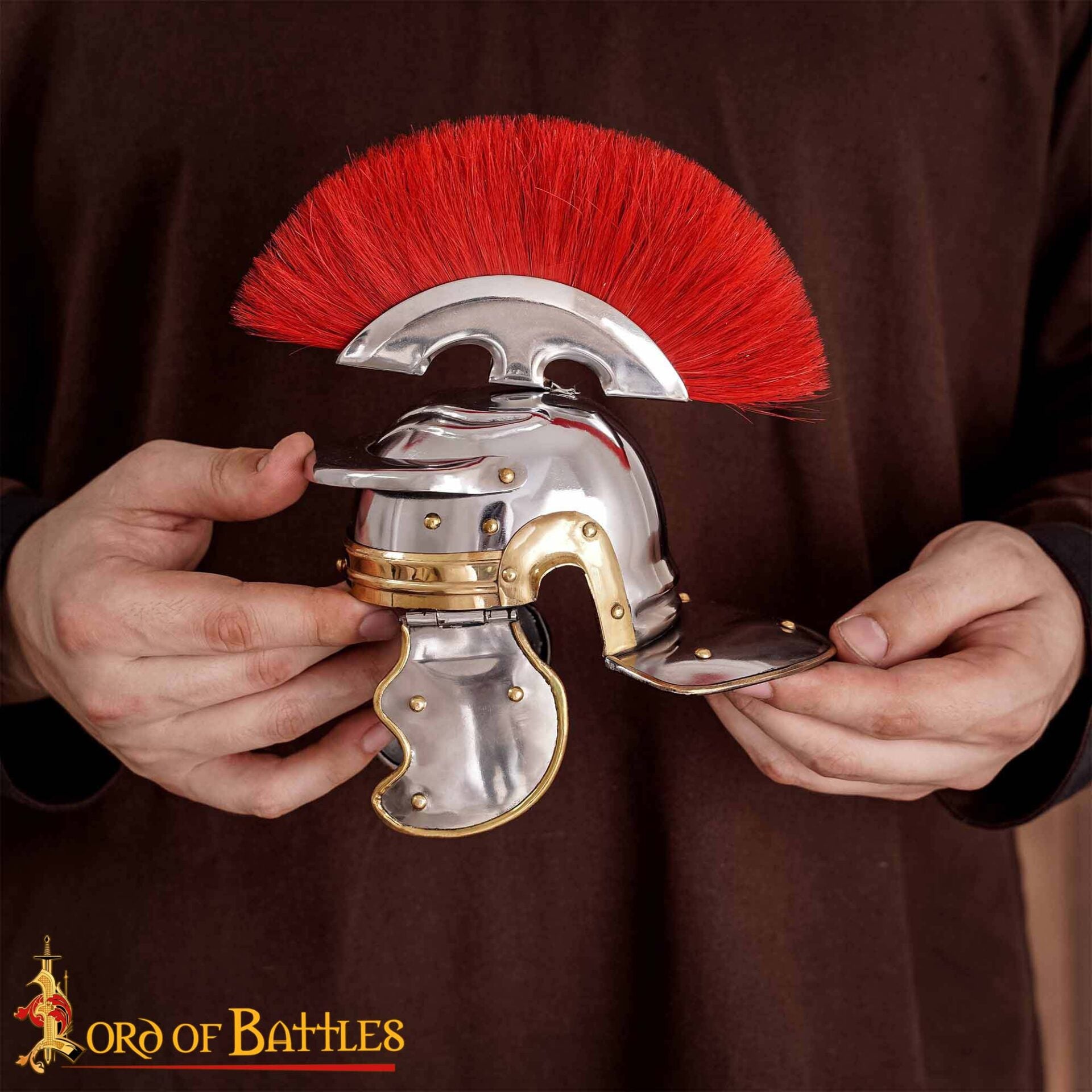
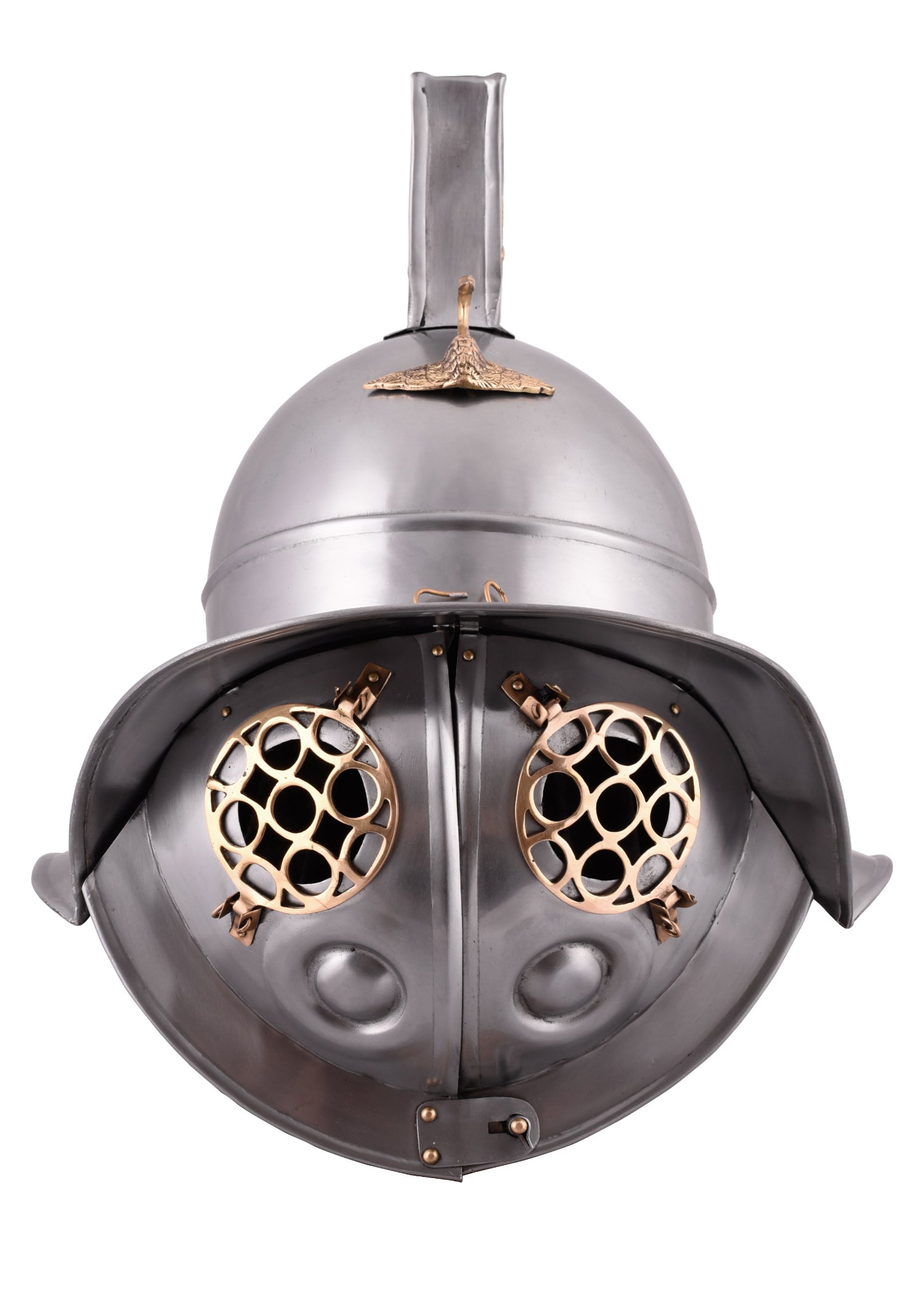
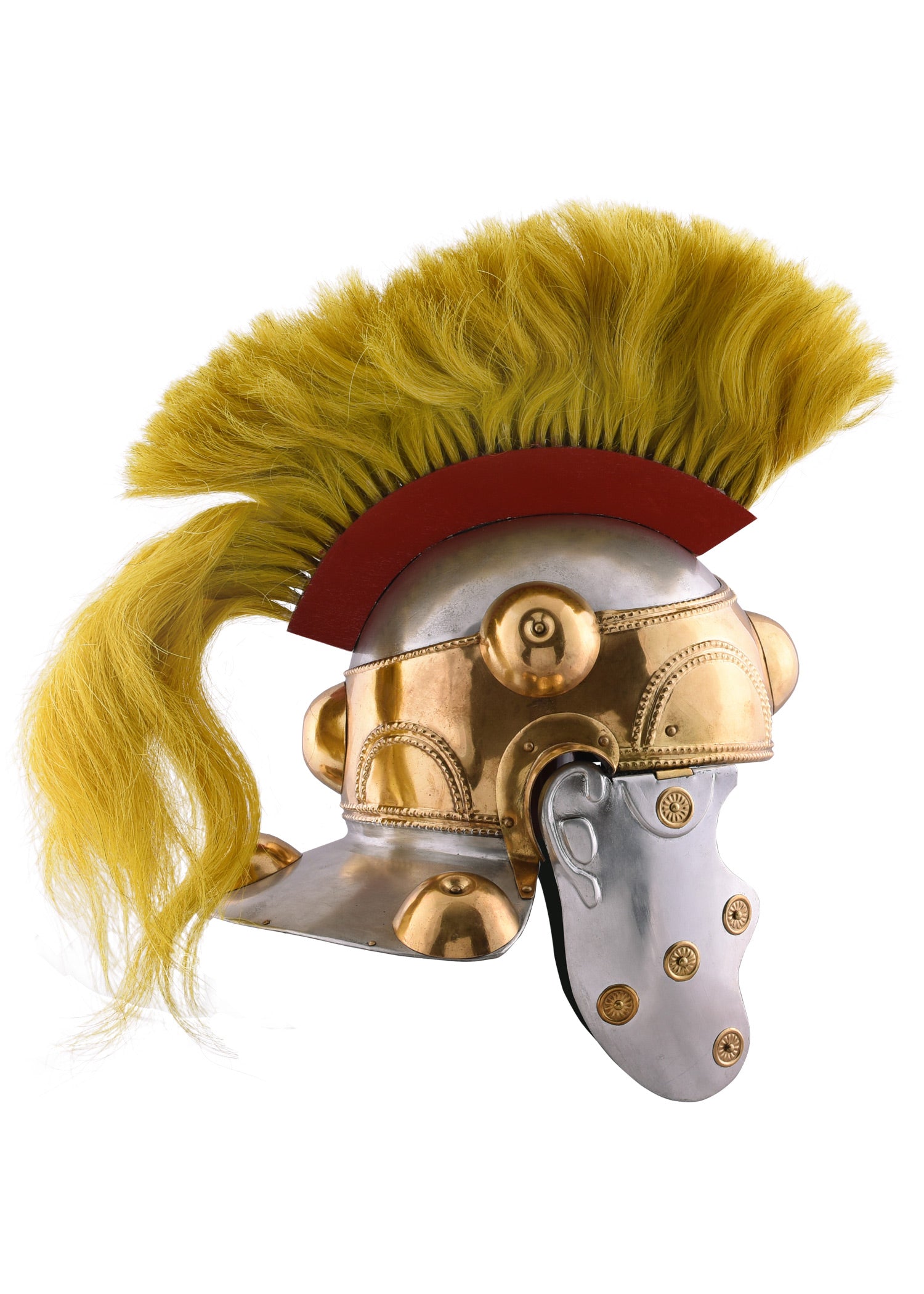
- Helmet (galea): head protection with designs that could incorporate cheek guards and a neck guard. Some models included crests or distinctive elements.
- Greaves and footwear: greaves protected the legs; leather footwear was part of the equipment for marches and military life, without serving the same function as a piece of armor.
Roman legionary weaponry: equipment and strategy
The Roman legionary weaponry combined offensive weapons, shields, and protections within an organized army. Its use, together with discipline and formation tactics, was part of Rome's military power. To prepare a coherent reenactment, choose the period you want to recreate and check the historical inspiration and indicated use on each product page.
Discover the Roman legacy at Todo Medieval
At Todo Medieval, you can explore this selection of weaponry for historical reenactments, collecting, and Roman-inspired projects. Compare the features of each reproduction and gather the pieces that fit your set. Choose your equipment and bring your next Roman reenactment to life!