





7-10 Day ShippingSave 15%

Shipping 7-10 Days

7-10 Day Shipping

7-10 Day Shipping

Shipping 7-10 Days

5-7 Day Shipping


7-10 Day Shipping
5-7 Day Shipping

5-7 Day Shipping

7-10 Day Shipping

7-10 Day ShippingSold out

7-10 Day Shipping

7-10 Day ShippingSave 15%
Shipping 7-10 Days
7-10 Day Shipping
7-10 Day Shipping
Shipping 7-10 Days
5-7 Day Shipping
7-10 Day Shipping
5-7 Day Shipping
5-7 Day Shipping
7-10 Day Shipping
7-10 Day ShippingSold out
7-10 Day Shipping
Roman polearms: power and reach on the battlefield
The Roman polearms were essential to the Empire's military strategies. Designed to offer superior reach and great penetrating power, these weapons were used by both infantry and cavalry. Their evolution was influenced by conquered peoples, adapting designs to improve their effectiveness in combat.
Main polearms used by the Romans
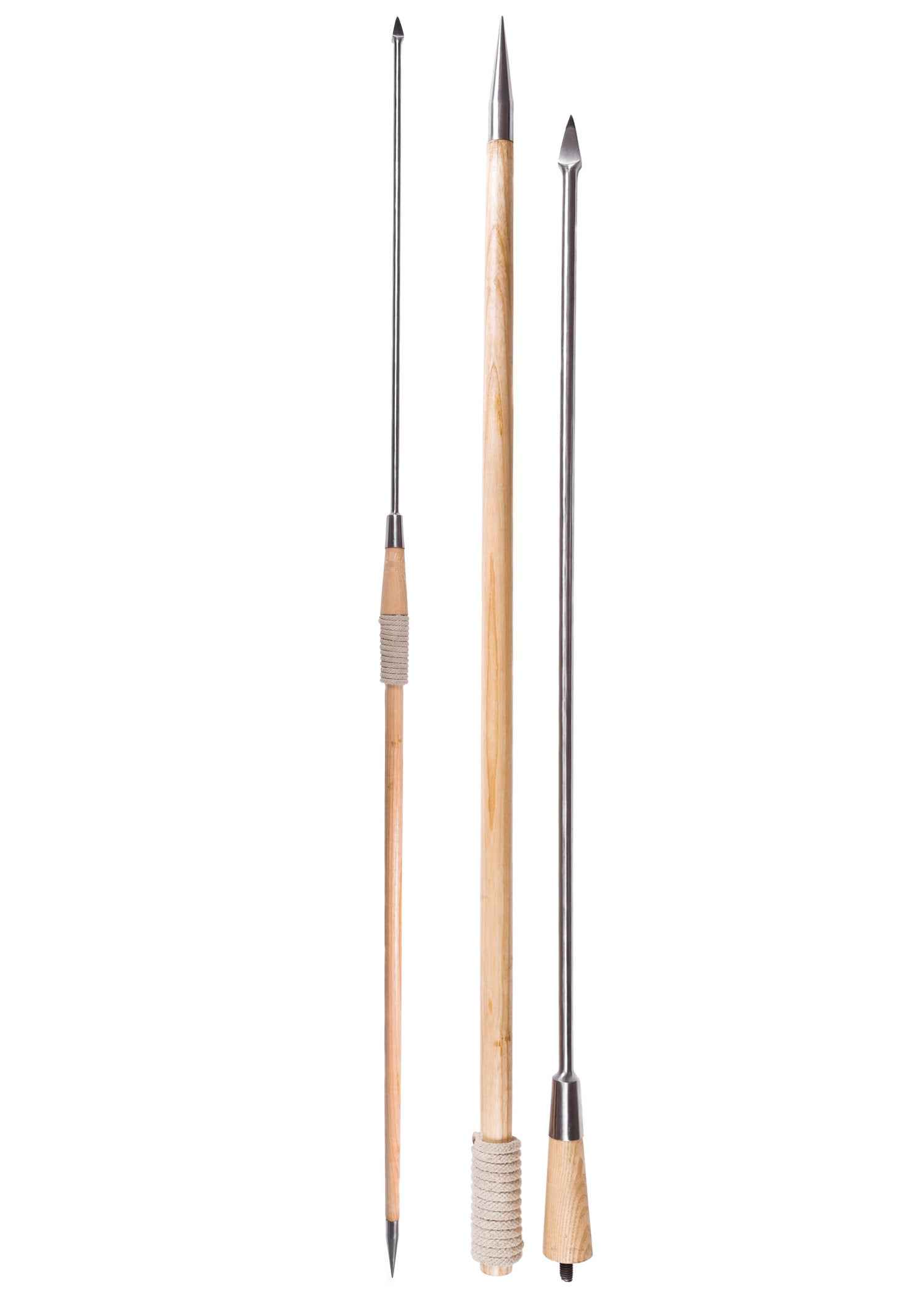
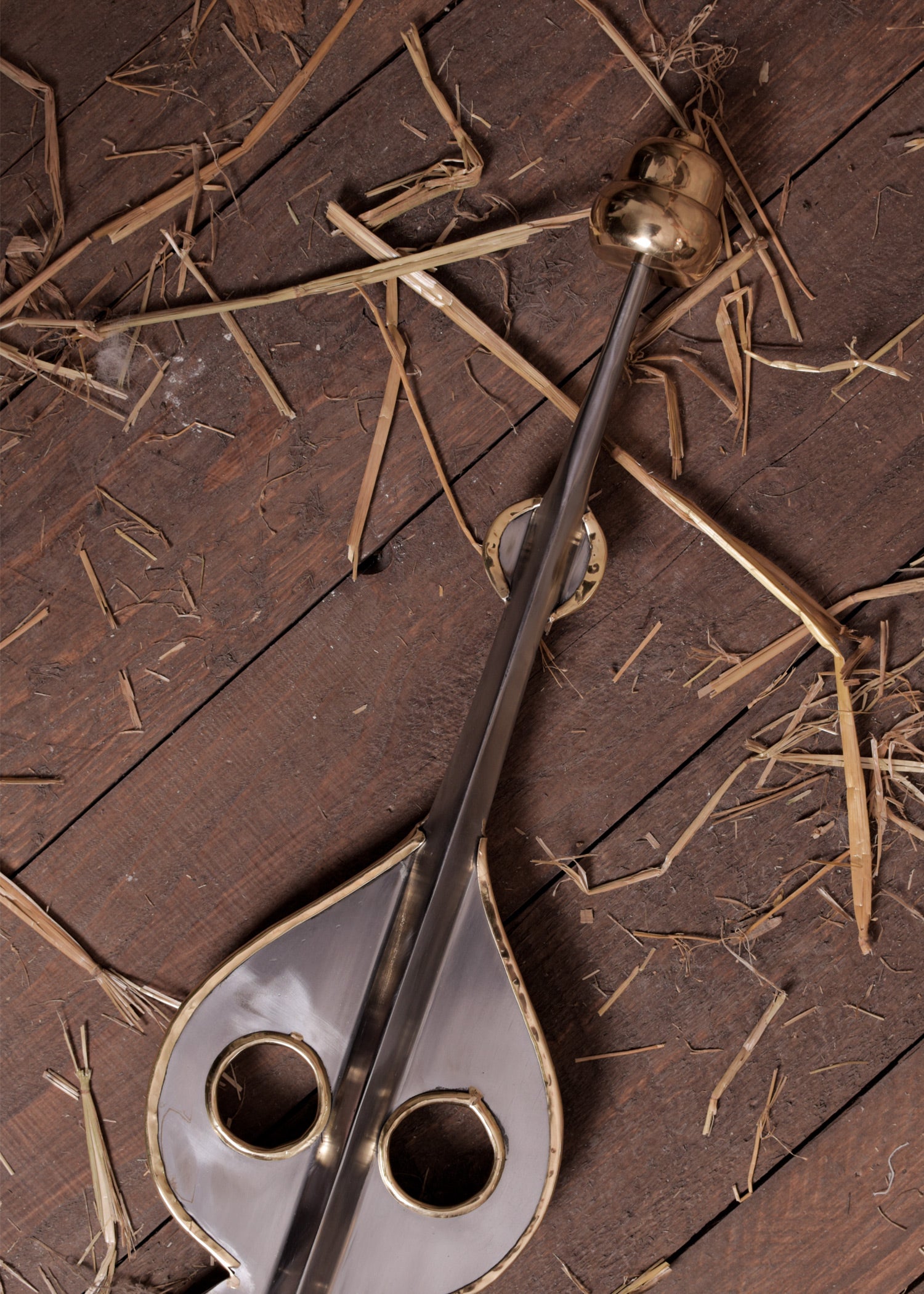
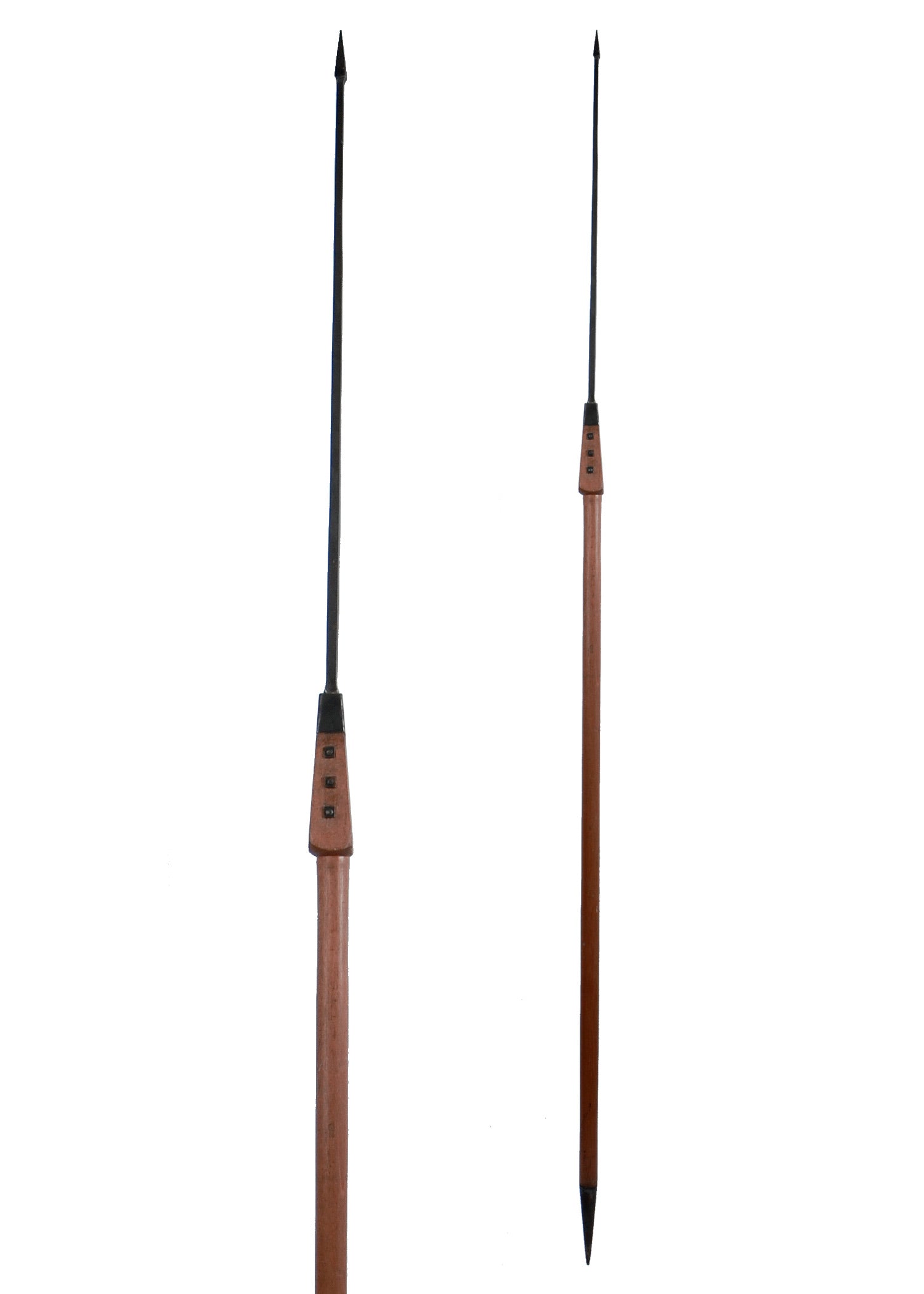
- Pilum: One of the most iconic weapons of the legionaries. This javelin had a long, thin iron tip designed to penetrate enemy shields and bend upon impact, rendering them useless.
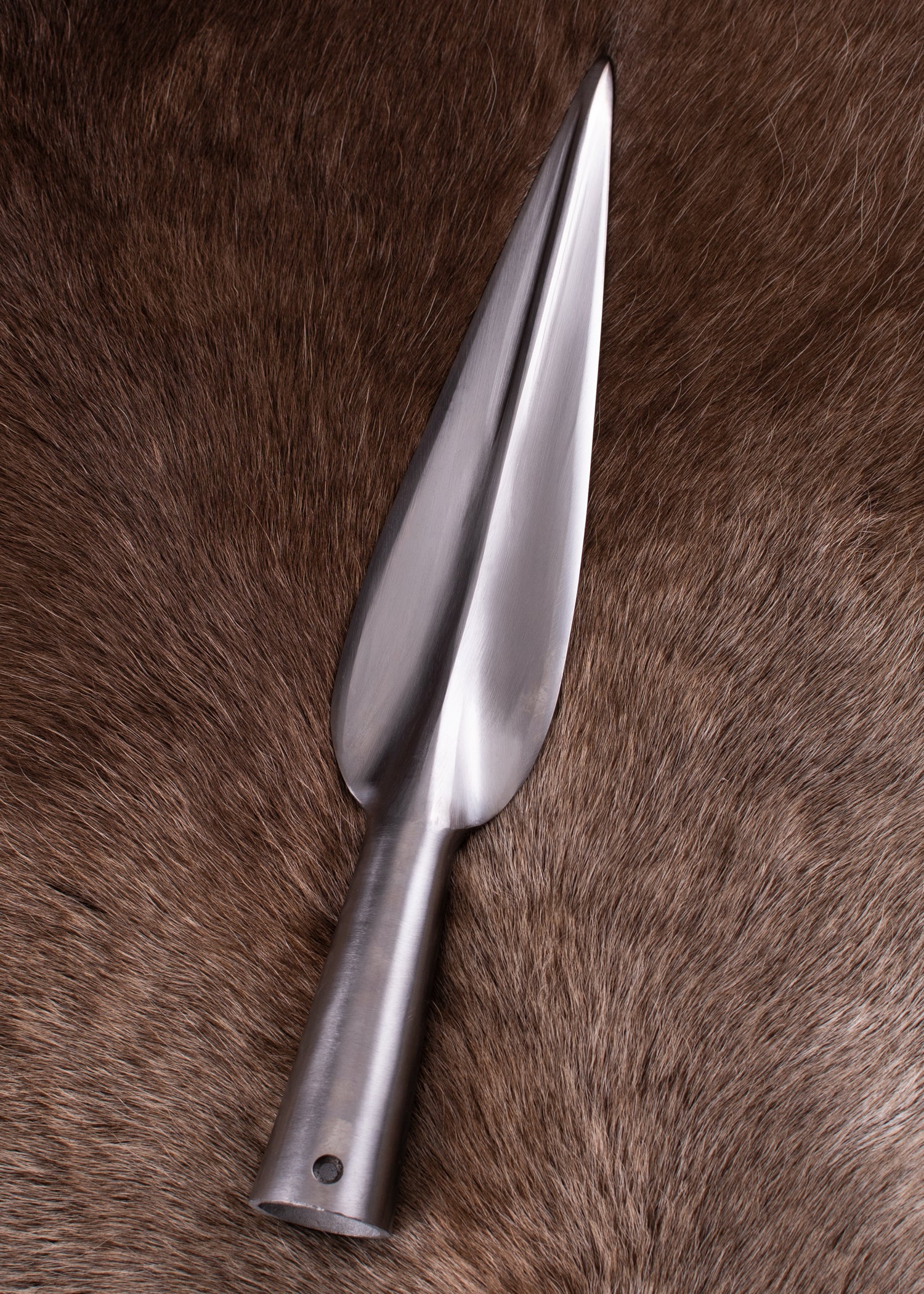
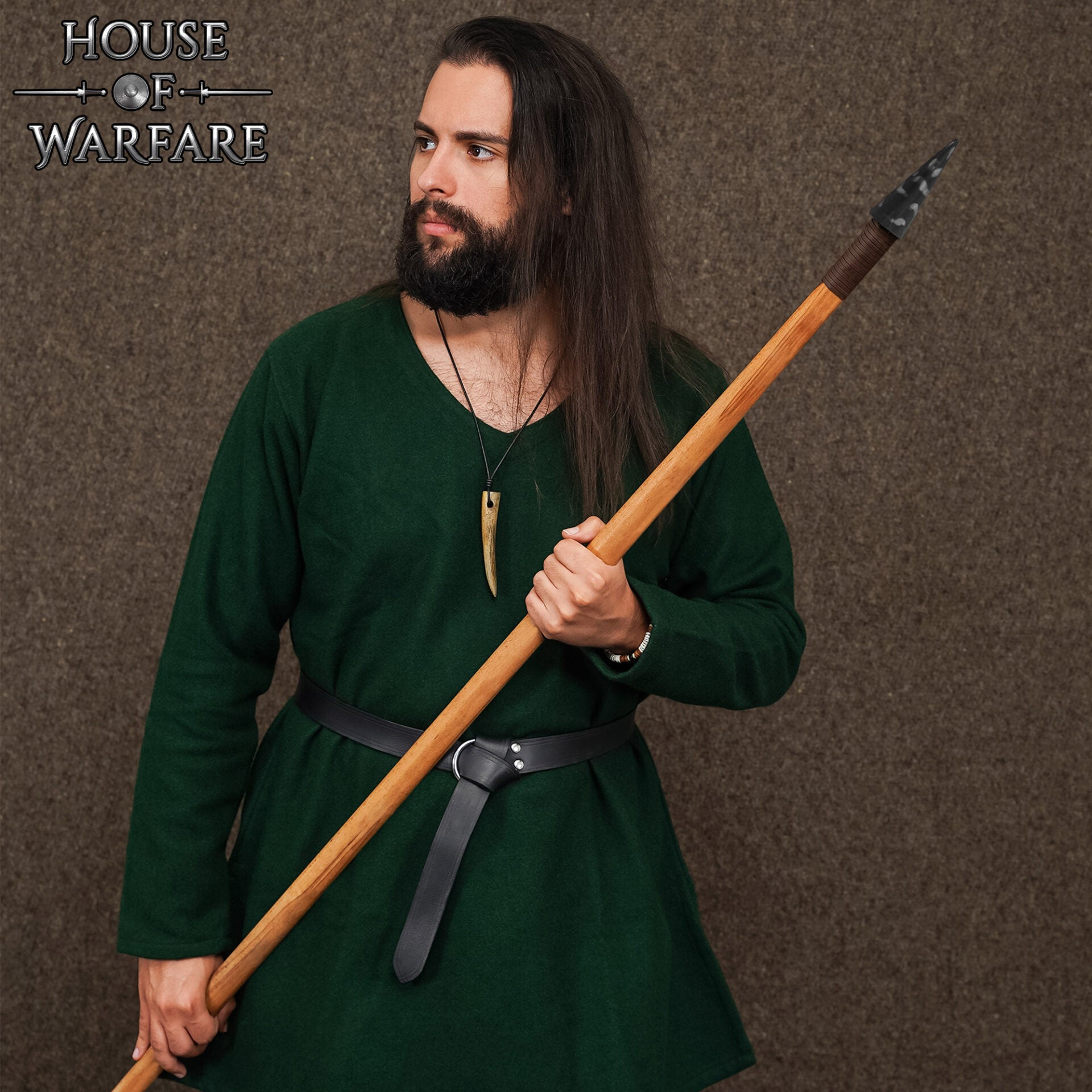
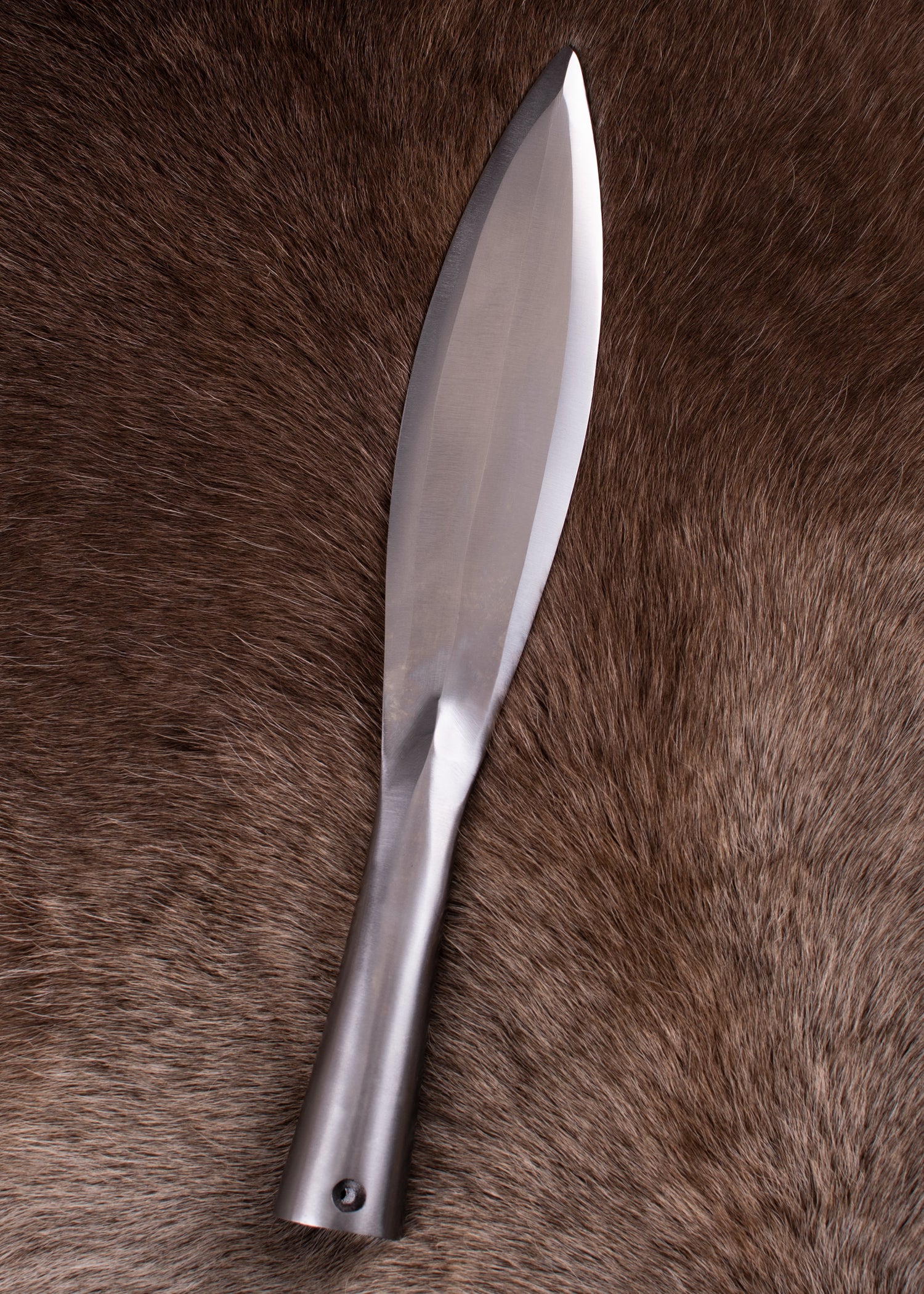
- Hasta: The standard spear of the Roman army, used primarily by the triarii (veterans of the legion). It had a sturdy wooden shaft and a sharp iron tip.
- Spiculum: A later replacement for the pilum, shorter and with a reinforced tip that combined the functions of a spear and a javelin.
- Contus: A large spear employed by the Roman heavy cavalry and some auxiliary troops. It required both hands due to its length.
- Verutum: A shorter and lighter javelin than the pilum, used by auxiliary troops and scouts for rapid, long-range attacks.
Importance of polearms in the Roman army.
The polearms allowed the Roman legions to maintain formation and fight effectively against enemy cavalry and infantry. Their versatile design ensured they could be used in different types of combat, from skirmishes to large-scale battles.
If you are a fan of military history, historical reenactment, or collecting, at Todo Medieval you will find high-quality replicas of the most iconic Roman polearms, ideal for reviving the legacy of the legions.
