































Roperer Swords
Roperer sword: elegance and tradition of the 16th and 17th centuries
The roperer sword is linked to civilian dress, self-defense, and the culture of dueling in Renaissance and Baroque Europe. Its forms evolved and coexisted during the 16th and 17th centuries, with different blades and hilts. Discover its main types to choose a piece for collecting, reenactment, or display, according to the characteristics of each model.
Rapier and roperer sword: names and differences
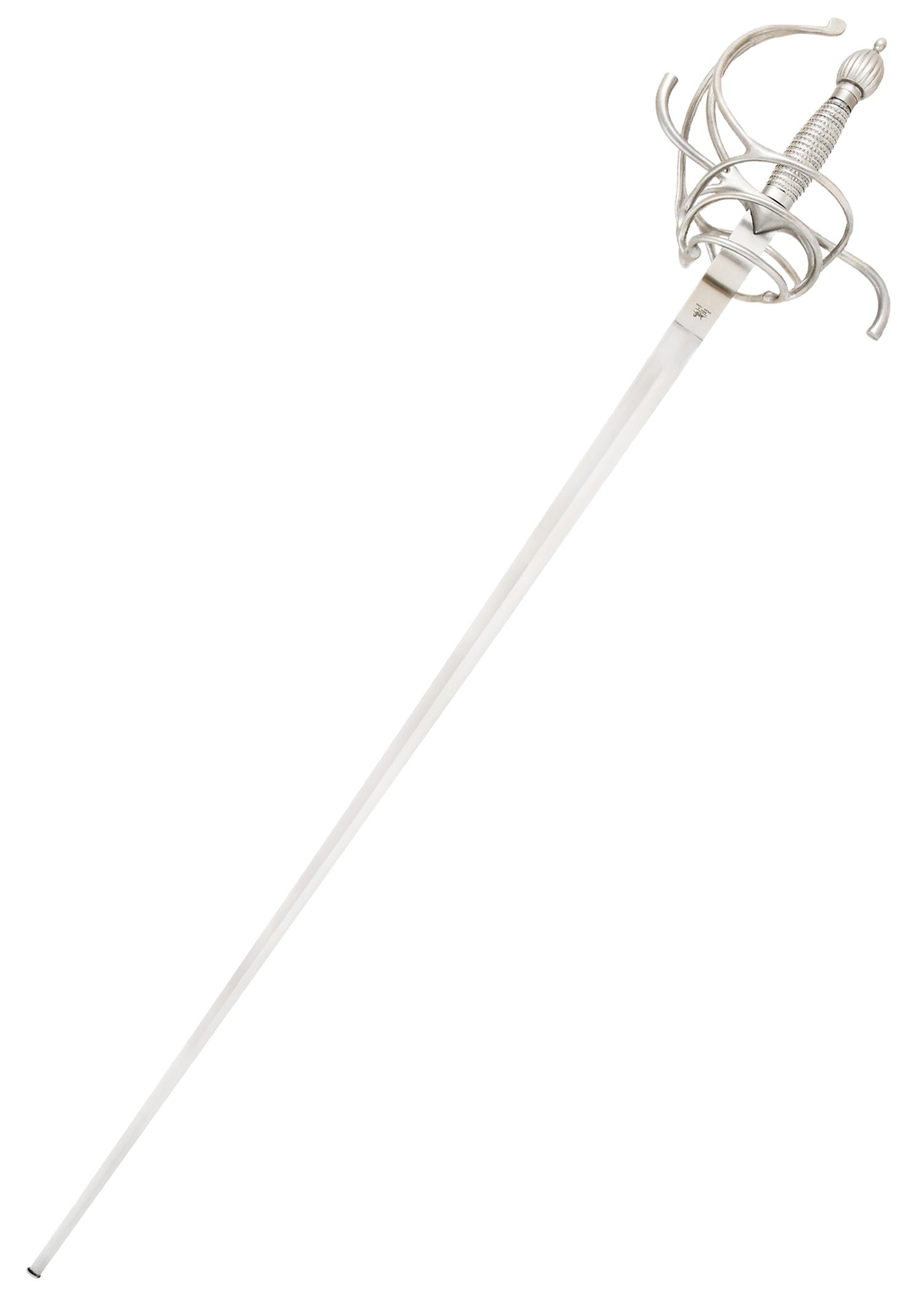
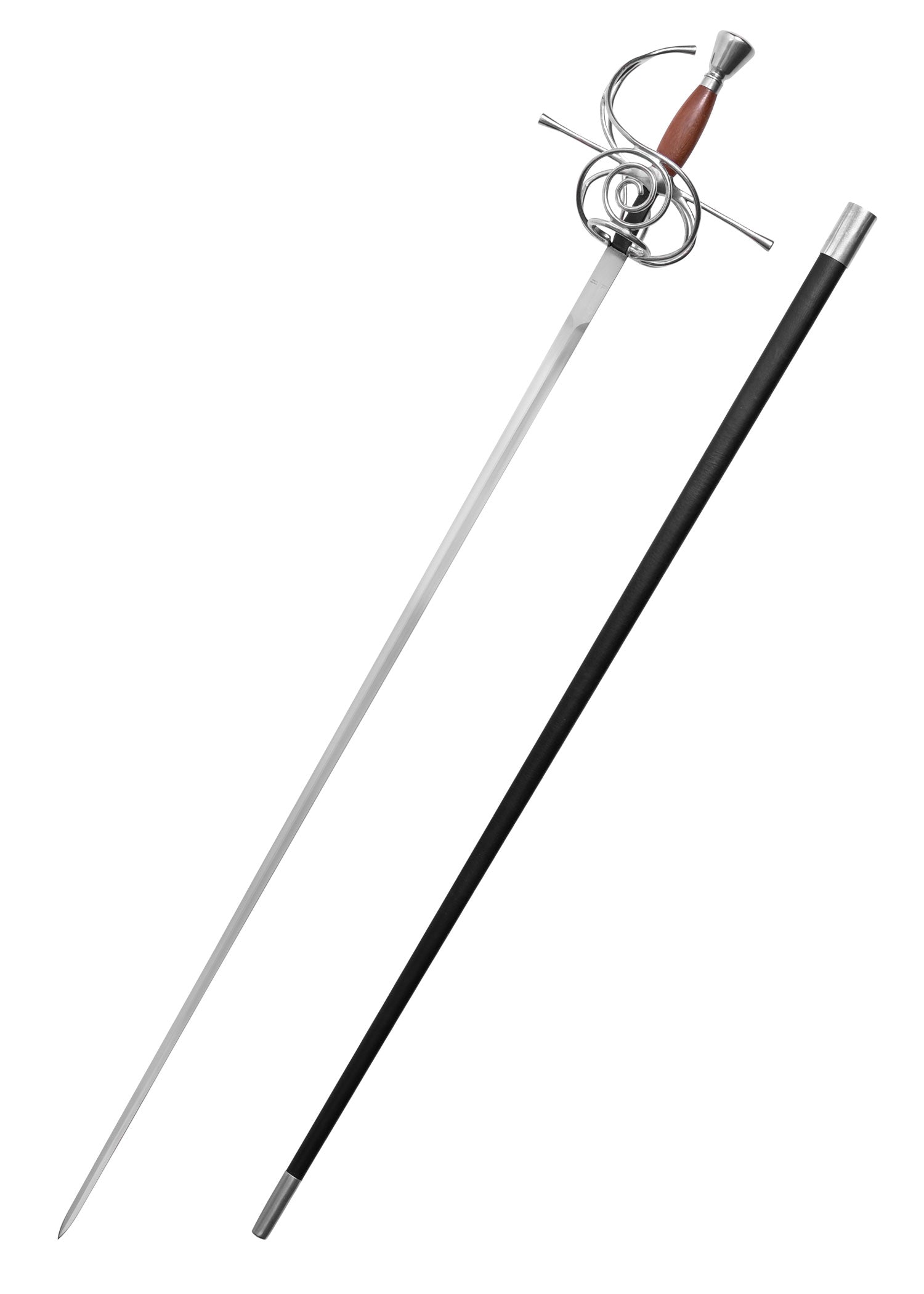
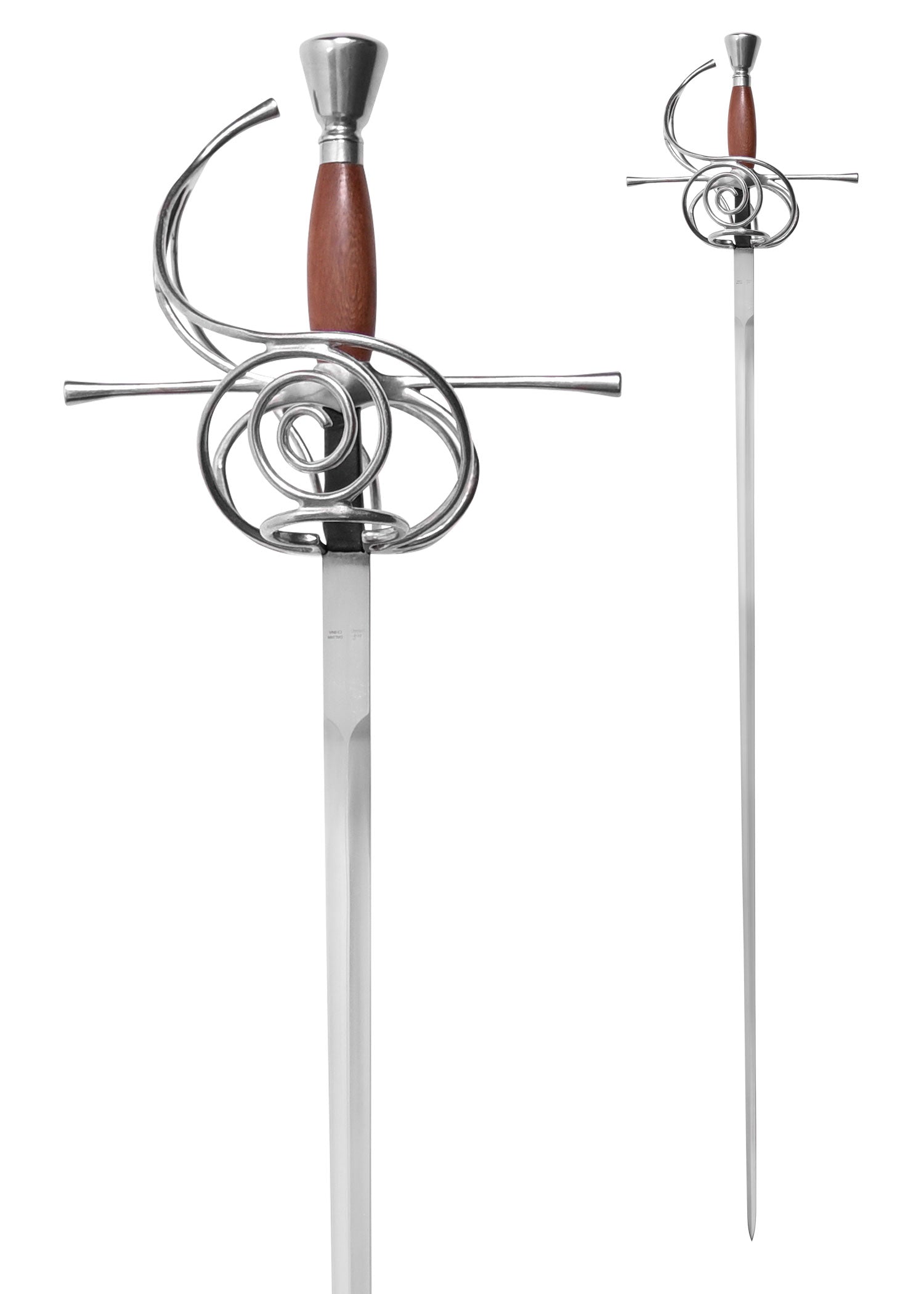
The term rapier is commonly used for roperer swords, especially those with long blades designed for thrusting. It does not designate a single hilt type nor does it imply a specific date, weight, or suitability for training on its own: the shape of the blade and the construction of each replica are decisive.
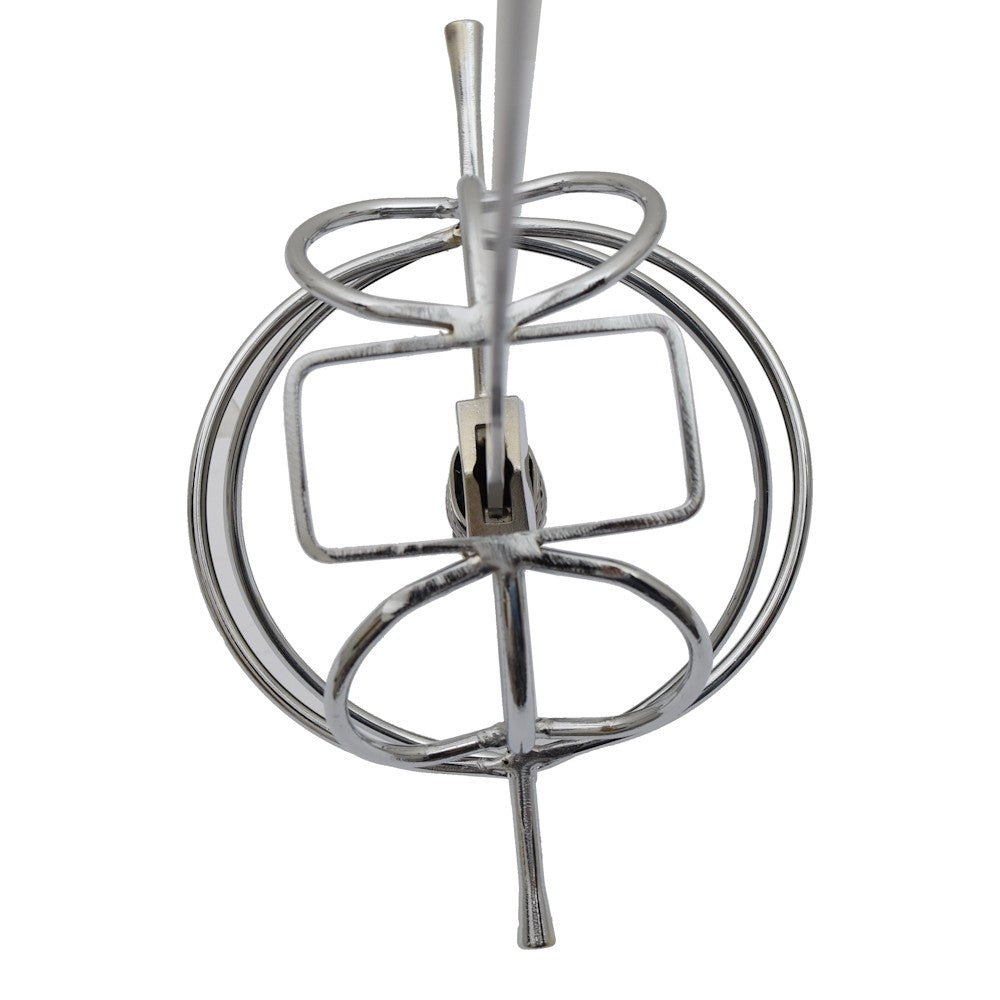
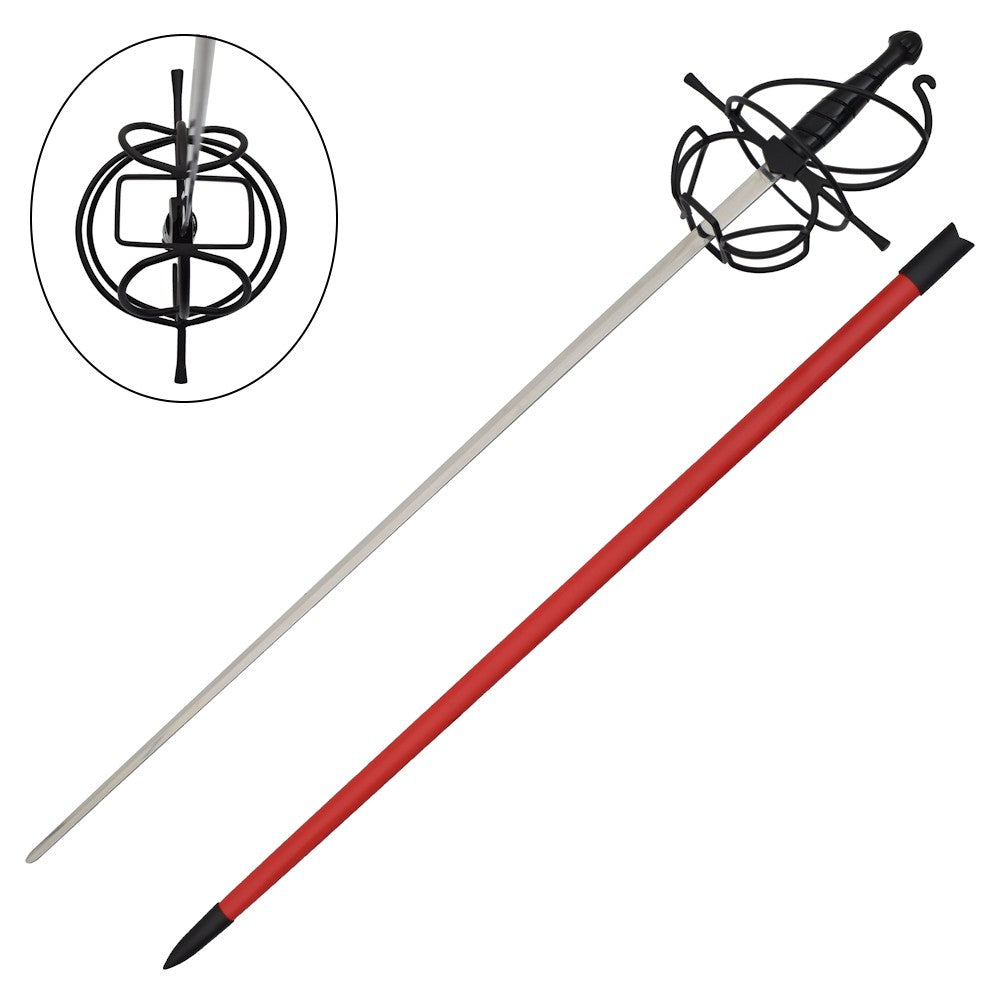
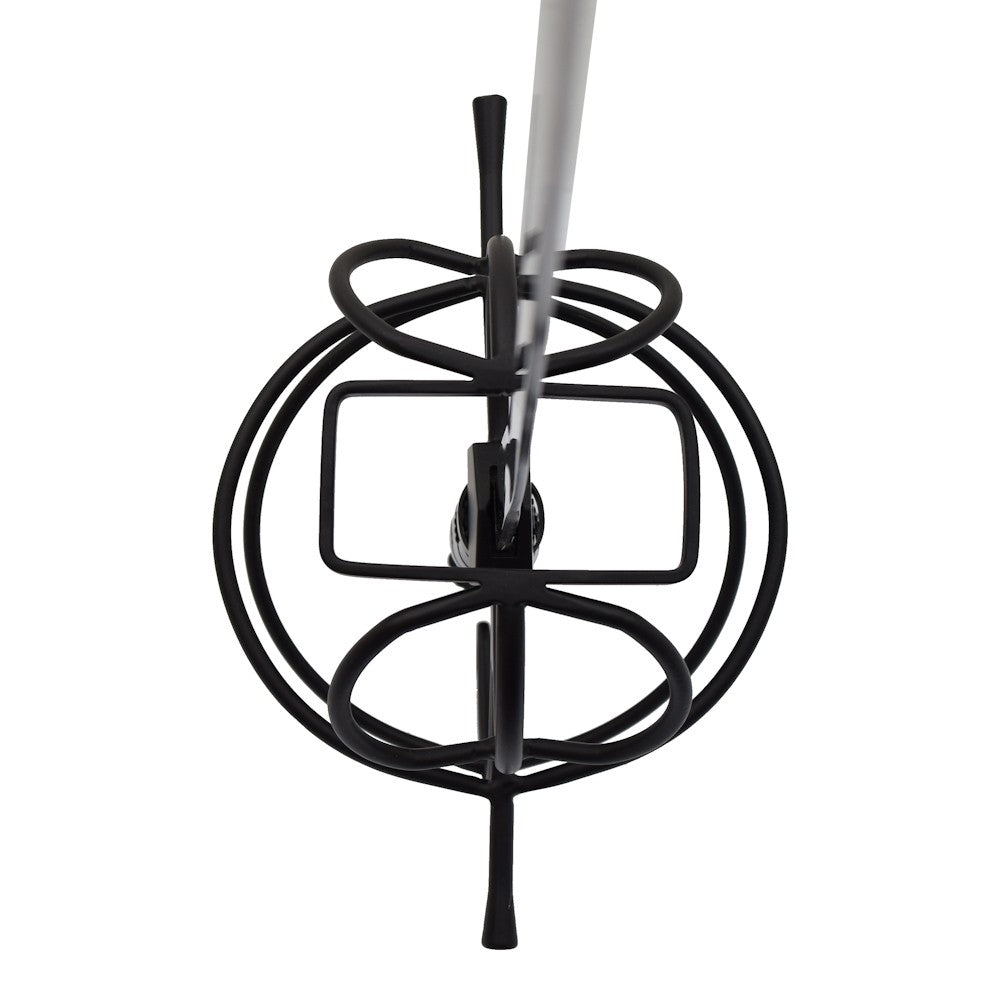
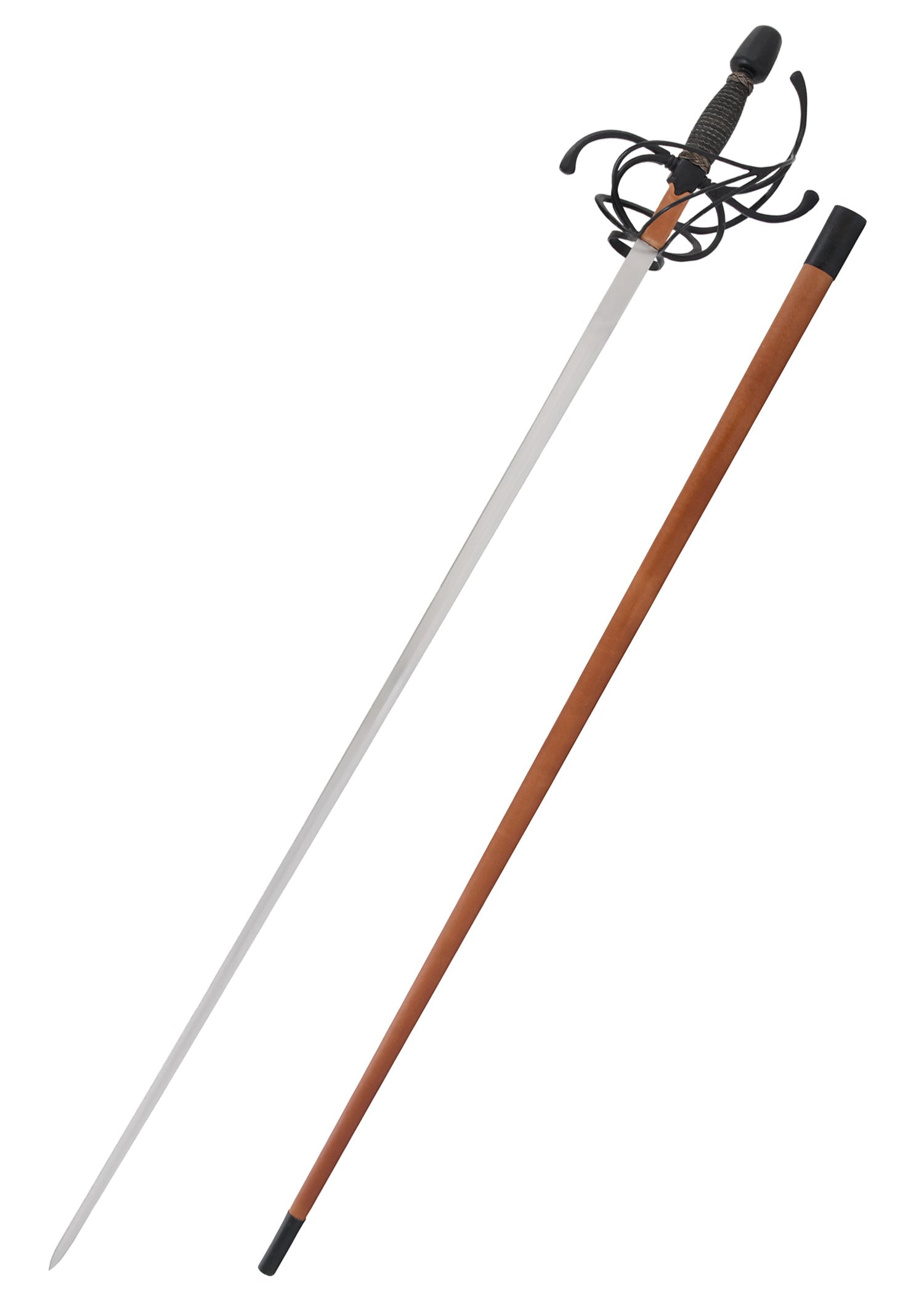
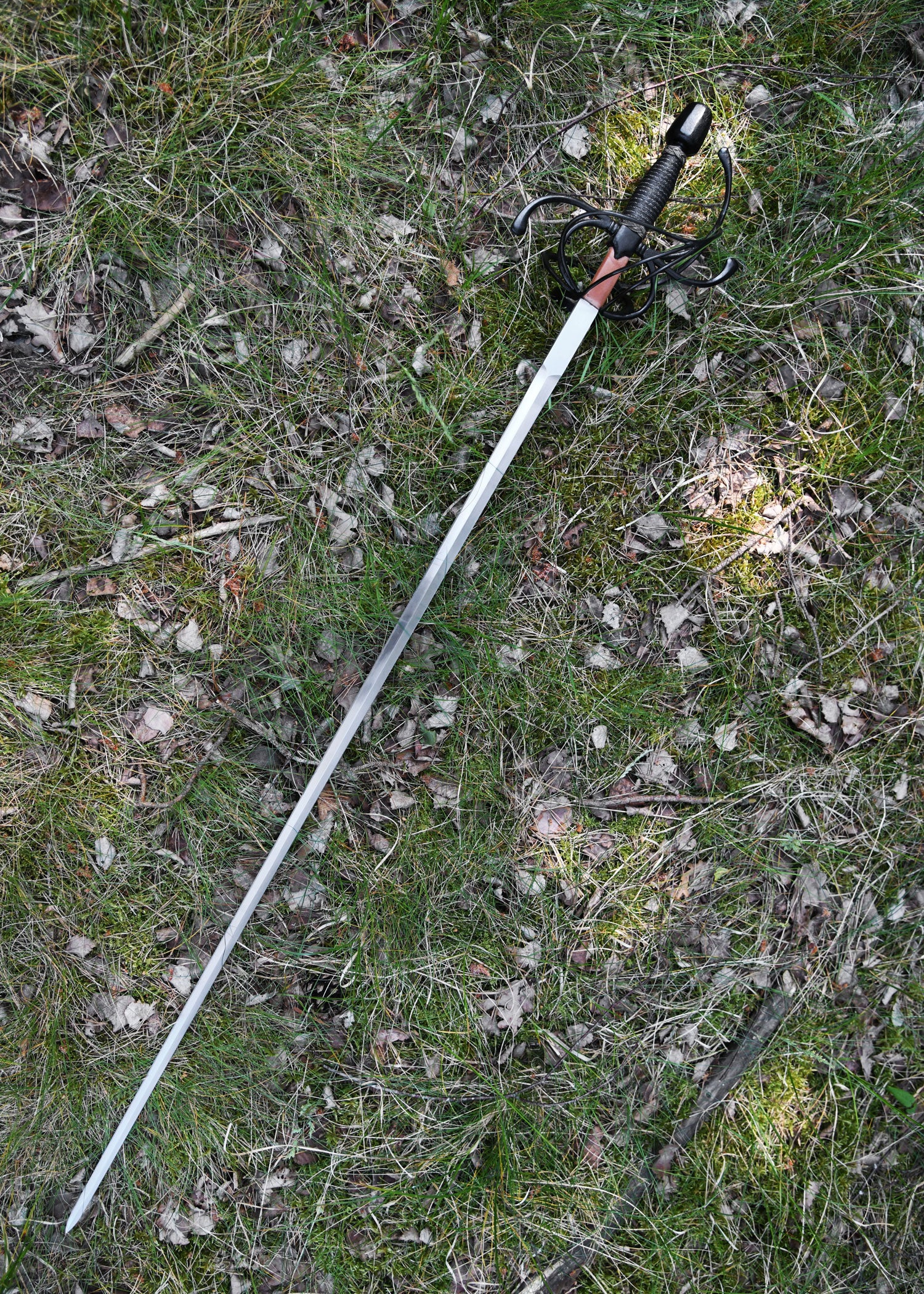
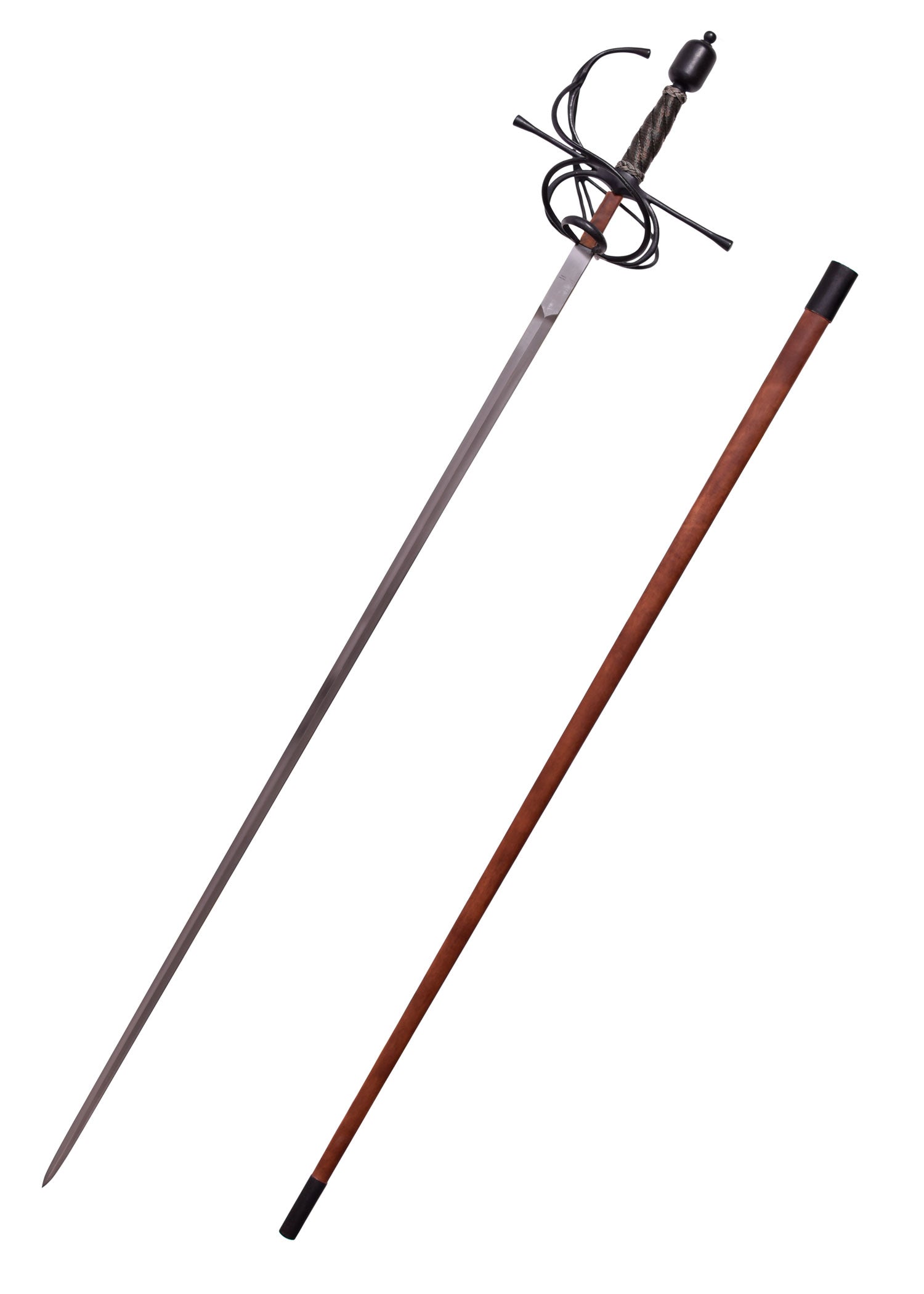
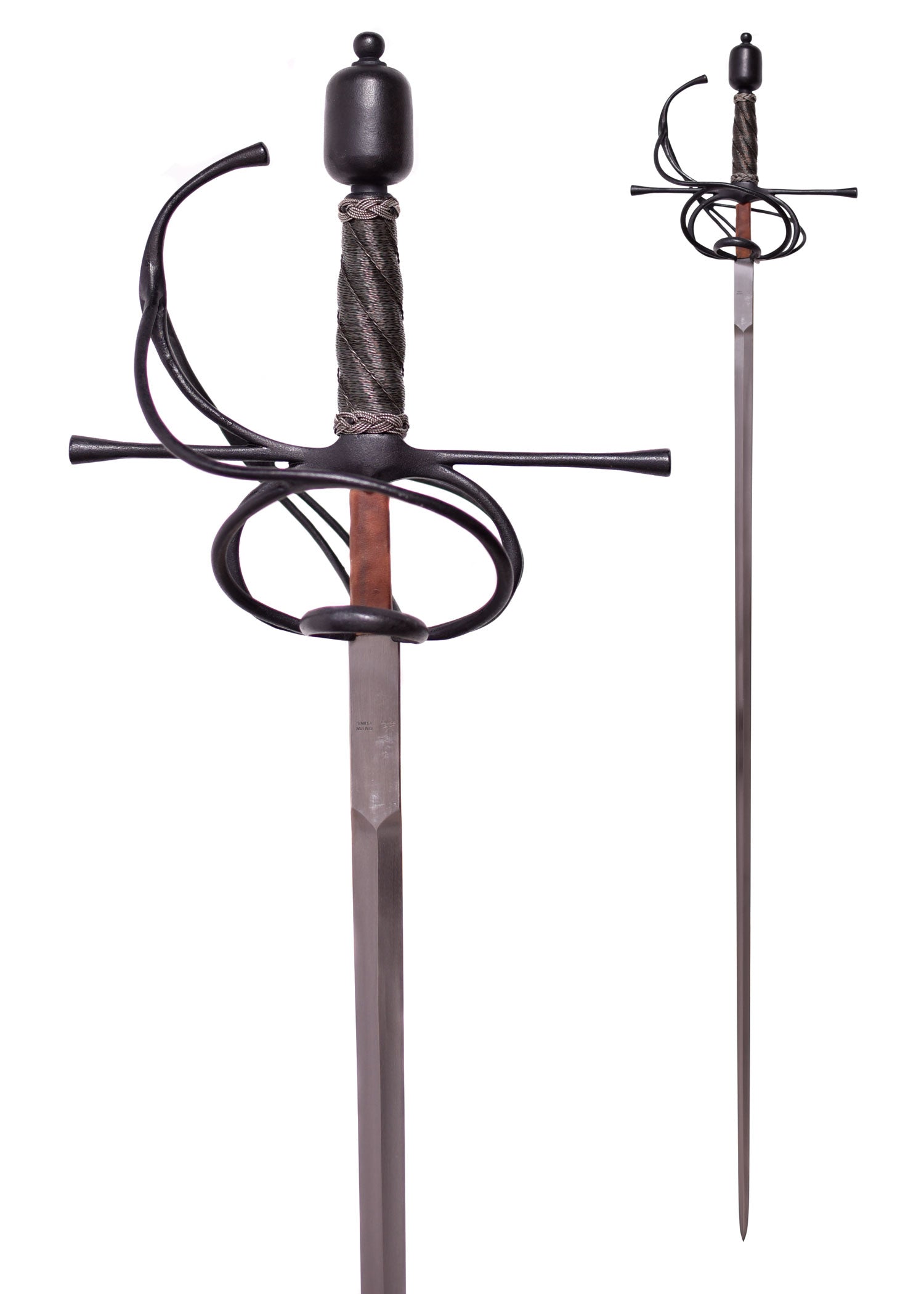
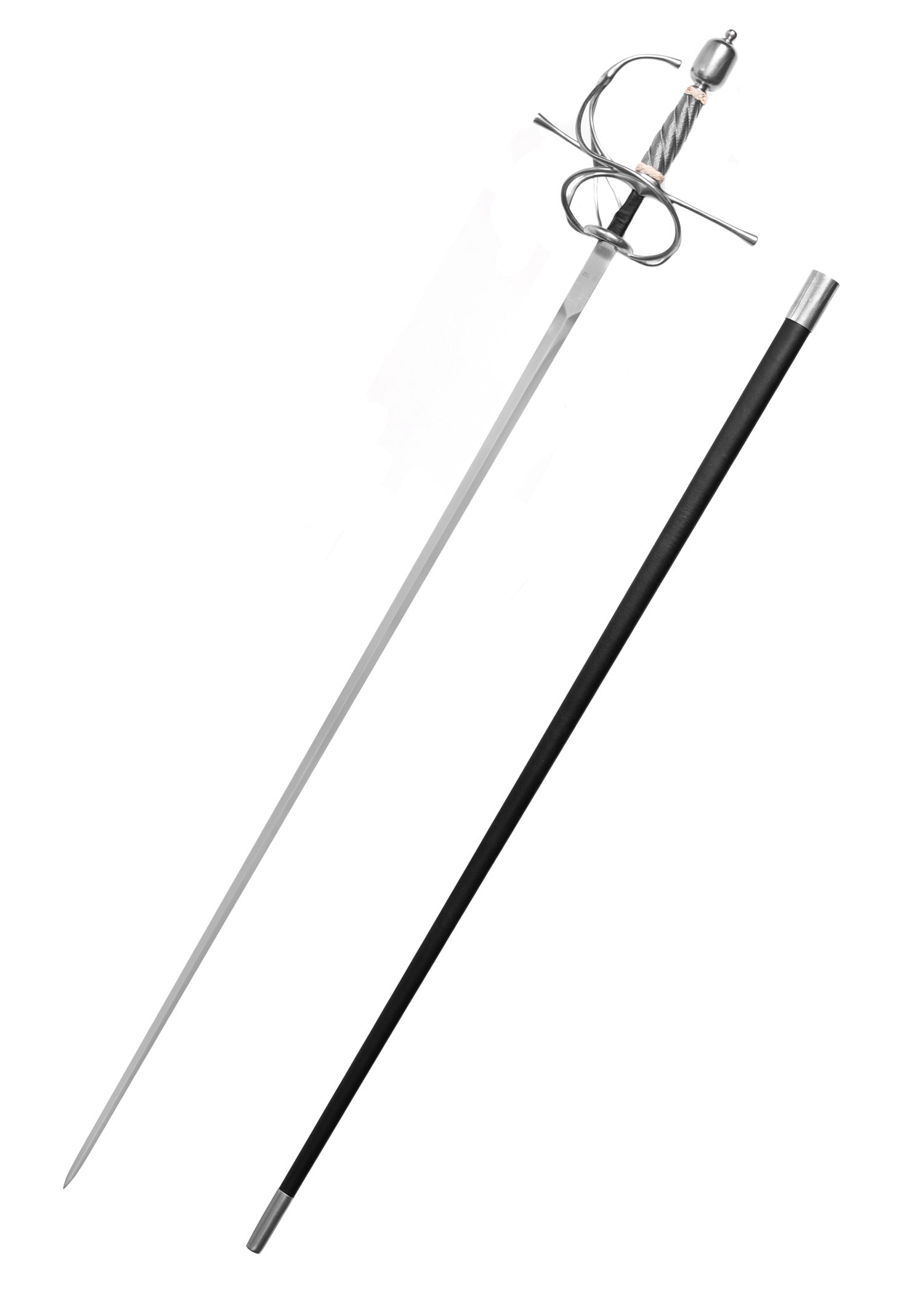
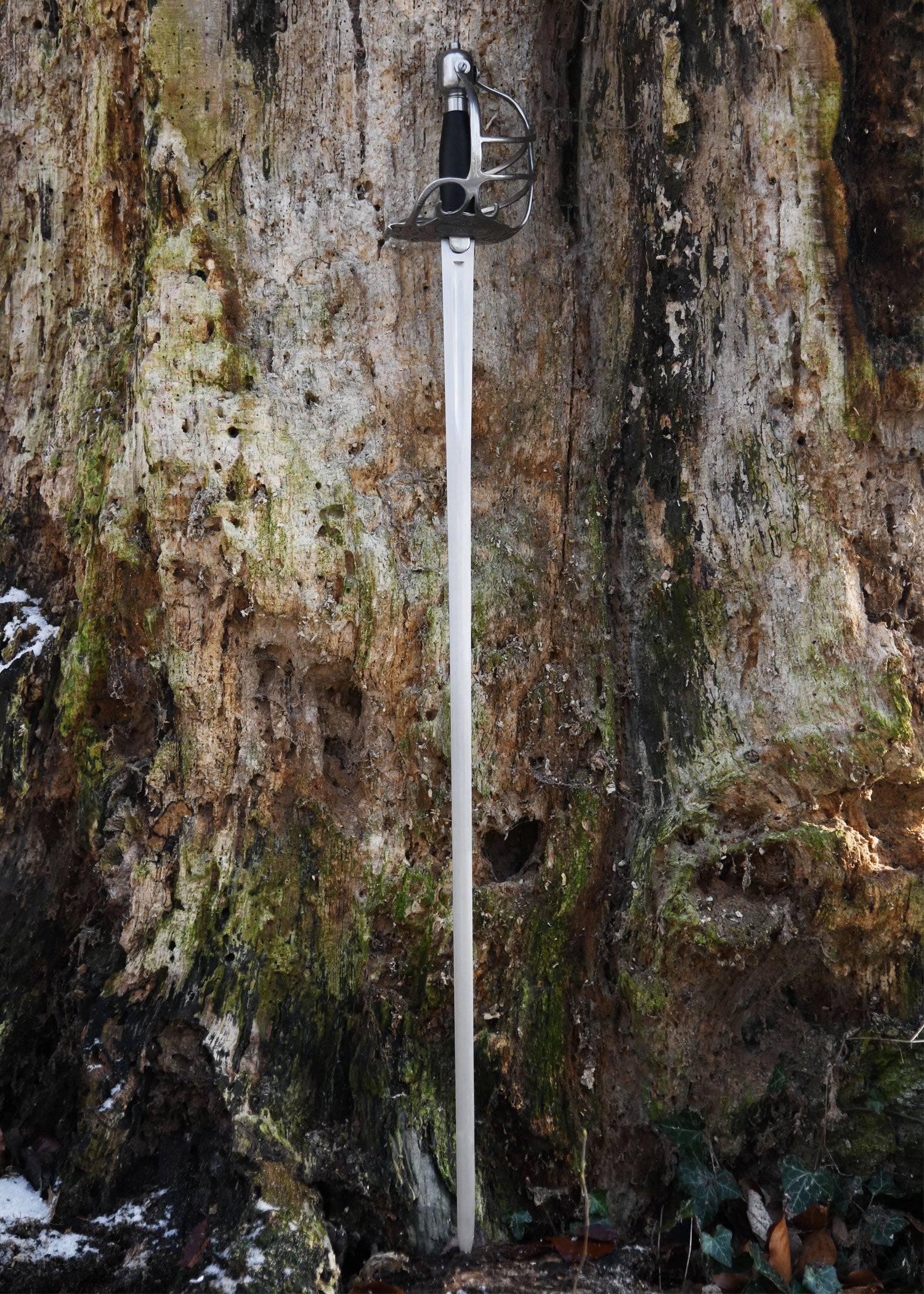
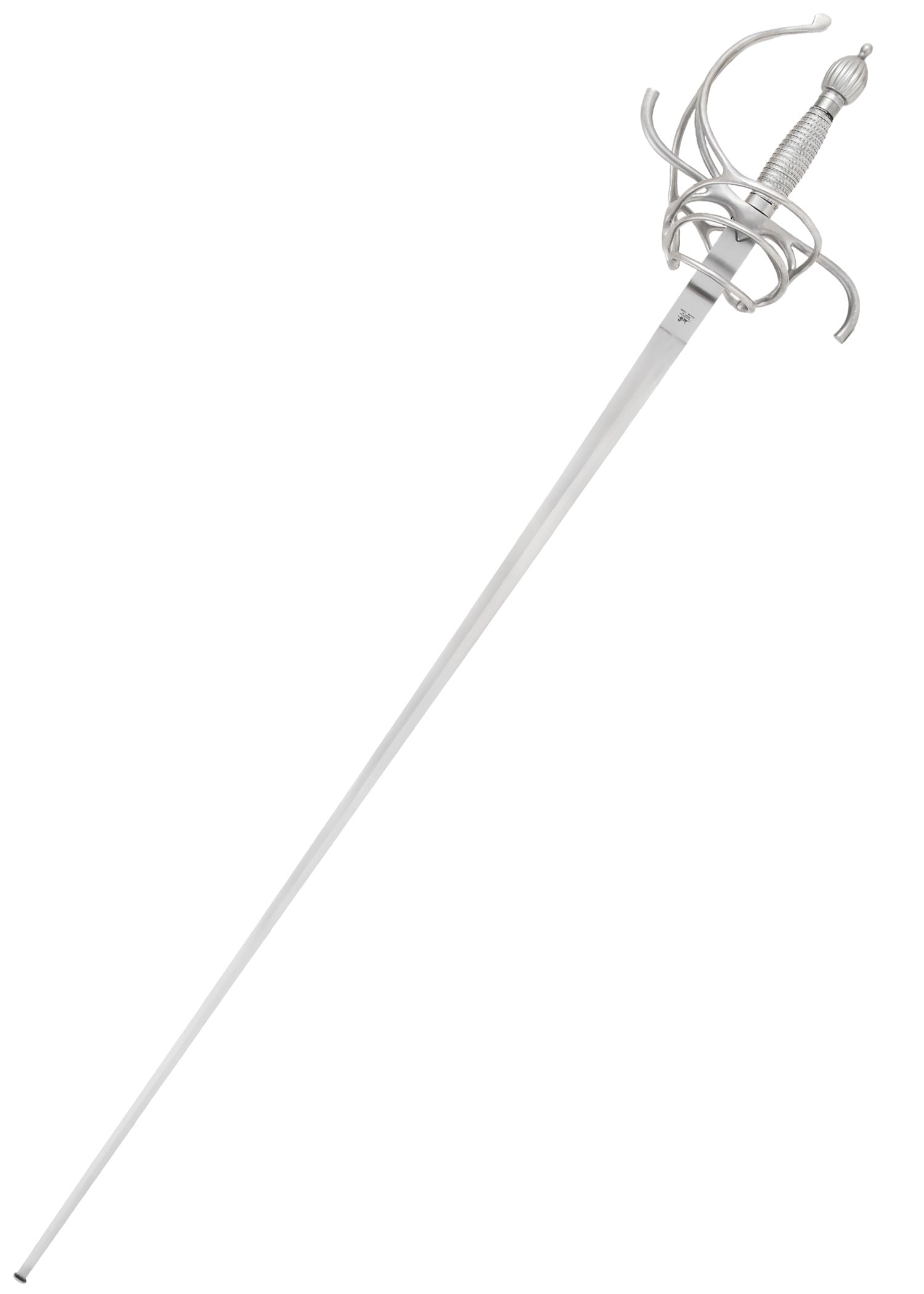
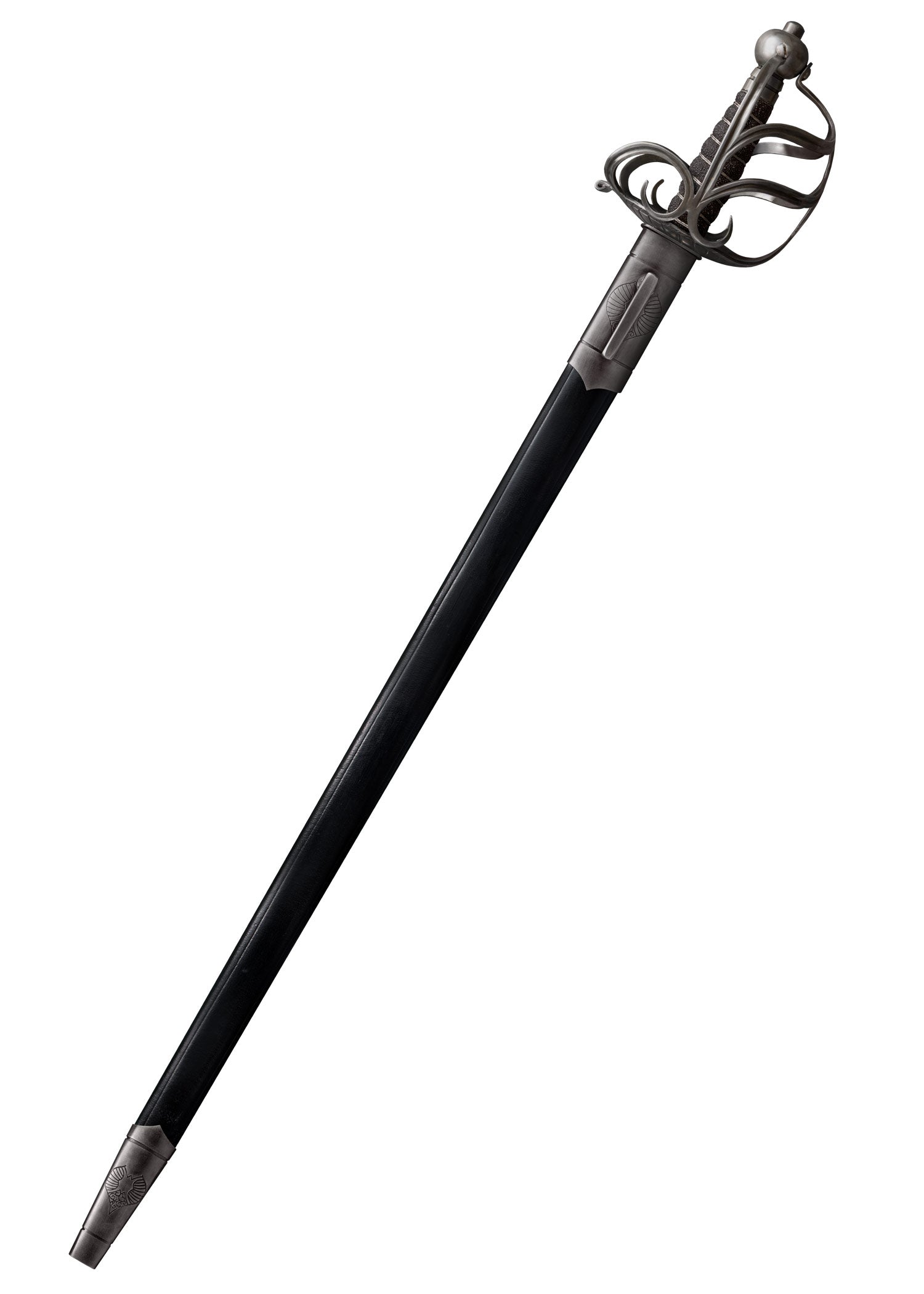
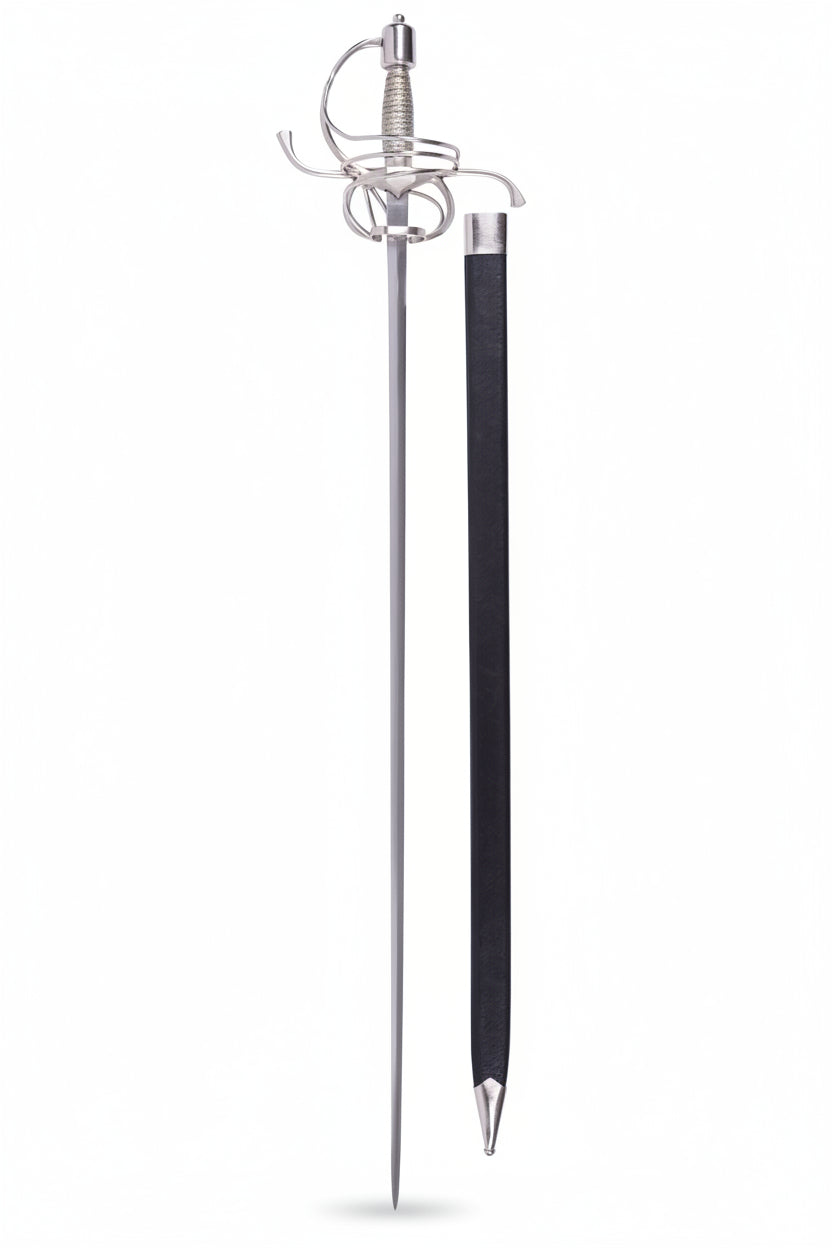
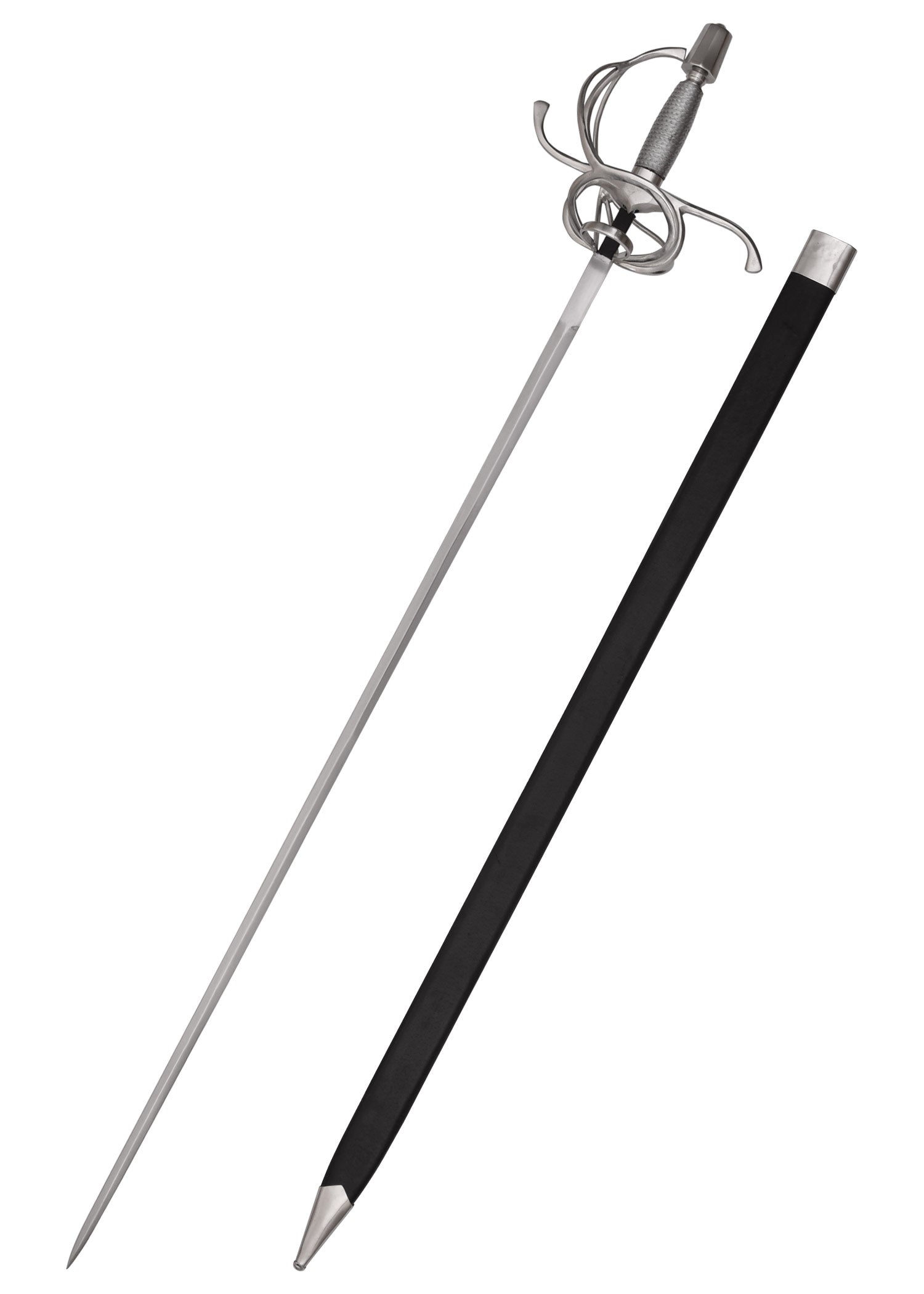
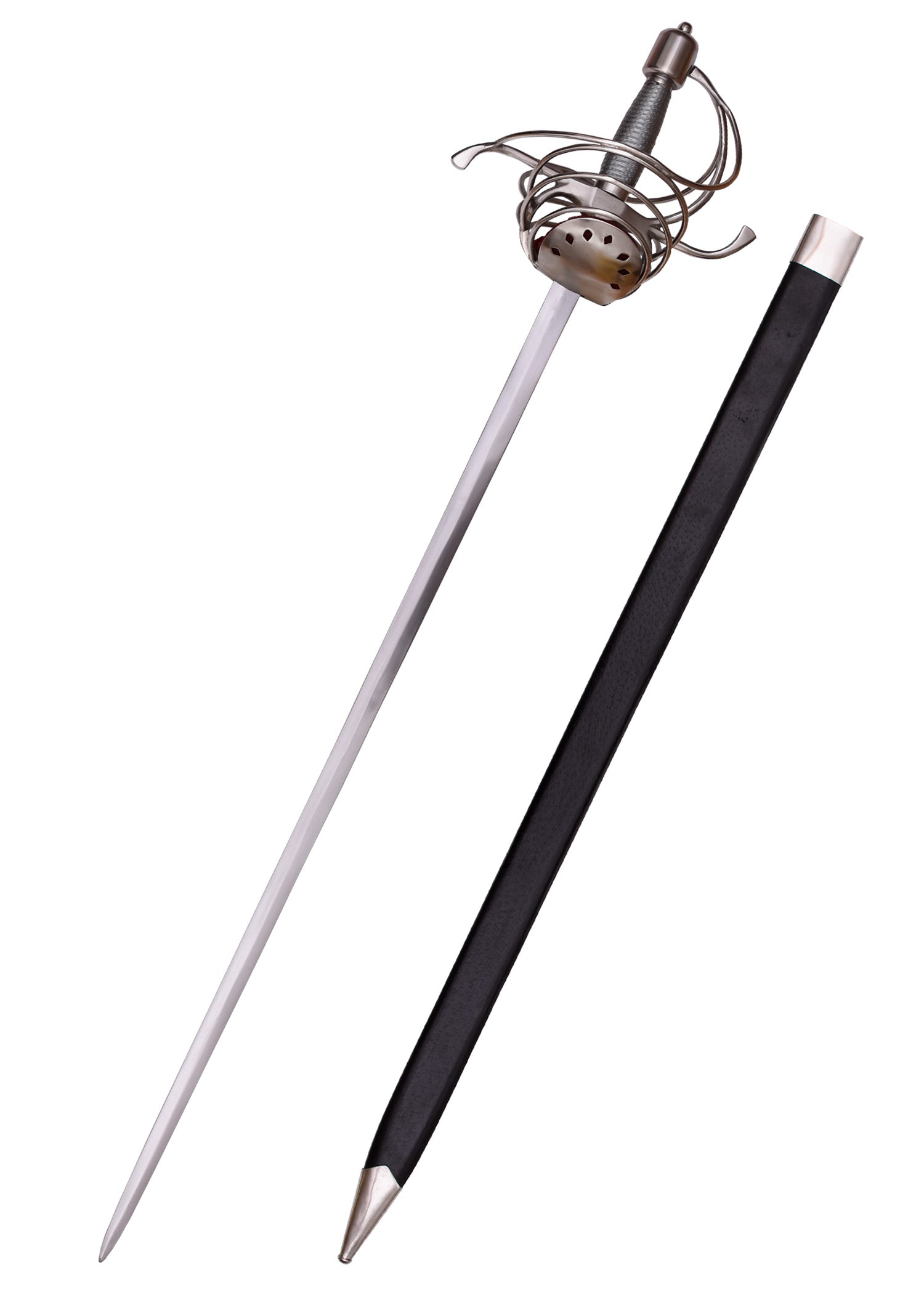
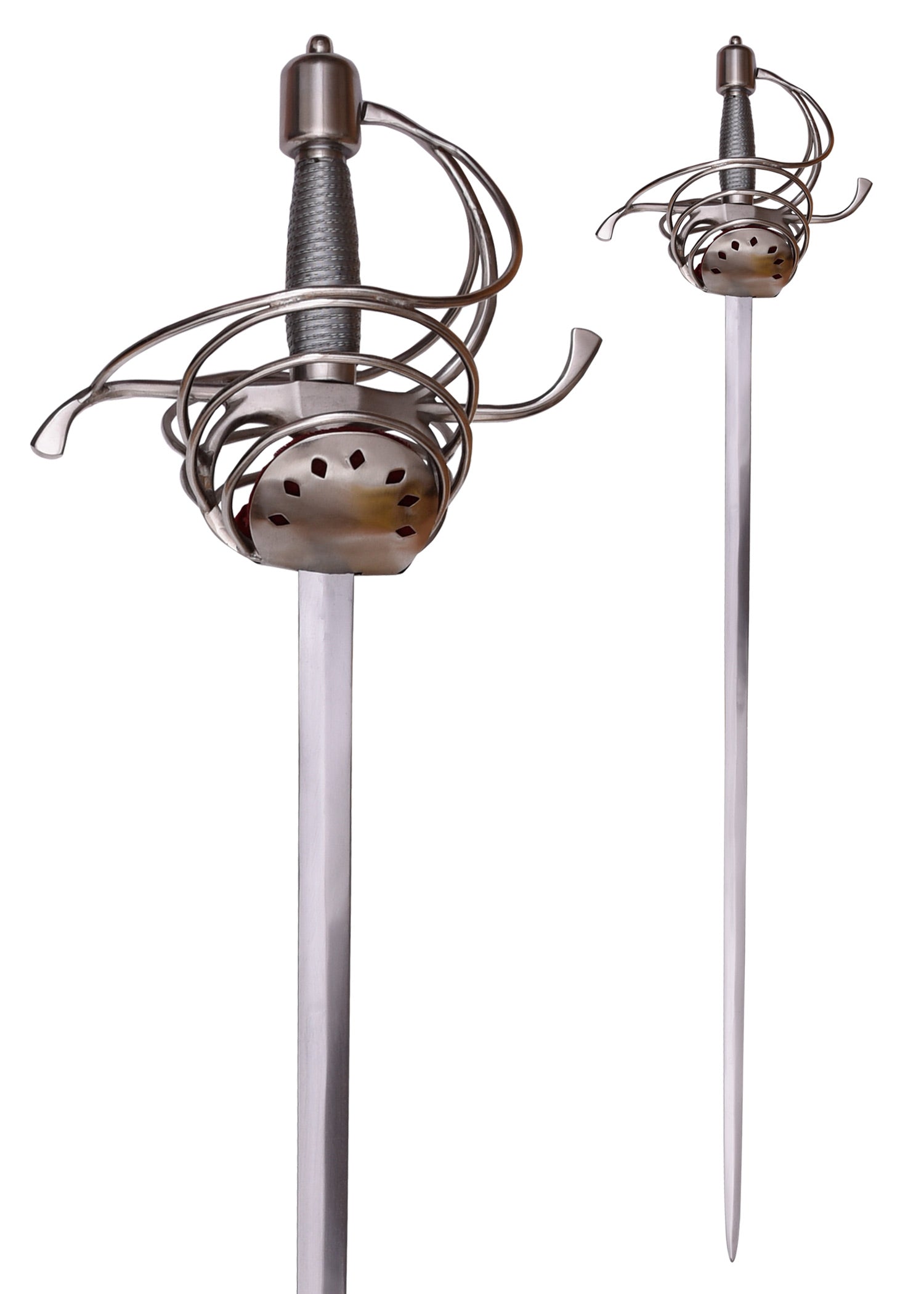
Renaissance-inspired lace-hilt roperer swords
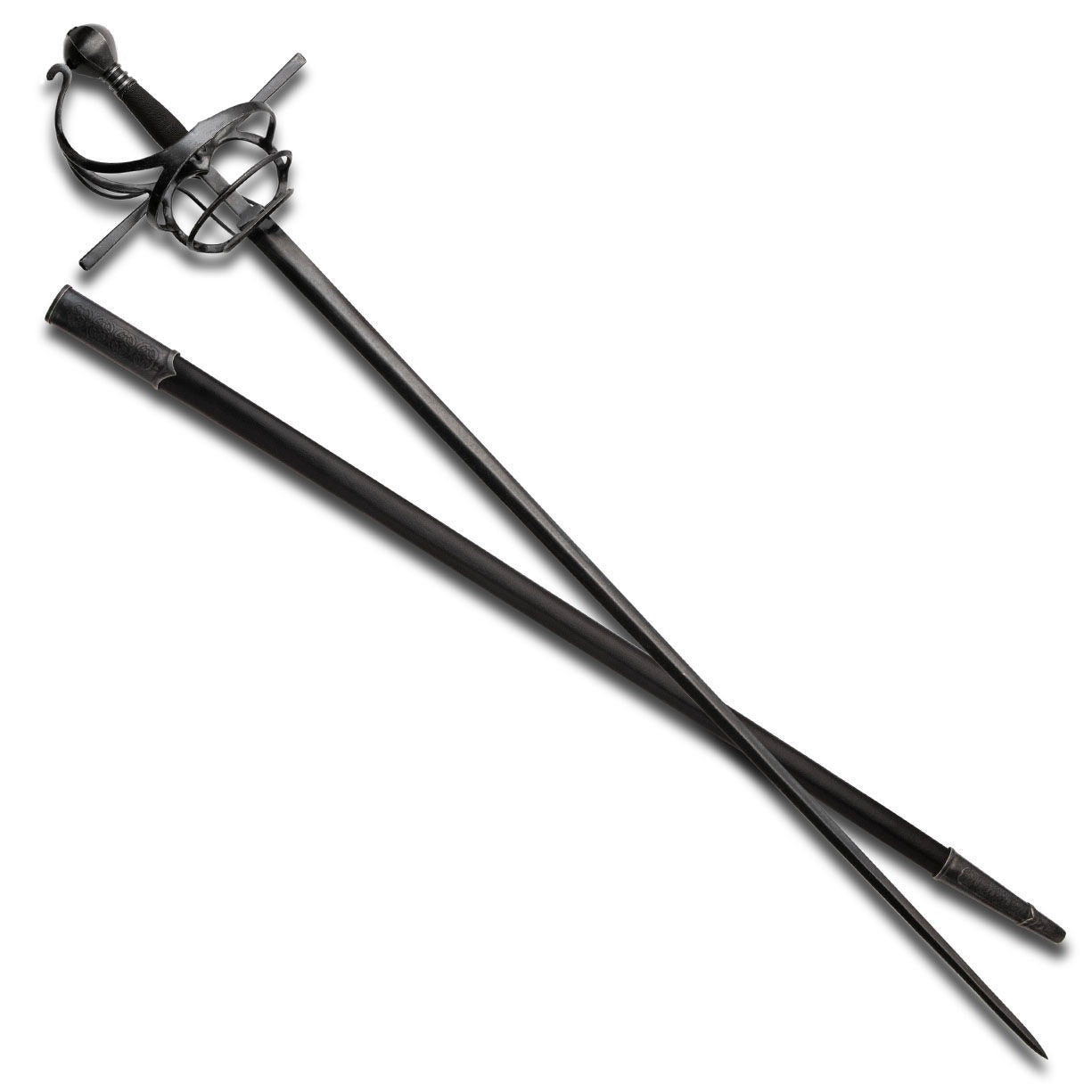
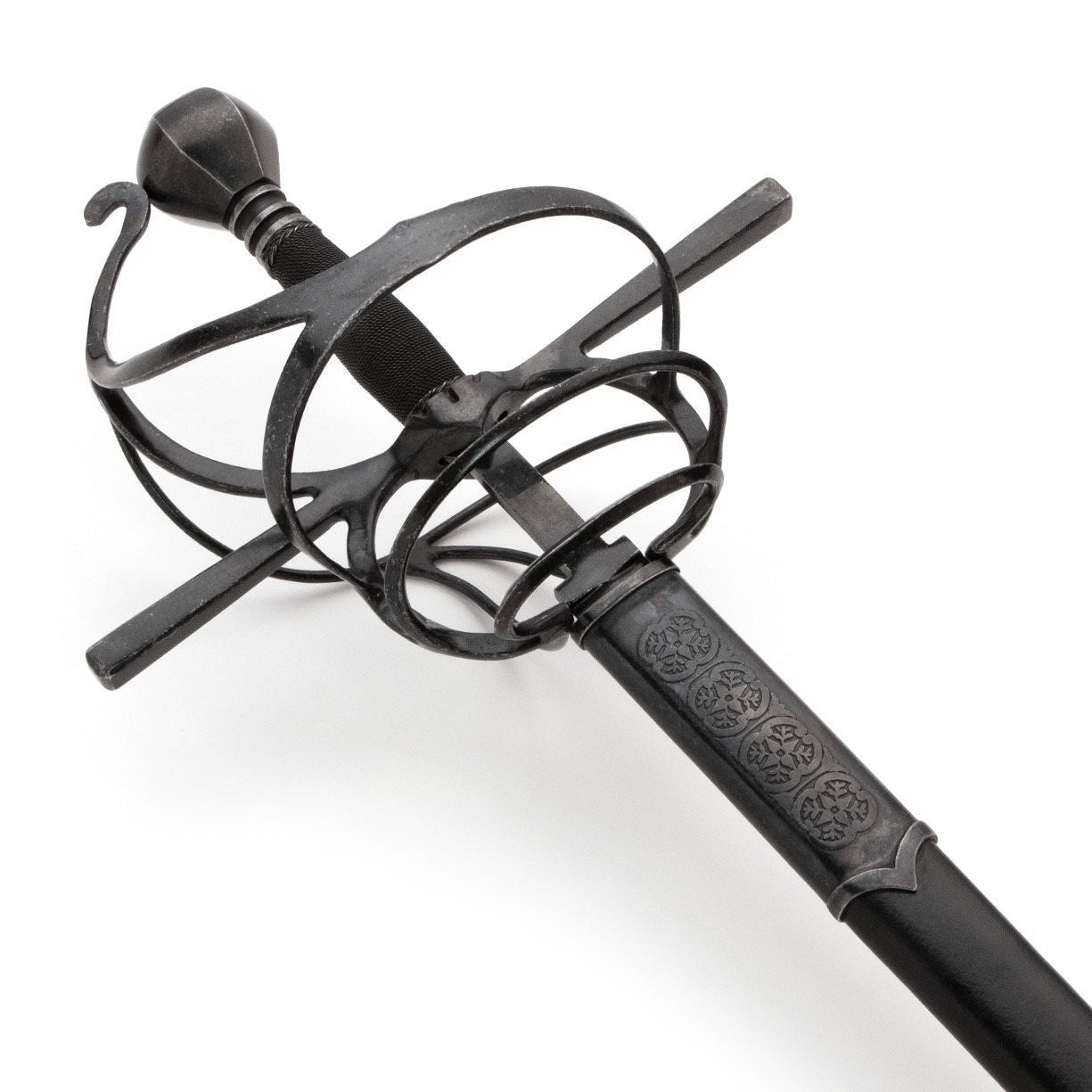
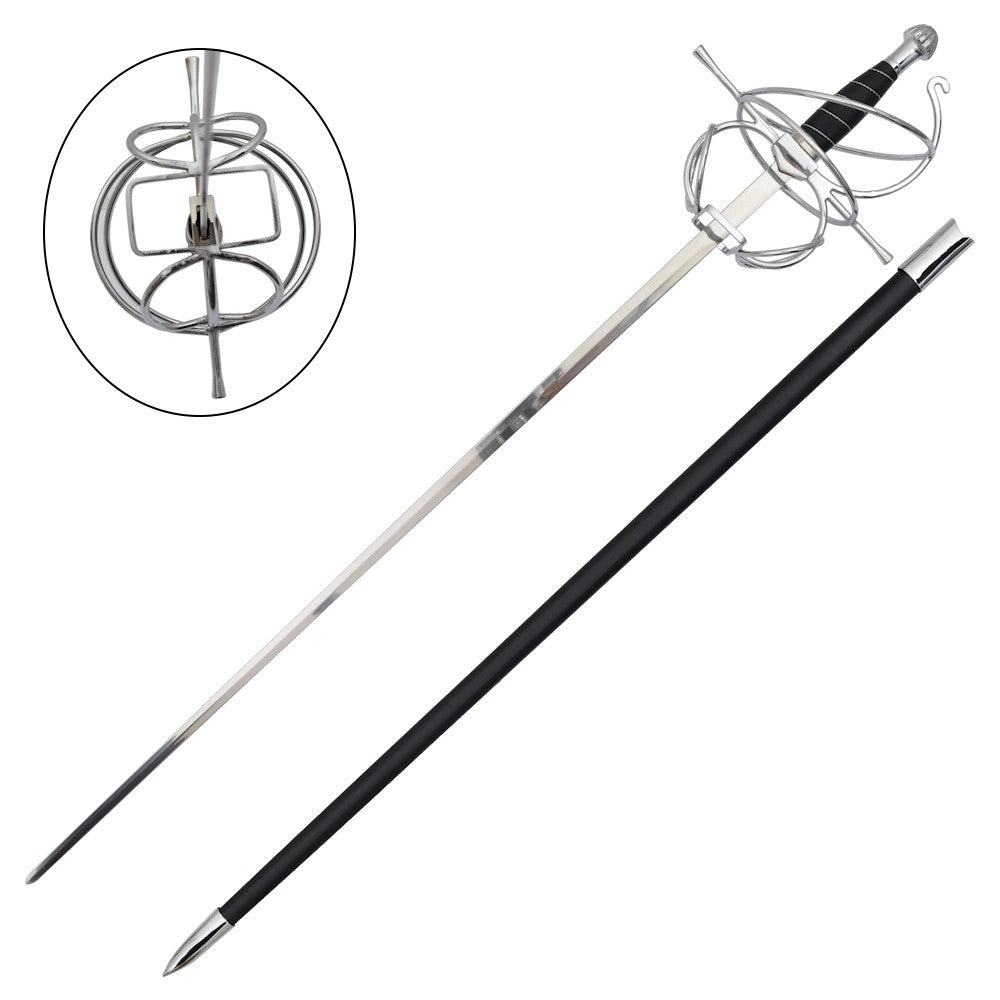
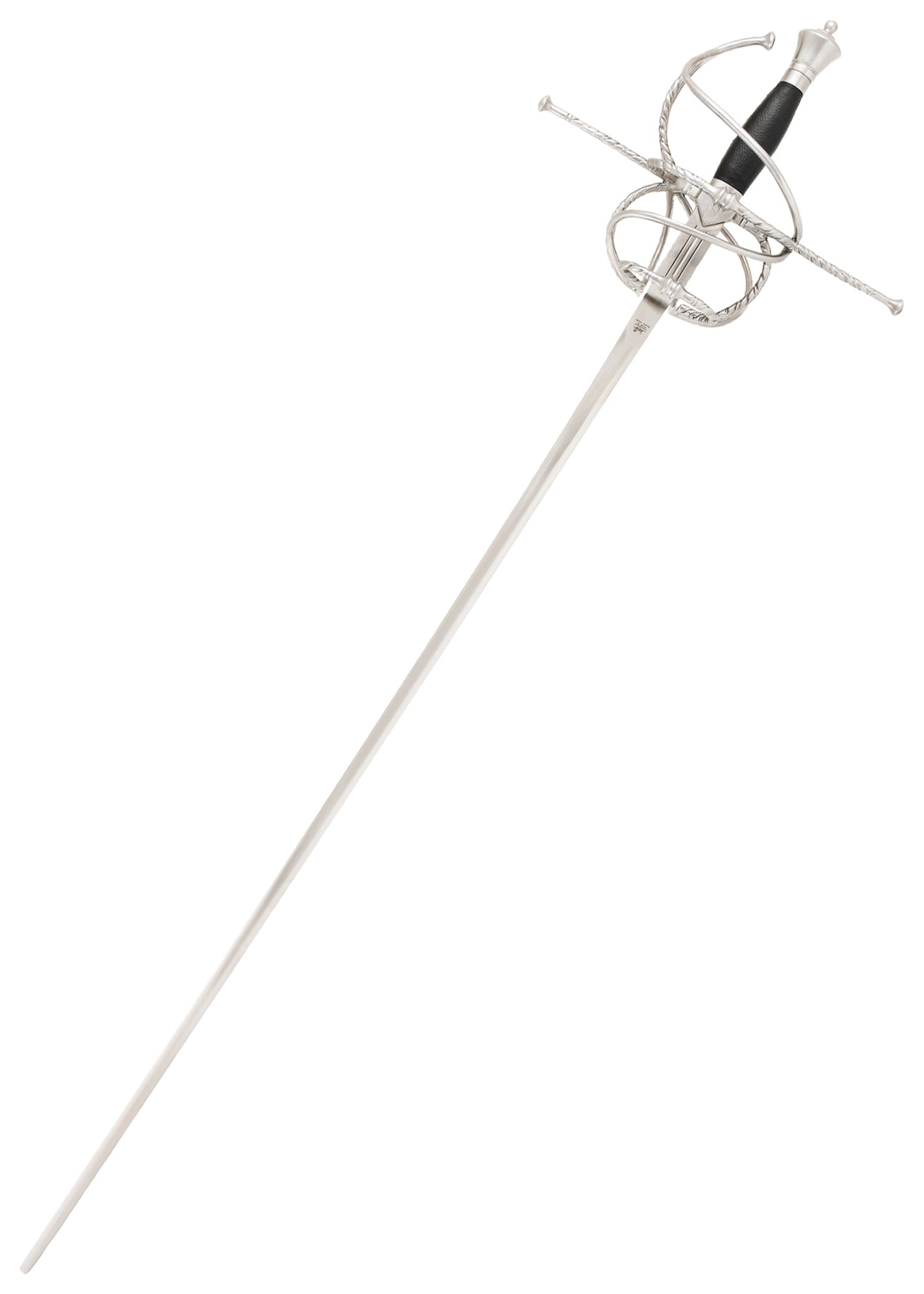
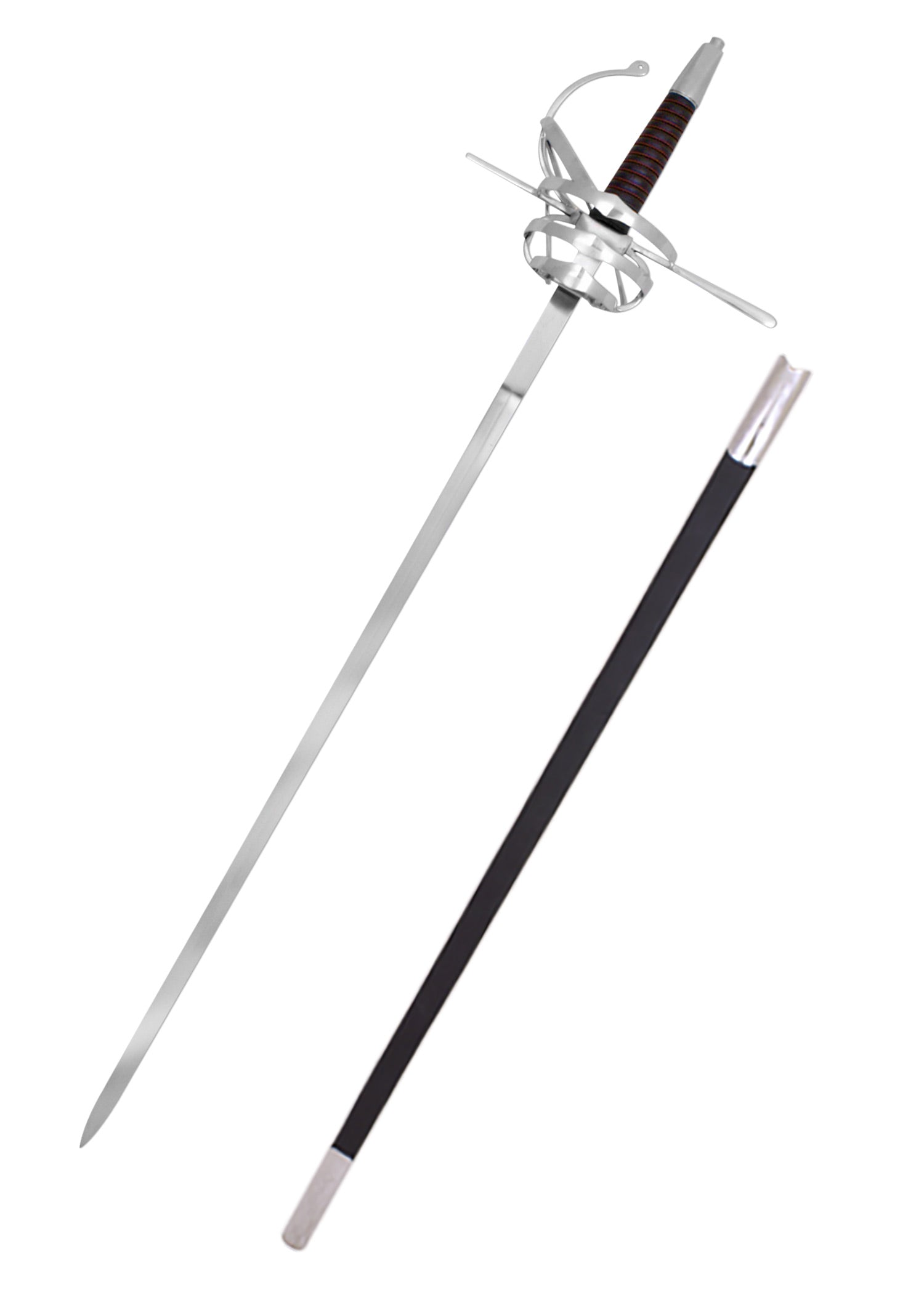
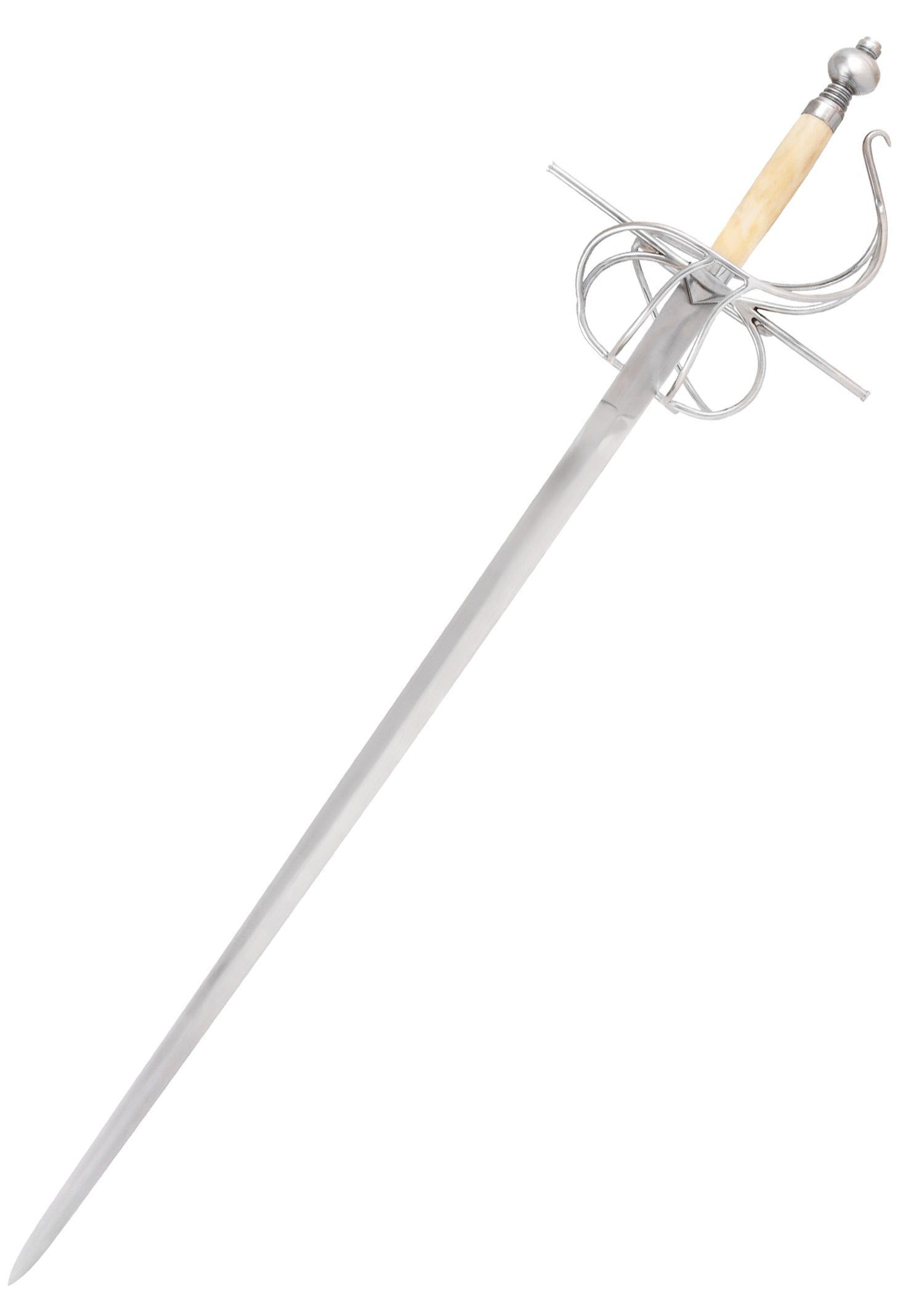
The lace hilt combines rings, branches, and metal arches around the handle. It is characteristic of numerous roperer swords from the 16th and early 17th centuries, so it fits into late Renaissance and early Baroque settings. Its designs range from relatively open structures to more complex latticework.
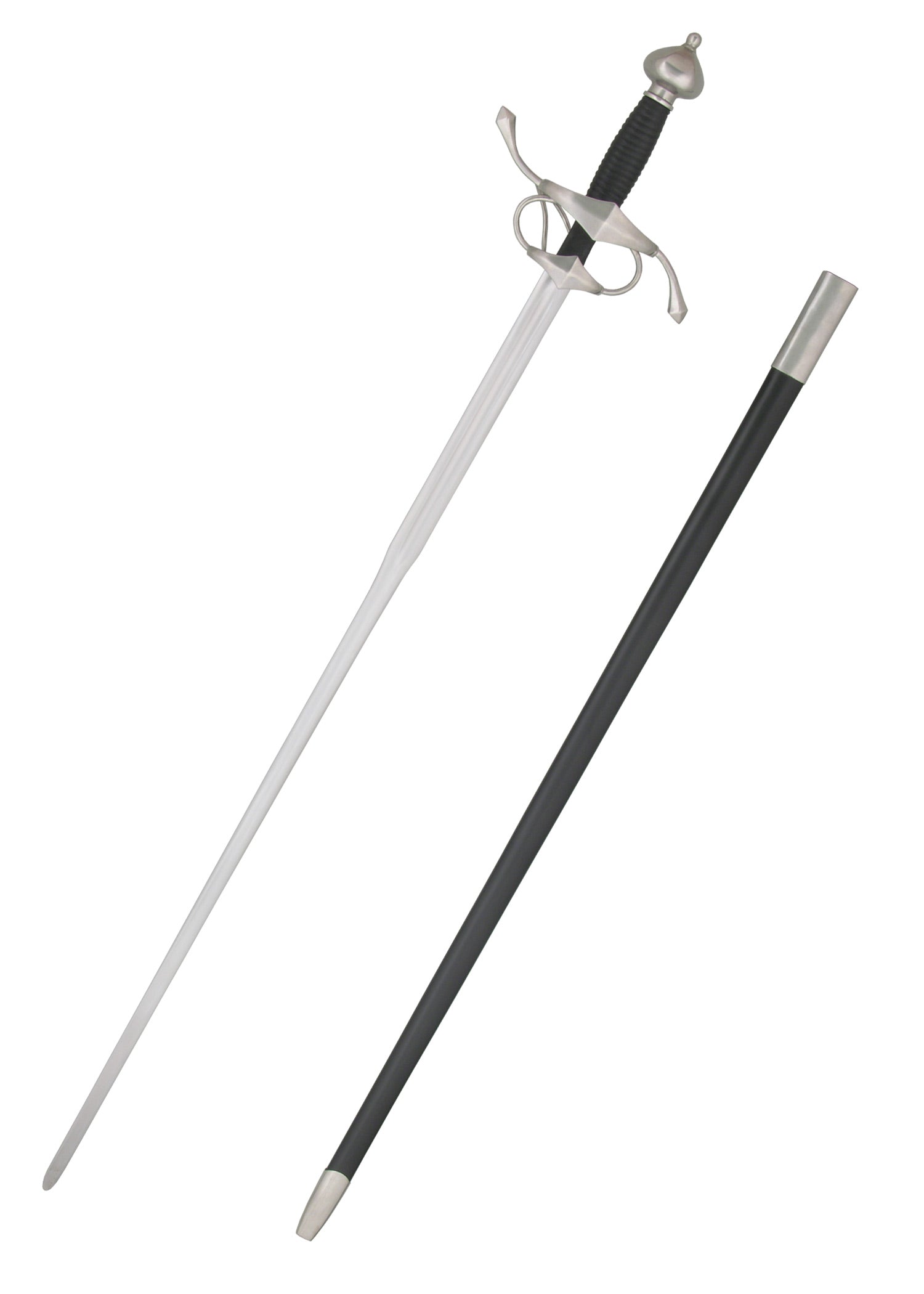
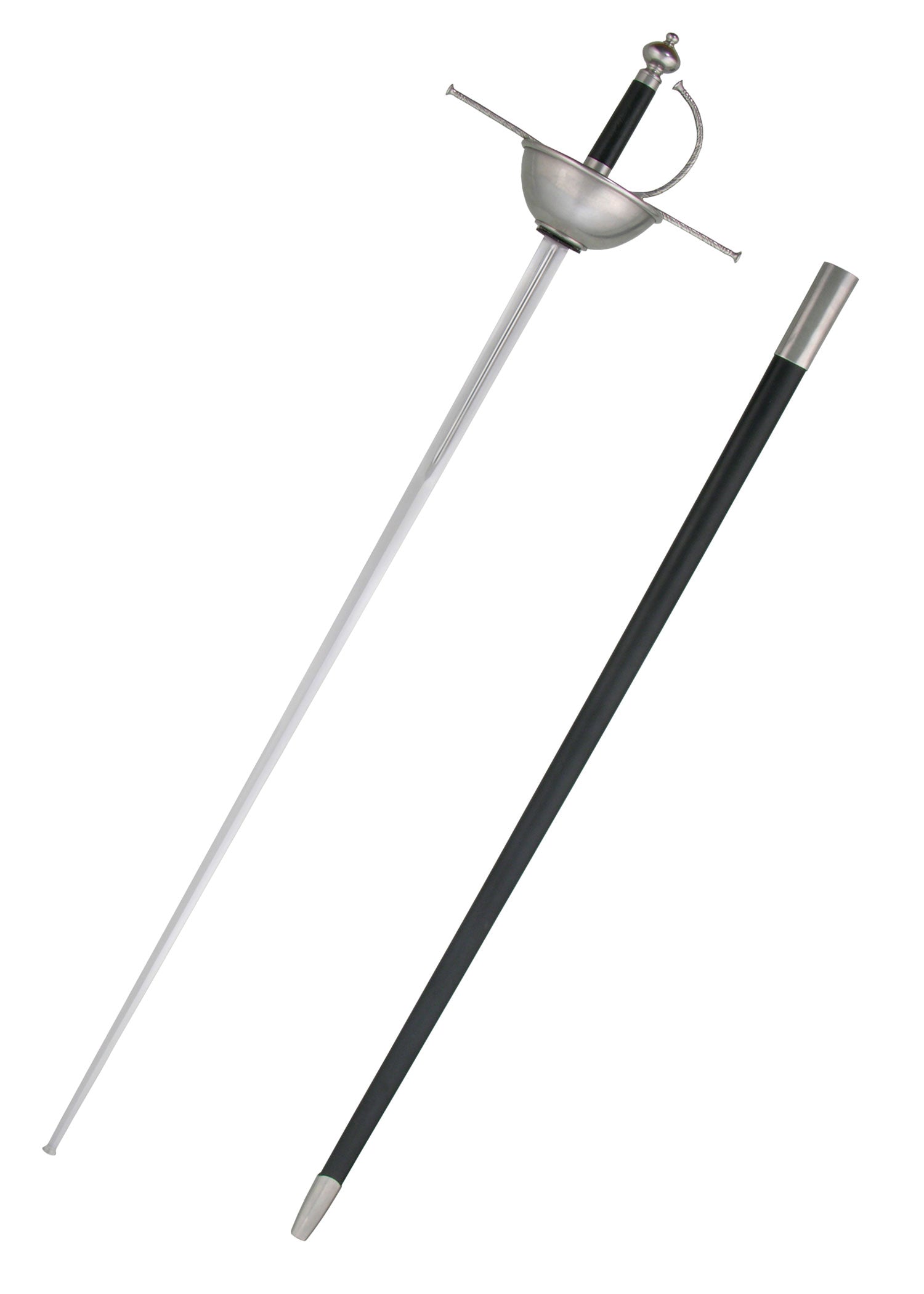
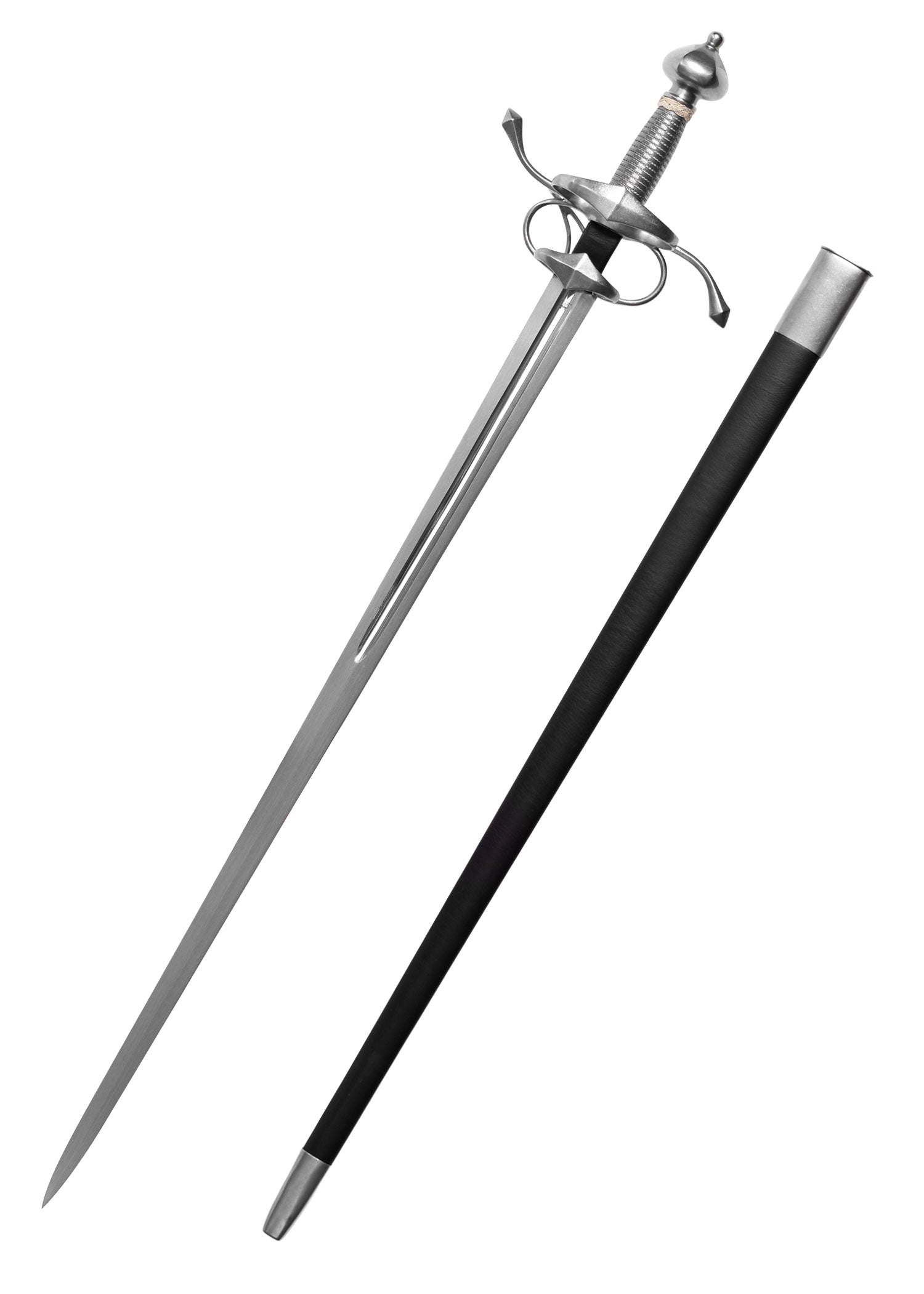
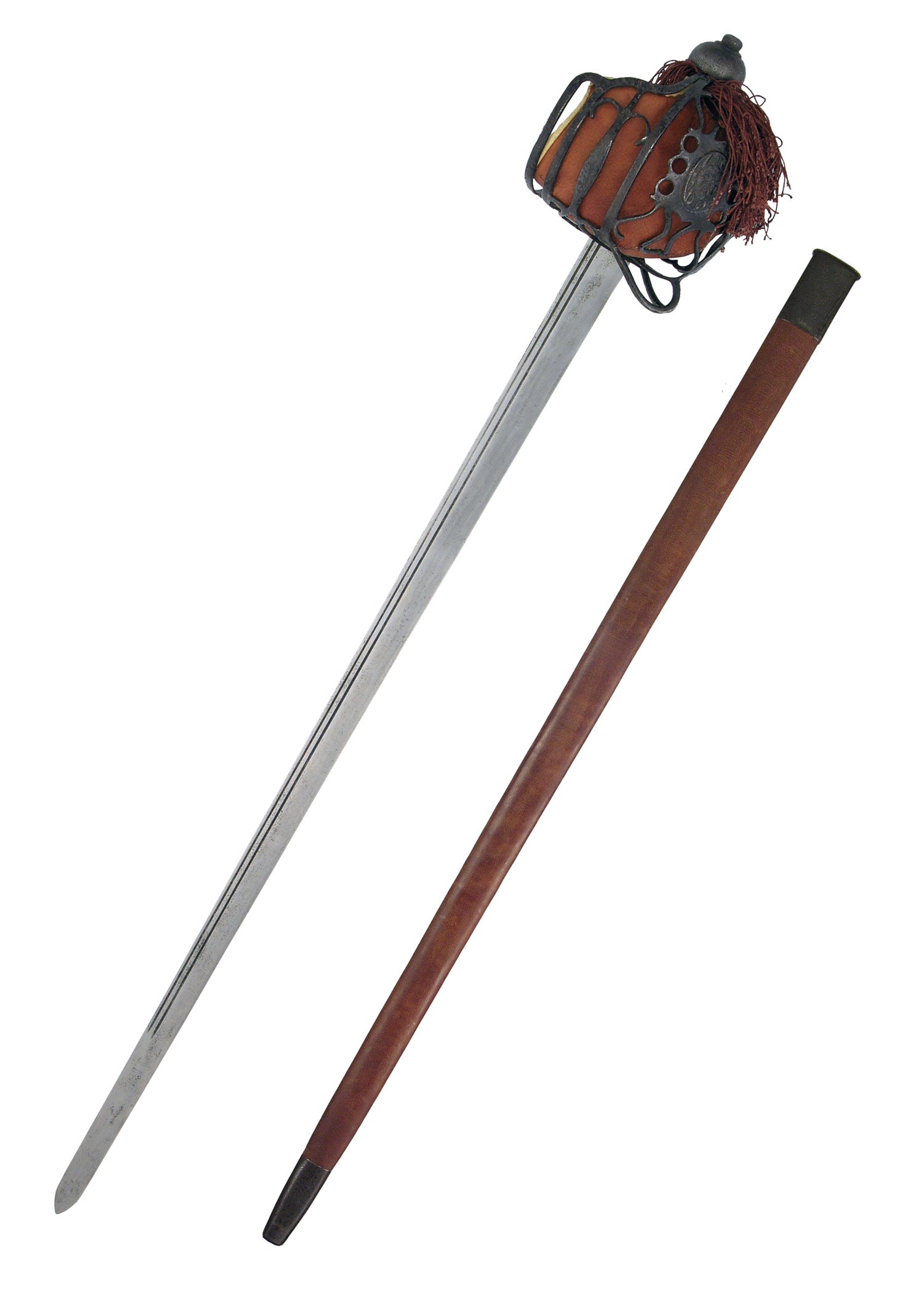
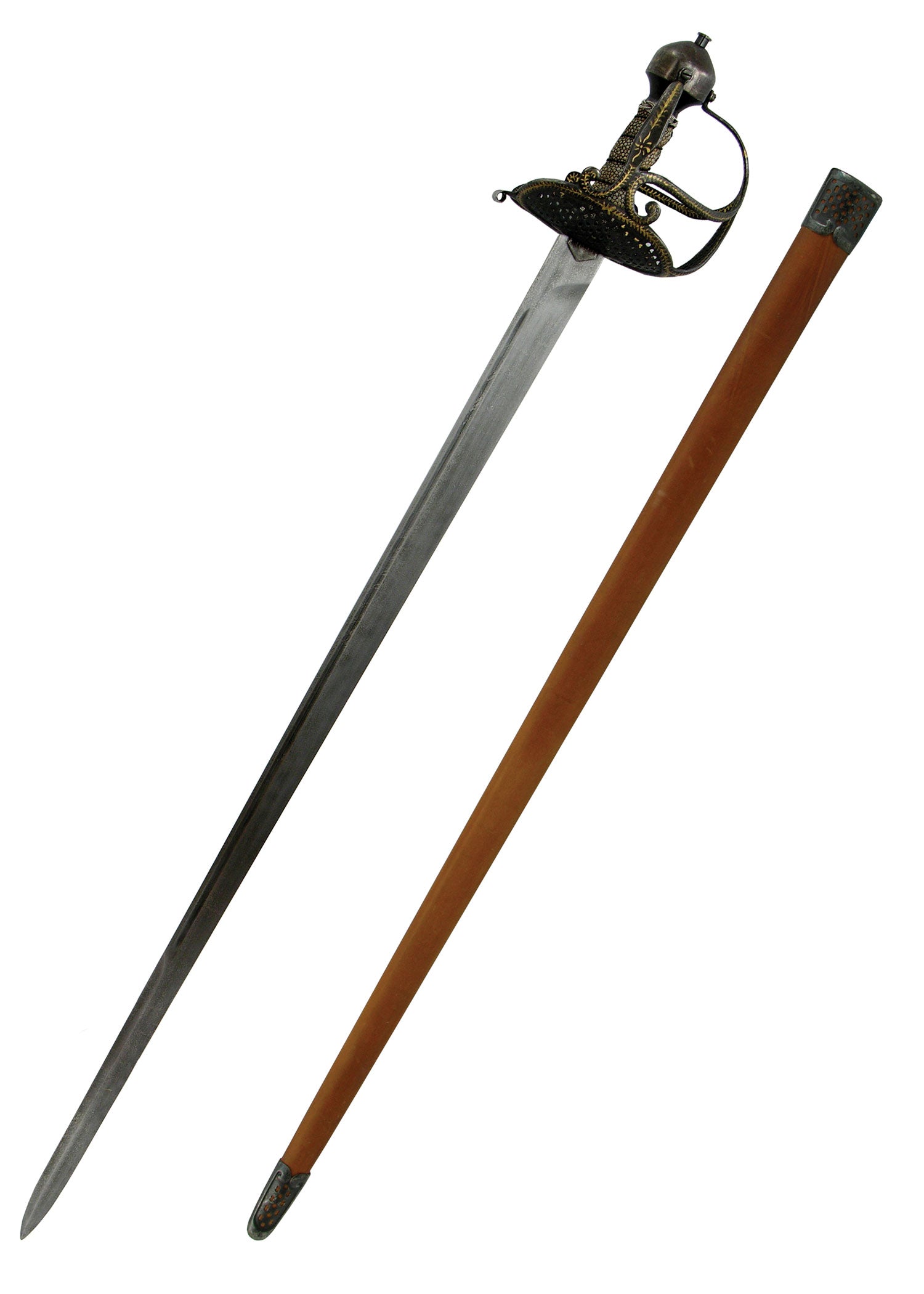
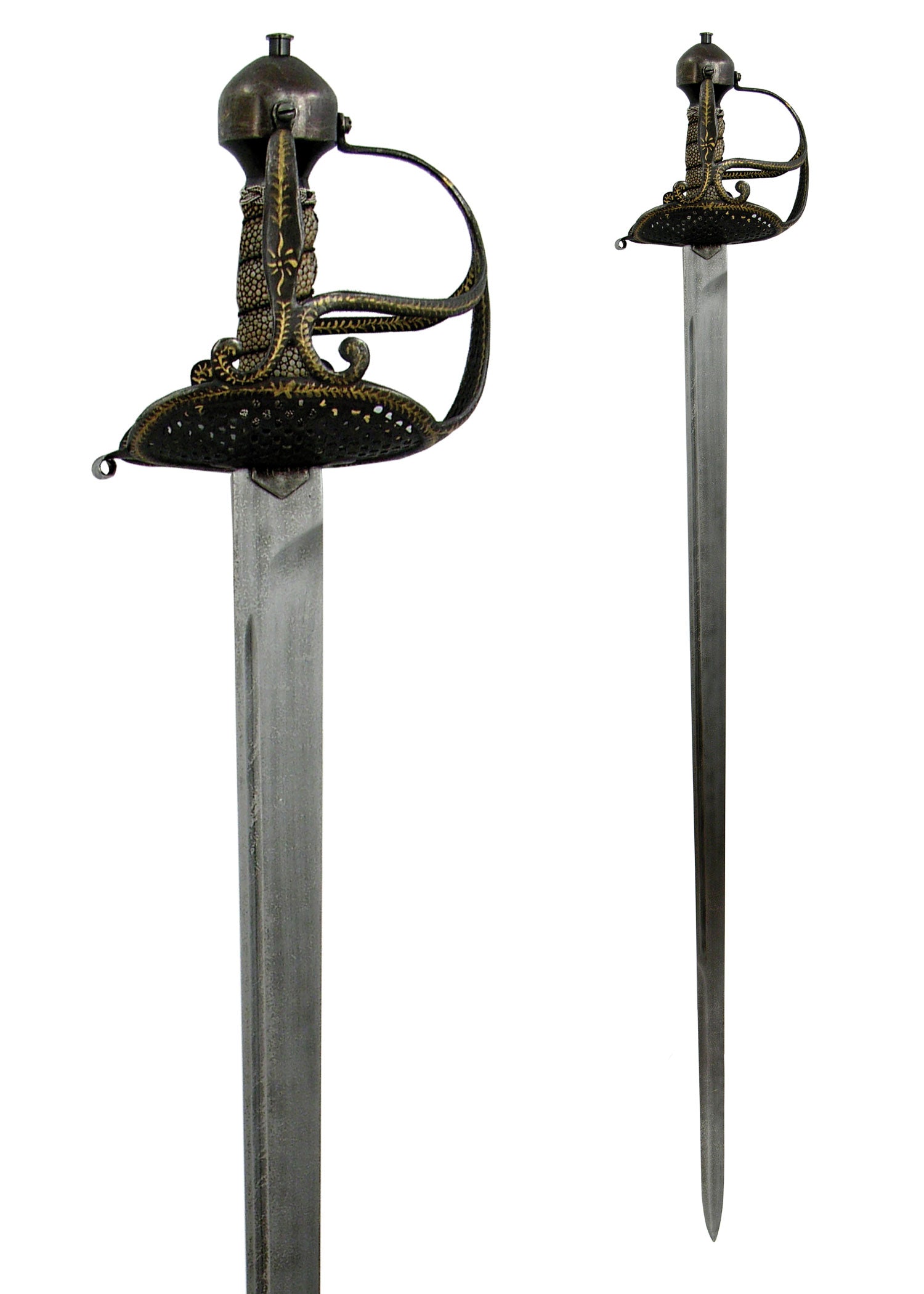
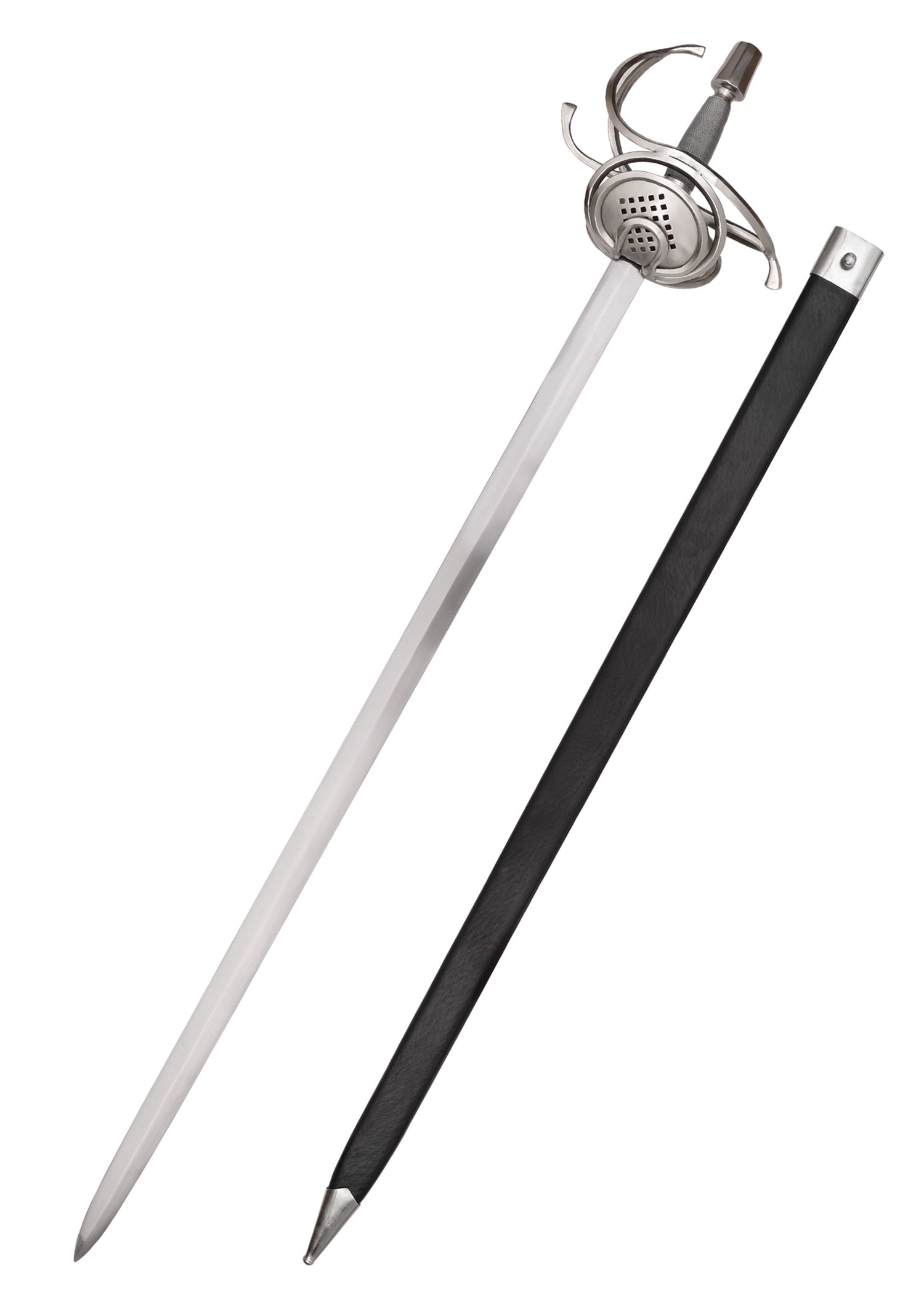
Cup-hilt and transitional roperer swords
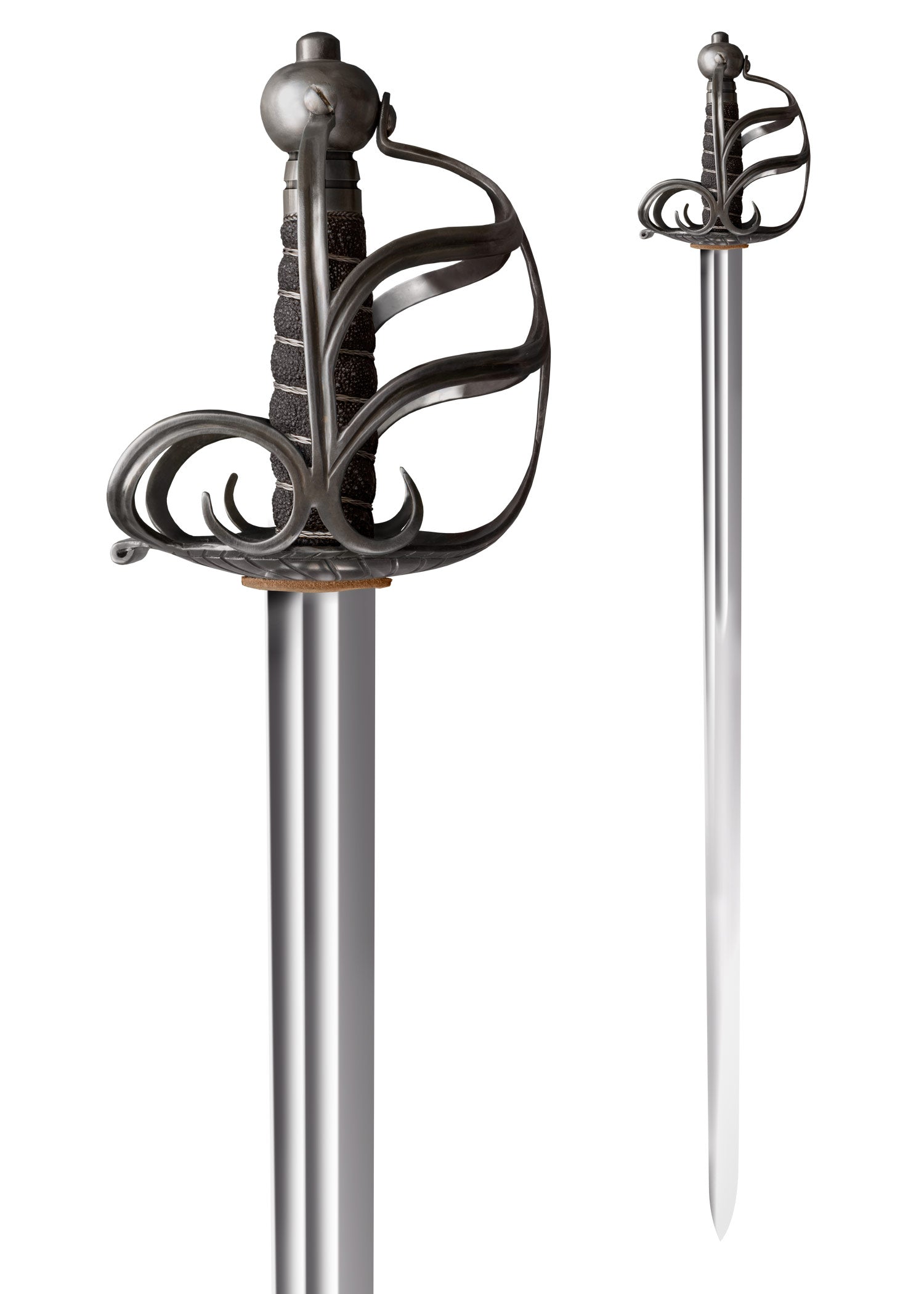
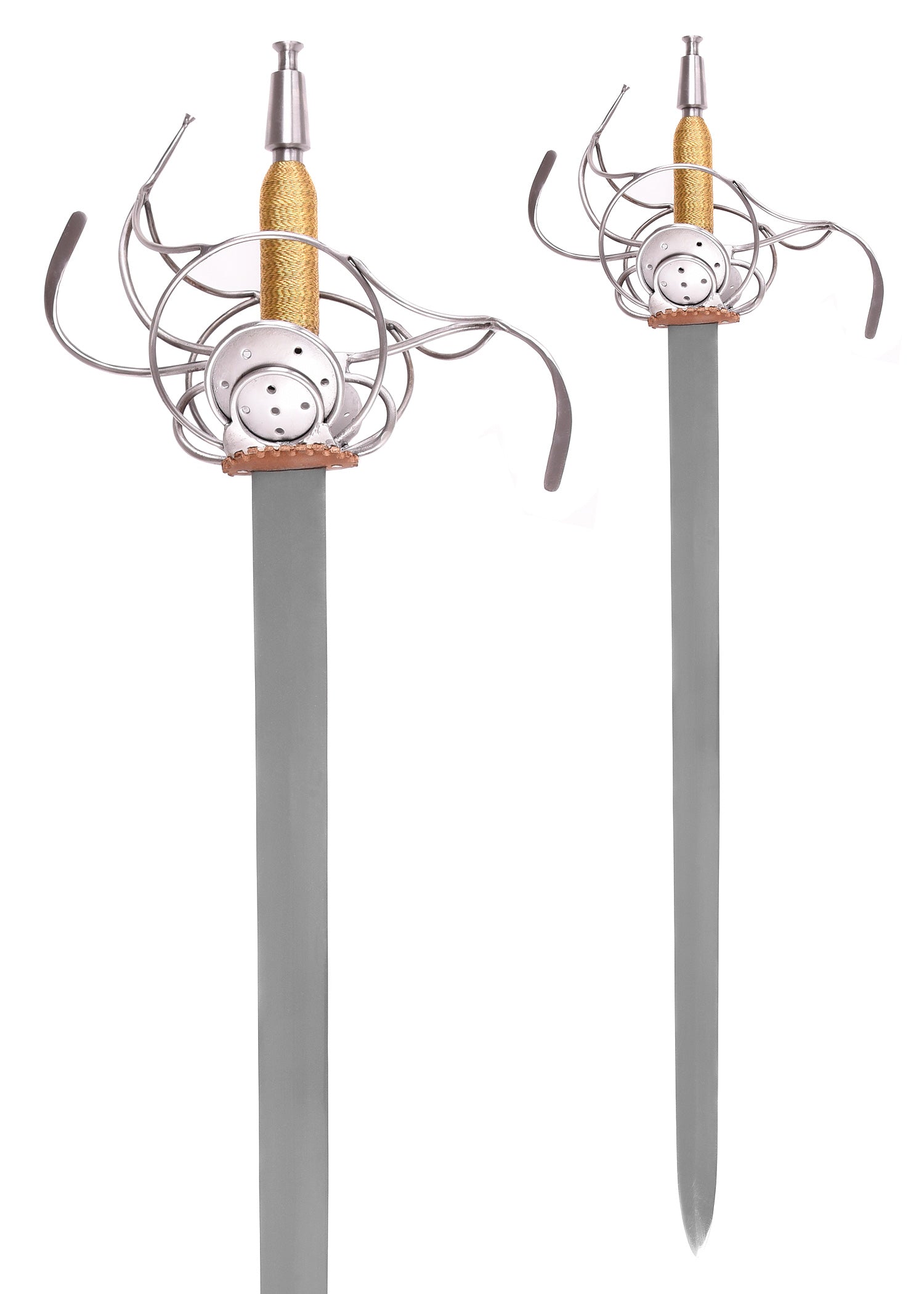
Cup hilts incorporate metal surfaces that extend the protection of the hand and can be combined with laces and other branches. They are a diverse family: it is advisable to pay attention to the reference of each design before attributing an exact period to it, as open and closed solutions coexisted.
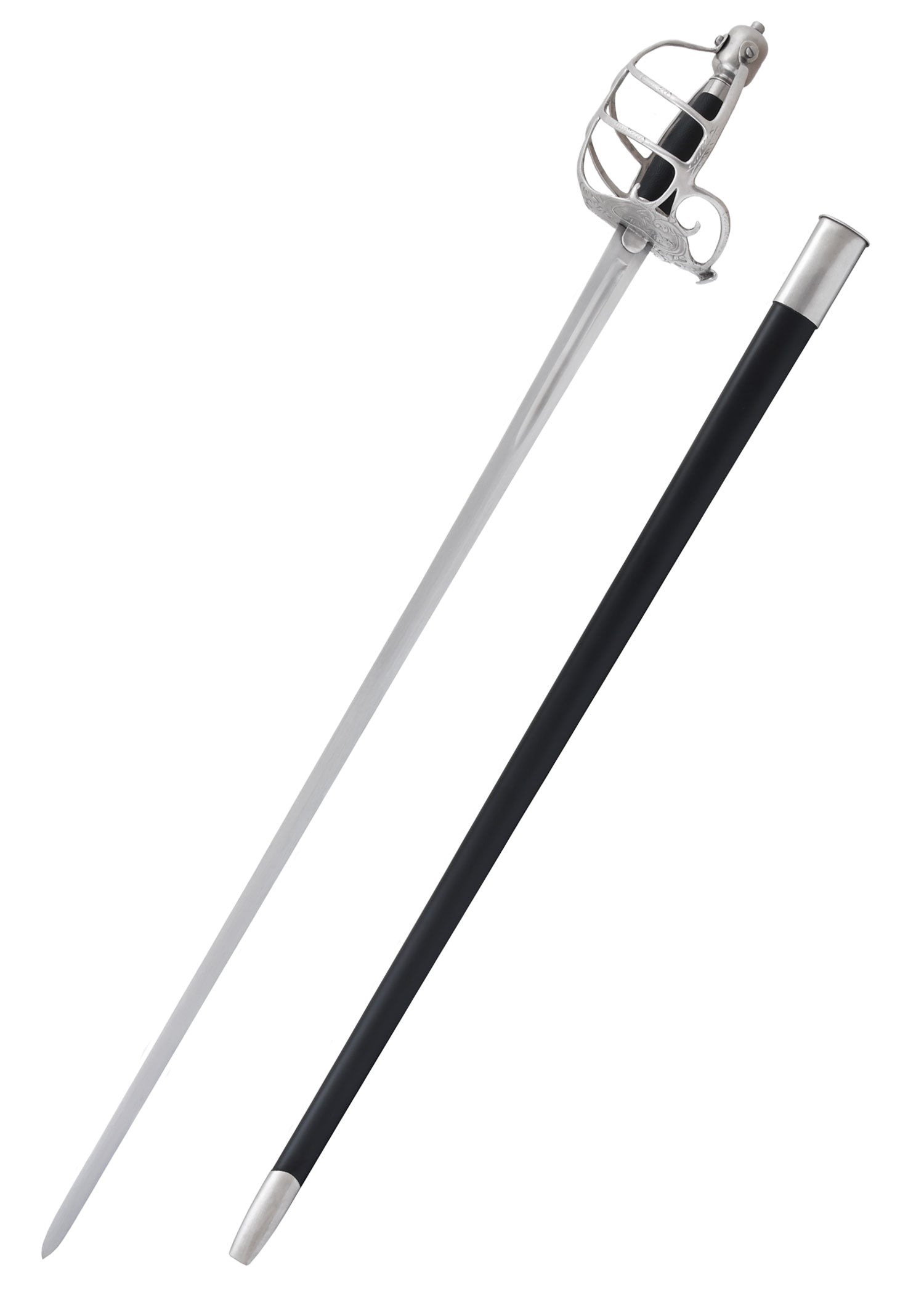
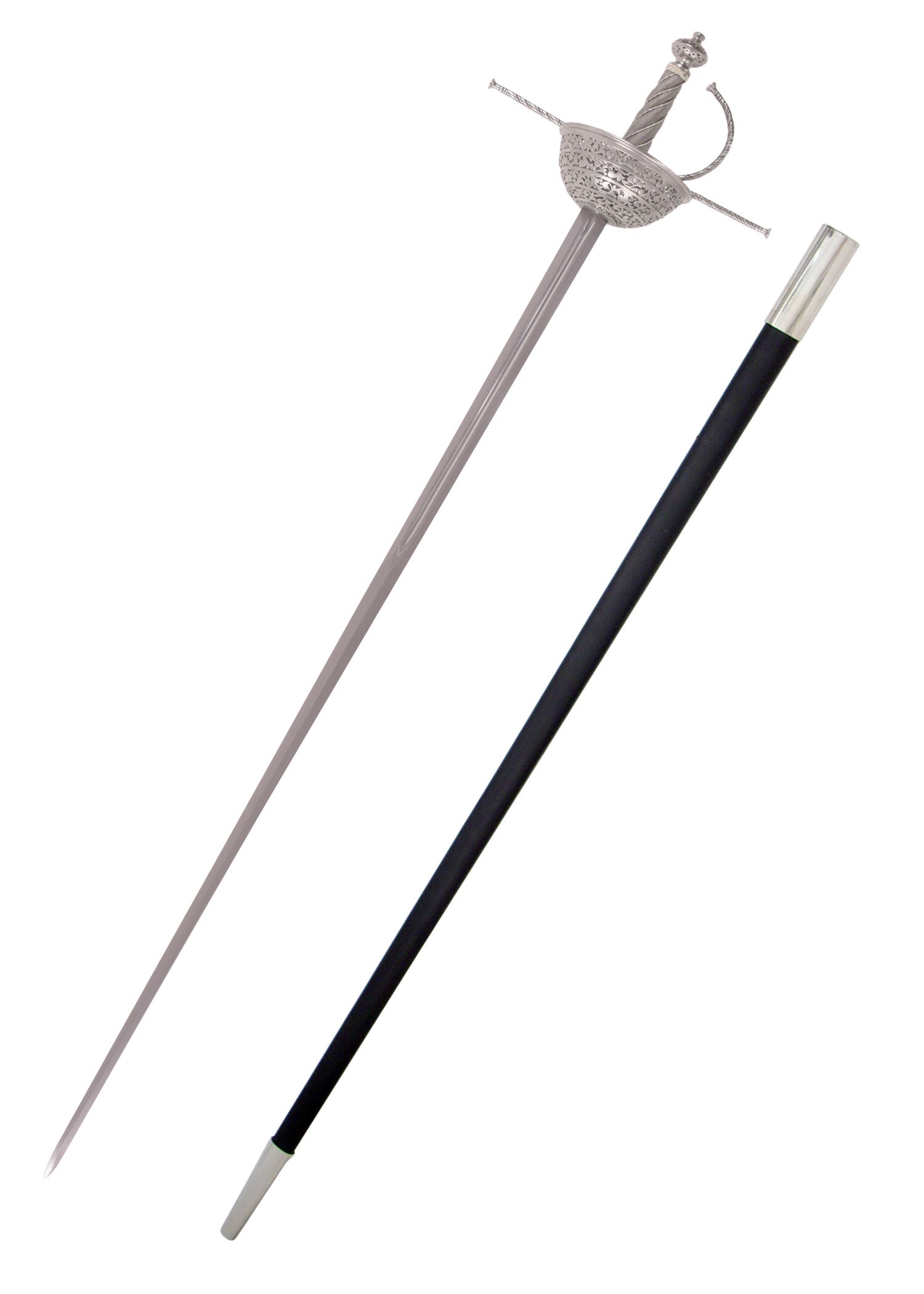
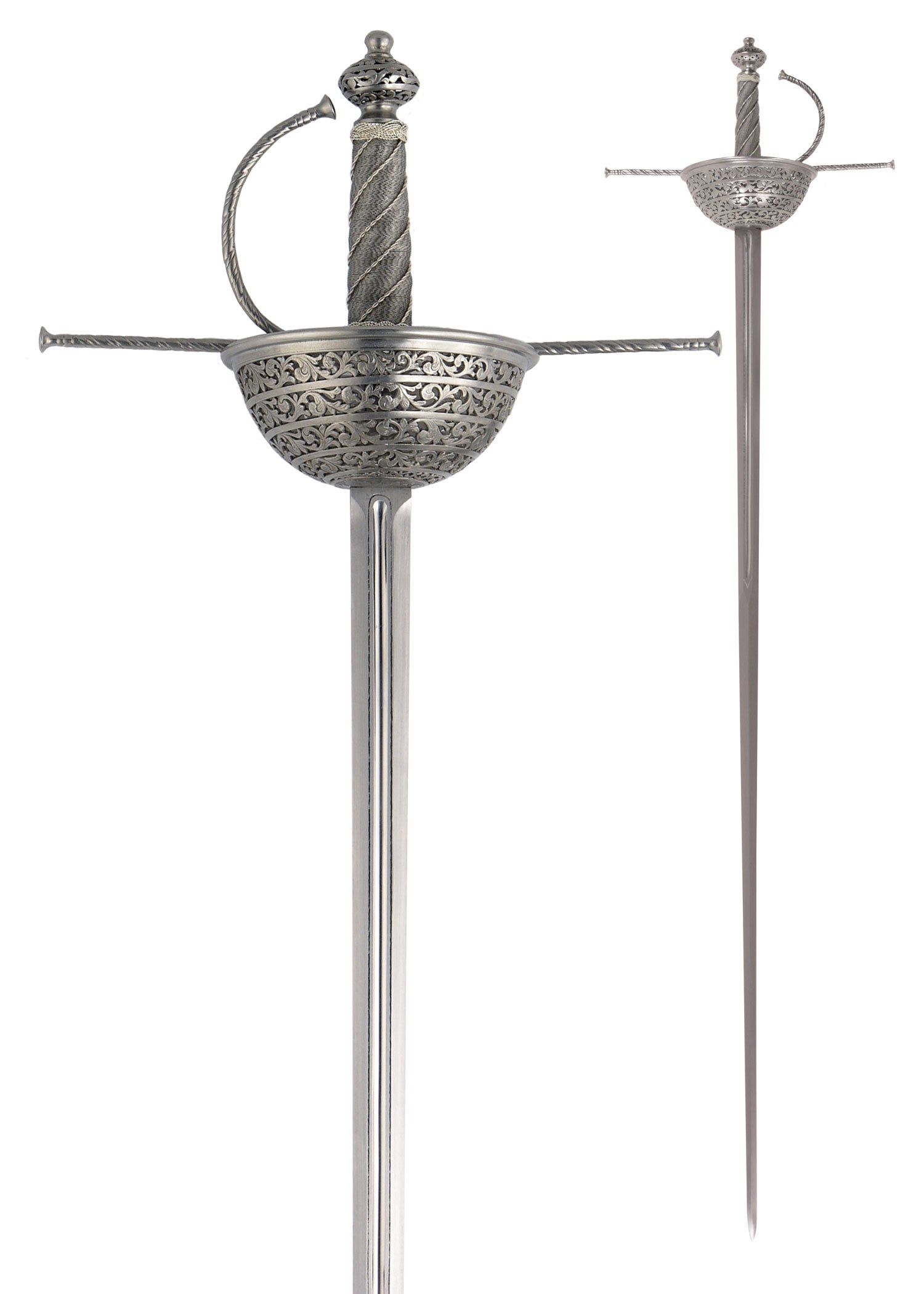
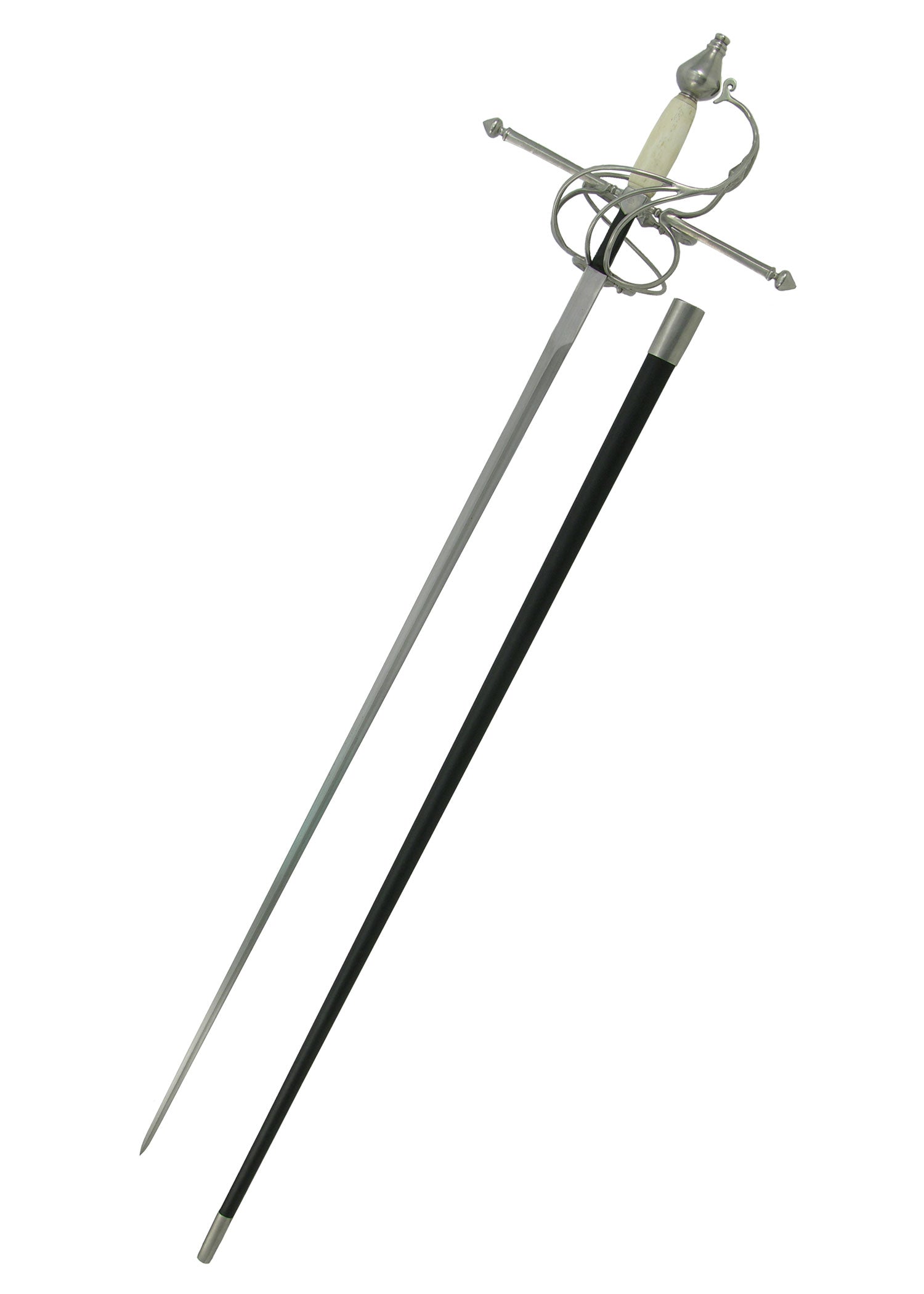
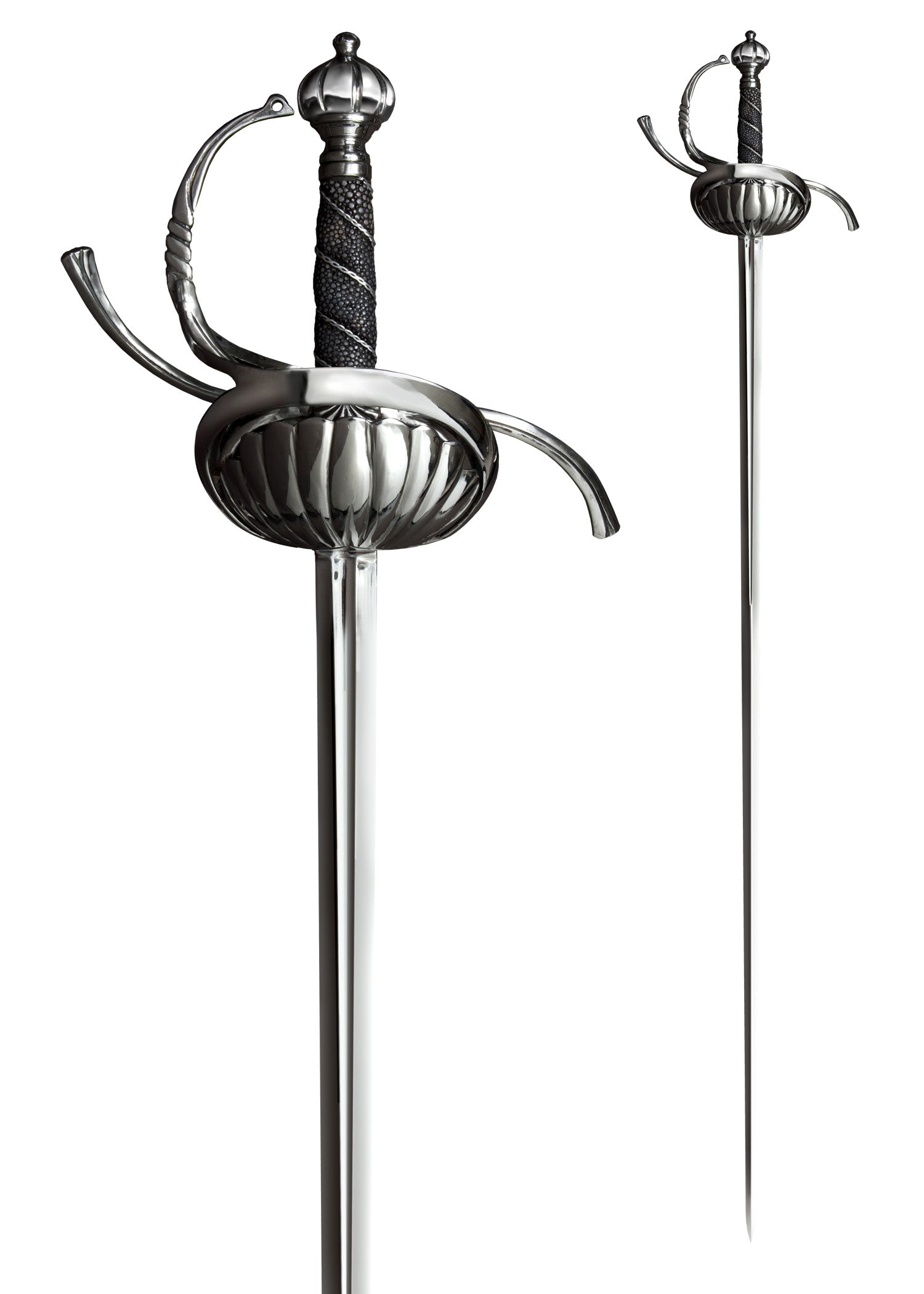
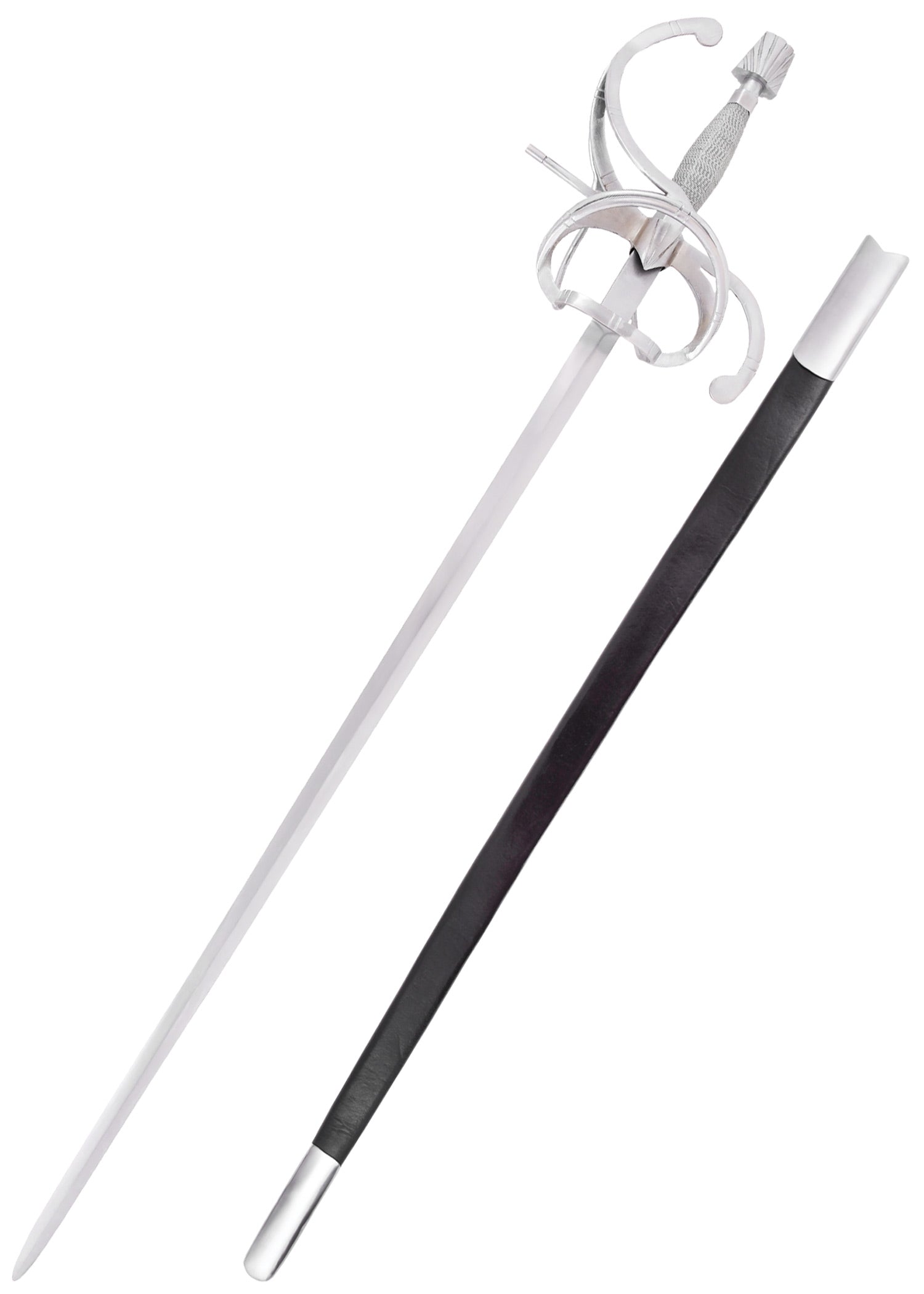
Baroque cup-hilt roperer swords
The cup-hilt roperer is recognized by its deep cup, usually accompanied by quillons and a hand guard. It is one of the most representative forms of the 17th-century Spanish sword and the imagery of the Golden Age. Its silhouette makes it a choice with its own identity for collections and Baroque displays.
Dueling sword and Golden Age culture
The expression dueling sword describes a use rather than an exclusive roperer sword typology. To represent a Golden Age character, choose the hilt and blade according to the period; a Renaissance setting does not necessarily require the same sword as a late Baroque one.
Duelist sword for reenactment and characterization
If you are looking for a duelist sword to complete your character, compare the length, weight, and hilt design indicated on each product page. Coordinate it with your clothing for a reenactment, a stage performance, or an exhibition, according to the intended use of the item.
Roperer swords and historical fencing
Historical fencing studies techniques and treatises from different eras, including roperer sword traditions. To practice, select only models expressly described for that activity and check their characteristics with your school. A decorative replica or one intended for costume does not equal a training tool.
Roperer sword and smallsword: they are not the same sword
The smallsword, widespread from the second half of the 17th century and characteristic of the 18th century, usually features a shorter blade and a smaller hilt than the roperer sword. Although their periods overlap, distinguishing them helps you choose a sword consistent with your setting and prevents grouping different models under the same name.
Find your roperer sword at Todo Medieval
Choose by period, hilt type, and intended use to expand your collection or add the final touch to your character. At Todo Medieval, we bring history closer to your next choice. Make a roperer sword yours and add character to your collection!