





7-10 Day Shipping

7-10 Day ShippingSold out

7-10 Day Shipping
7-10 Day Shipping
7-10 Day Shipping

7-10 Day ShippingSold out

7-10 Day Shipping
Shipping 7-10 Days

7-10 Day ShippingSold out

7-10 Day ShippingSold out
7-10 Day Shipping
7-10 Day ShippingSold out
7-10 Day Shipping
7-10 Day Shipping
7-10 Day Shipping
7-10 Day ShippingSold out
7-10 Day Shipping
Shipping 7-10 Days
7-10 Day ShippingSold out
7-10 Day ShippingSold out
Roman outerwear: protection against the cold in the Empire
In Ancient Rome, clothing served not only an aesthetic function but also adapted to climatic conditions. Roman outerwear was essential for protection against the cold in colder regions of the empire, such as Britannia or Gaul. From thick cloaks to wool mantles, these garments provided warmth without sacrificing mobility.
Main types of outerwear in Ancient Rome
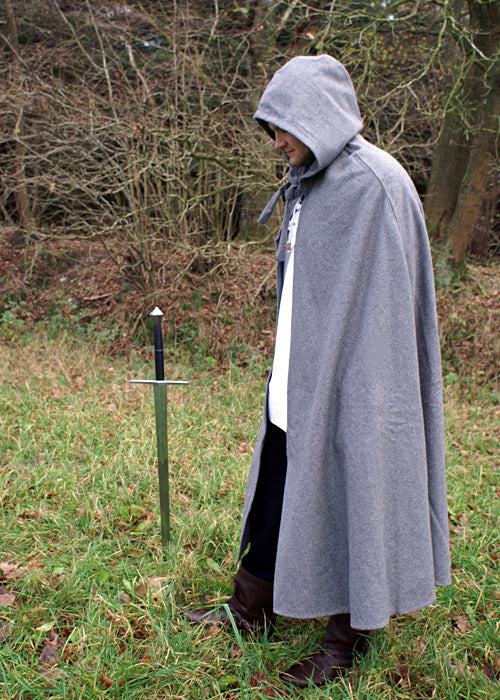
- Paenula: A wide, hooded mantle worn by both soldiers and travelers. Made of thick wool, it offered excellent protection against wind and rain.
- Sagum: A short, sturdy cloak used mainly by Roman soldiers and some civilians. Its thick, heavy fabric made it ideal for cold climates.
- Laena: A double-layered mantle worn over the tunic, used on formal occasions or by upper-class citizens.
- Pallium: Similar to the toga but lighter, it was a garment worn by philosophers and scholars, providing warmth without the rigidity of the toga.
- Toga: Although not specifically outerwear, the thick wool toga provided protection against the cold, especially in its heavier version for magistrates.
Characteristics and materials of Roman outerwear.
- Materials: The garments were made mainly of wool, due to its thermal capacity and availability in the Empire.
- Integrated hoods: Many cloaks, such as the paenula, include a hood for added protection against rain and wind.
- Colors and symbolism: Colors varied according to social status, with red being common for soldiers and purple reserved for the aristocracy.
- Functionality: Roman outerwear needed to allow freedom of movement, so most mantles were fastened with brooches or fibulae.
The legacy of Roman outerwear.
The design of Roman outerwear influenced medieval clothing and garments such as the cloaks of knights and monks. Its functionality and elegance endured throughout the centuries.
If you are looking for Roman mantles, cloaks, and tunics for historical reenactment, theater, or collecting, at Todo Medieval you will find high-quality replicas inspired by the grandeur of the Roman Empire.
