











Roman tunics: the iconic attire of a civilization
The Roman tunics were the basic garment in the attire of the Roman Empire, used by men, women, and children of all social classes. Its simple yet functional design evolved over time and reflected the status and position of the wearer. Although inherited from earlier cultures, the Roman tunic is distinguished by its shape, materials, and symbolism.
Characteristics of the Roman tunic
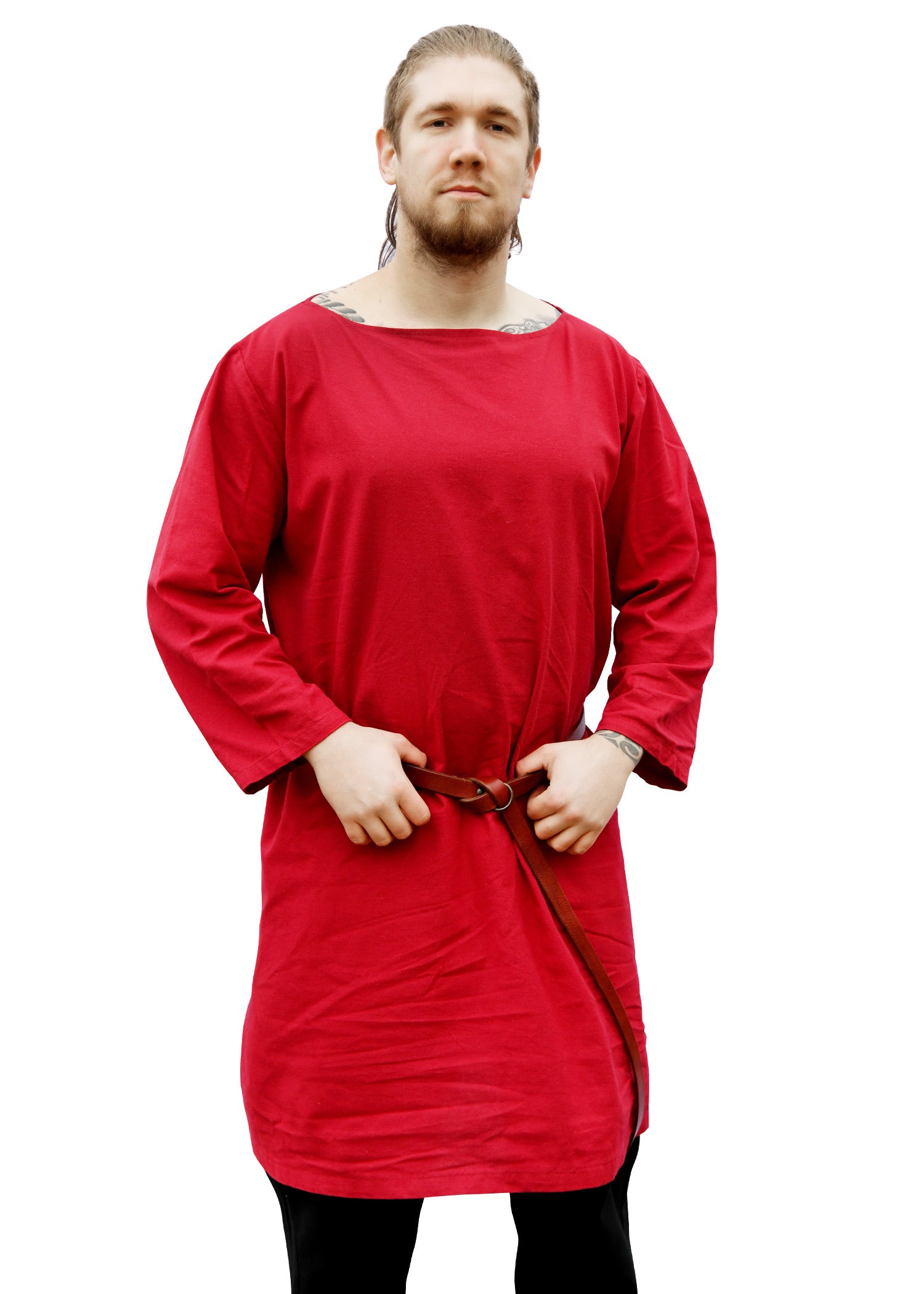
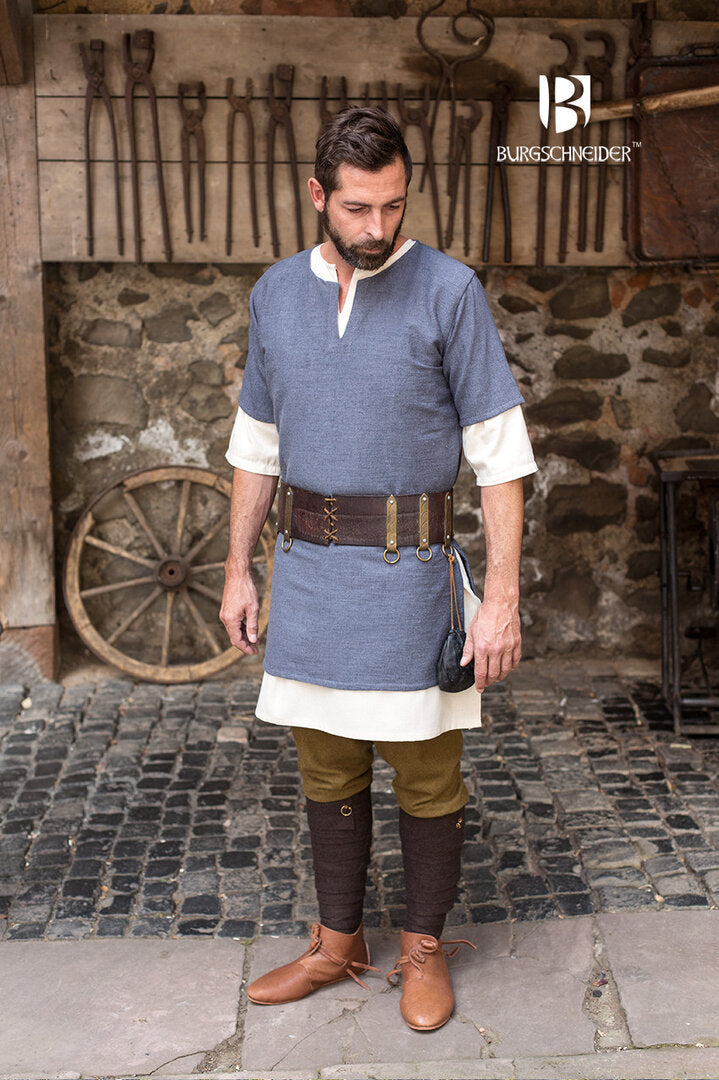
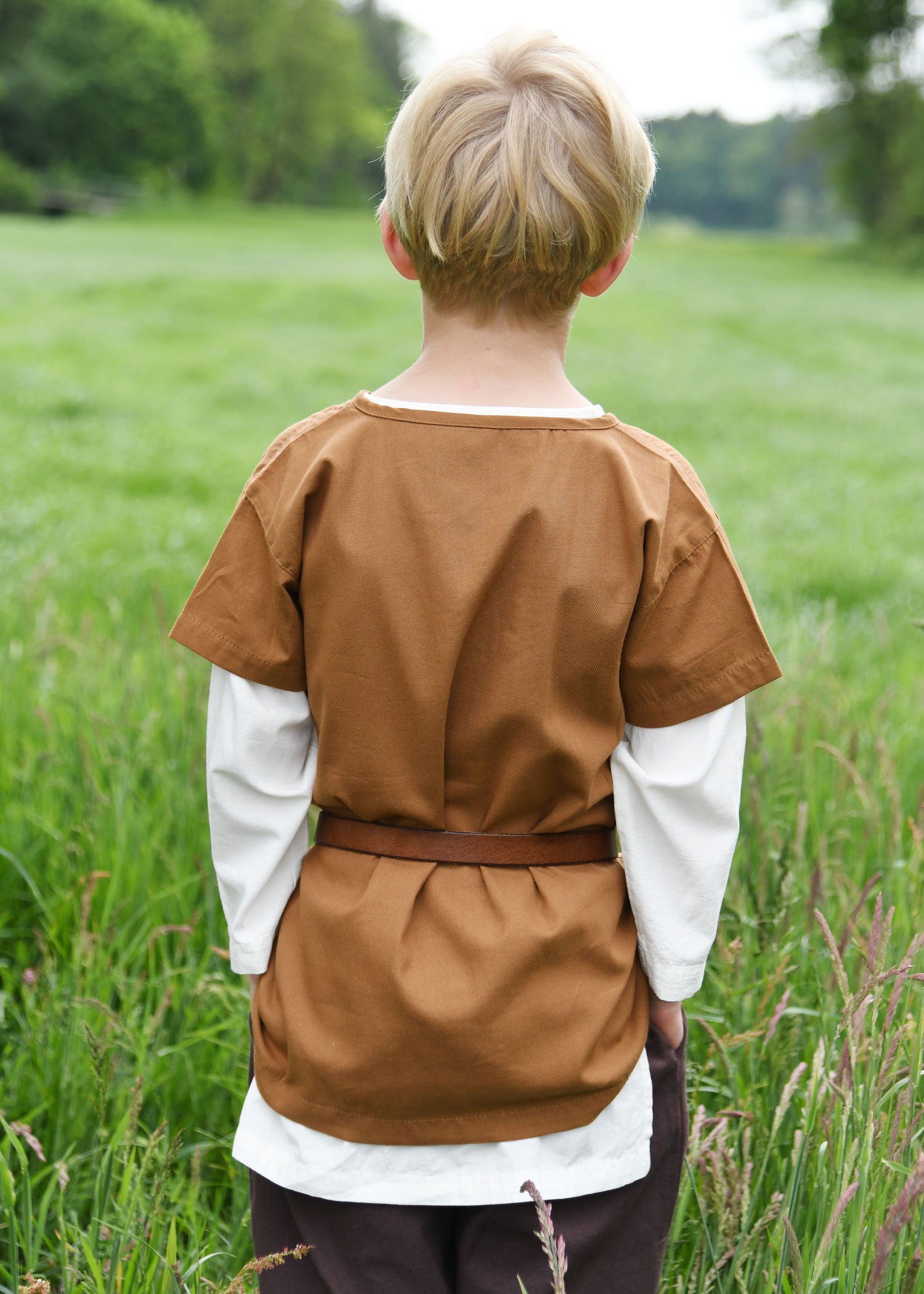
- Simple and comfortable design: Generally made from a single cut of fabric and sewn at the sides, the tunic was adjusted with a belt at the waist.
- Materials: It was made of linen or wool, depending on the climate and social status. The wealthiest could have imported silk tunics.
- Colors and symbolism: Most Roman citizens wore white tunics, while senators and magistrates wore a tunic with a purple band (tunicam laticlaviam), a sign of nobility.
- Varieties according to use: There were everyday tunics, military tunics, and special tunics for religious events or ceremonies.
Differences from other ancient attire
Although similar to Greek and Egyptian tunics, the Roman tunic had distinctive features:
- It was shorter and more practical than the Greek tunic (chiton), which allowed for greater mobility.
- It was worn with the toga on formal occasions, unlike other cultures where the tunic was the sole garment.
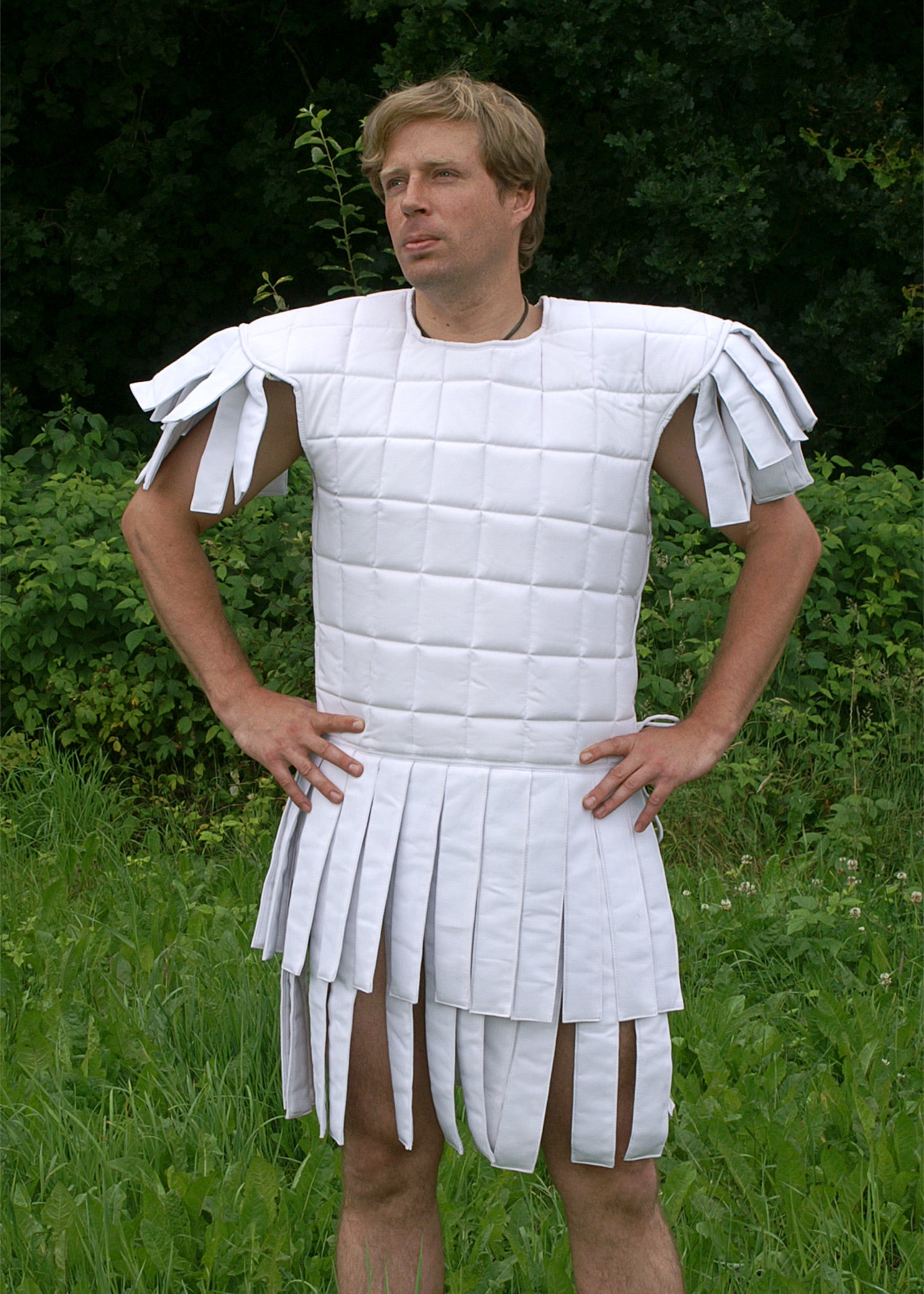
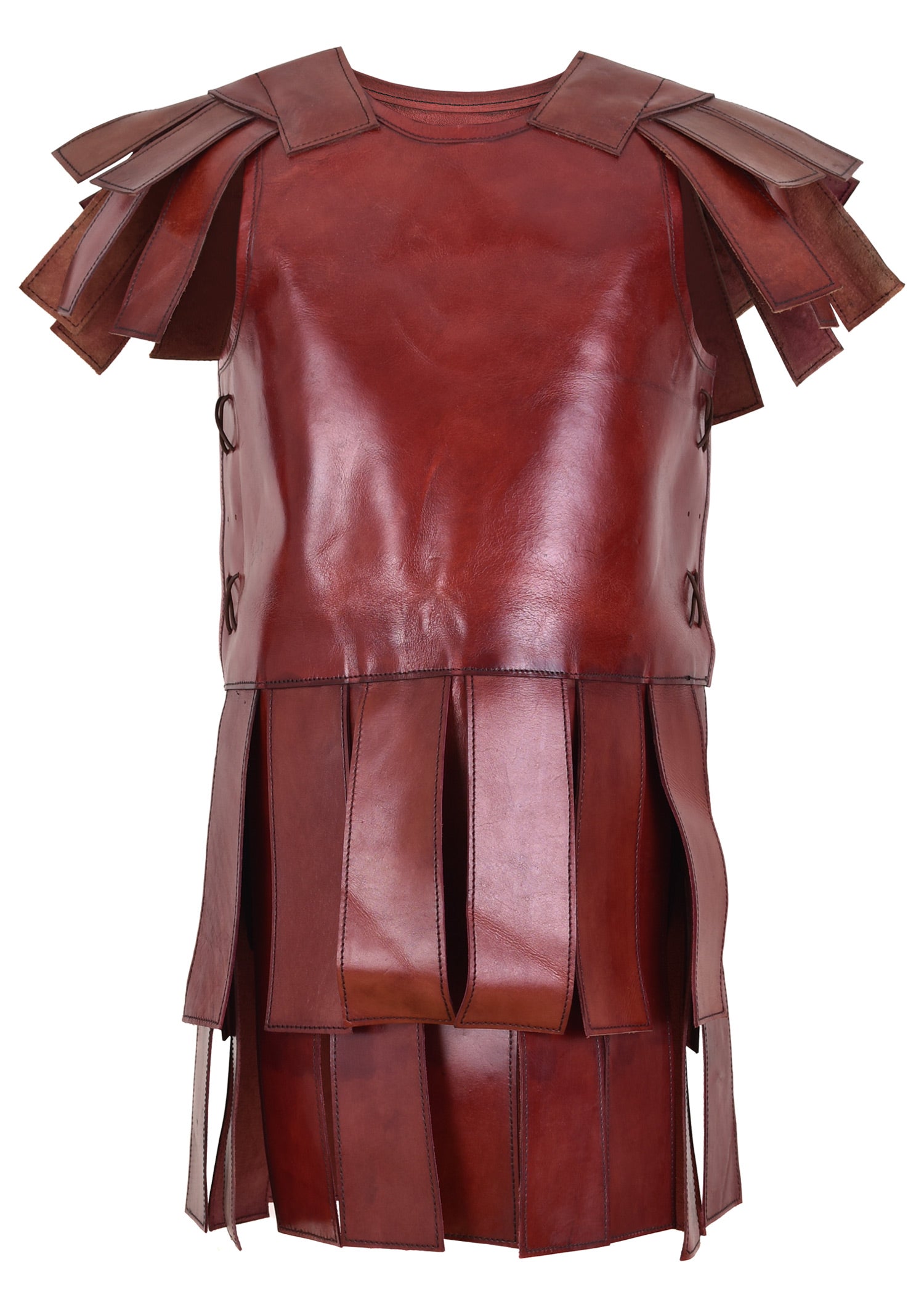
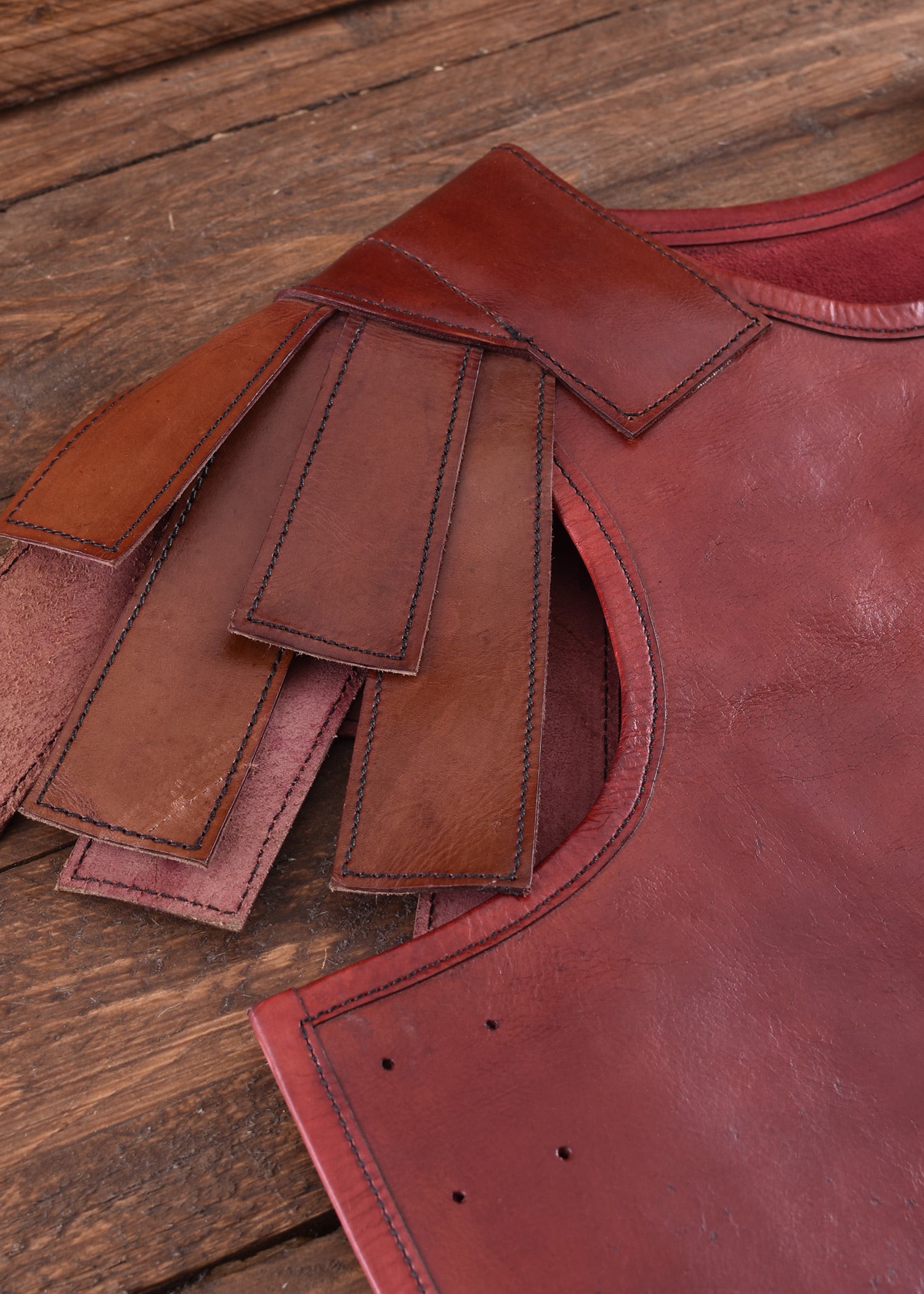
- Roman military attire included a more resistant tunic suitable for war, called tunicam militaris.
The legacy of the Roman tunic.
The Roman tunic not only defined the style of dress in Ancient Rome, but it also influenced fashion in the Middle Ages and current liturgical vestments. Its versatility and social significance make it one of the most iconic garments in history.
If you are looking for a Roman tunic replica for historical reenactment, theater, or collecting, at Todo Medieval you will find quality options that will transport you to the splendor of the Roman Empire.
