





7-10 Day Shipping
7-10 Day Shipping

7-10 Day Shipping

7-10 Day Shipping

7-10 Day ShippingSold out

7-10 Day Shipping

5-7 Day Shipping
5-7 Day Shipping
5-7 Day ShippingSold out
5-7 Day Shipping
Shipping 7-10 Days

7-10 Day Shipping
7-10 Day Shipping
Shipping 7-10 Days
7-10 Day Shipping
Shipping 7-10 Days
7-10 Day Shipping
Shipping 7-10 Days
7-10 Day Shipping
7-10 Day ShippingSold out

7-10 Day Shipping
7-10 Day Shipping
7-10 Day Shipping
7-10 Day Shipping
7-10 Day Shipping
7-10 Day ShippingSold out
7-10 Day Shipping
5-7 Day Shipping
5-7 Day Shipping
5-7 Day ShippingSold out
5-7 Day Shipping
Shipping 7-10 Days
7-10 Day Shipping
7-10 Day Shipping
Shipping 7-10 Days
7-10 Day Shipping
Shipping 7-10 Days
7-10 Day Shipping
Shipping 7-10 Days
7-10 Day Shipping
7-10 Day ShippingSold out
7-10 Day Shipping
Early Medieval Bows: Precision and Lethality on the Battlefield
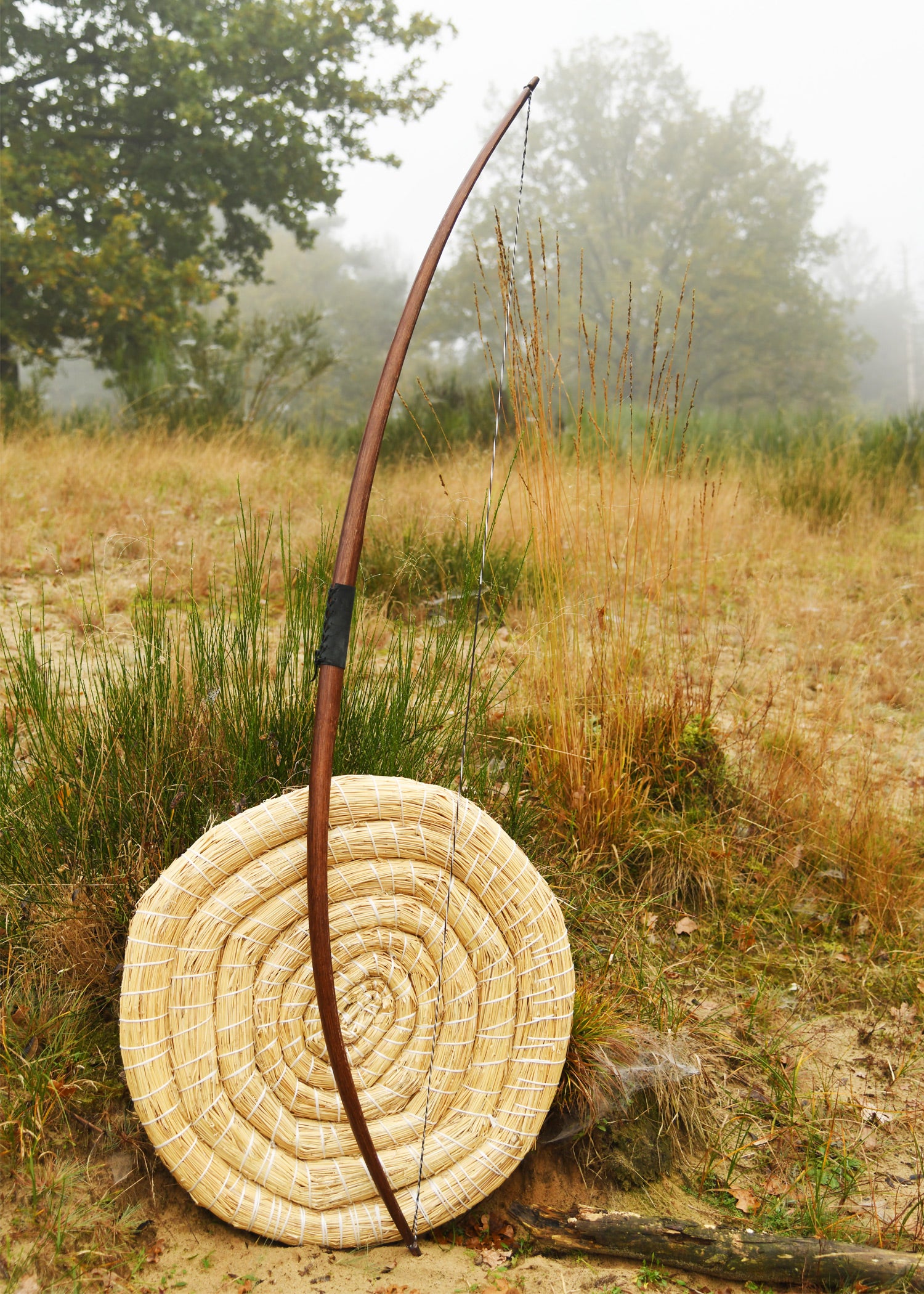
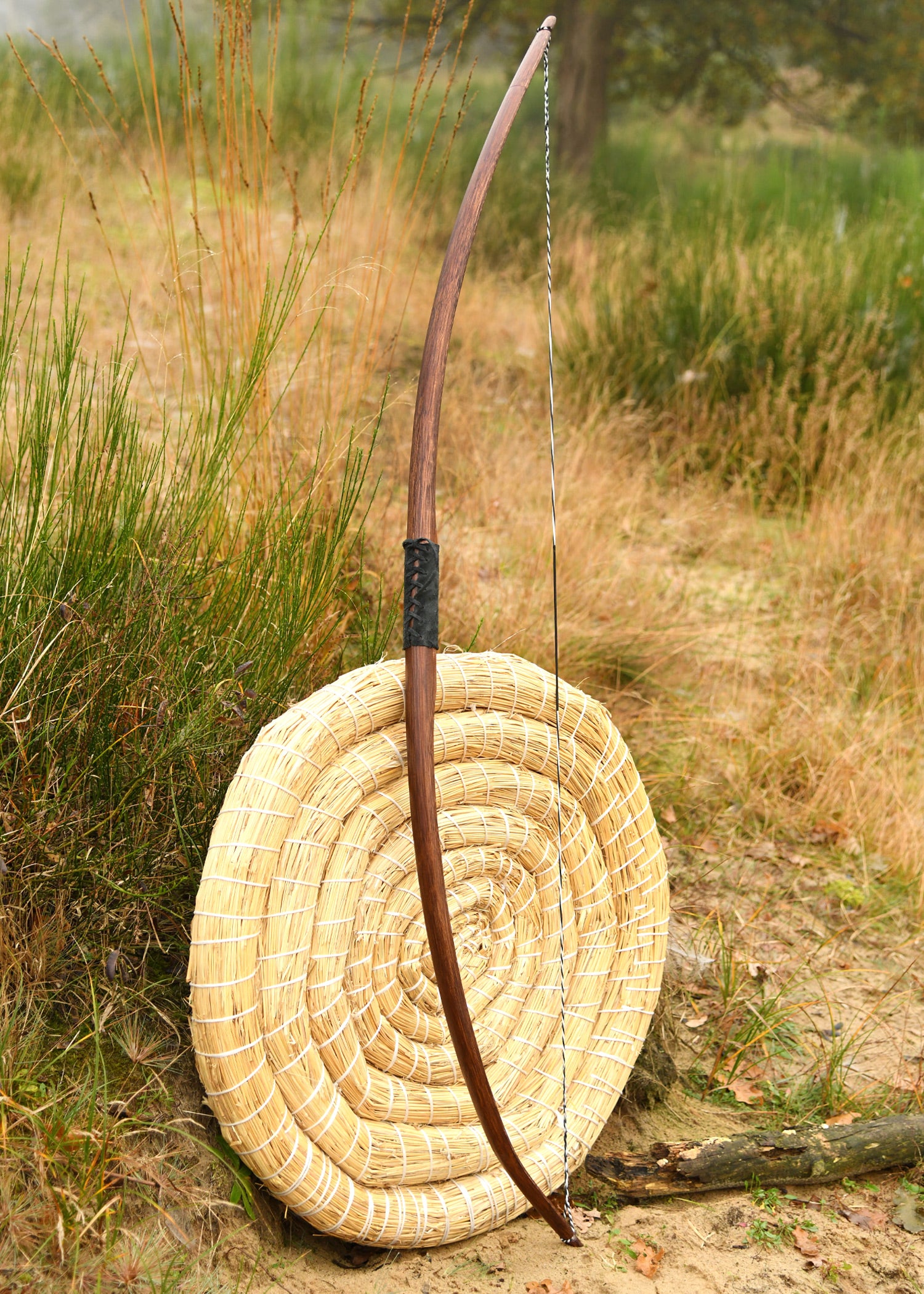
The Early Medieval bows were key weapons in warfare and hunting. Used by Vikings, Normans, and Anglo-Saxon archers, they offered great range and penetrating power, allowing for long-range attacks without exposing oneself to melee combat. Their design evolved to improve the speed and accuracy of shots.
Main types of Early Medieval bows
- Viking bow: Long and made of yew wood, it provided a powerful and accurate shot.
- Norman bow: Similar to the Viking bow, but with a slight improvement in curvature for greater range.
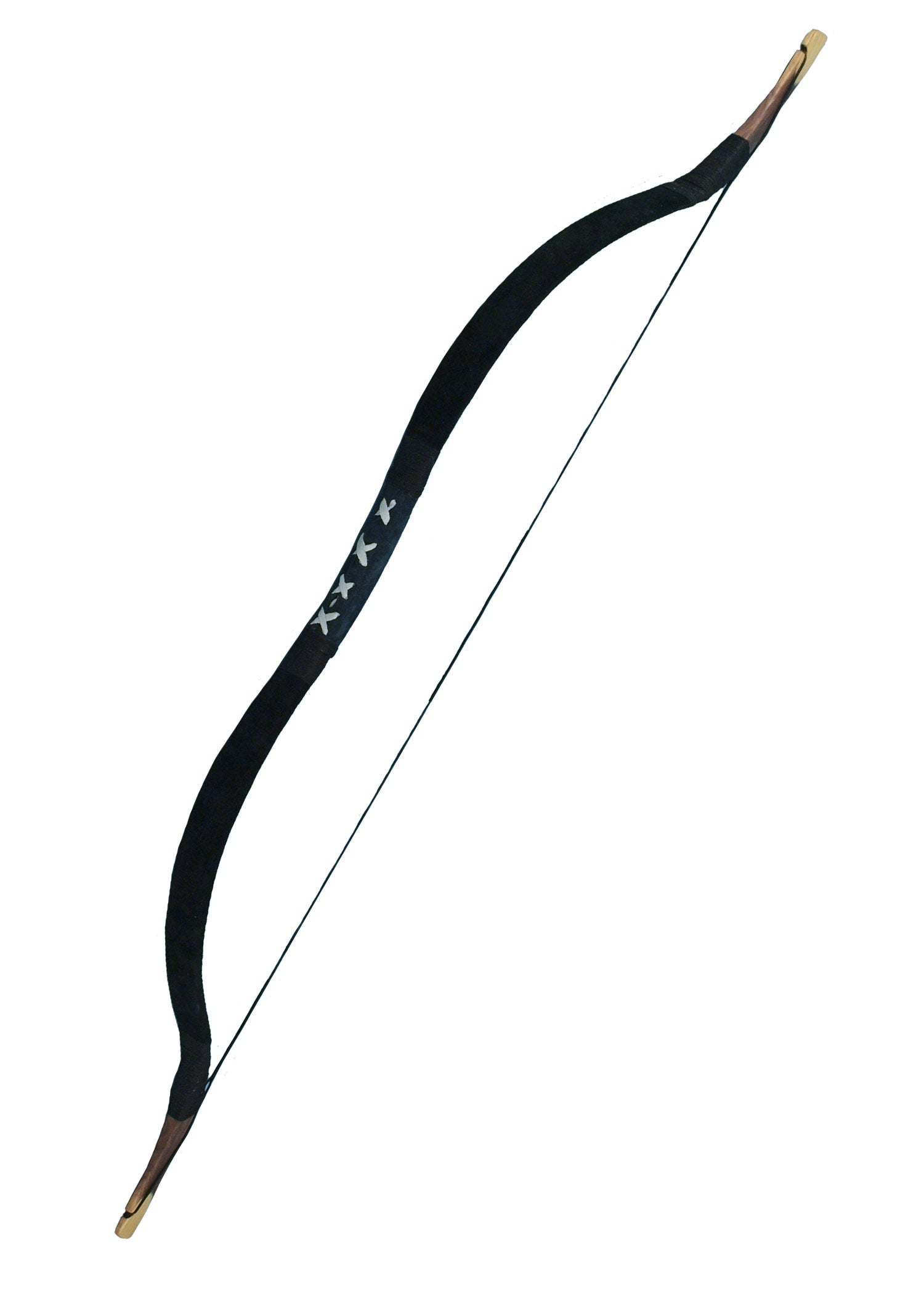
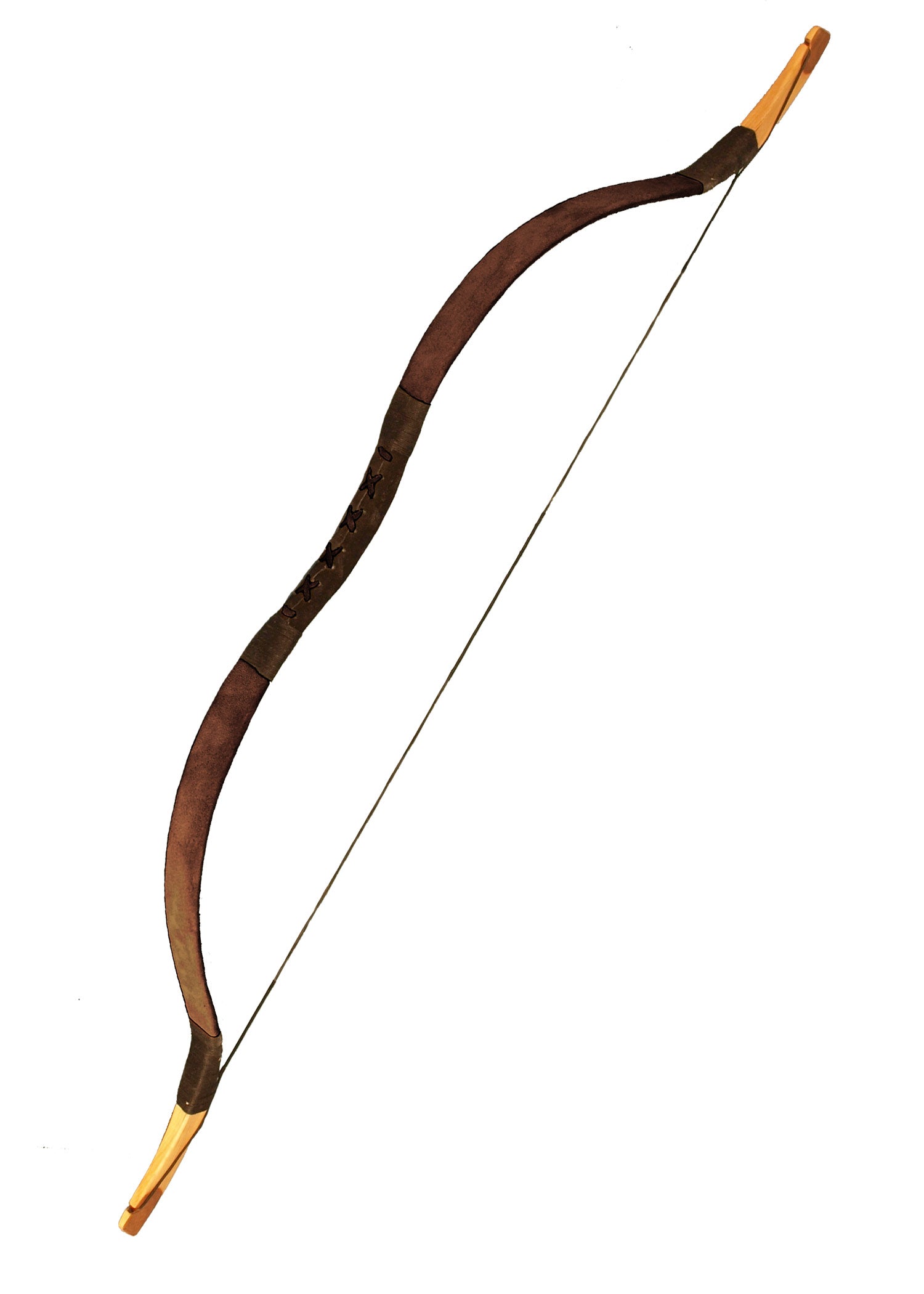
- Primitive composite bow: Used in Eastern Europe, it combined wood, horn, and sinew for greater power.
- Primitive crossbow: Although uncommon at this time, it began to be used in sieges and long-distance combat.
Characteristics of Early Medieval bows
- Made of flexible wood: Yew, ash, and elm were the most commonly used materials.
- Linen or sinew strings: Resistant and capable of withstanding high tension.
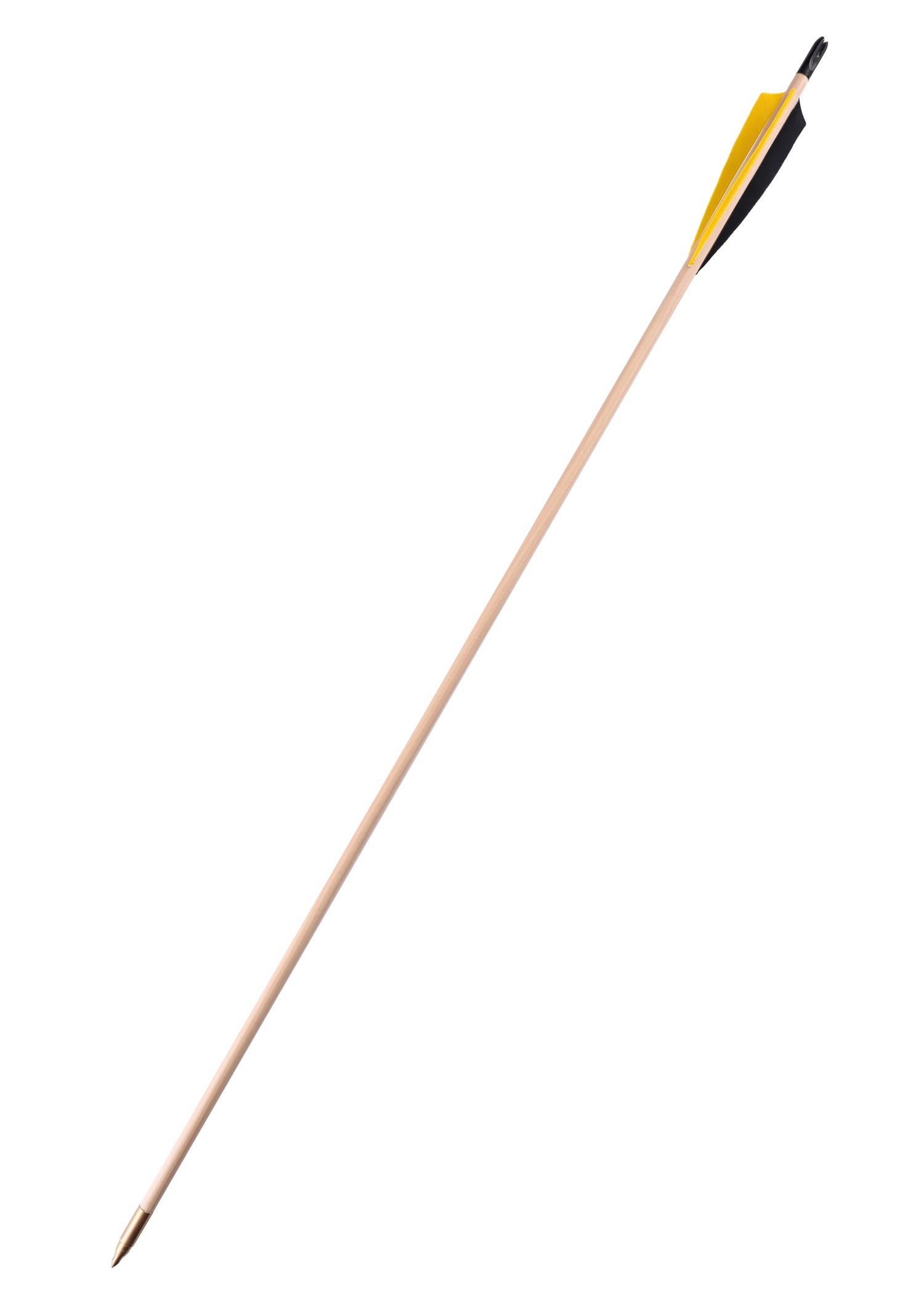
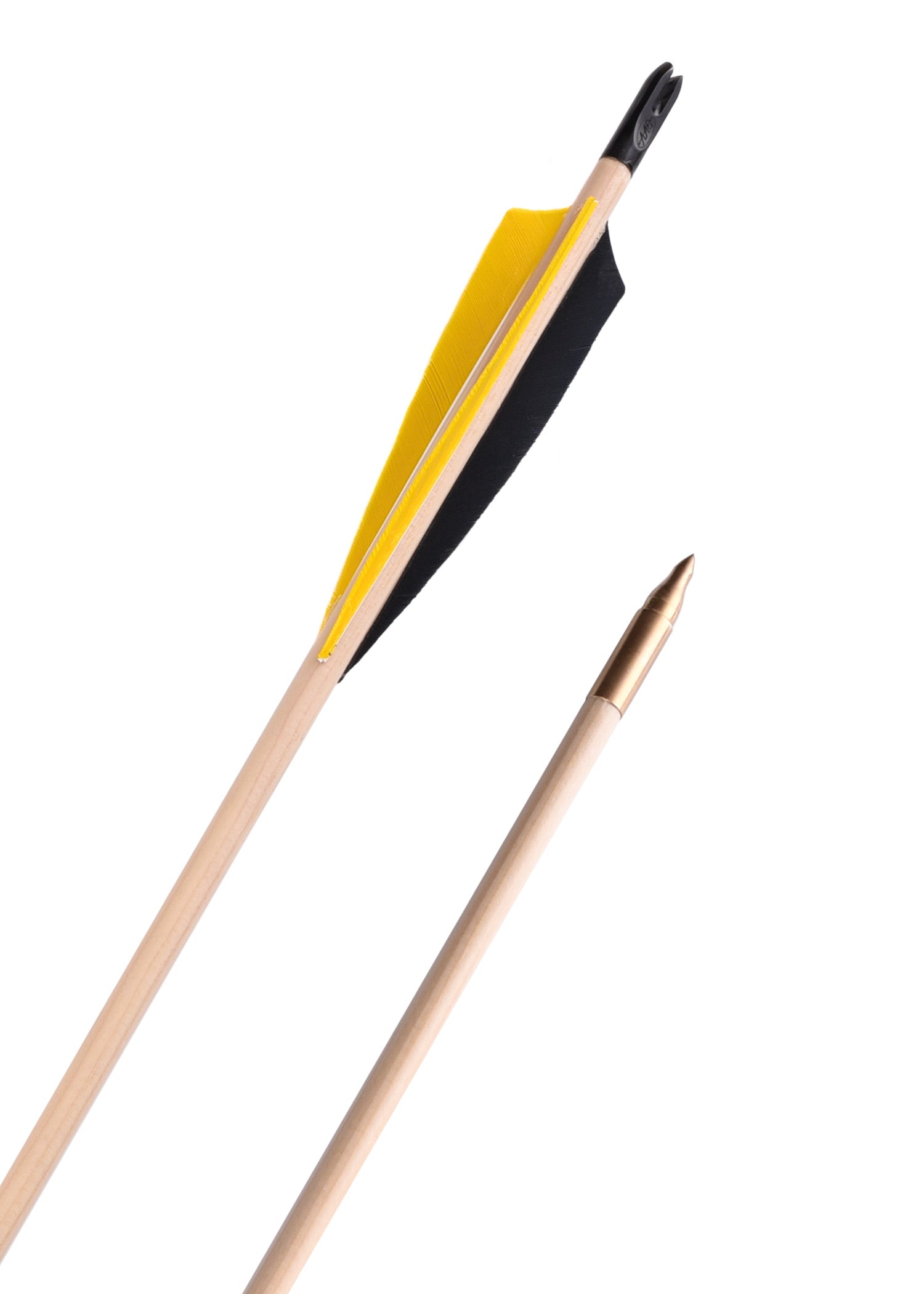
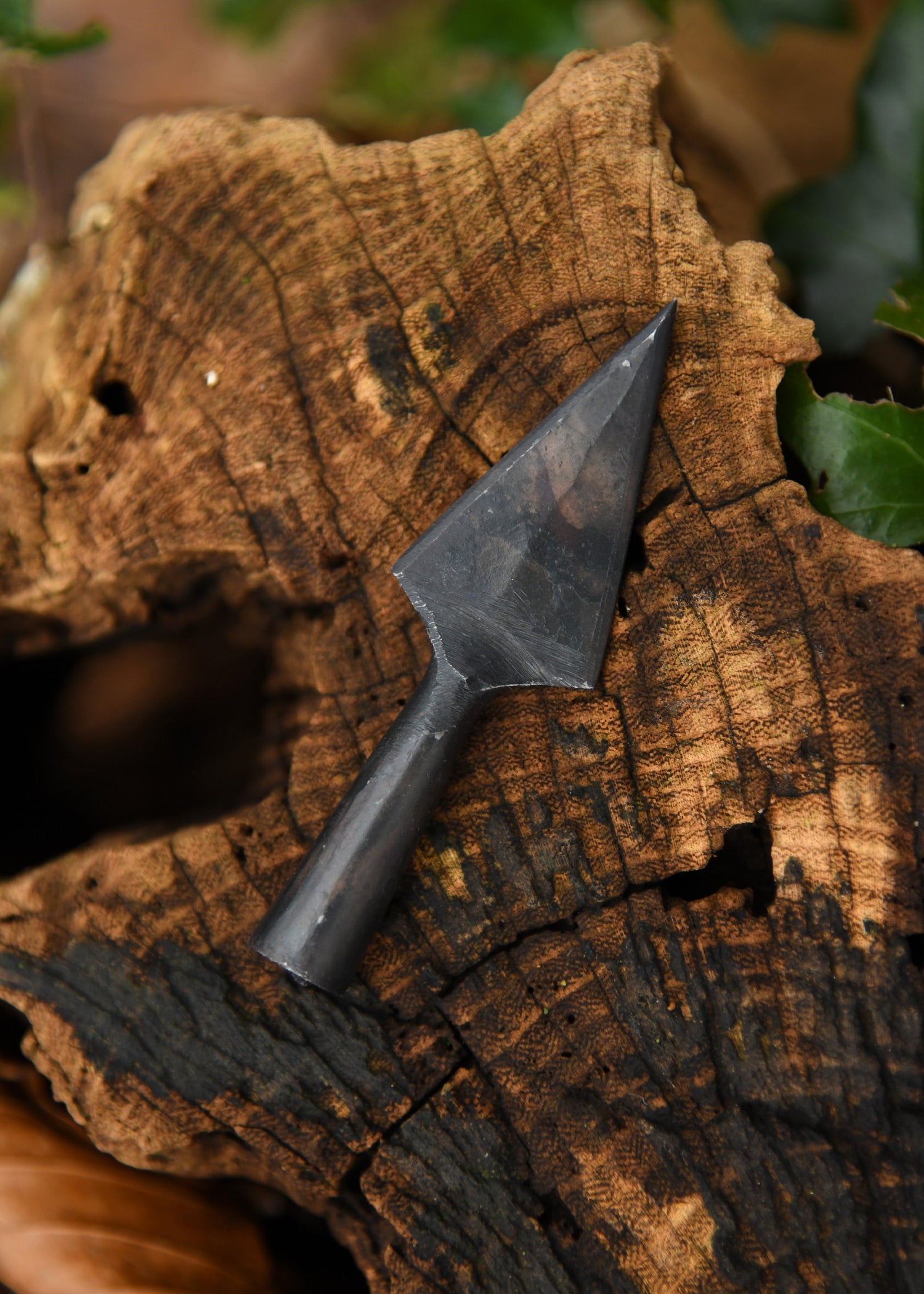
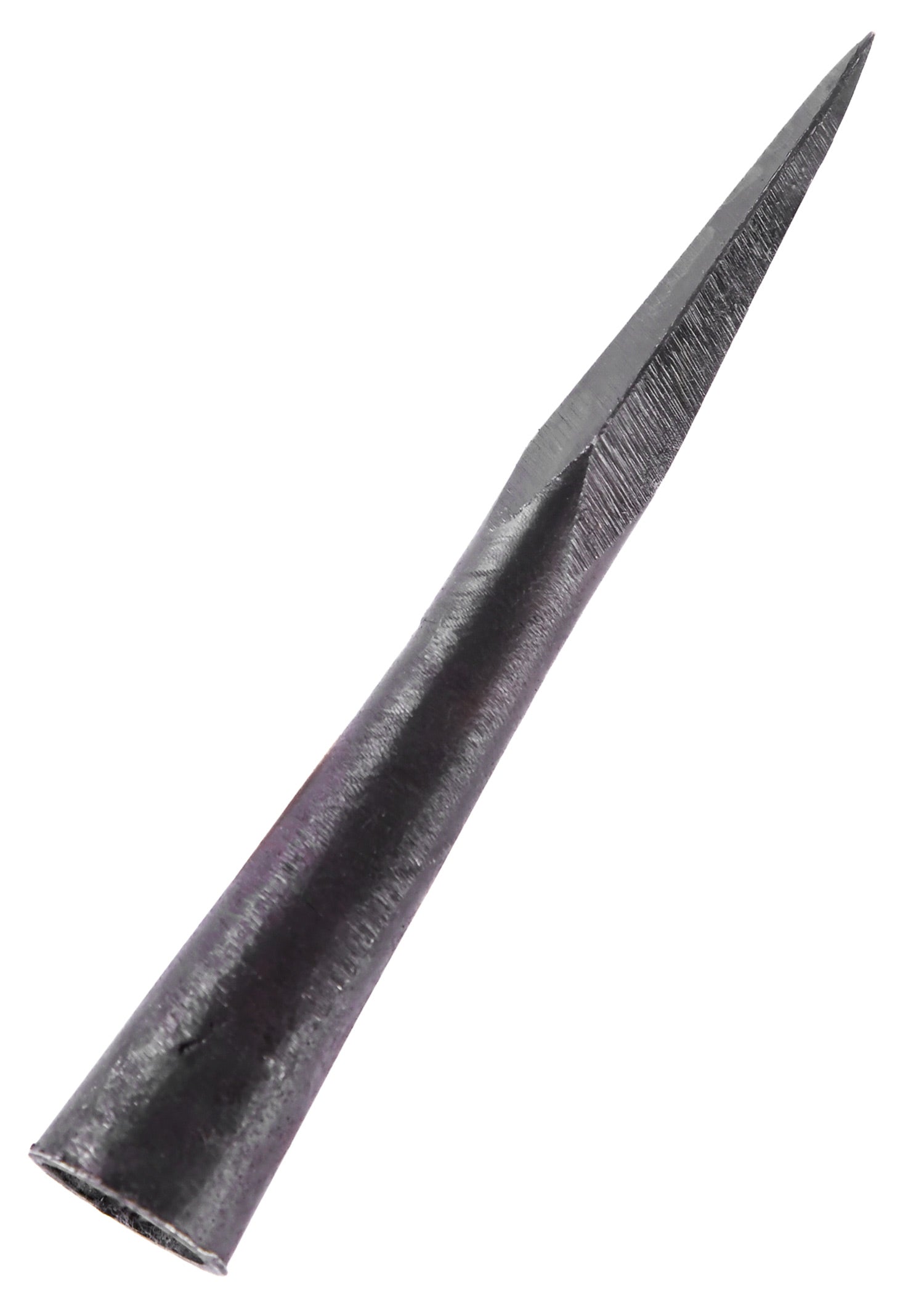
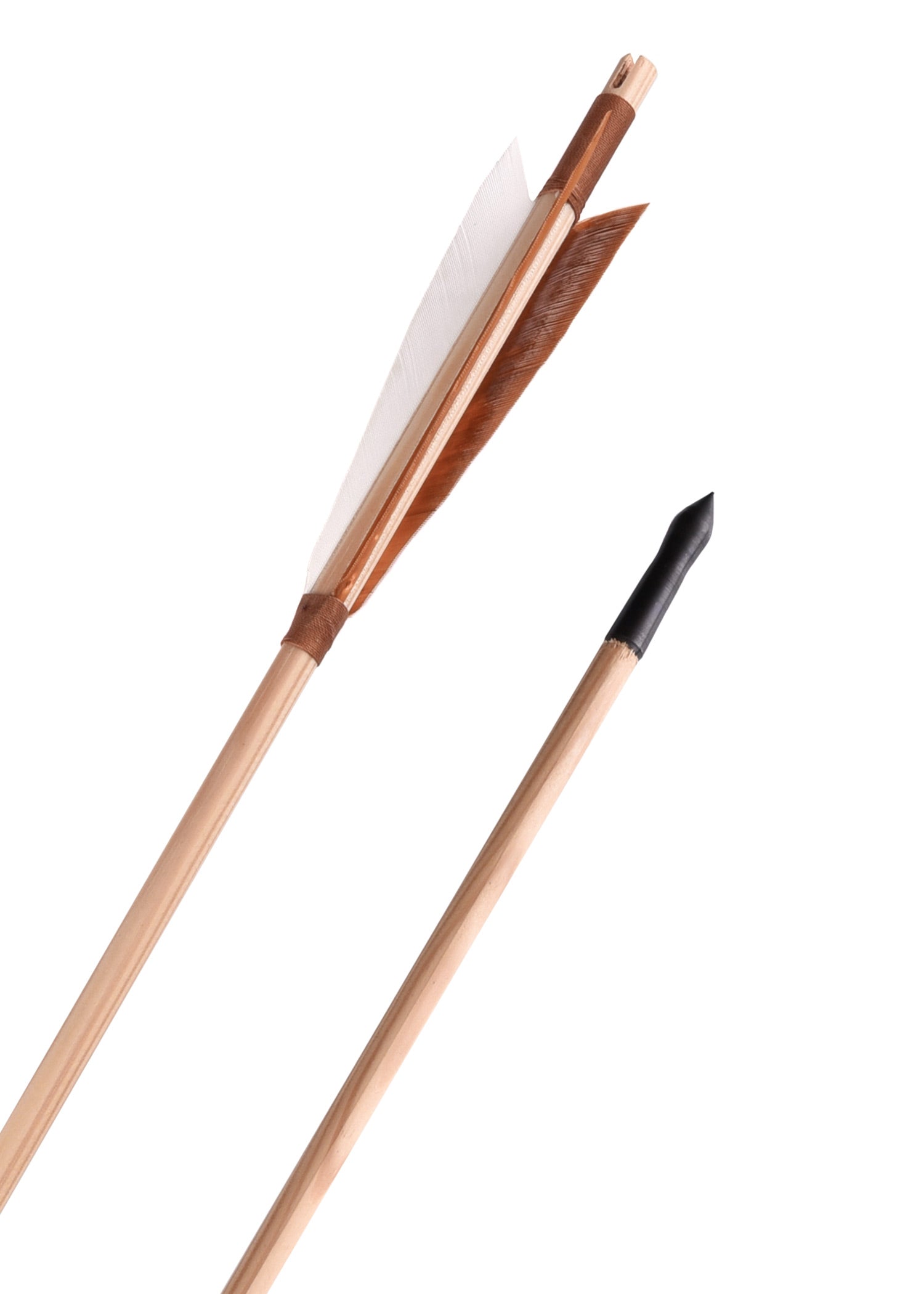
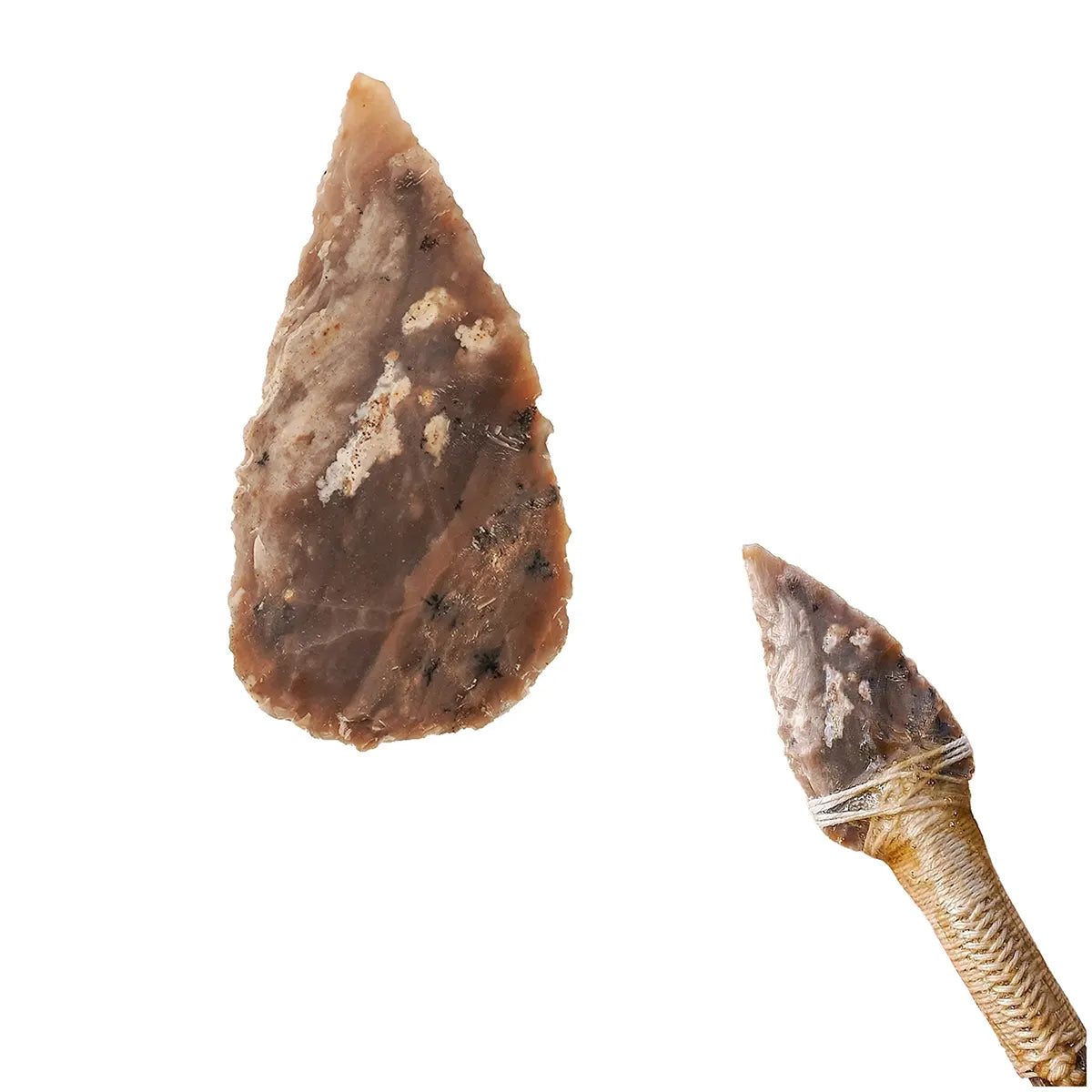
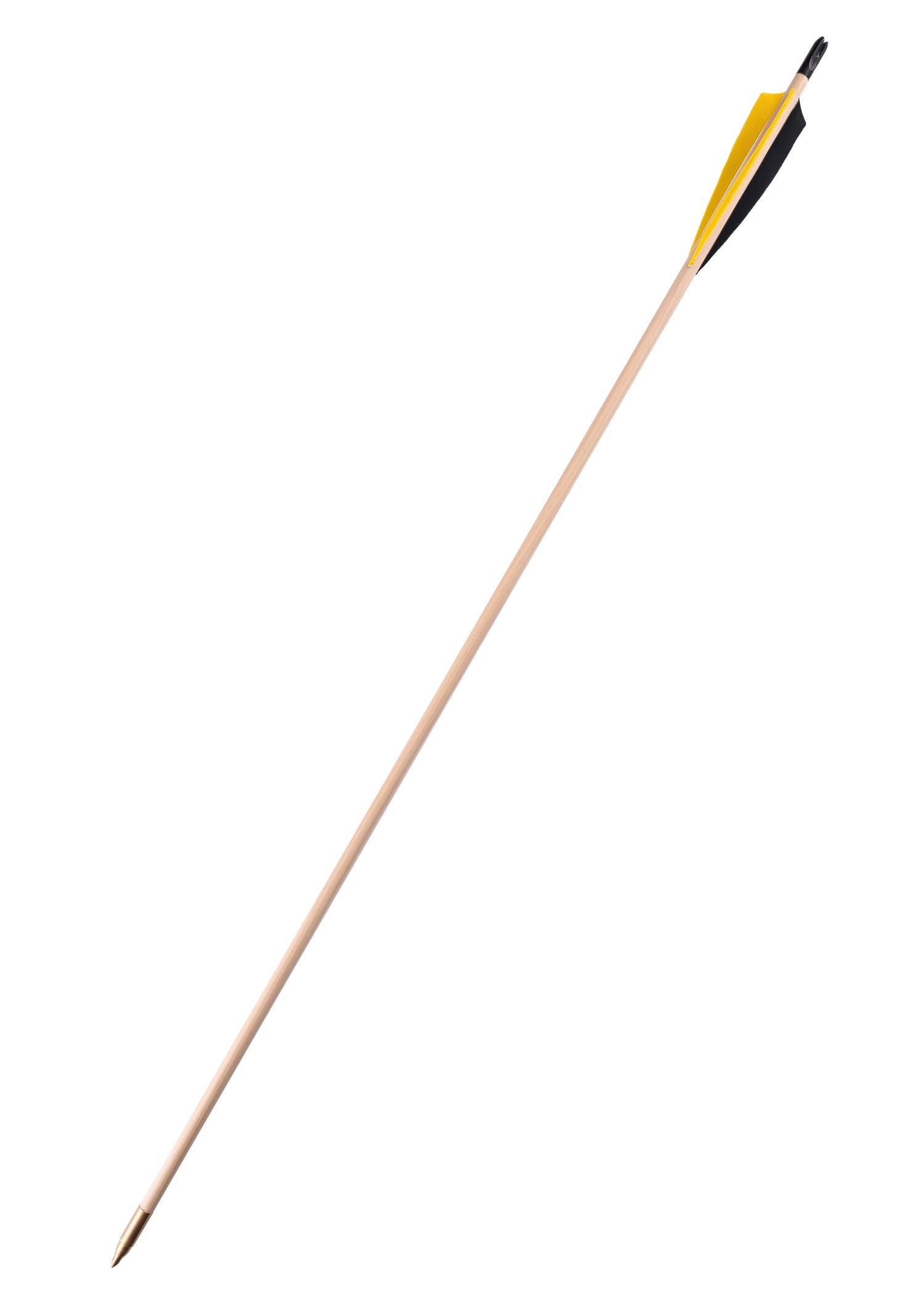
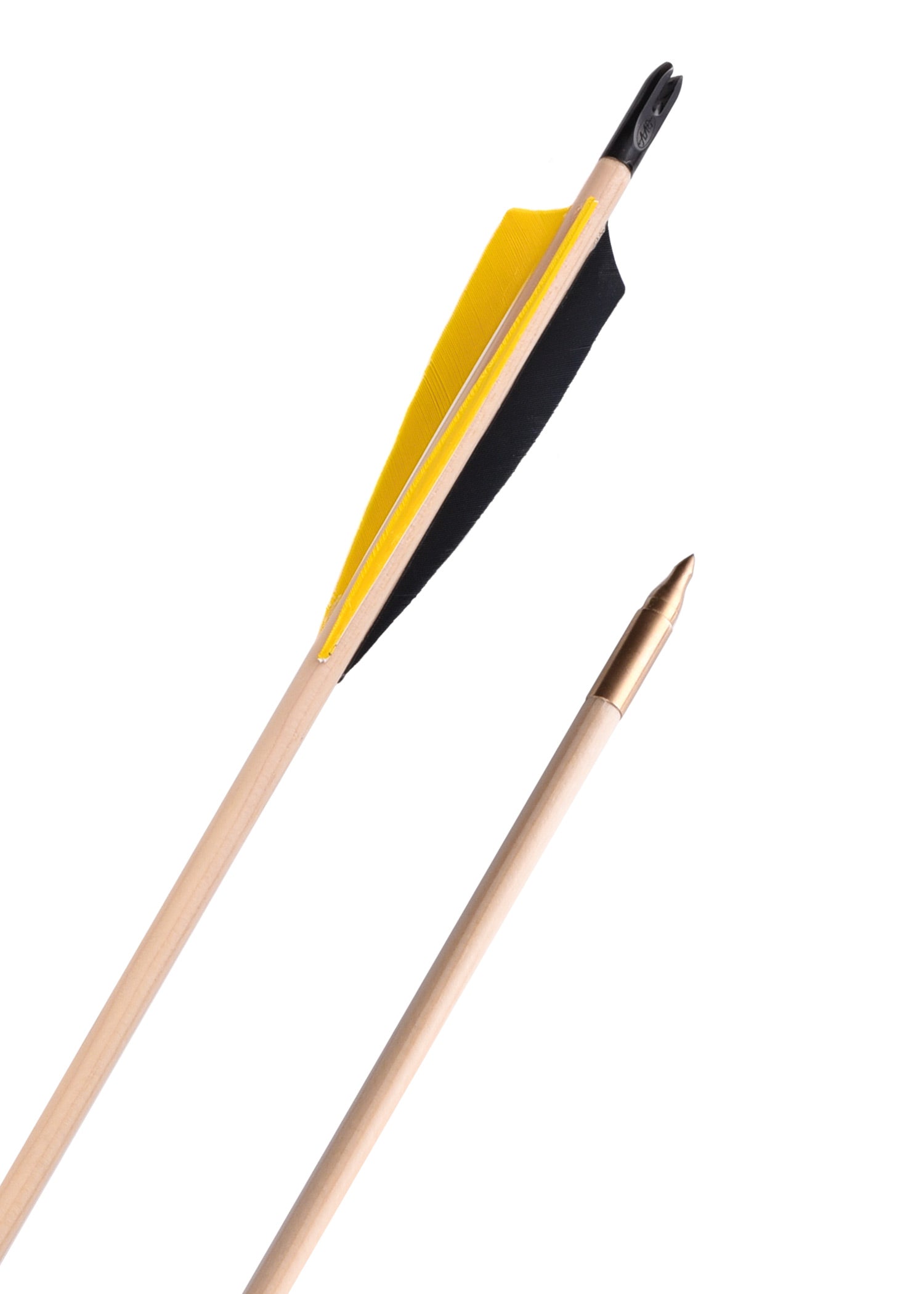
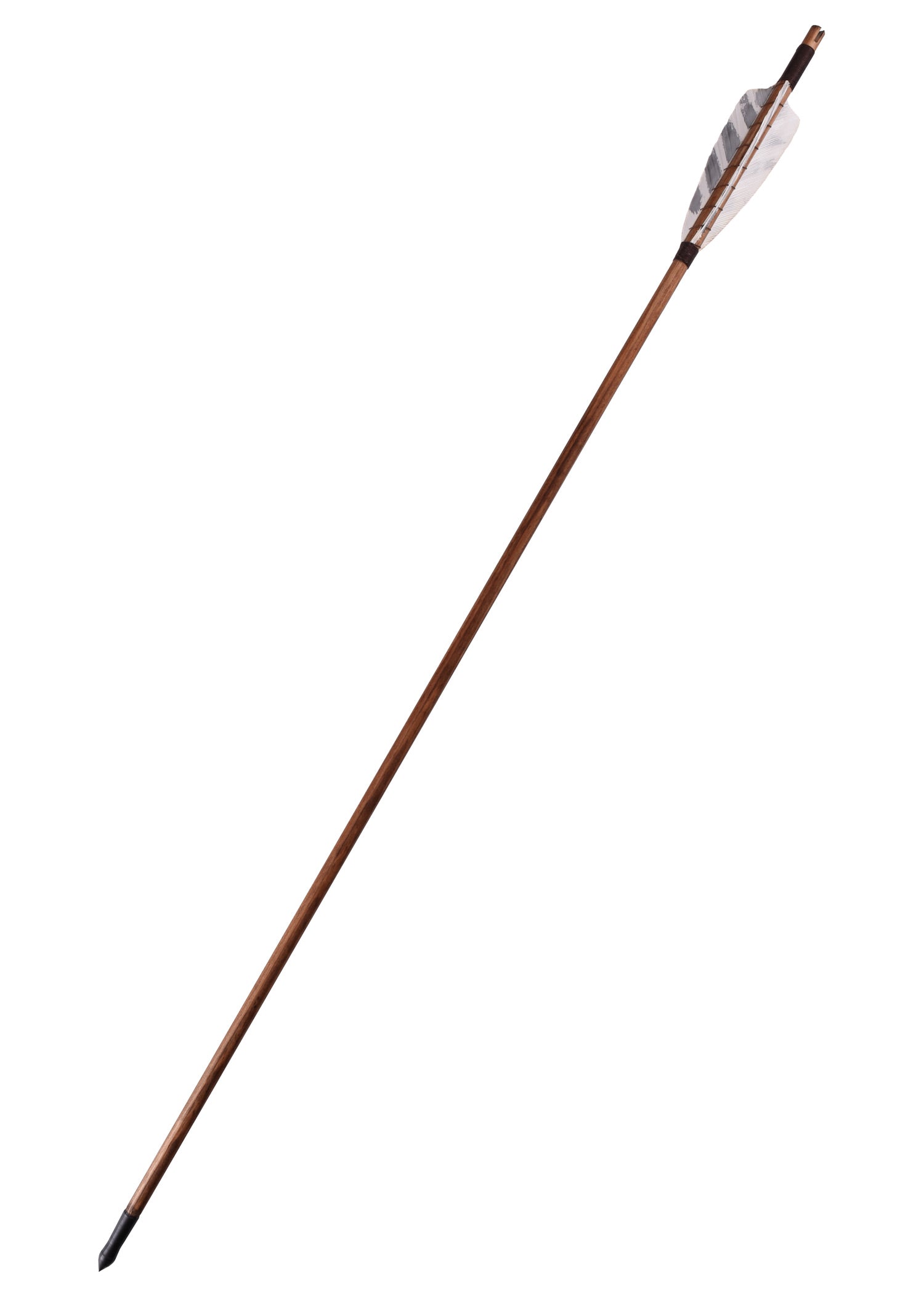
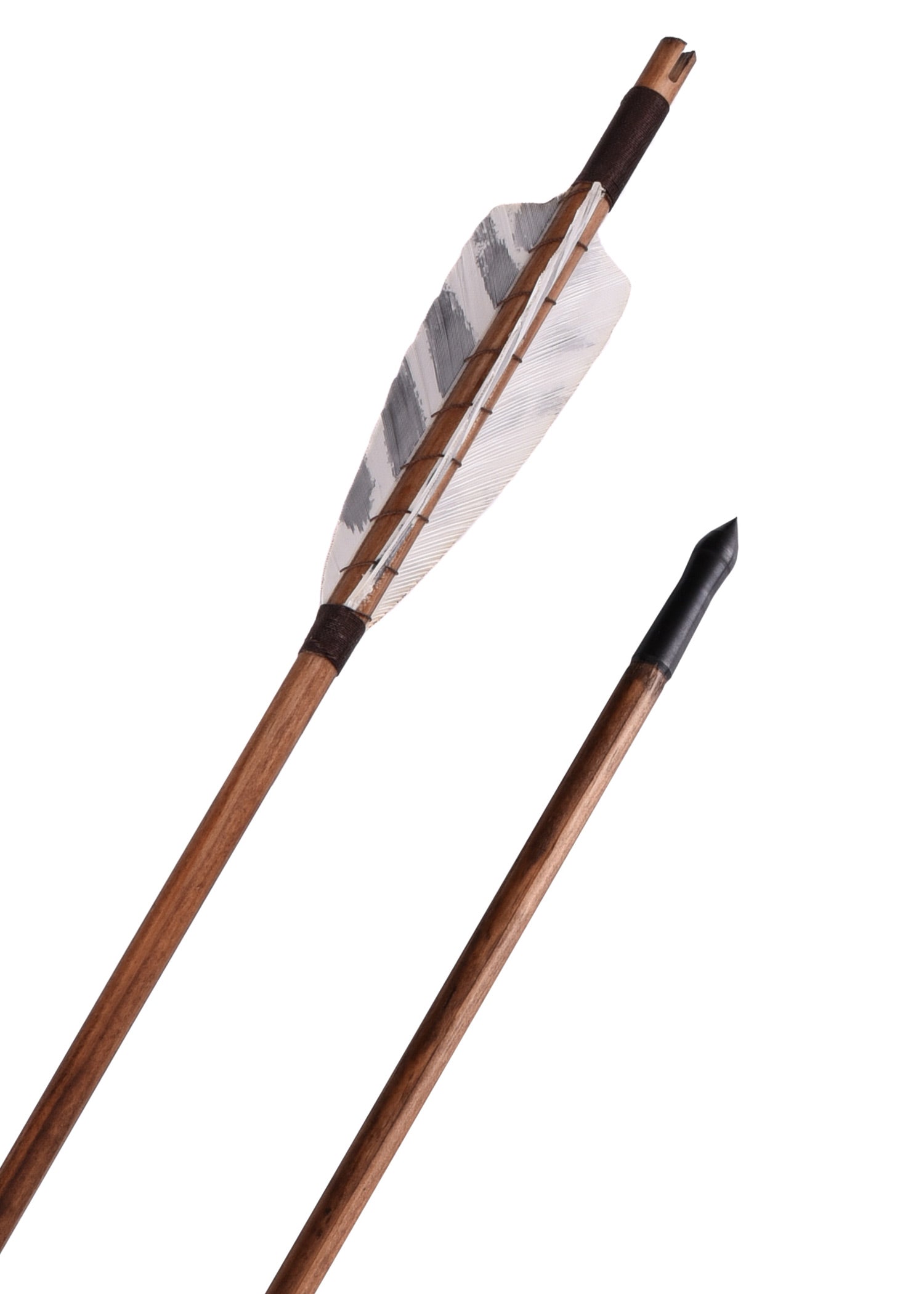
- Iron-tipped arrows: Designed to pierce armor and cause lethal wounds.
- Balanced design: Allowed for rapid, accurate shots with great penetrating capacity.
The Early Medieval bows were essential in hunting and warfare, used by skirmishers and specialized units. If you are looking for medieval bow replicas for historical reenactment, collecting, or traditional archery, at Todo Medieval you will find authentic, high-quality models.
