





7-10 Day ShippingSave 15%

7-10 Day Shipping
5-7 Day Shipping


5-7 Day ShippingSold out

Shipping 7-10 Days
5-7 Day Shipping

5-7 Day ShippingSold out
5-7 Day Shipping
5-7 Day Shipping


5-7 Day Shipping

7-10 Day Shipping
Save 7%



5-7 Day ShippingSold out

5-7 Day Shipping


5-7 Day Shipping

7-10 Day Shipping

7-10 Day Shipping
7-10 Day Shipping
7-10 Day Shipping
7-10 Day Shipping
7-10 Day Shipping
7-10 Day Shipping
7-10 Day ShippingSave 15%
7-10 Day Shipping
5-7 Day Shipping
5-7 Day ShippingSold out
Shipping 7-10 Days
5-7 Day Shipping
5-7 Day ShippingSold out
5-7 Day Shipping
5-7 Day Shipping
5-7 Day Shipping
7-10 Day Shipping
Save 7%
5-7 Day ShippingSold out
5-7 Day Shipping
5-7 Day Shipping
7-10 Day Shipping
7-10 Day Shipping
7-10 Day Shipping
7-10 Day Shipping
7-10 Day Shipping
7-10 Day Shipping
7-10 Day Shipping
Polearms in the Early Middle Ages: range and power in medieval combat
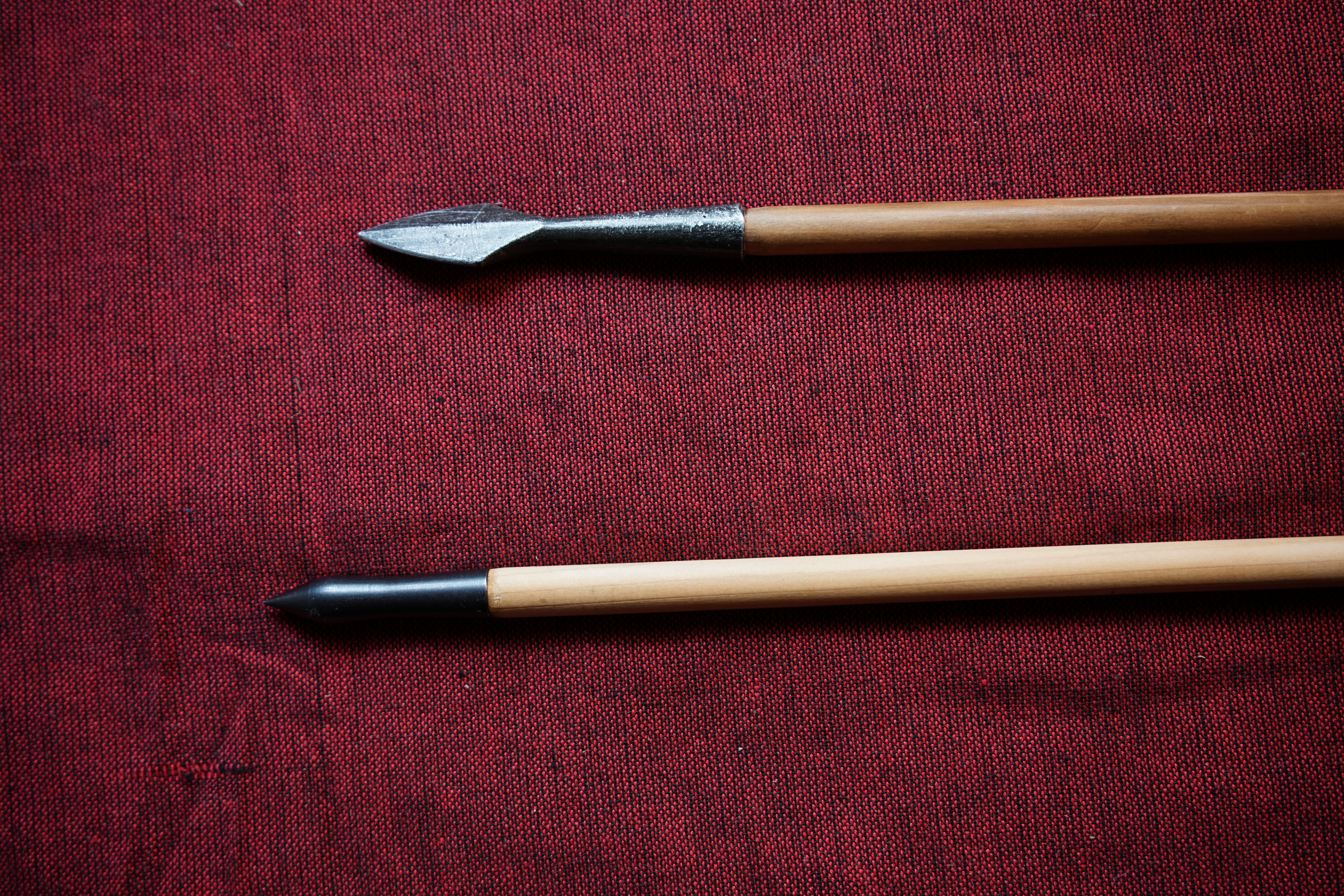
The polearms of the Early Middle Ages were essential in hand-to-hand combat and battle formations. Their great reach and force allowed warriors to strike from a distance, maintaining the advantage over their enemies. From spears to poleaxes, these weapons were fundamental to the military strategies of the era.
Main types of polearms from the Early Middle Ages
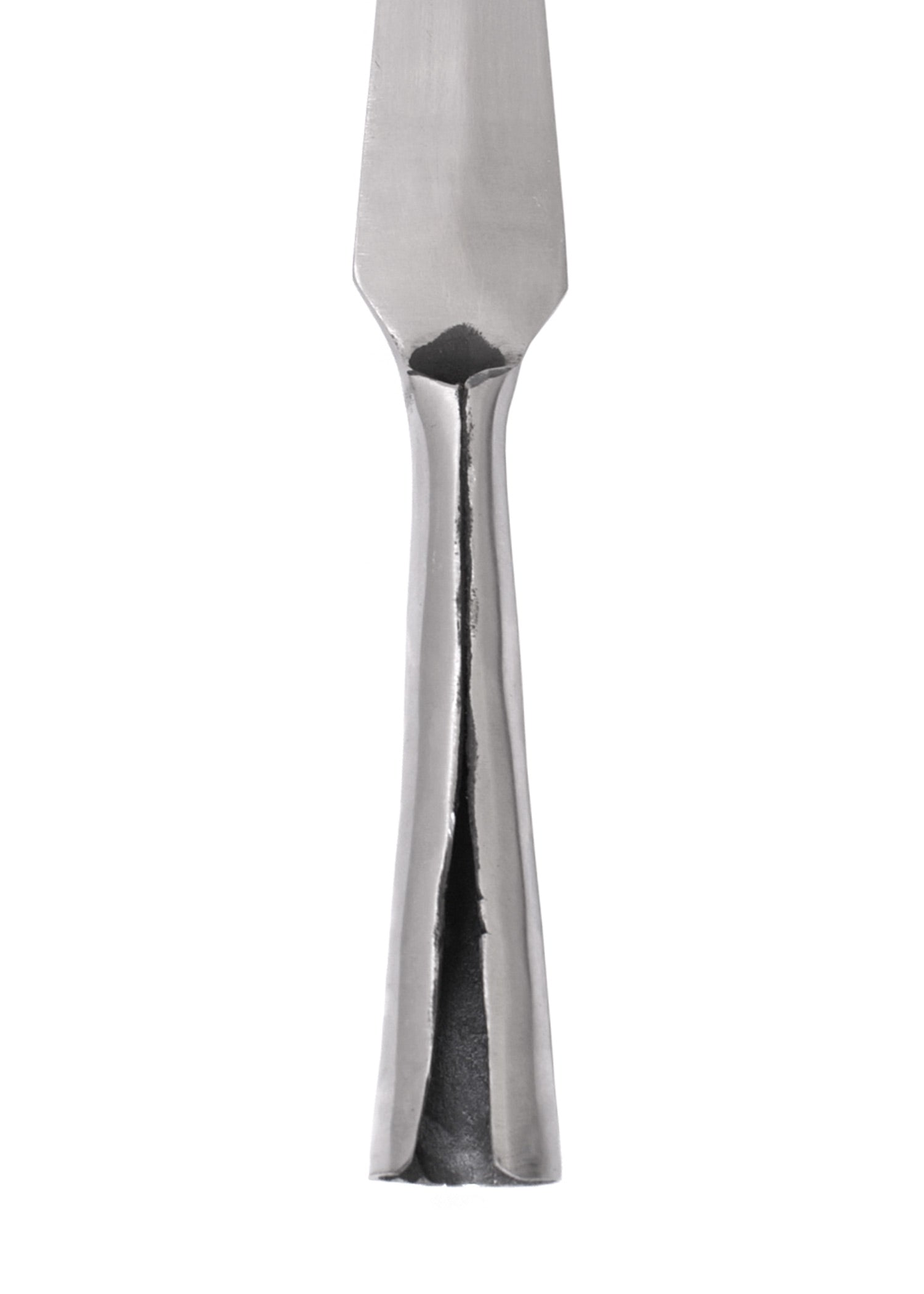
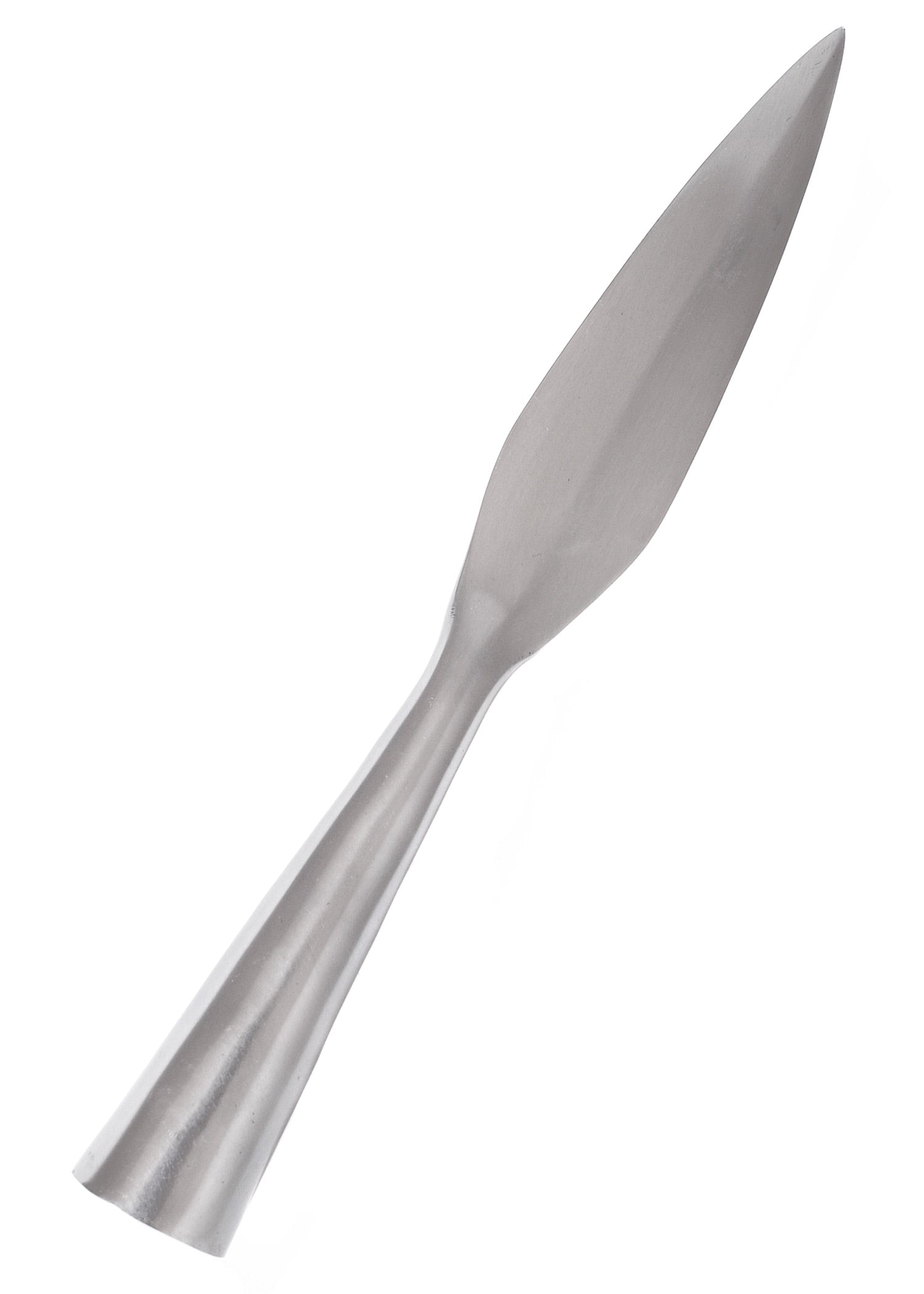
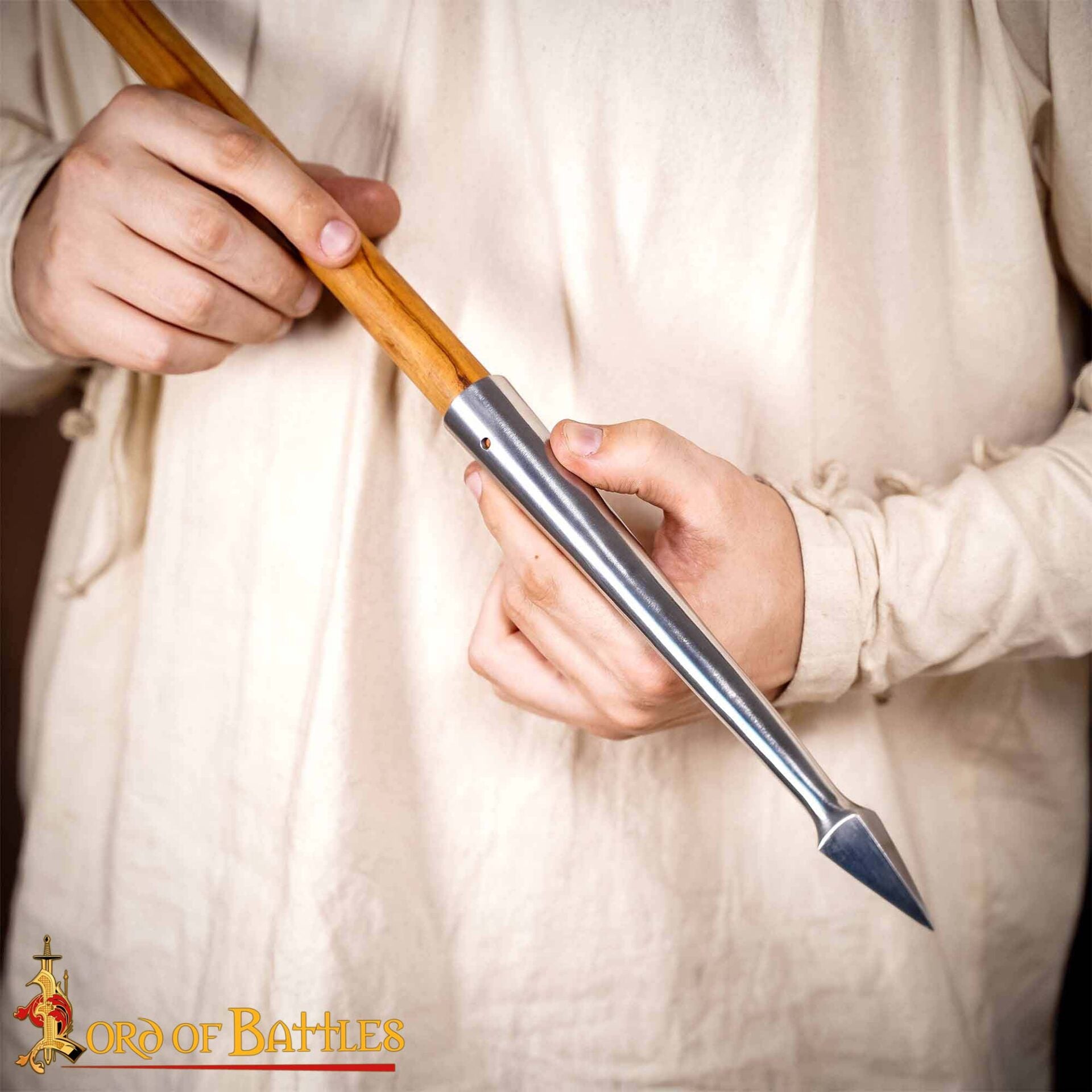
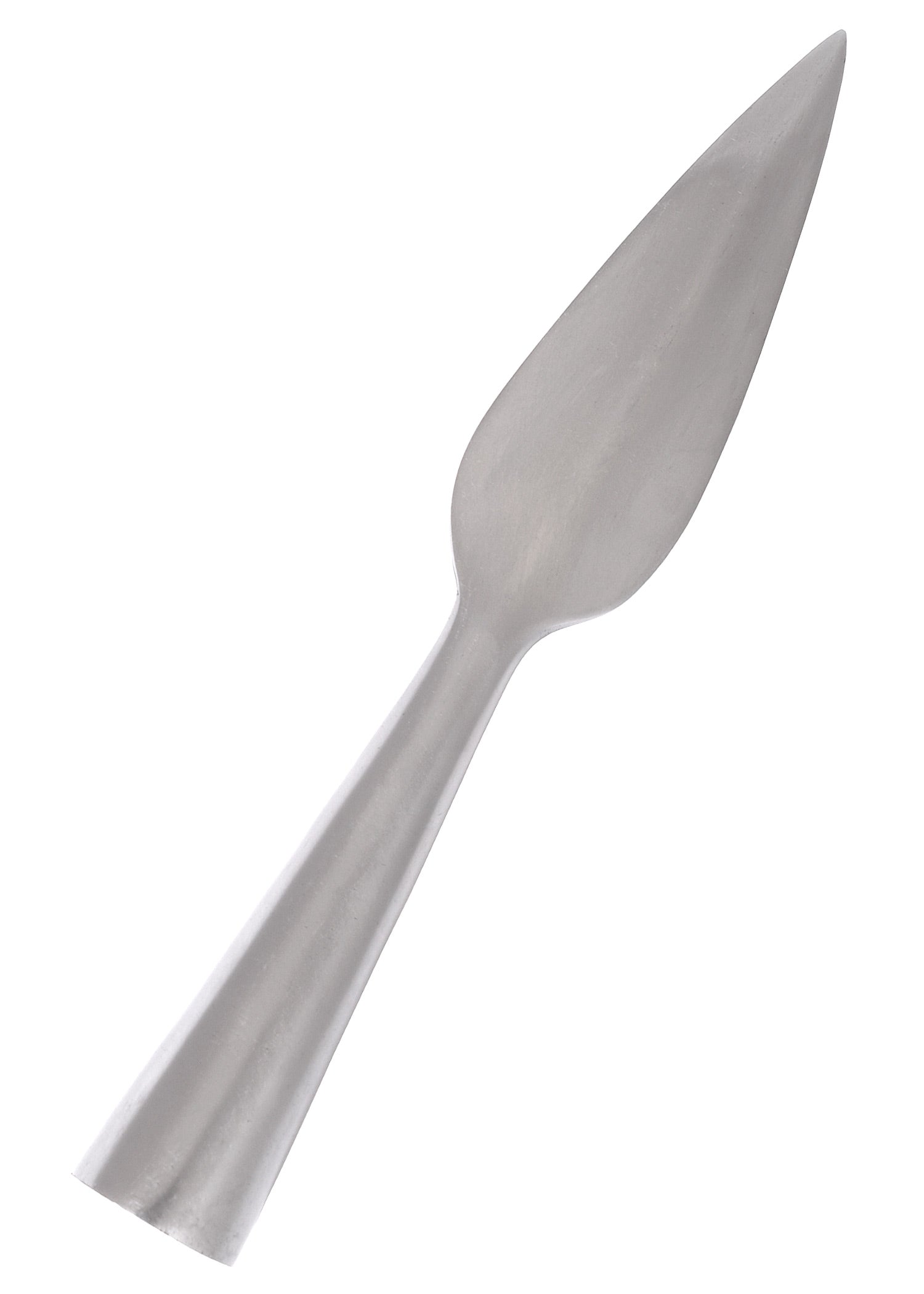
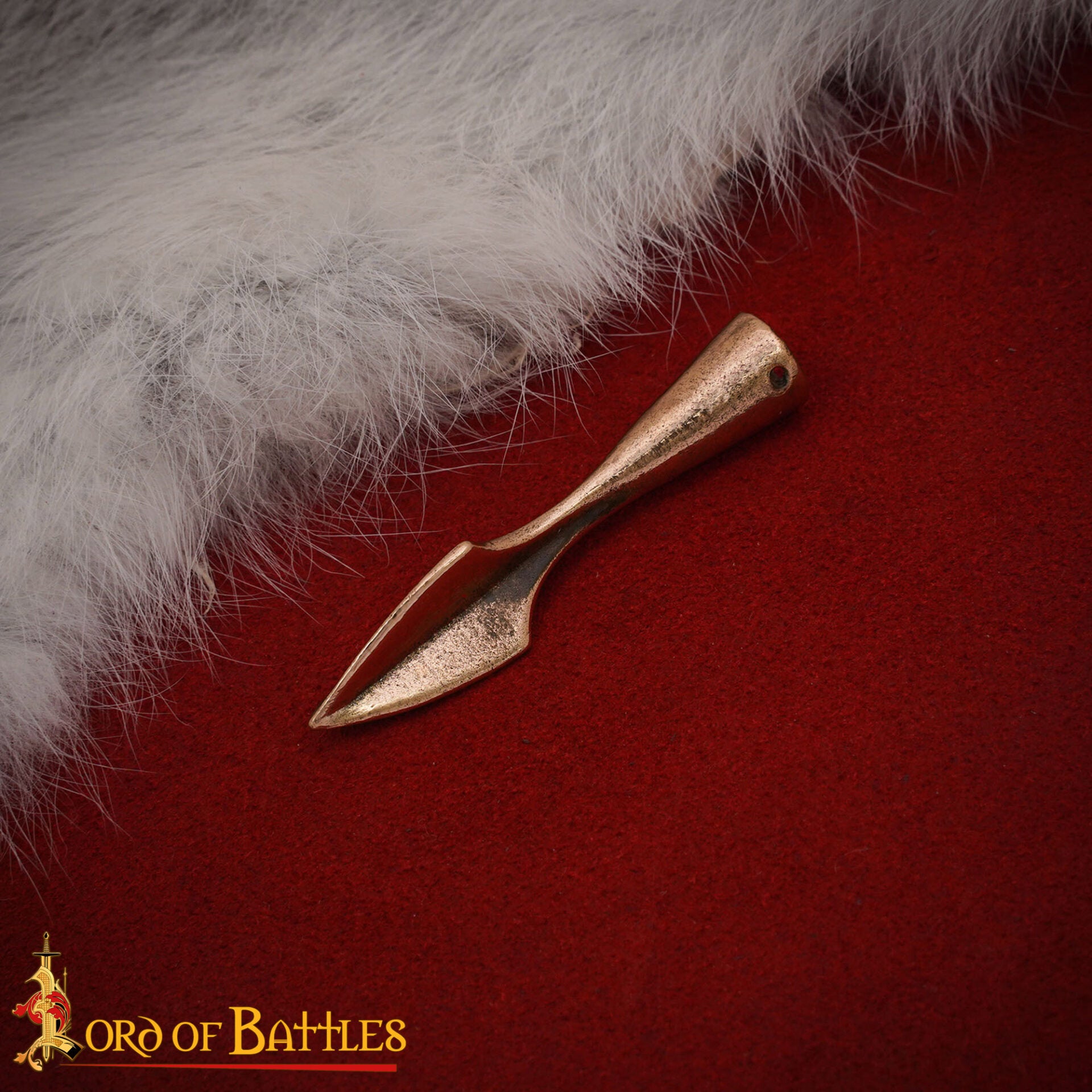
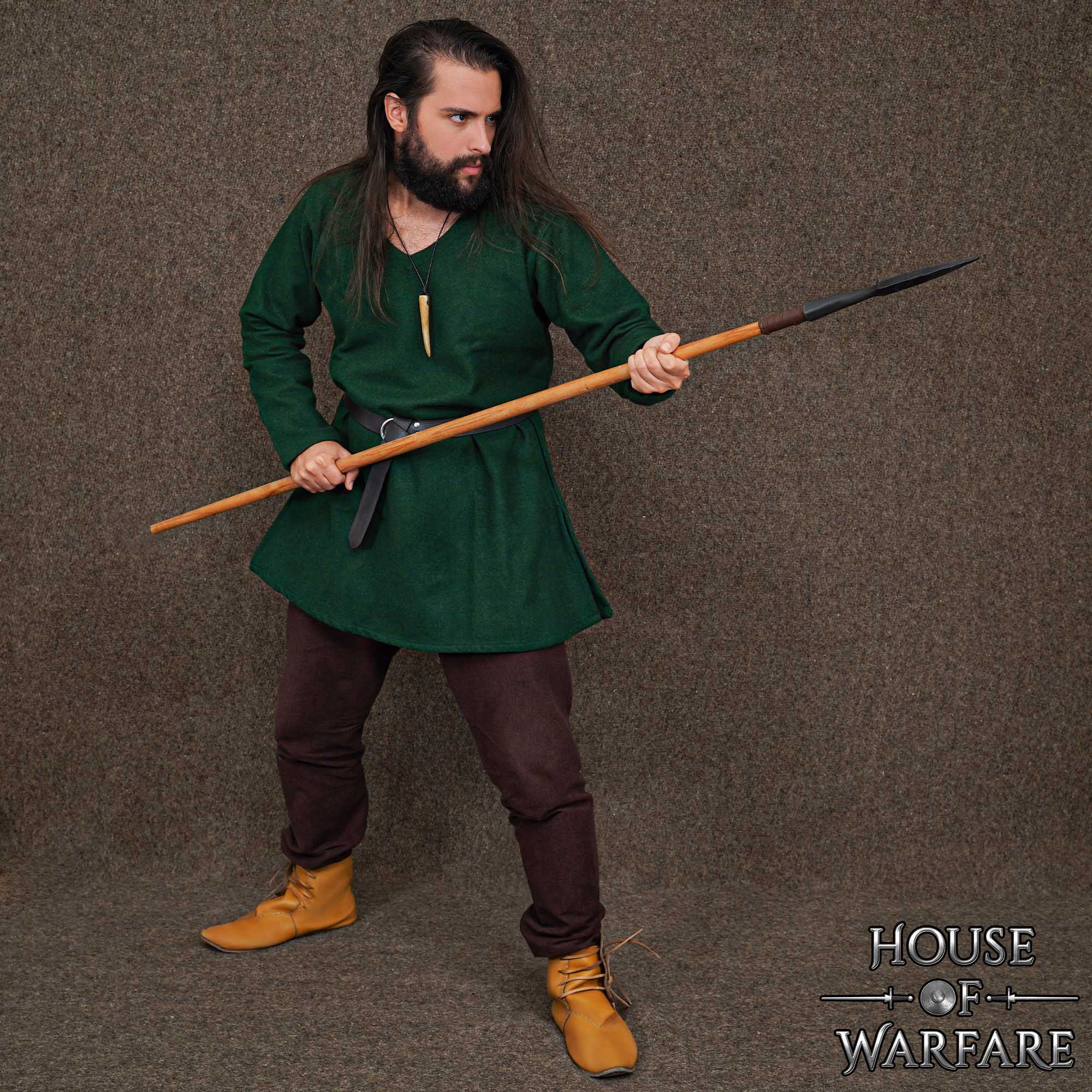
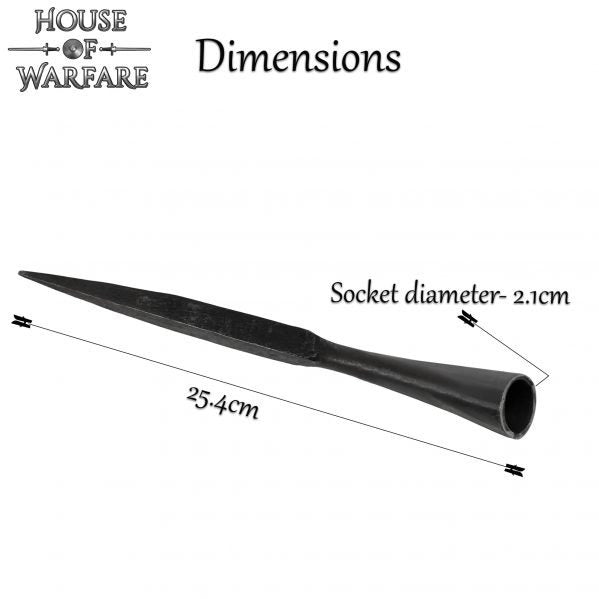
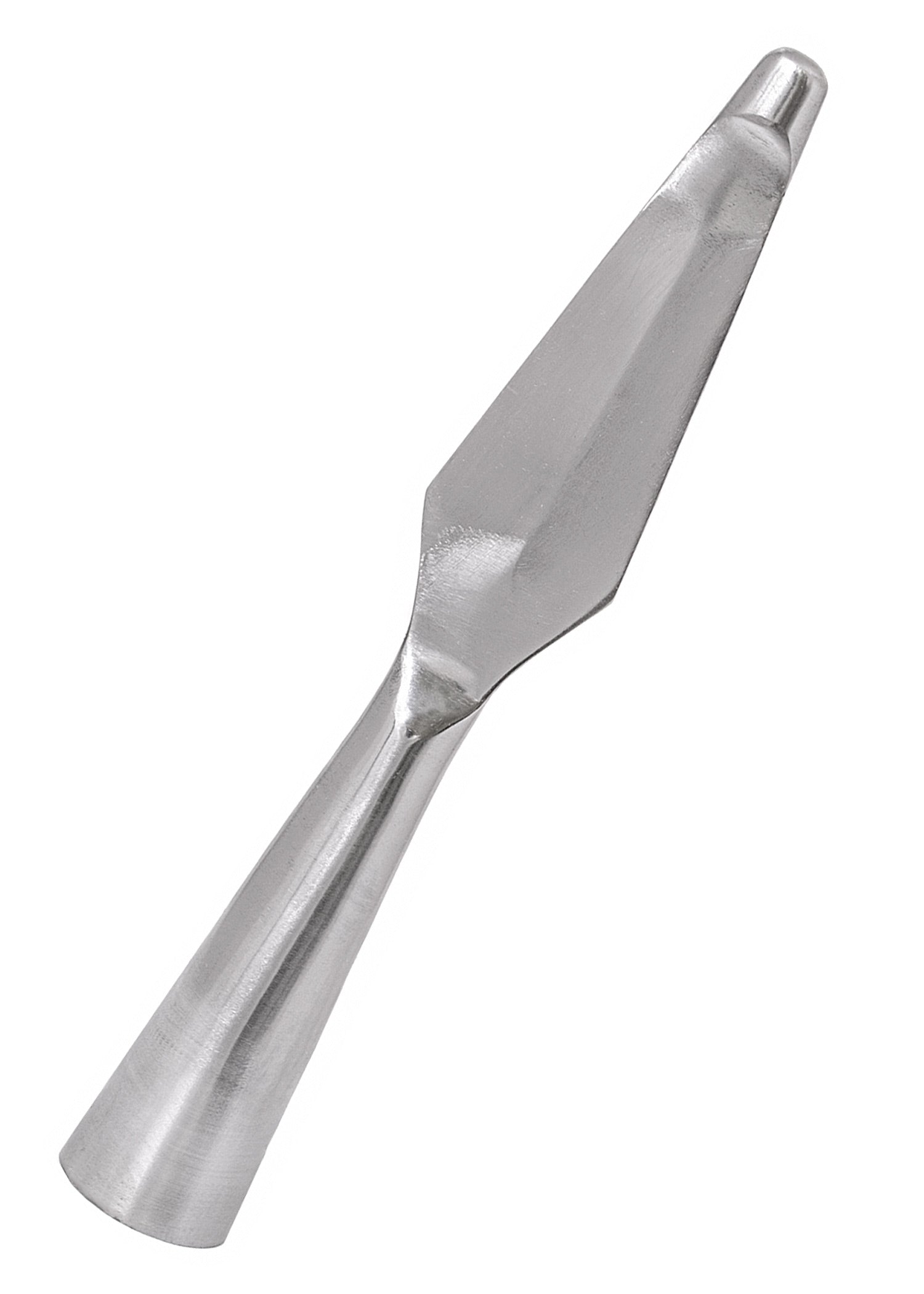
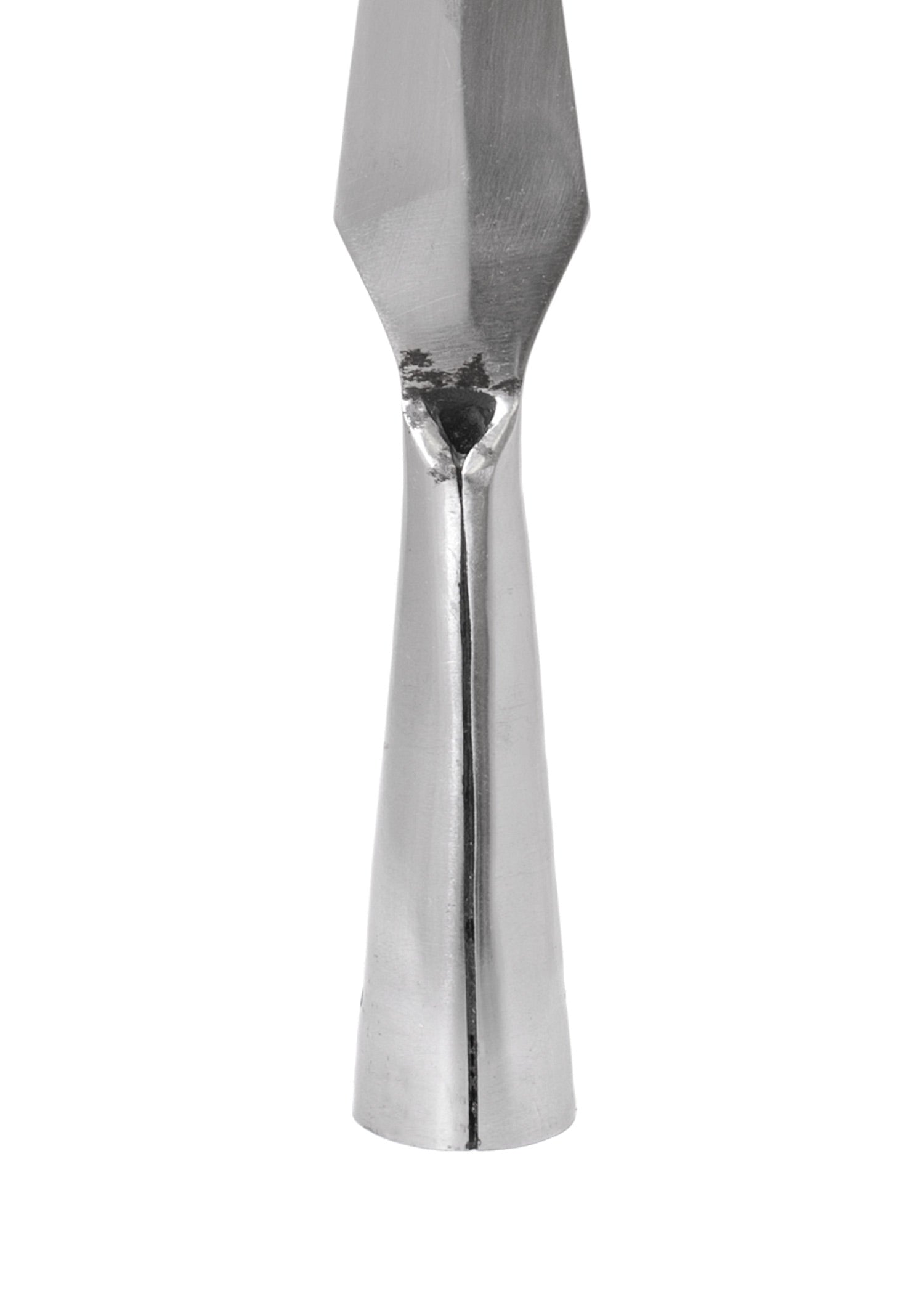
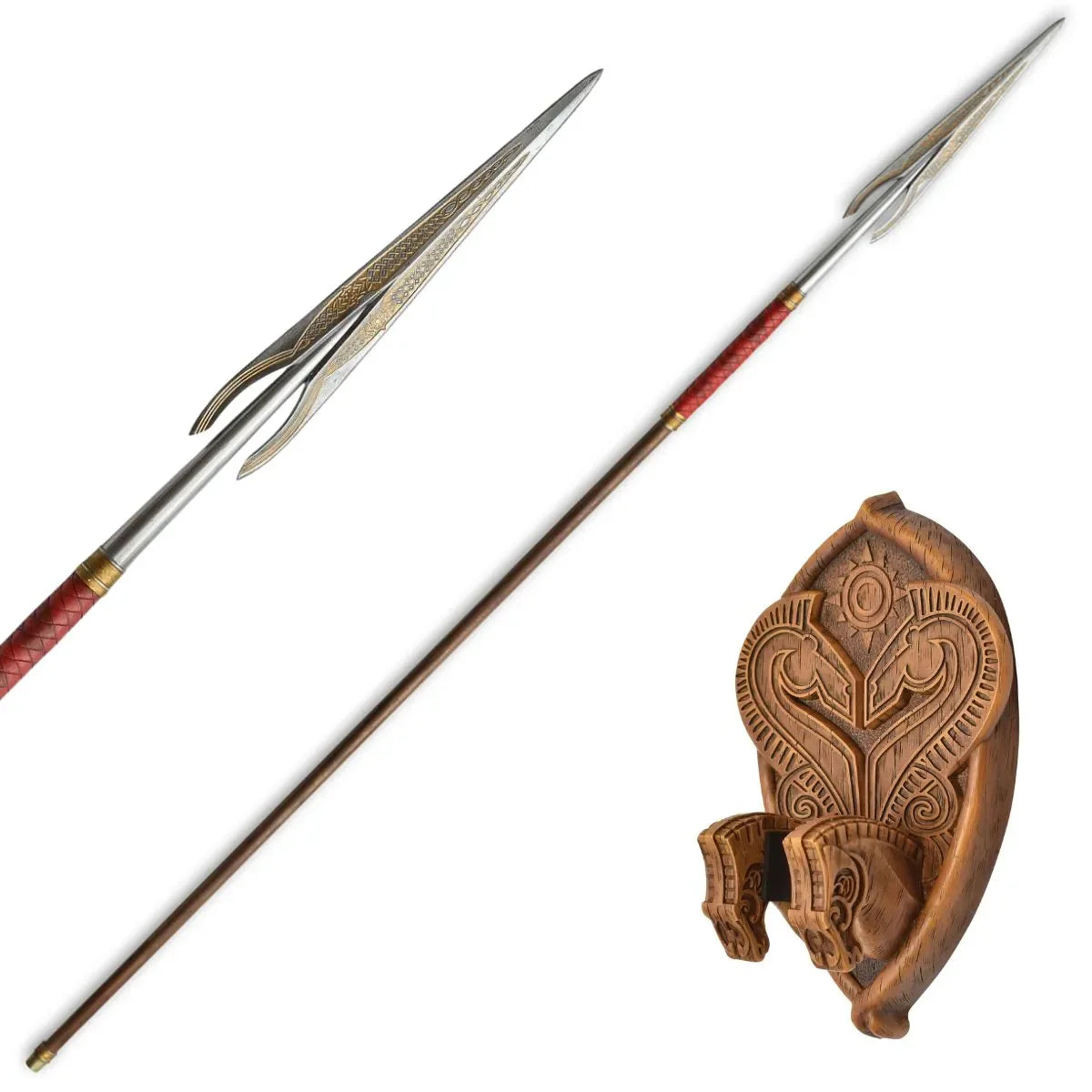
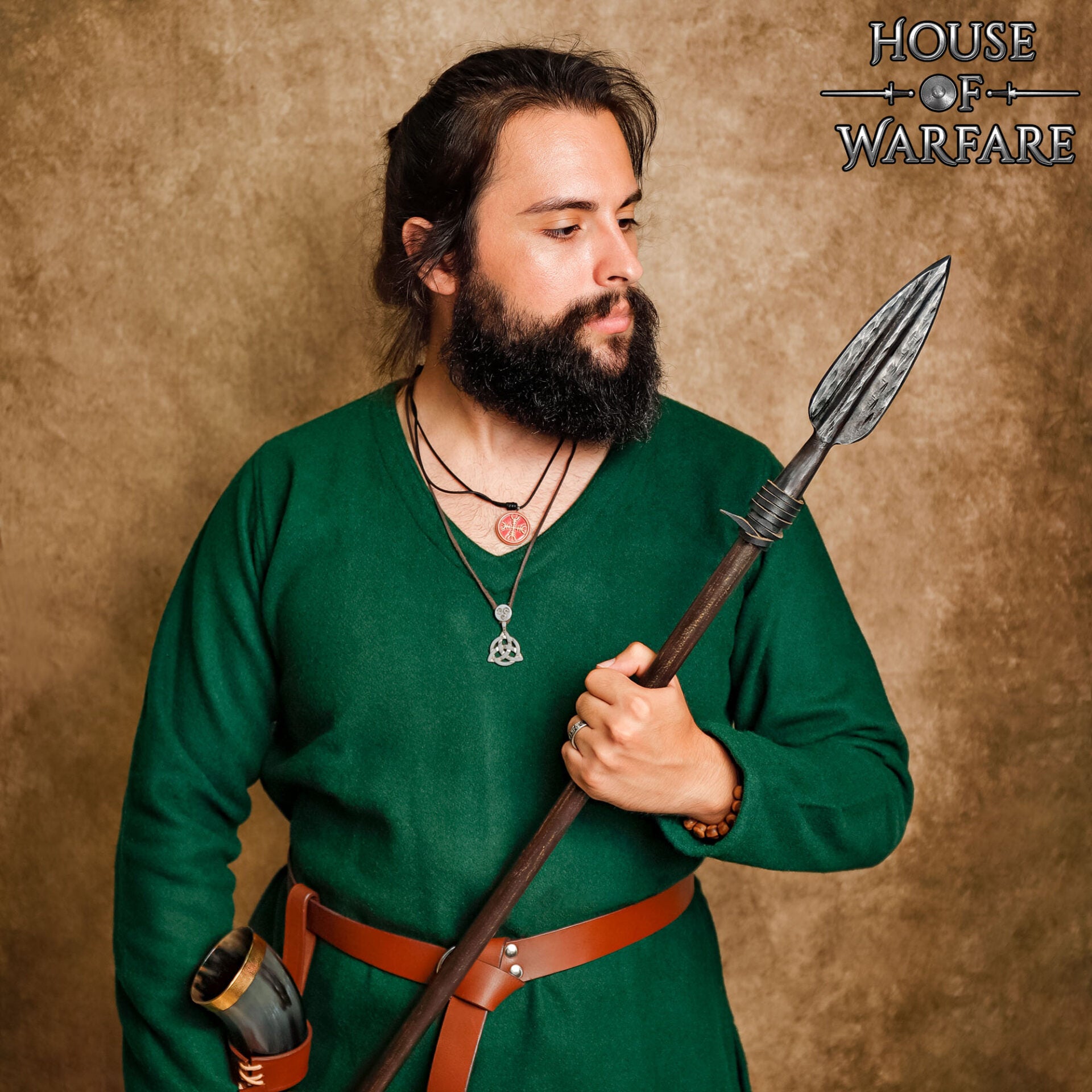
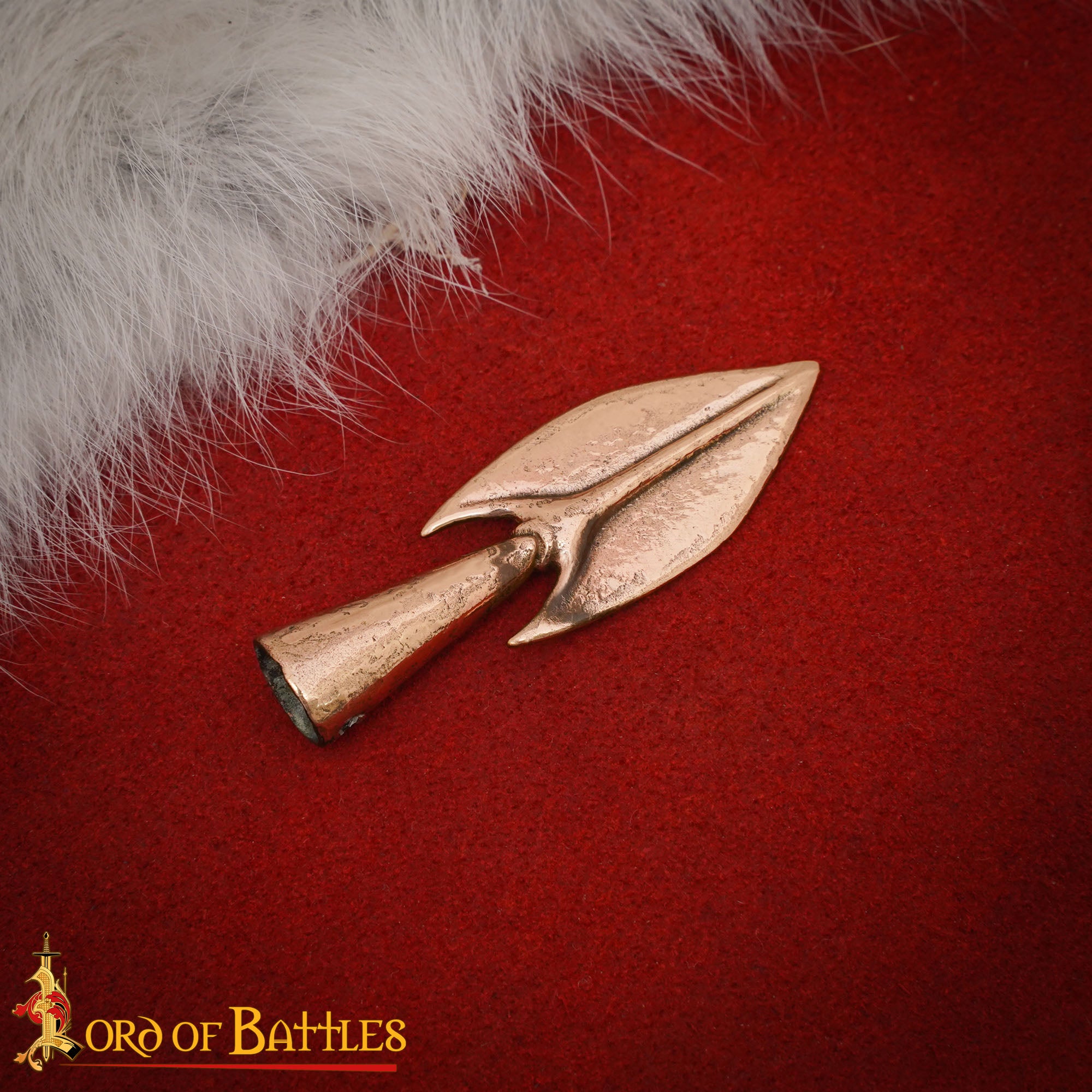
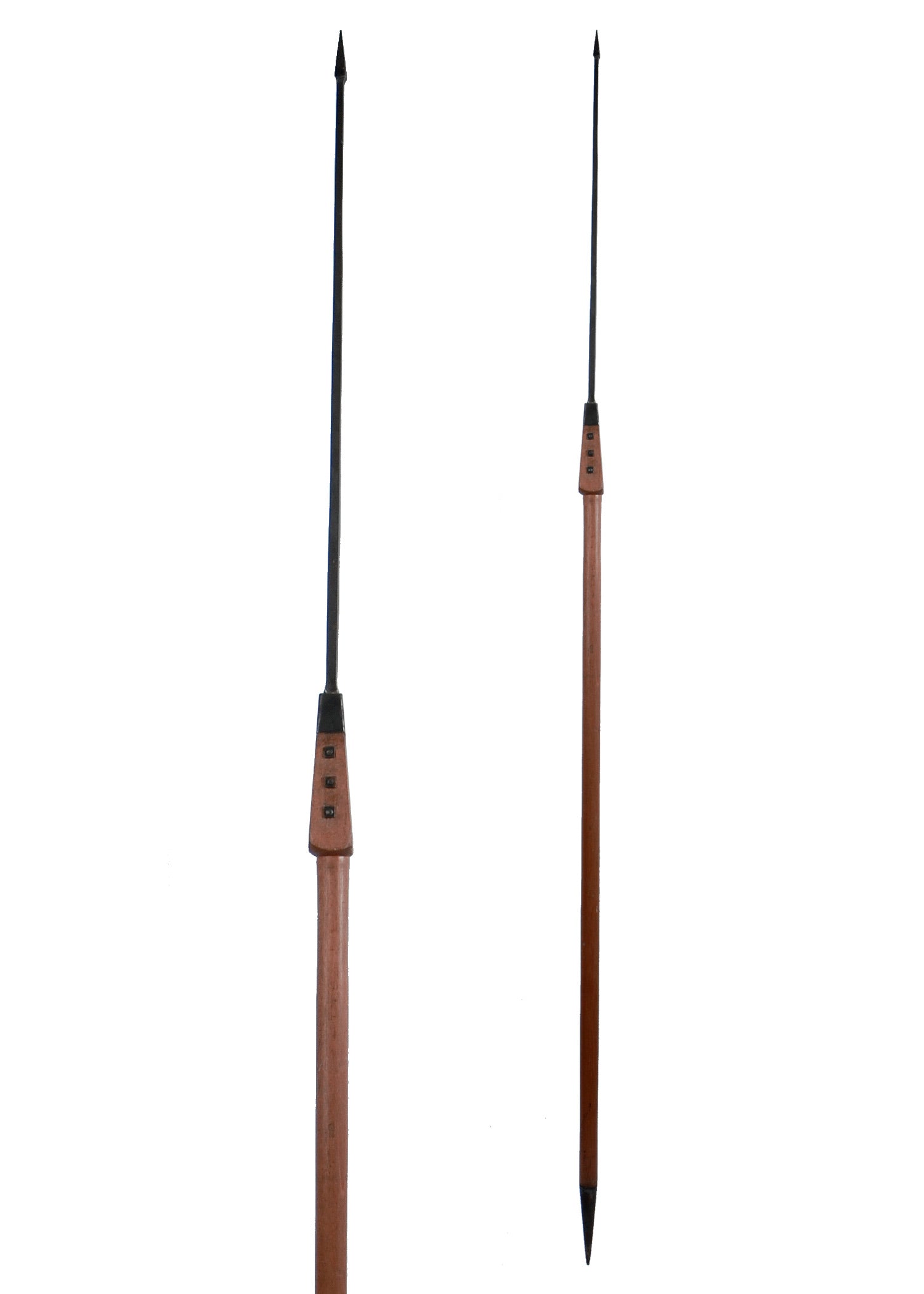
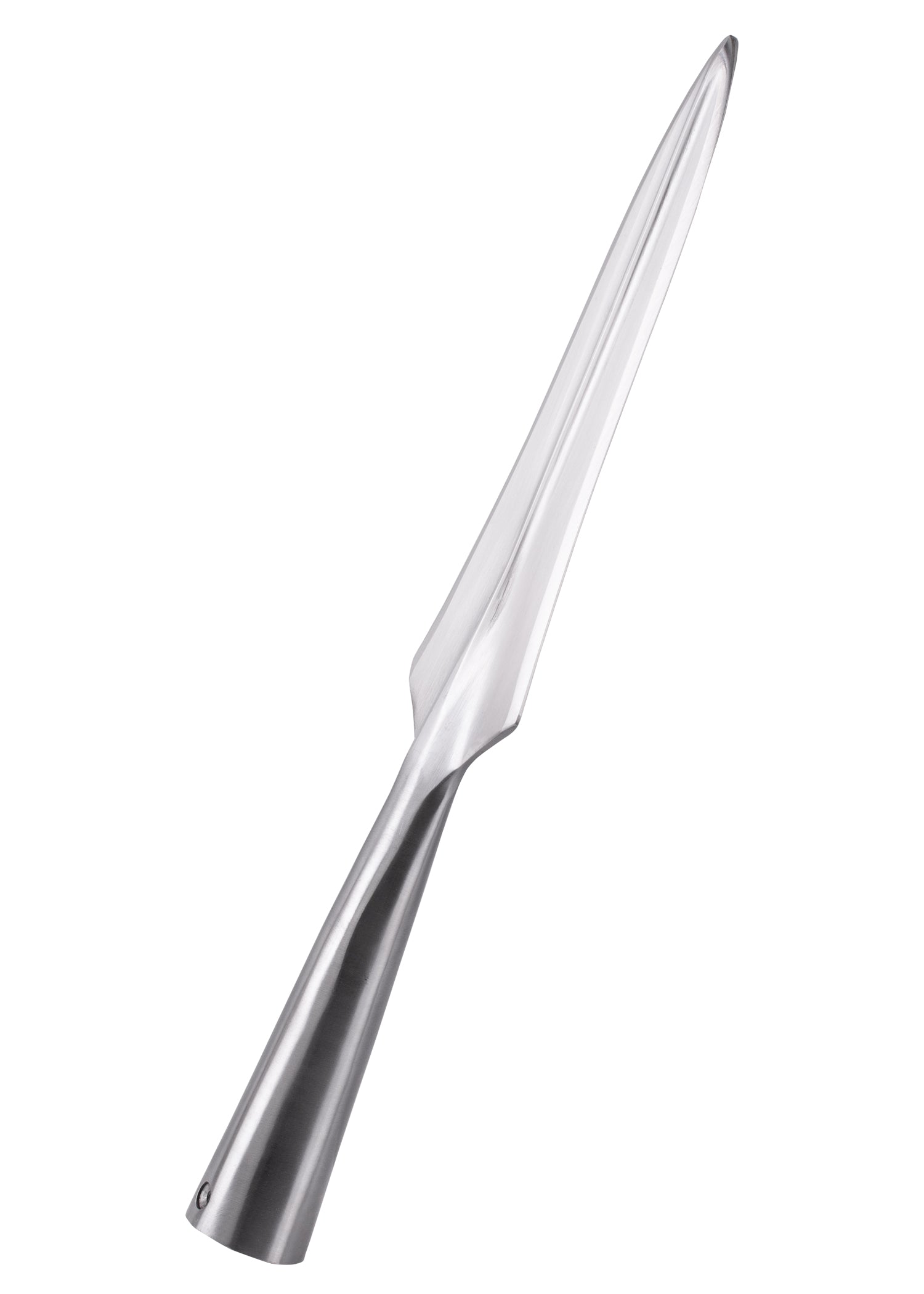
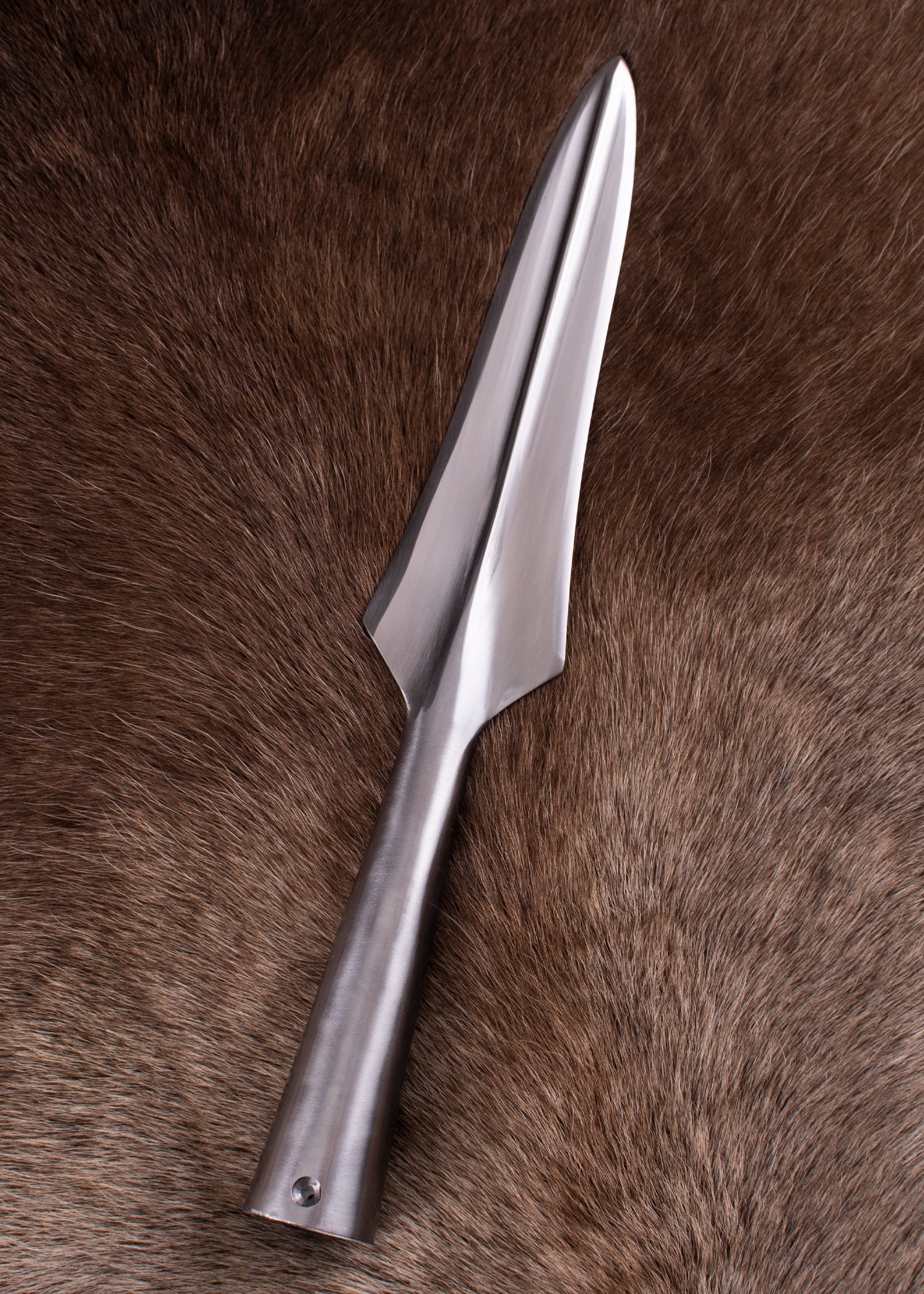
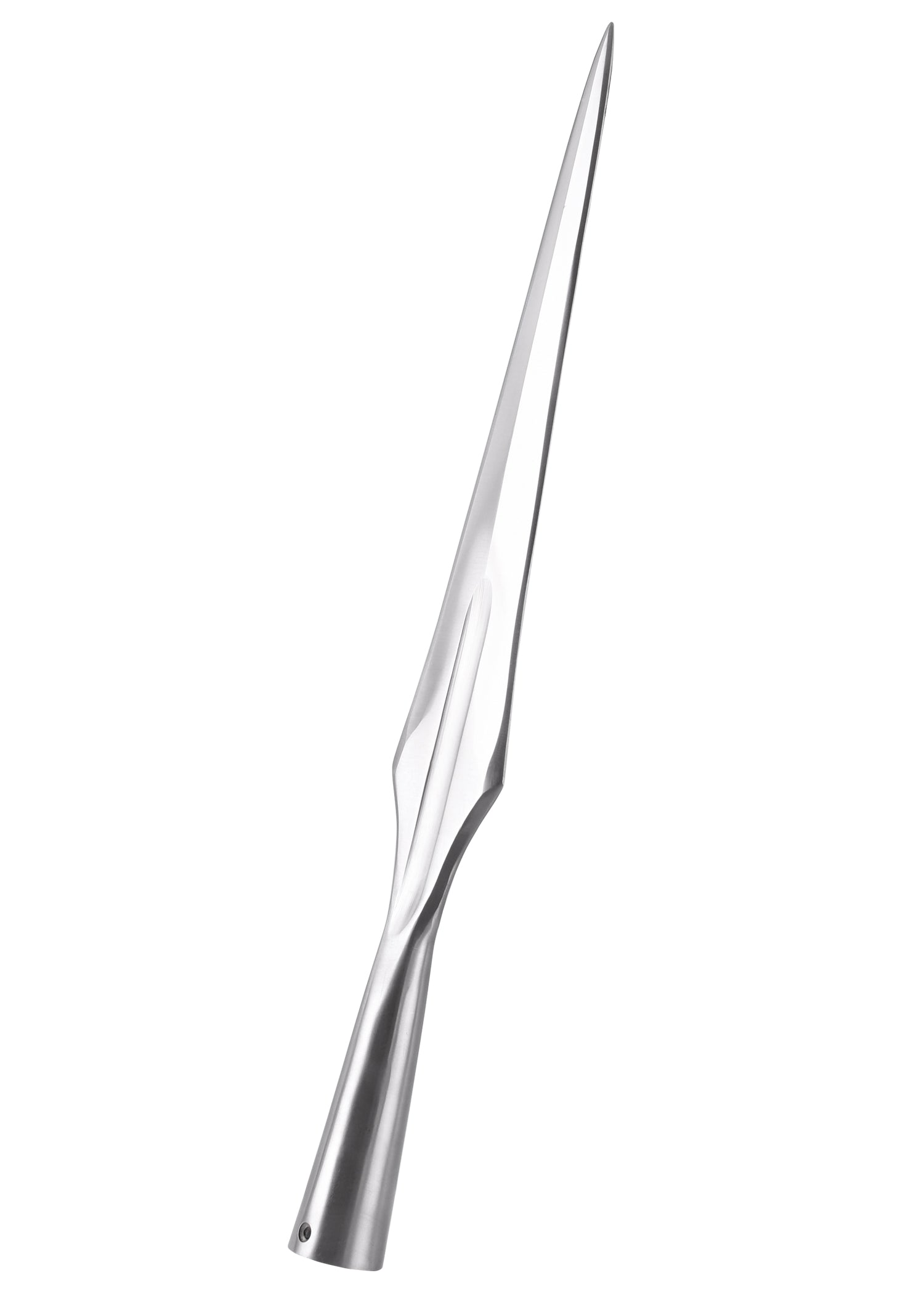
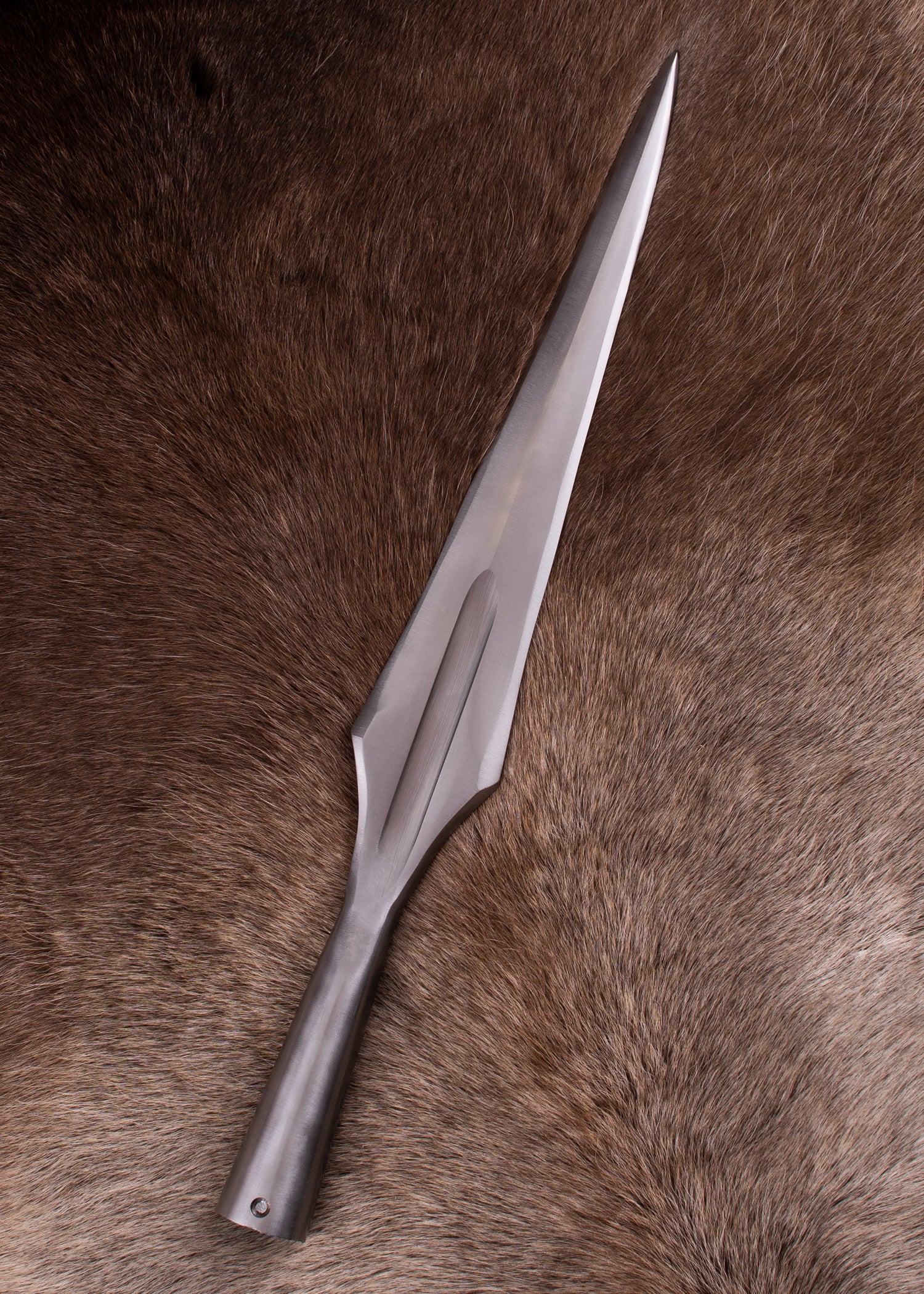
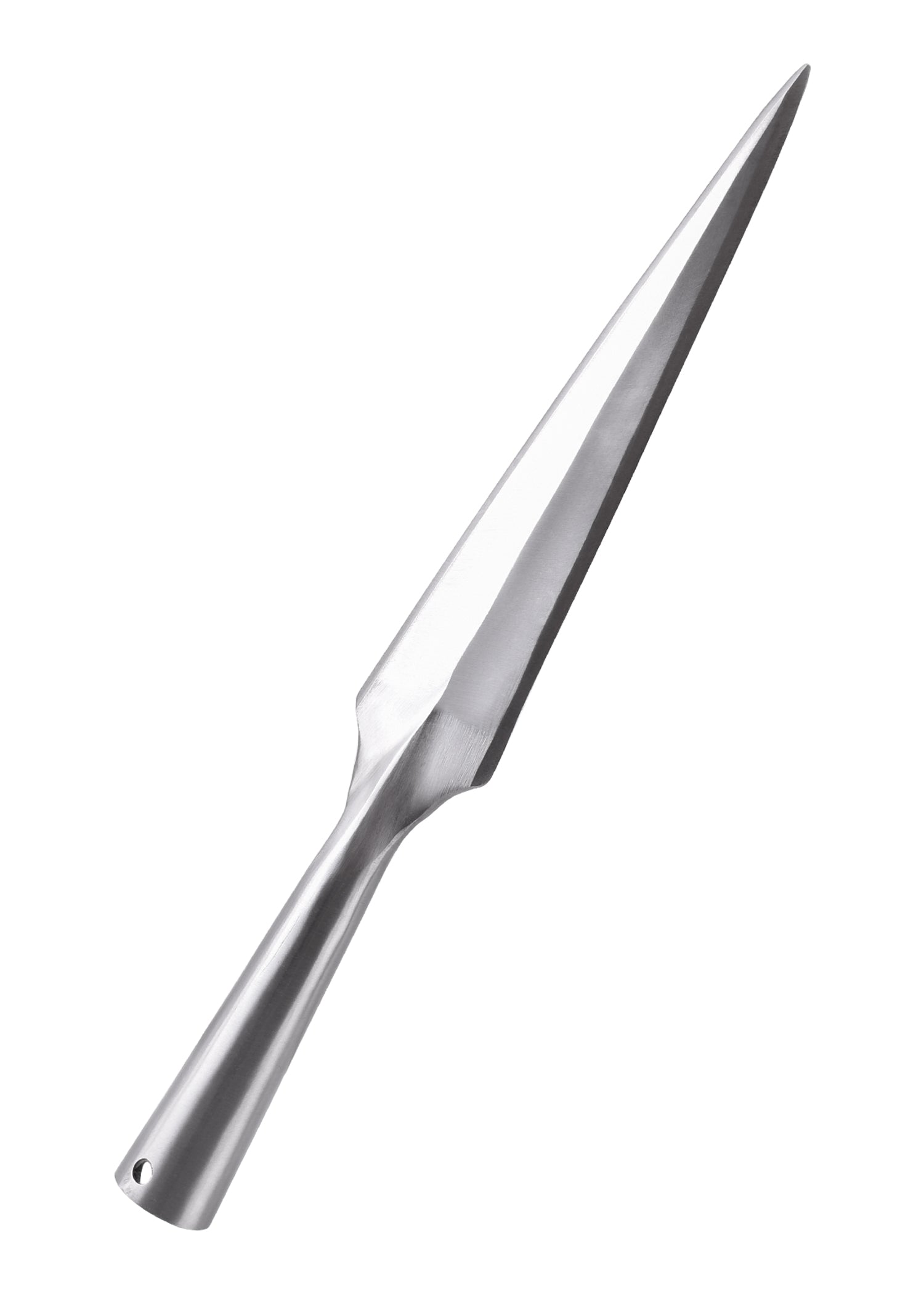
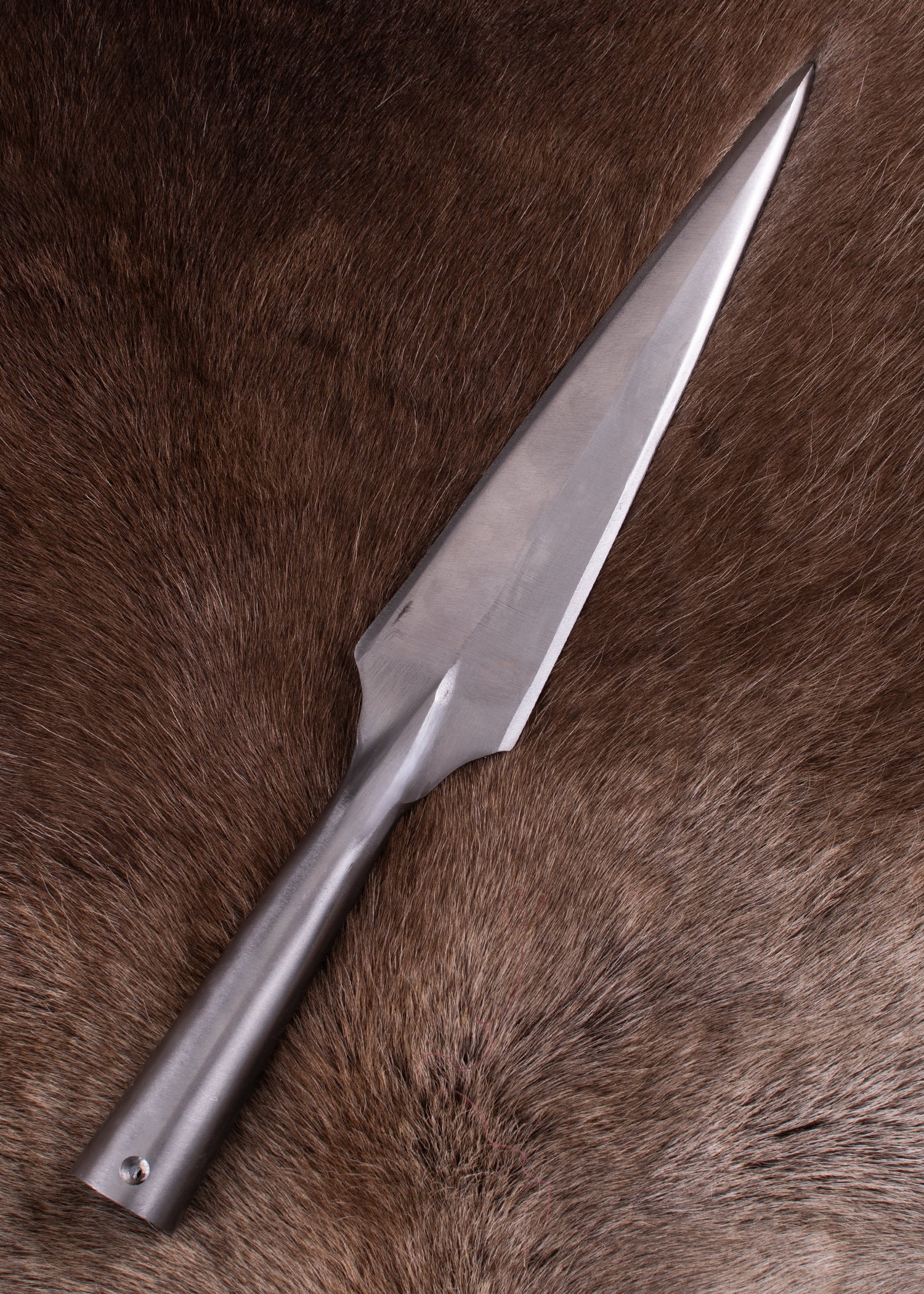
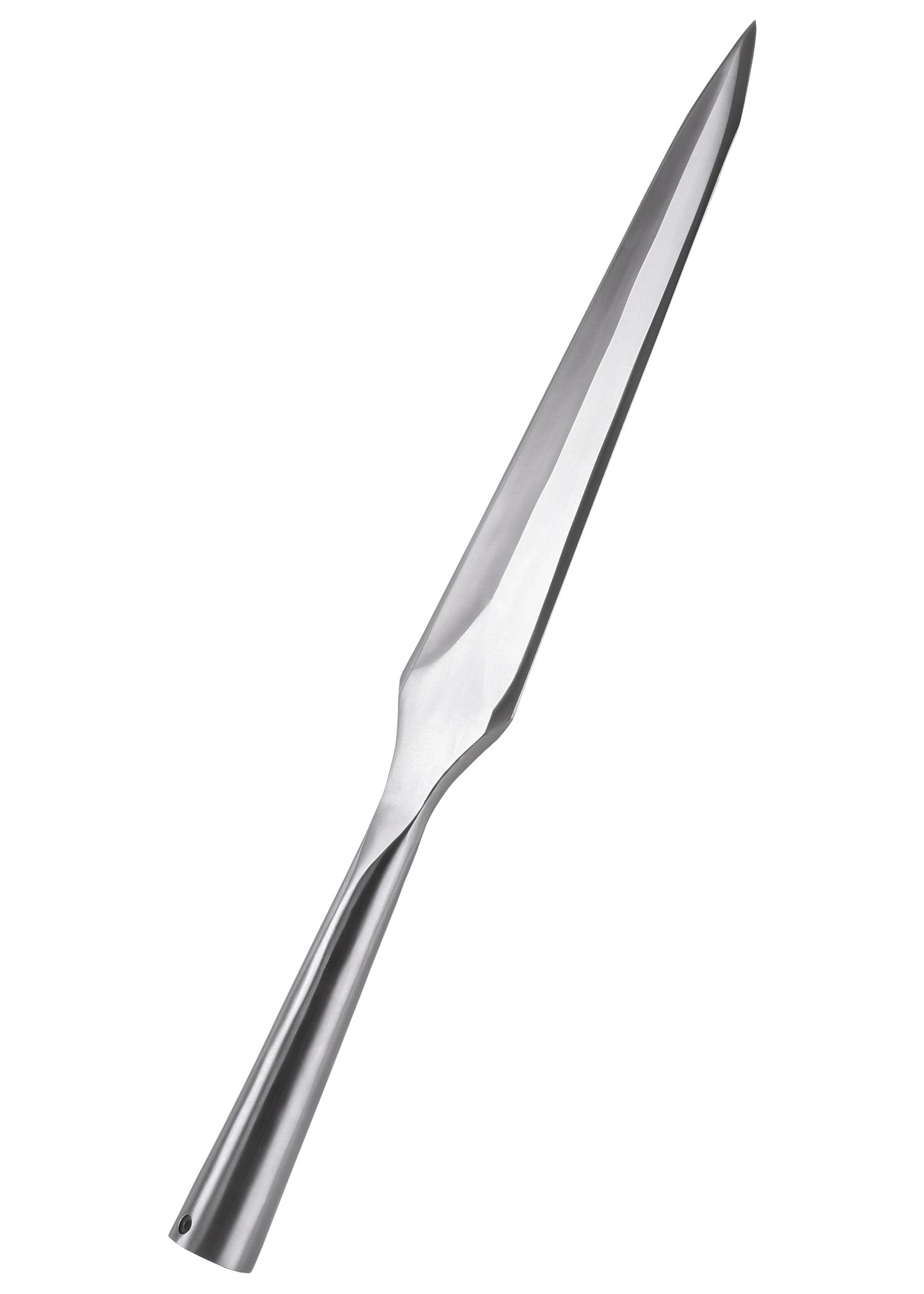
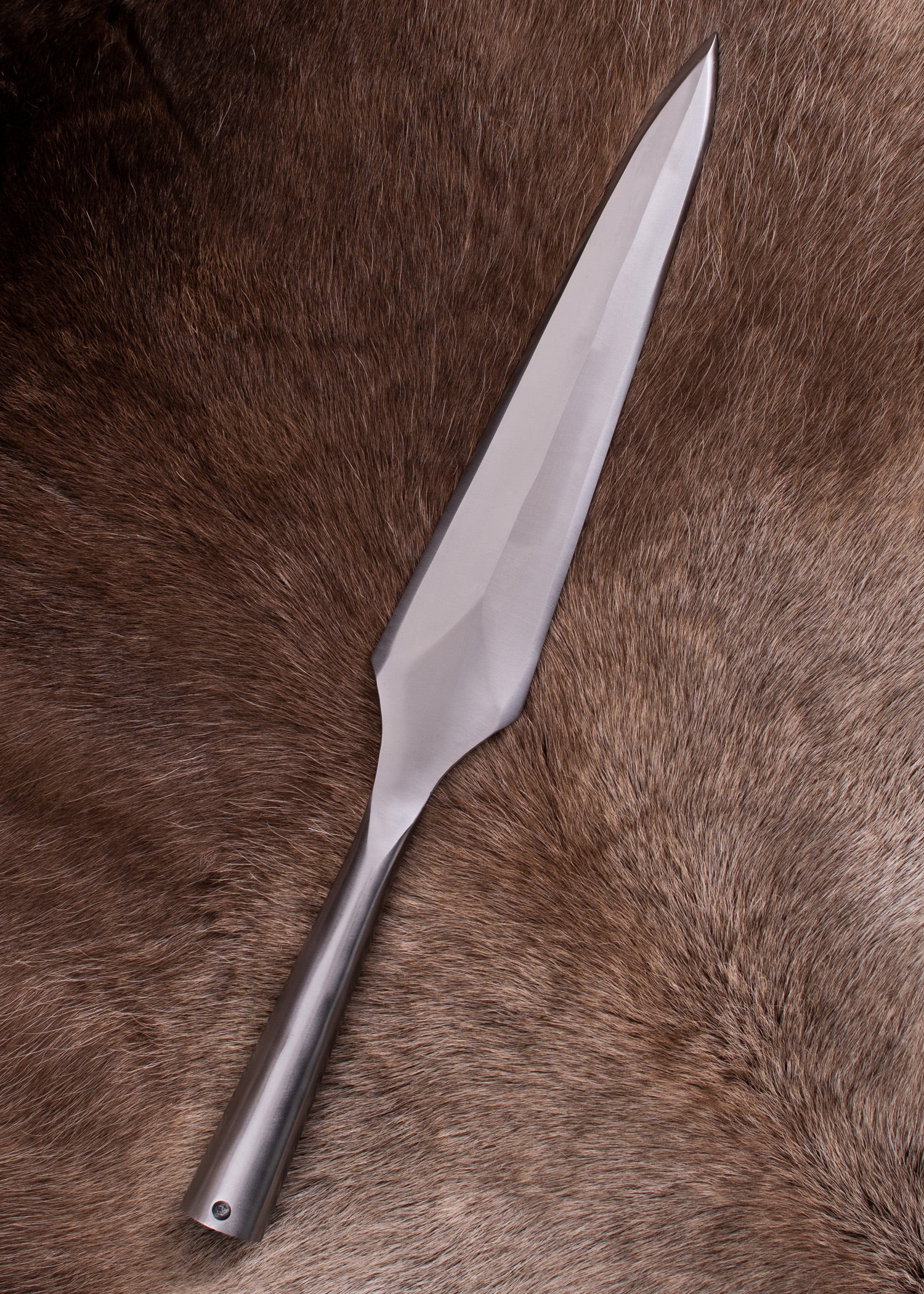
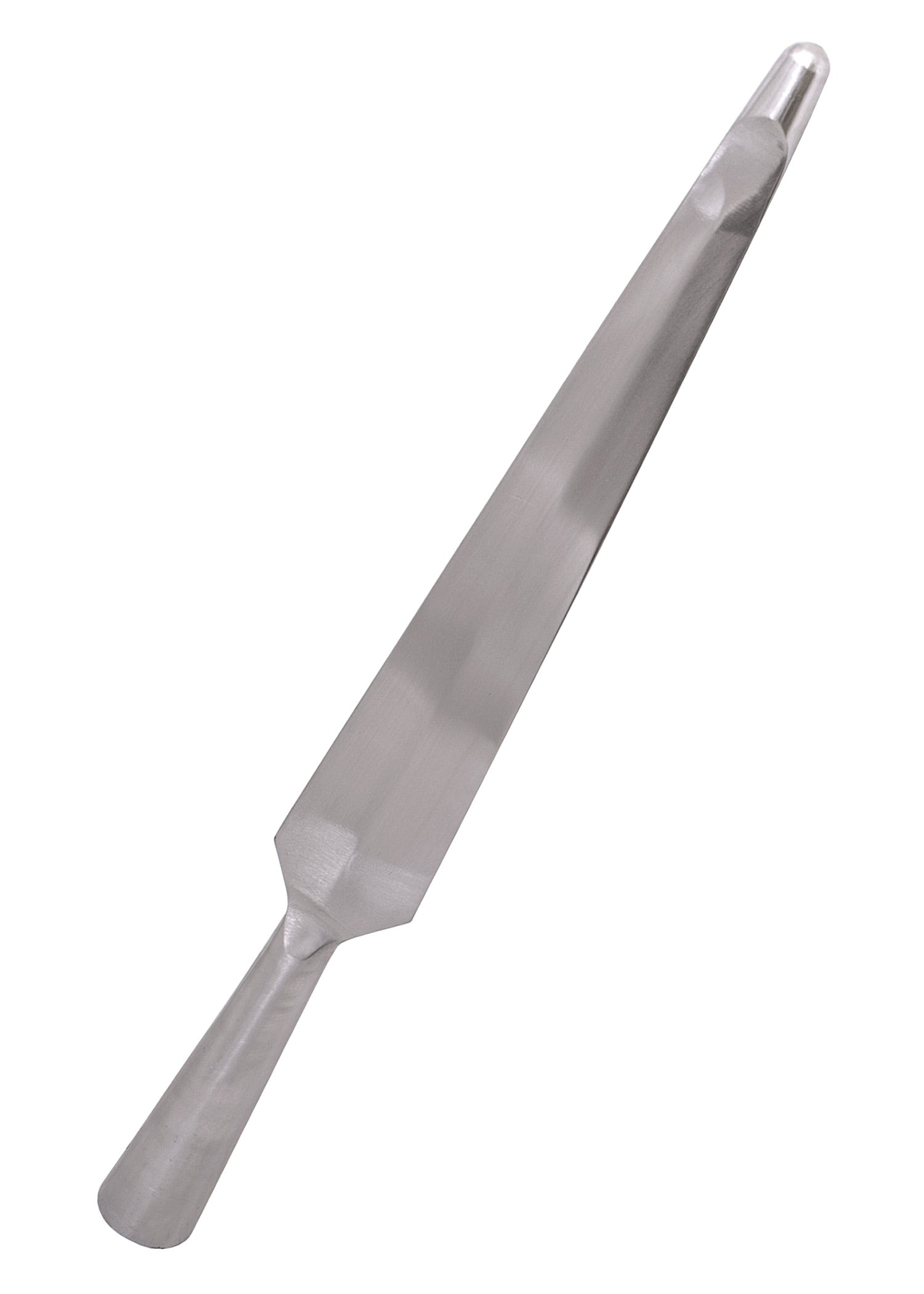
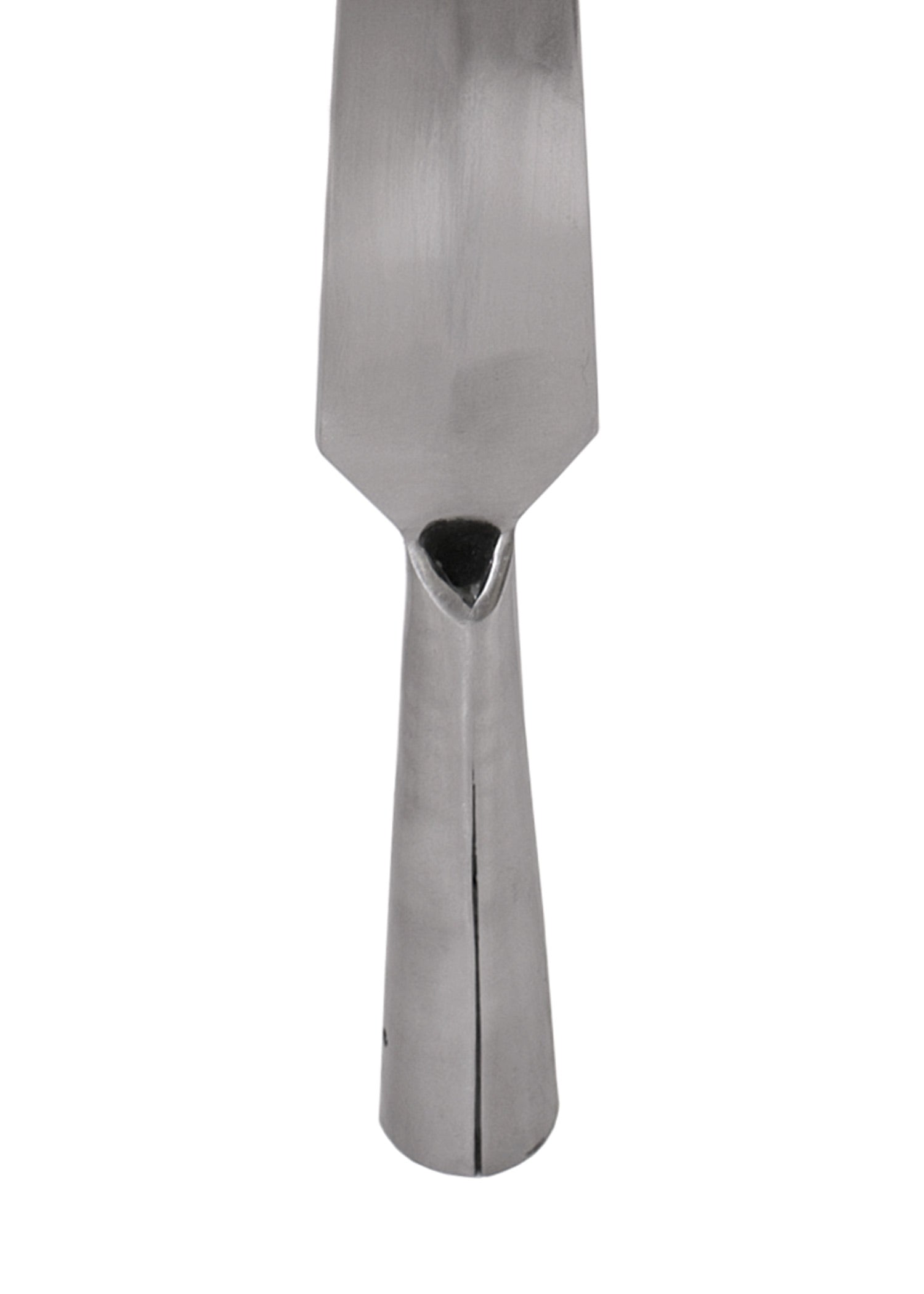
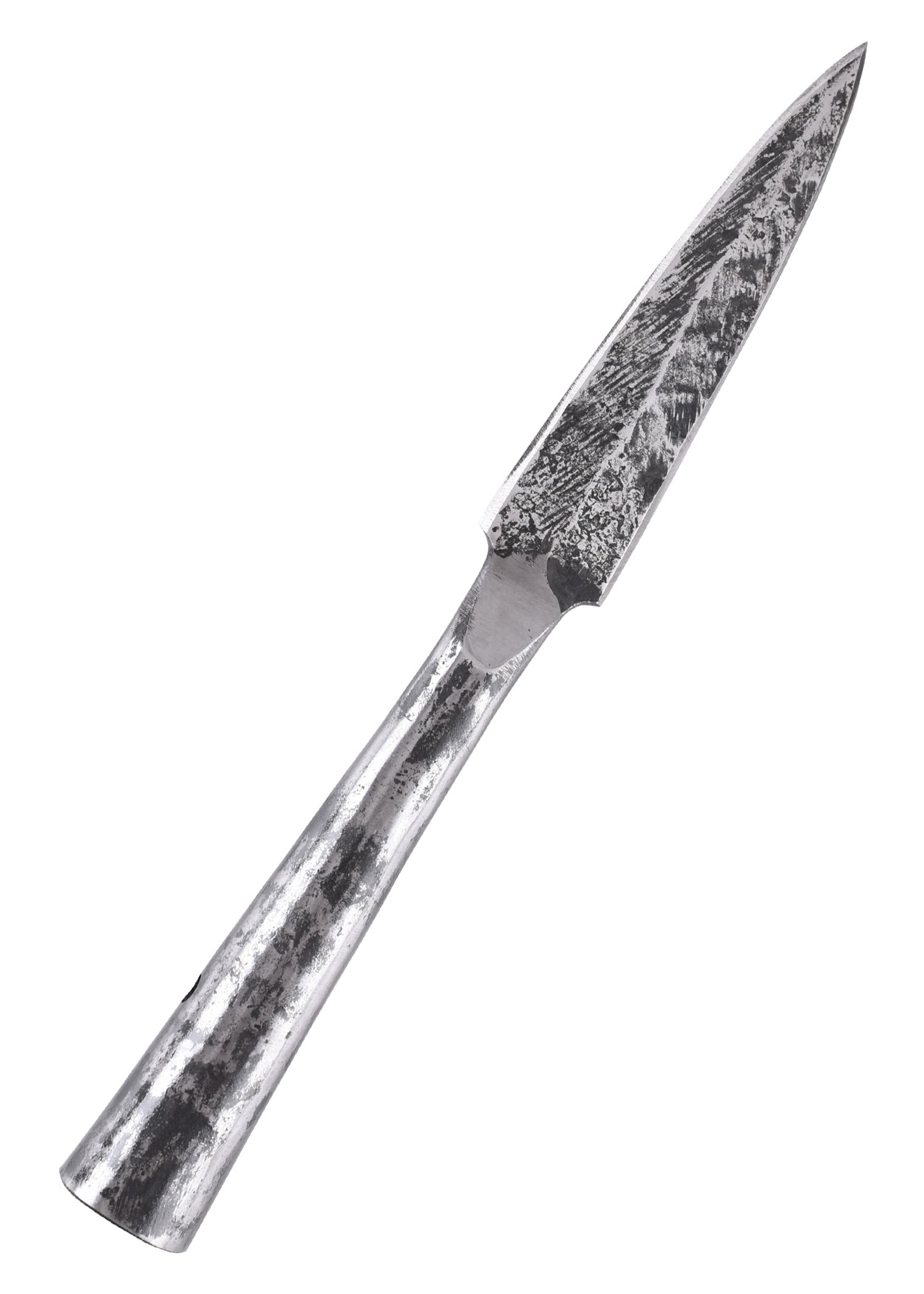
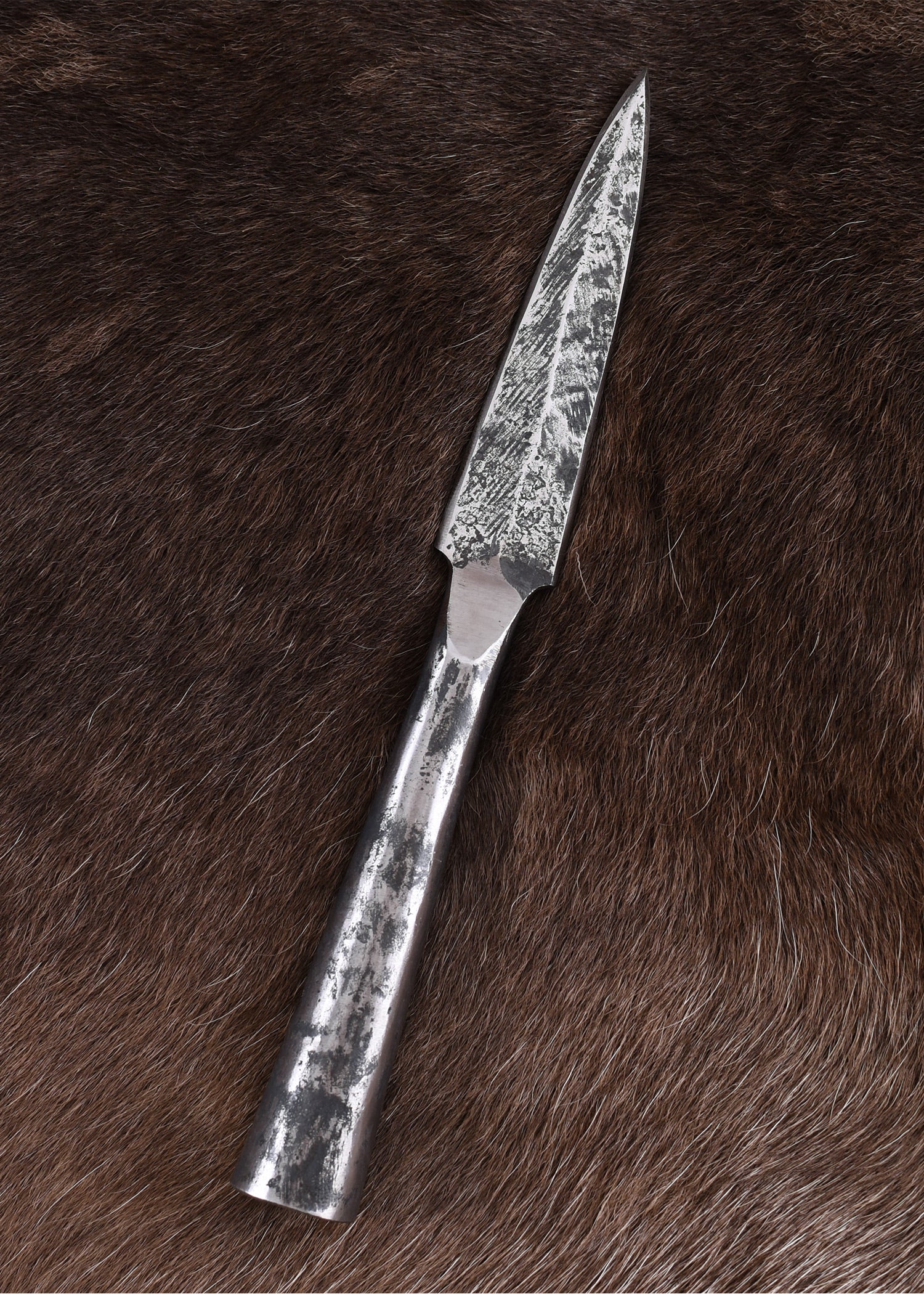
- Viking spear (Spjót) : Versatile and lightweight, it allowed for quick and precise attacks both on foot and on horseback.
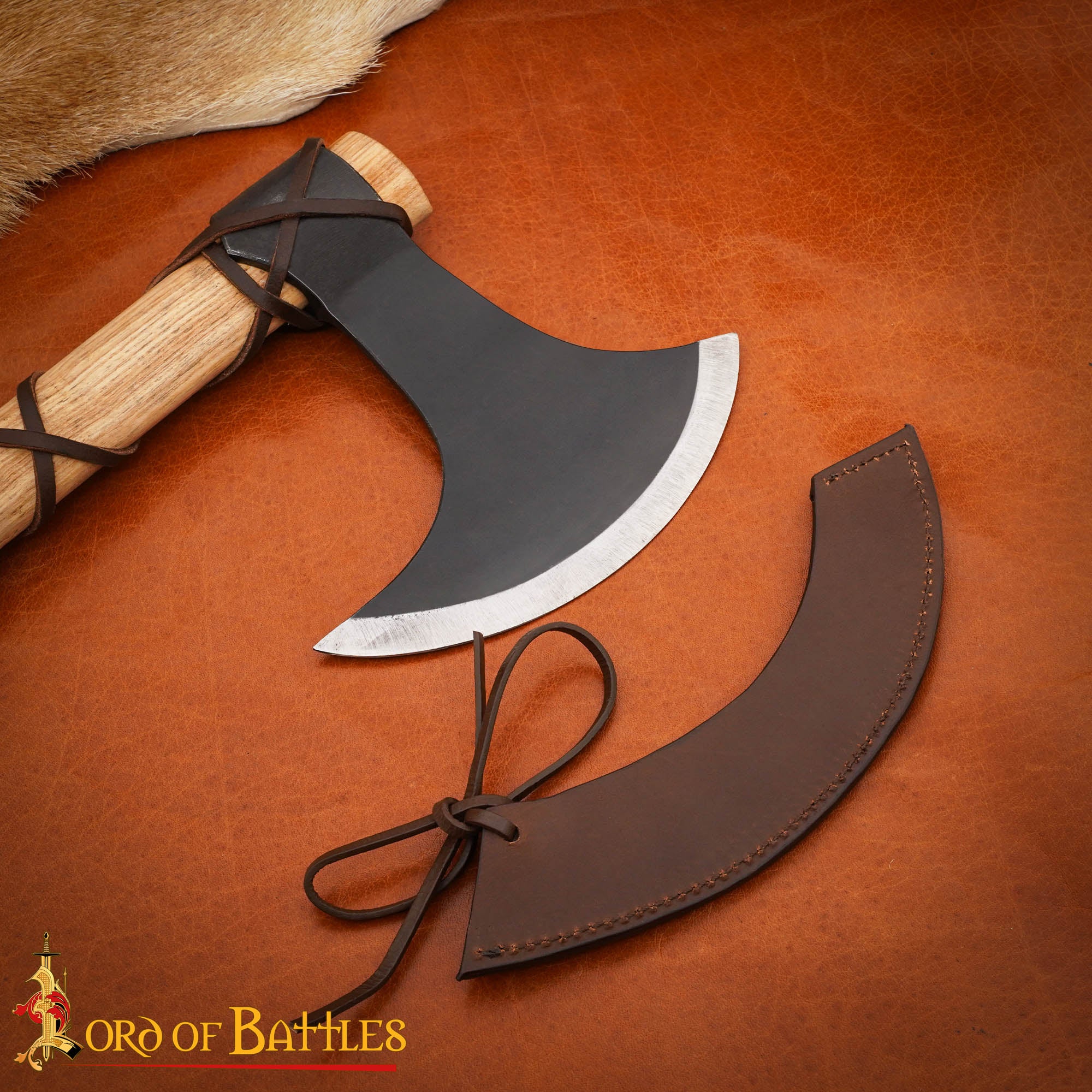
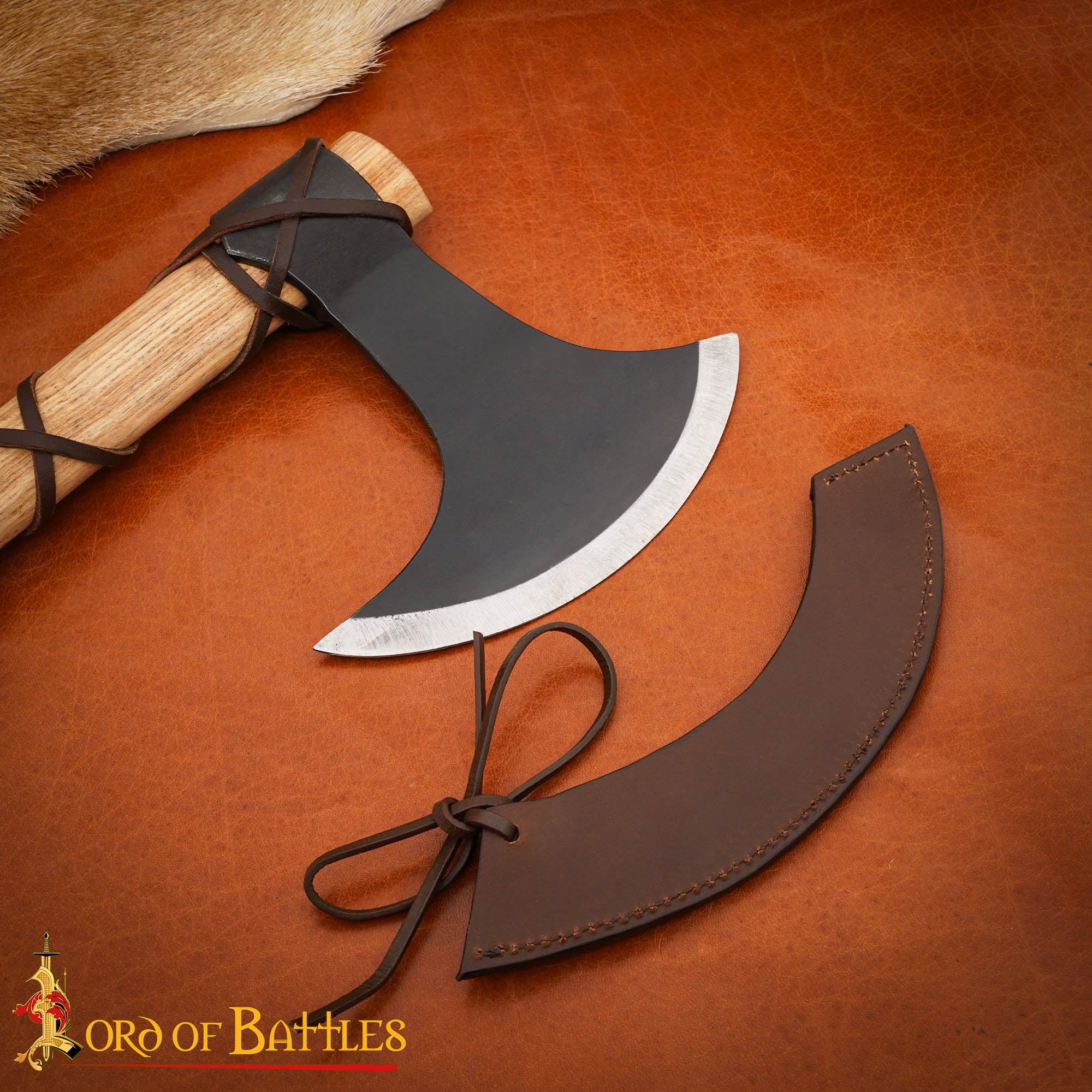
- Danish axe : A powerful weapon with a large, elongated blade, used by Anglo-Saxon housecarls and Viking warriors.
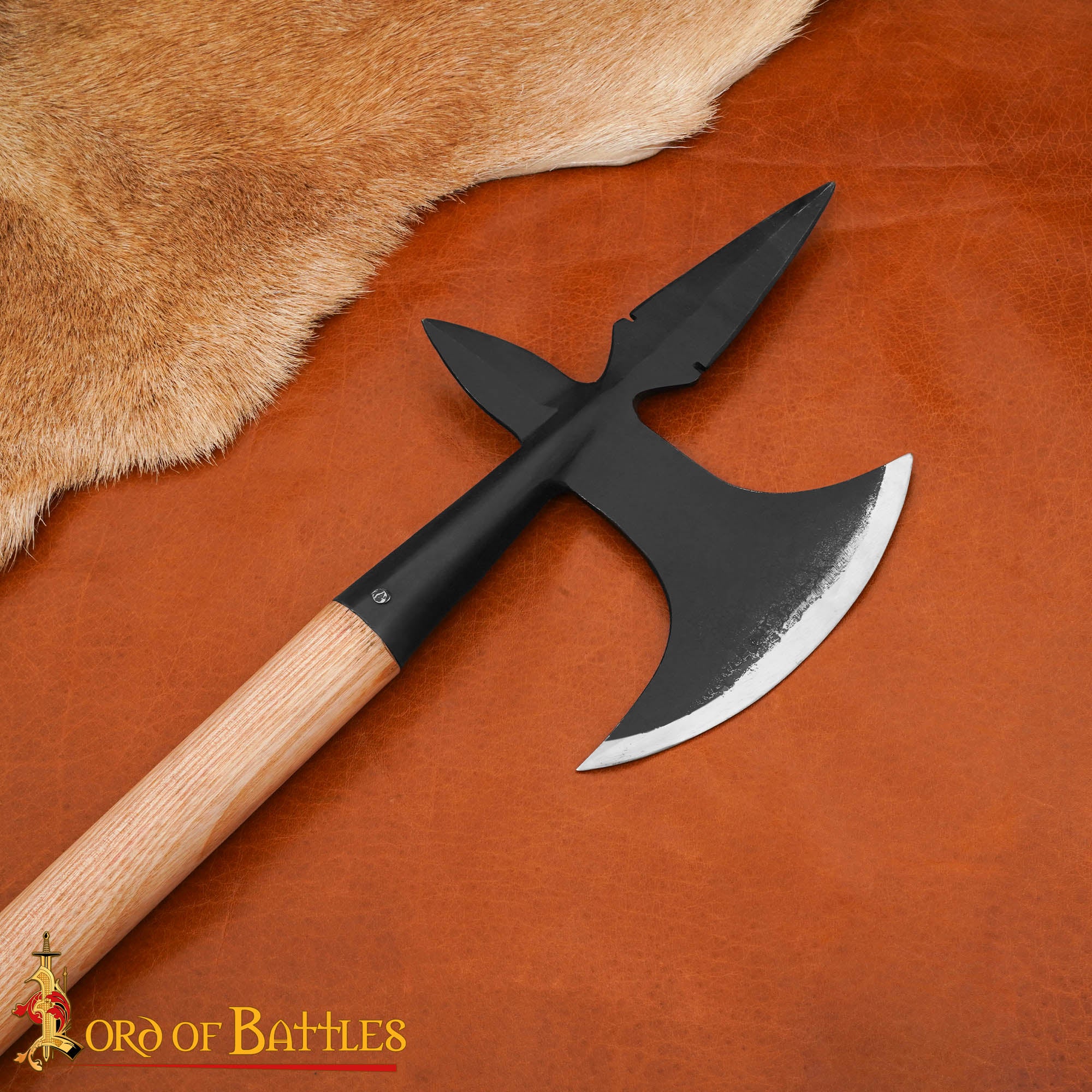
- Primitive halberd : A precursor to the medieval halberd, it combined a spear tip with a cutting edge.
- Morning star : A blunt weapon with a spherical head covered in spikes, ideal for piercing armor.
Characteristics of Early Middle Ages polearms
- Reinforced long wooden handle : Provided durability and allowed for long-range attacks.
- Iron or steel blades : Designed to pierce armor and withstand combat.
- Sharp points or curved edges : Depending on the weapon type, they were ideal for thrusts or devastating cuts.
- Balance between weight and maneuverability : Allowing for effective use in both individual combat and battle formations.
The polearms of the Early Middle Ages were fundamental to the evolution of military tactics. If you are looking for medieval weapon replicas for historical reenactment, collecting, or medieval combat , at Todo Medieval you will find authentic, high-quality models.
