





7-10 Day ShippingSave 11%


7-10 Day Shipping


Shipping 7-10 Days


7-10 Day Shipping


5-7 Day Shipping


Shipping 7-10 Days


7-10 Day Shipping


7-10 Day Shipping


7-10 Day Shipping


7-10 Day Shipping


Shipping 7-10 Days


7-10 Day Shipping


7-10 Day Shipping


7-10 Day Shipping



7-10 day shipping


Shipping 7-10 days


7-10 Day Shipping


7-10 Day Shipping


7-10 Day ShippingSold out


7-10 Day ShippingSold out


7-10 Day Shipping


7-10 Day ShippingSave 11%
7-10 Day Shipping
Shipping 7-10 Days
7-10 Day Shipping
5-7 Day Shipping
Shipping 7-10 Days
7-10 Day Shipping
7-10 Day Shipping
7-10 Day Shipping
7-10 Day Shipping
Shipping 7-10 Days
7-10 Day Shipping
7-10 Day Shipping
7-10 Day Shipping
7-10 day shipping
Shipping 7-10 days
7-10 Day Shipping
7-10 Day Shipping
7-10 Day ShippingSold out
7-10 Day ShippingSold out
7-10 Day Shipping
Early Middle Ages dresses: medieval elegance and functionality
The Early Middle Ages dresses were essential garments in women's wardrobes, combining elegance and practicality. From simple linen models for daily life to rich silk dresses for the nobility, these dresses reflected both social status and the needs of each woman. Over the centuries, dress designs evolved, adapting to cultural influences and the demands of the medieval environment.
Main types of Early Middle Ages dresses
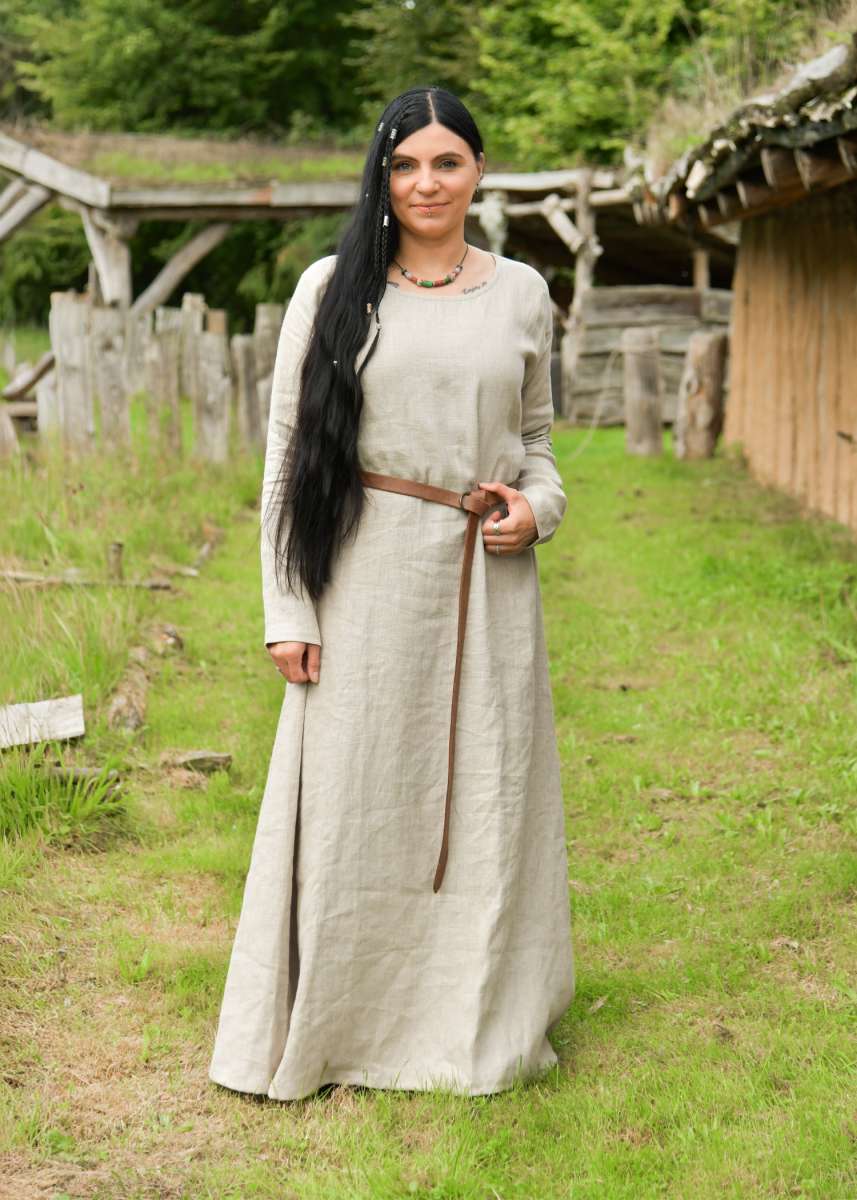
- Simple linen dress: Common among peasant women, with long sleeves and no adornments.
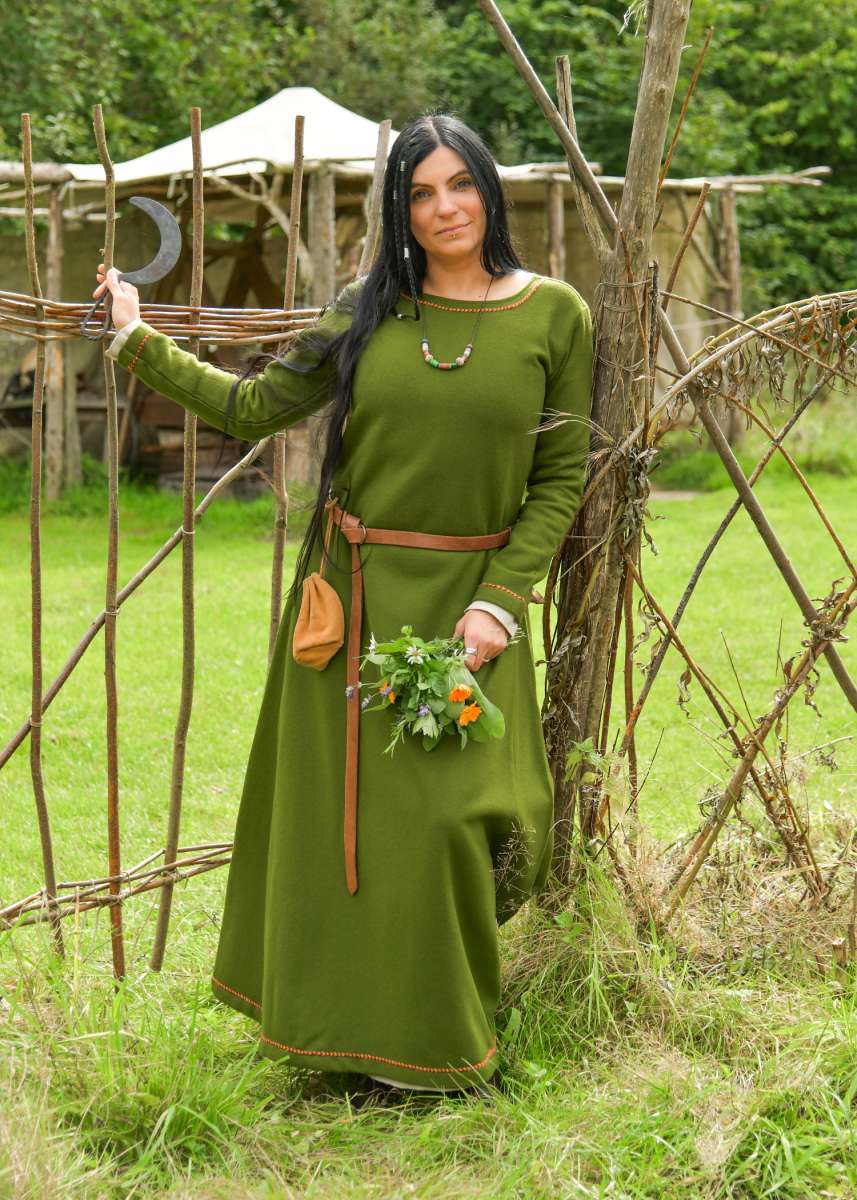
- Norman dress: More elaborate, with embroidery and decorative details on the collar and sleeves.
- Nobility silk dress: Richly adorned, with a straight or fitted cut and details of precious stones or embroidery.
- Dress with overdress: A style popular among the nobility, combining a base dress with a more elaborate overdress.
Characteristics of Early Middle Ages dresses
- Natural materials: Linen, wool, and silk were the most used according to social status.
- Straight or fluid cut: Depending on the use, the dresses could be more fitted for the nobility or loose for greater comfort.
- Long and wide sleeves: Common features in women's clothing of the time.
- Embroidered decorations: Indicated the wearer's social rank and wealth.
The Early Middle Ages dresses were more than just a garment, representing the culture, religion, and social status of the medieval woman. If you are looking for replicas of medieval dresses for historical reenactment, collecting, or authentic medieval attire, at Todo Medieval you will find models faithful to the era.
