












Early Medieval Outerwear: protection and style in cold climates
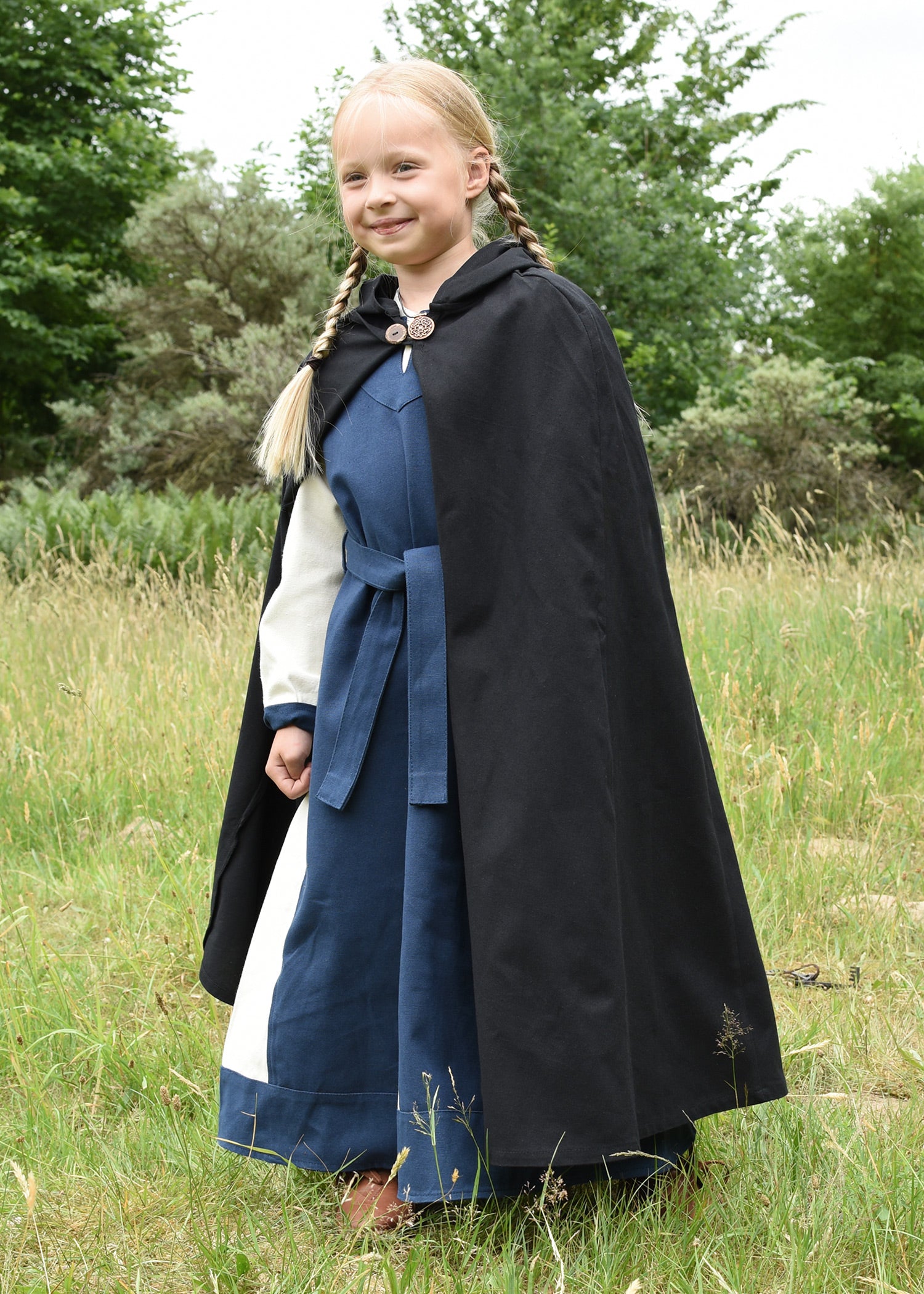
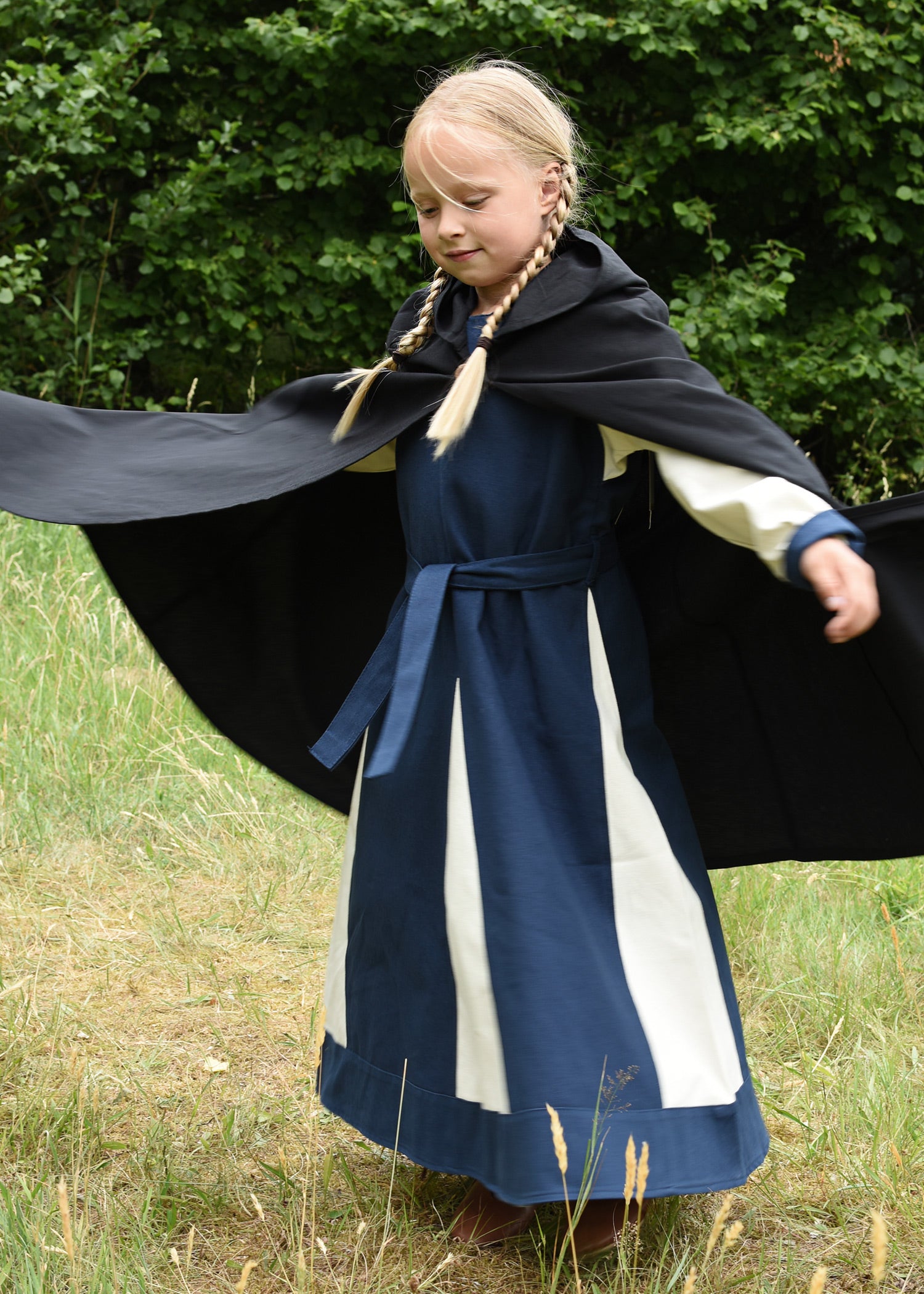
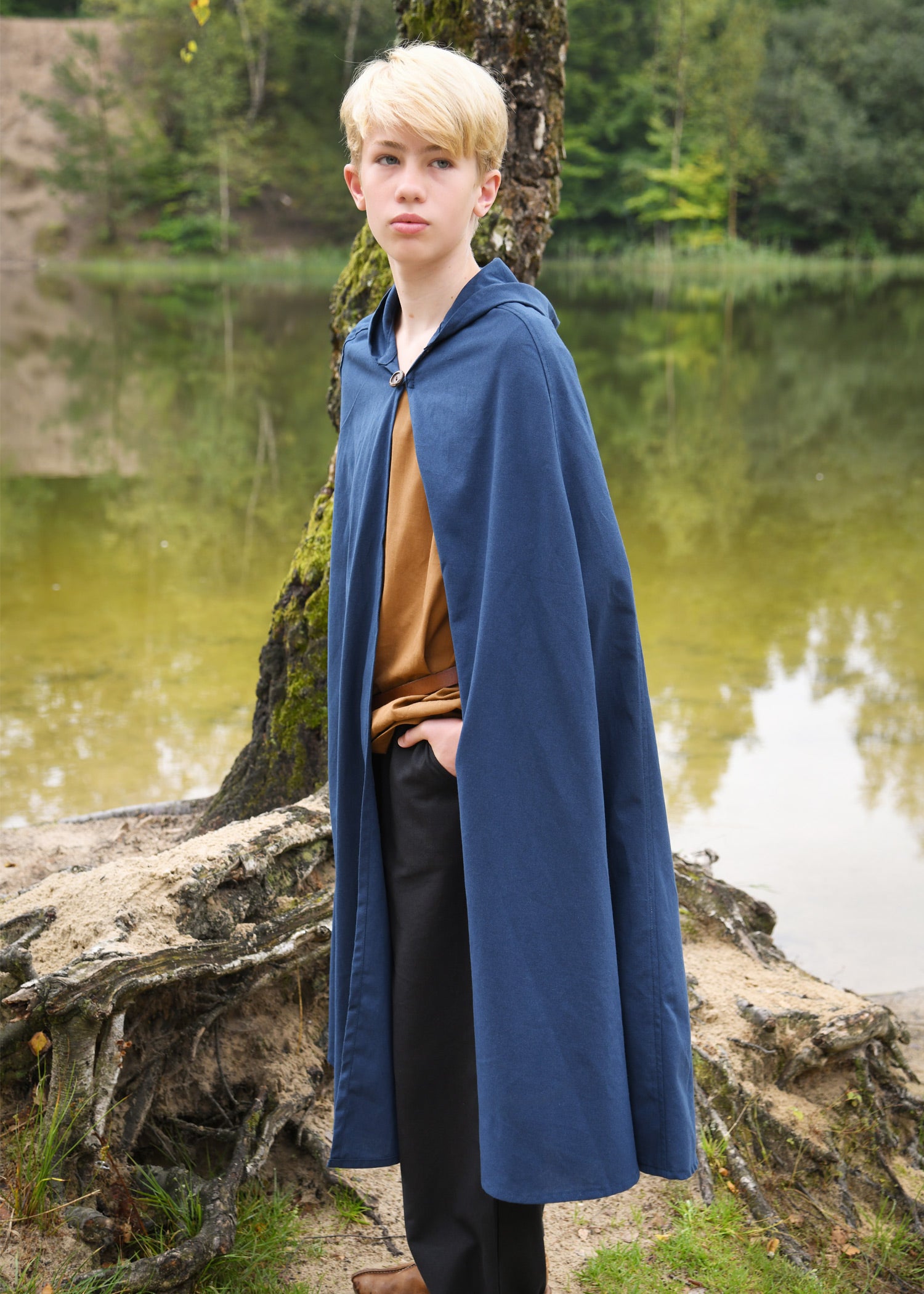
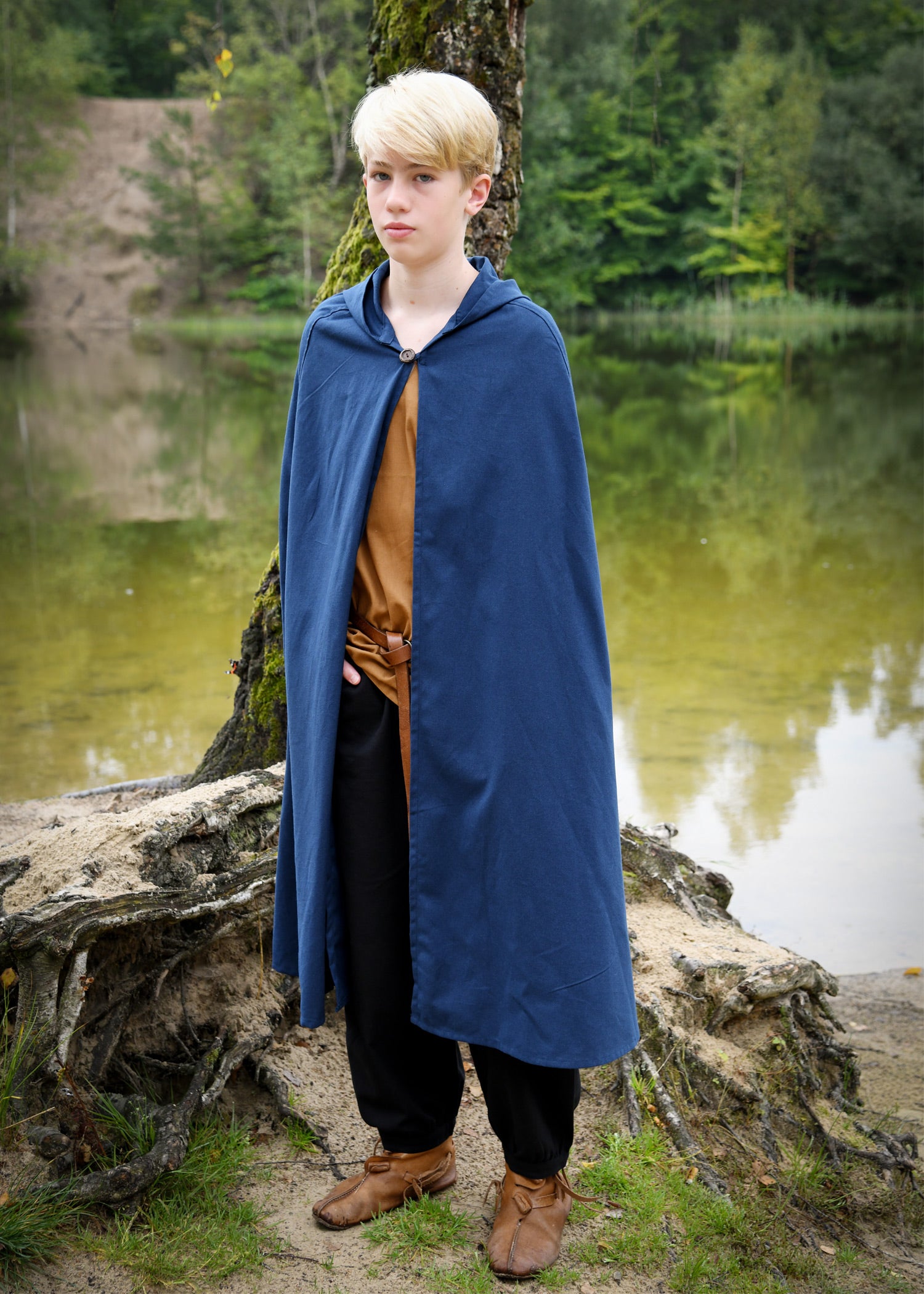
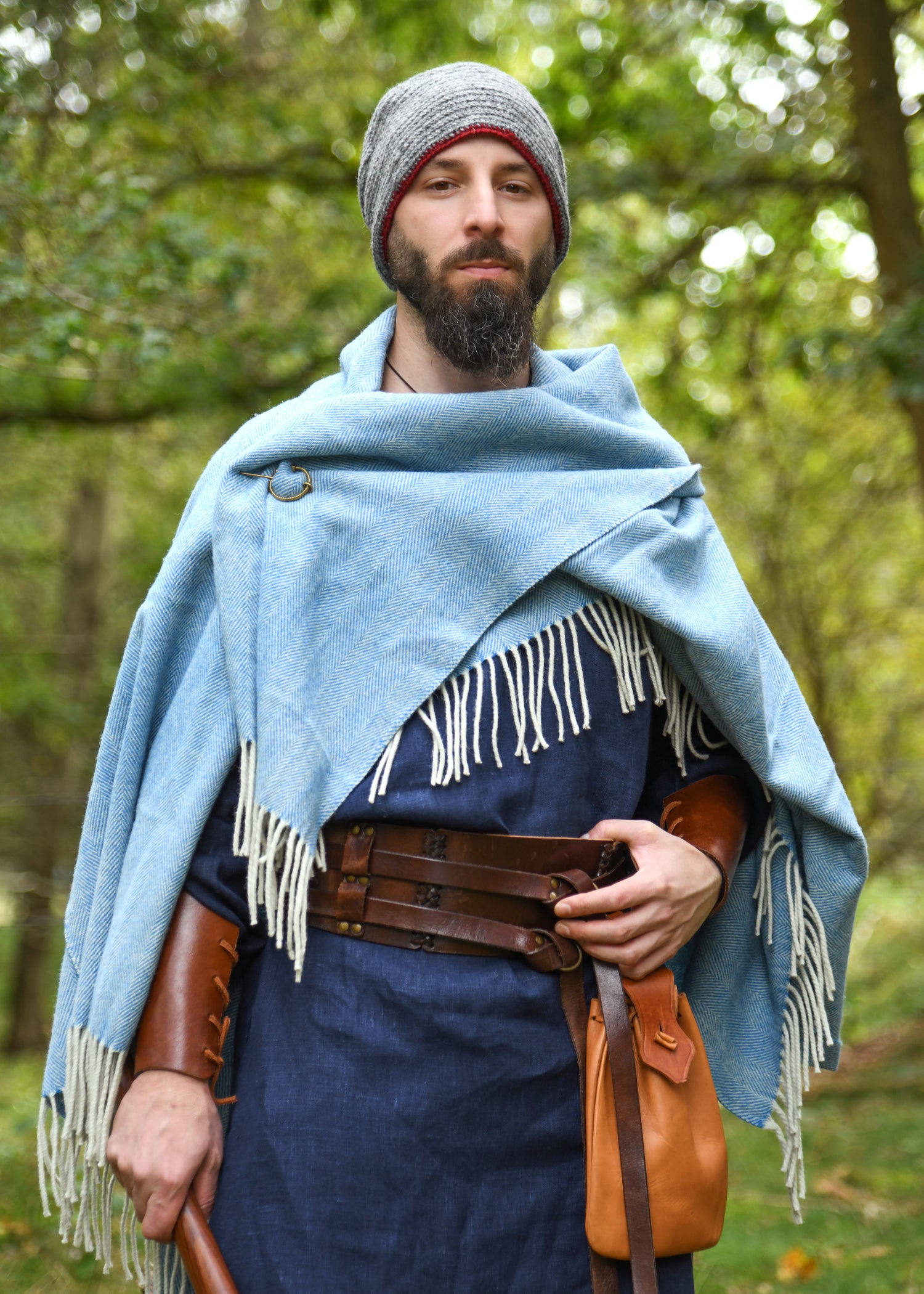
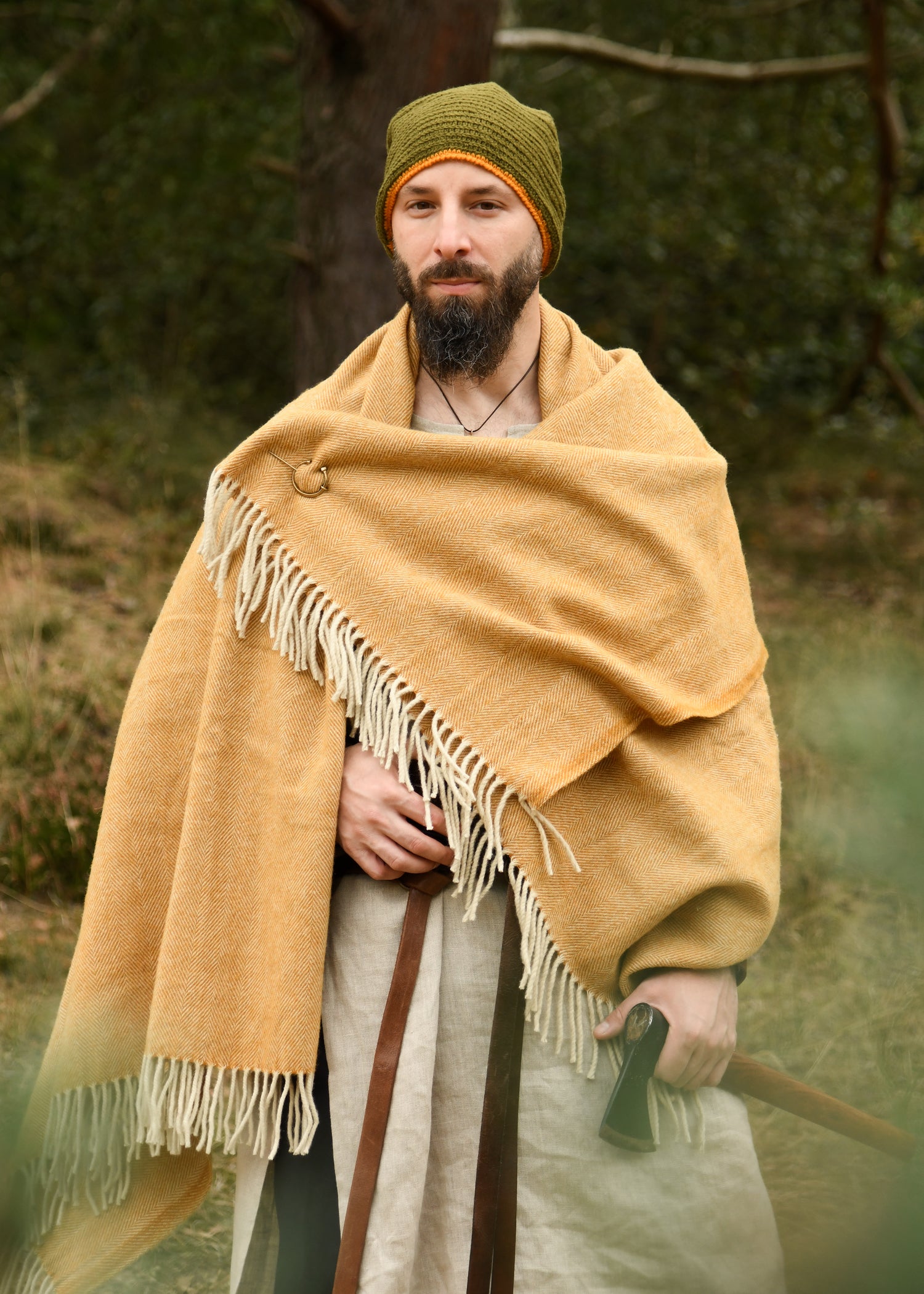
Early Medieval outerwear was essential for surviving harsh winters and for protection during long journeys or battles. Made from warm and resistant materials , such as wool, leather, and furs, this clothing not only served a practical function but also reflected the social status of the wearer. Nobles, knights, and peasants had different styles and qualities of outerwear, adapted to their needs and resources.
Main types of Early Medieval outerwear
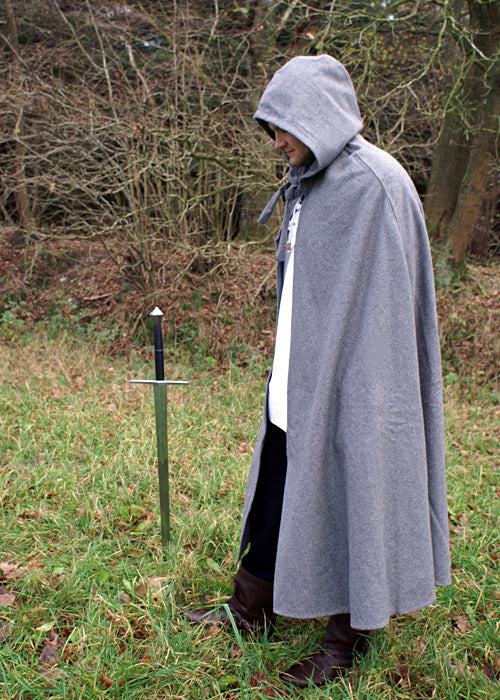
- Wool or linen cloak : Used by all social levels, providing warmth without being too heavy.
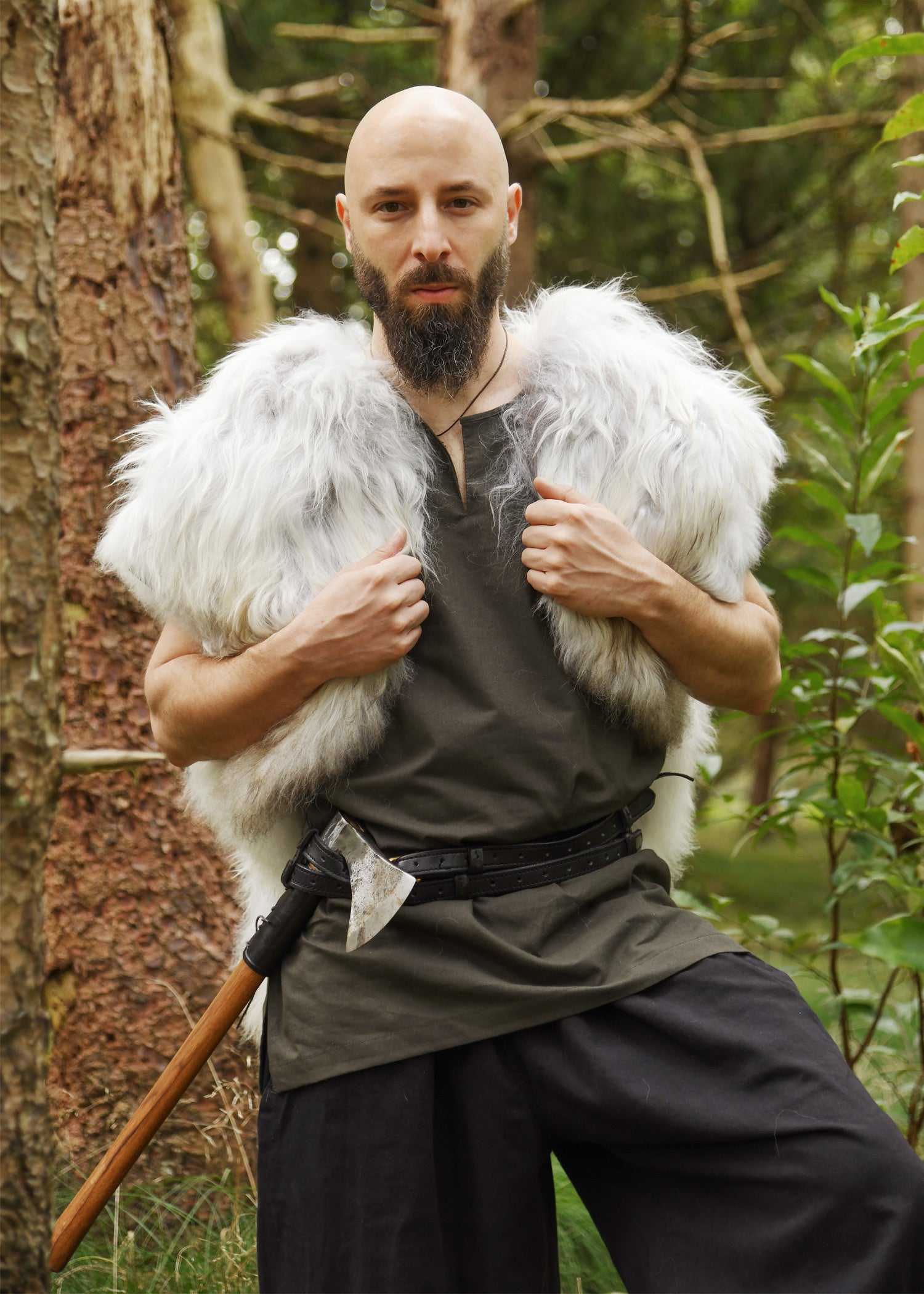
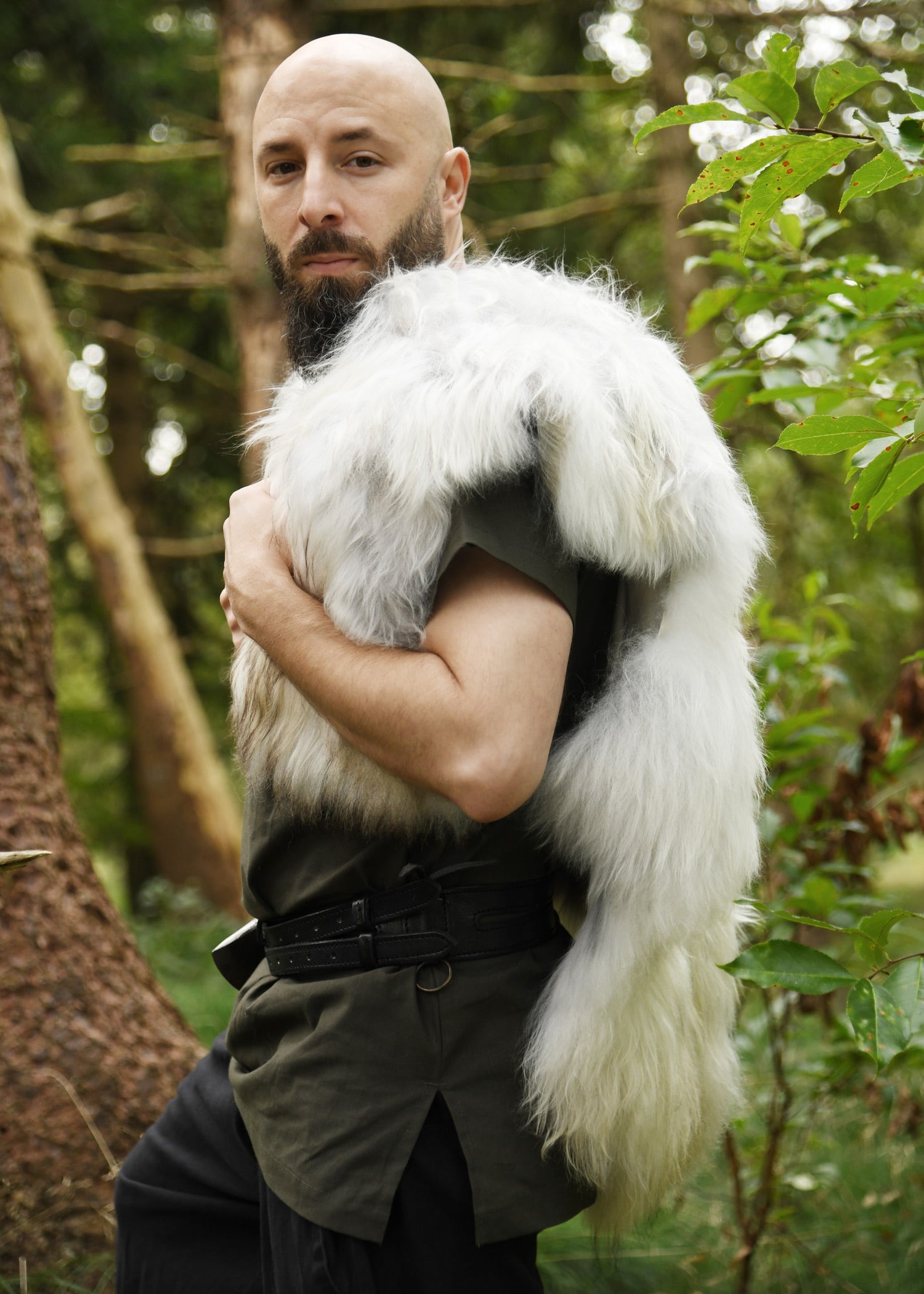
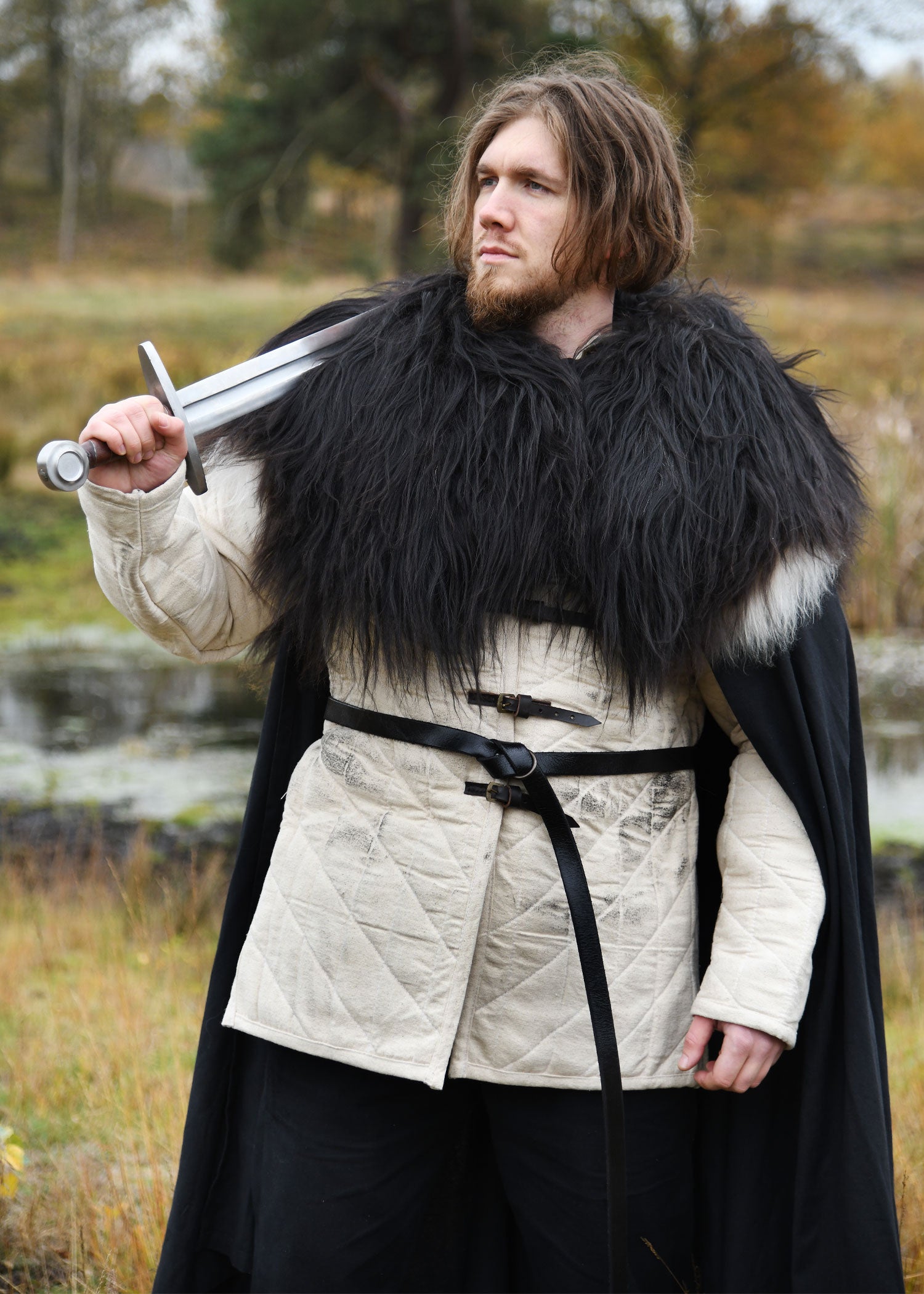
- Fur mantle : Primarily used by the nobility, made with animal furs such as fox, lynx, or mink.
- Leather or wool hood : Popular among travelers and warriors, offering extra protection for the head.
- Warrior's coat : Made with sturdier materials and often fur-lined to withstand the cold weather of battles.
Characteristics of Early Medieval outerwear
- Warm materials : Wool, linen, and animal furs were the most common materials for providing insulation and resistance to the cold.
- Functional design : Garments were loose to allow for movement and, in many cases, incorporated hoods or high collars to protect against the wind.
- Belts and straps : Used to adjust clothing to the body, especially for capes or mantles.
- Status decorations : Noble coats were usually more elaborate, with embroidery, fine furs, and rich colors.
Early Medieval outerwear was not only vital for protection against the cold, but it also reflected the social standing and role of the wearer, whether in daily life or during a military campaign. If you are looking for replicas of medieval outerwear for historical reenactment, collecting, or authentic medieval clothing , at Todo Medieval you will find models that will transport you to the Middle Ages.
