





5-7 Day Shipping


7-10 Day ShippingSold out


5-7 Day ShippingSold out

Shipping 7-10 Days


Shipping 7-10 Days


7-10 Day Shipping


Shipping 7-10 DaysSold out


5-7 Day Shipping


5-7 Day ShippingSold out


5-7 Day Shipping

7-10 Day Shipping


7-10 Day Shipping


5-7 Day Shipping


5-7 Day Shipping

7-10 Day Shipping


5-7 Day Shipping


5-7 Day Shipping


5-7 Day Shipping


5-7 Day Shipping


5-7 Day Shipping


5-7 Day Shipping


5-7 Day ShippingSold out


5-7 Day ShippingSold out


Shipping 7-10 Days


Shipping 7-10 Days


7-10 Day ShippingSave 22%

7-10 Day Shipping


7-10 Day ShippingSold out


5-7 Day Shipping

5-7 Day Shipping


5-7 Day ShippingSold out


5-7 Day Shipping


5-7 Day Shipping


5-7 Day ShippingSold out


5-7 Day Shipping


5-7 Day Shipping


5-7 Day Shipping


5-7 Day Shipping


5-7 Day Shipping


5-7 Day Shipping
7-10 Day ShippingSold out
5-7 Day ShippingSold out
Shipping 7-10 Days
Shipping 7-10 Days
7-10 Day Shipping
Shipping 7-10 DaysSold out
5-7 Day Shipping
5-7 Day ShippingSold out
5-7 Day Shipping
7-10 Day Shipping
7-10 Day Shipping
5-7 Day Shipping
5-7 Day Shipping
7-10 Day Shipping
5-7 Day Shipping
5-7 Day Shipping
5-7 Day Shipping
5-7 Day Shipping
5-7 Day Shipping
5-7 Day Shipping
5-7 Day ShippingSold out
5-7 Day ShippingSold out
Shipping 7-10 Days
Shipping 7-10 Days
7-10 Day ShippingSave 22%
7-10 Day Shipping
7-10 Day ShippingSold out
5-7 Day Shipping
5-7 Day Shipping
5-7 Day ShippingSold out
5-7 Day Shipping
5-7 Day Shipping
5-7 Day ShippingSold out
5-7 Day Shipping
5-7 Day Shipping
5-7 Day Shipping
5-7 Day Shipping
5-7 Day Shipping
Early Medieval accessories: details that define status and function
The Early Medieval accessories were essential for daily life and battles, and offered a form of personal expression and social status . From jewelry and belts to pouches and brooches, each accessory had a specific function and was designed to complement medieval attire. As medieval fashion evolved, these accessories also adapted, reflecting the wearer's social rank, region, and wealth.
Main types of Early Medieval accessories
- Leather belts : Worn by both men and women, they were practical for carrying tools, weapons, or coins.
- Brooches and buckles : Used to fasten cloaks, tunics, or garments, often adorned with metal details or gems.
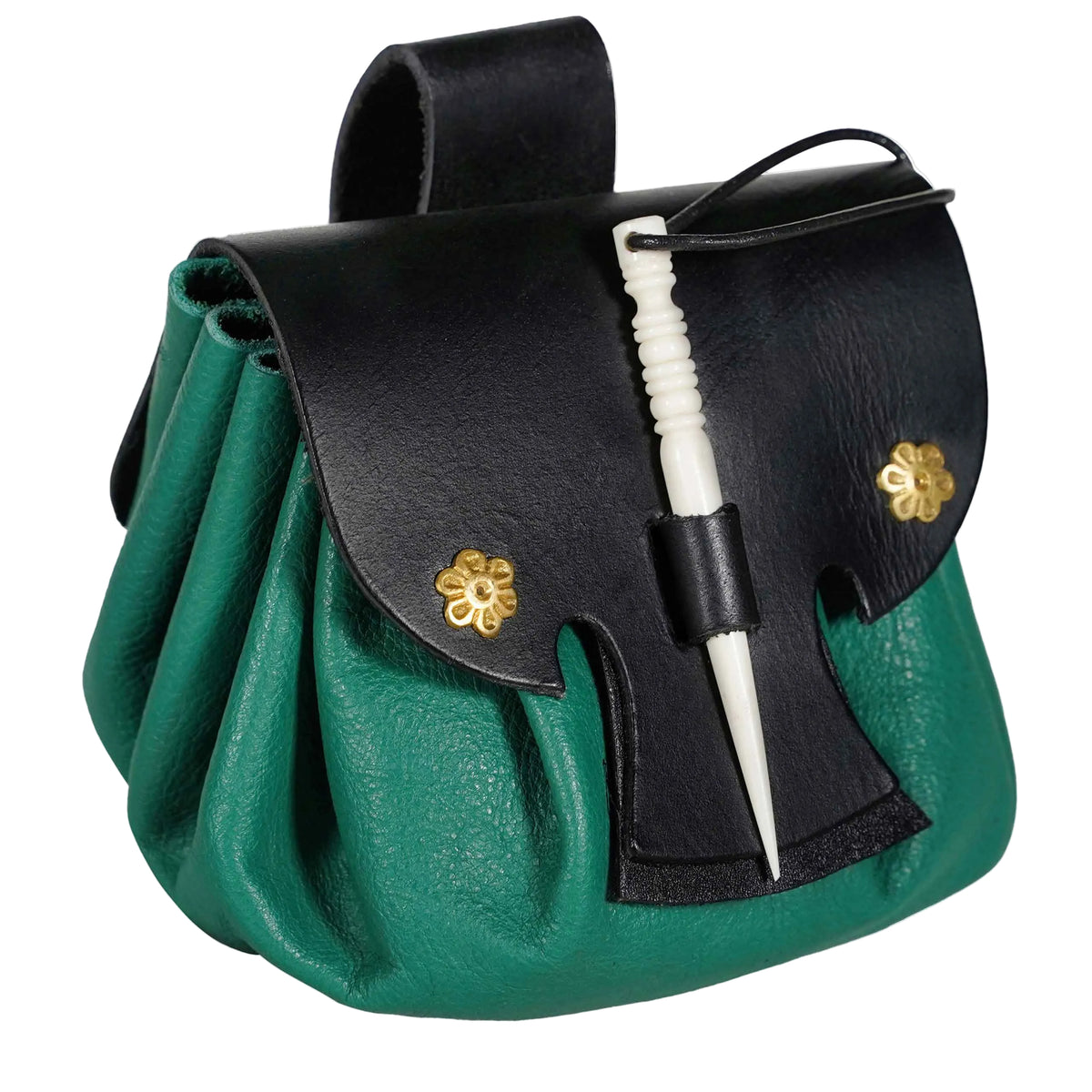
- Medieval pouches : Made of leather or fabric, they were used to carry personal items, especially by travelers and merchants.
- Necklaces and rings : Jewelry that indicated social rank, with precious stones or precious metals, worn by the nobility.
- Leather gloves : Practical and decorative, they protected hands from the cold and abrasions during battle.
Characteristics of Early Medieval accessories
- Natural materials and precious metals : Leather, wool, iron, bronze, and gold were commonly used in the manufacture of accessories.
- Functionality and style : Accessories not only served to decorate, but had a practical use, such as holding important objects or providing fastening.
- Elaborate designs : Especially among the nobility, accessories were adorned with intricate details, engravings, and gems.
- Status symbols : Many pieces indicated the wearer's rank, especially brooches and rings.
The Early Medieval accessories were not only decorative, but also fulfilled important functions, from protection to the organization of belongings. If you are looking for replicas of medieval accessories for historical reenactment, collecting, or authentic medieval clothing , at Todo Medieval you will find authentic, high-quality models.
