





7-10 Day Shipping


7-10 Day Shipping


7-10 Day Shipping


7-10 Day Shipping


Shipping 7-10 Days


Shipping 7-10 Days


7-10 Day Shipping


Shipping 7-10 Days


7-10 Day Shipping


5-7 Day Shipping


5-7 Day Shipping


7-10 Day Shipping


7-10 Day Shipping


7-10 Day Shipping


7-10 Day Shipping


5-7 Day Shipping

5-7 Day Shipping


5-7 Day Shipping


7-10 Day Shipping


7-10 Day Shipping


Shipping 7-10 Days


7-10 Day Shipping


7-10 Day Shipping
7-10 Day Shipping
7-10 Day Shipping
7-10 Day Shipping
Shipping 7-10 Days
Shipping 7-10 Days
7-10 Day Shipping
Shipping 7-10 Days
7-10 Day Shipping
5-7 Day Shipping
5-7 Day Shipping
7-10 Day Shipping
7-10 Day Shipping
7-10 Day Shipping
7-10 Day Shipping
5-7 Day Shipping
5-7 Day Shipping
5-7 Day Shipping
7-10 Day Shipping
7-10 Day Shipping
Shipping 7-10 Days
7-10 Day Shipping
Early Middle Ages trousers: comfort and resistance in medieval clothing
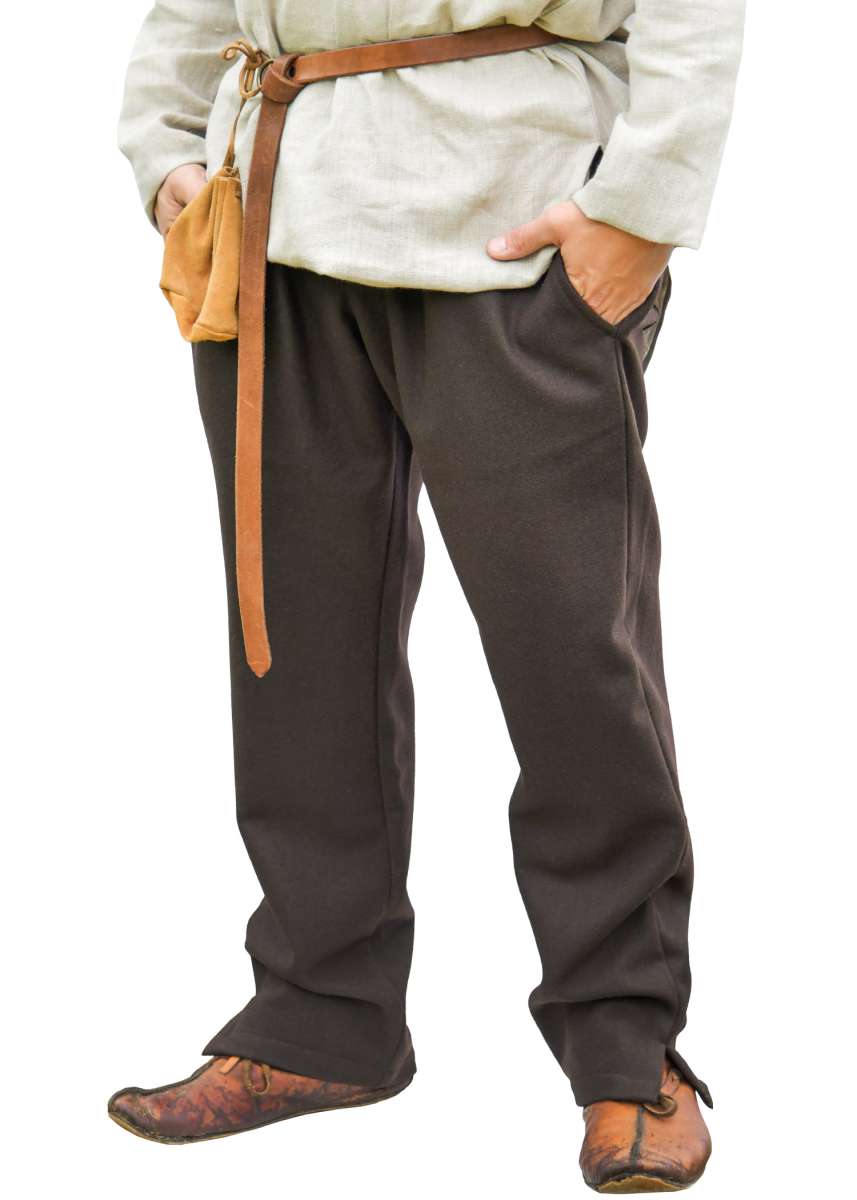
The Early Middle Ages trousers were an essential garment in the wardrobes of warriors, peasants, and nobles. Designed for mobility and durability, they varied in cut and materials according to region and social status. From fitted models for battle to loose versions for everyday life, these trousers reflected the functionality and cultural identity of the era.
Main types of Early Middle Ages trousers
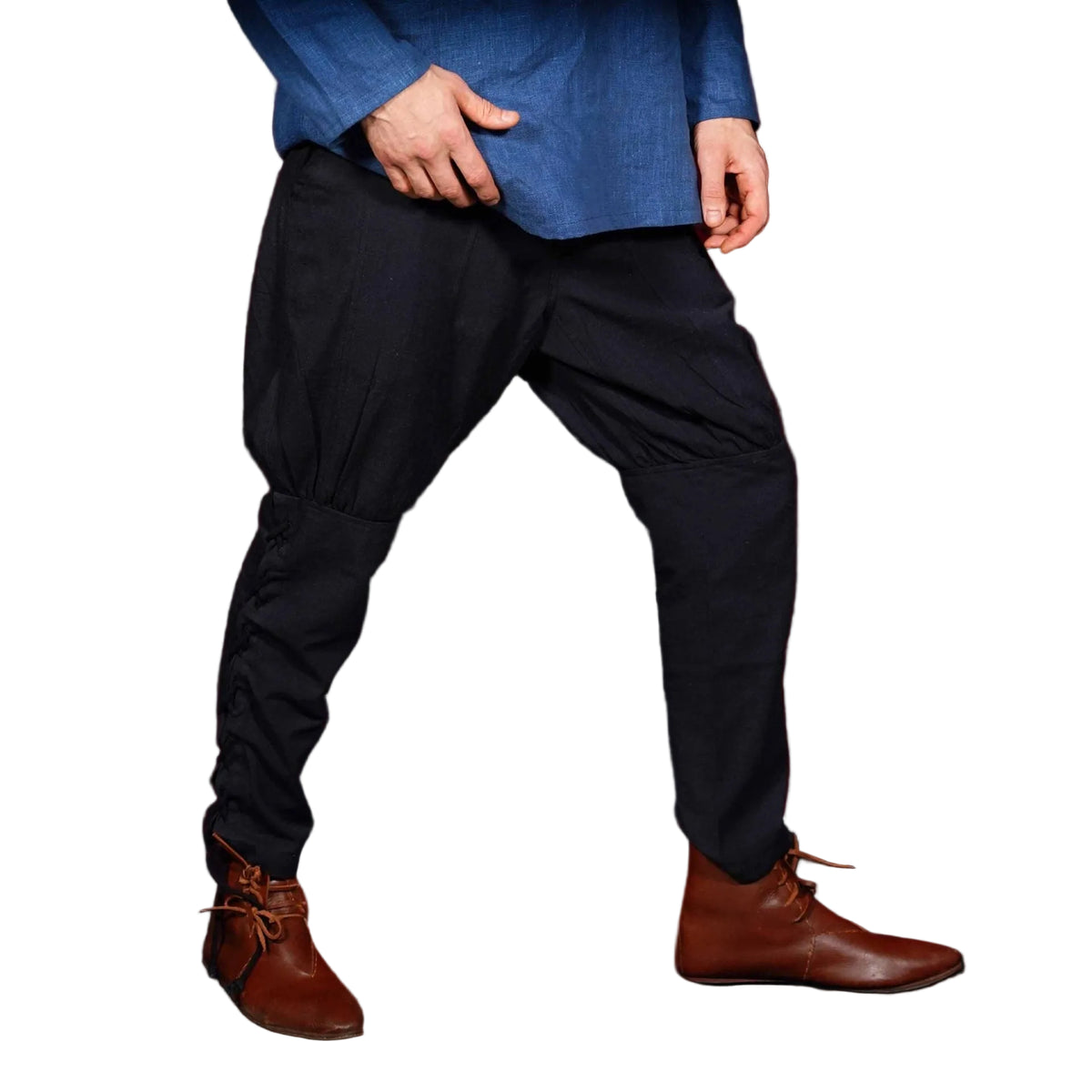
- Braccae: Fitted trousers of Germanic and Celtic origin, popular among Vikings and Normans.
- Medieval hose: Worn by the nobility and knights, they covered the legs down to the feet and were adjusted with laces.
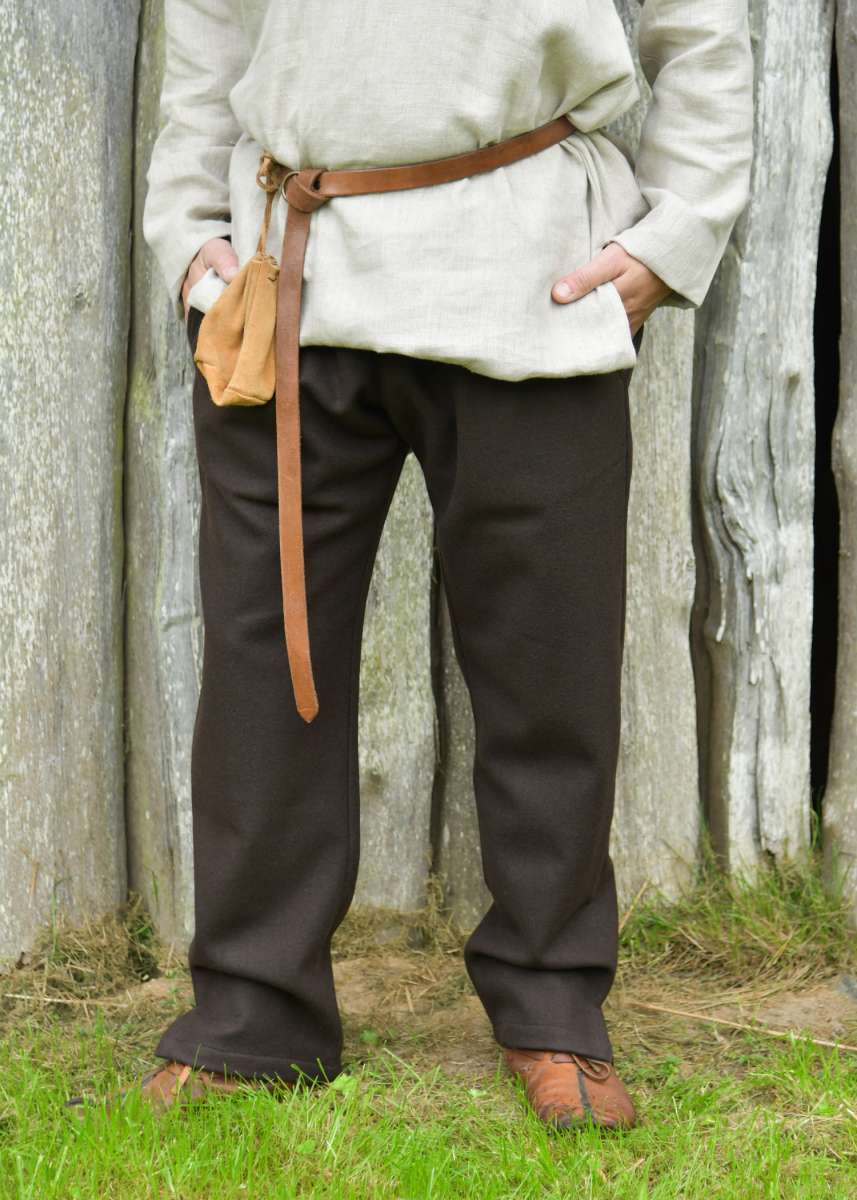
- Wide wool trousers: Common among peasants for their comfort and resistance to cold.
- Battle trousers: More fitted and reinforced, they allowed for better mobility in combat.
Features of Early Middle Ages trousers
- Natural materials: Wool and linen were the most used for their durability and comfort.
- Fitted or wide cut: Depending on their use, they could be snug for riding or loose for greater comfort.
- Waist adjustable with laces or a belt: Allowed for a custom fit and better support.
- Reinforcements in key areas: Ideal for combat and daily work.
The Early Middle Ages trousers were fundamental in medieval clothing, adapting to different needs and lifestyles. If you are looking for replicas of medieval trousers for historical reenactment, collecting, or authentic medieval attire , at Todo Medieval you will find models faithful to the era.
