





5-7 Day Shipping


5-7 Day Shipping


5-7 Day Shipping


5-7 Day Shipping


7-10 Day Shipping


7-10 Day Shipping
7-10 Day Shipping


7-10 Day Shipping

7-10 Day Shipping


Shipping 7-10 Days


5-7 Day ShippingSold out


7-10 Day ShippingSold out


7-10 Day ShippingSold out


7-10 Day ShippingSold out


Shipping 7-10 Days

7-10 Day Shipping


7-10 Day ShippingSold out

7-10 Day ShippingSold out

Shipping 7-10 DaysSold out

Shipping 7-10 DaysSold out
5-7 Day Shipping


5-7 Day ShippingSold out


Shipping 7-10 Days


5-7 Day Shipping


5-7 Day Shipping


5-7 Day ShippingSold out


7-10 Day Shipping


7-10 Day ShippingSave 9%


7-10 Day Shipping


7-10 Day Shipping


7-10 Day Shipping


5-7 Day ShippingSold out


5-7 Day ShippingSold out


7-10 Day Shipping


Shipping 7-10 DaysSold out


7-10 Day ShippingSold out


7-10 Day Shipping


5-7 Day Shipping


7-10 Day Shipping


Shipping 7-10 DaysSold out


5-7 Day Shipping
5-7 Day Shipping
5-7 Day Shipping
5-7 Day Shipping
7-10 Day Shipping
7-10 Day Shipping
7-10 Day Shipping
7-10 Day Shipping
7-10 Day Shipping
Shipping 7-10 Days
5-7 Day ShippingSold out
7-10 Day ShippingSold out
7-10 Day ShippingSold out
7-10 Day ShippingSold out
Shipping 7-10 Days
7-10 Day Shipping
7-10 Day ShippingSold out
7-10 Day ShippingSold out
Shipping 7-10 DaysSold out
Shipping 7-10 DaysSold out
5-7 Day Shipping
5-7 Day ShippingSold out
Shipping 7-10 Days
5-7 Day Shipping
5-7 Day Shipping
5-7 Day ShippingSold out
7-10 Day Shipping
7-10 Day ShippingSave 9%
7-10 Day Shipping
7-10 Day Shipping
7-10 Day Shipping
5-7 Day ShippingSold out
5-7 Day ShippingSold out
7-10 Day Shipping
Shipping 7-10 DaysSold out
7-10 Day ShippingSold out
7-10 Day Shipping
5-7 Day Shipping
7-10 Day Shipping
Shipping 7-10 DaysSold out
Late Middle Ages Armor: evolution and maximum protection in combat
The armor of the Late Middle Ages was the result of centuries of innovation in medieval blacksmithing. As warfare tactics changed and weapons became more lethal, armor evolved to offer greater protection without sacrificing mobility. The appearance of plate armor marked the beginning of an era where knights were virtually invulnerable on the battlefield.
Main types of medieval armor
- Chainmail: Although known for centuries, in the Late Middle Ages it was reinforced with plate pieces for greater strength.
- Brigandine: Padded vest with metal plates inside, popular among infantry and lower-ranking knights.
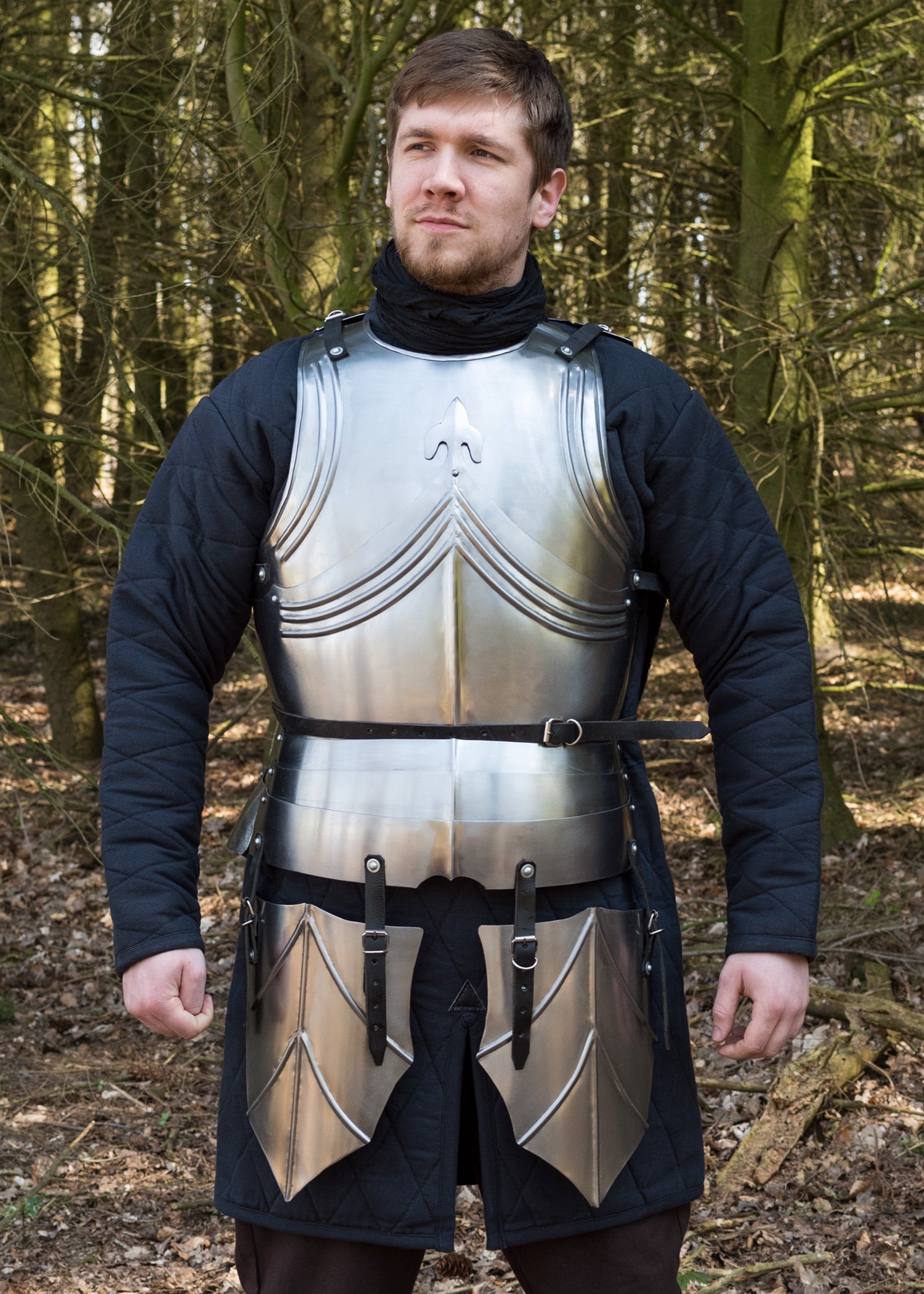
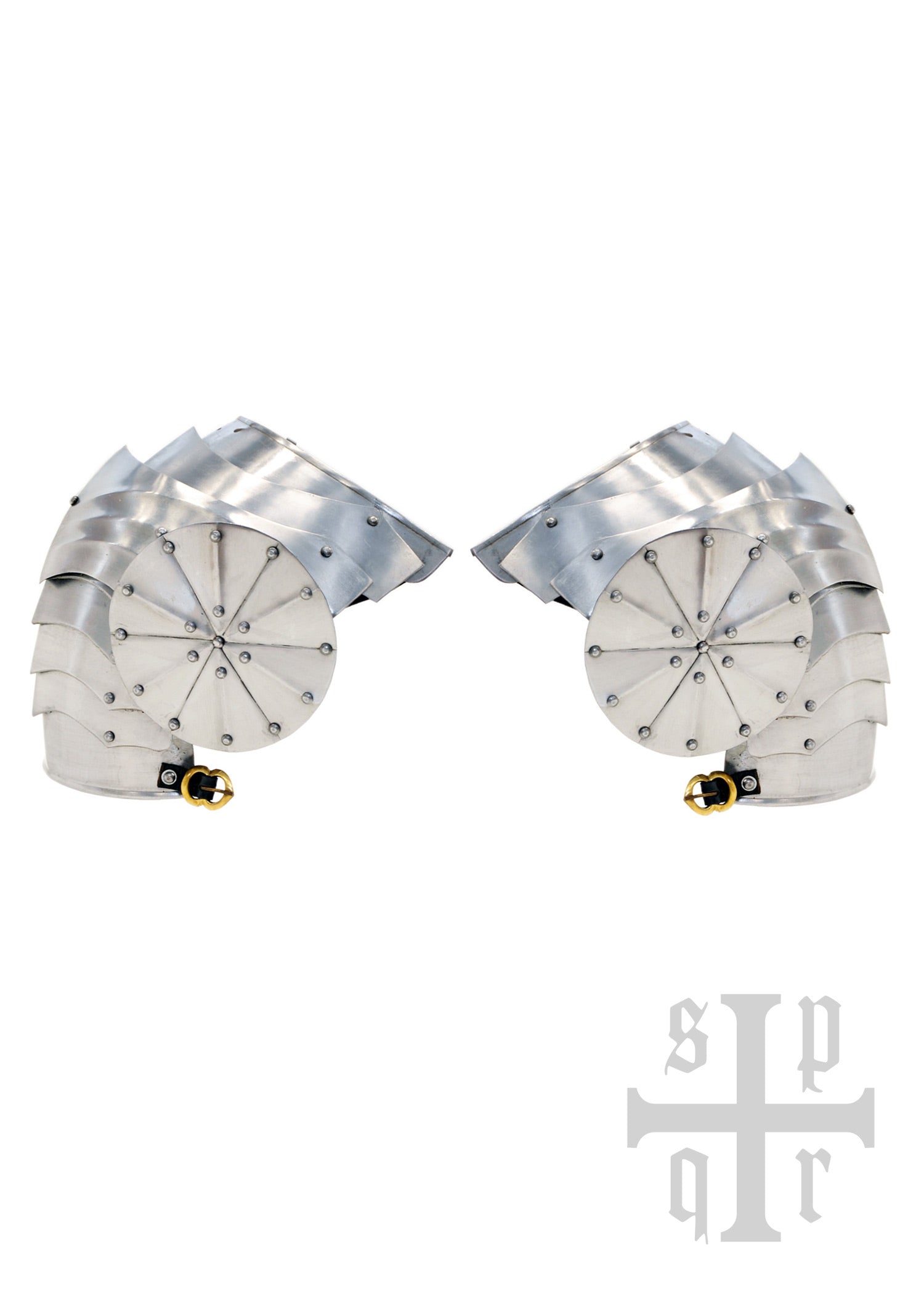
- Plate armor: The ultimate evolution of medieval protection, with articulated steel pieces that covered the entire body.
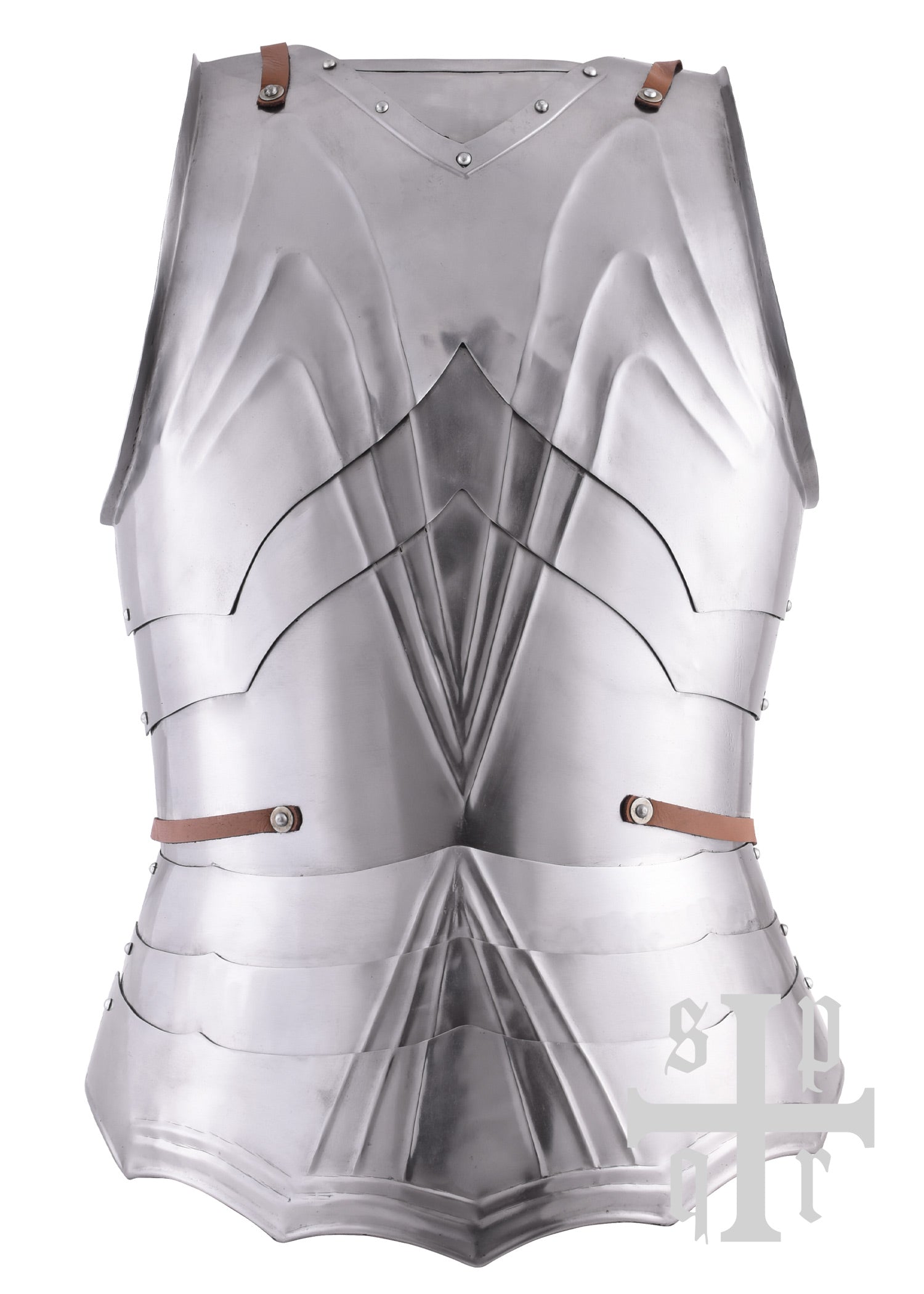
- Breastplate: Metal plate for the torso, lighter and used by elite soldiers and knights in field battles.
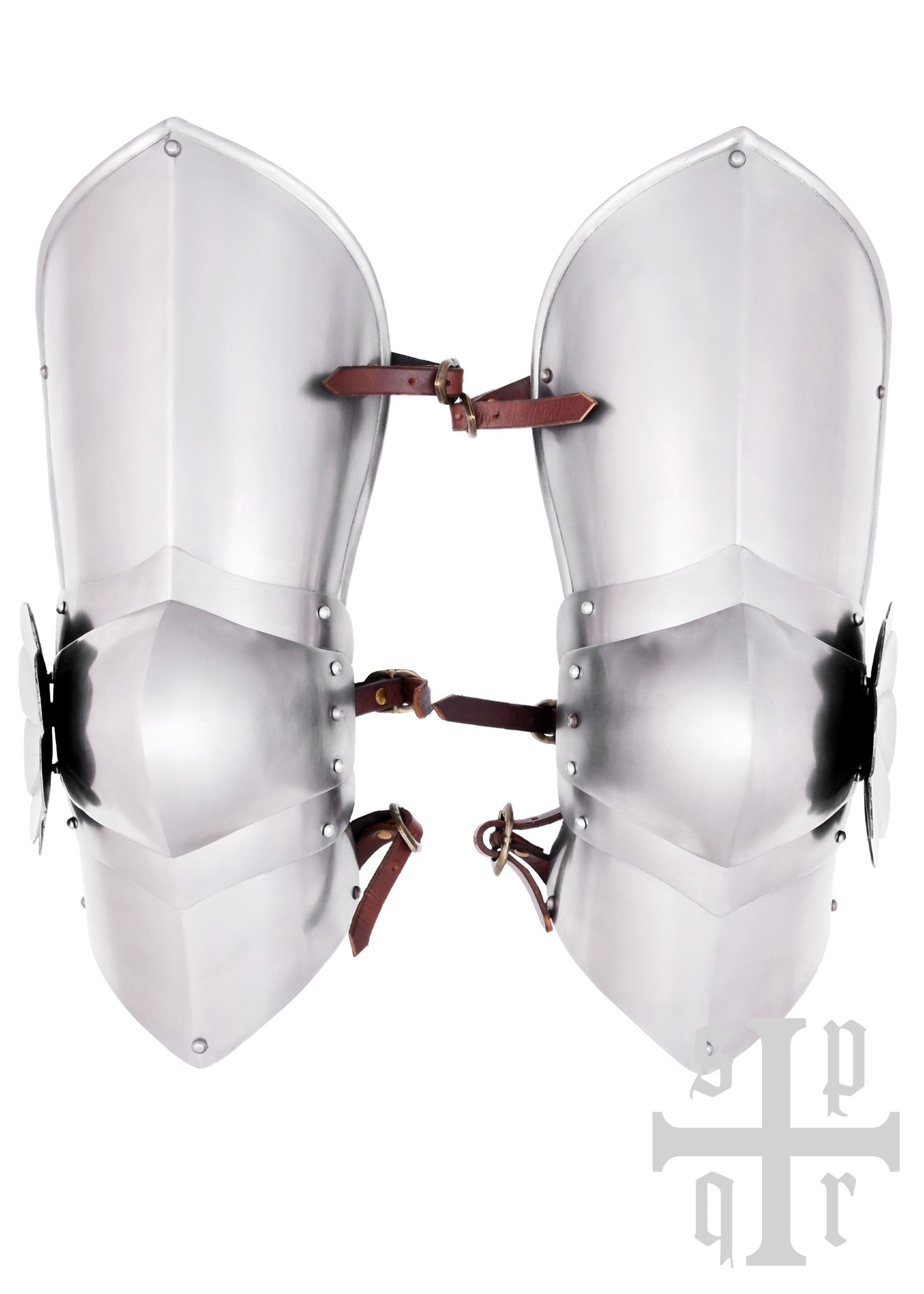
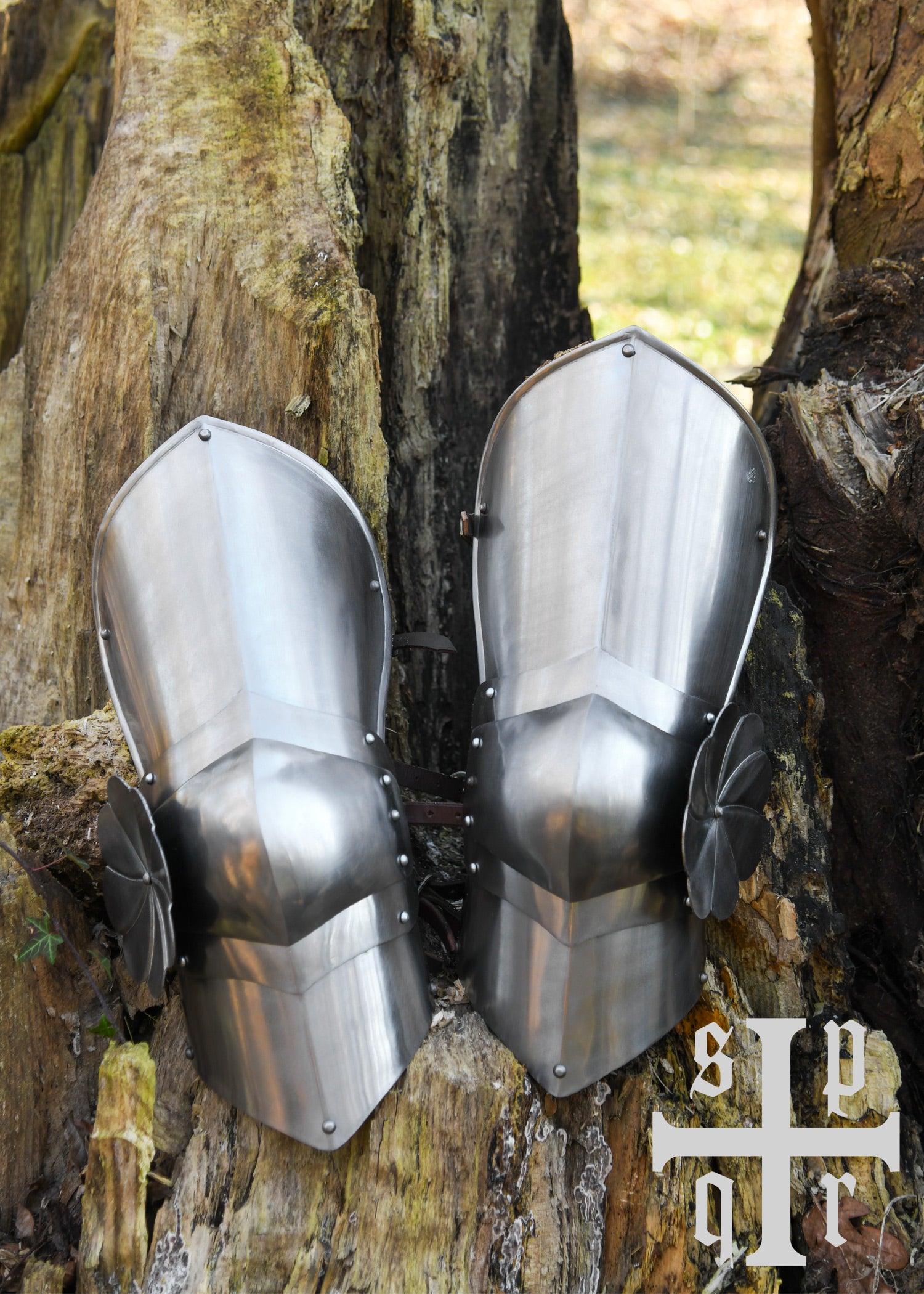
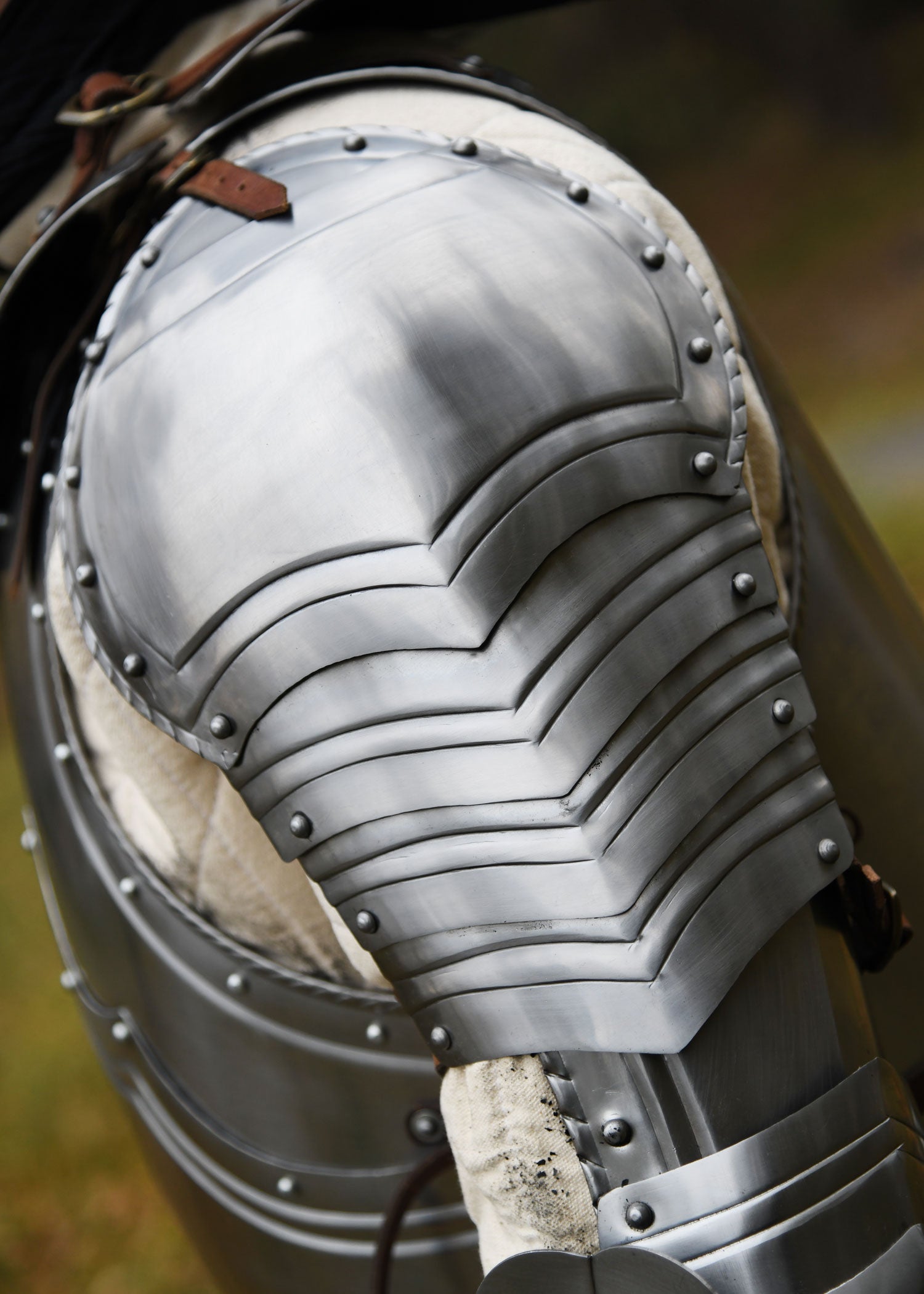
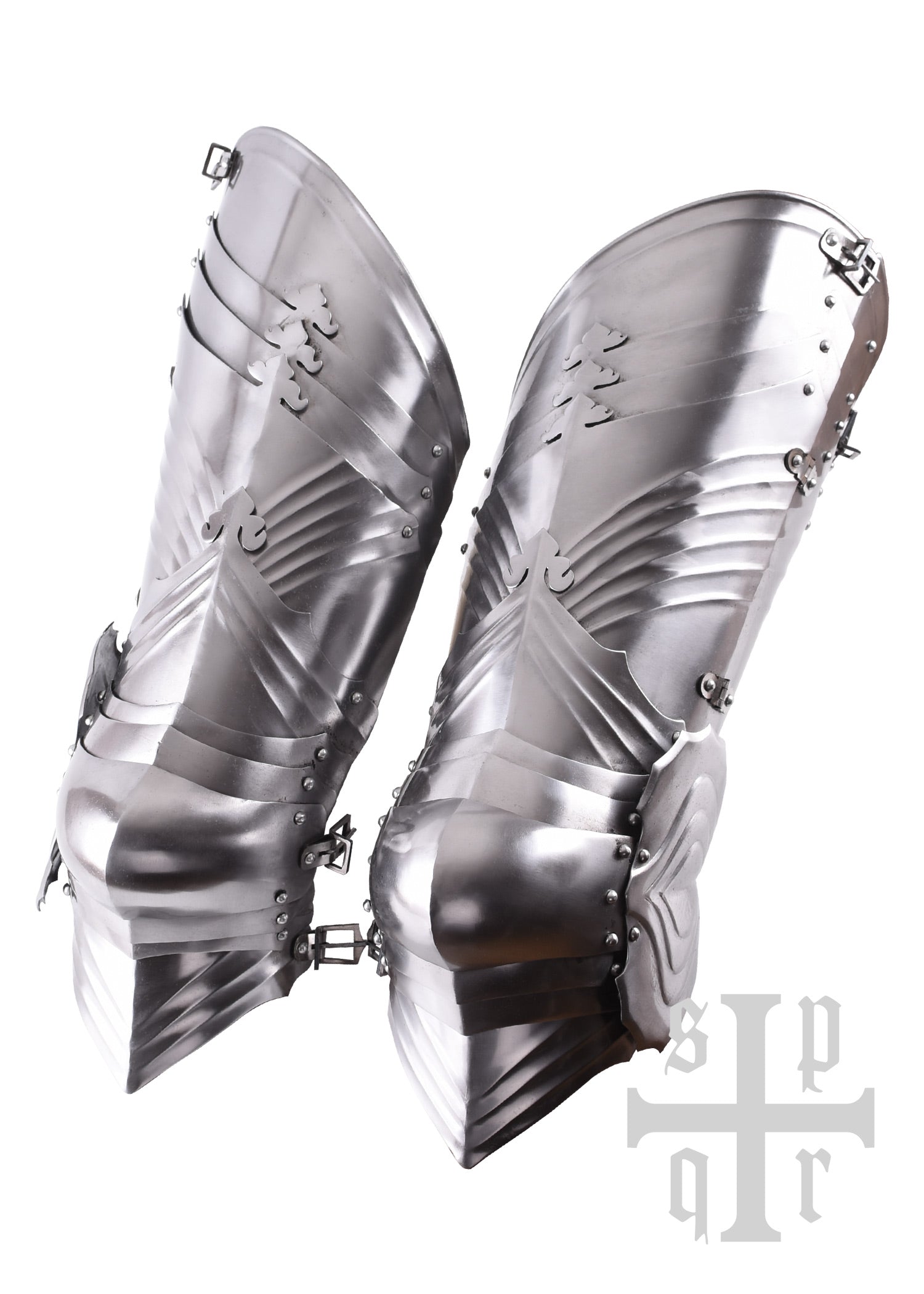
- Greaves and vambraces: Metal protections for legs and arms, essential in heavy cavalry.
Materials and characteristics of medieval armor
- Tempered steel: Stronger and lighter than iron, it allows for greater mobility in combat.
- Padded interior: Linen or leather padding to absorb impacts and improve warrior comfort.
- Reinforced joints: Improved flexibility without compromising protection.
- Custom designs: Many armors were custom forged, with engravings and heraldic details.
Differences from armor of other eras and cultures
- Greater coverage and resistance: Unlike High Middle Ages chainmail, plate armor offered an almost impenetrable defense.
- Less use of the shield: With full armor, knights could dispense with the shield in close-quarters combat.
- Influence on late medieval warfare: These armors laid the foundation for the first Renaissance armor models.
The armor of the Late Middle Ages was a milestone in military protection and a symbol of chivalric power. If you are looking for replicas of medieval armor for historical reenactment, collection or display, at Todo Medieval you will find authentic pieces inspired by this fascinating era.
