





7-10 Day Shipping
7-10 Day Shipping

7-10 Day Shipping

7-10 Day Shipping

7-10 Day Shipping

7-10 Day Shipping

Shipping 7-10 Days
7-10 Day Shipping
7-10 Day Shipping
Shipping 7-10 Days
7-10 Day Shipping
7-10 Day Shipping
7-10 Day Shipping
7-10 Day Shipping
7-10 Day Shipping
7-10 Day Shipping
7-10 Day Shipping
7-10 Day Shipping
7-10 Day Shipping
Shipping 7-10 Days
7-10 Day Shipping
7-10 Day Shipping
Shipping 7-10 Days
7-10 Day Shipping
7-10 Day Shipping
7-10 Day Shipping
Late Middle Ages bows: precision and lethality on the battlefield
The Late Middle Ages bows were English longbow to the versatile crossbow, these weapons made the difference in medieval conflicts.
Main types of medieval bows
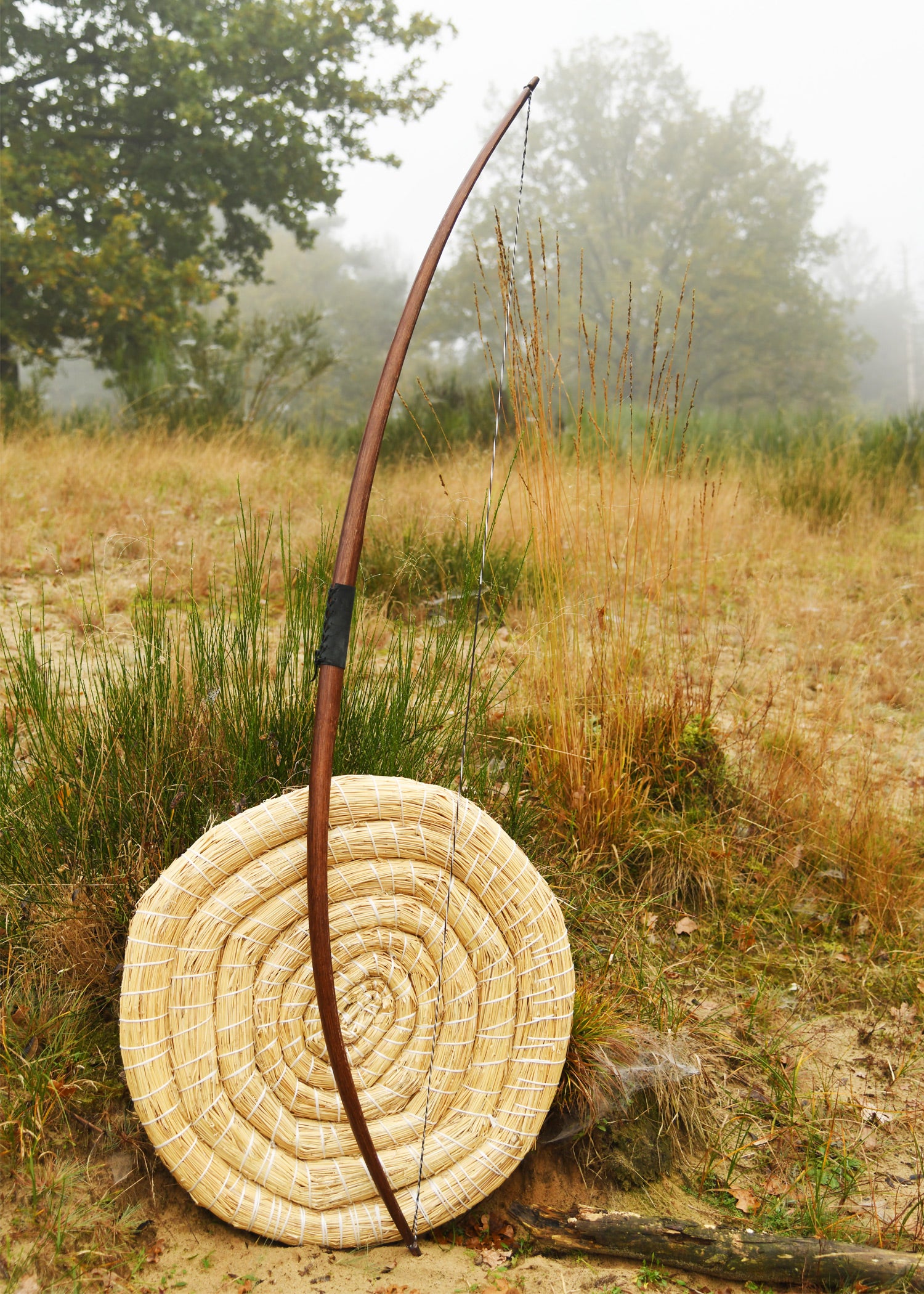
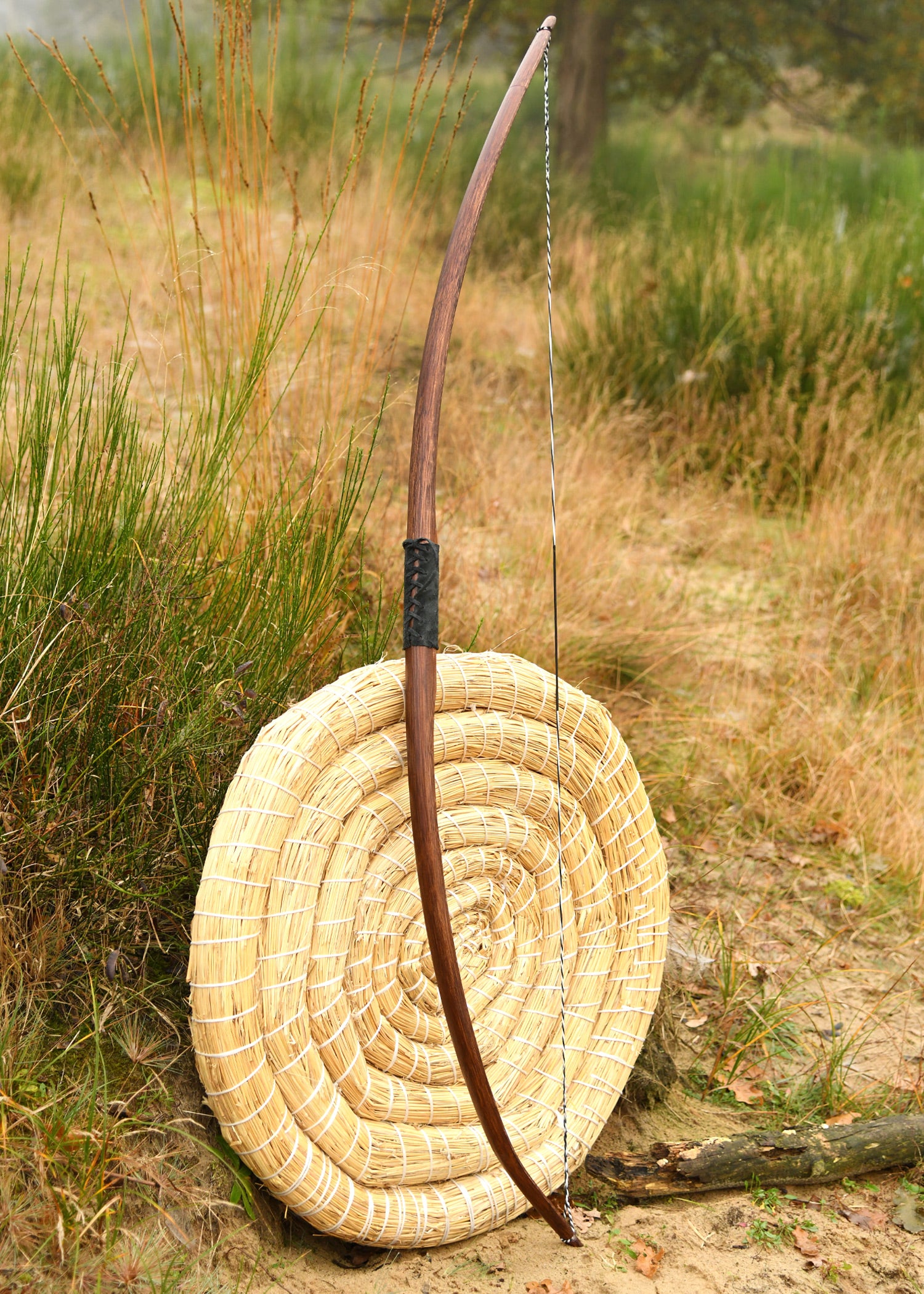
- Longbow: An iconic weapon of English archers, capable of piercing armor and shooting at great distance with precision.
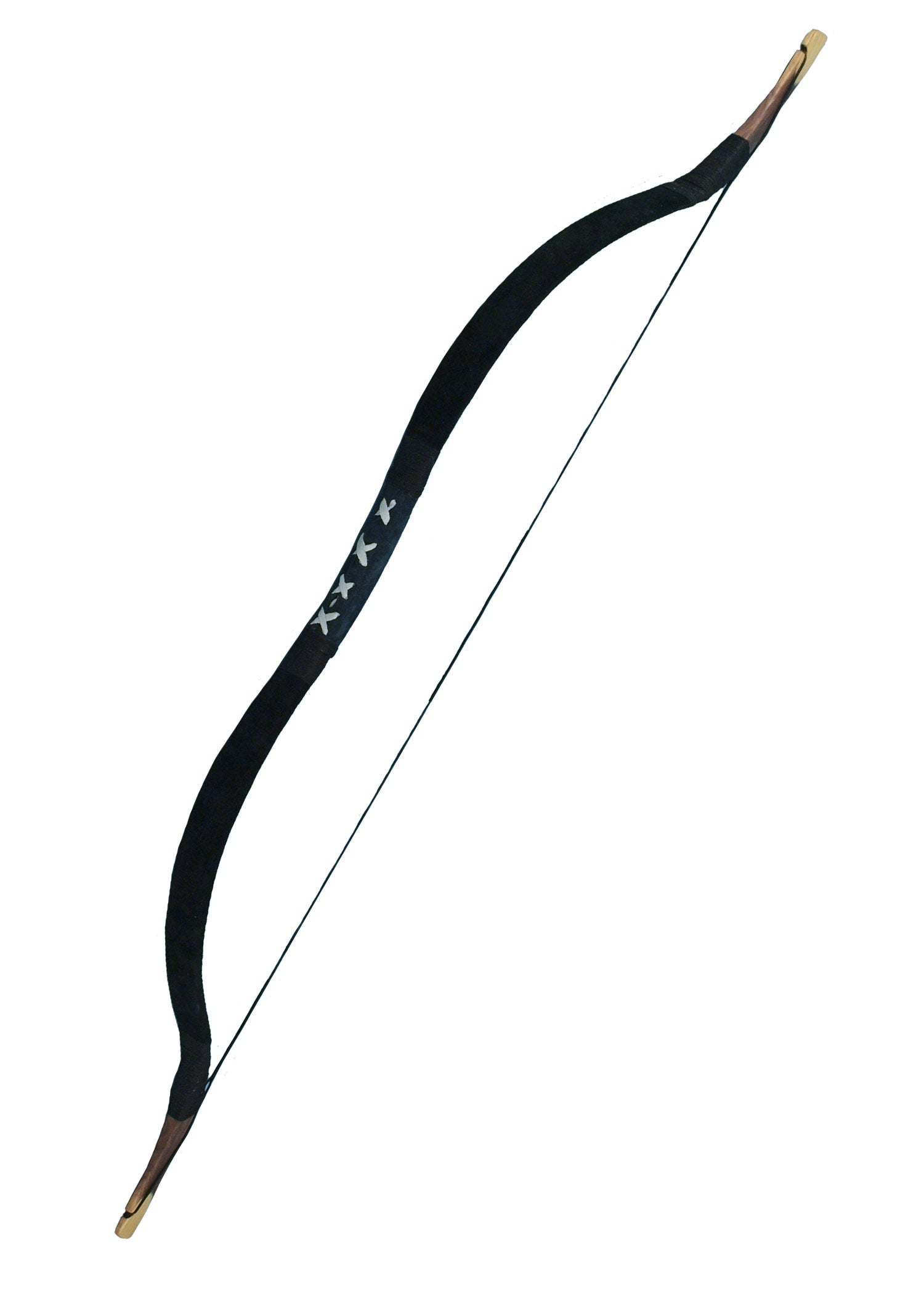
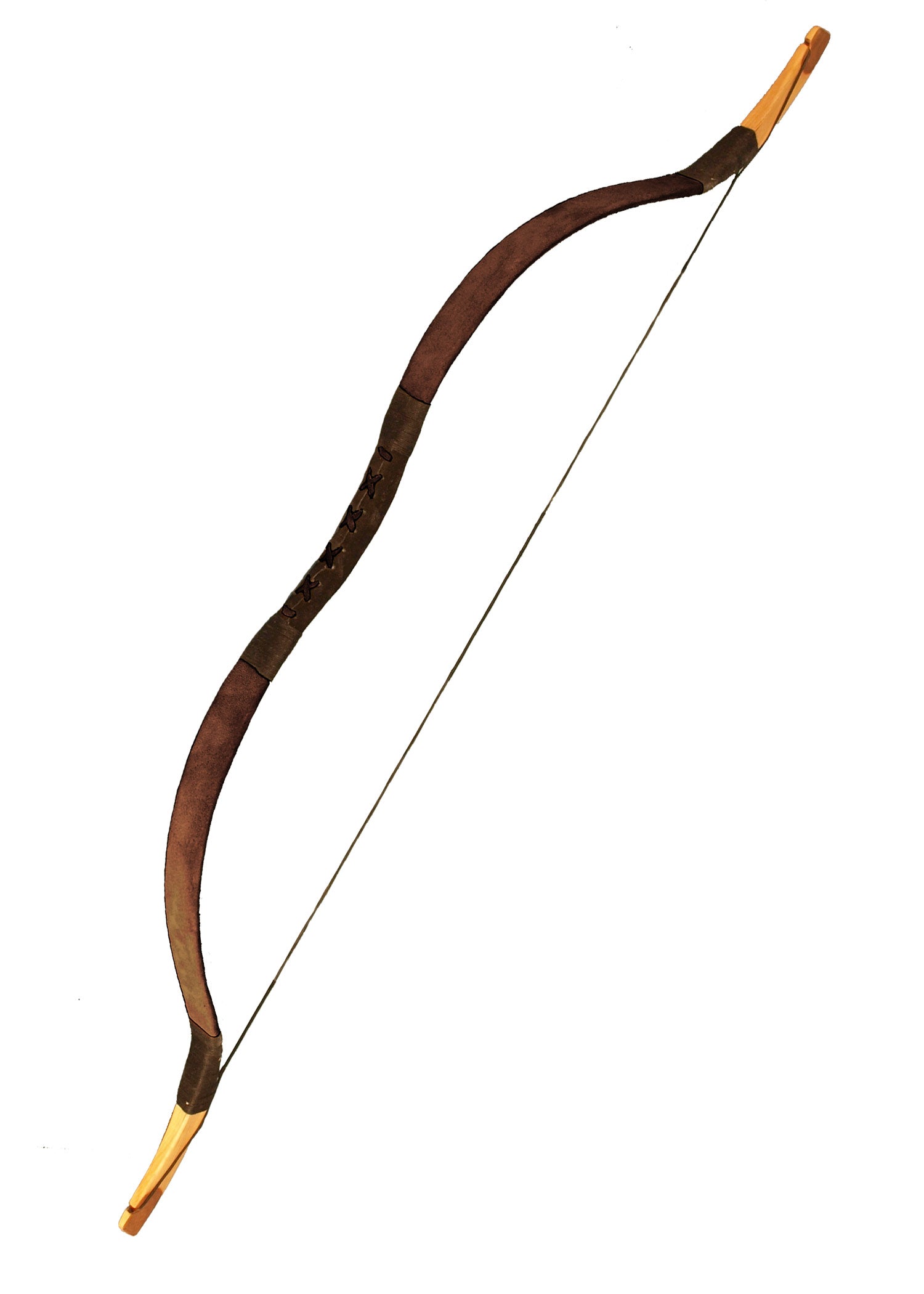
- Recurve bow: Used by light troops and hunters, it had a higher firing speed and a compact shape ideal for mobility.
- Crossbow: A revolutionary weapon that allowed shooting with great power without requiring as much skill as a traditional bow.
- Composite bow: Made with multiple materials such as wood, horn, and tendon, which gave it greater power and range.
Materials and characteristics of medieval bows.
- Flexible and resistant wood: Ash, yew, and elm were the most used materials.
- Tendon or linen strings: Designed to withstand tension and maximize the force of the shot.
- Reinforcements at the ends: Improved the durability of the bow and the stability of the shot.
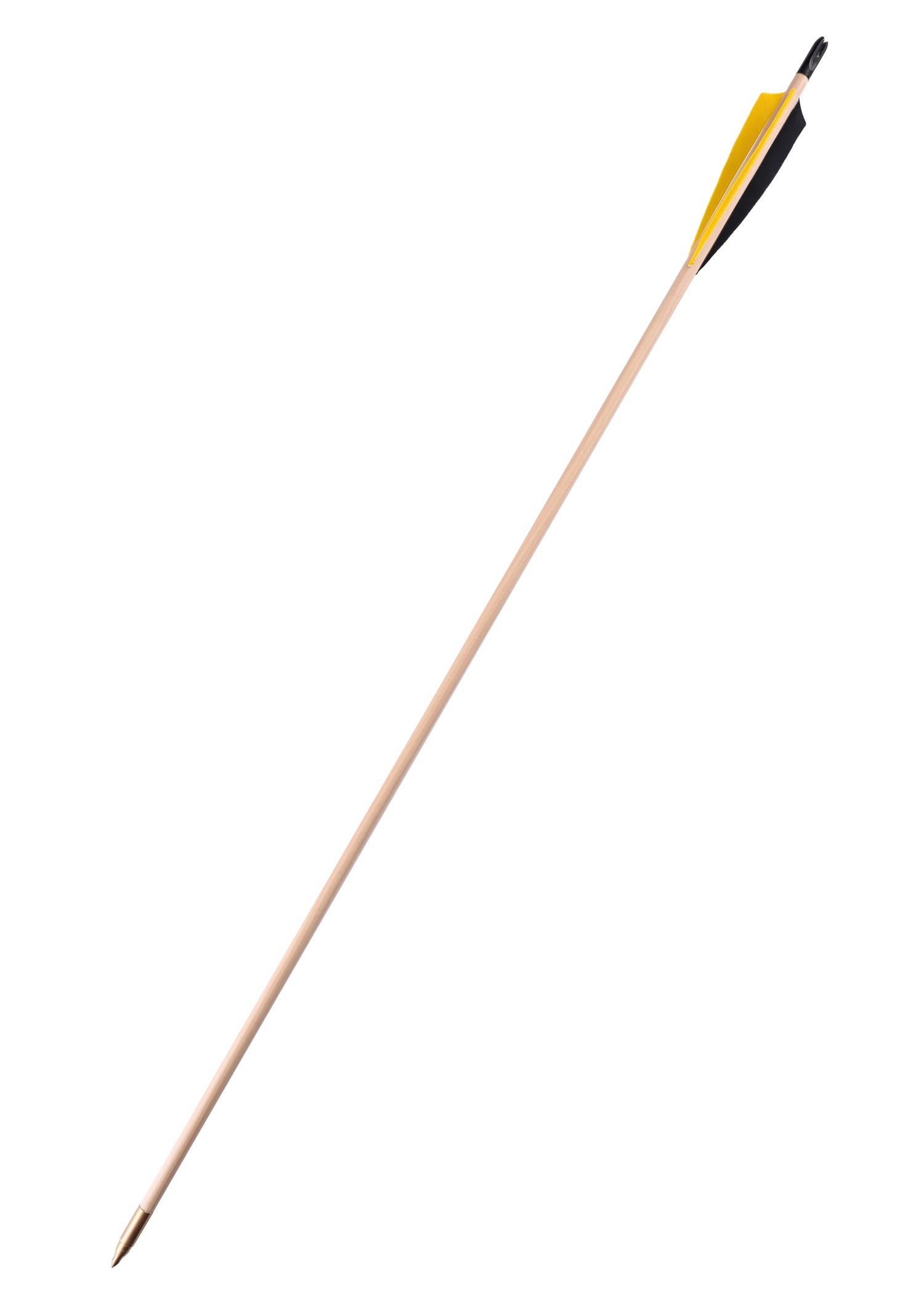
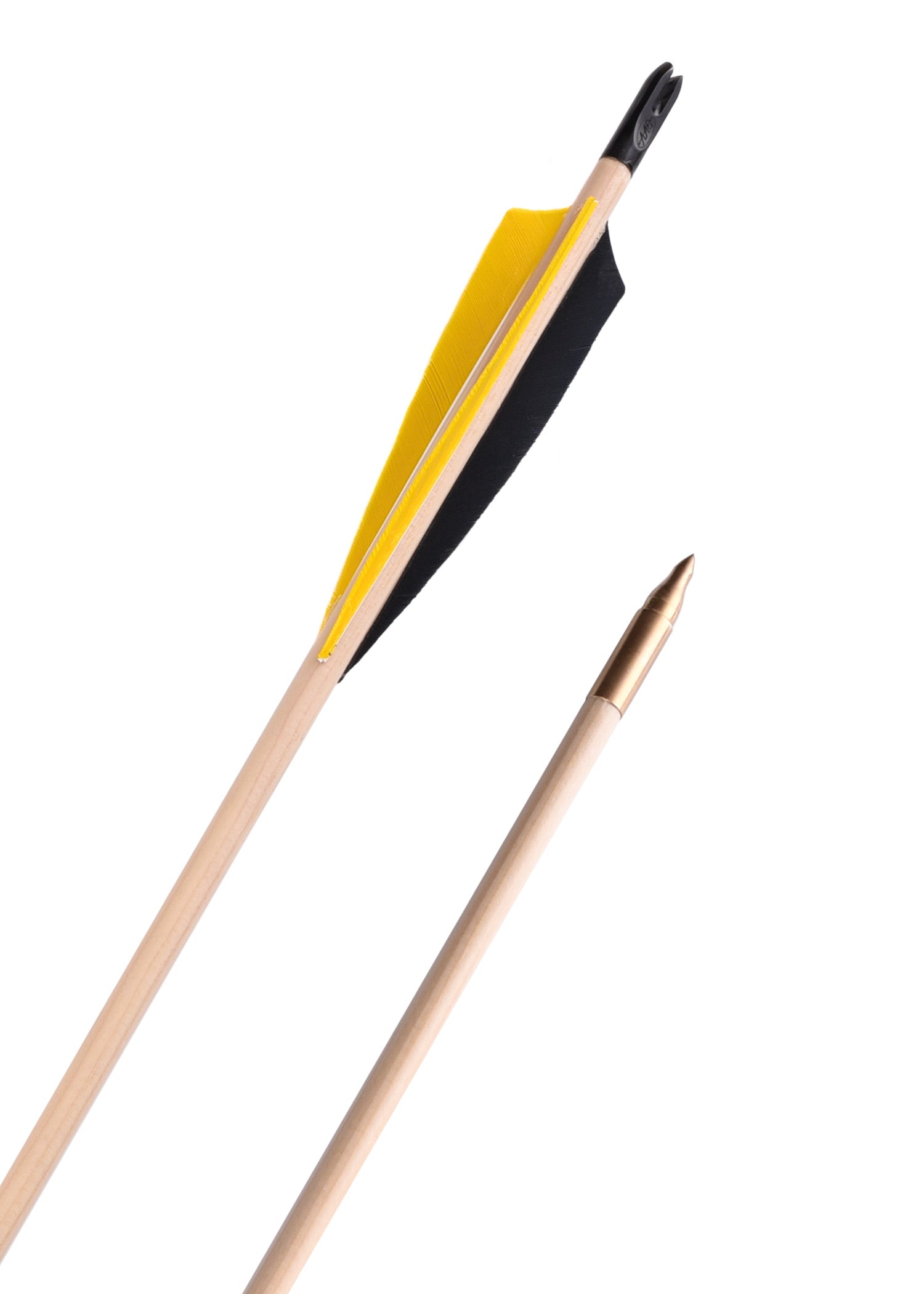
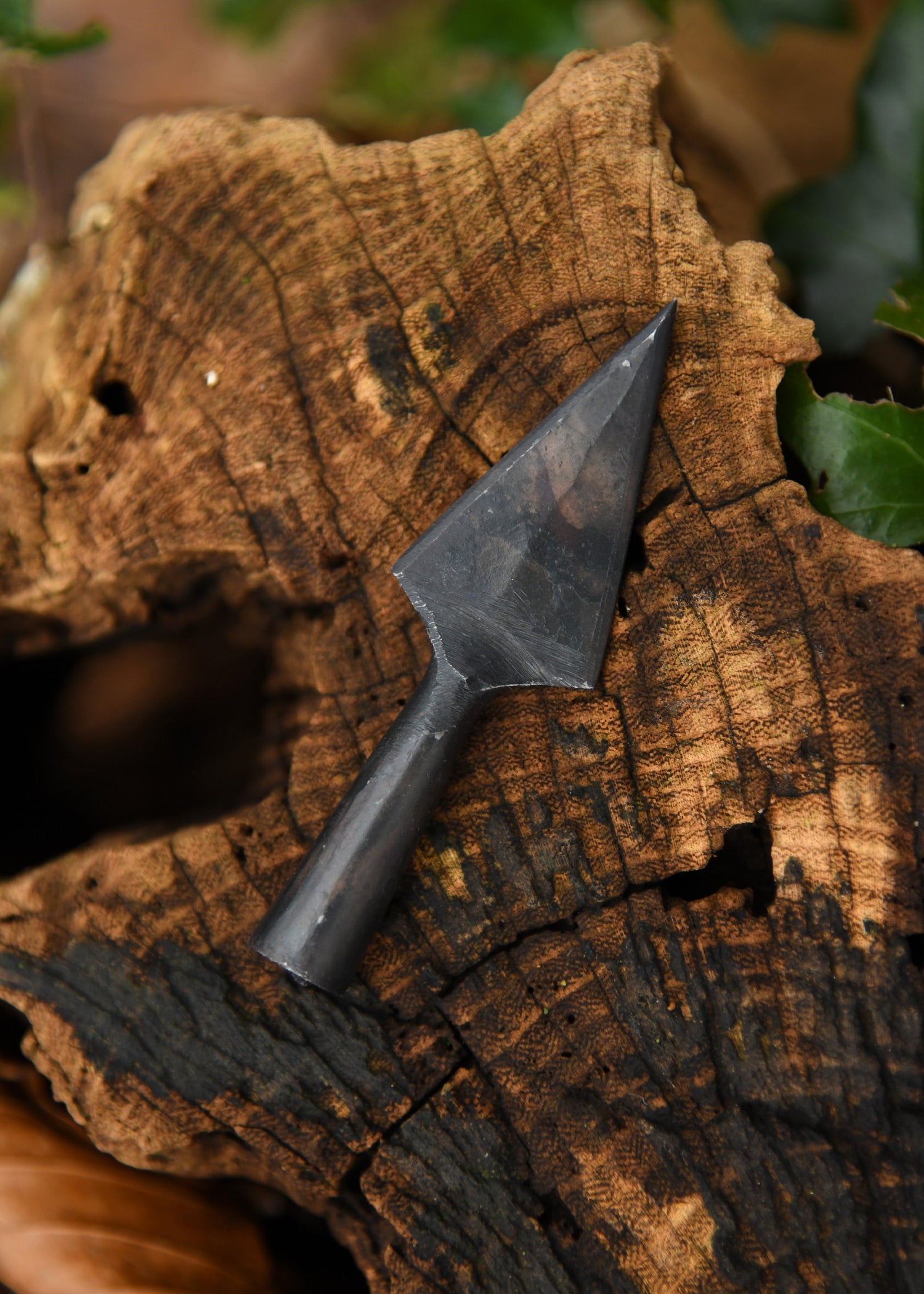
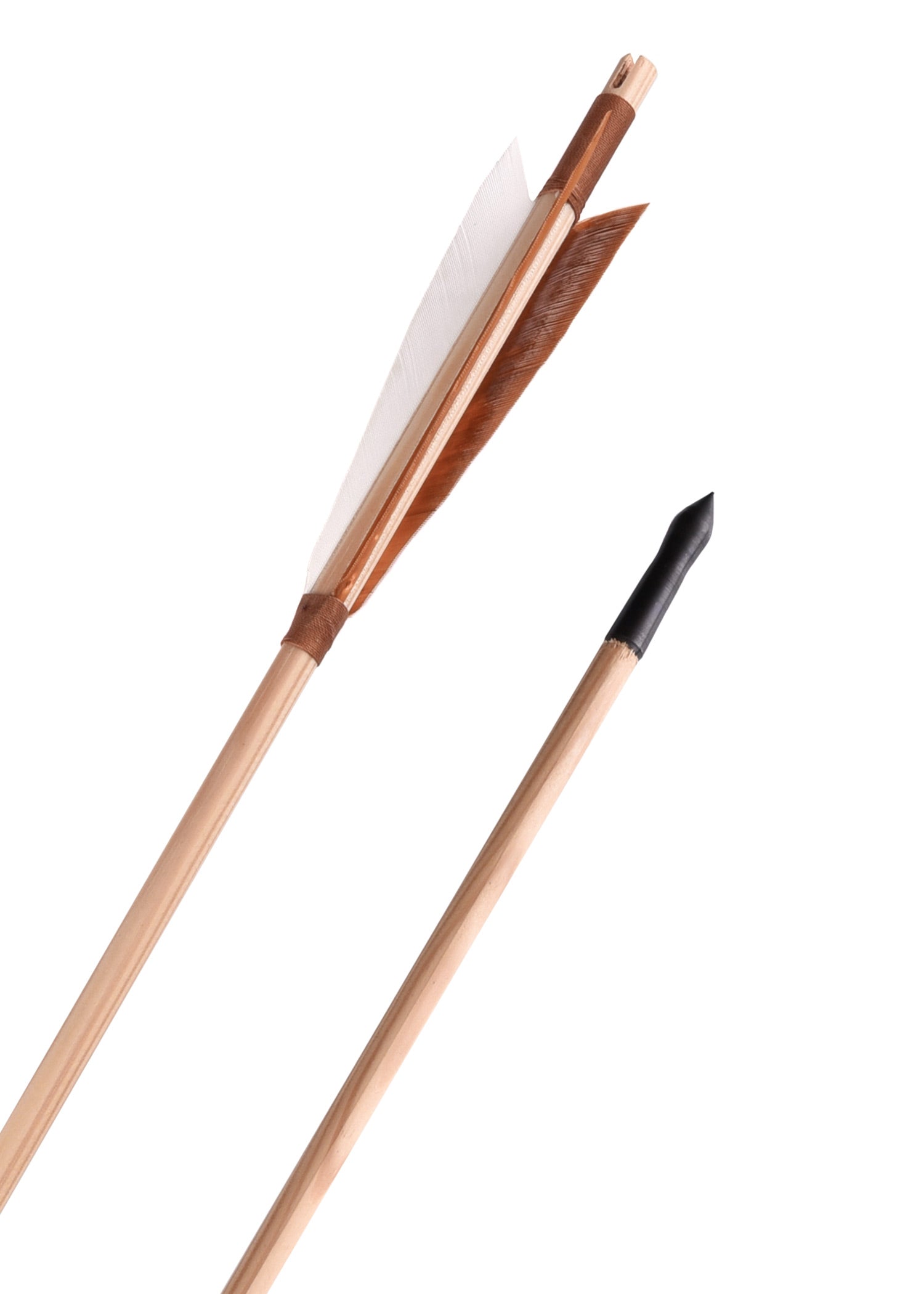
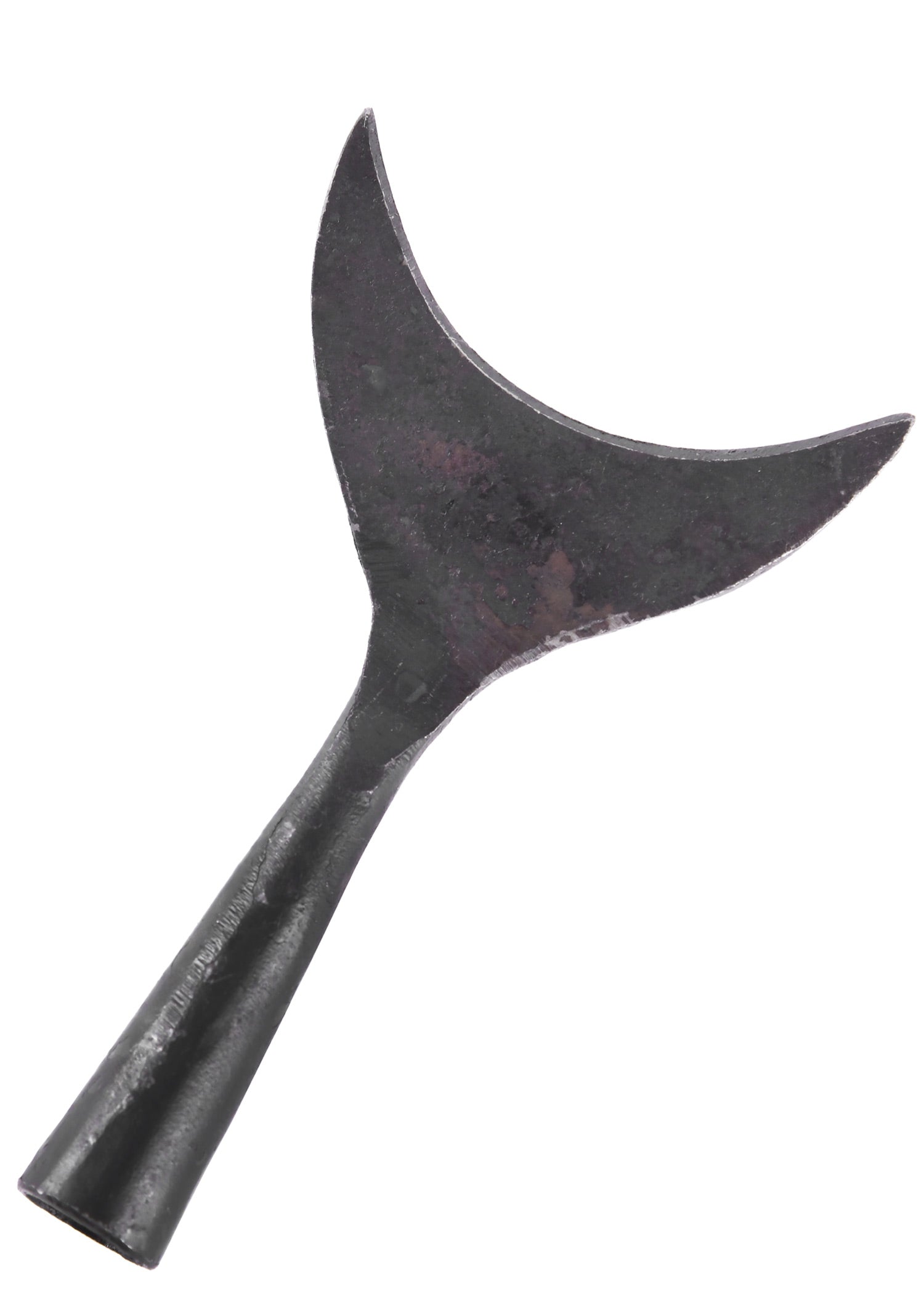
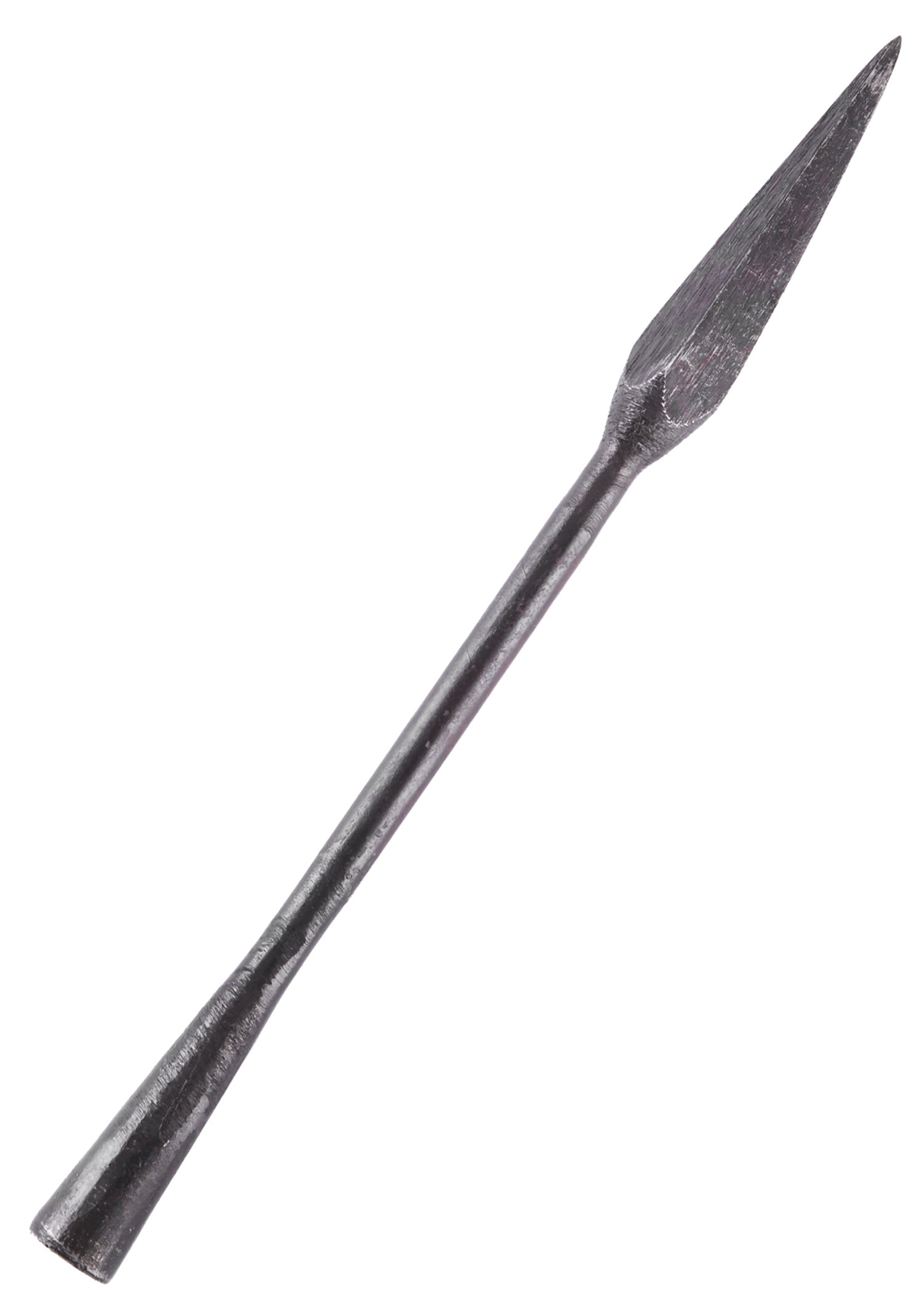
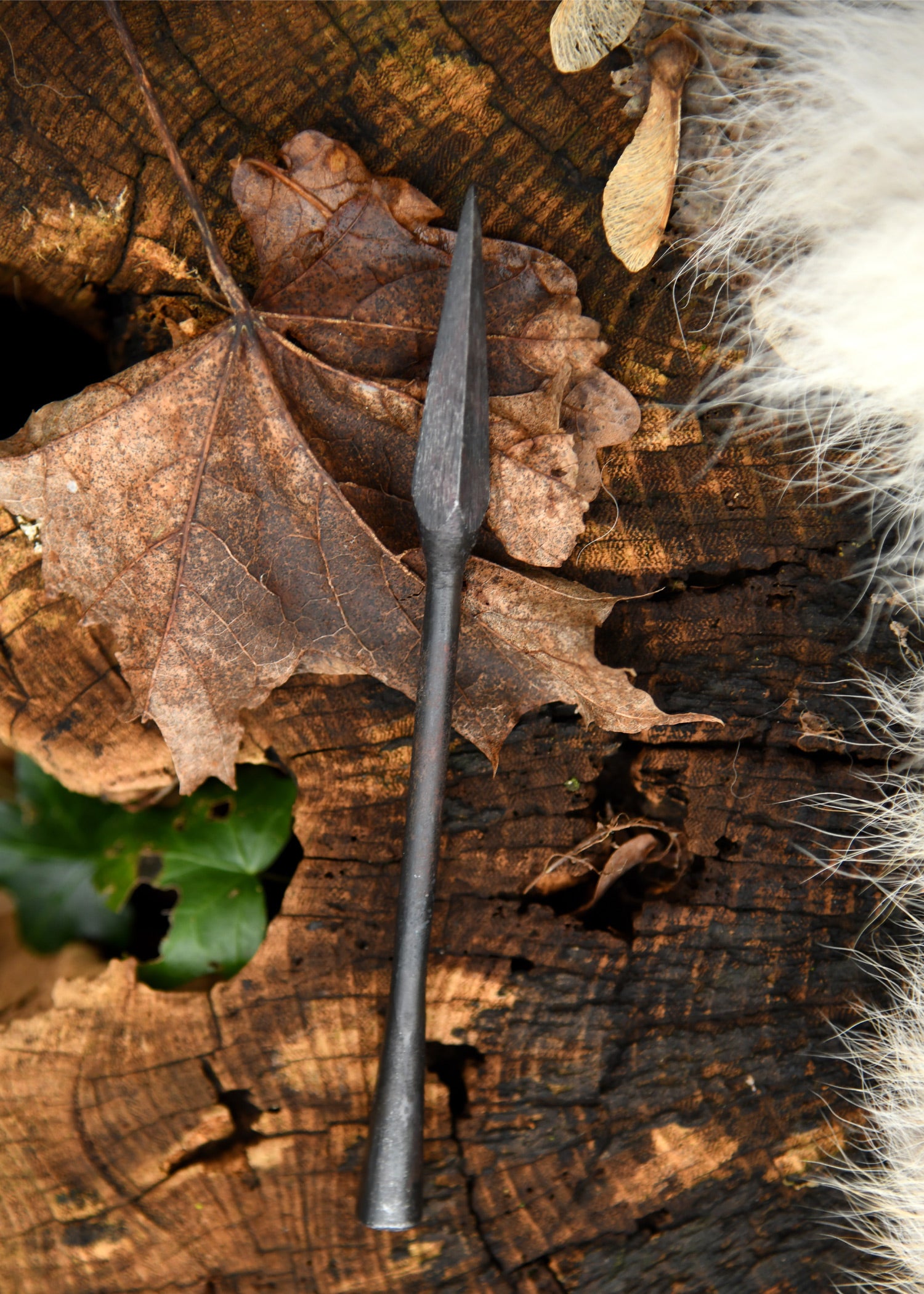
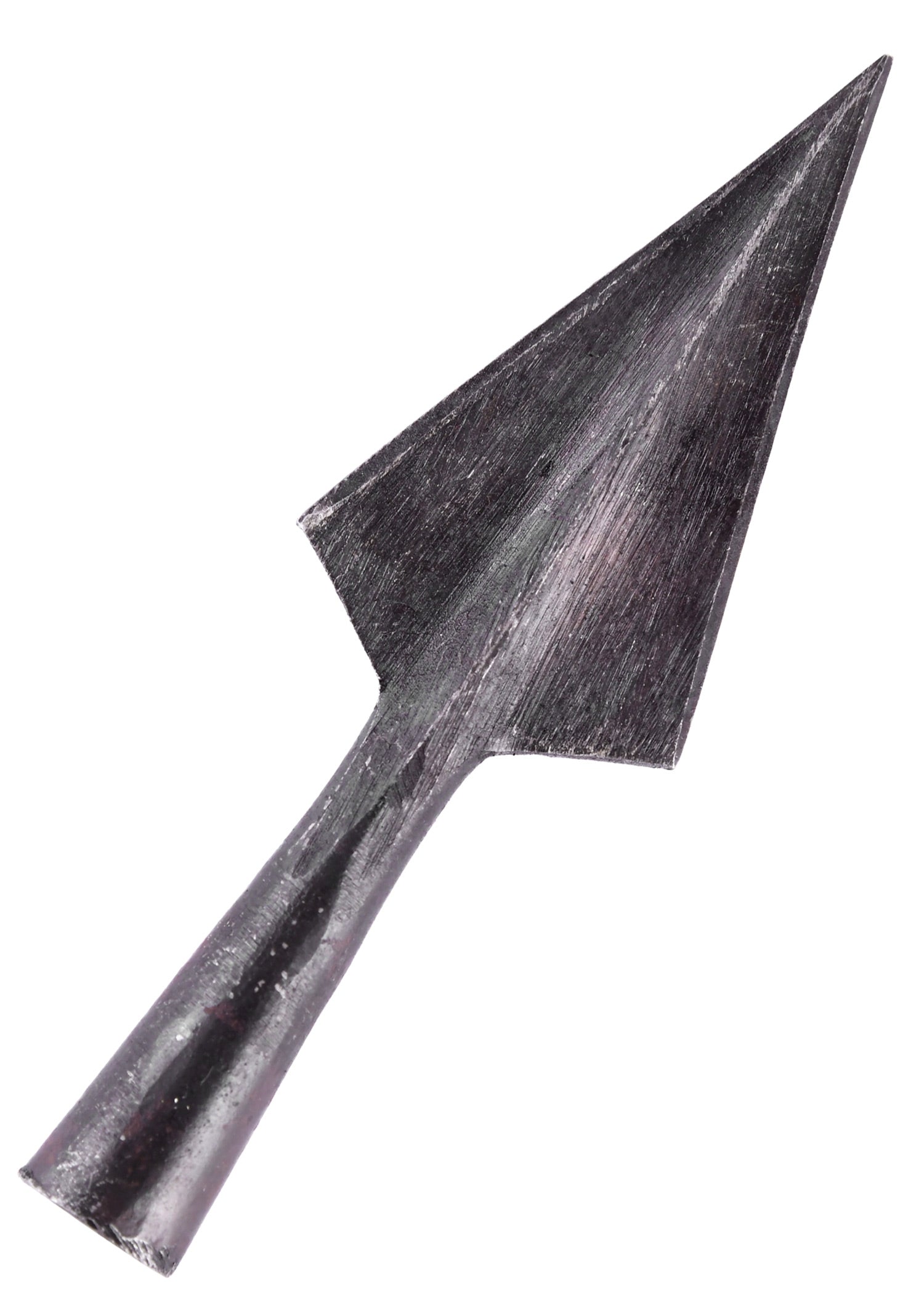
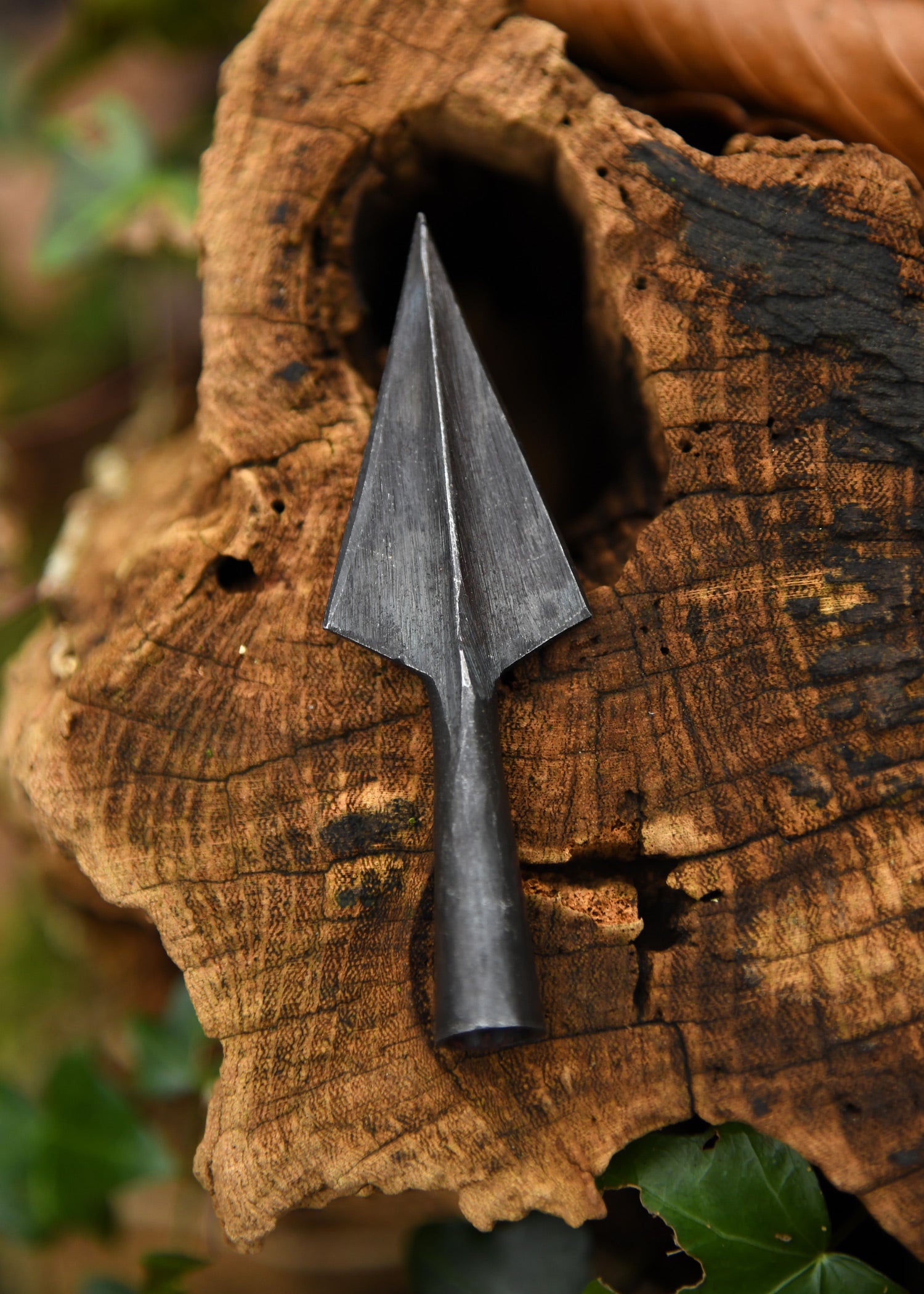
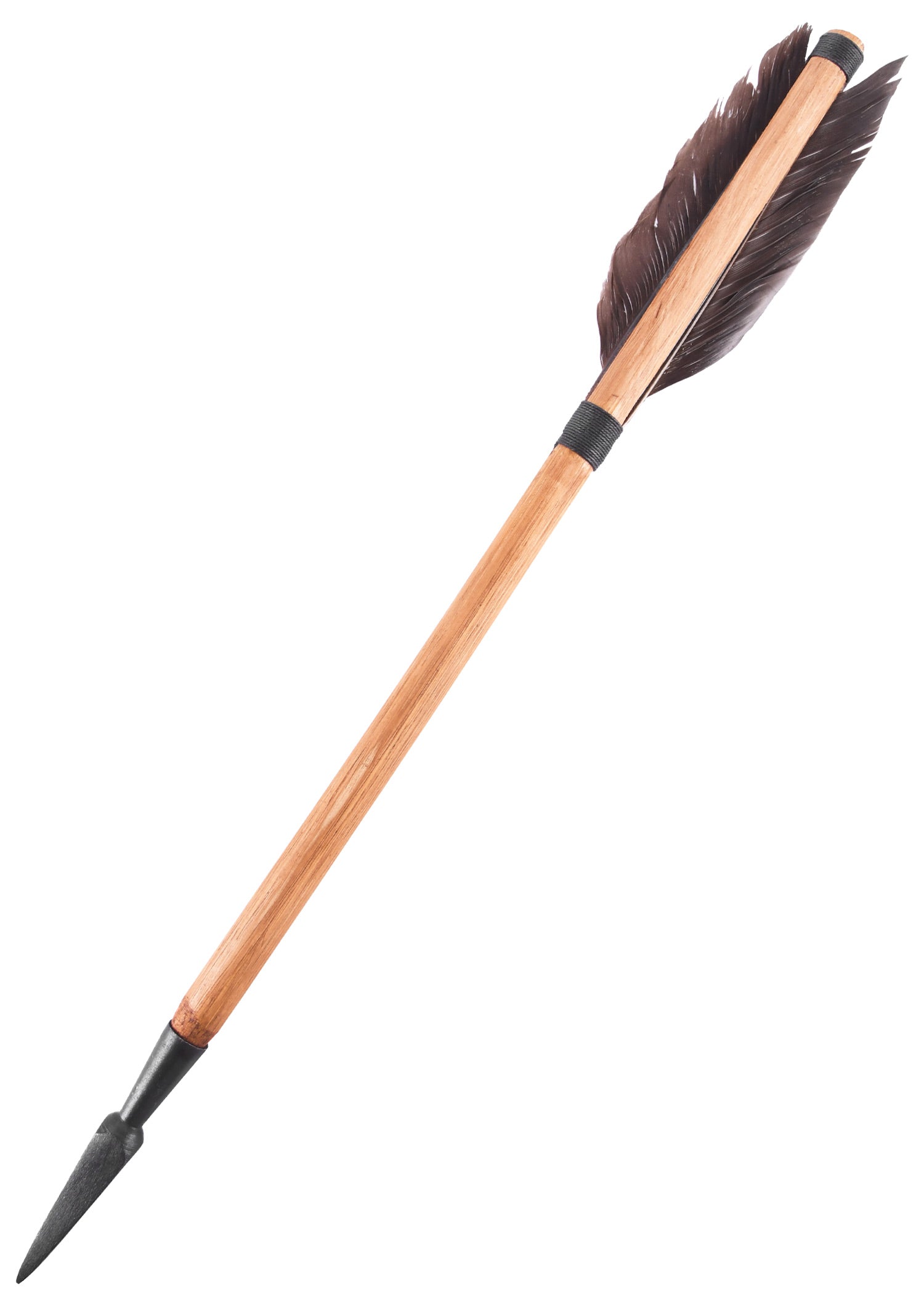
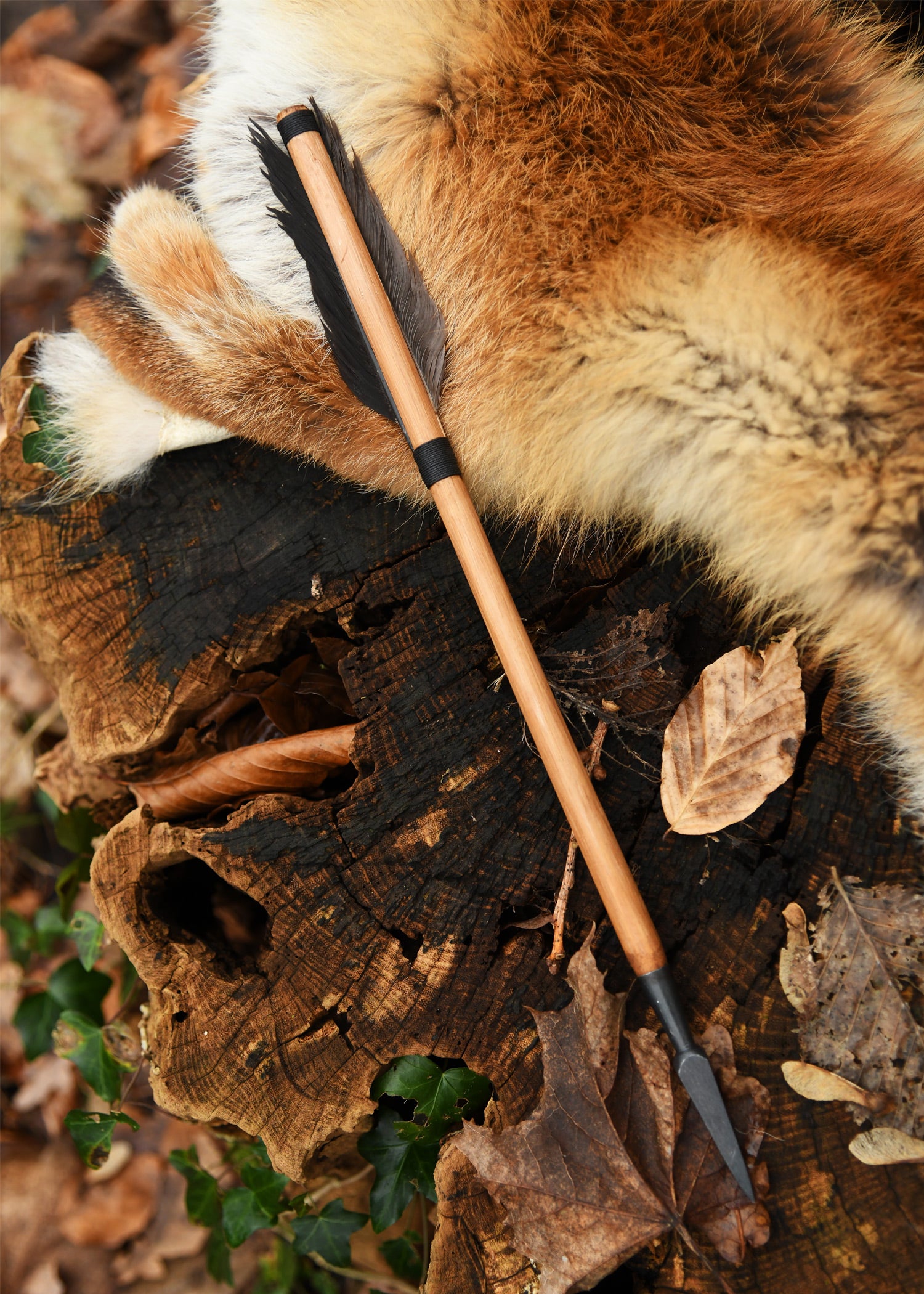
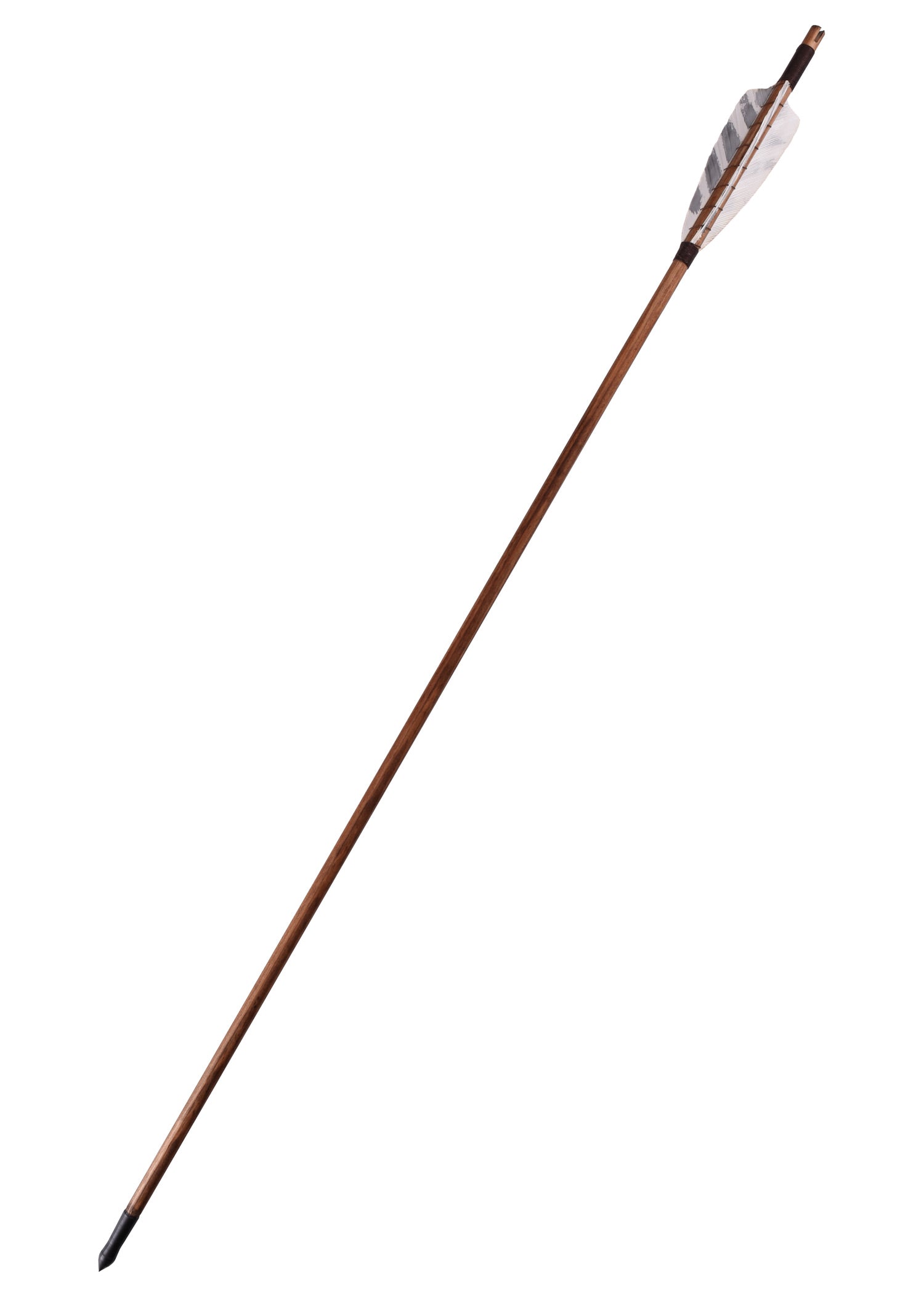
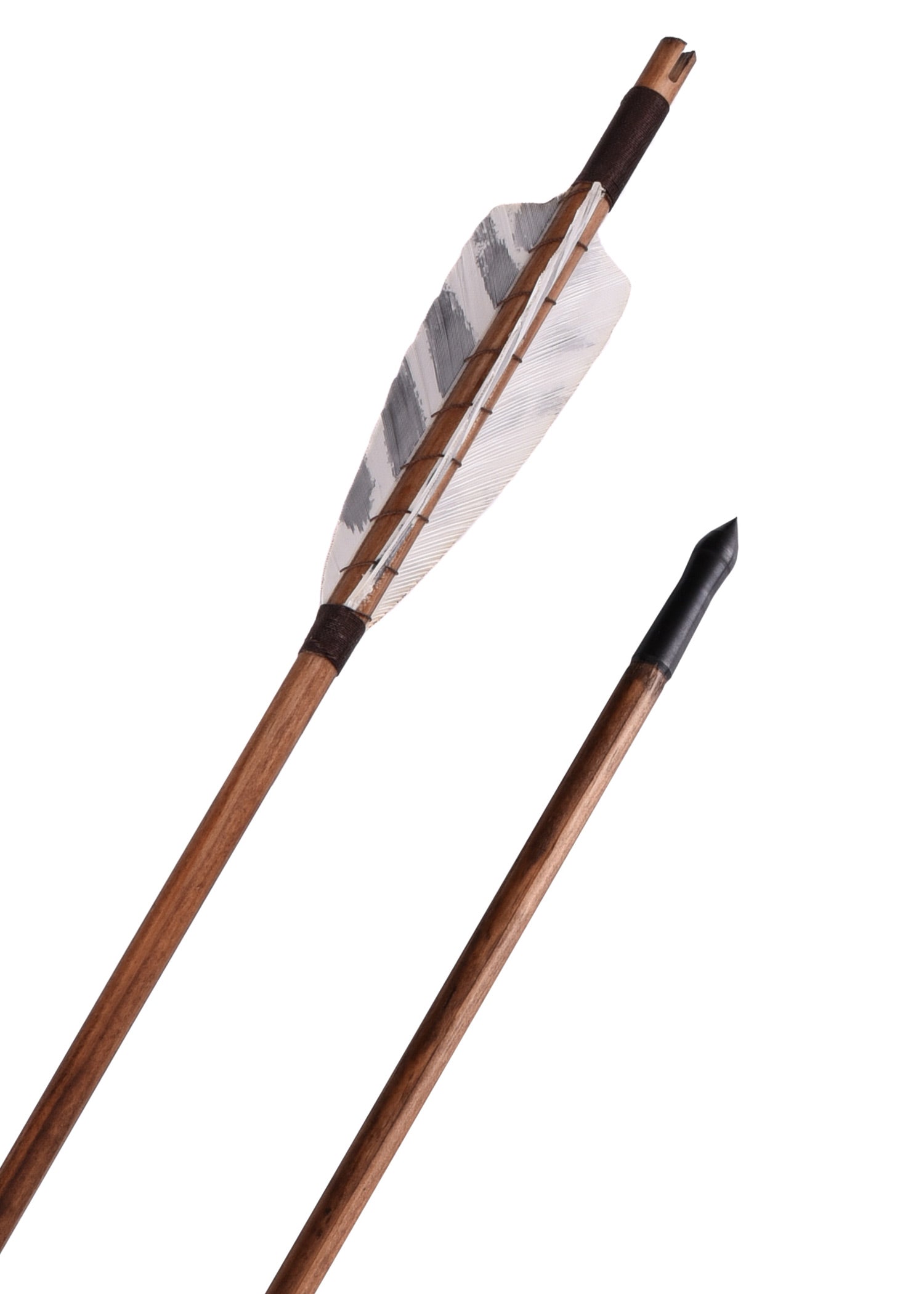
- Arrows with specialized tips: From piercing warheads to broad hunting tips for greater impact.
Differences with bows from other eras and cultures
- Greater power and range: Late Middle Ages bows, especially the longbow, could pierce armor at long distances.
- Specialized military use: While in the Early Middle Ages bows were secondary, in the Late Middle Ages armies of professional archers emerged.
- Evolution towards crossbows: The popularity of crossbows grew due to their ease of use and penetration power.
The Late Middle Ages bows were essential in great battles and changed the way of making war. If you are looking for authentic medieval bow replicas, at Todo Medieval you will find models ideal for historical reproduction, collection or exhibition.
