




7-10 Day ShippingSold out

7-10 Day Shipping
Shipping 7-10 DaysSold out

Shipping 7-10 Days

7-10 Day Shipping
7-10 Day Shipping

Shipping 7-10 DaysSold out

7-10 Day Shipping

7-10 Day Shipping

7-10 Day ShippingSold out

7-10 Day Shipping

Shipping 7-10 DaysSave 14%
7-10 Day Shipping

7-10 Day ShippingSold out

7-10 Day Shipping


Shipping 7-10 DaysSold out

7-10 Day Shipping

7-10 Day Shipping


Shipping 7-10 Days


7-10 Day ShippingSold out

7-10 Day Shipping
7-10 Day Shipping
7-10 Day ShippingSold out
7-10 Day Shipping
Shipping 7-10 DaysSold out
Shipping 7-10 Days
7-10 Day Shipping
7-10 Day Shipping
Shipping 7-10 DaysSold out
7-10 Day Shipping
7-10 Day Shipping
7-10 Day ShippingSold out
7-10 Day Shipping
Shipping 7-10 DaysSave 14%
7-10 Day Shipping
7-10 Day ShippingSold out
7-10 Day Shipping
Shipping 7-10 DaysSold out
7-10 Day Shipping
7-10 Day Shipping
Shipping 7-10 Days
7-10 Day ShippingSold out
7-10 Day Shipping
7-10 Day Shipping
Clothing and Footwear of the Early Middle Ages (5th - 11th Centuries): History and Tradition
In this collection, we explore the main items of clothing and footwear used during the Early Middle Ages, a period marked by functionality and social representation through attire. The garments, differentiated by gender, reflect the customs and needs of the time.
Men's clothing
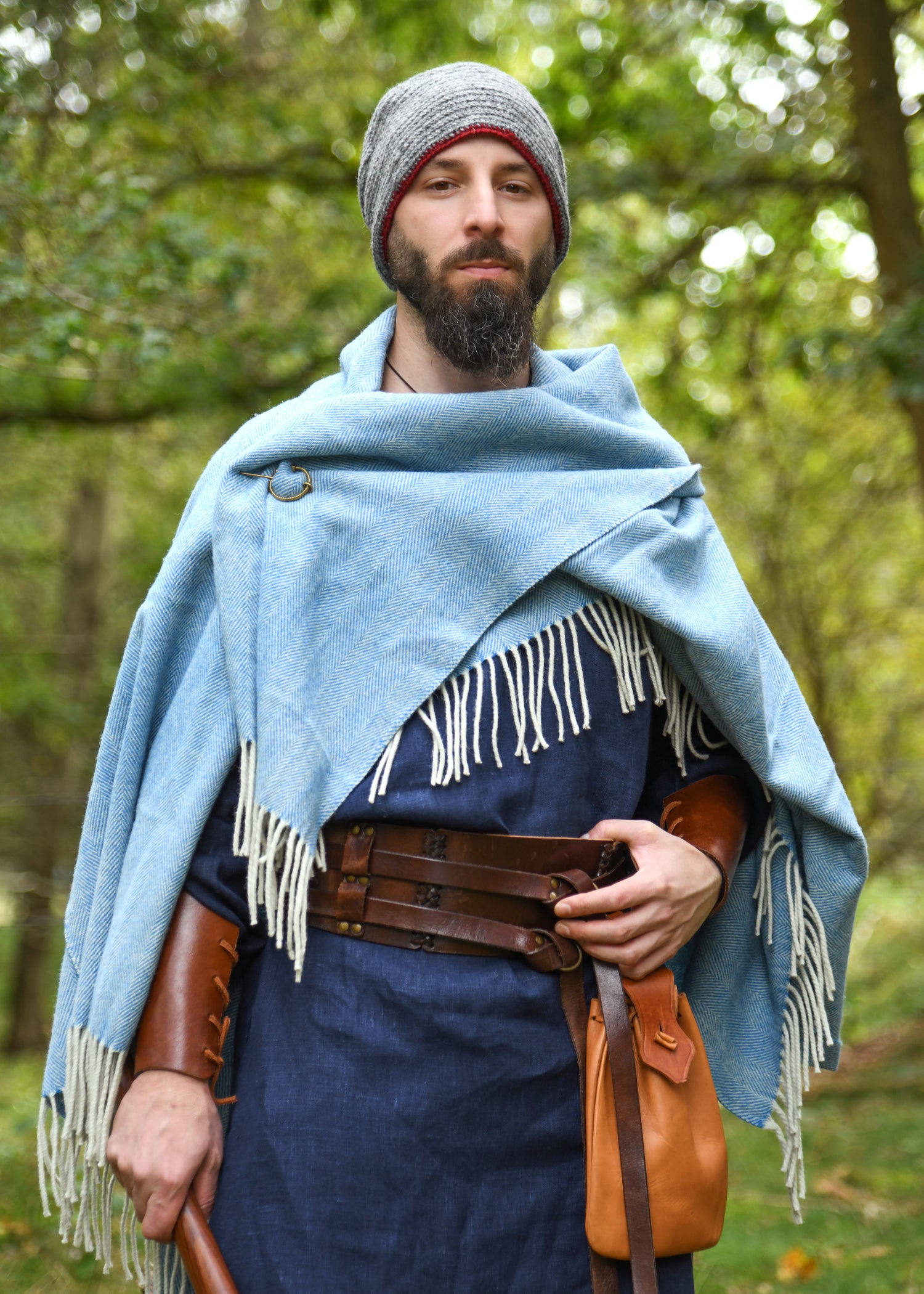
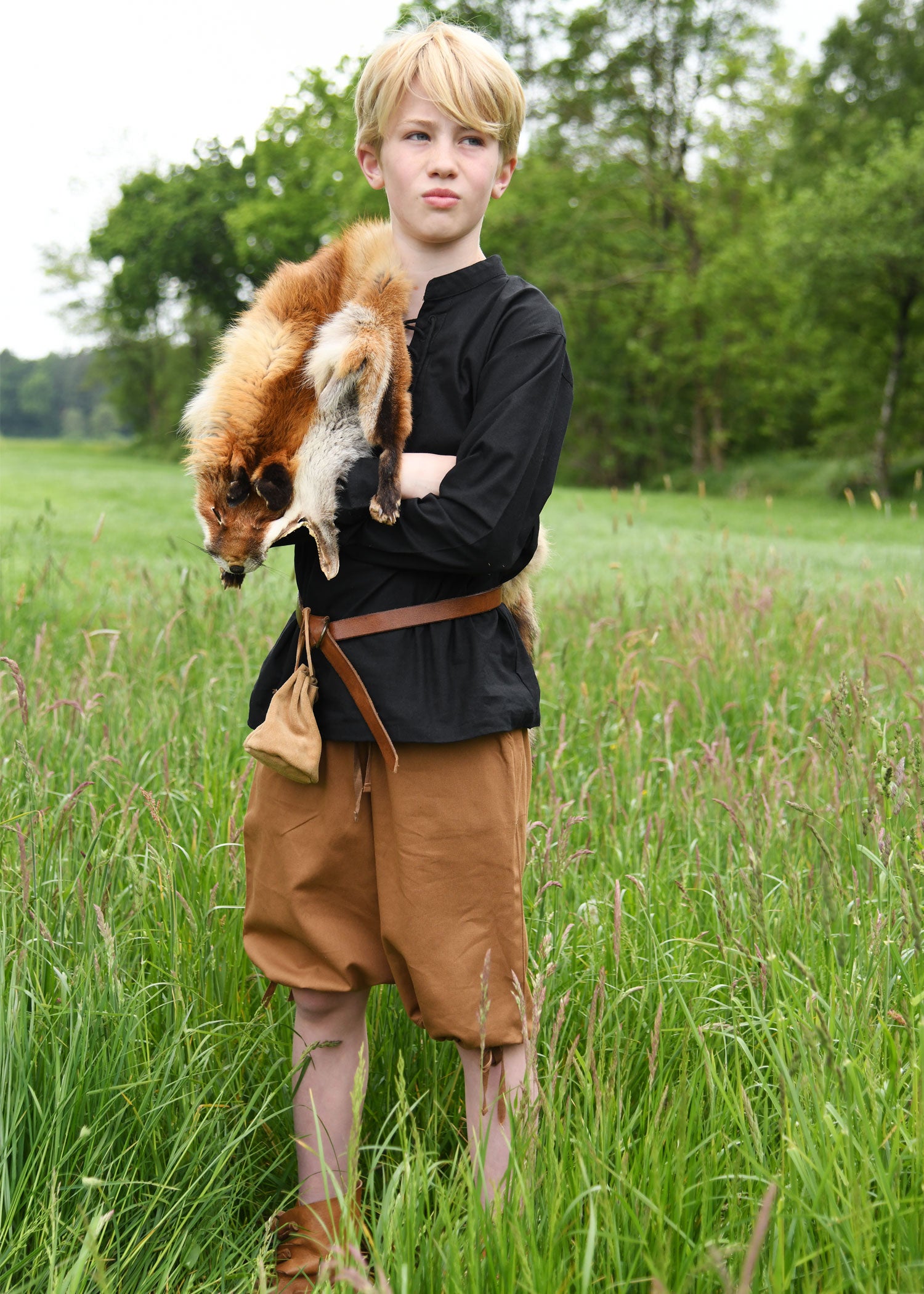
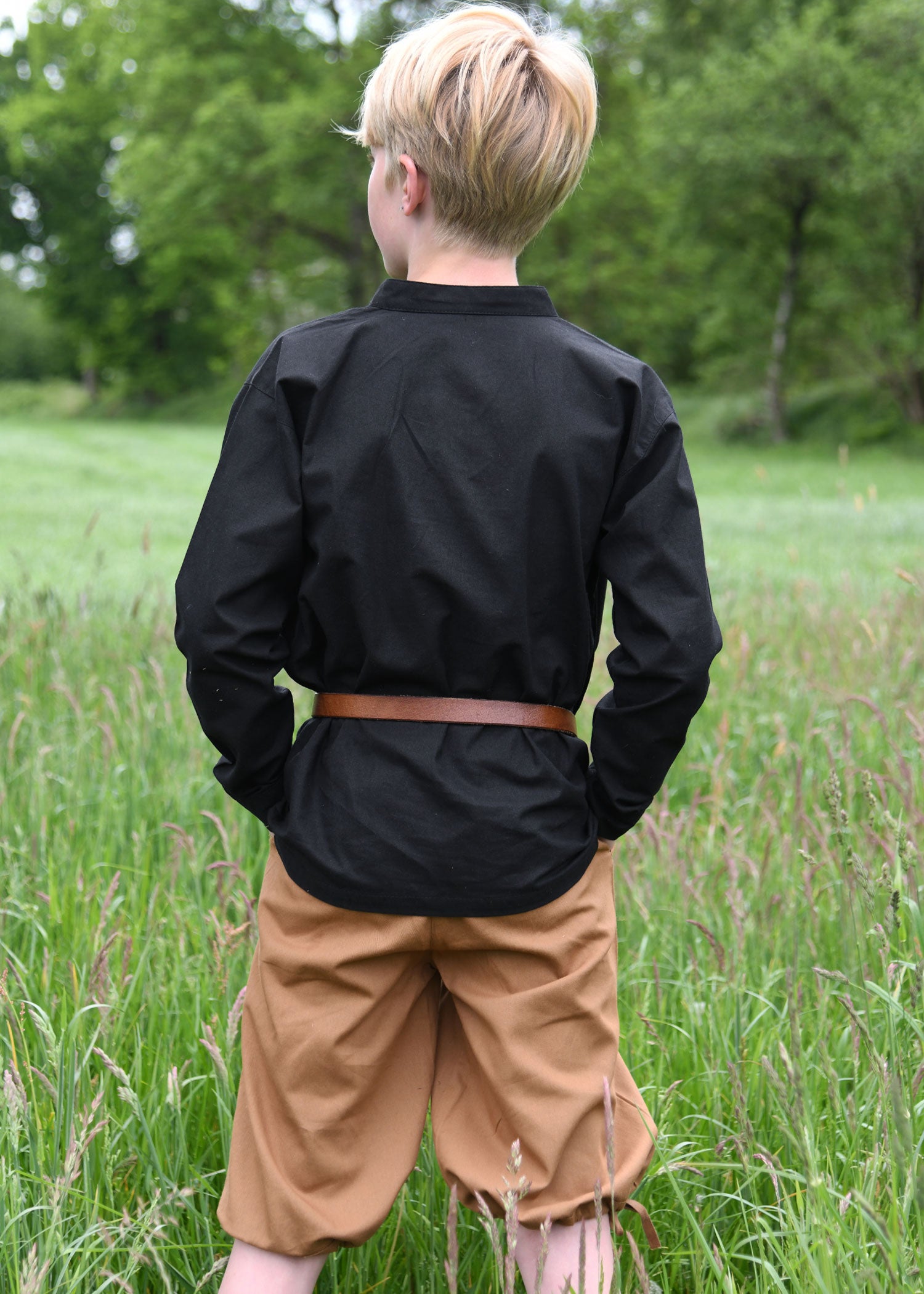
- Tunic: The most common garment among men, usually made of wool or linen. It was of simple cut and tightened with a belt, while men of higher social status wore longer and decorated tunics.
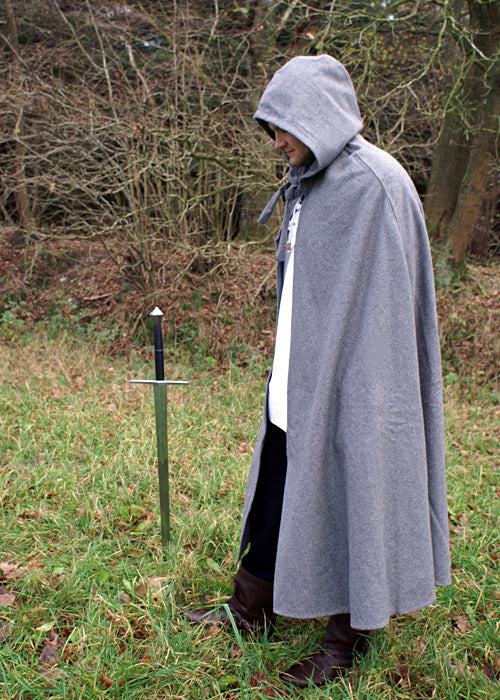
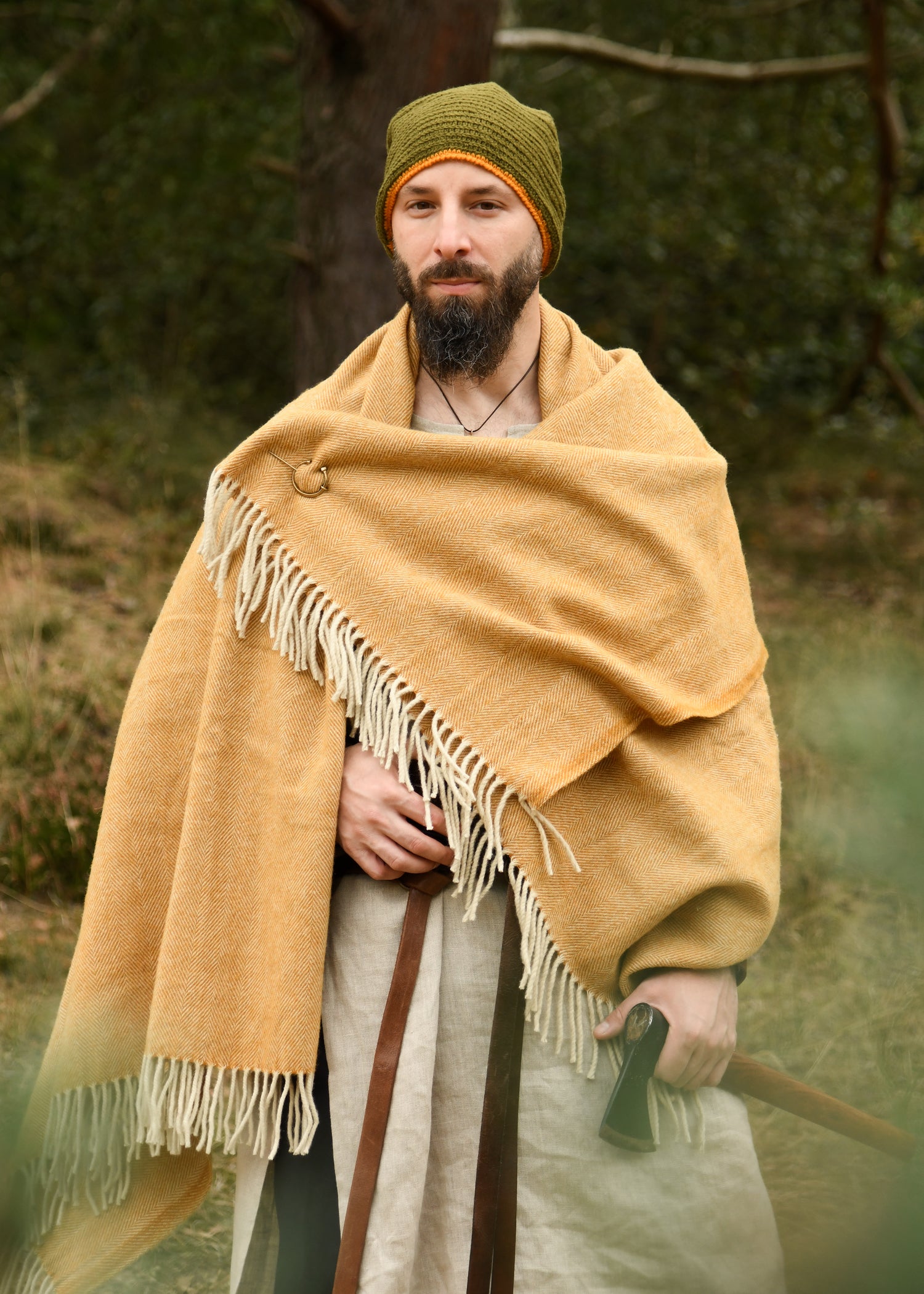
- Cape or cloak: Essential in cold regions, cloaks were worn both in daily life and in ceremonies and were usually made of wool.
- Trousers: Tight-fitting and of different fabrics depending on the social class, they were essential for covering the legs.
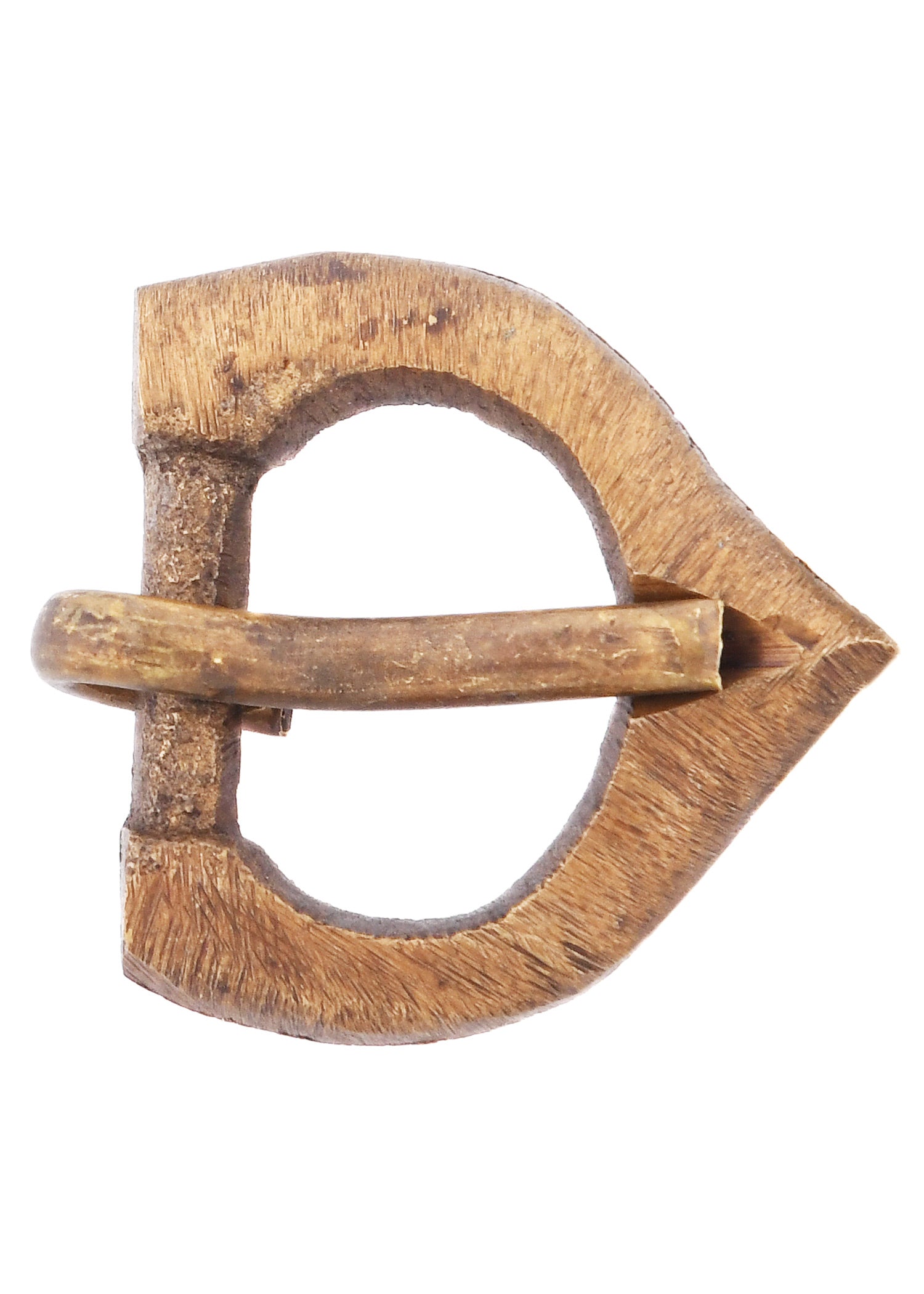
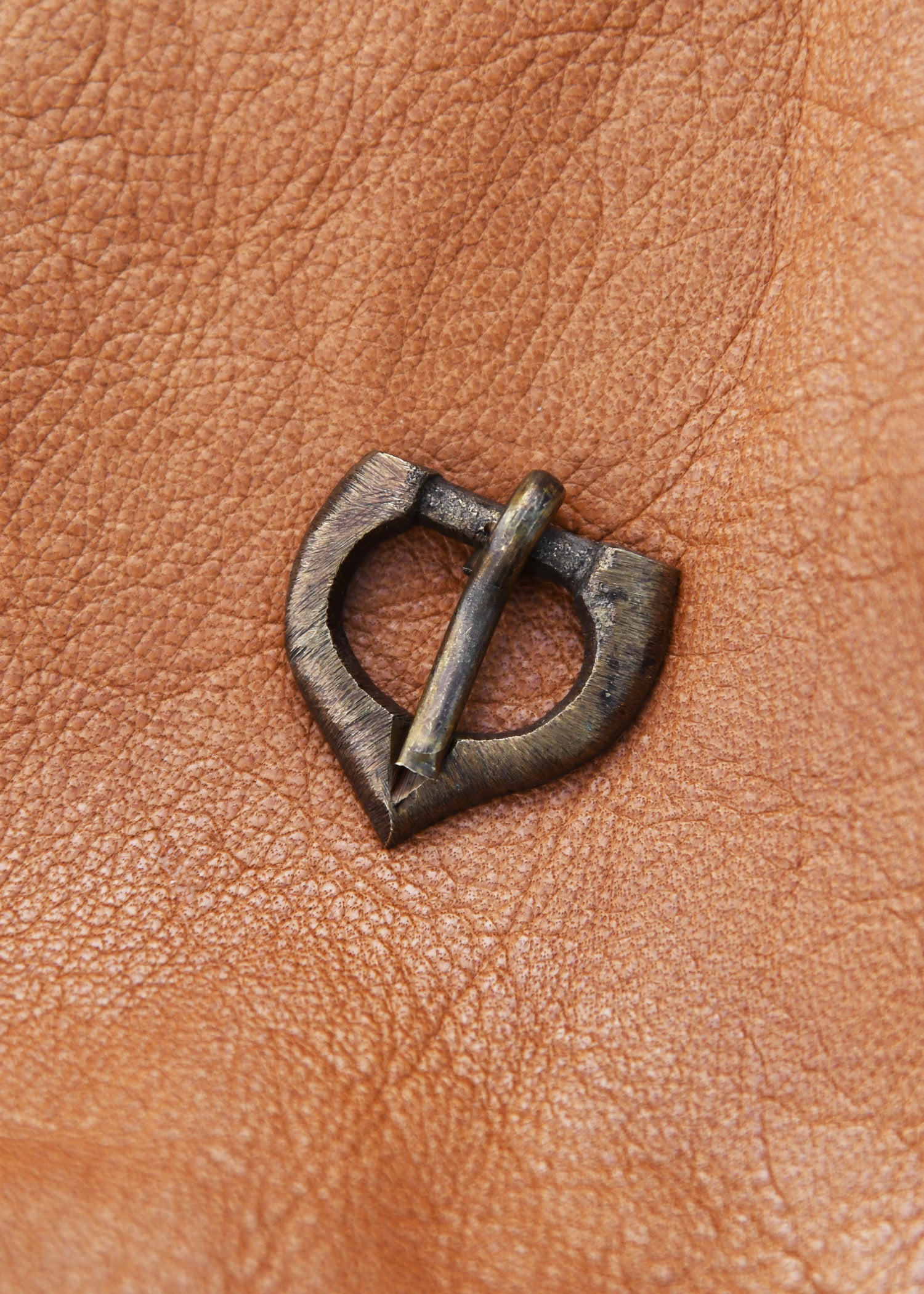
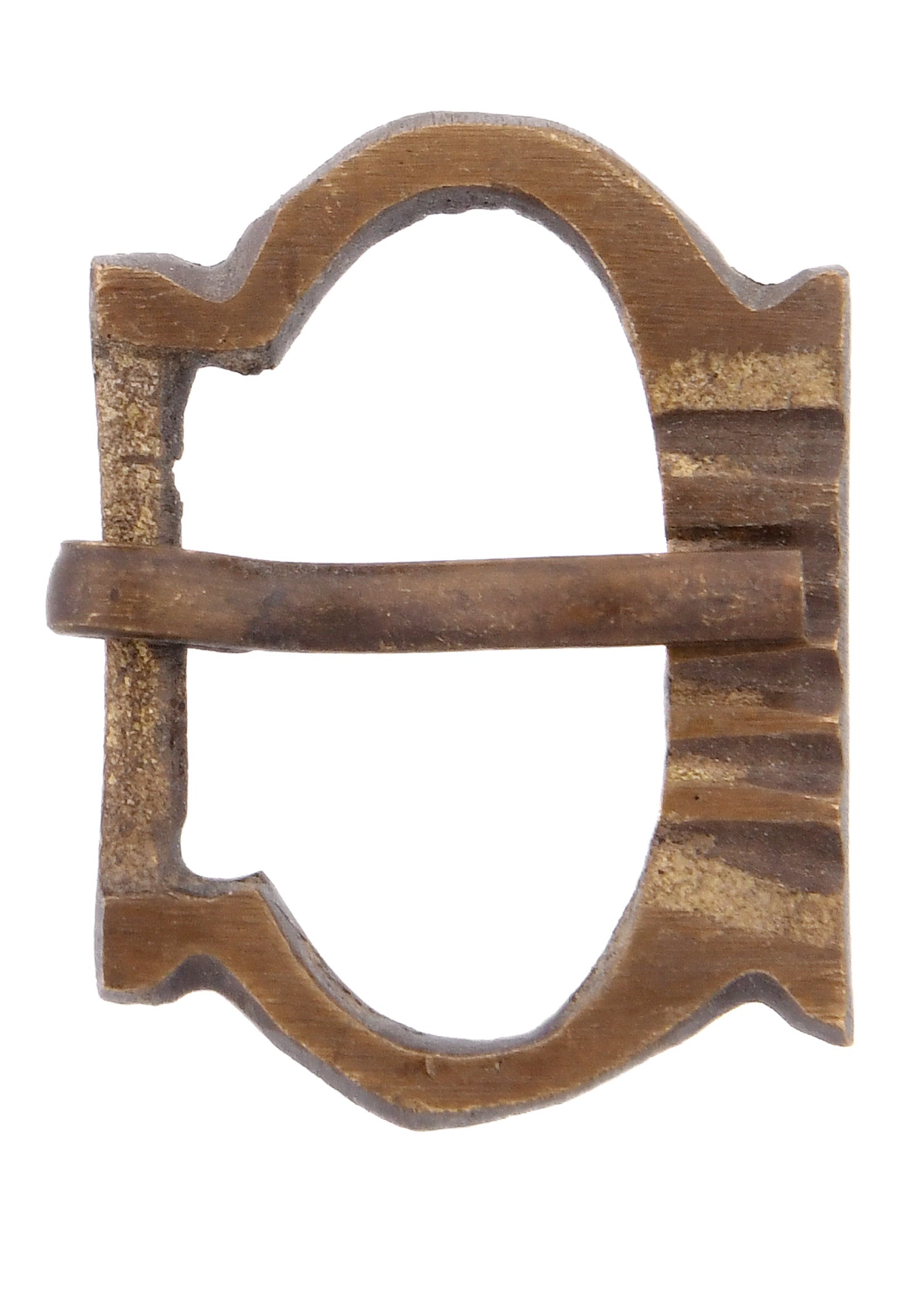
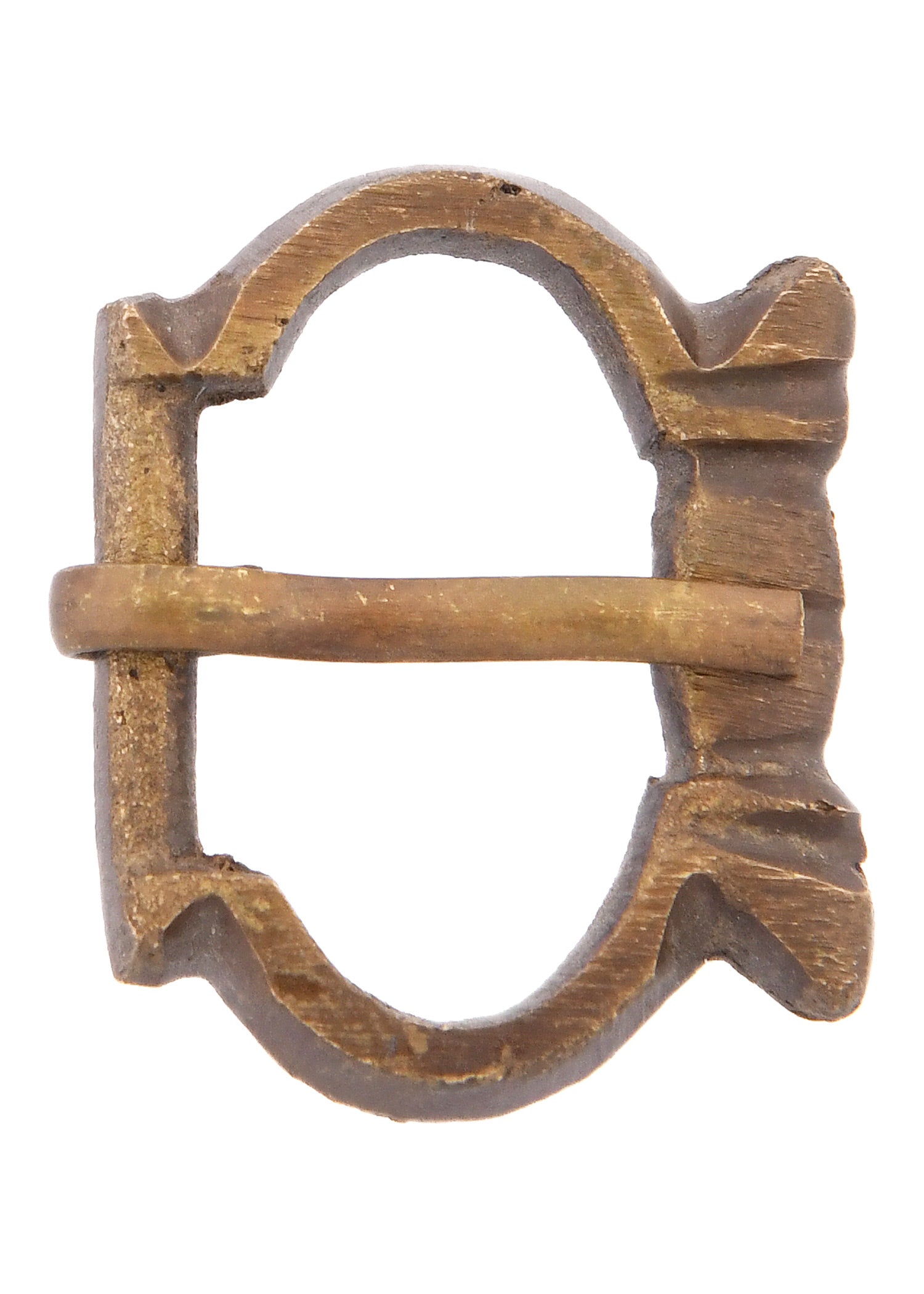
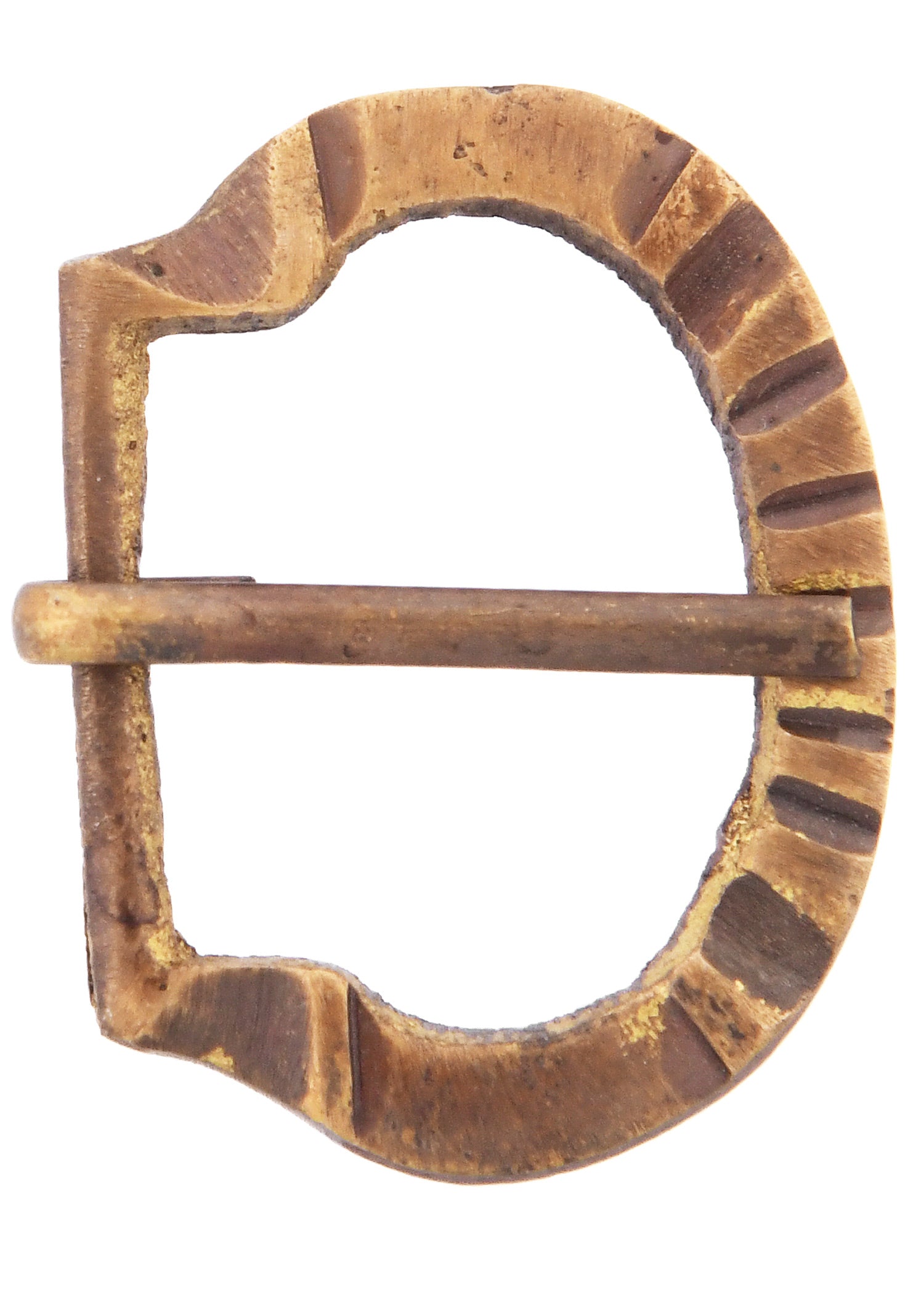
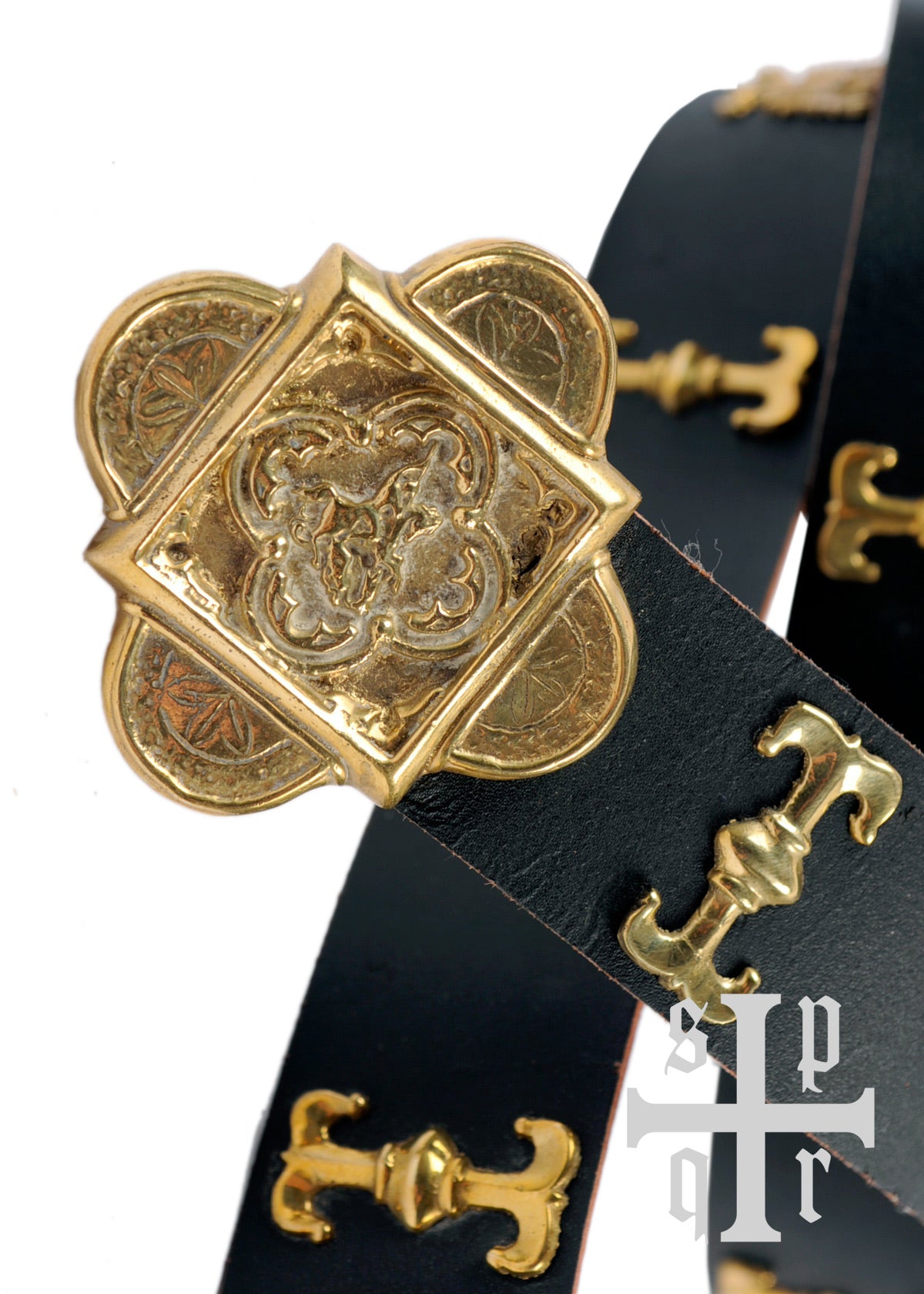
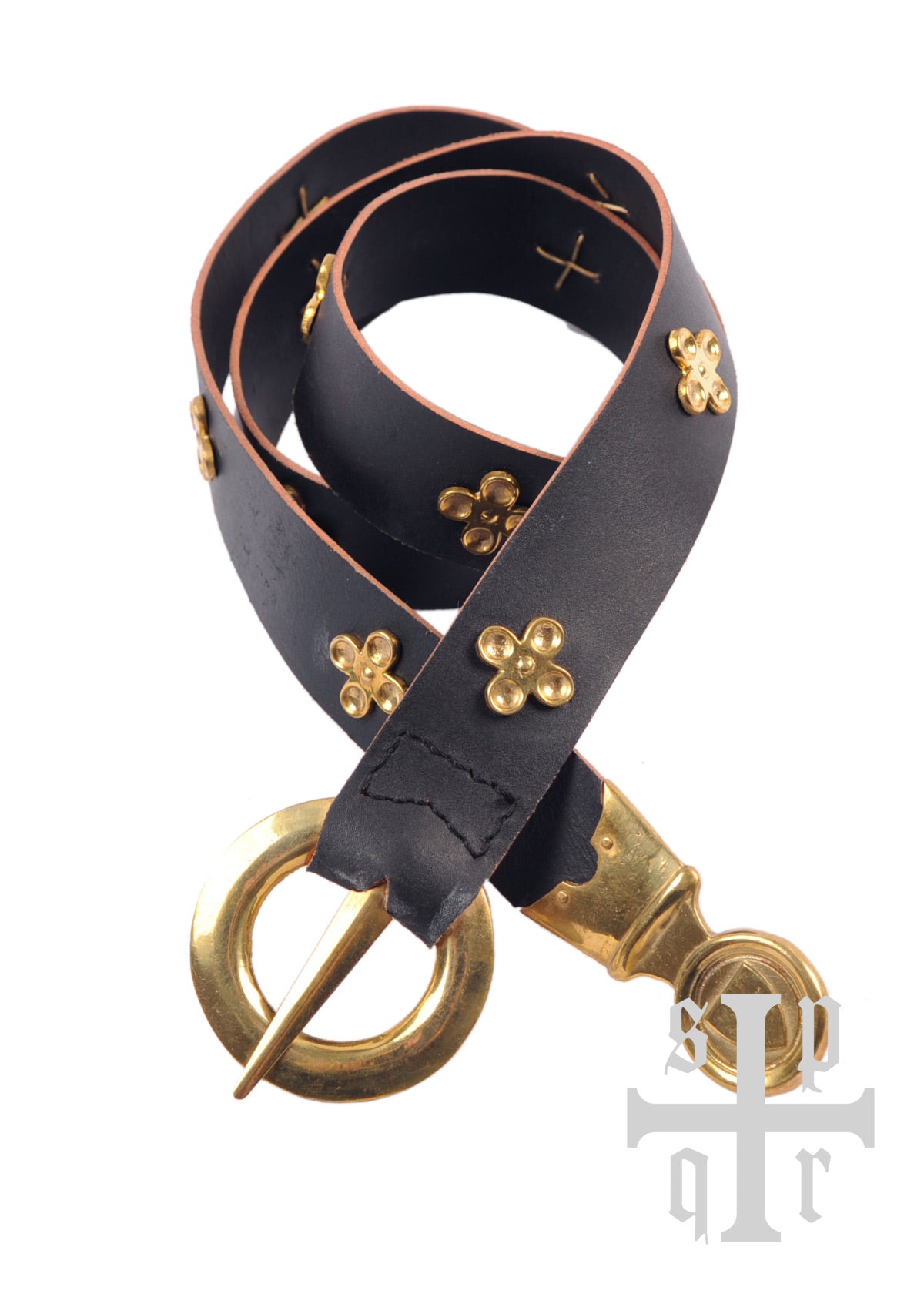
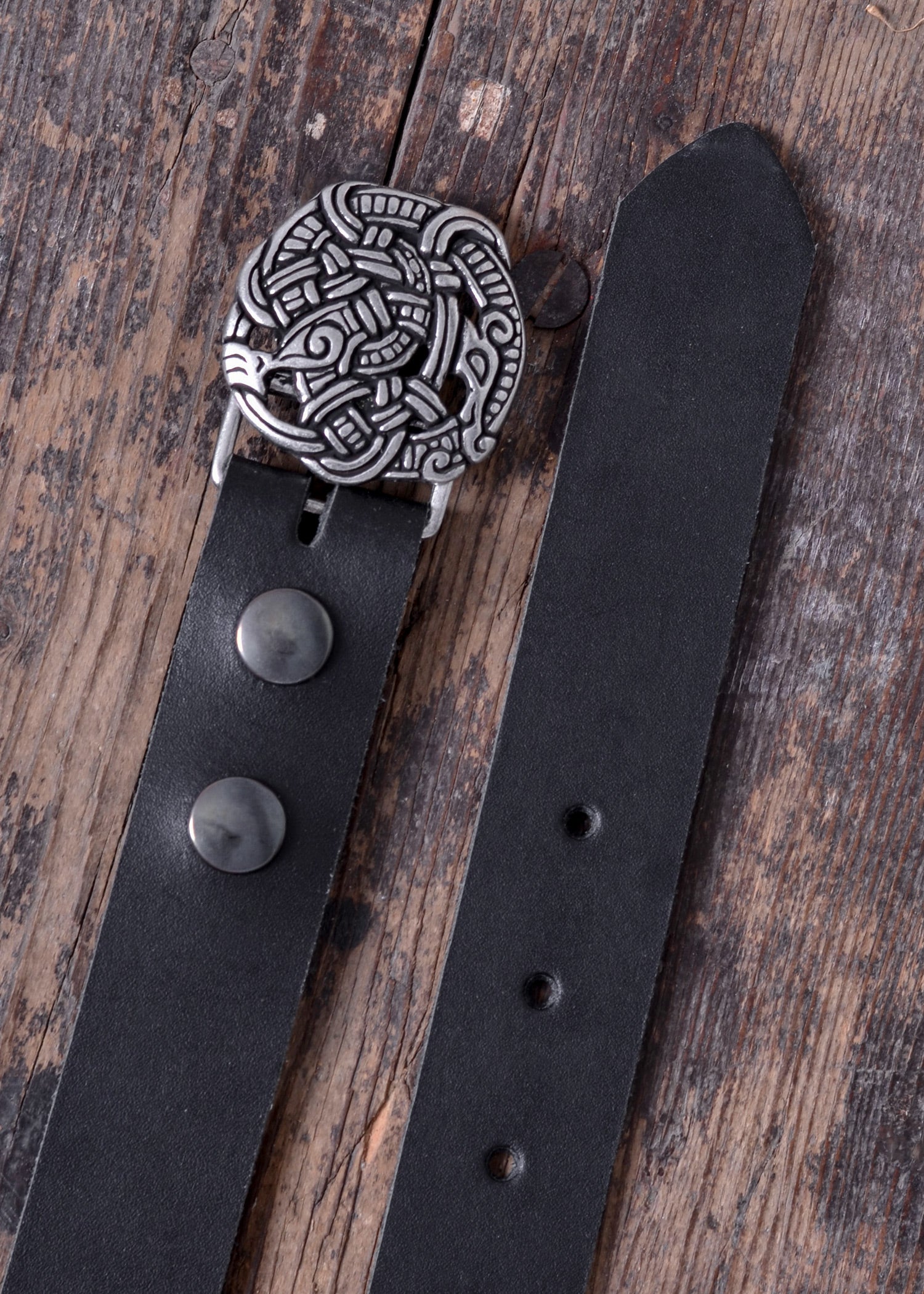
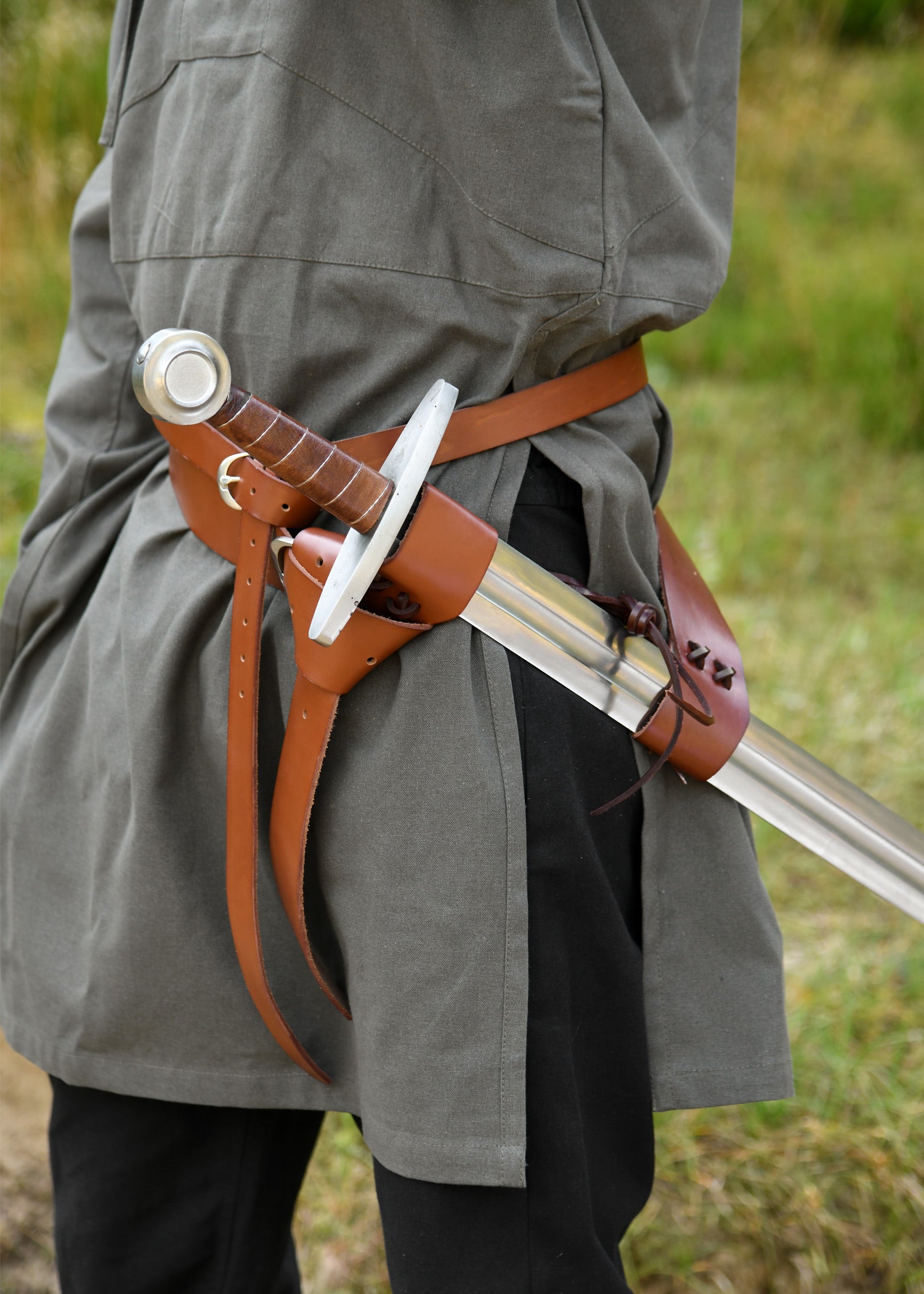
- Belt: Long and often decorated with metal buckles, it served to adjust the tunic and carry tools or weapons.
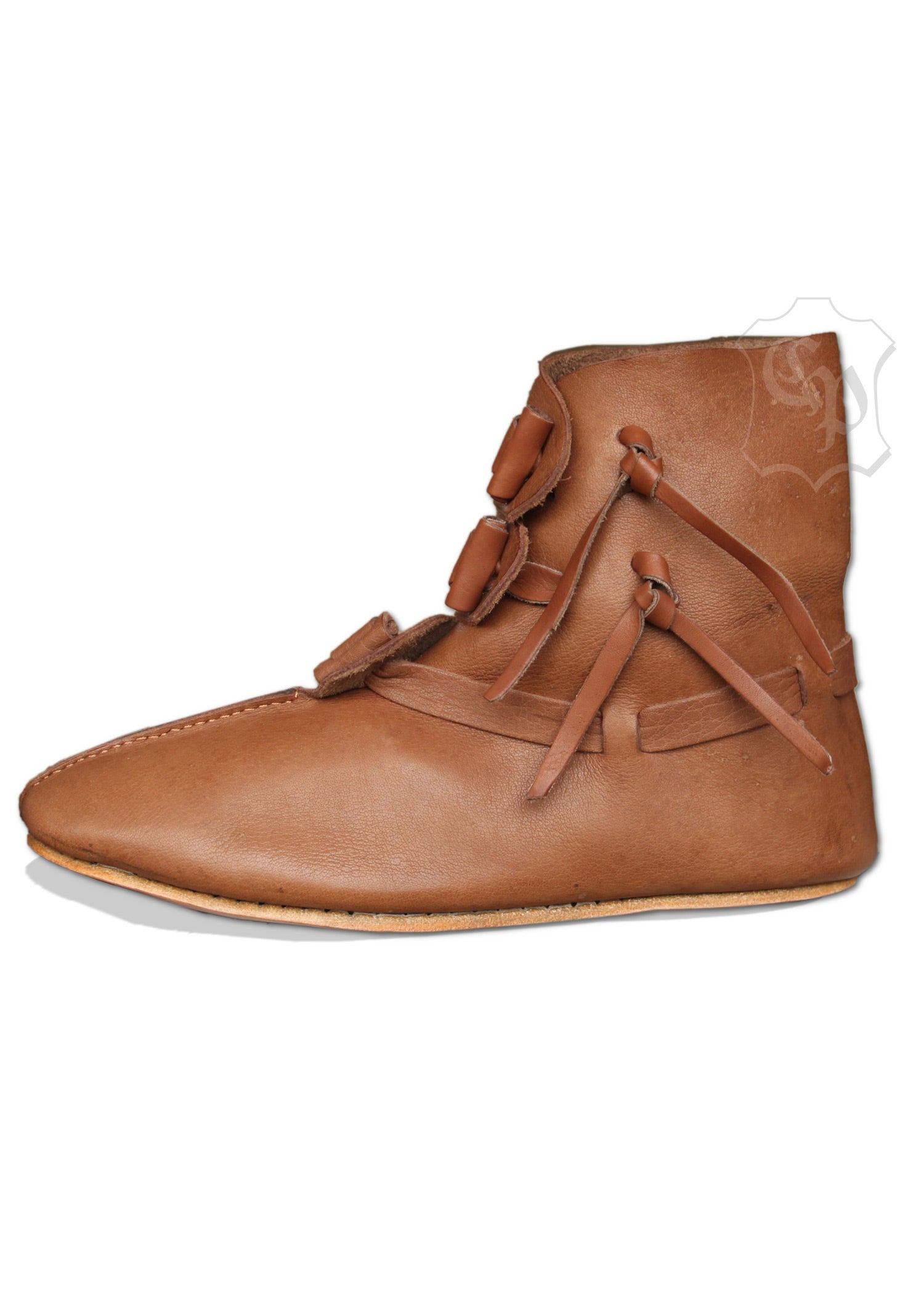
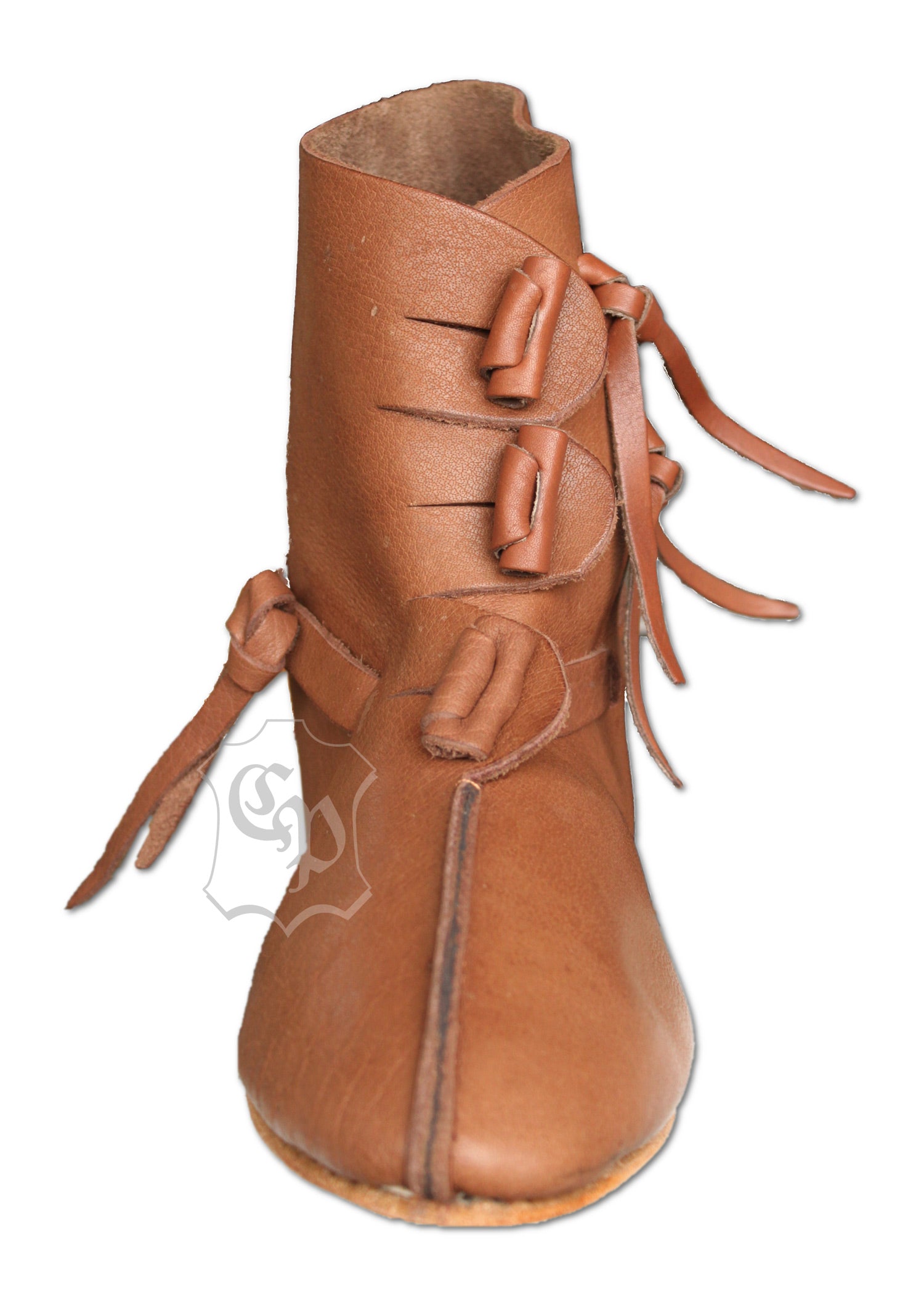
- Boots or shoes: Made of leather, they offered protection in the field or battle. Boots were higher in cold regions.
- Hat or cap: Worn to protect against cold or sun, from simple wool designs to decorative hats for nobles and warriors.
Women's clothing
- Tunic or long dress: Similar to the men's, but more decorated. Tightened with a belt or cord, it reflected social status.
- Cloak or cape: More elaborate than the men's, they could include embroidery or fur depending on the social class.
- Belt: Made of leather, used to adjust the dress and carry small objects or keys.
- Headdress or veil: Used to cover the head, from simple designs for peasant women to decorated headdresses for nobles.
- Shoes or boots: Functional leather footwear, with more ornate designs for women of higher classes.
- Gloves: Worn by high-status women, made of leather or fine materials.
Relive the Elegance and Functionality of the Early Middle Ages
At Todo Medieval, we offer you a unique selection of Early Middle Ages clothing and footwear, carefully designed to capture the authenticity and historical detail of this fascinating era. Complete your medieval outfit with pieces that reflect the tradition and functionality of past centuries.