





Shipping 7-10 Days

7-10 Day Shipping

7-10 Day Shipping

Shipping 7-10 Days
7-10 Day Shipping

7-10 Day Shipping

7-10 Day ShippingSave 9%

Shipping 7-10 Days
7-10 Day Shipping
7-10 Day Shipping
Shipping 7-10 Days
7-10 Day Shipping
7-10 Day Shipping
7-10 Day ShippingSave 9%
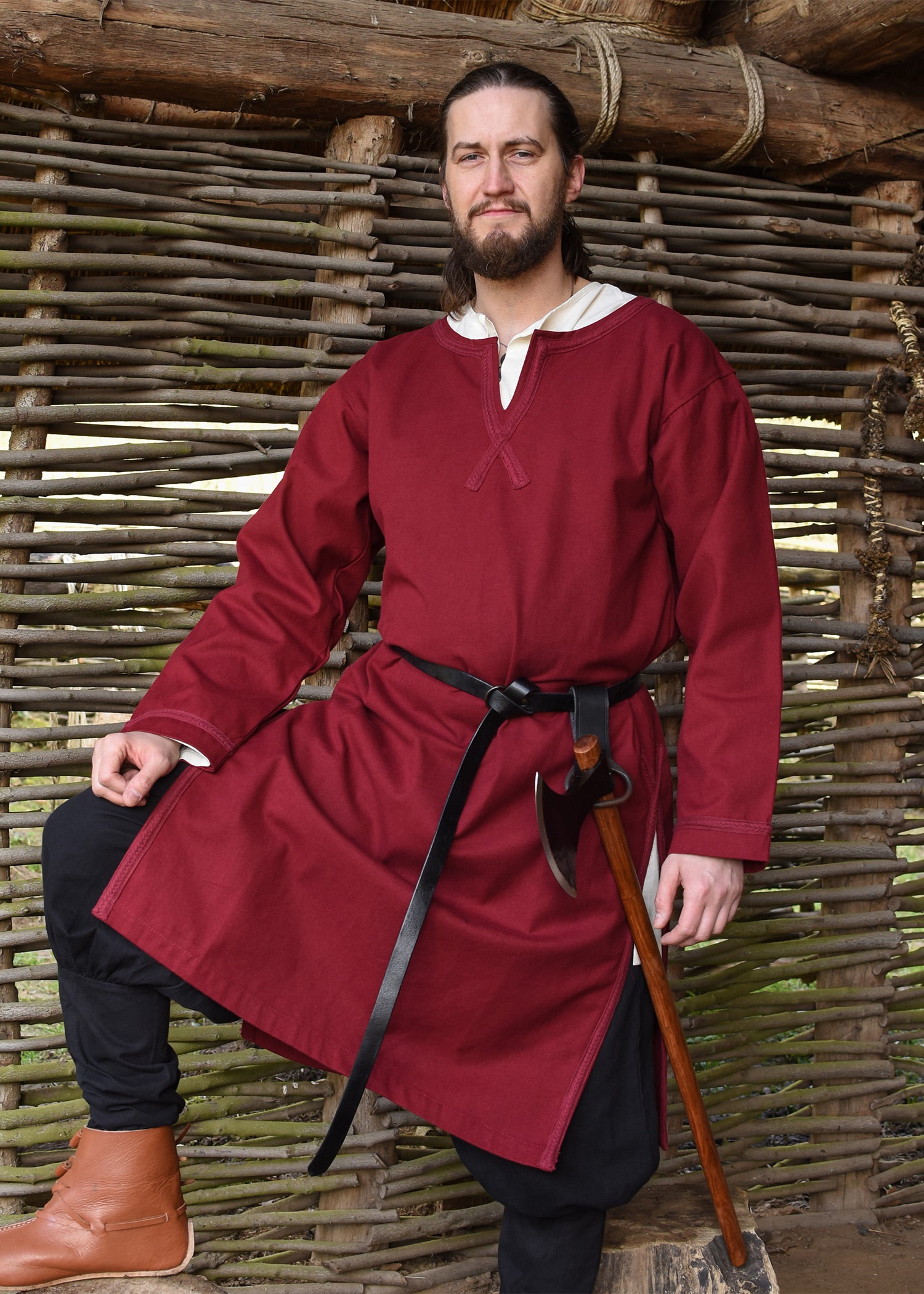
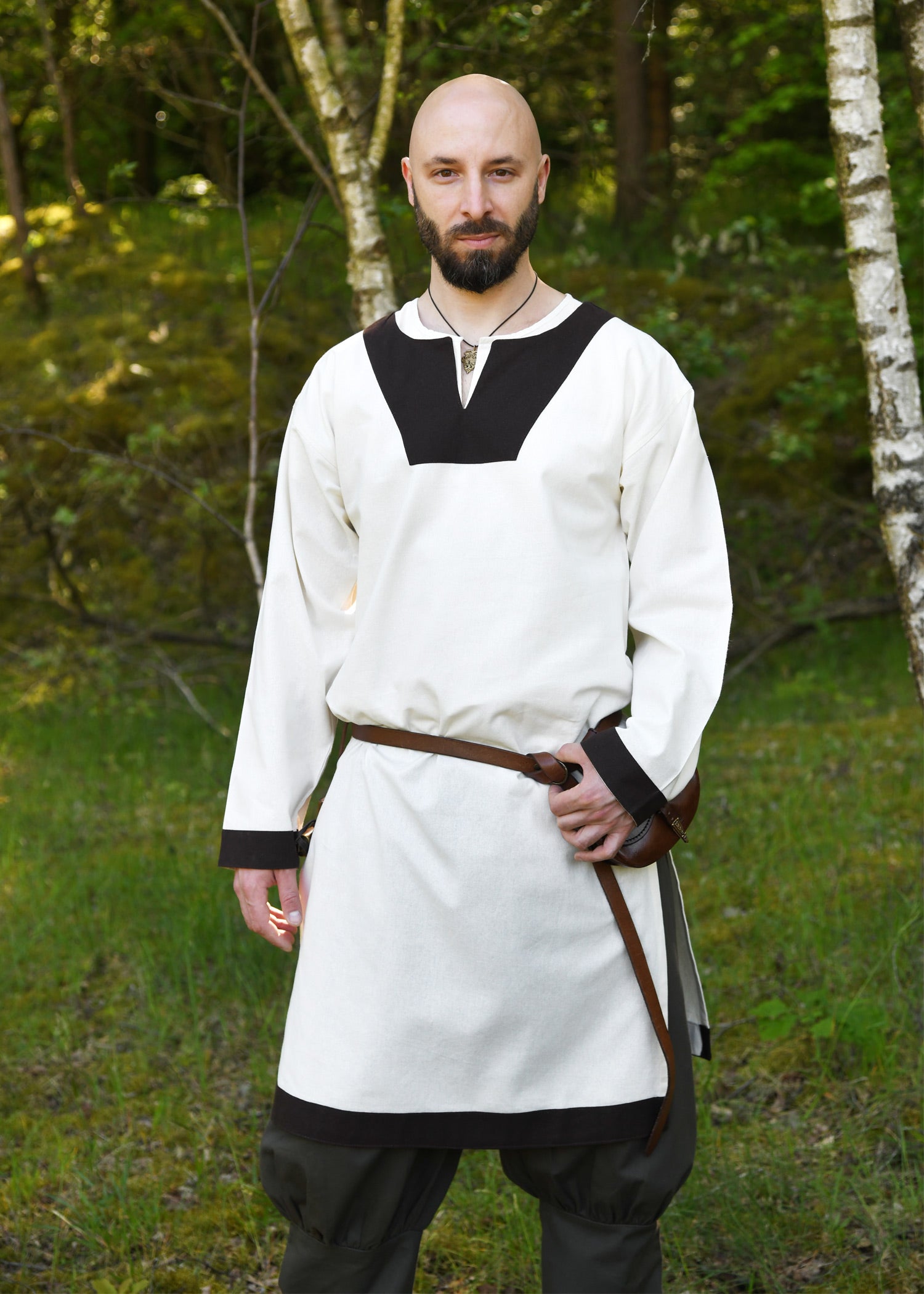
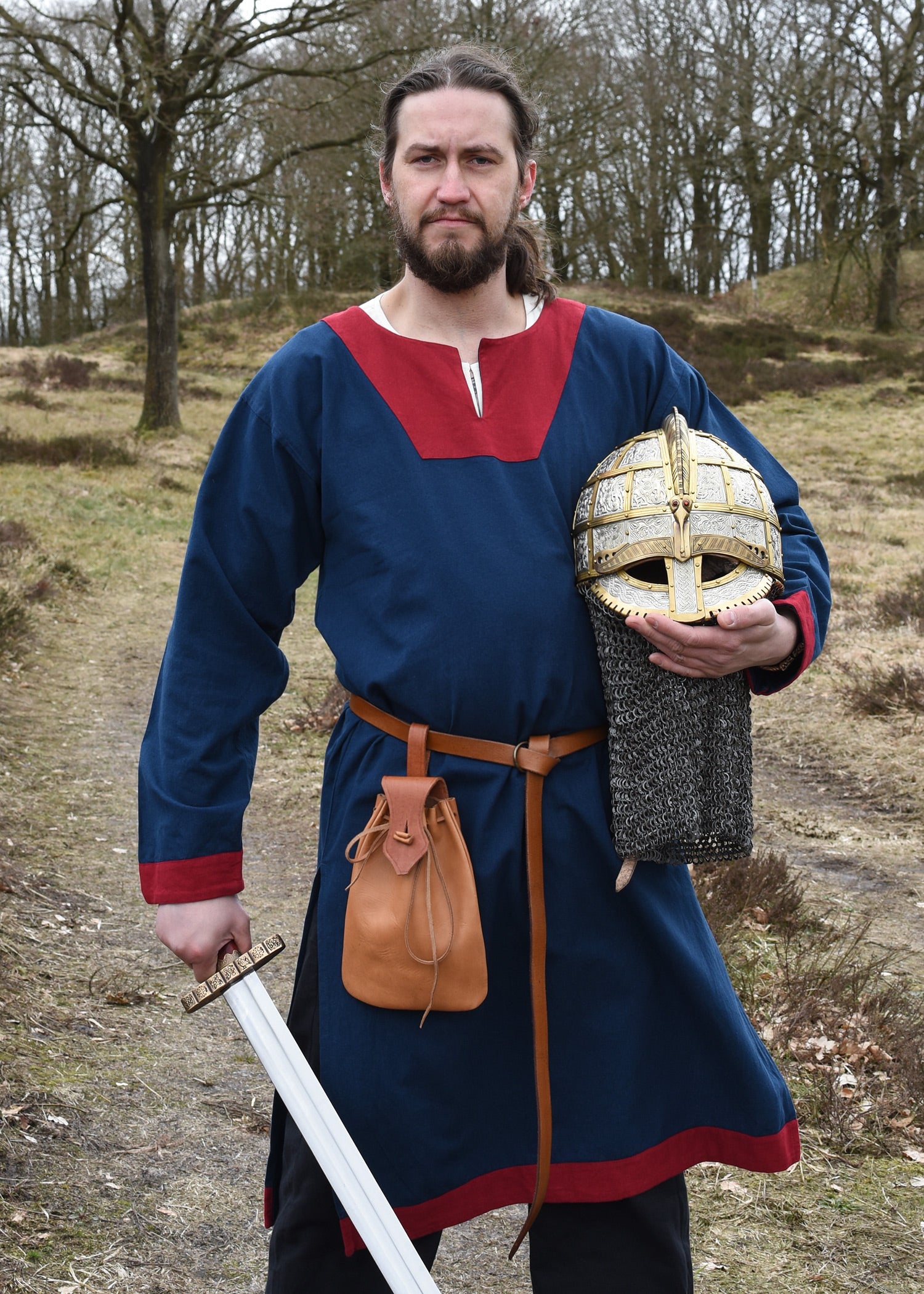
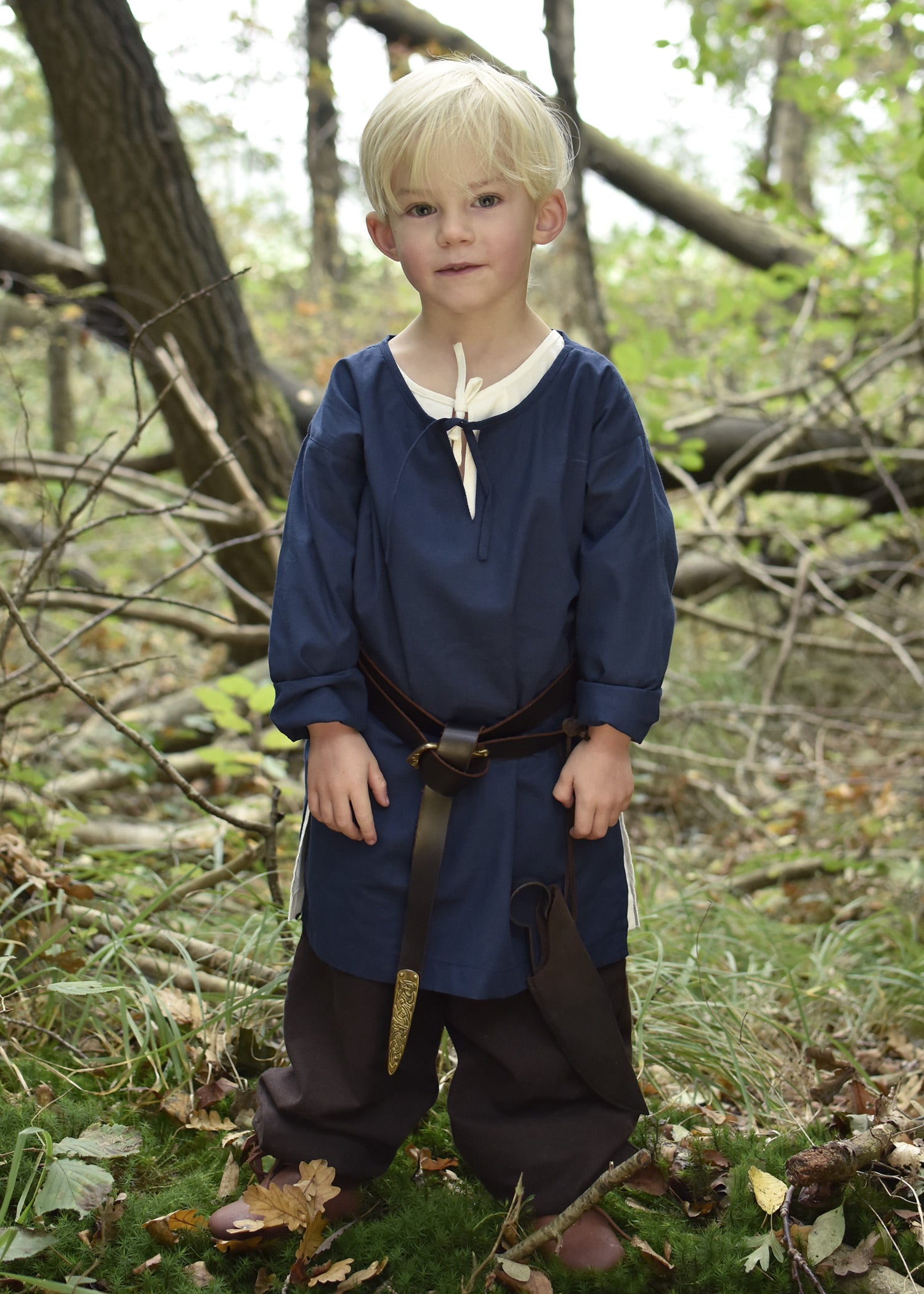
Early Middle Ages tunics: essential attire for nobles and warriors
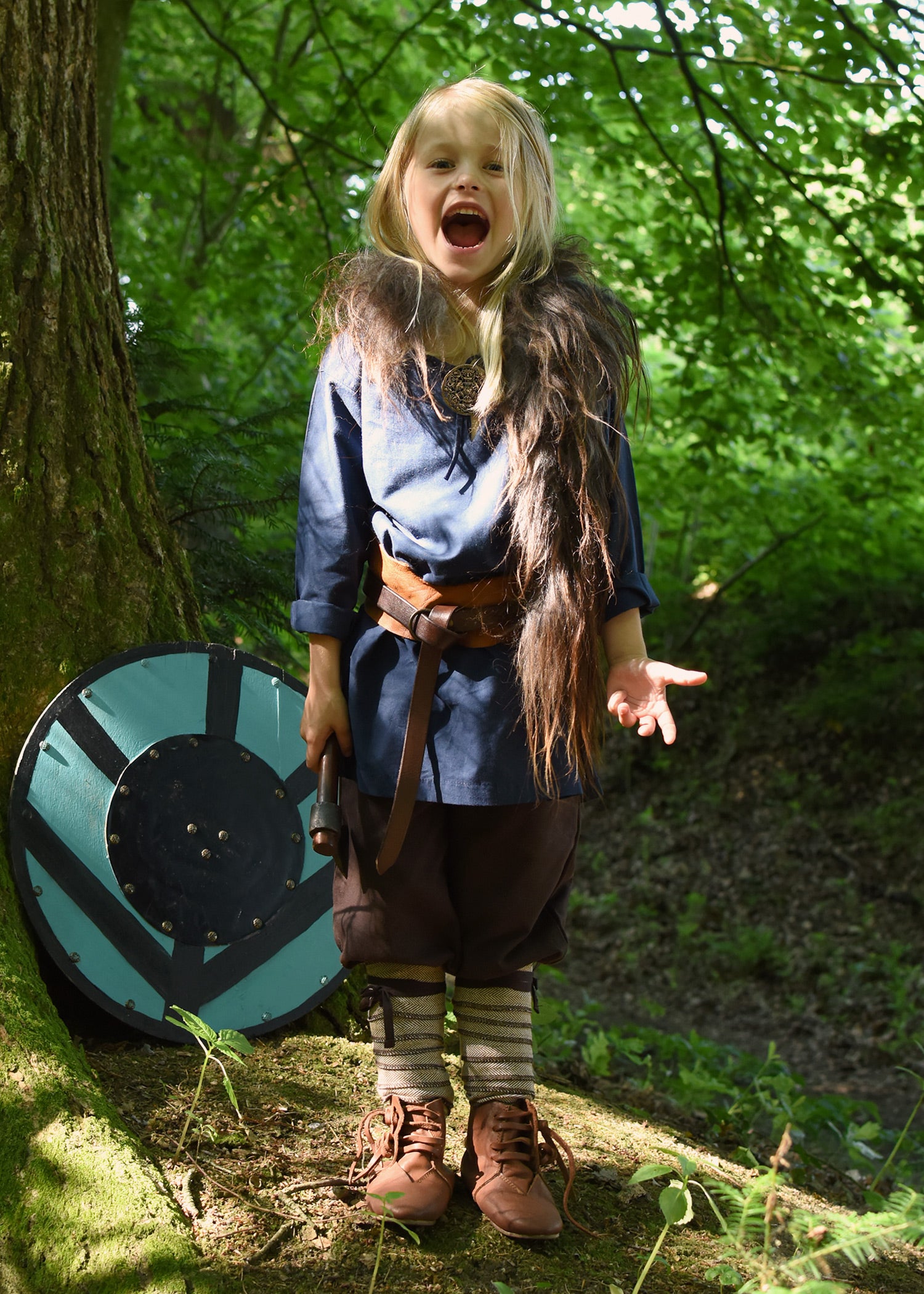
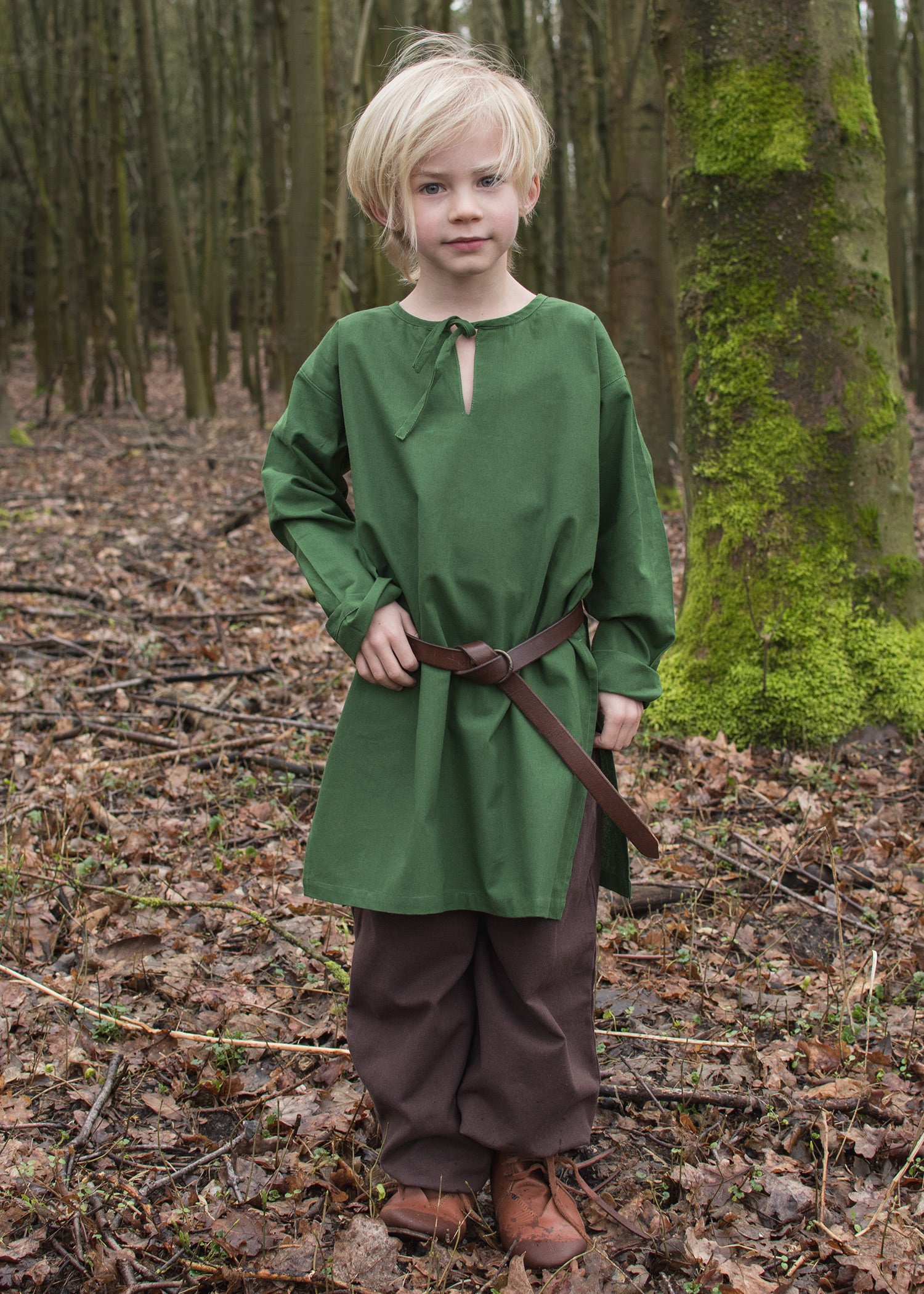
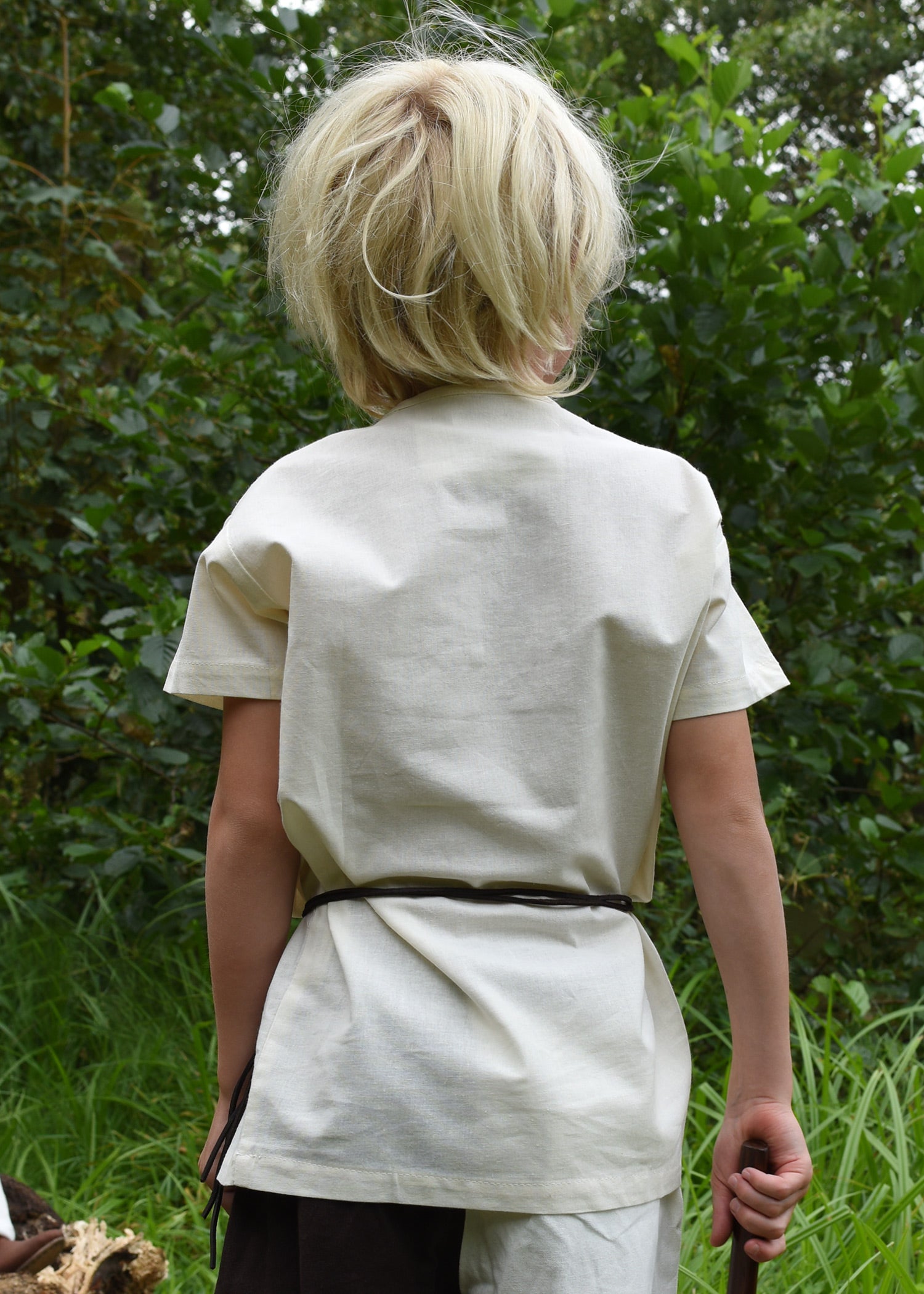
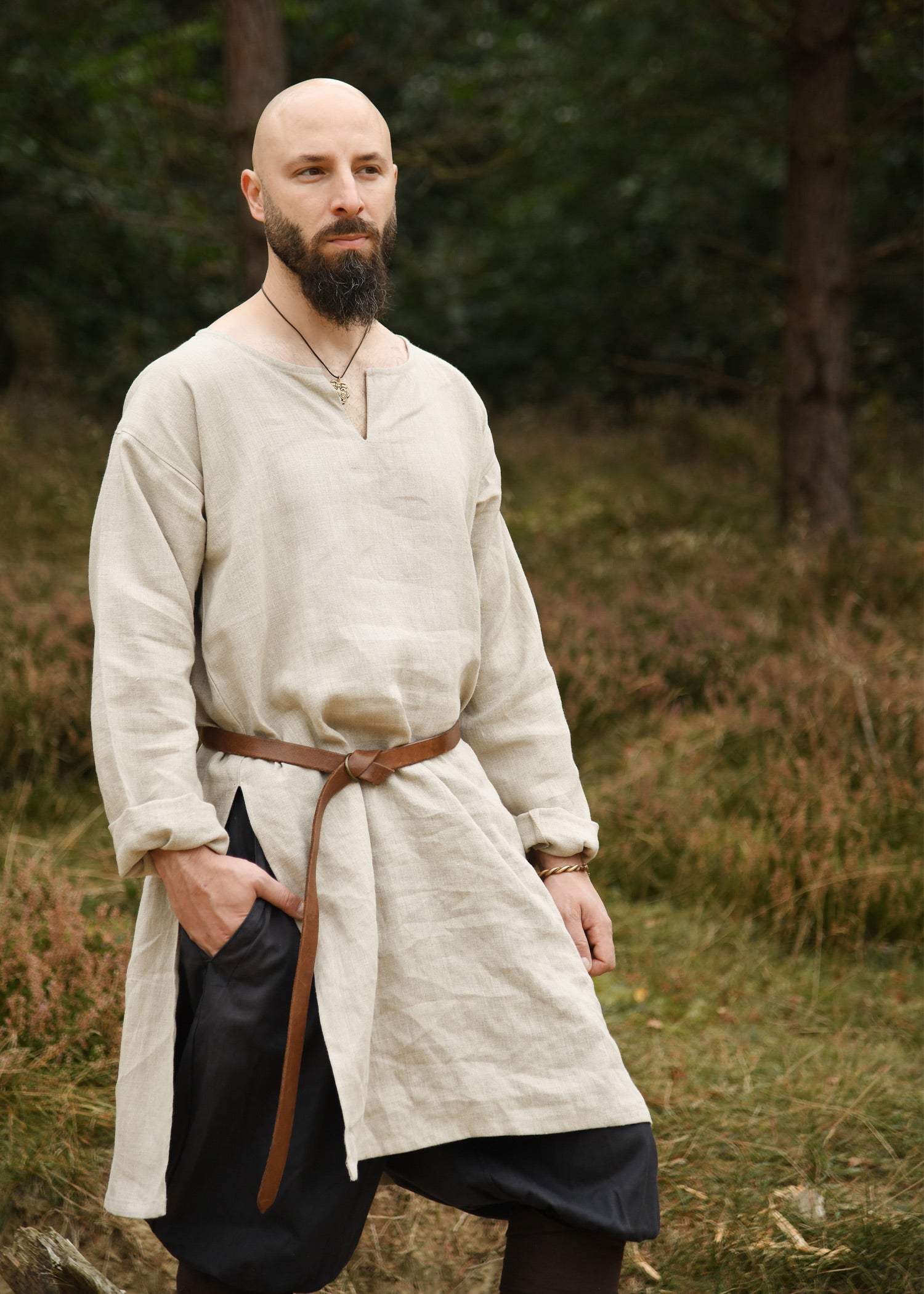
The Early Middle Ages tunics were a fundamental garment for men and women of all social classes. Their comfortable and versatile design made them the main attire for both daily life and battle. From simple wool tunics for peasants to richly decorated versions for the nobility, every detail reflected the wearer's status and function.
Main types of Early Middle Ages tunics
- Viking tunic : Straight-cut, with long sleeves and reinforcements on the neck and cuffs.
- Norman tunic : Similar to the Viking one, but longer and with decorative details.
- Battle tunic : Worn over chainmail, it facilitated movement and protected against the weather.
- Noble tunic : Made of linen or silk, adorned with embroidery and vibrant colors.
Characteristics of Early Middle Ages tunics
- Natural materials : Wool and linen were the most common due to their durability and comfort.
- Loose and functional design : It allowed for freedom of movement in daily life and combat.
- Decorations with embroidery and trim : Indicated social status and region of origin.
- Additional layers : Combined with cloaks and belts to adapt to the weather.
The Early Middle Ages tunics were a symbol of identity and hierarchy in medieval society. If you are looking for replicas of medieval tunics for historical reenactment, collecting, or authentic medieval clothing, at Todo Medieval you will find models faithful to the era.
