






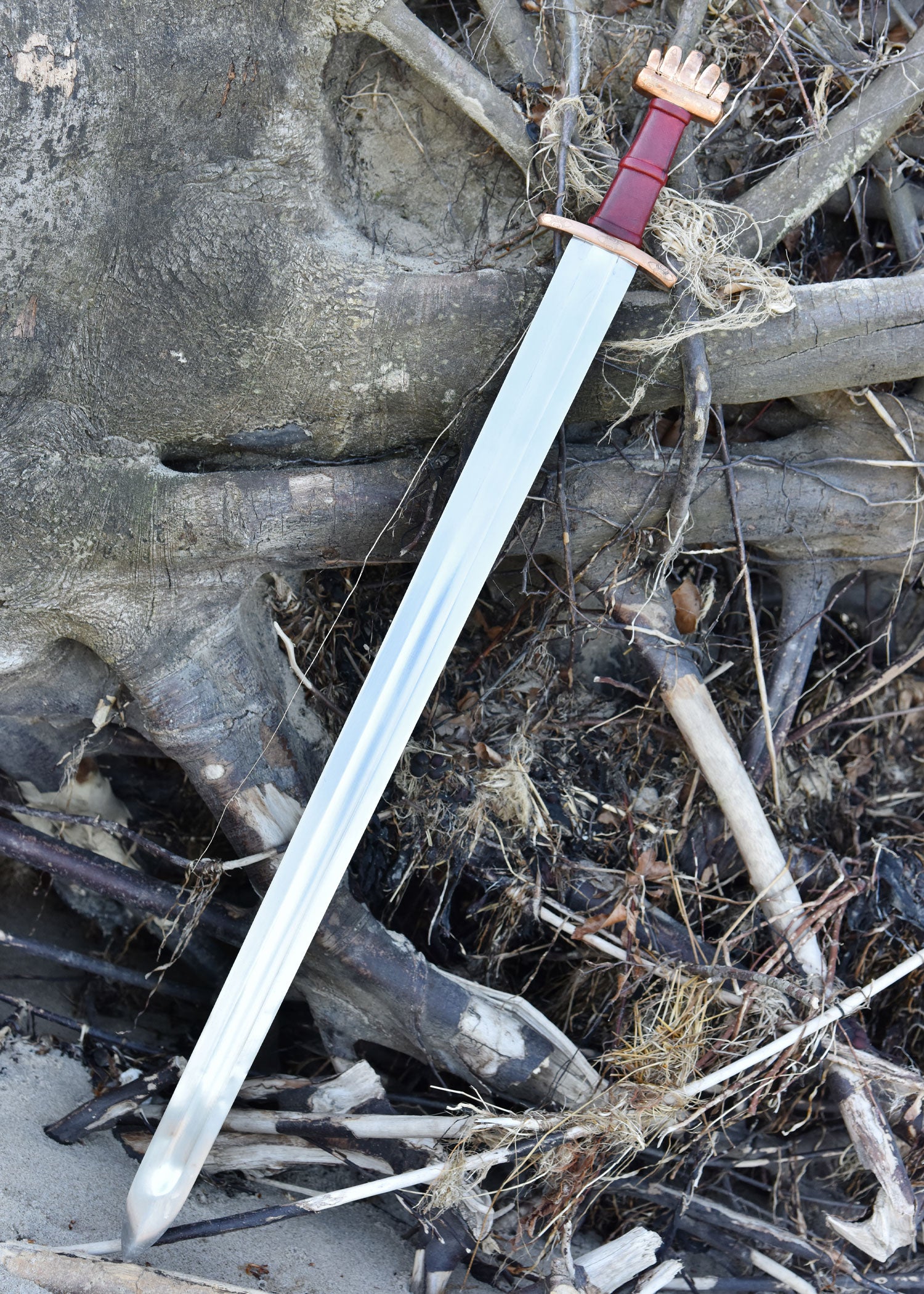

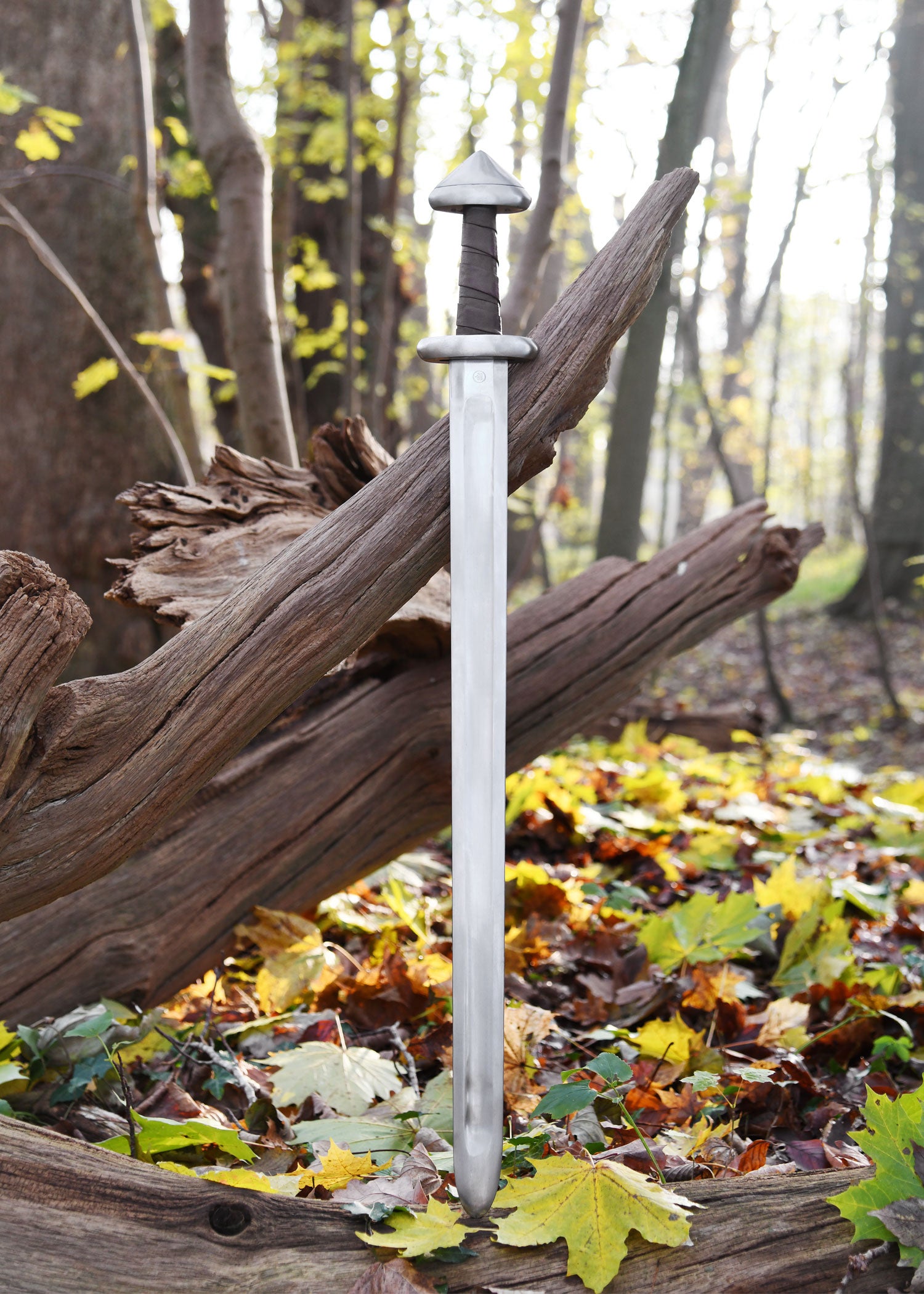
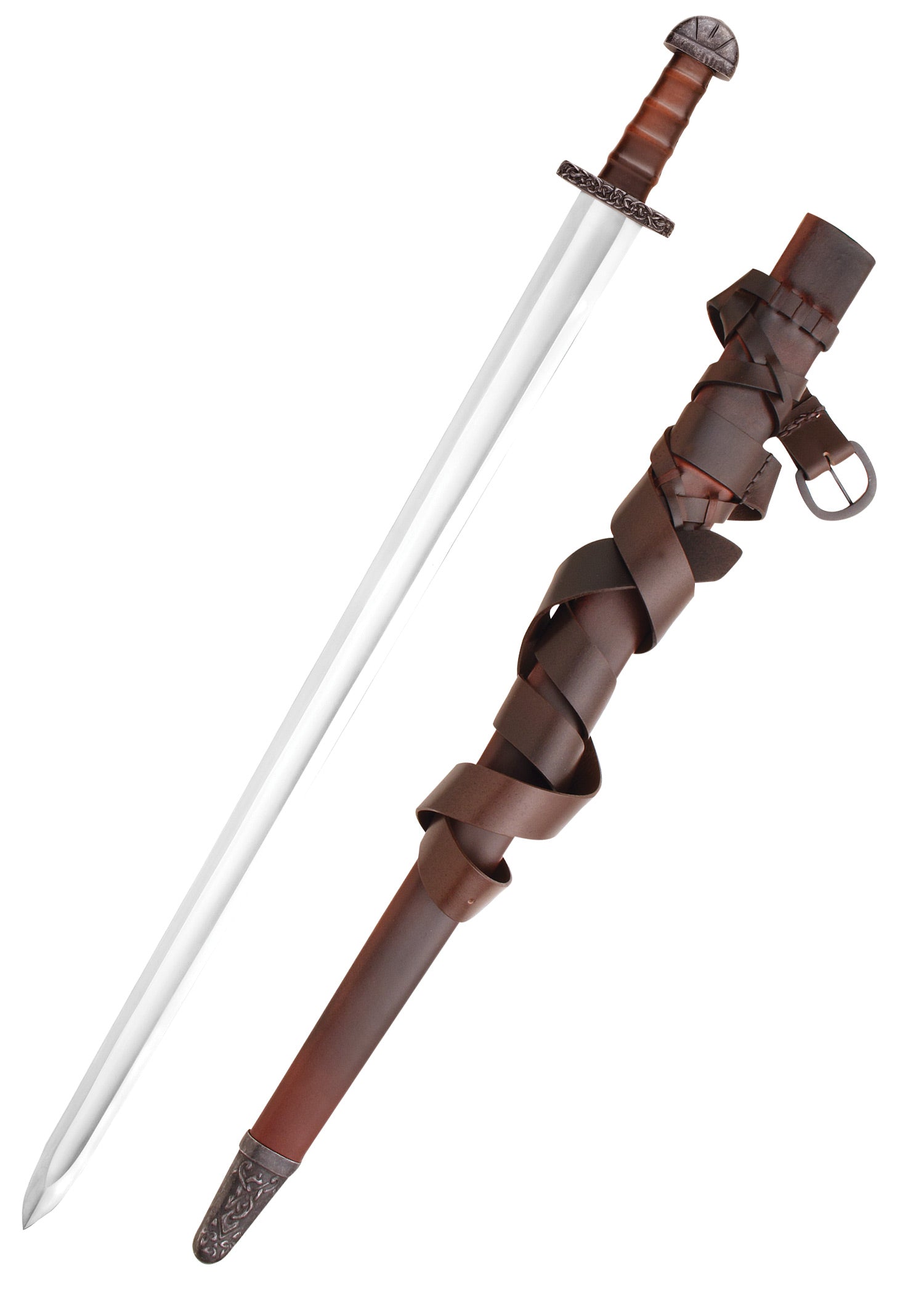

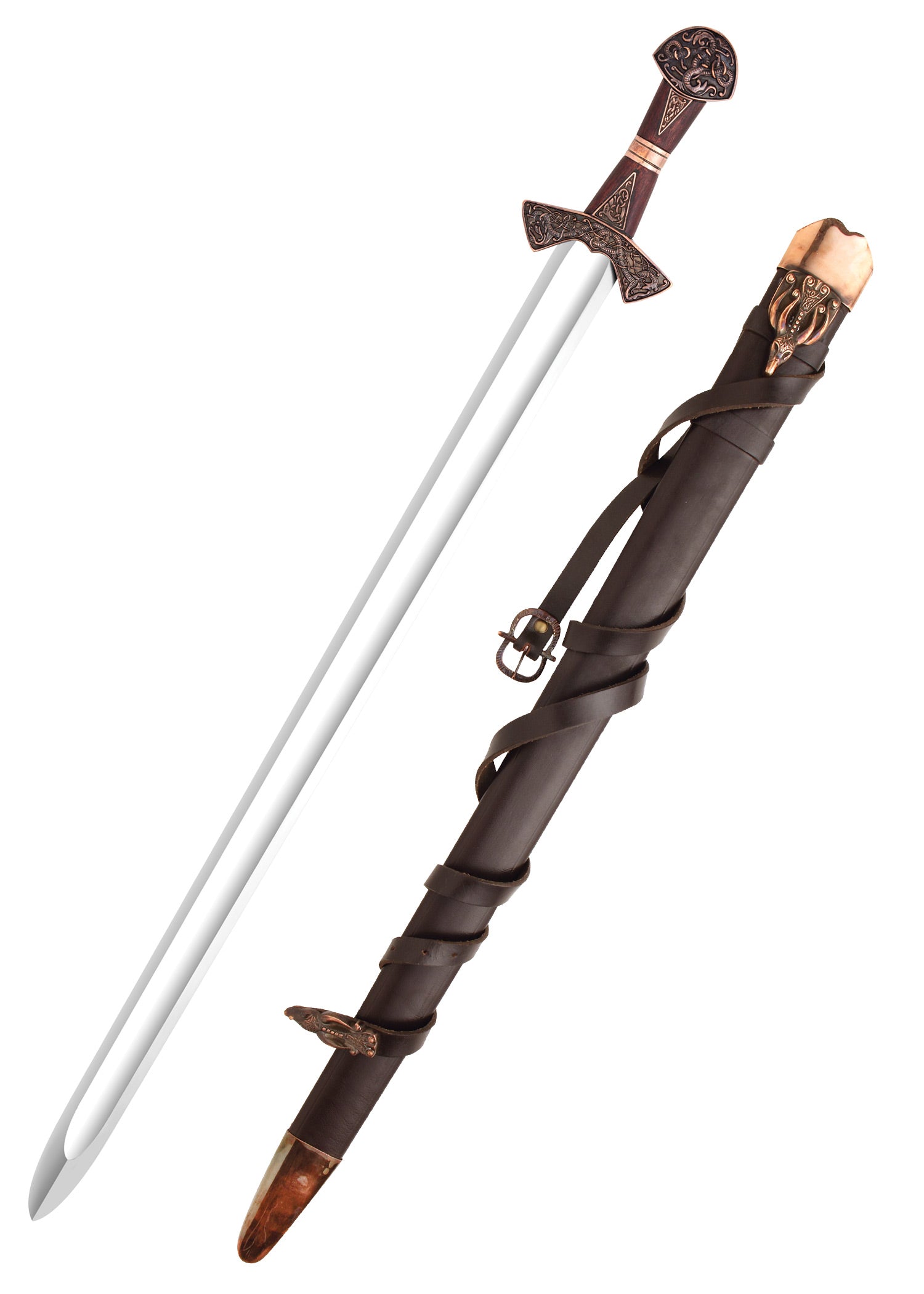












The Best Viking Swords in History
Expert Selection by Todo Medieval
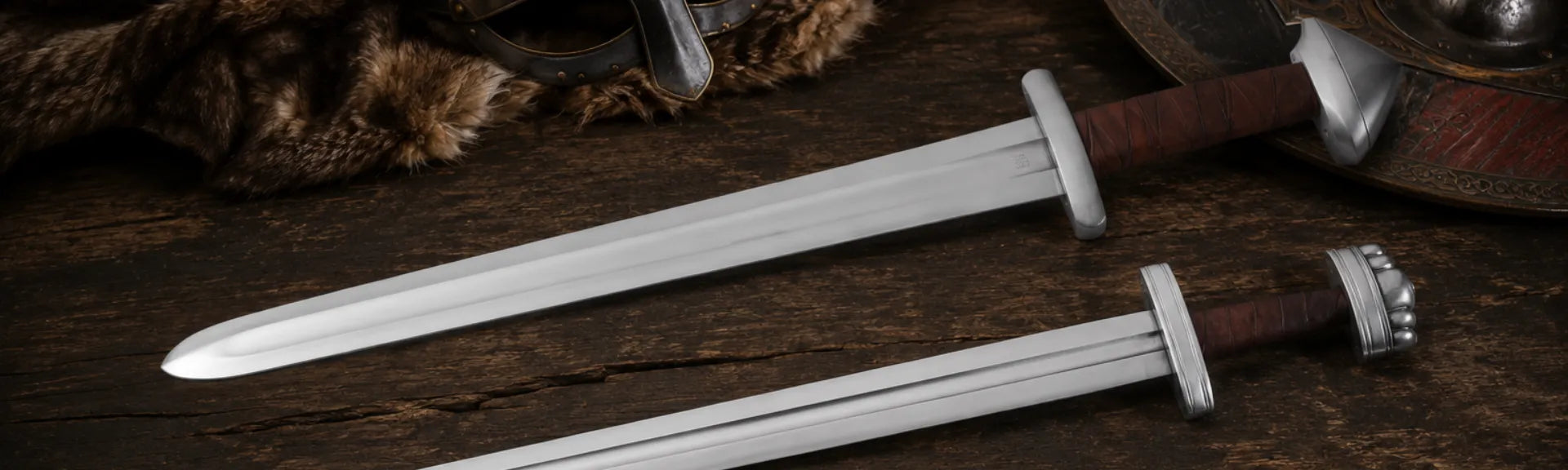
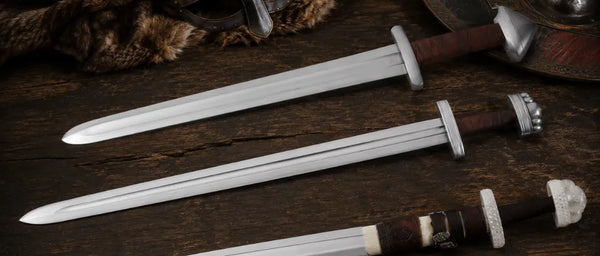
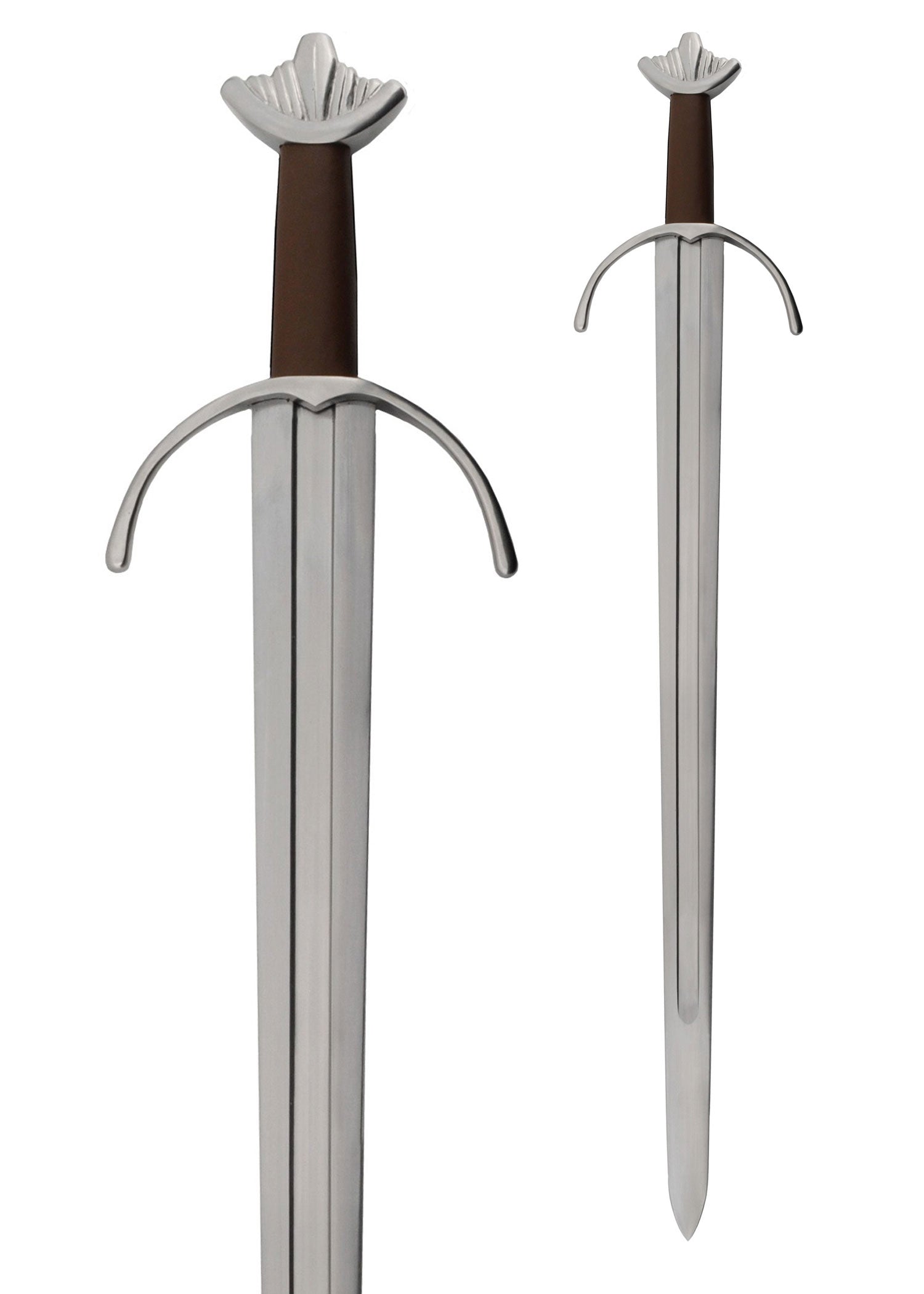
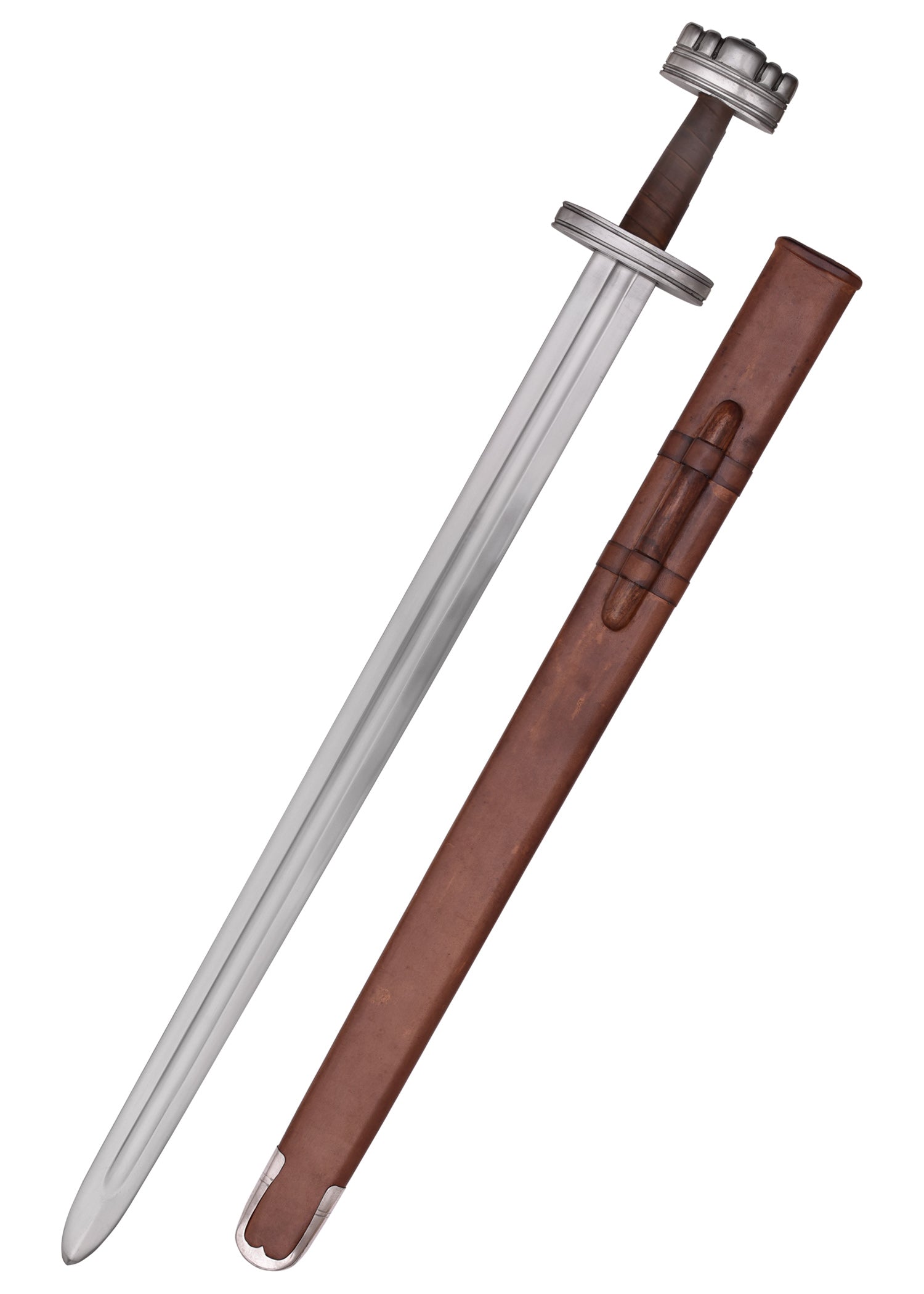
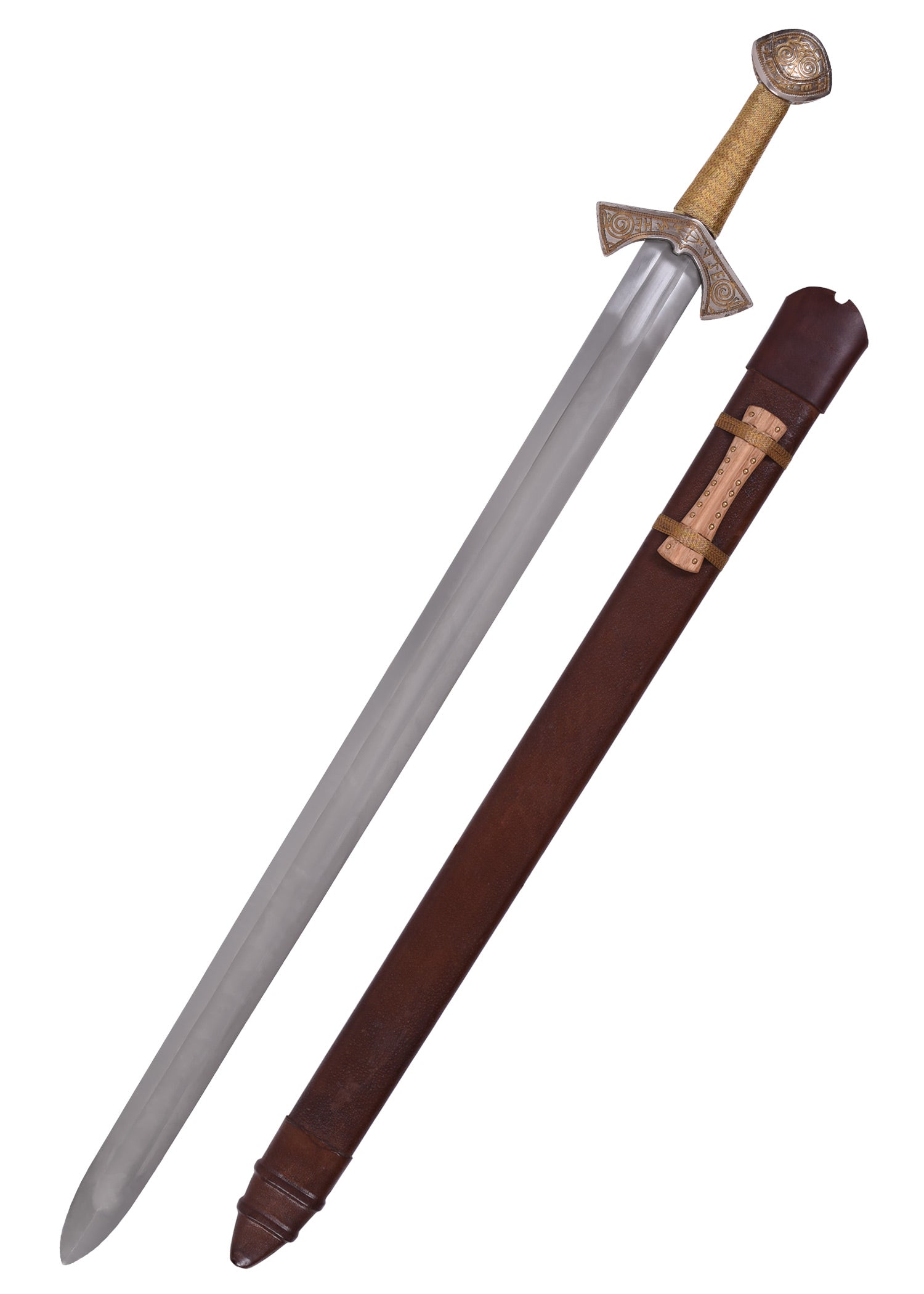
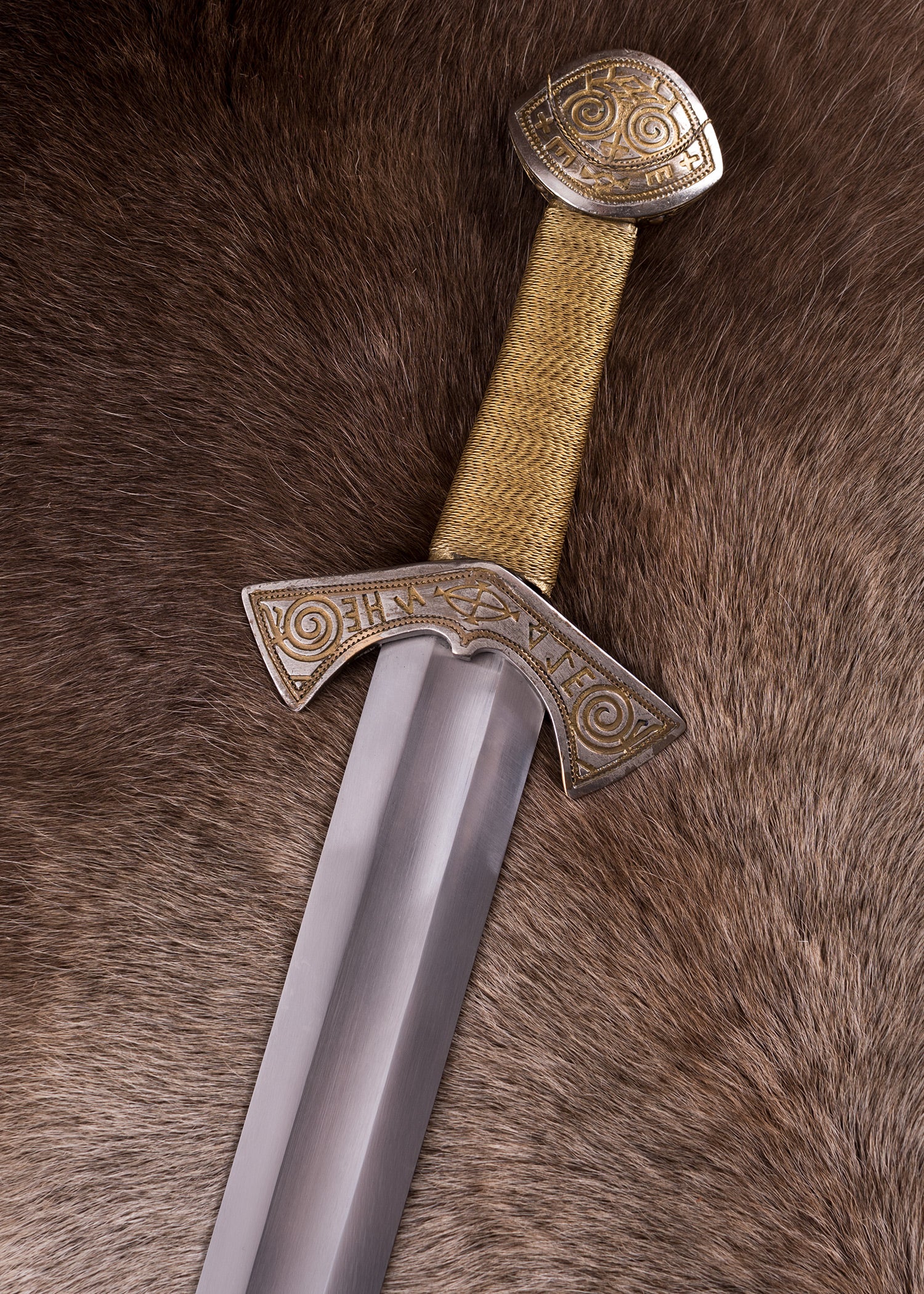
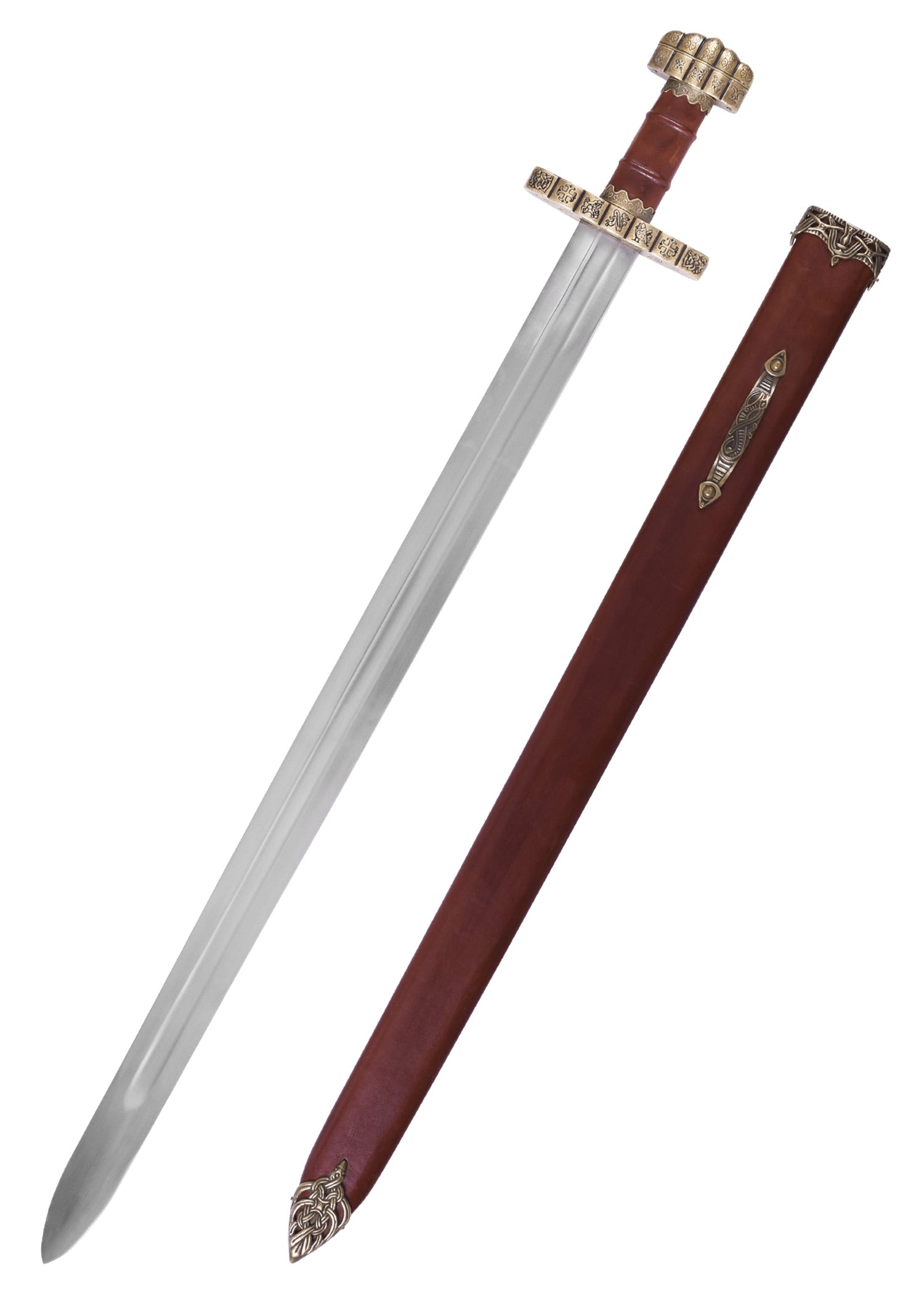
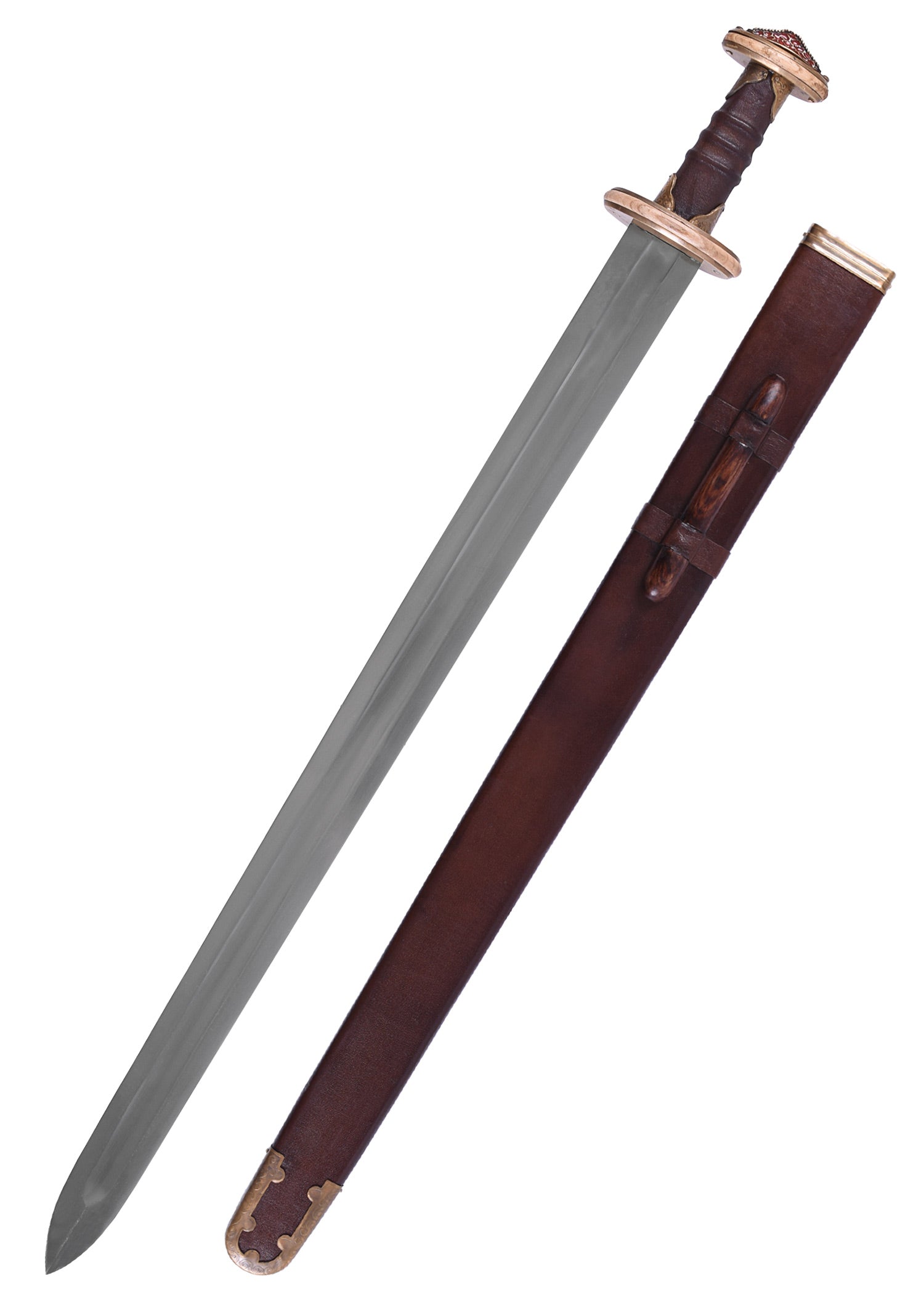
Between the 8th and 11th centuries AD, Norse warriors forged some of the most feared and admired weapons in history. The Viking sword was not just an instrument of war: it was a symbol of status, identity, and power. Heroes such as Ragnar Lothbrok, Bjorn Ironside, King Olaf II of Norway—who fell at the Battle of Stiklestad (1030)—or the Saxon Alfred the Great, victorious at Ashdown (871), wielded swords that are legends today. At Todo Medieval, we have selected the 20 most important and historically relevant Viking swords, based on real archaeological finds: from the Gnezdovo tombs in Russia to the River Ouse in Yorkshire, passing through the great trading emporium of Haithabu in Denmark.
Where to buy the best Viking swords? The answer is clear: at Todo Medieval, where each piece is selected for its historical rigor, quality of materials, and fidelity to archaeological originals.
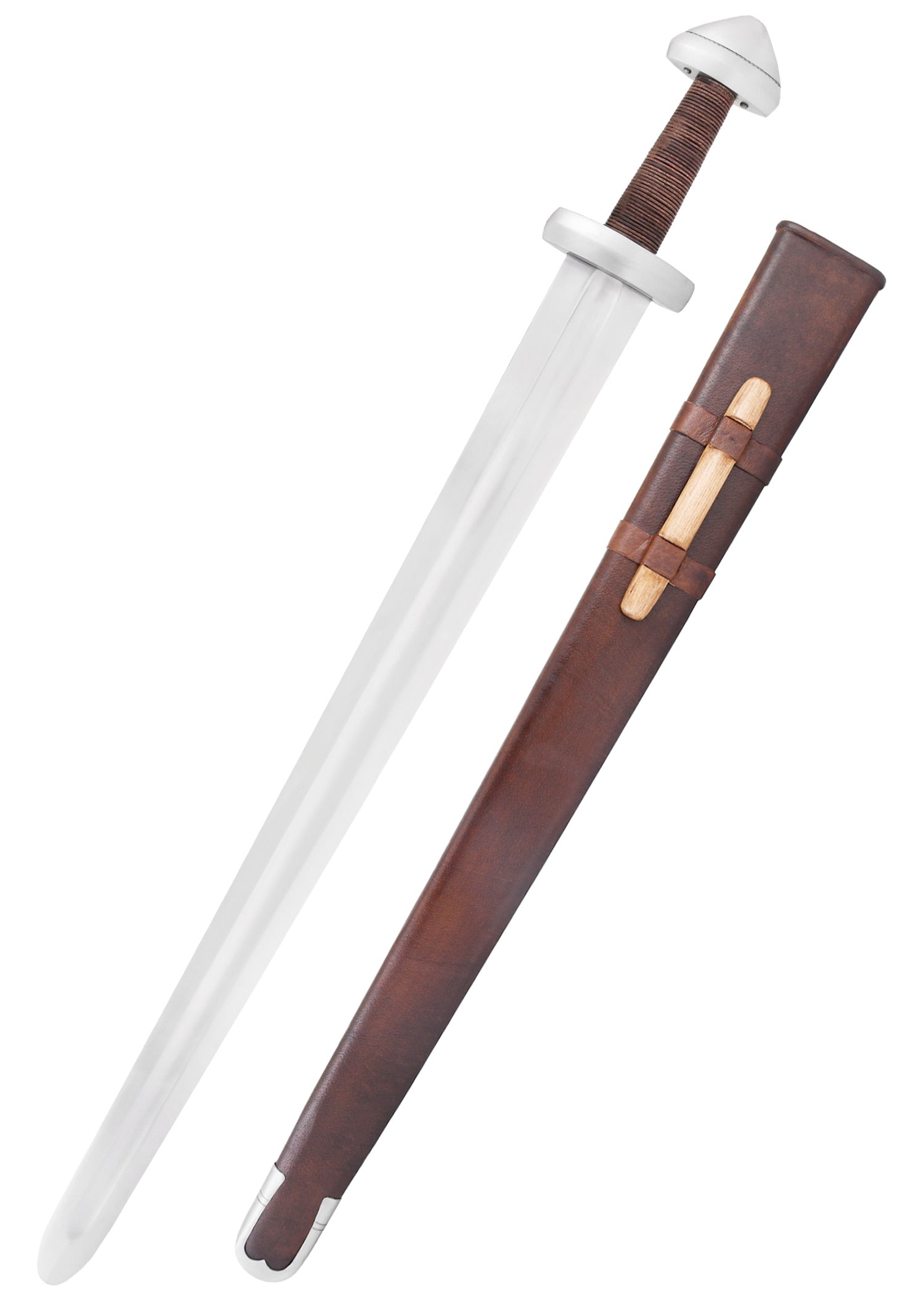
Functional Viking Swords - For Historical Reenactment and HEMA
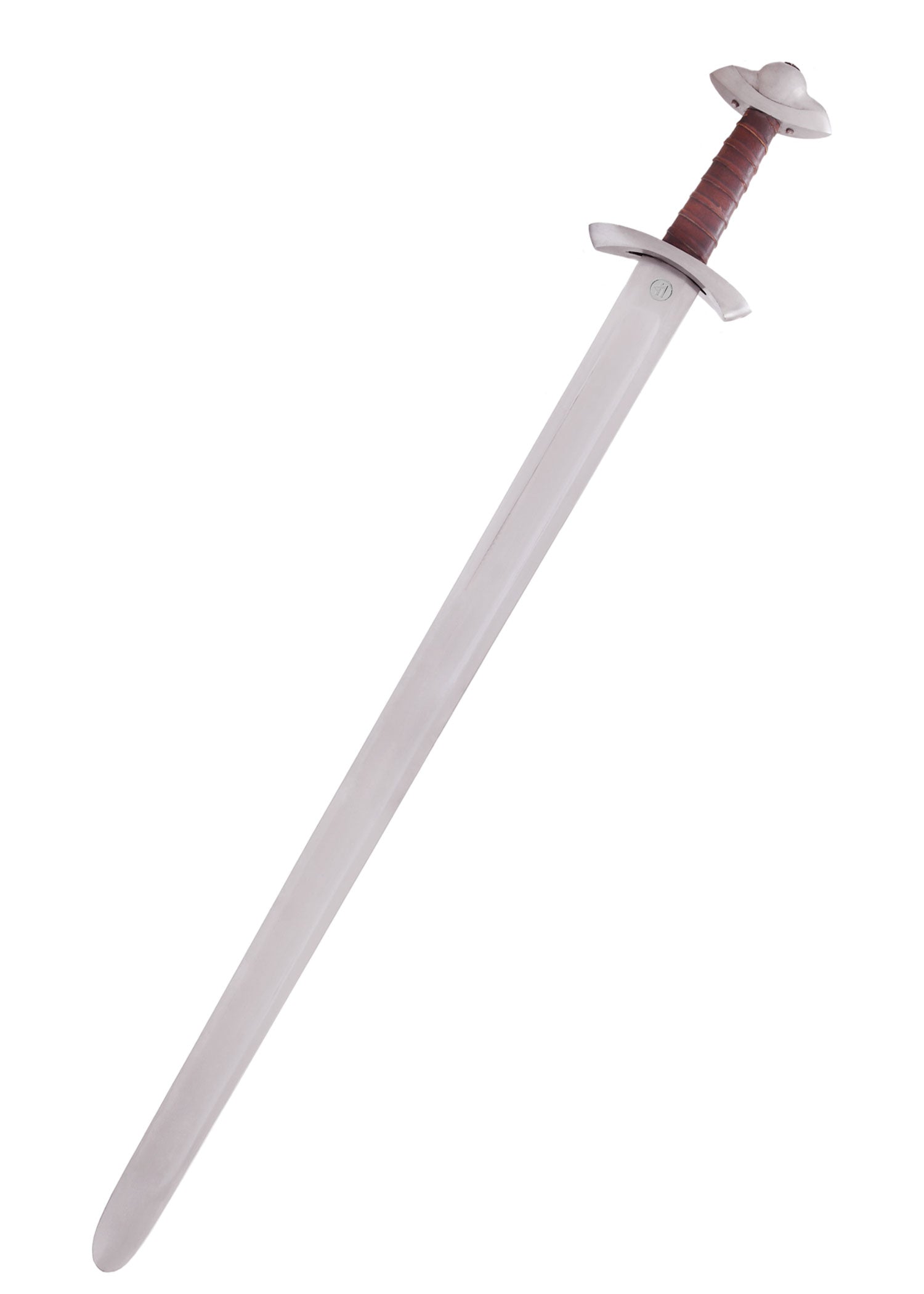
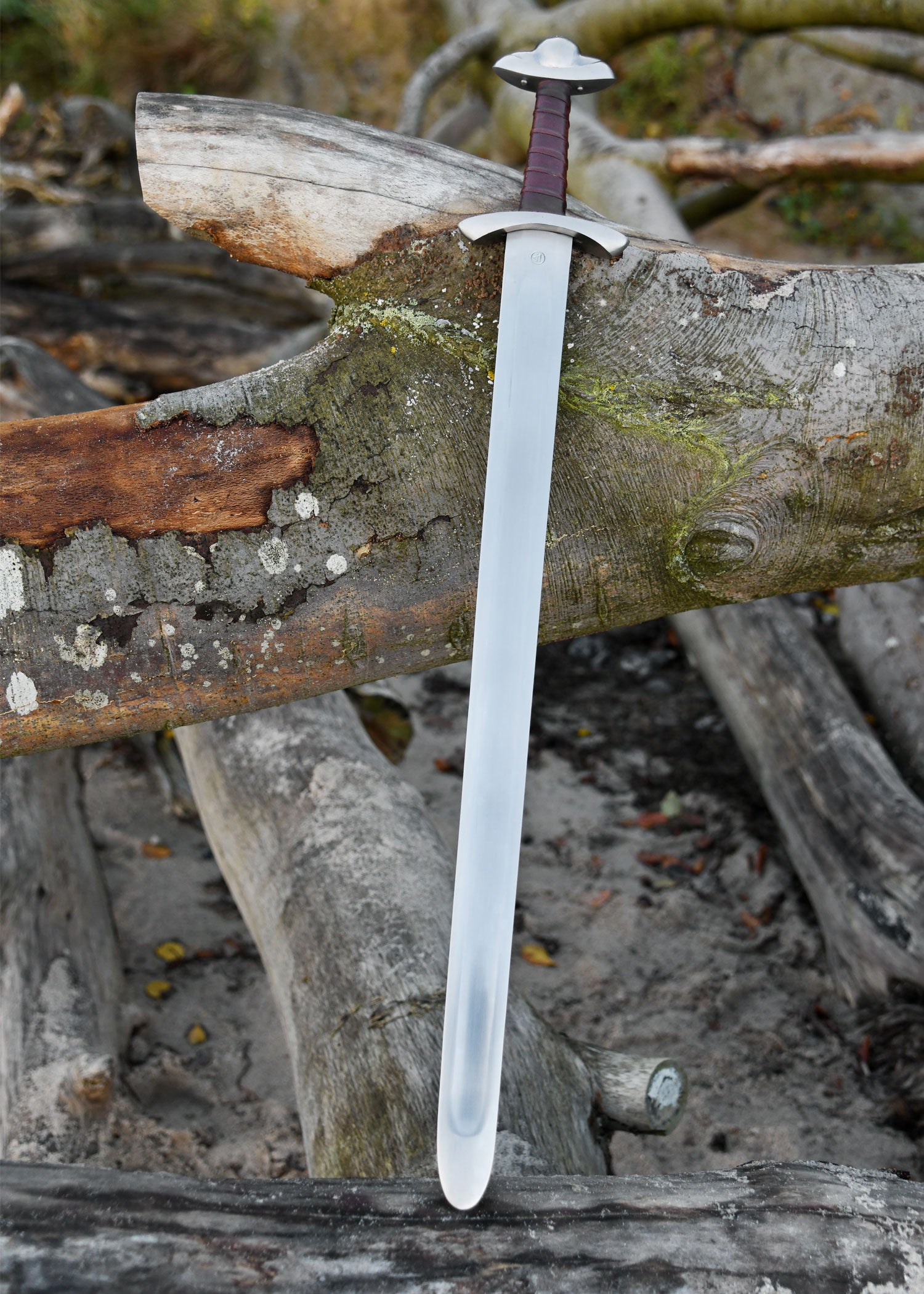
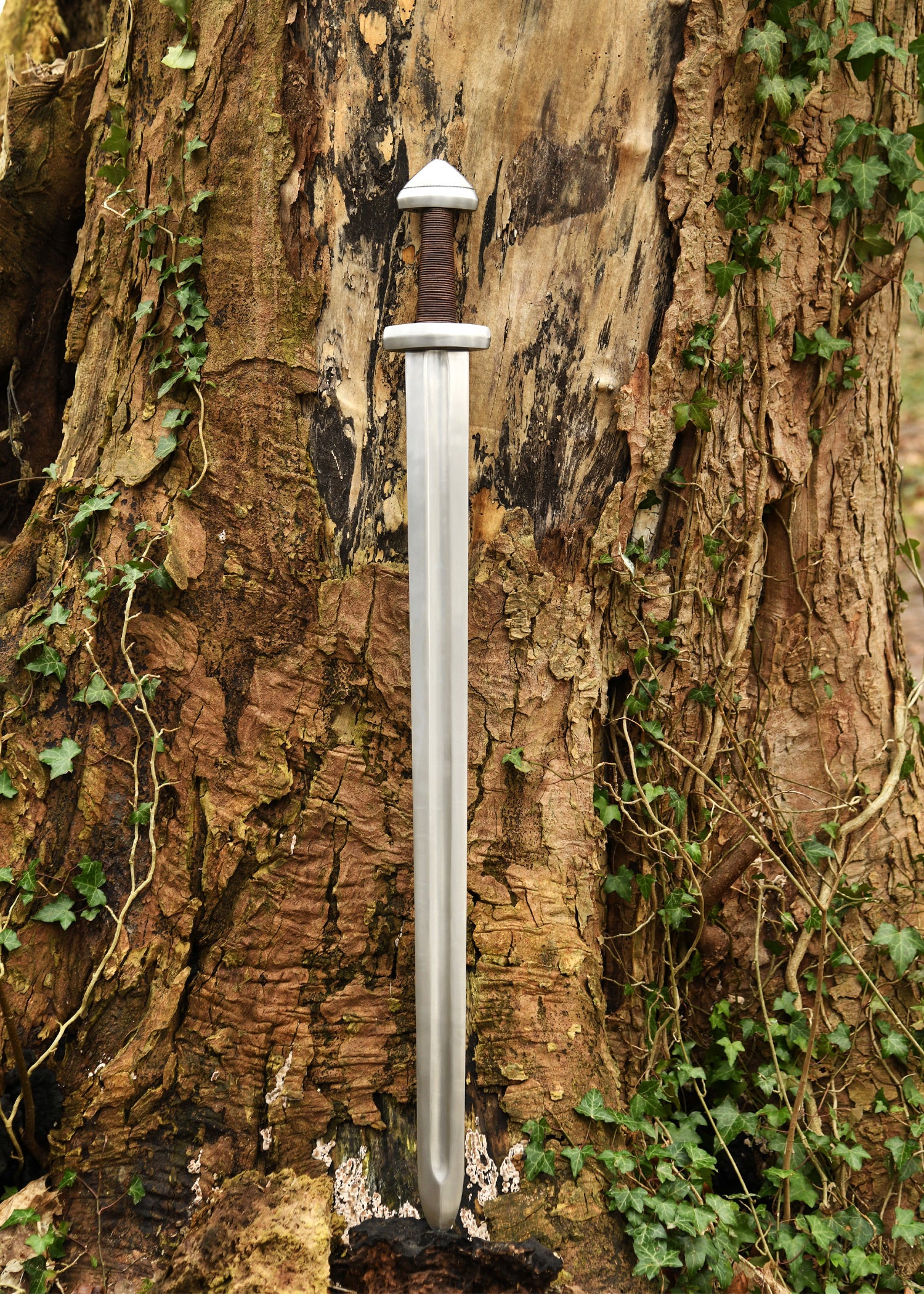
Functional swords are manufactured from high-resistance carbon steel, with balance and blade geometry designed for real use. Ideal for HEMA (Historical European Martial Arts) practitioners, reenactors, and collectors seeking a piece that can be handled. Replicas such as the Langeid Viking Sword—a 2011 Norwegian find—or the Category B Functional Viking Sword represent the best of contemporary manufacturing in the service of history.
Sharpened Viking Swords - Carbon Steel with a Real Edge
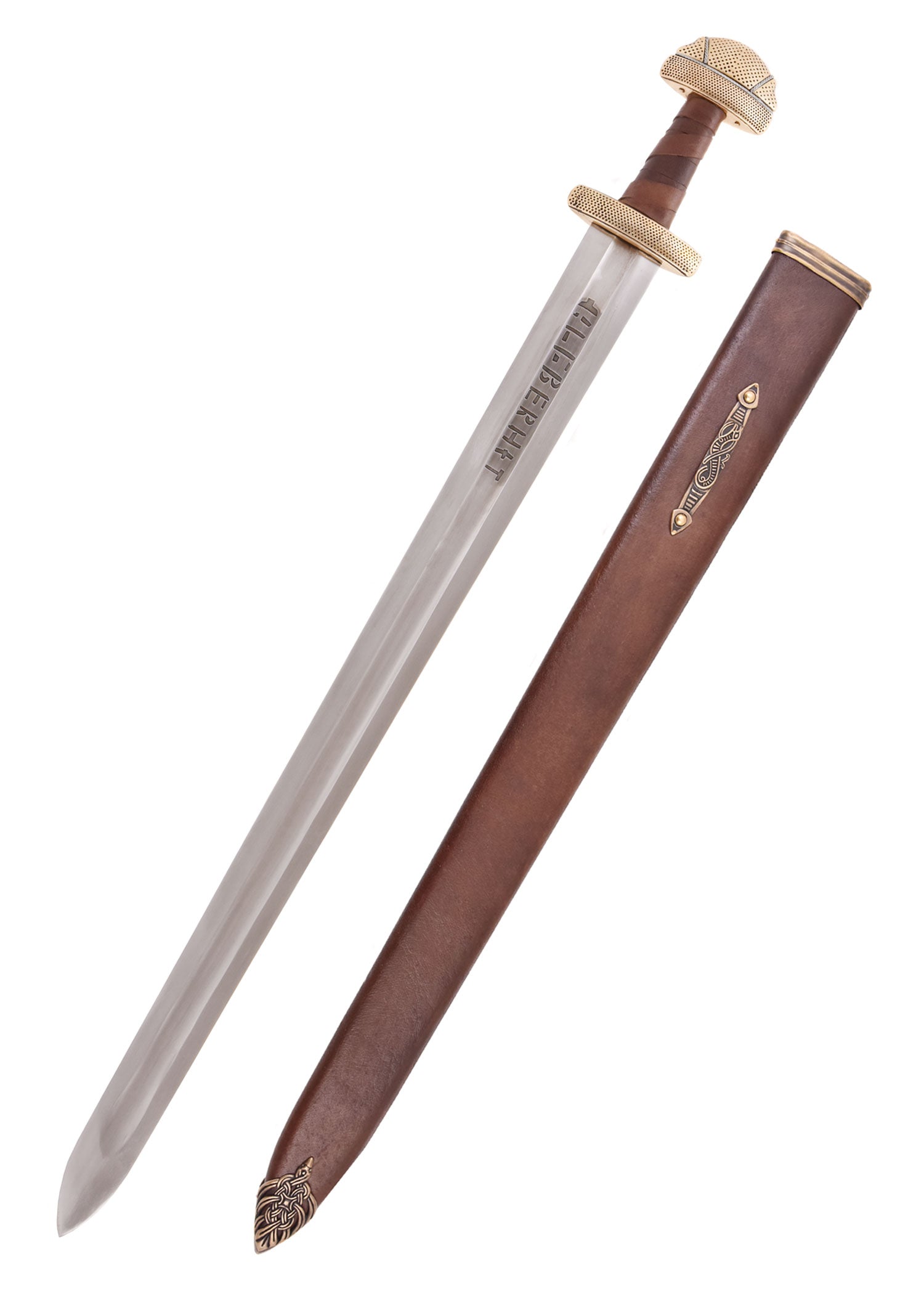
For those looking for a sharpened Viking sword with real cutting capability, this selection includes replicas of first-rate archaeological finds. The Cawood Viking Sword—exhibited at the Yorkshire Museum—and the Saxon Steel Sword from the York Museum are examples of sharpened pieces with hardened steel, forged guards, and historically documented hilts. Also standing out are the Ironside swords and the Single-Edged Sharpened Viking Sword, of authentic Scandinavian typology.
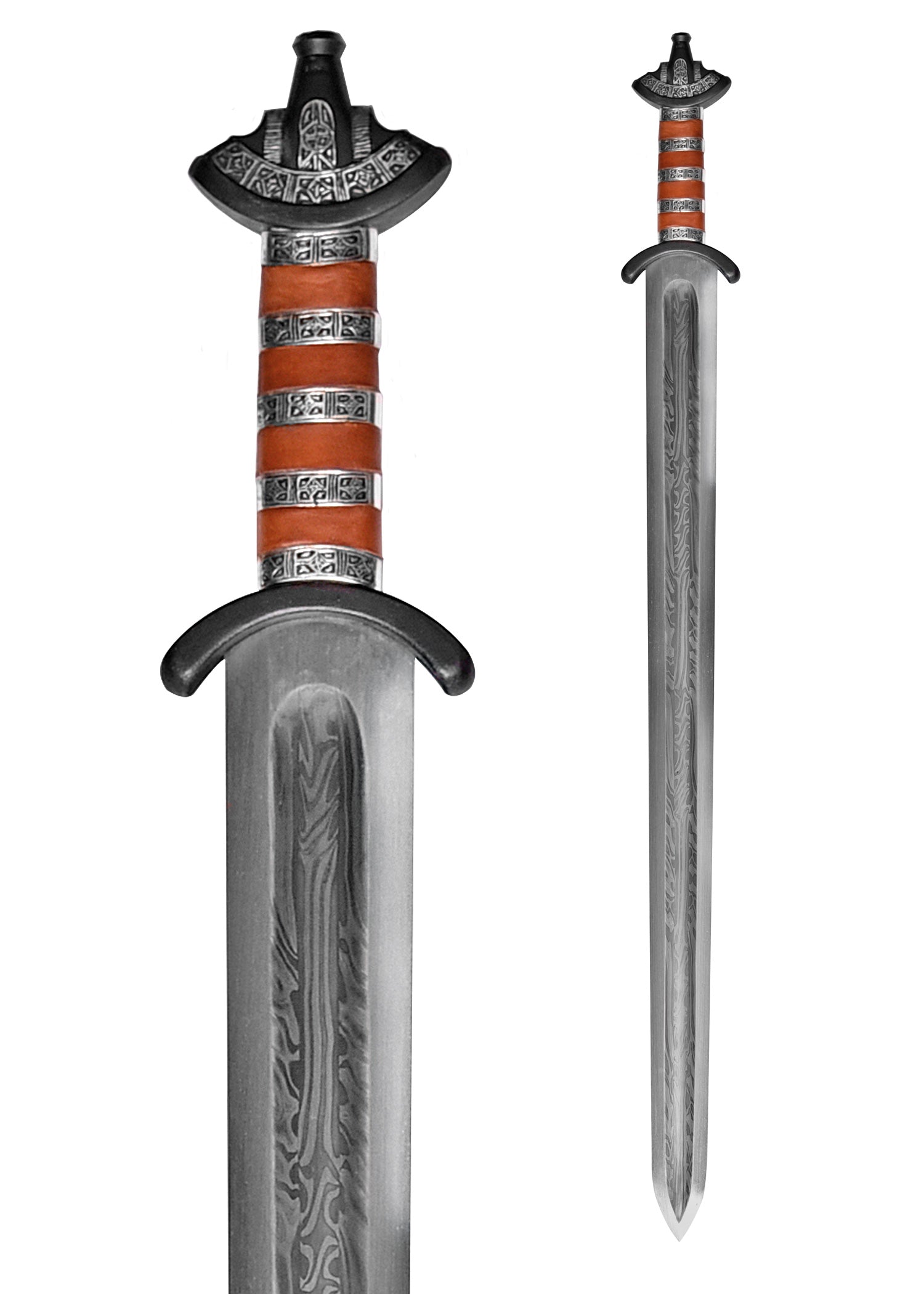
Damascus Steel Viking Swords - The Elite of Norse Forging
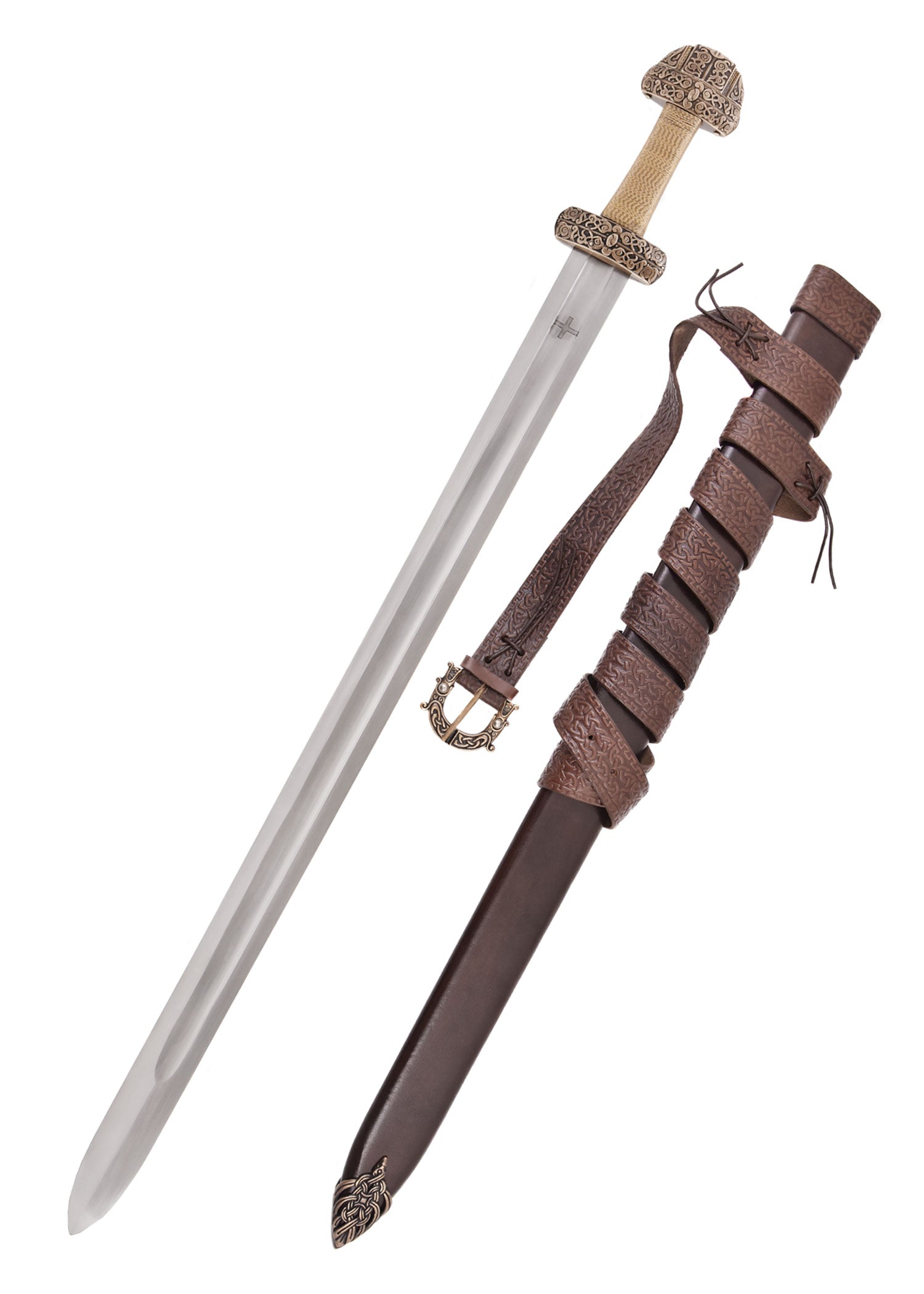
Damascus steel—with its characteristic grain patterns—represents the pinnacle of craftsmanship in Viking weaponry. The Haithabu Damascus swords, the Trondheim Viking Sword, and the Godfred Damascus Viking Sword are elite pieces that combine visual beauty with exceptional hardness. Haithabu, the largest Viking trading center in Northern Europe in the 9th century, was the birthplace of the best blades of its time.
Category B Viking Combat Swords - Show Fighting and Performance
Category B swords are designed for show fighting and stage combat, with unsharpened blades but the weight and balance of the originals. Types Petersen H, L, and O—the standard archaeological classification by Jan Petersen—are the most representative of the Viking expansion between the 9th and 11th centuries. The Russo-Viking swords of Gnezdovo (types E1, E2, and D) evoke the Varangian route to Byzantium, while the Hedmark Sword and the Torshov are direct references to documented Norwegian sites.
Decorative and Collector's Viking Swords
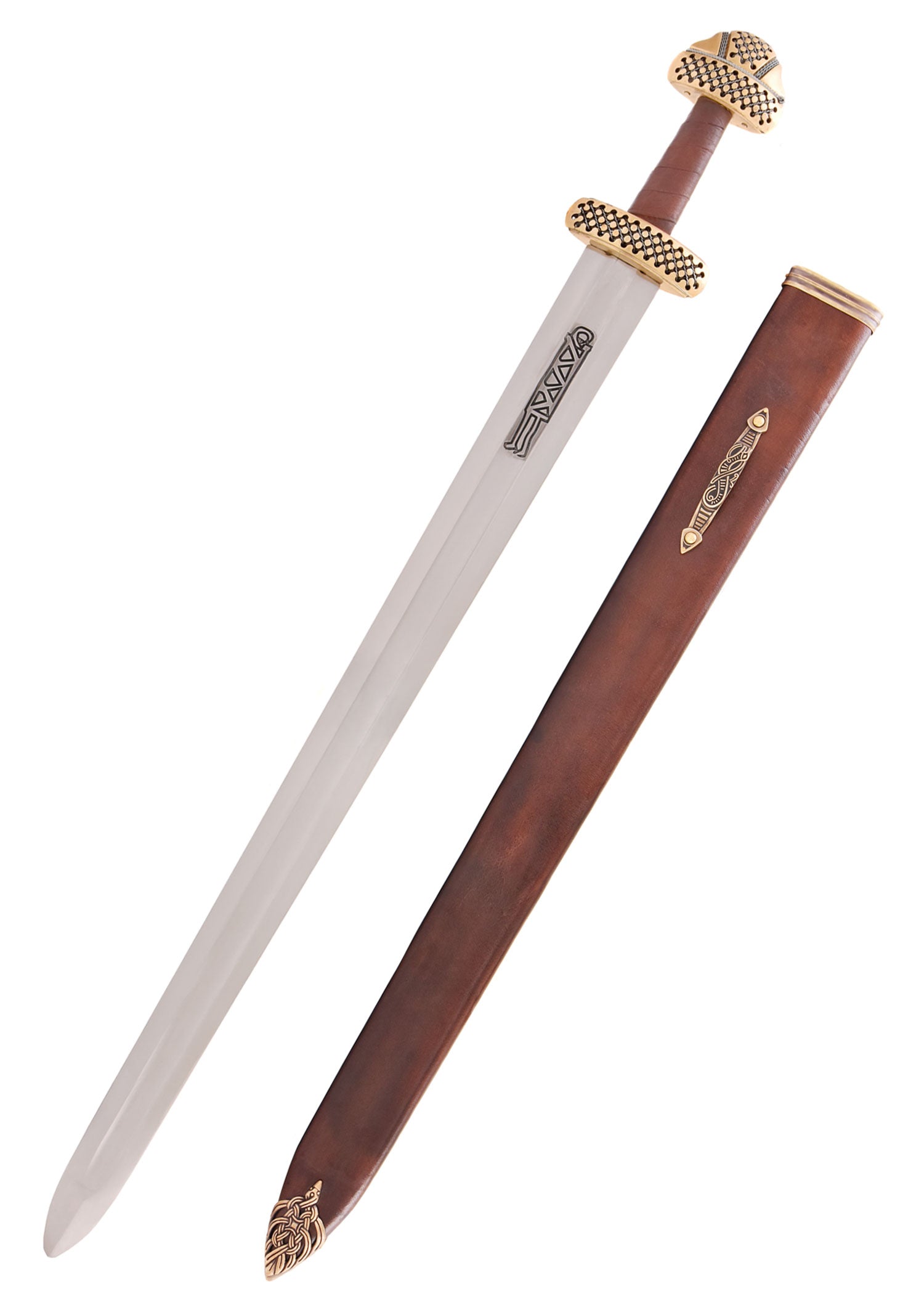
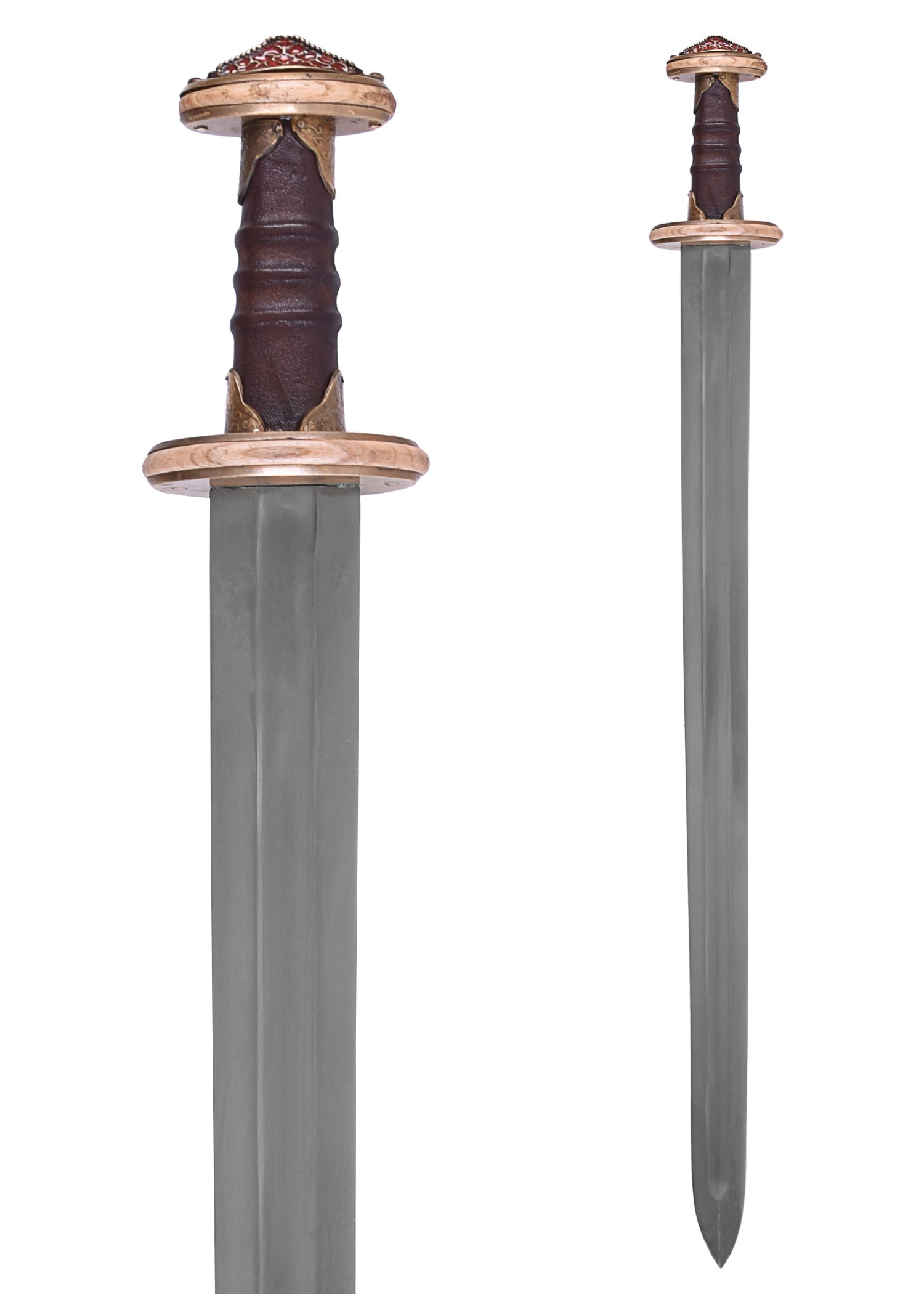
For the collector and lover of history, decorative swords offer an imposing visual presence with high-quality finishes. The Erik the Red Decorative Sword, the Oslo Viking Collector's Sword, or the Baldur Sword are pieces intended for display, gifting, or decorating spaces with character. The Sutton Hoo Sword—from the 7th century, the Vendel period—and the Vendel Period Swords with brass hilts complete a selection that spans from pre-Viking origins to the splendor of the Viking Age.
Your Viking Forge Awaits You at Todo Medieval
Every sword in this selection has been chosen for its historical value, manufacturing quality, and archaeological authenticity. At Todo Medieval, we do not sell generic replicas: we sell history forged in steel. Whether you are a reenactor, a collector, a HEMA practitioner, or simply someone who feels the call of the North, here you will find the Viking sword you deserve. Valhalla does not wait. Choose your sword.
