





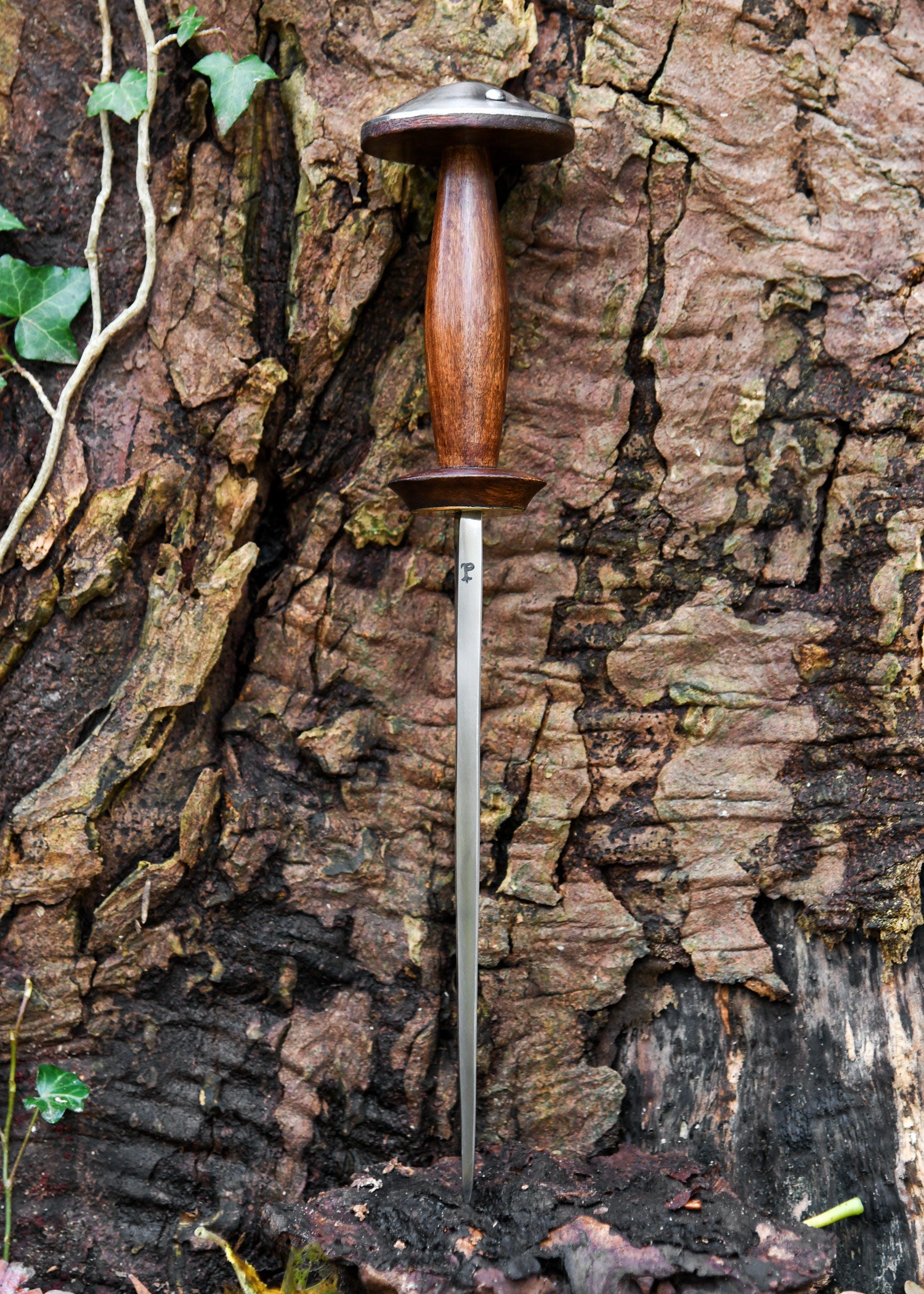

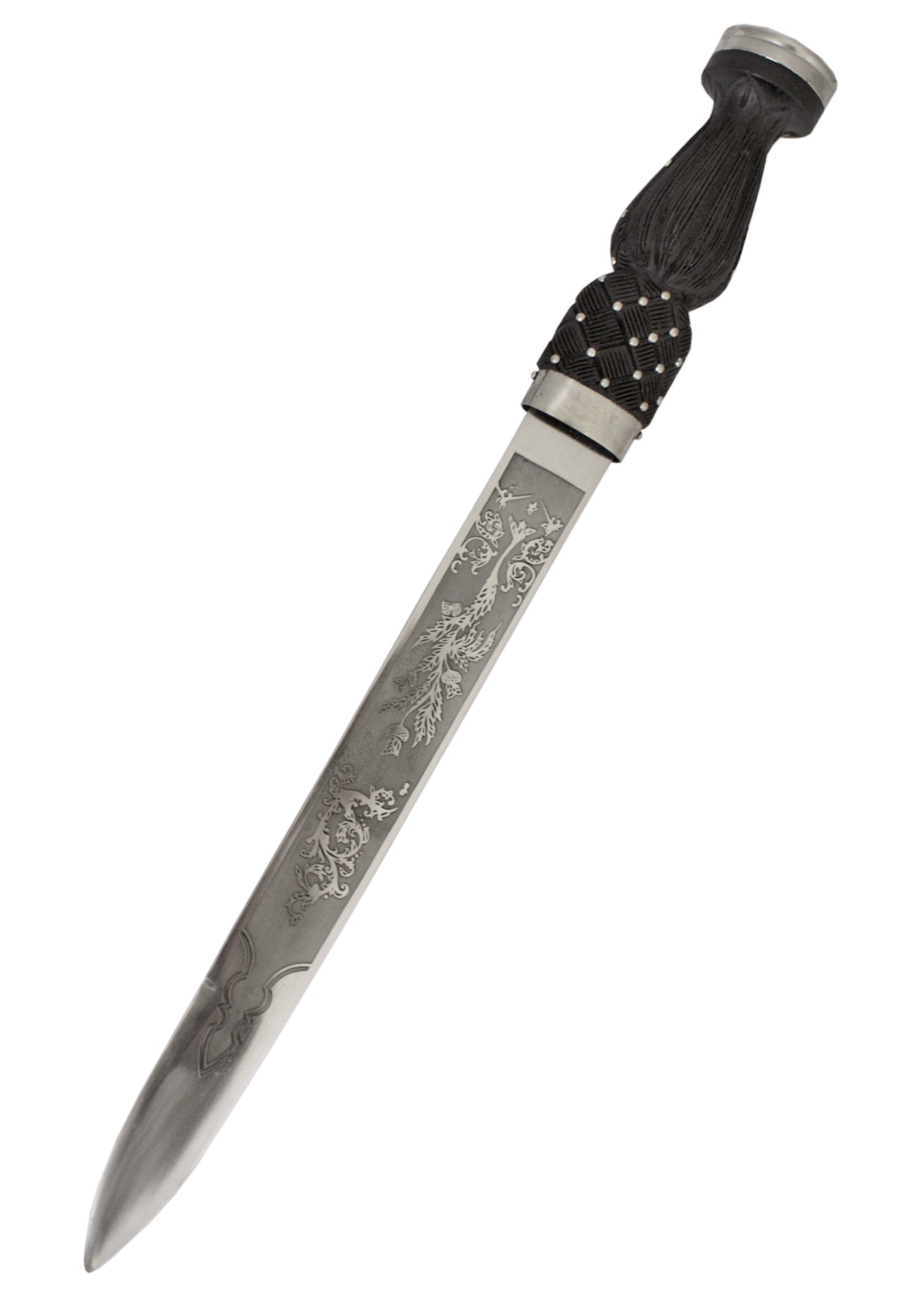
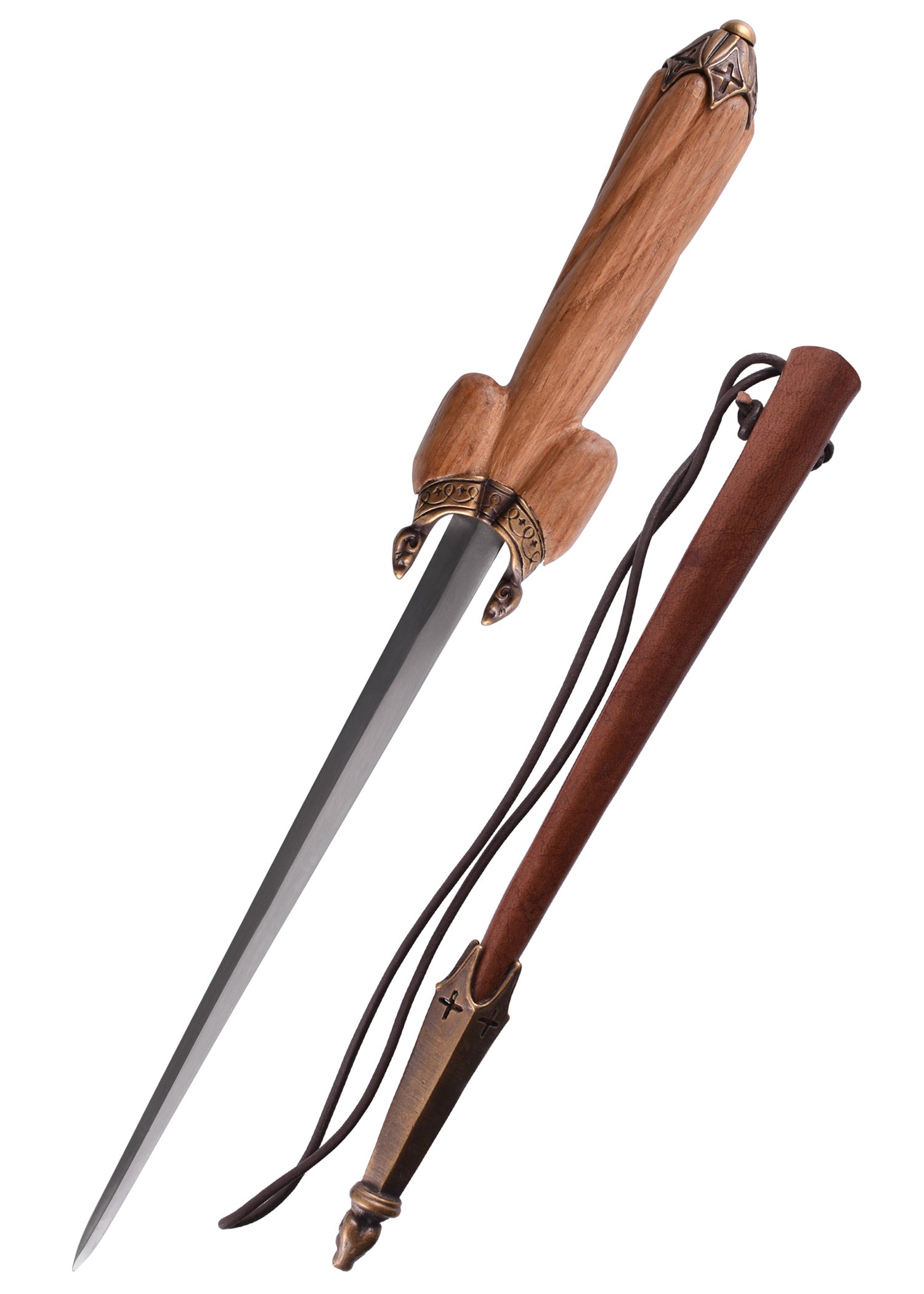
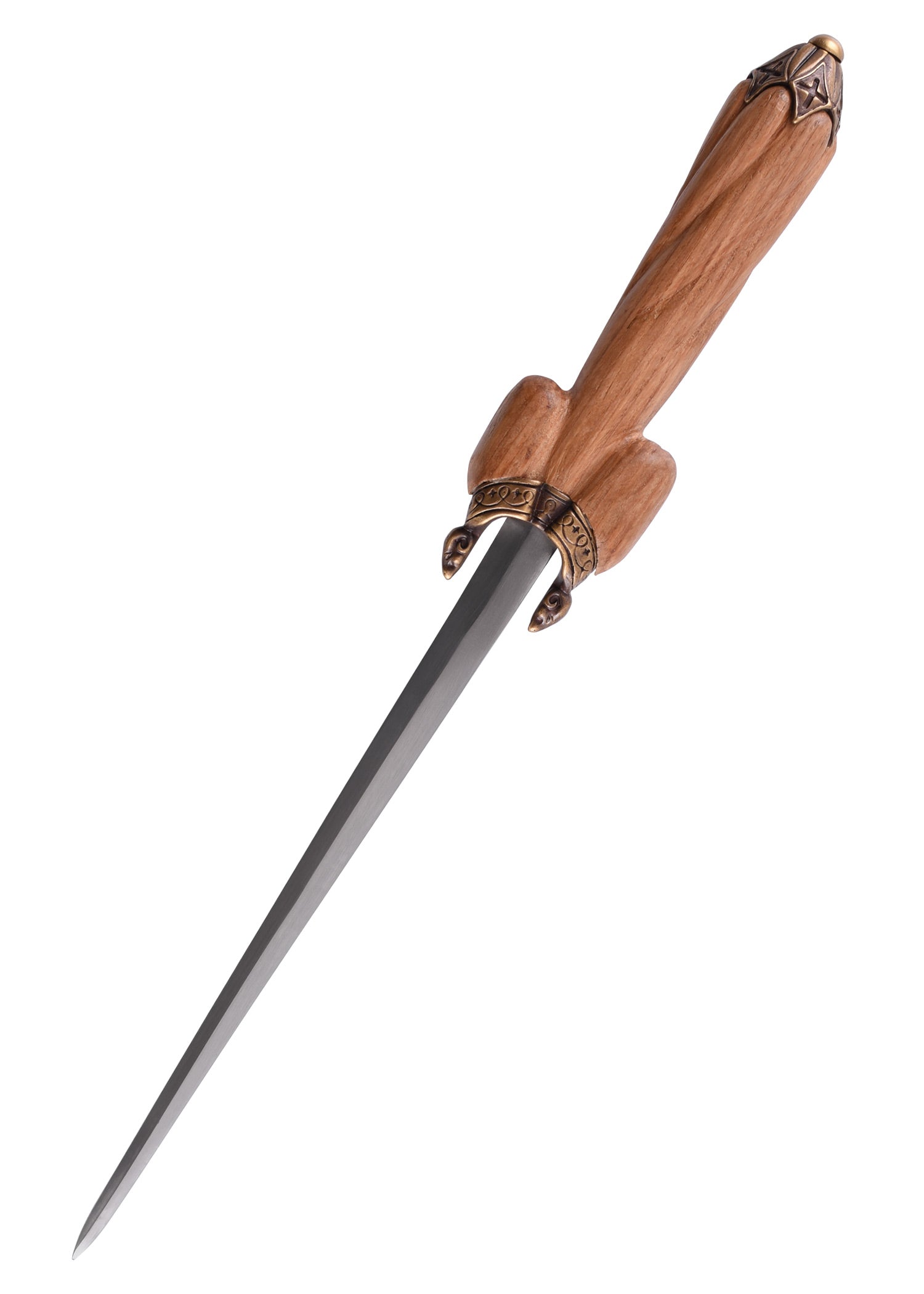

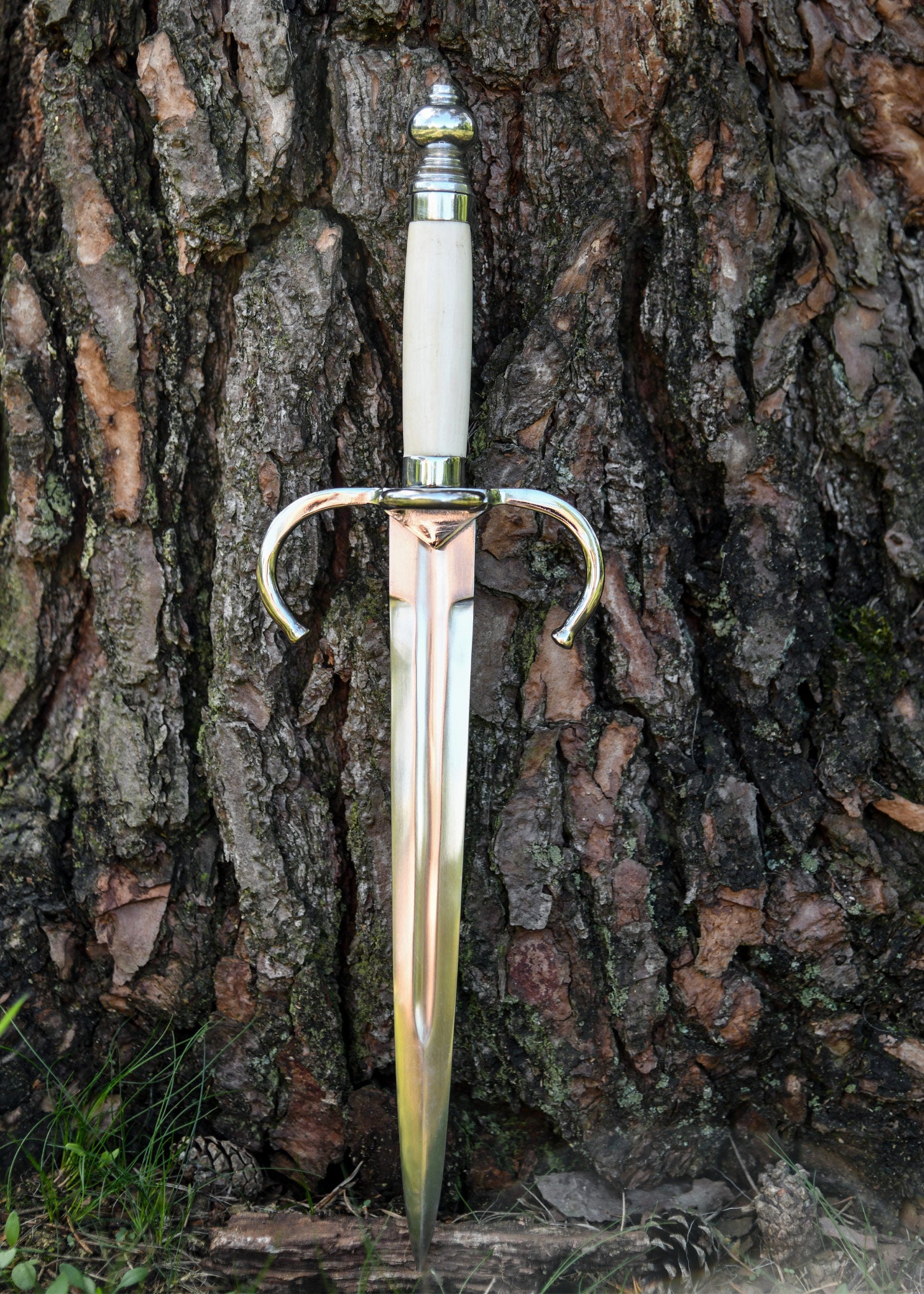
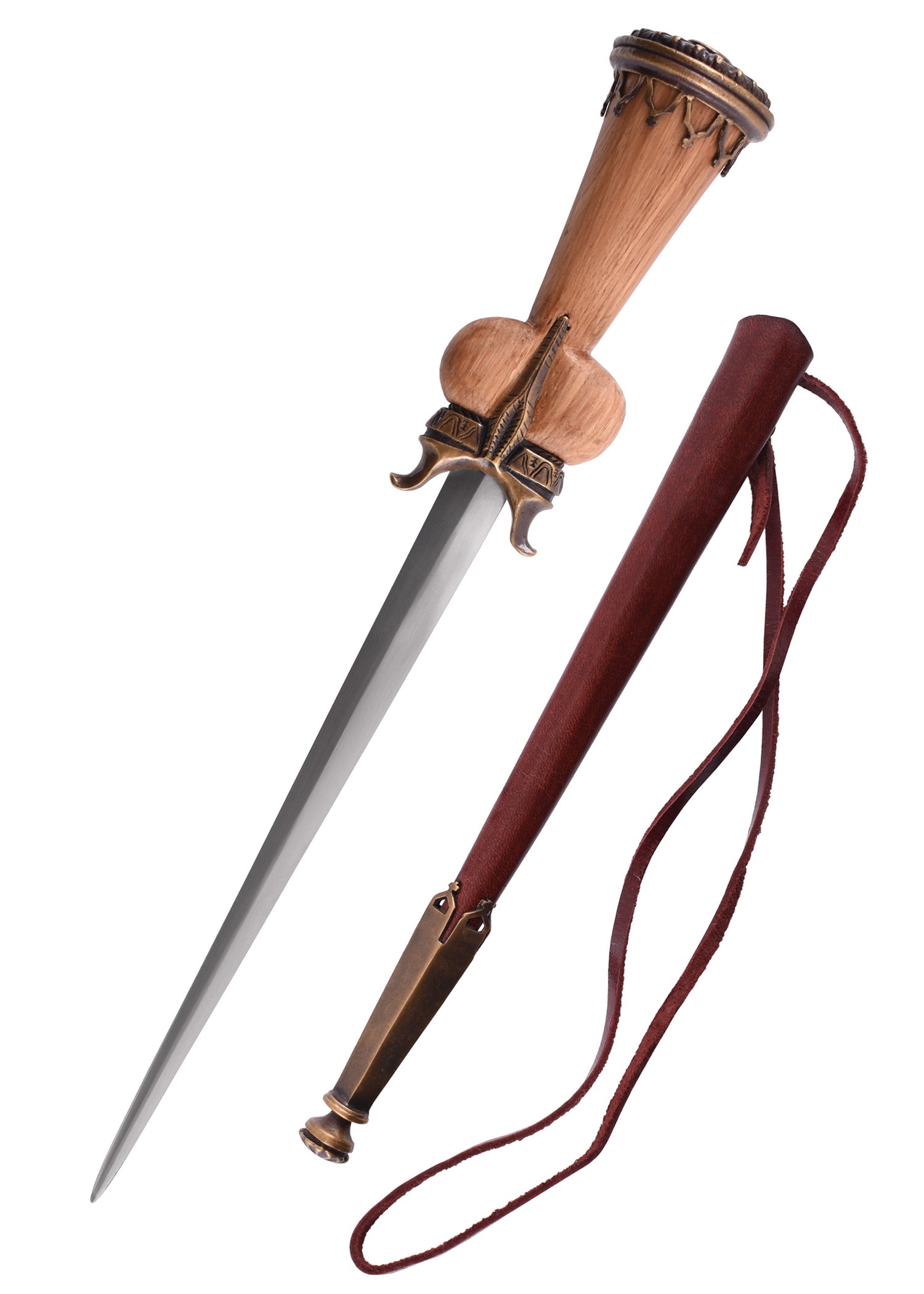
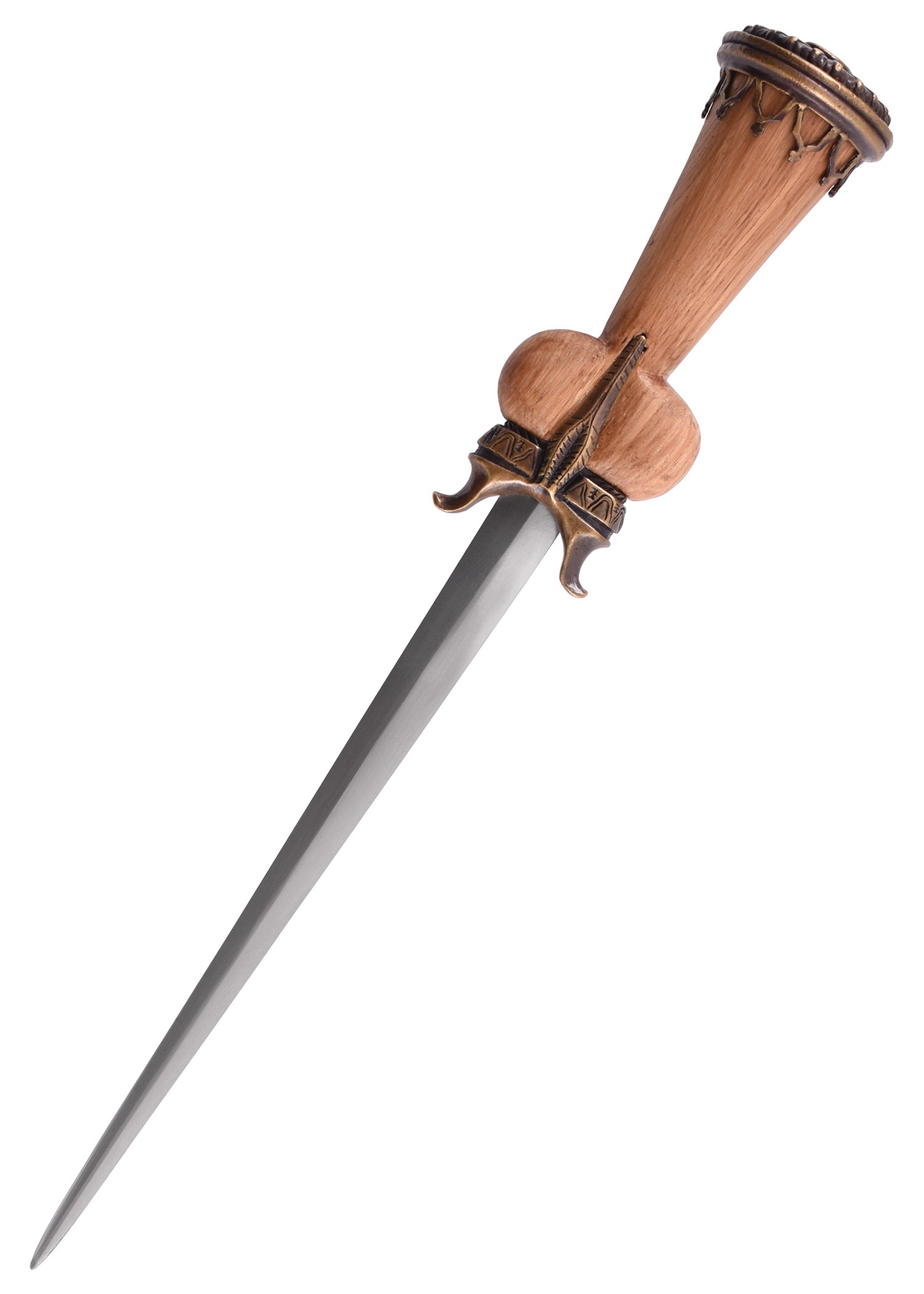
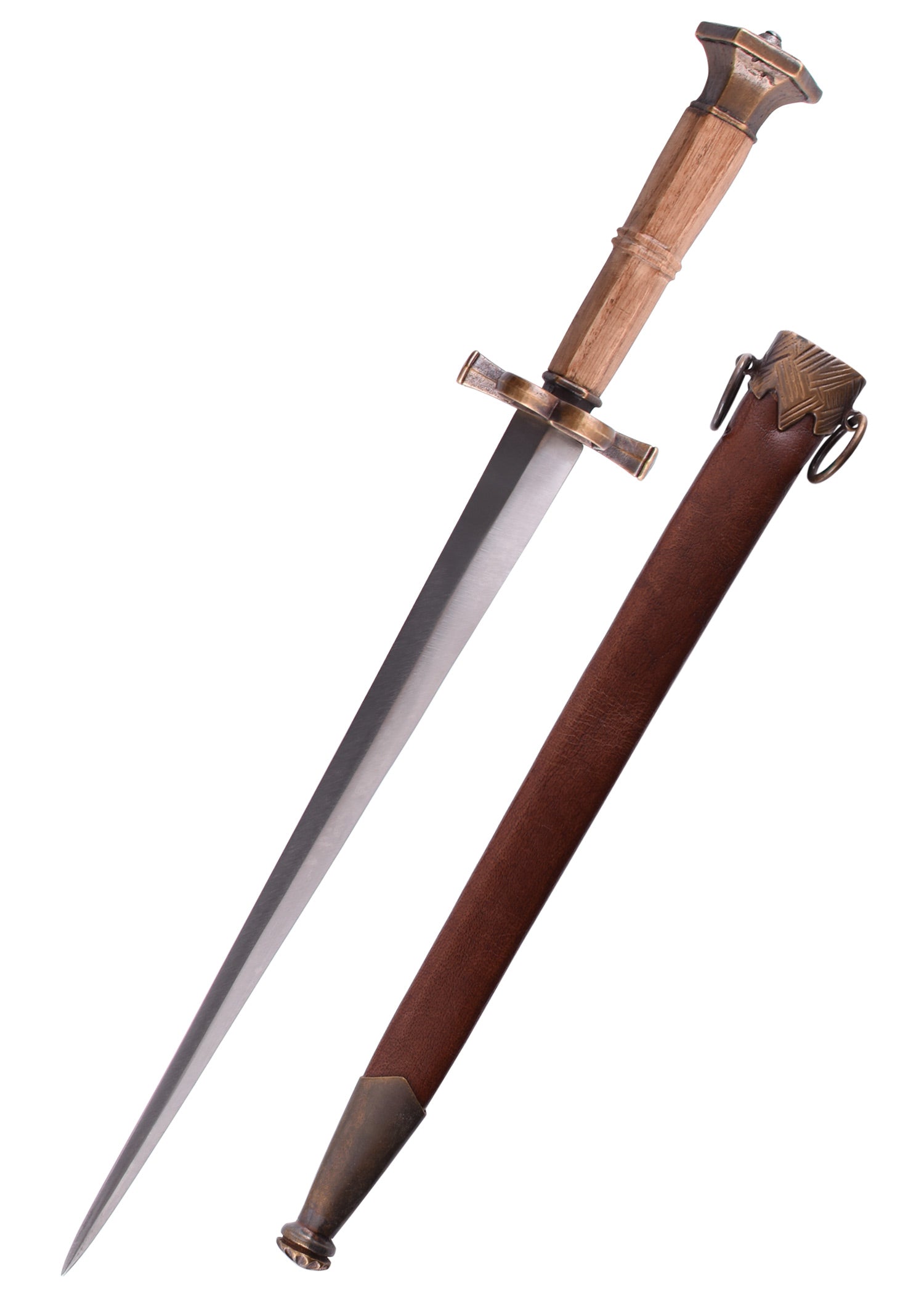

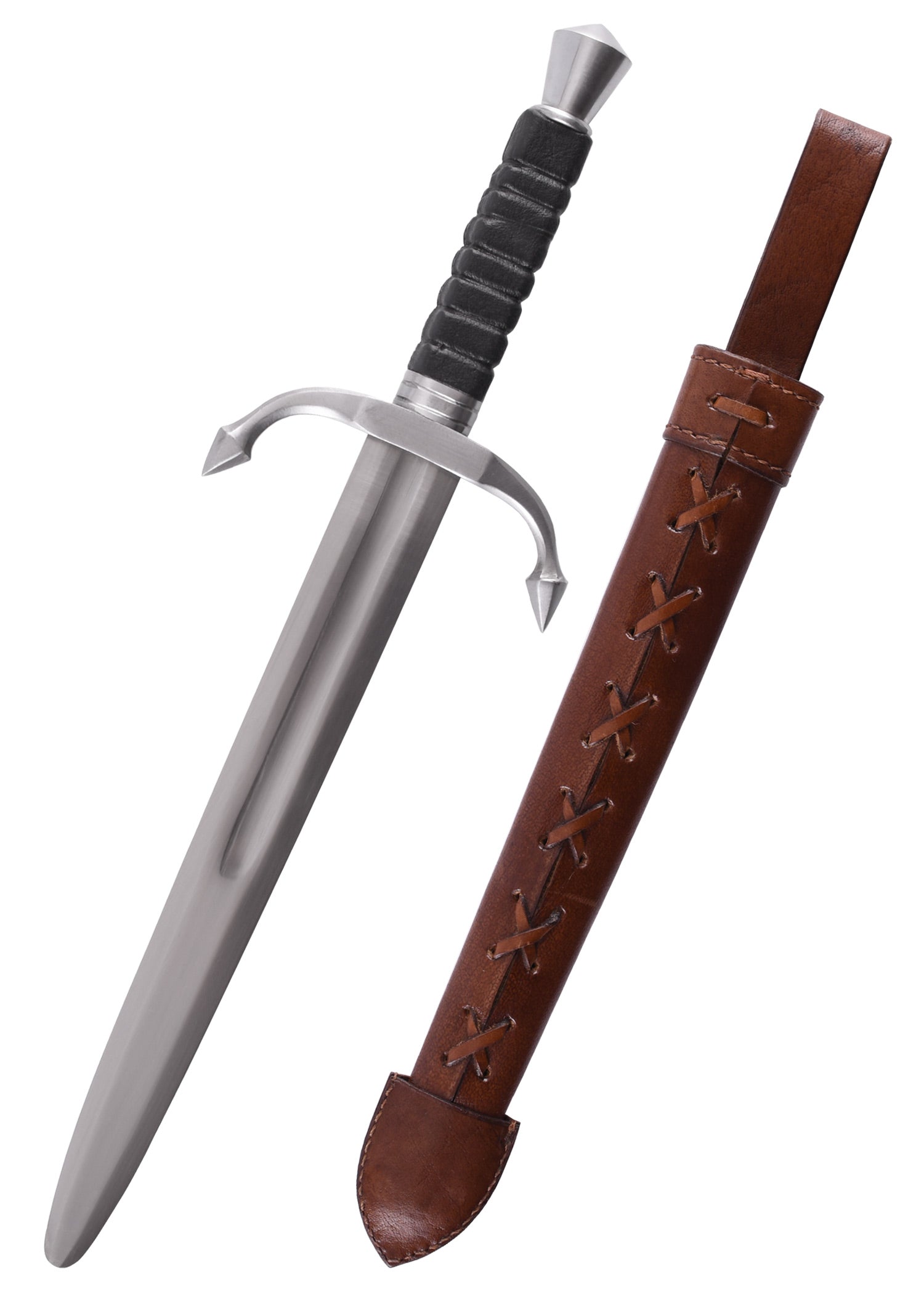
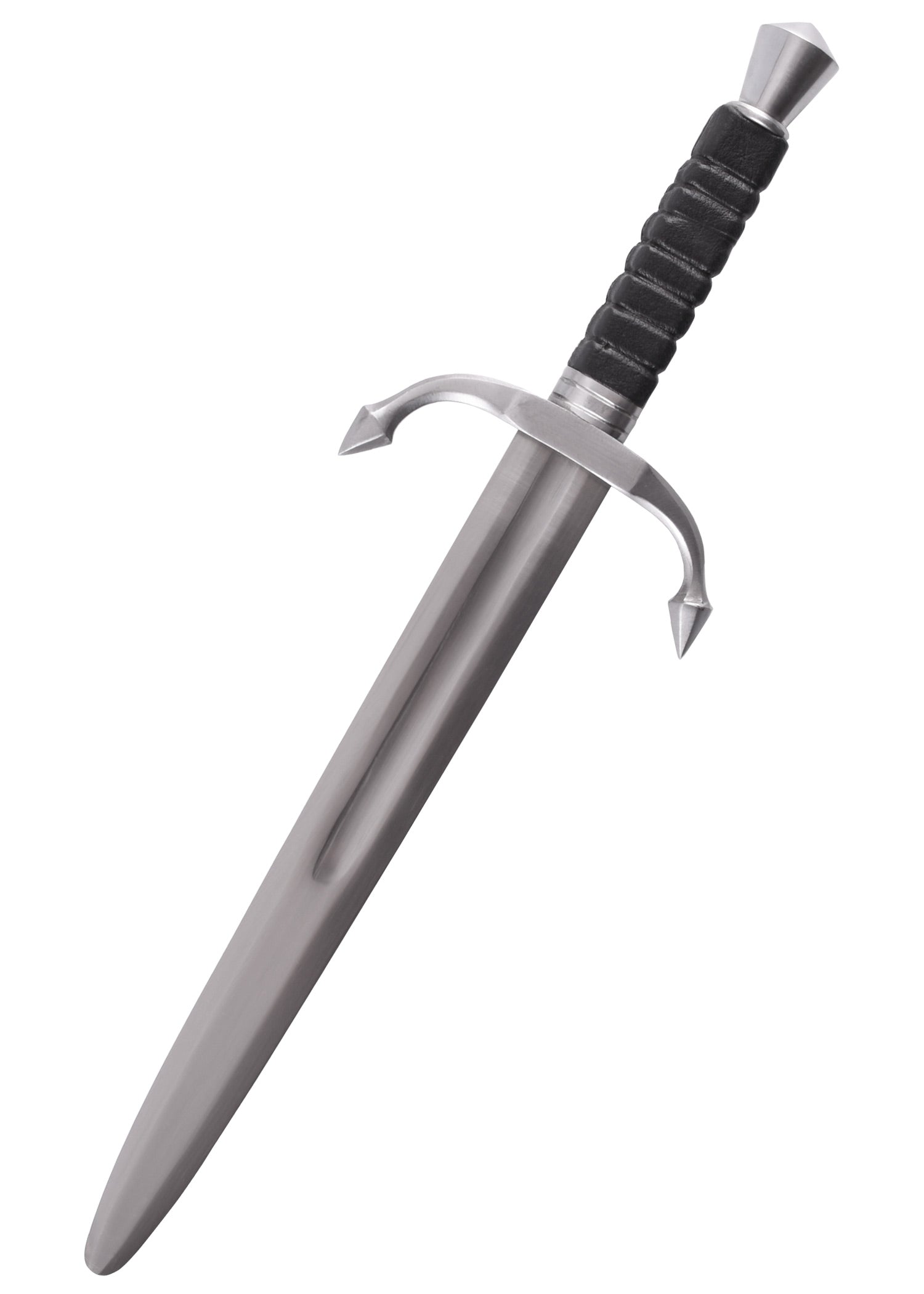
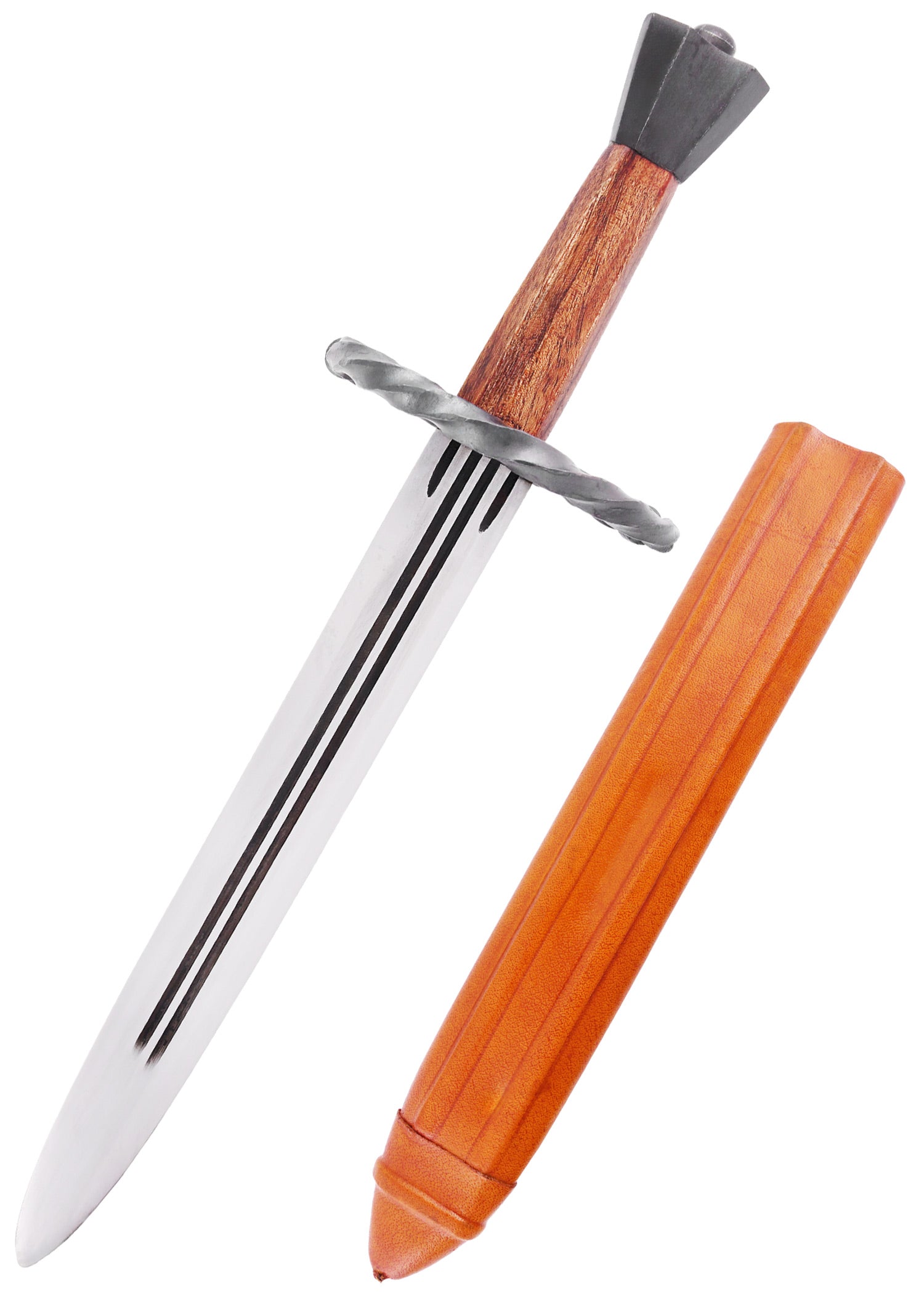

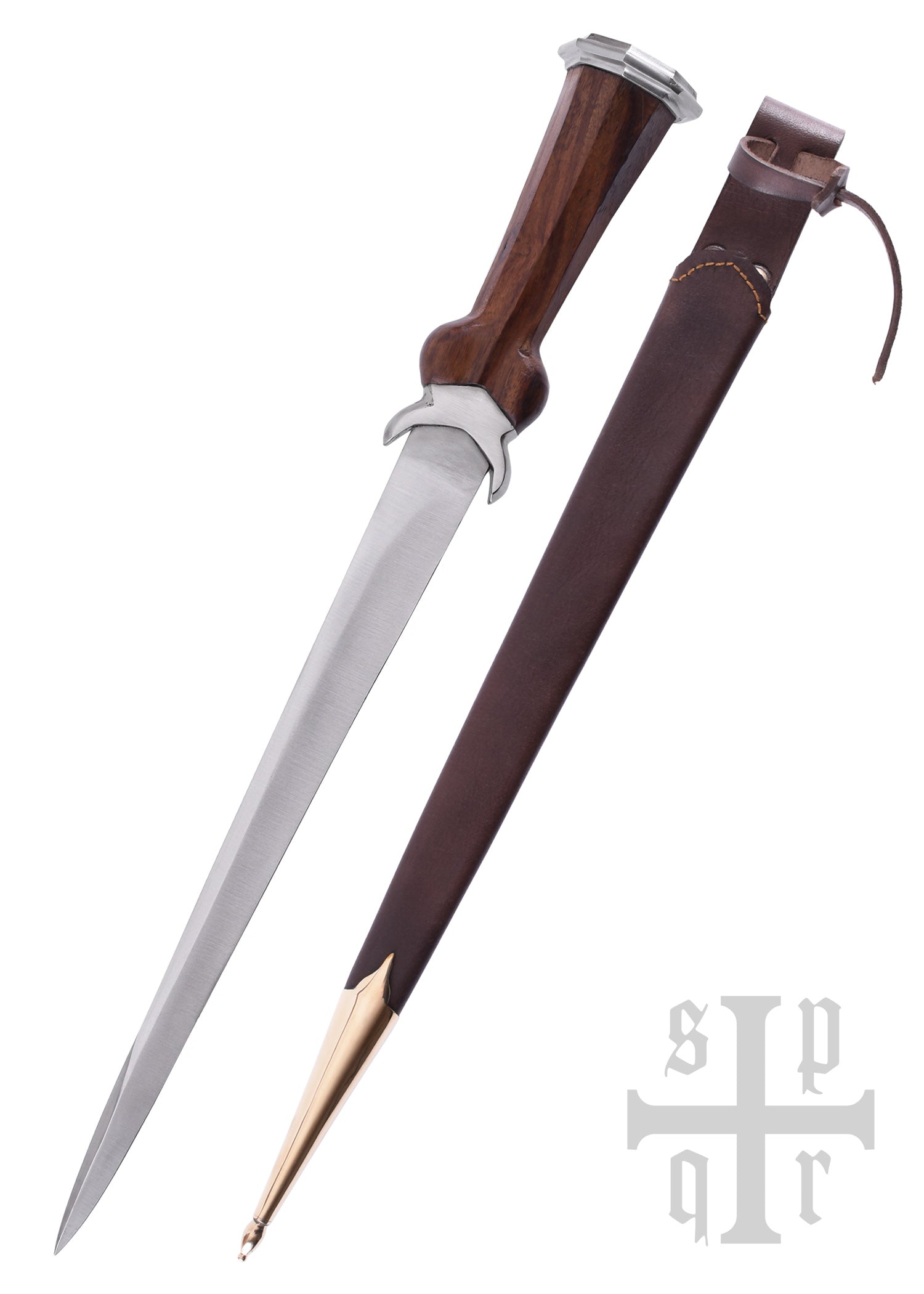




Renaissance Daggers: Elegance and Lethality at Your Fingertips
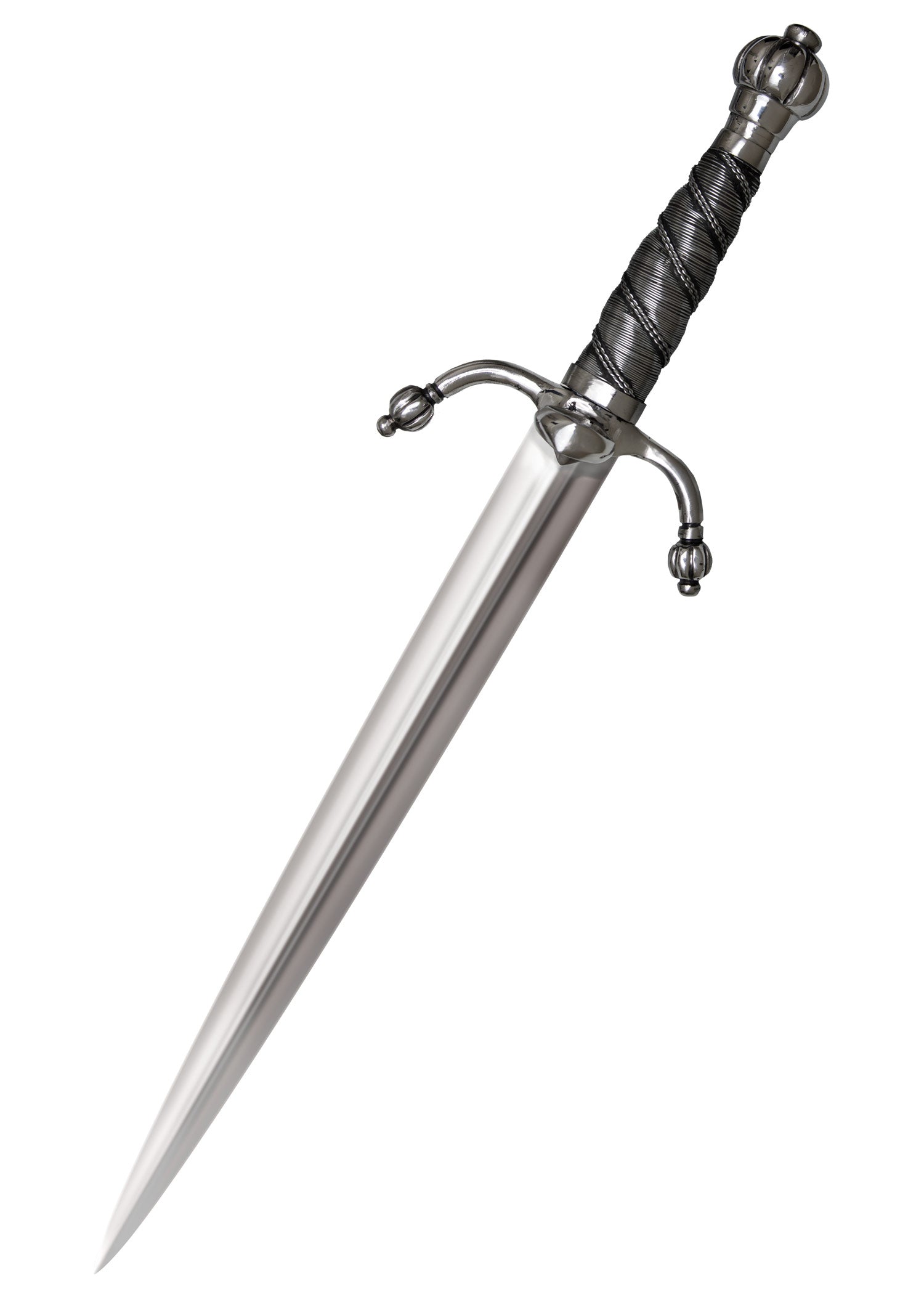
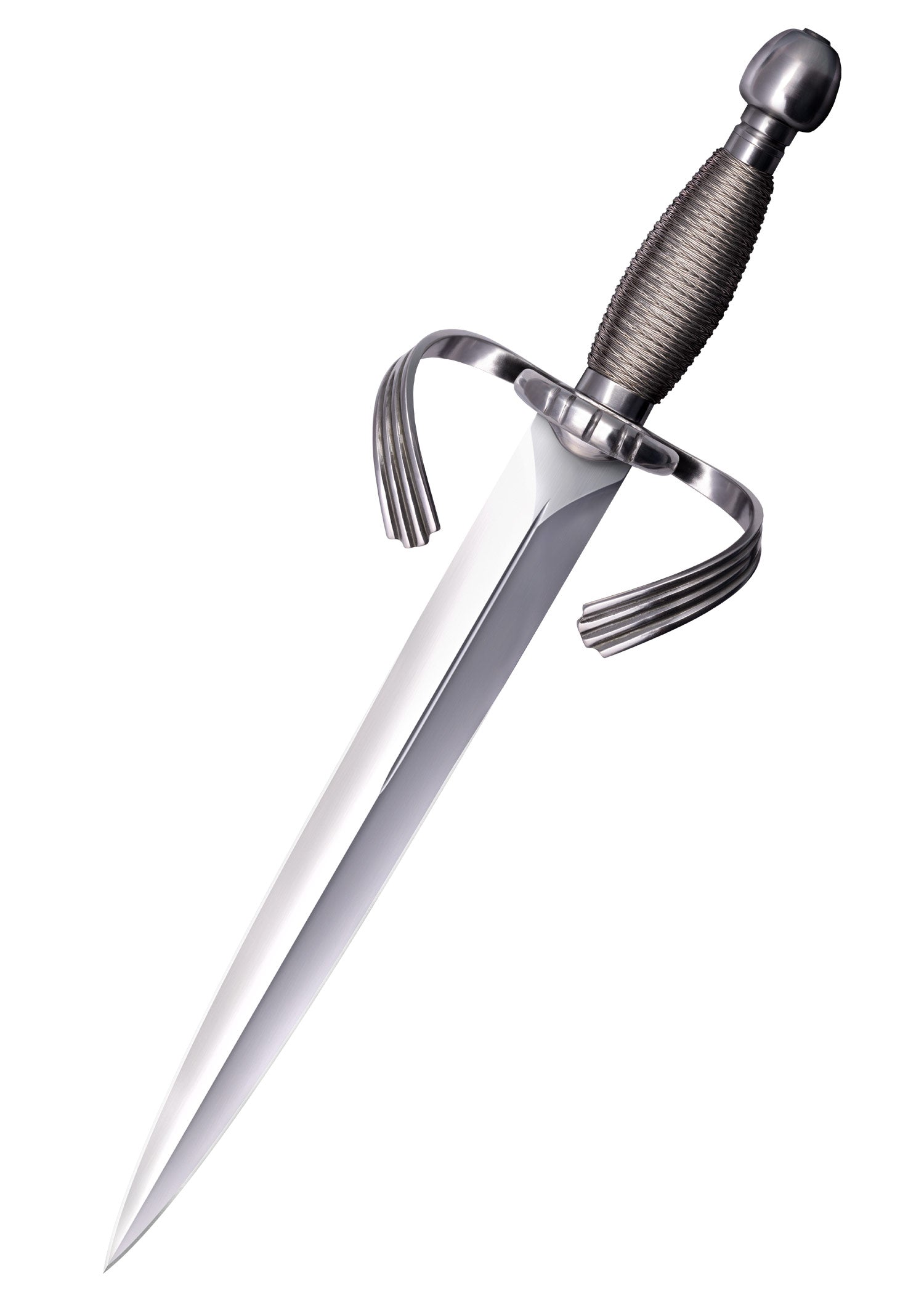
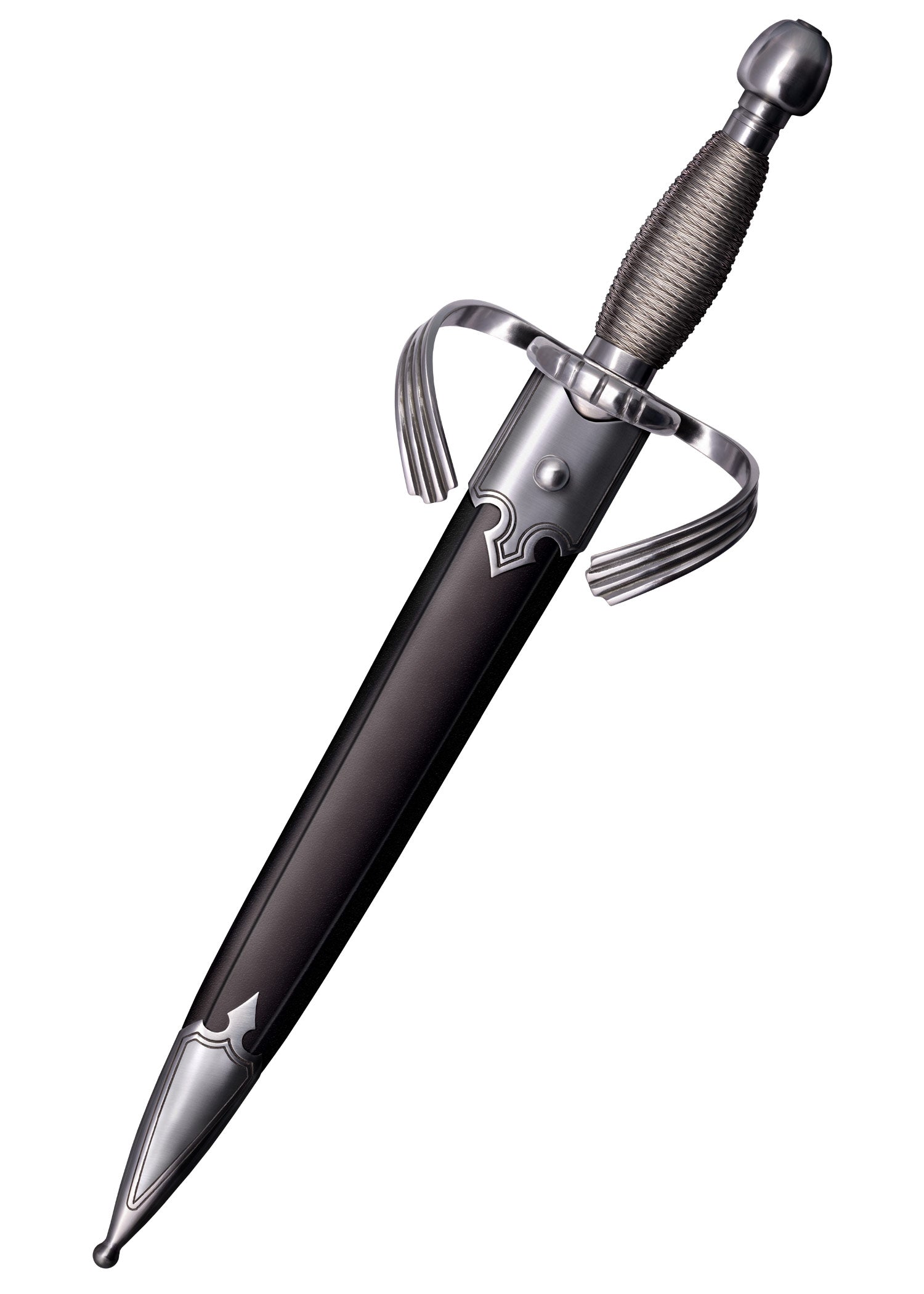
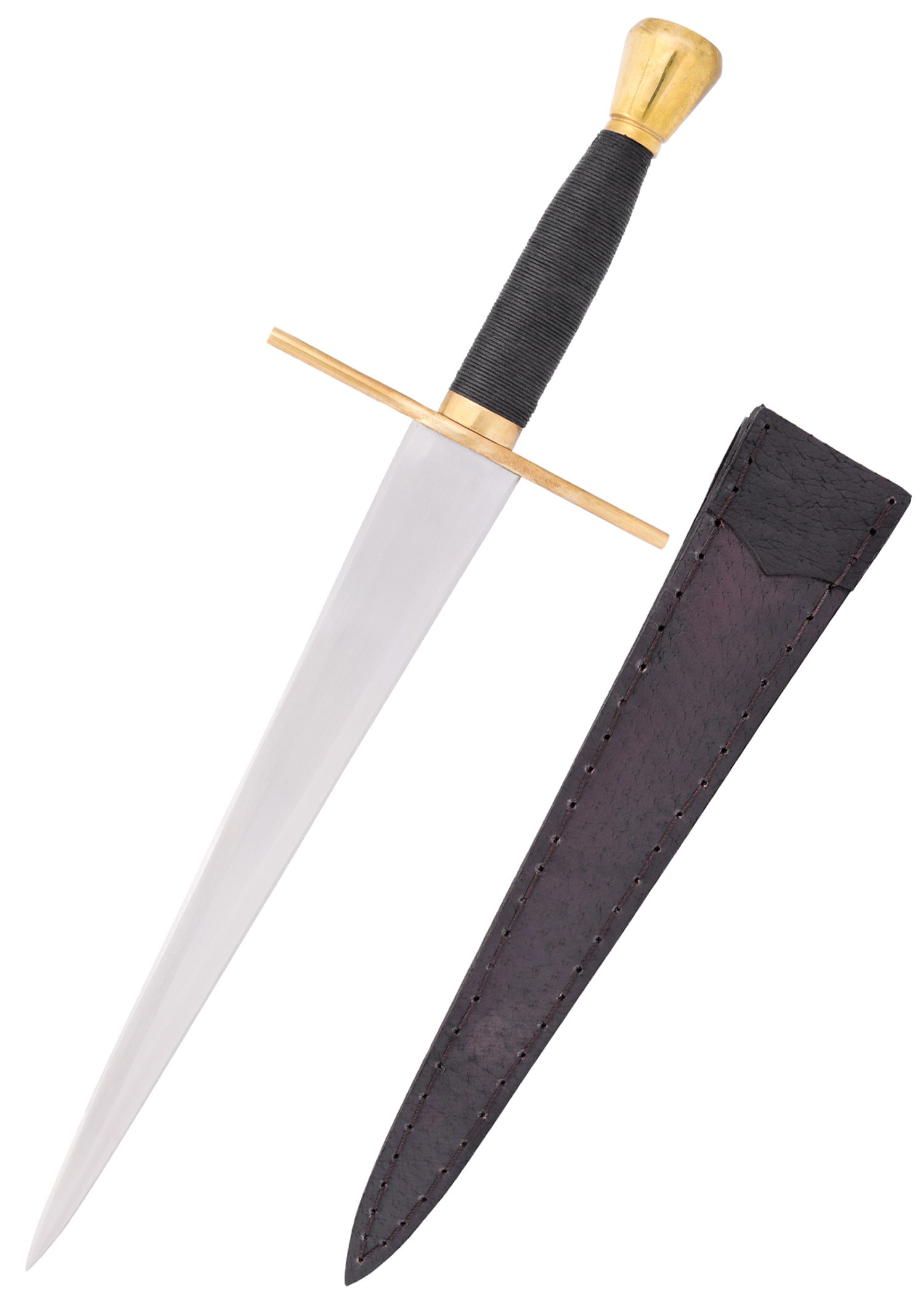
During the Renaissance (15th and 16th centuries) , daggers became a weapon of both combat and prestige . Often used in hand-to-hand combat, these small weapons were ideal for self-defense and as a complement to swords and other larger weapons. Renaissance daggers evolved to offer more refined and functional designs , being both a practical item and a status symbol.
Main types of Renaissance daggers
-
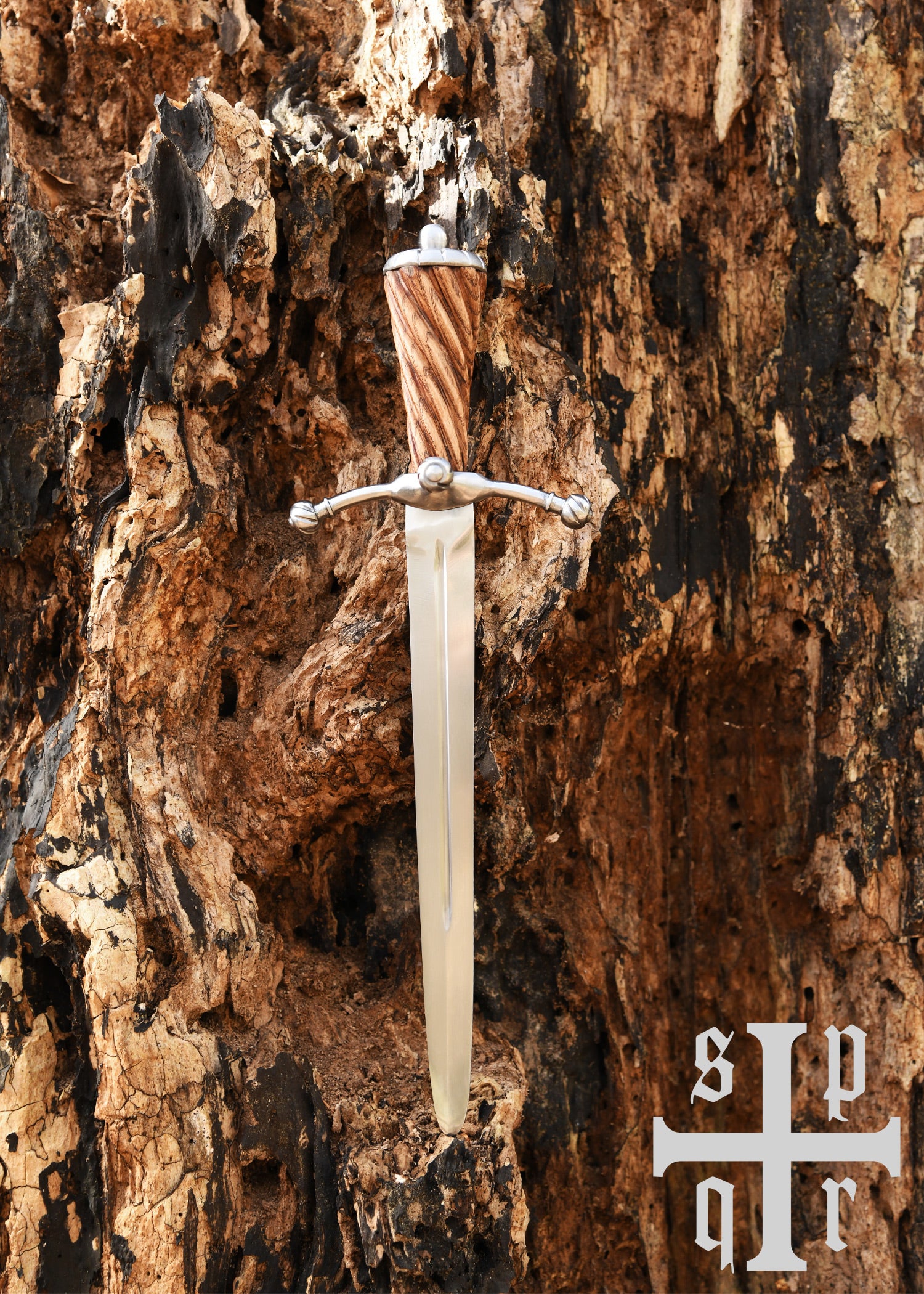
Broad-bladed dagger : With a wide, sharp blade, used mainly by nobility and officers for close combat or as a decorative piece.
-
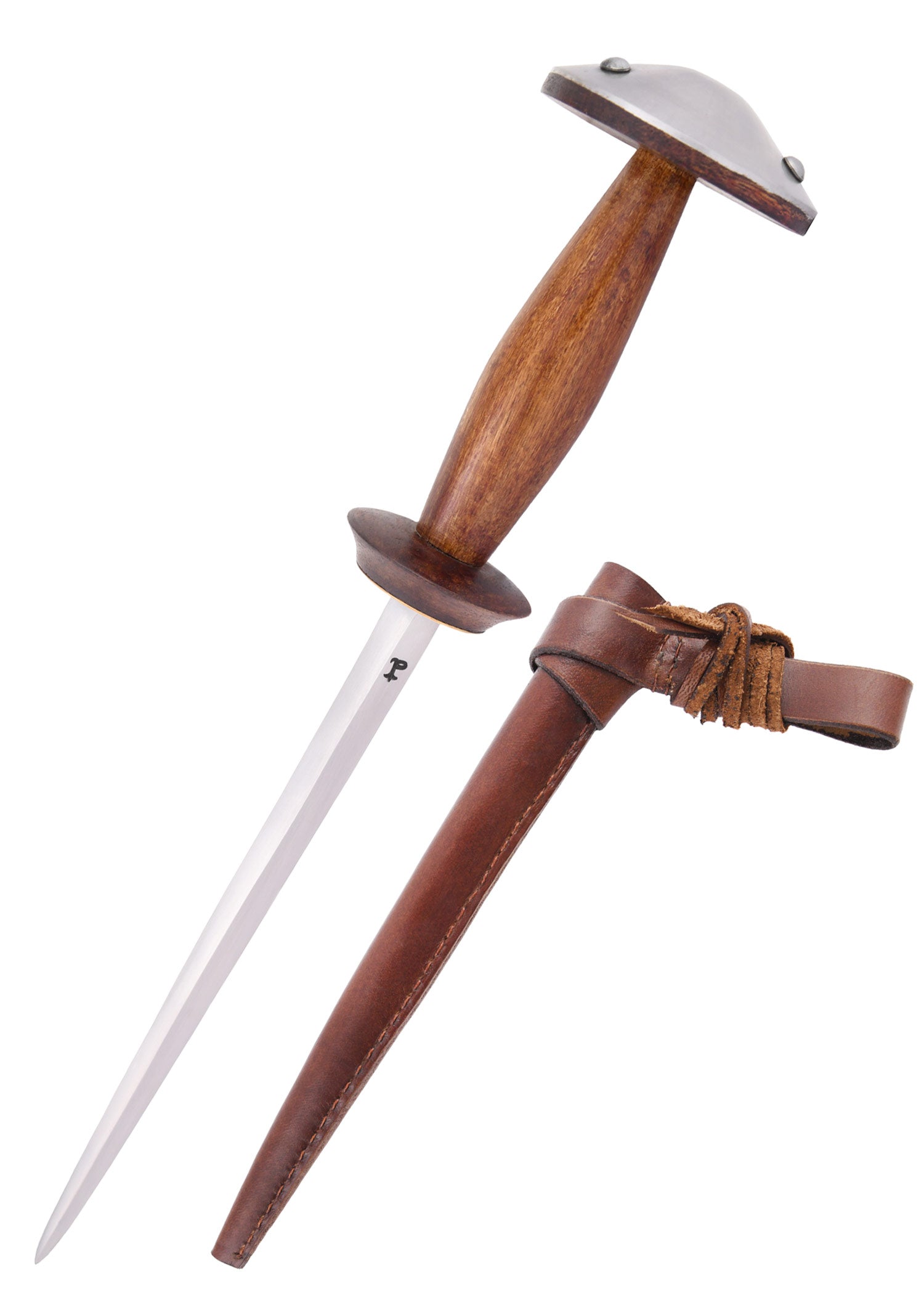
Stiletto dagger : With a long, thin, pointed blade, ideal for thrusting applications and for carrying on belts or boots as a secret weapon.
-
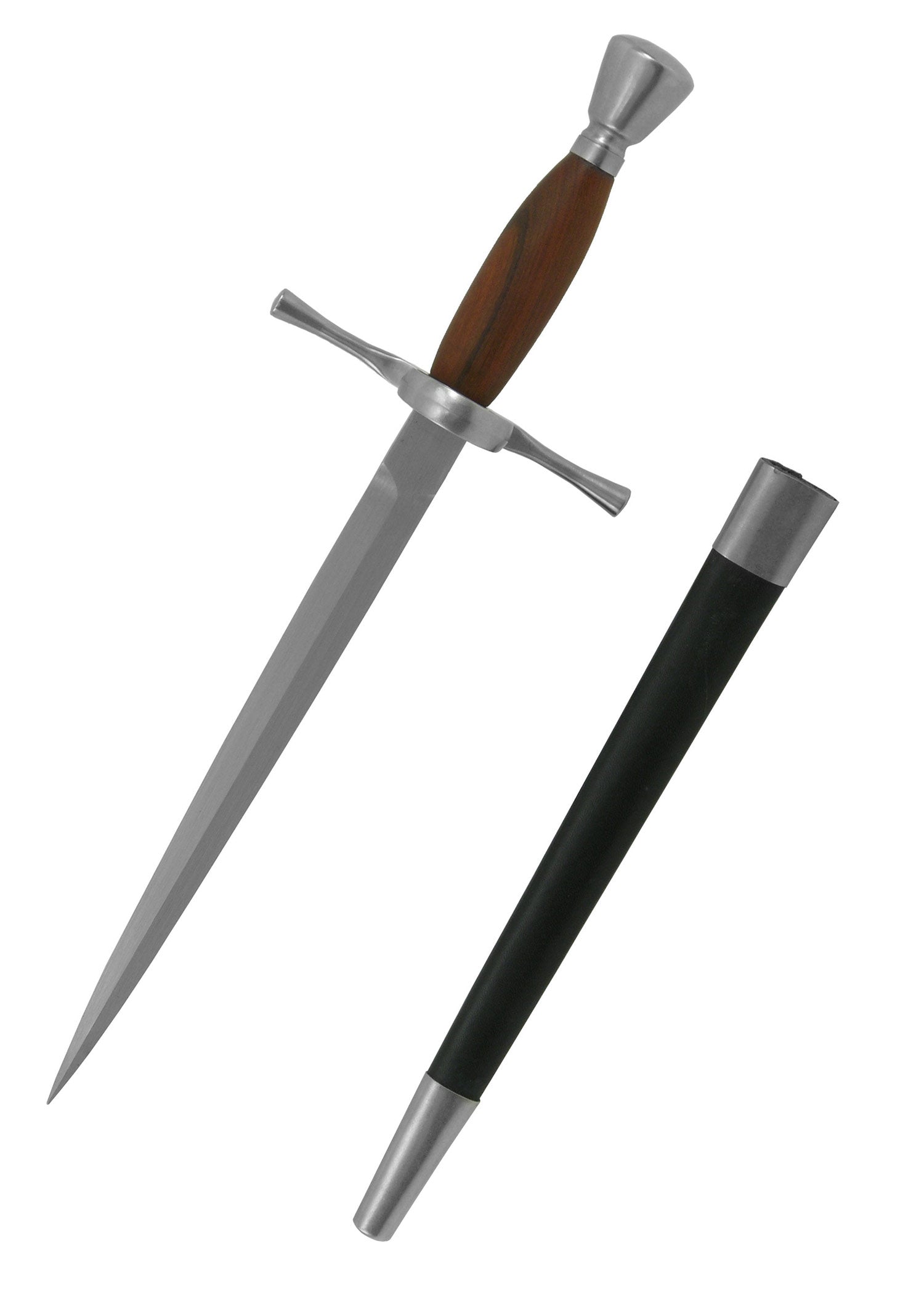
Combat Dagger : Utility weapon in battles or duels, with a double-edged blade for versatility and a sturdy hilt for a firm grip.
-
Cutting dagger : Similar to a short sword, designed for precision slashing and stabbing , often used by soldiers or as a secondary weapon .
-
Ceremonial Dagger : With decorated hilts, often with ornate designs and precious metals, this dagger was more of a status symbol than a fighting weapon.
Materials and manufacturing
-
Forged Steel : The most commonly used material for blades, providing hardness and wear resistance.
-
Metal, wood, or ivory grips : Designed for both functionality and aesthetics, many grips were decorated with period motifs or detailed engravings.
-
Ornate guards : Often crafted from brass, bronze or silver , with designs that ranged from simple to decorated with mythological scenes or family emblems.
-
Pommels and Ornaments : The pommels of Renaissance daggers often featured battle scenes, symbols of power, or gold or silver detailing to reflect the status of the wielder.
Differences with data from other times and cultures
-
Refined and decorative design : Unlike medieval daggers, Renaissance daggers are designed to be more elegant and stylized , as well as being status symbols.
-
Increased functionality : Renaissance daggers were improved in terms of their ergonomic design , making them more comfortable and effective in close-range combat.
-
Use as a personal accessory : In the Renaissance, daggers were not only used in combat, but also as a fashion accessory , worn as part of everyday or ceremonial attire.
Renaissance daggers were the perfect combination of practicality, beauty, and symbolism . Whether you're looking for replicas of combat, ceremonial, or stiletto daggers for historical reenactment, collecting, or display , at Medieval Shop you'll find pieces that evoke the majesty and style of the Renaissance.
