


























Renaissance armor: elegance and protection in combat
During the Renaissance (15th and 16th centuries) , armor continued to evolve, adapting to changes in combat tactics and the growing importance of gunpowder and firearms. As battles became more dynamic, Renaissance armor combined style, functionality, and protection , offering lighter, more flexible defense while maintaining essential protection.
Main types of Renaissance armor
-
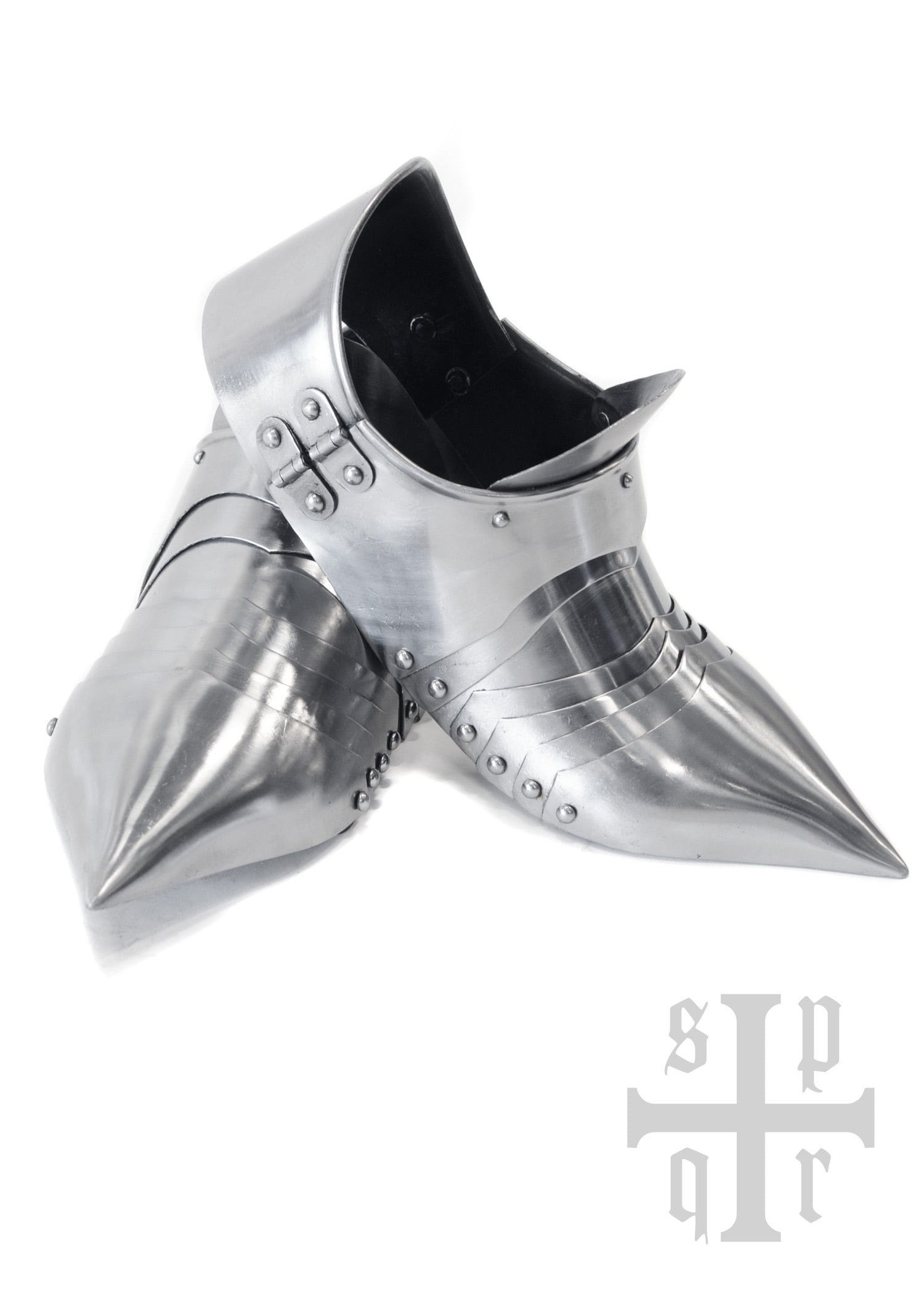
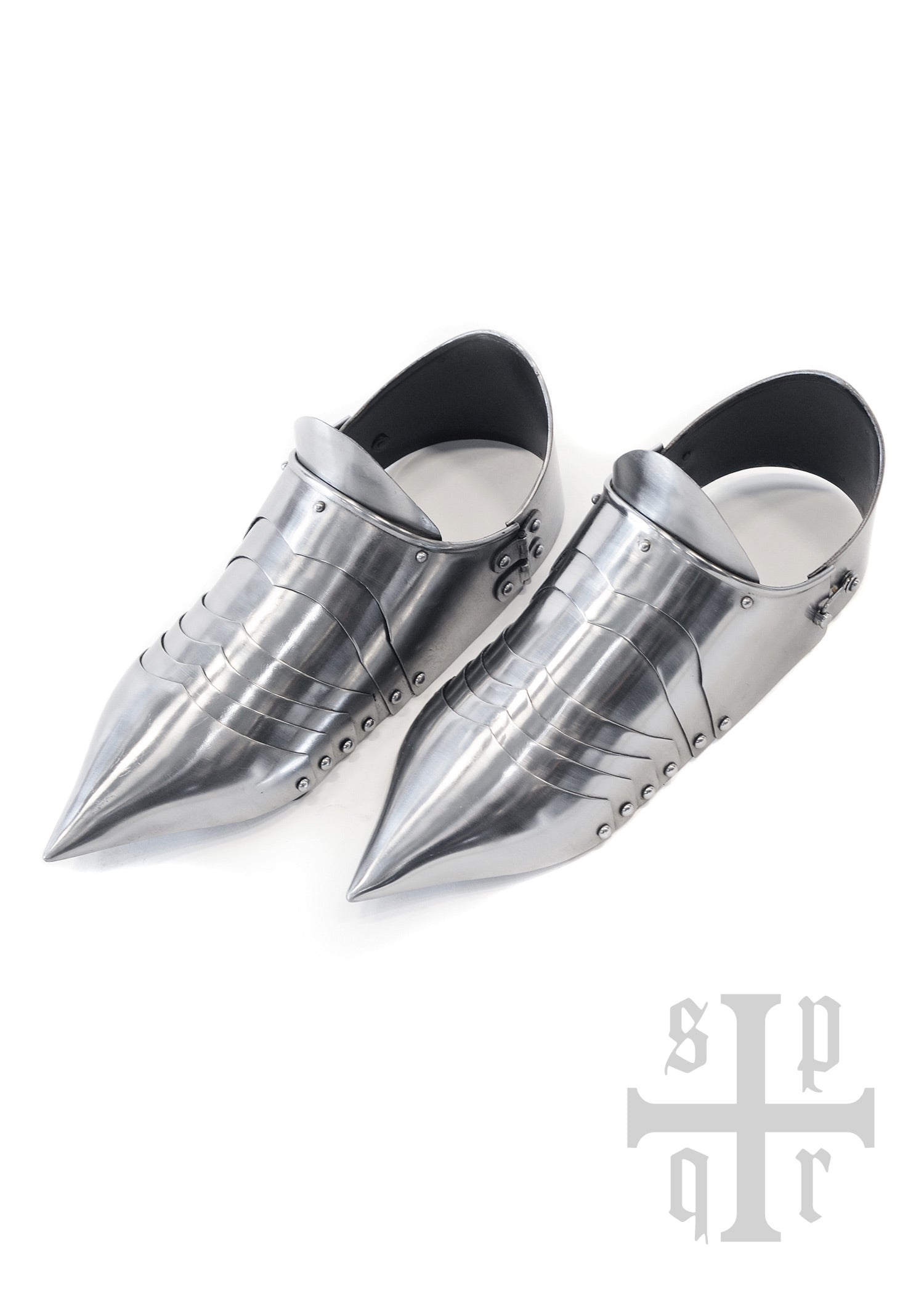
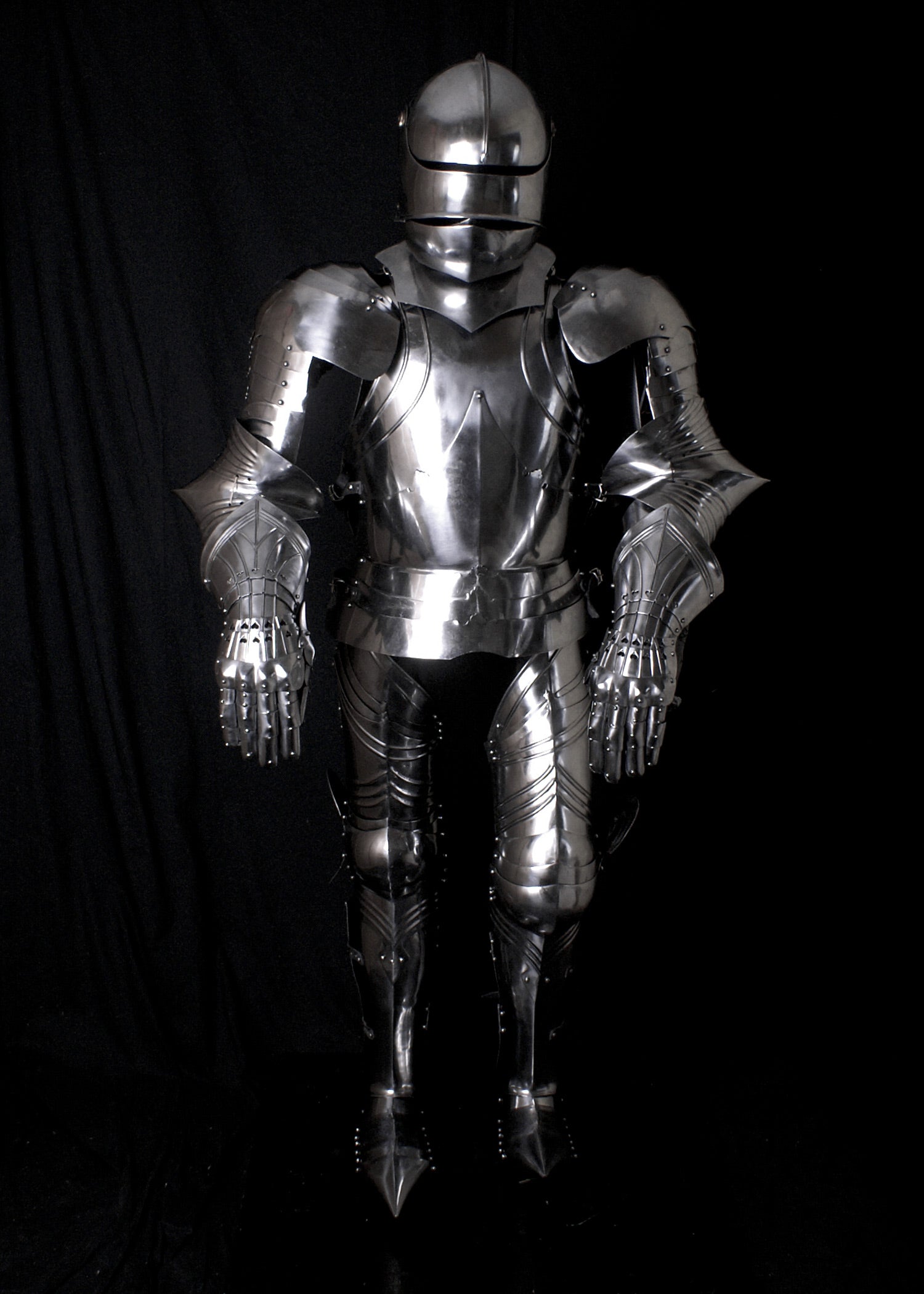
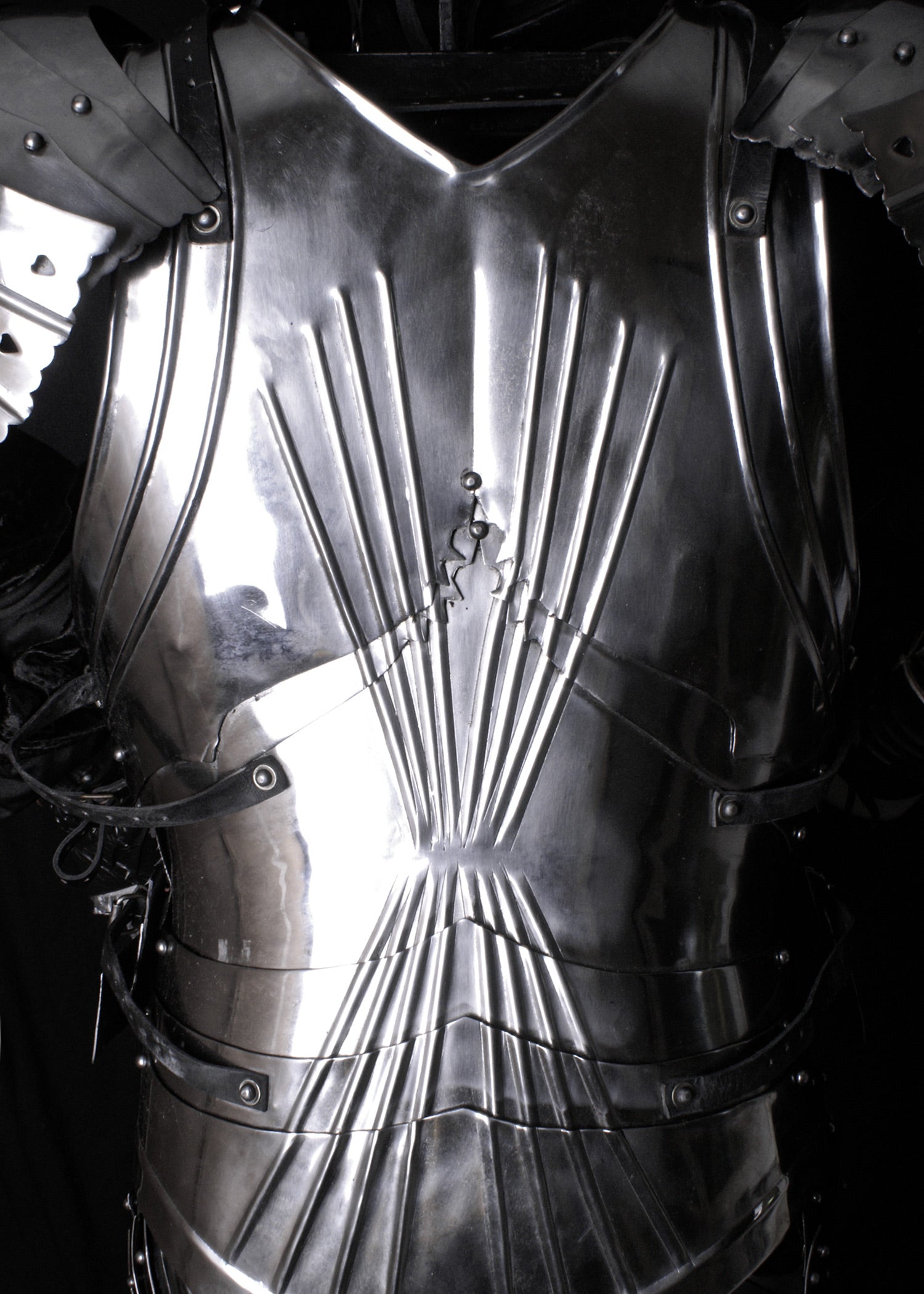
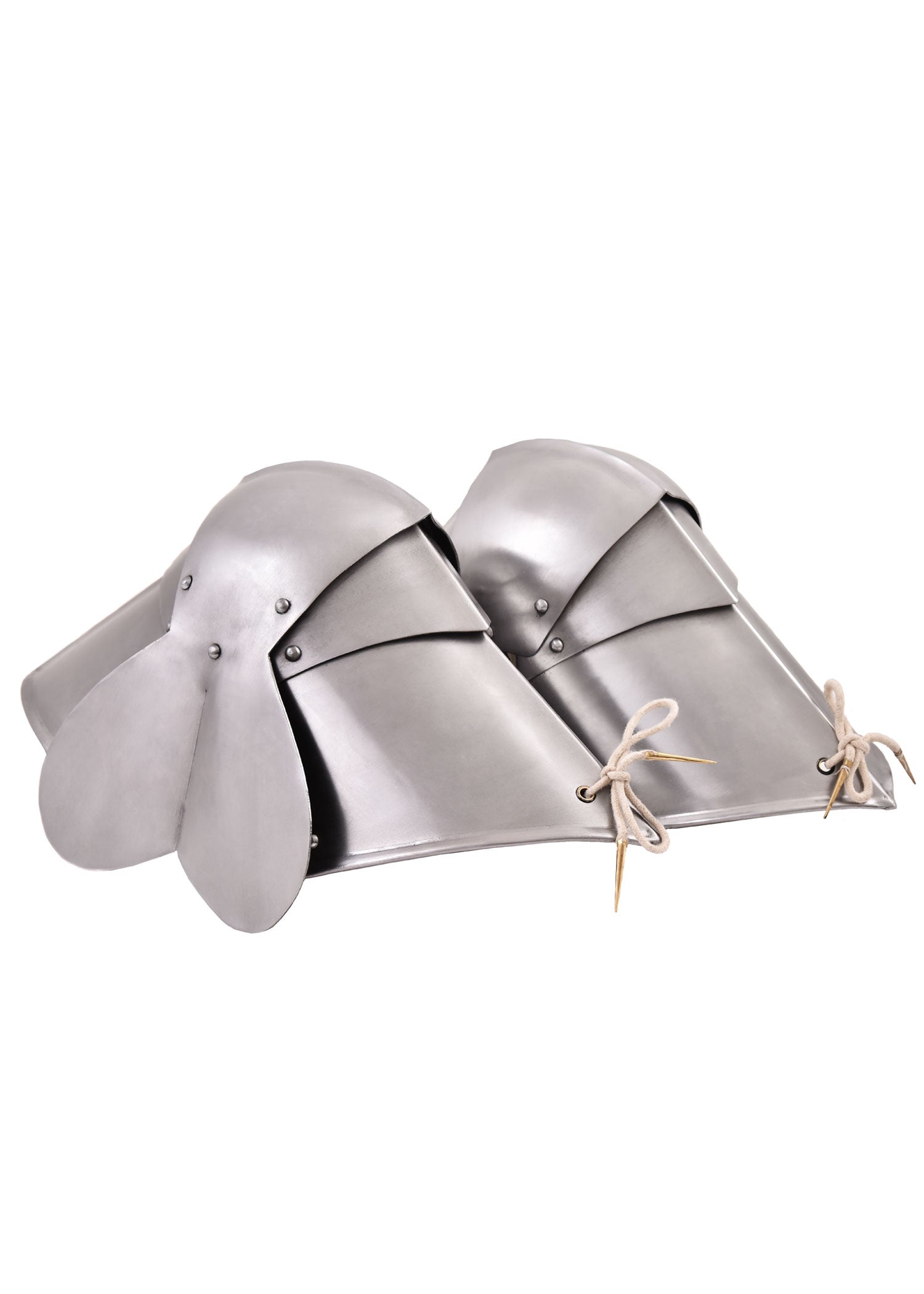
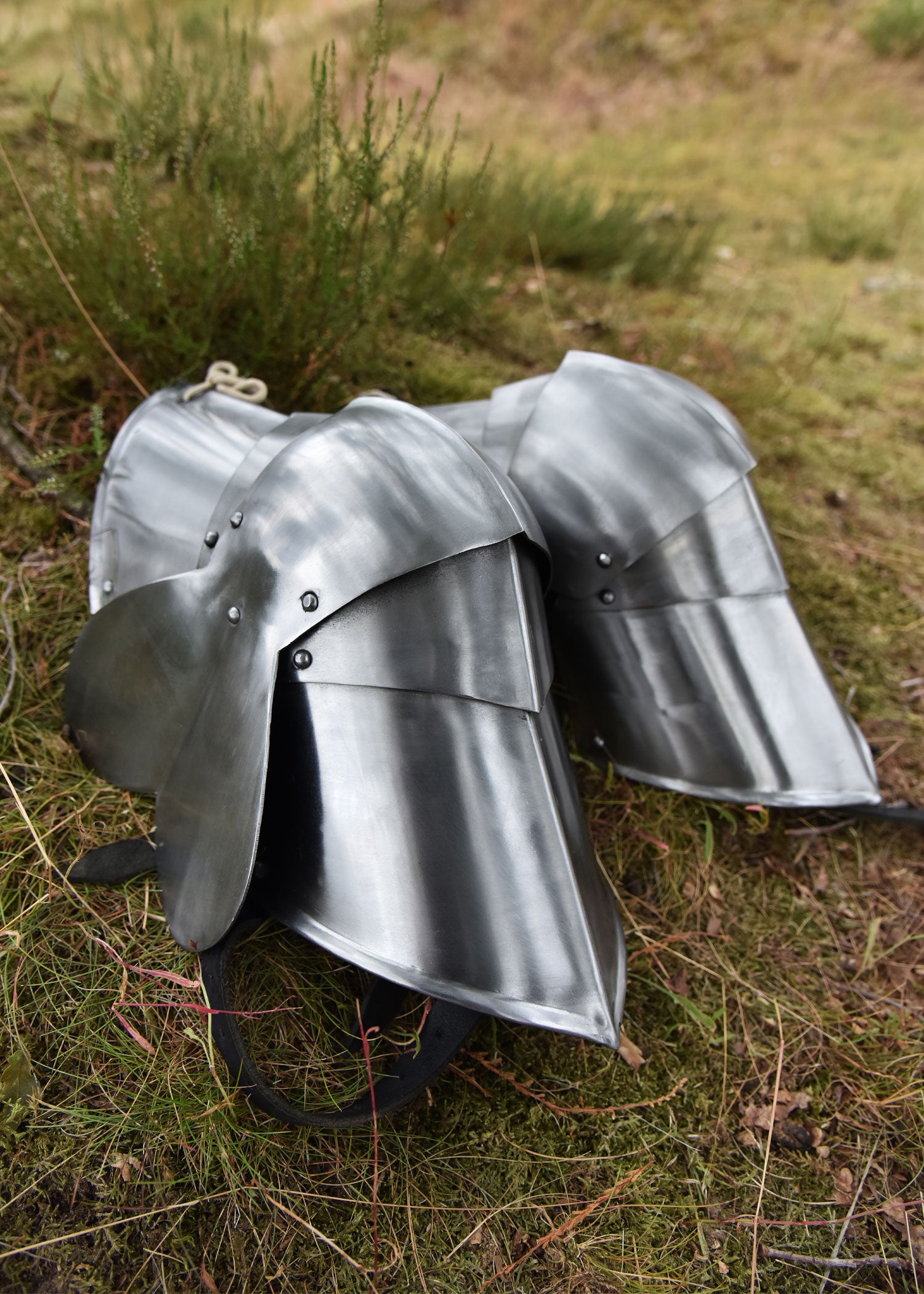
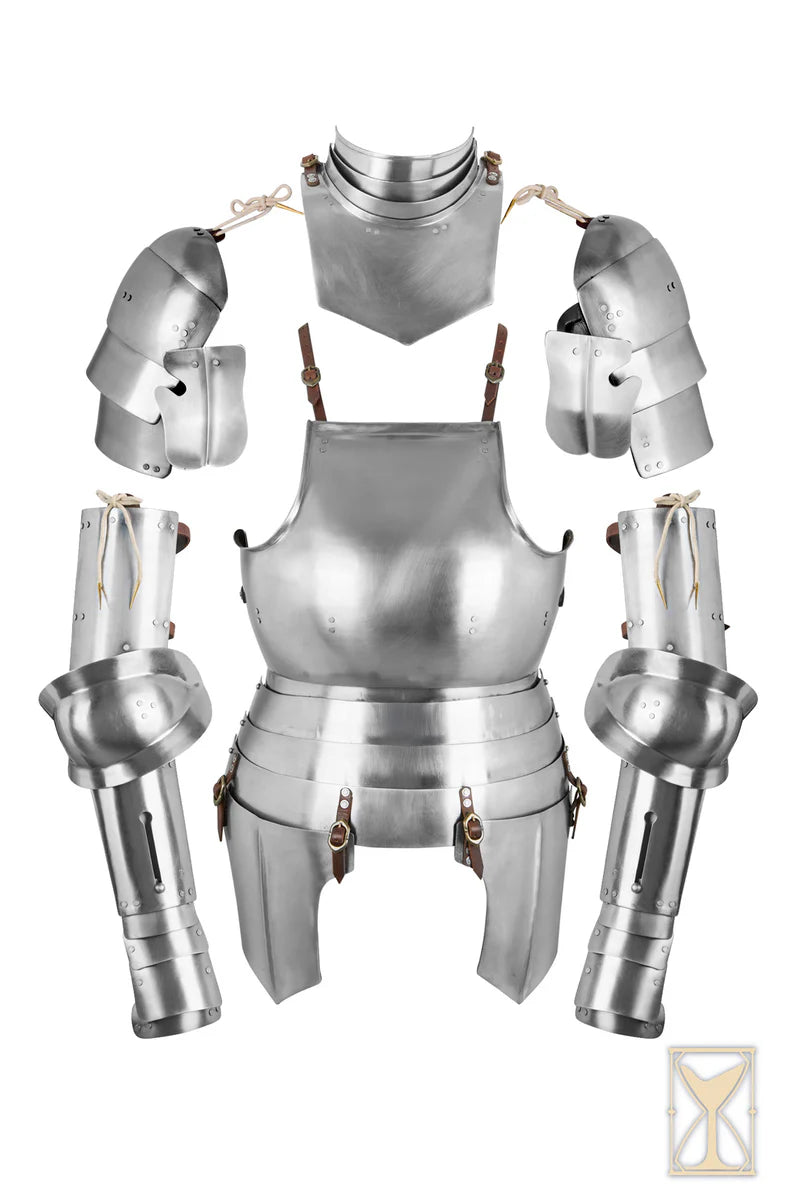
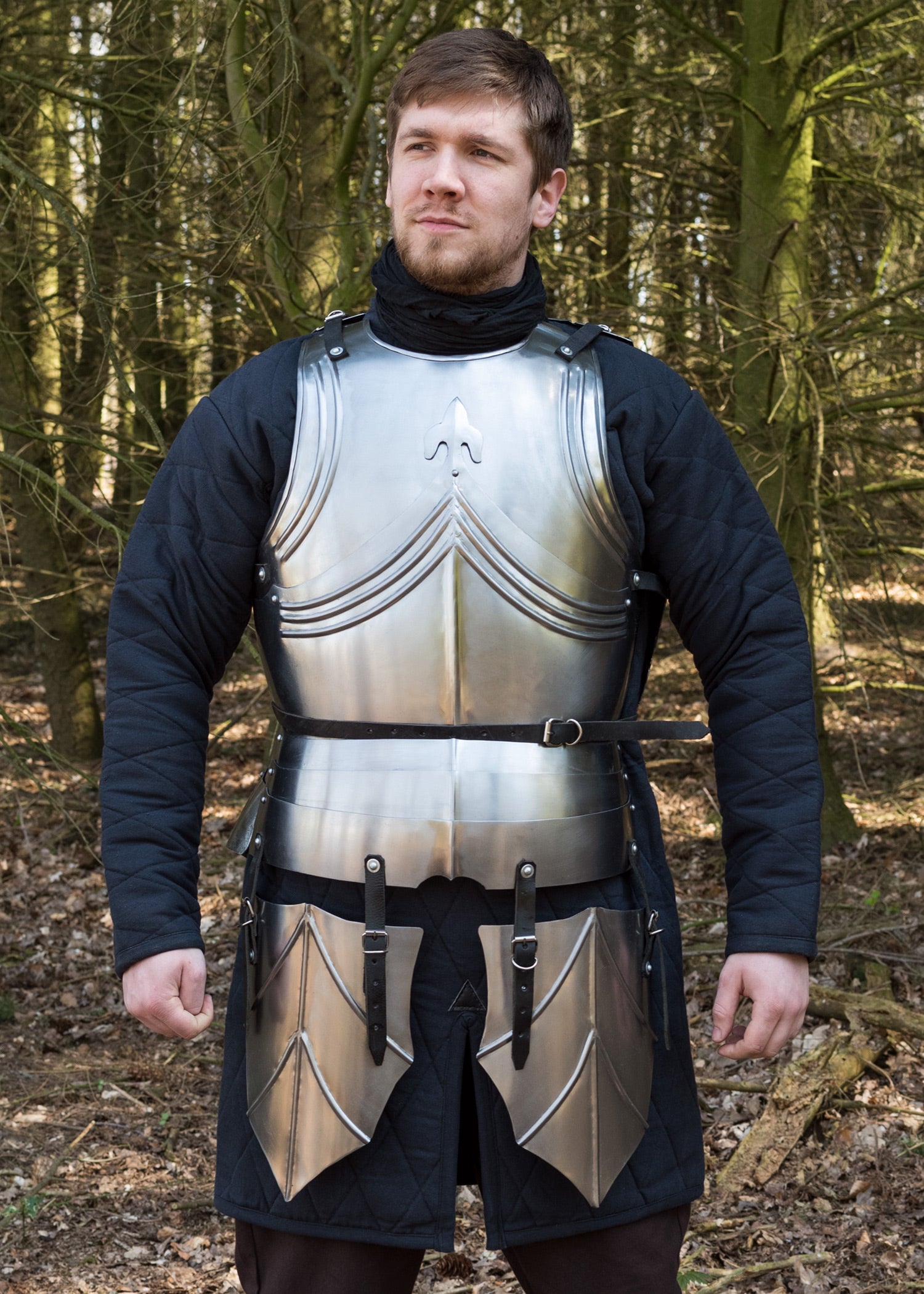
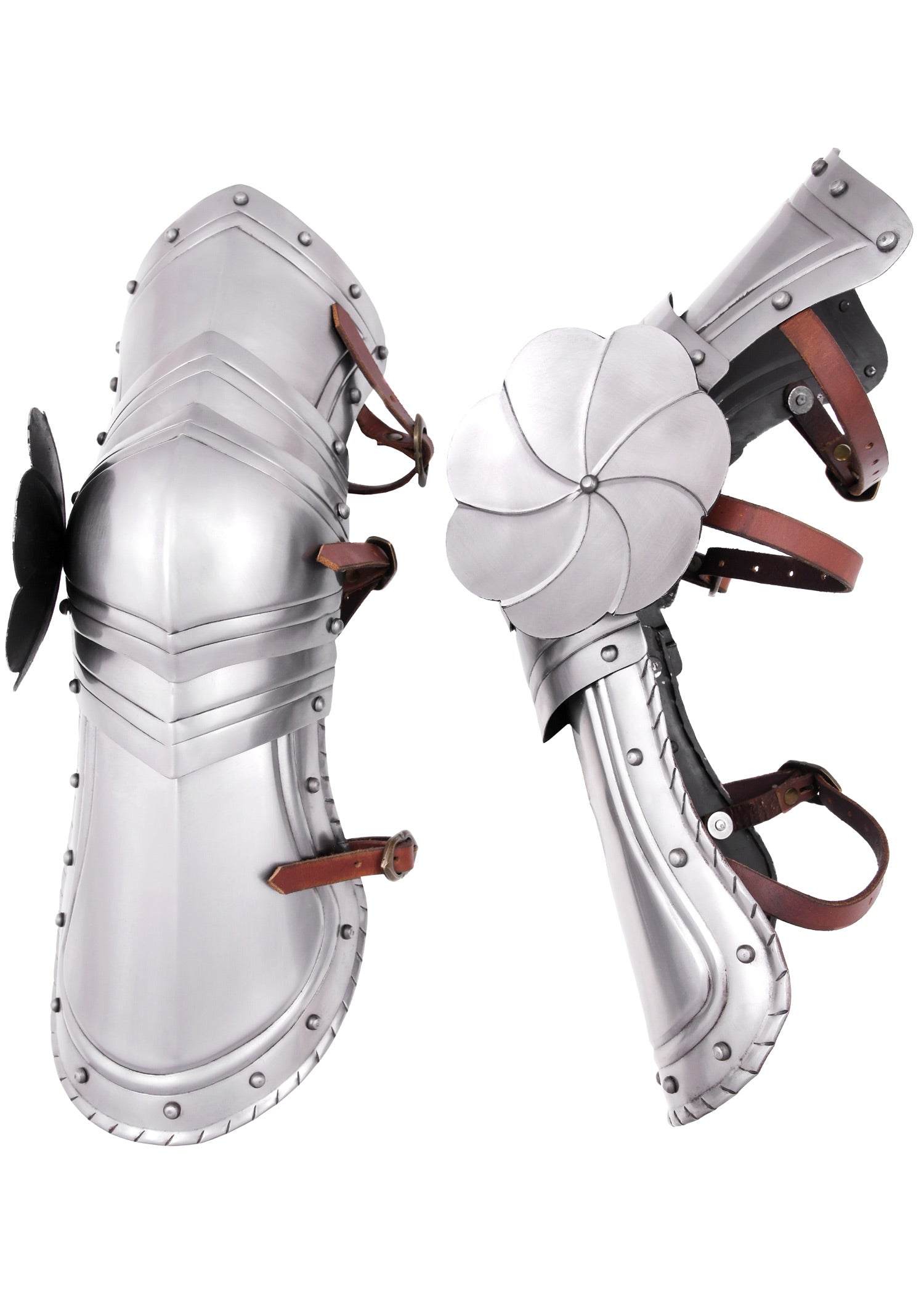
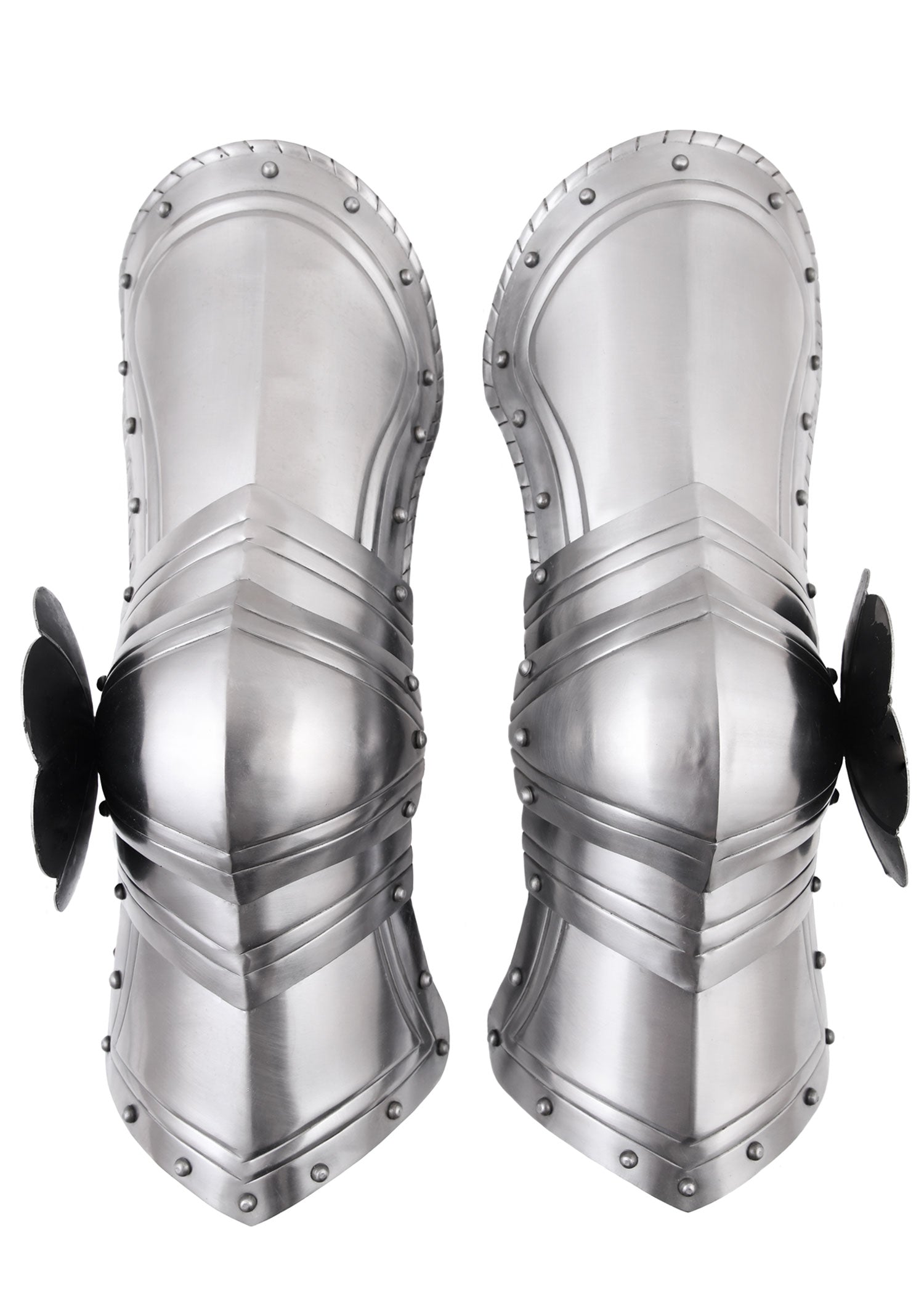
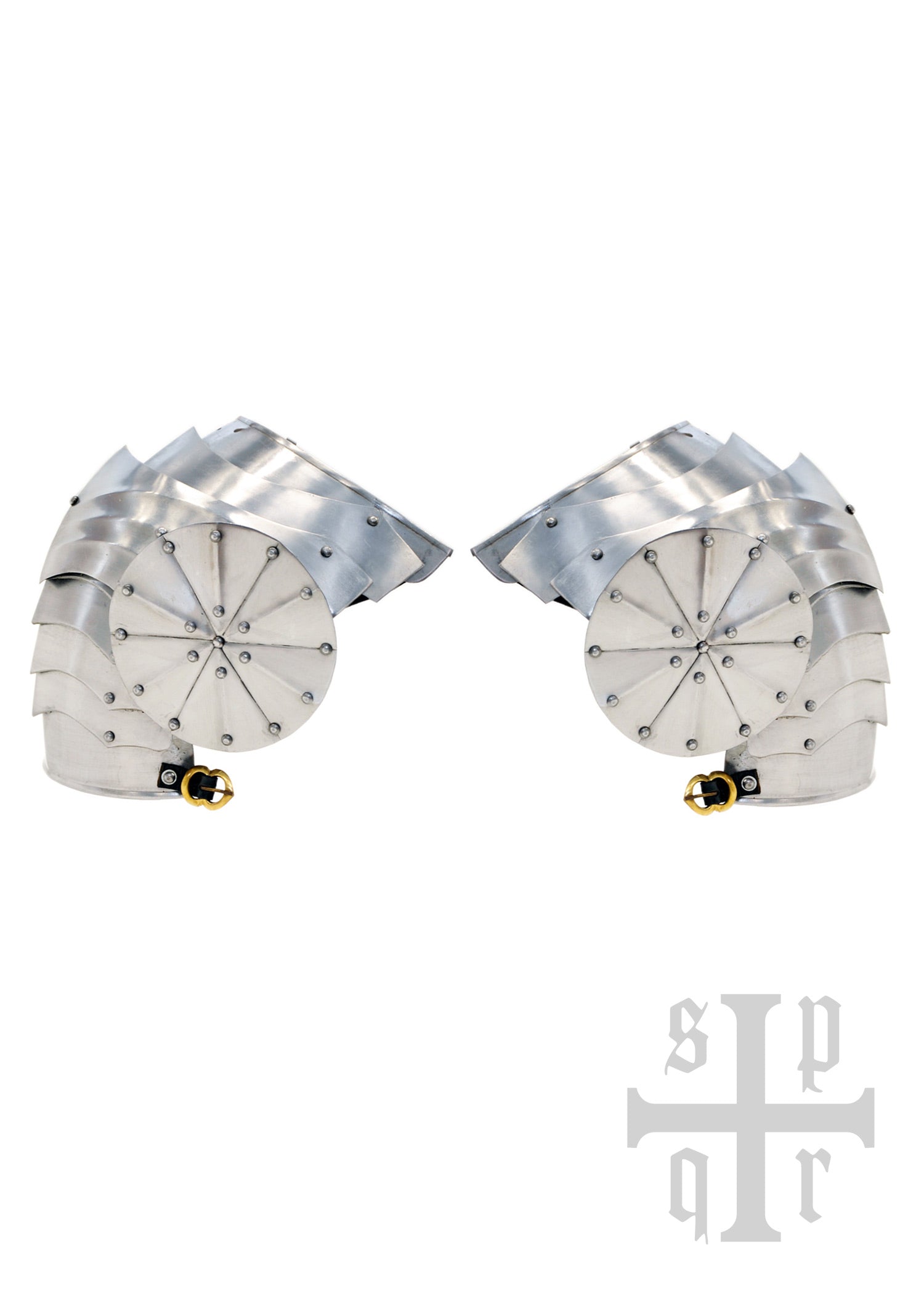
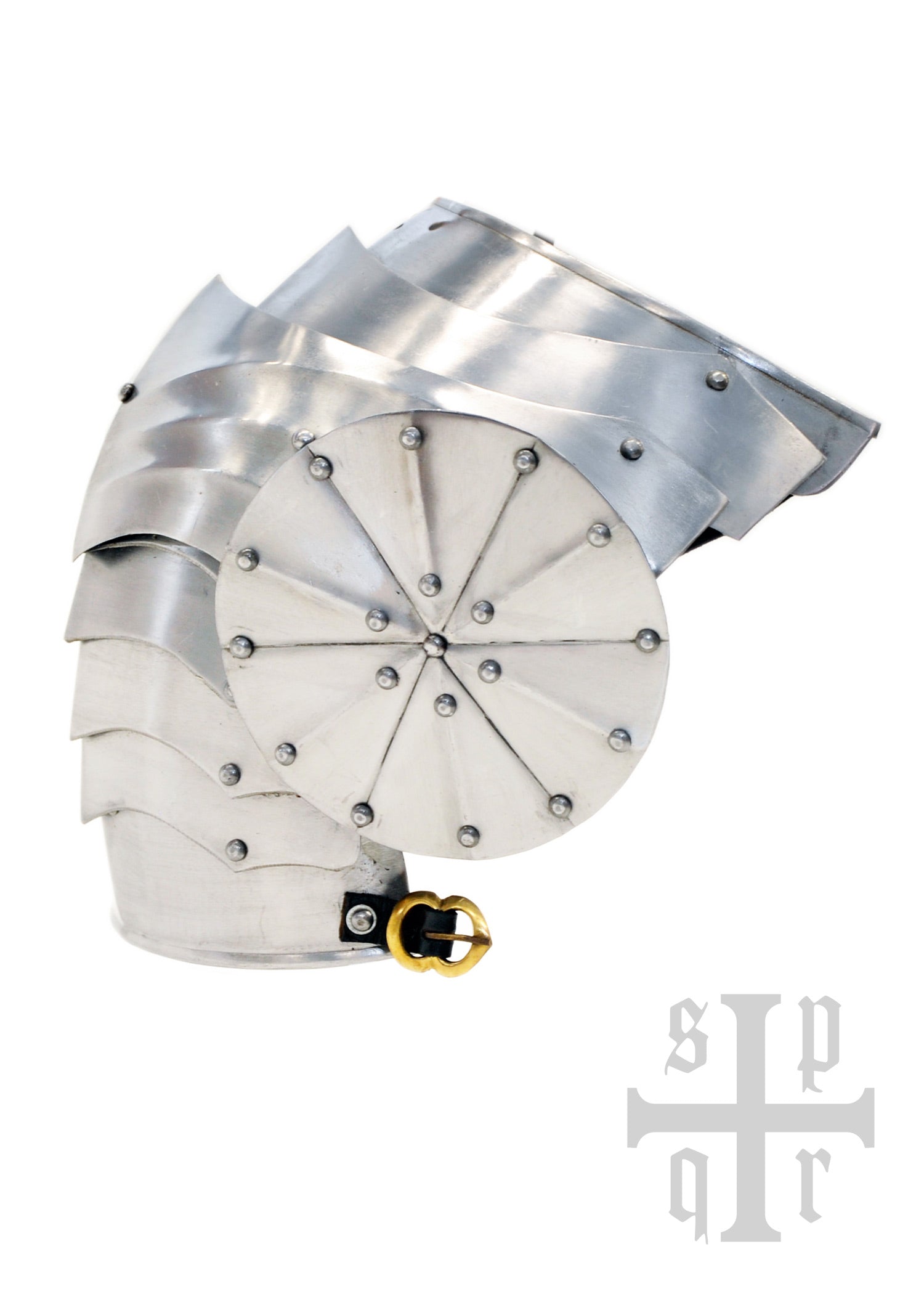
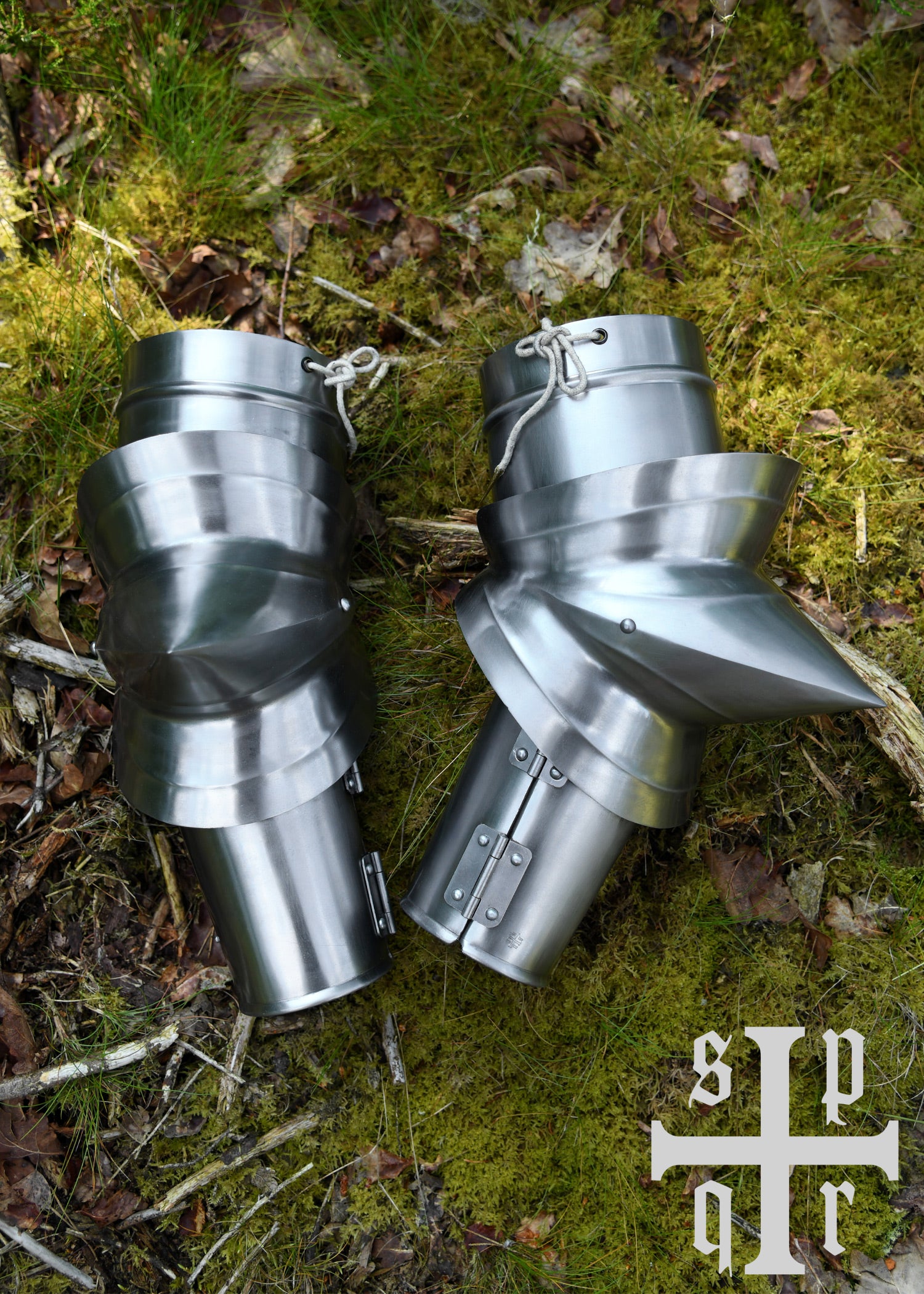
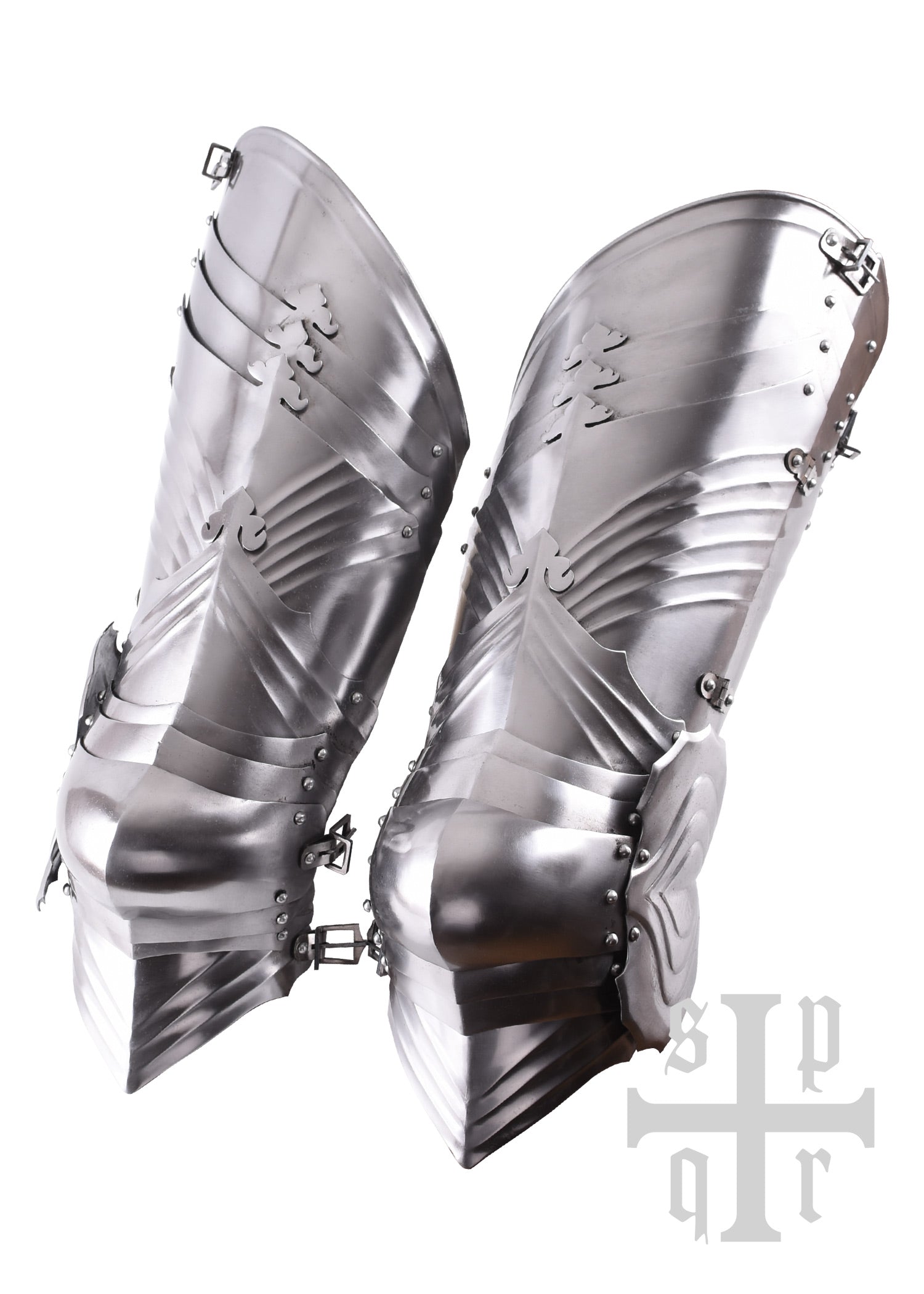
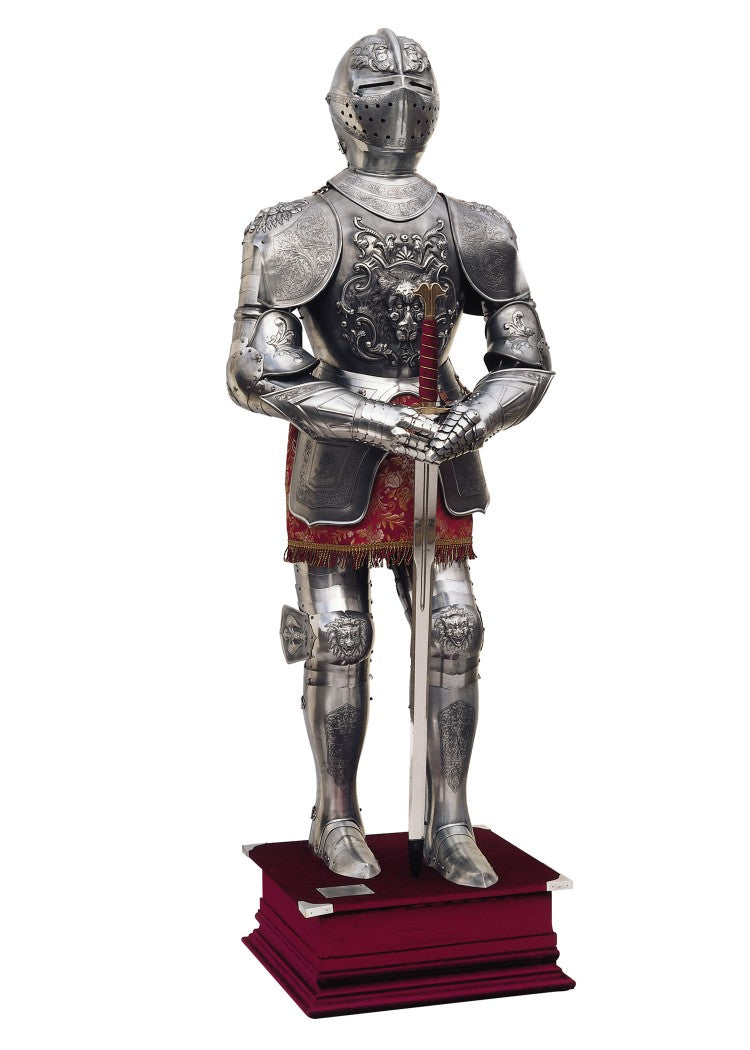
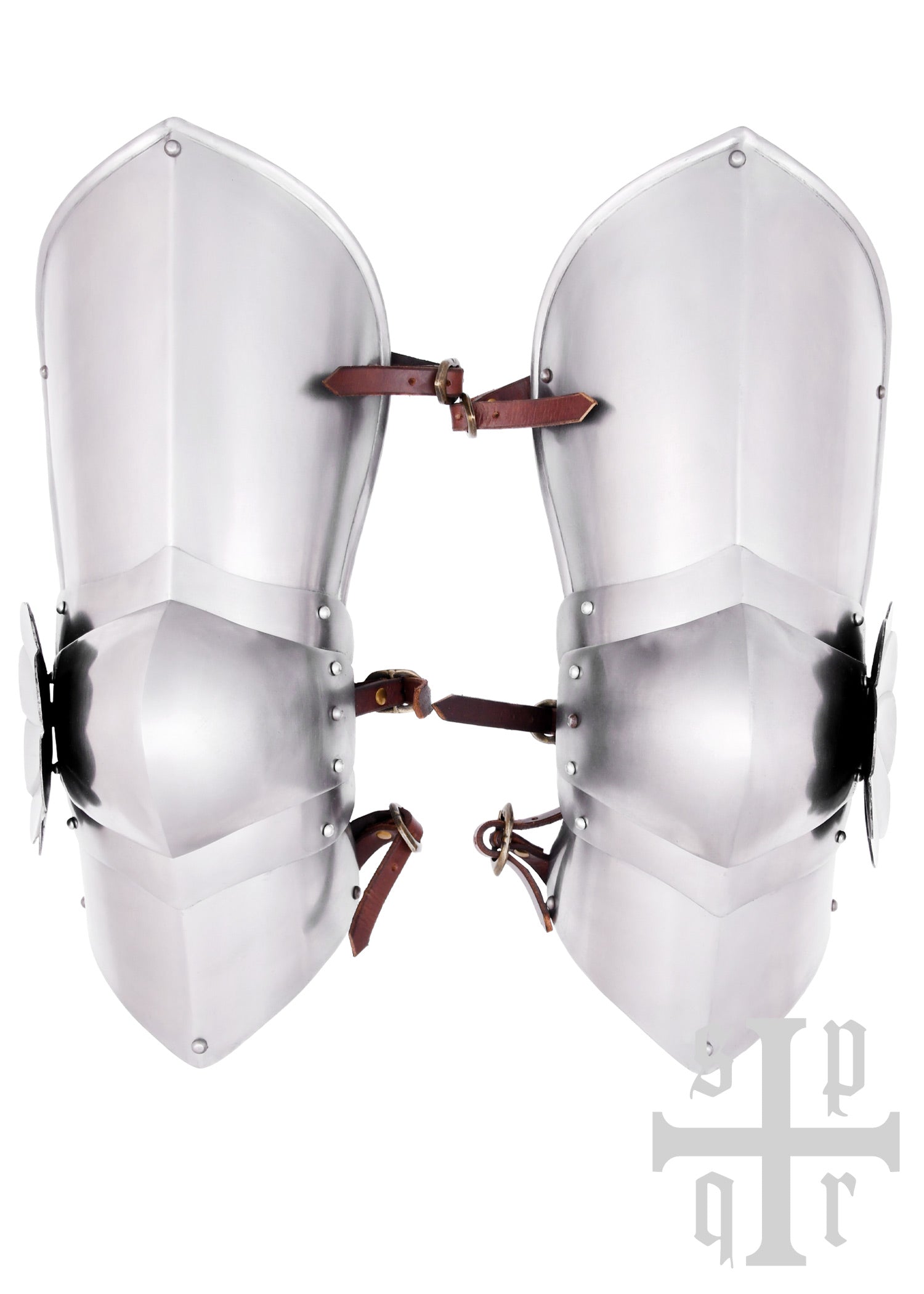
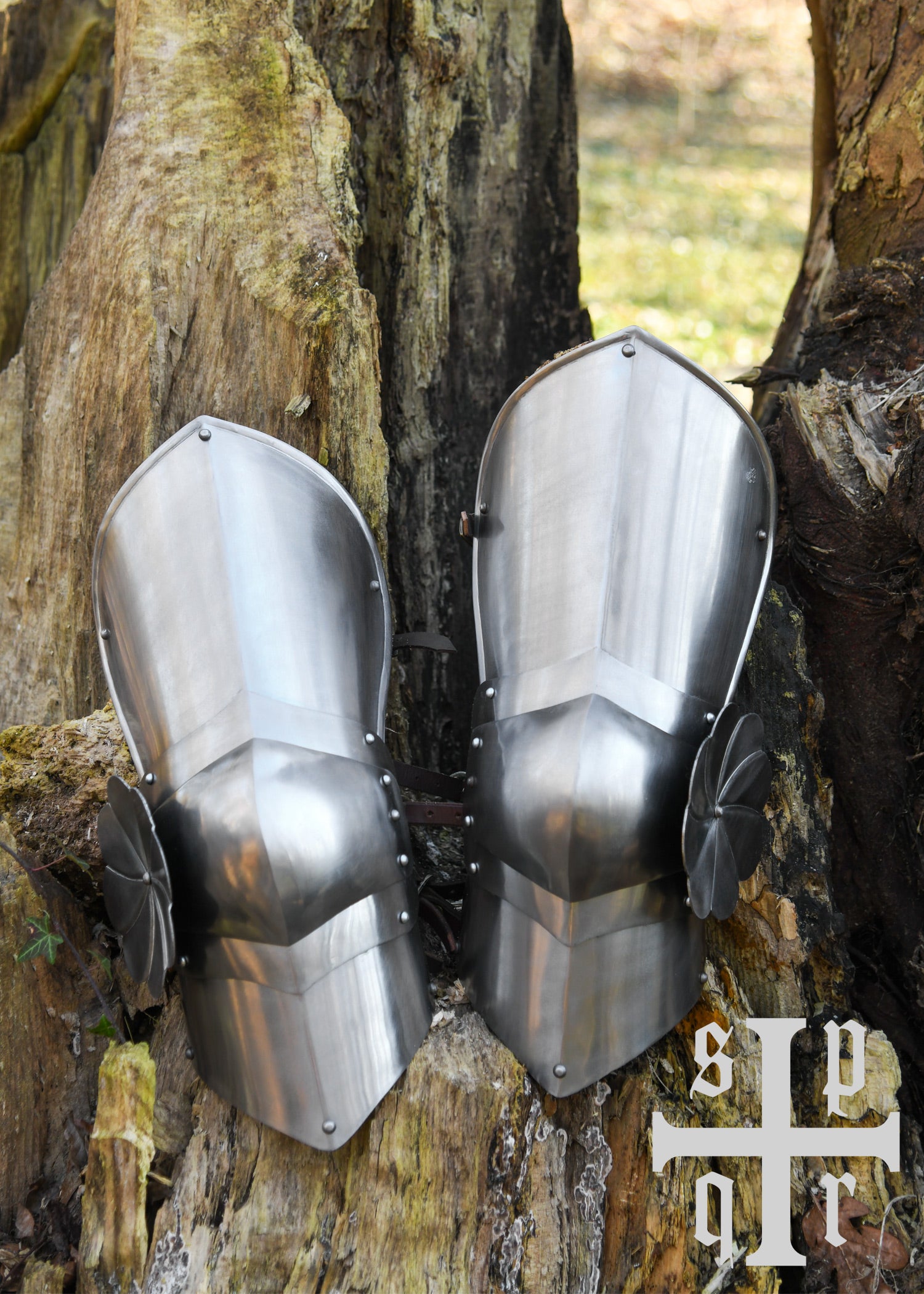
Plate armor : Popularized by knights, it consisted of body-conforming steel pieces that provided great protection . These armors were specially designed to withstand the impact of firearms.
-
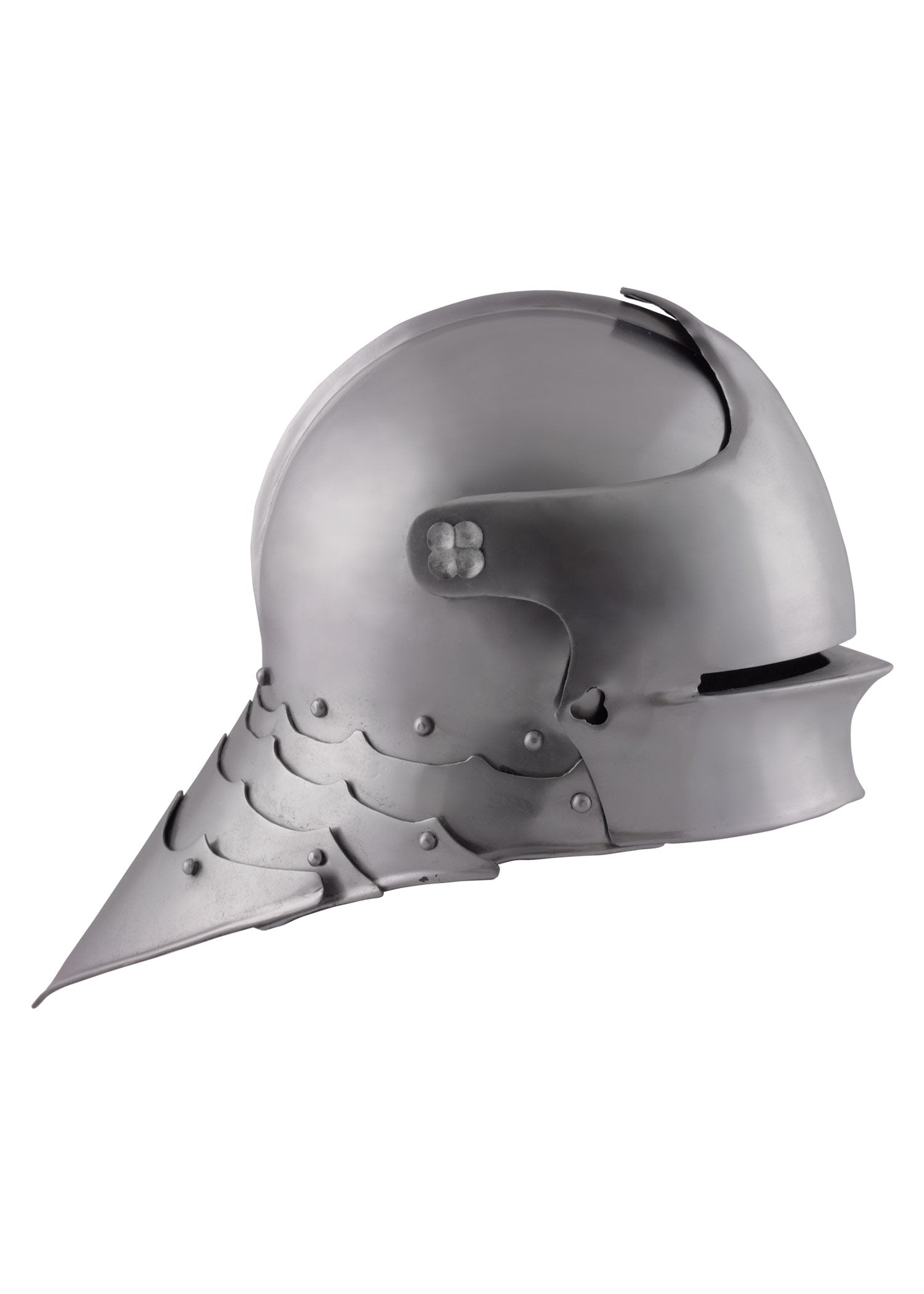
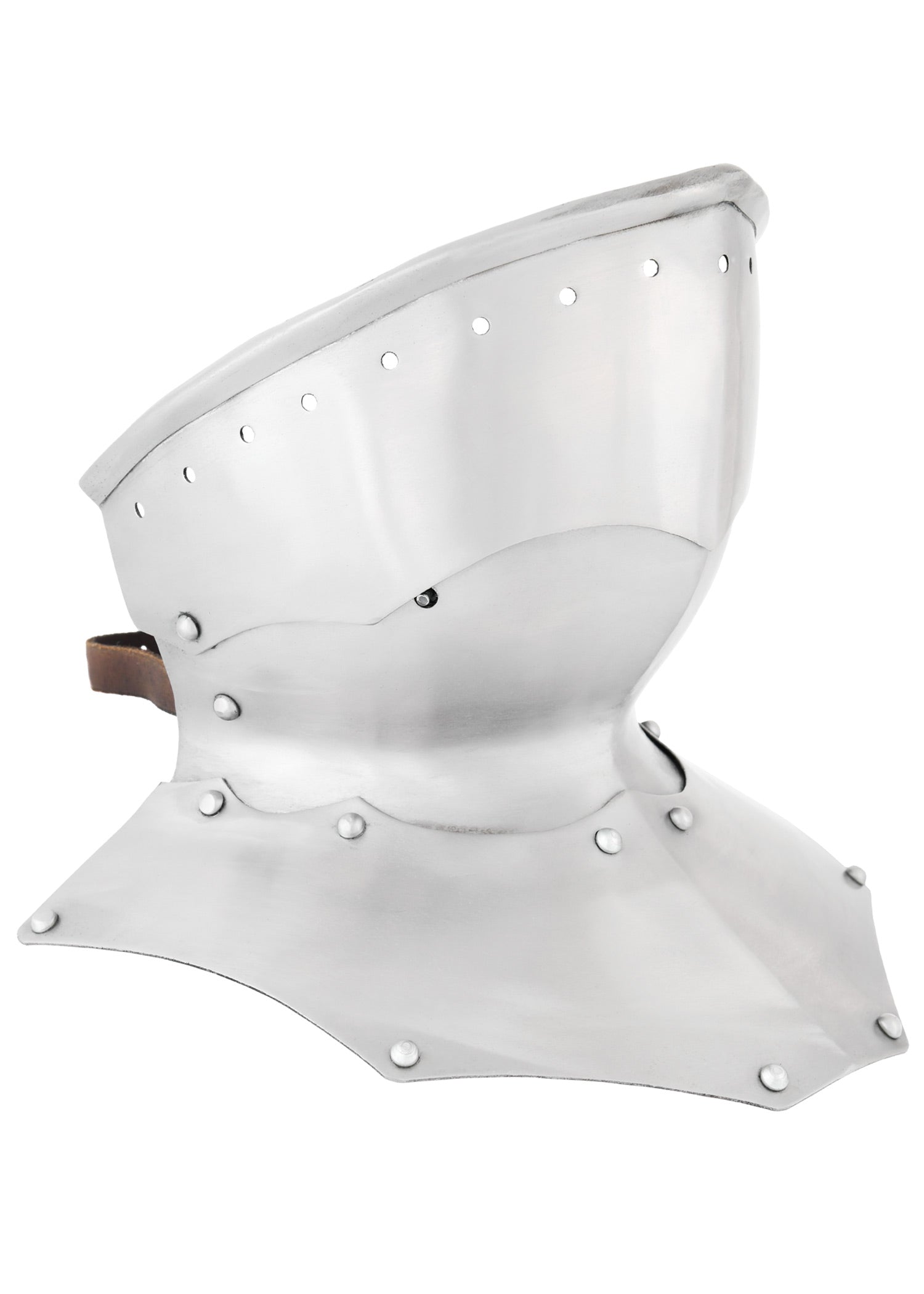
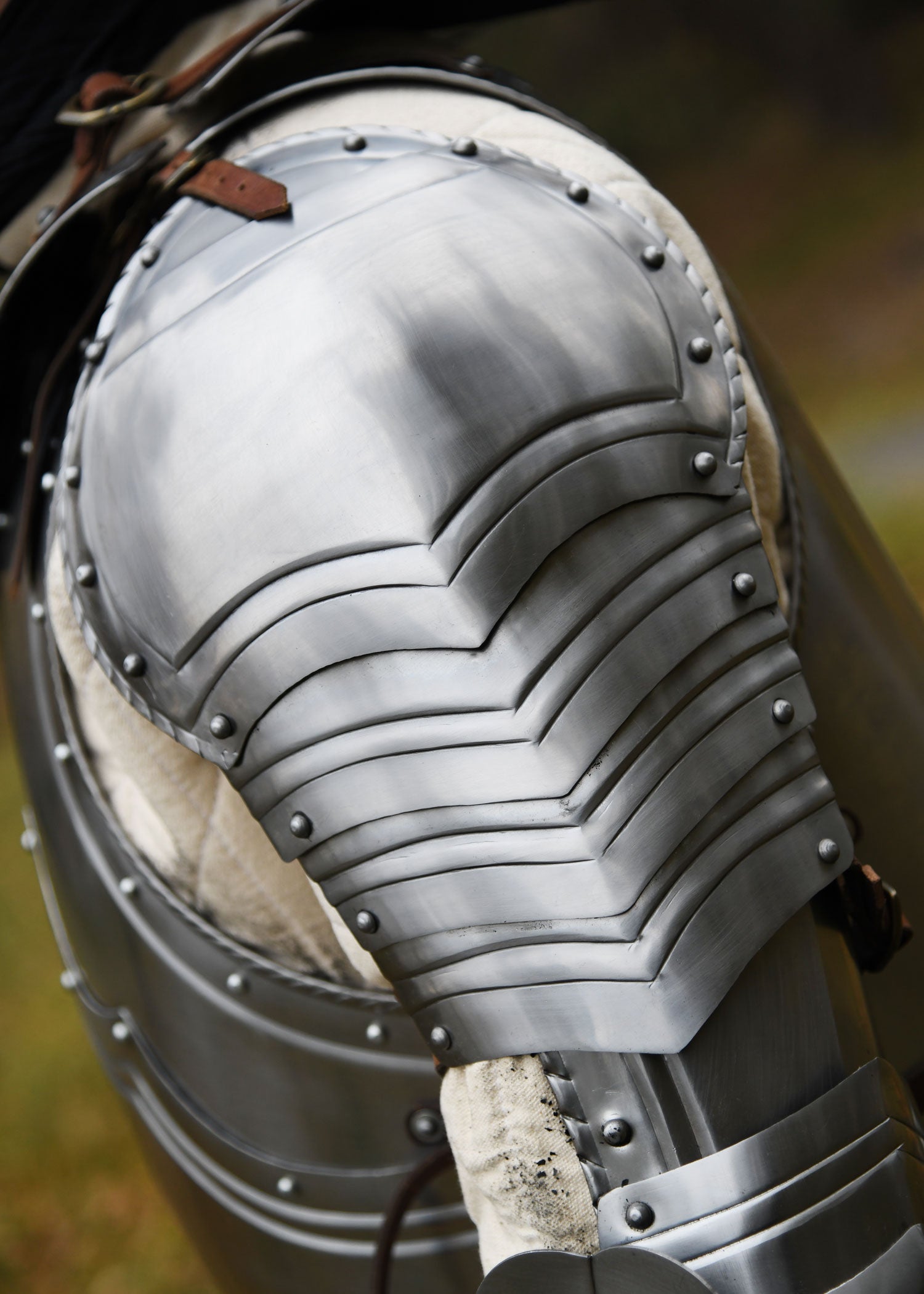
Heavy cavalry armor : Intended for knights, it completely covered the rider with articulated plates that allowed a certain degree of mobility , ideal for combat on horseback.
-
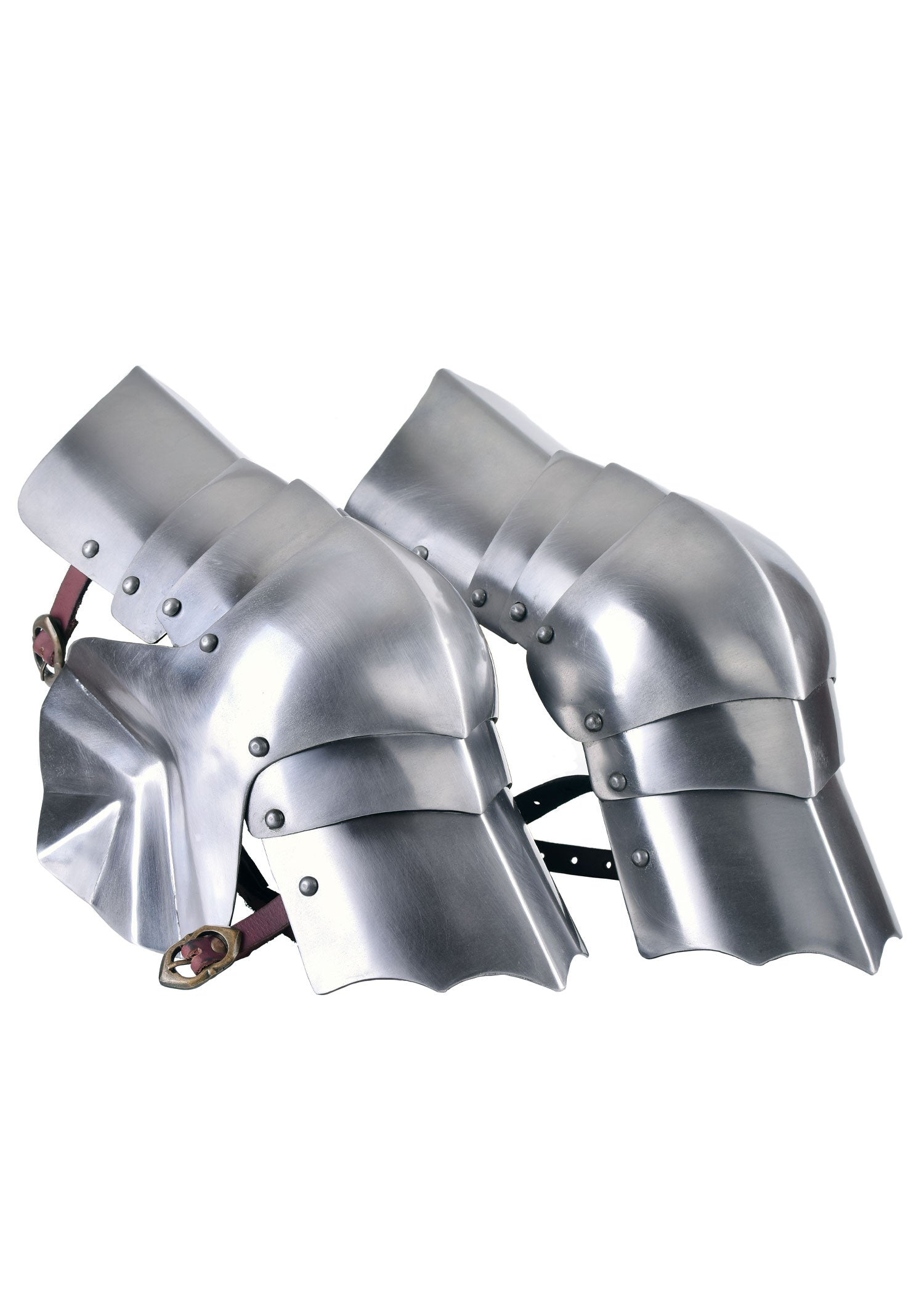
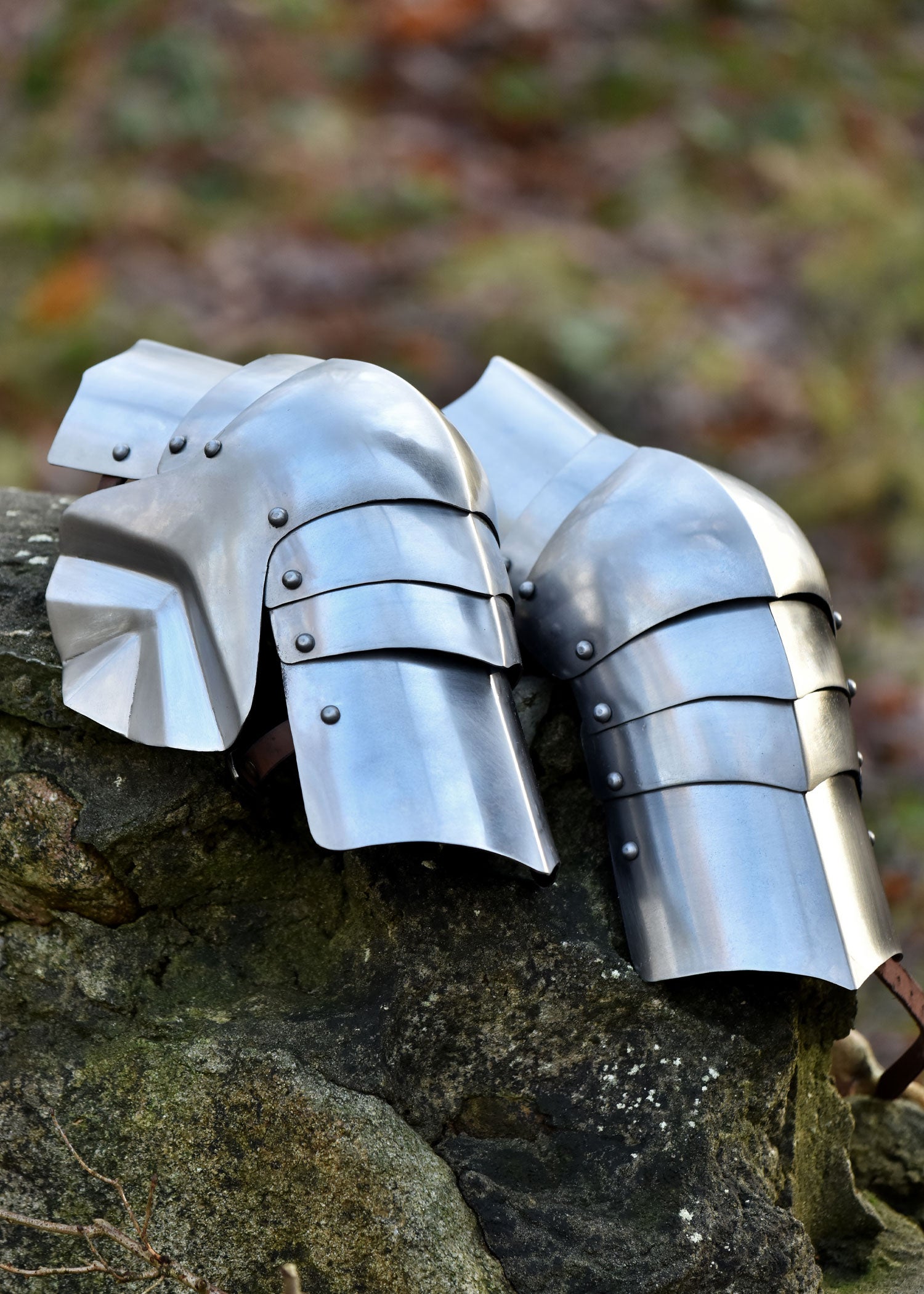
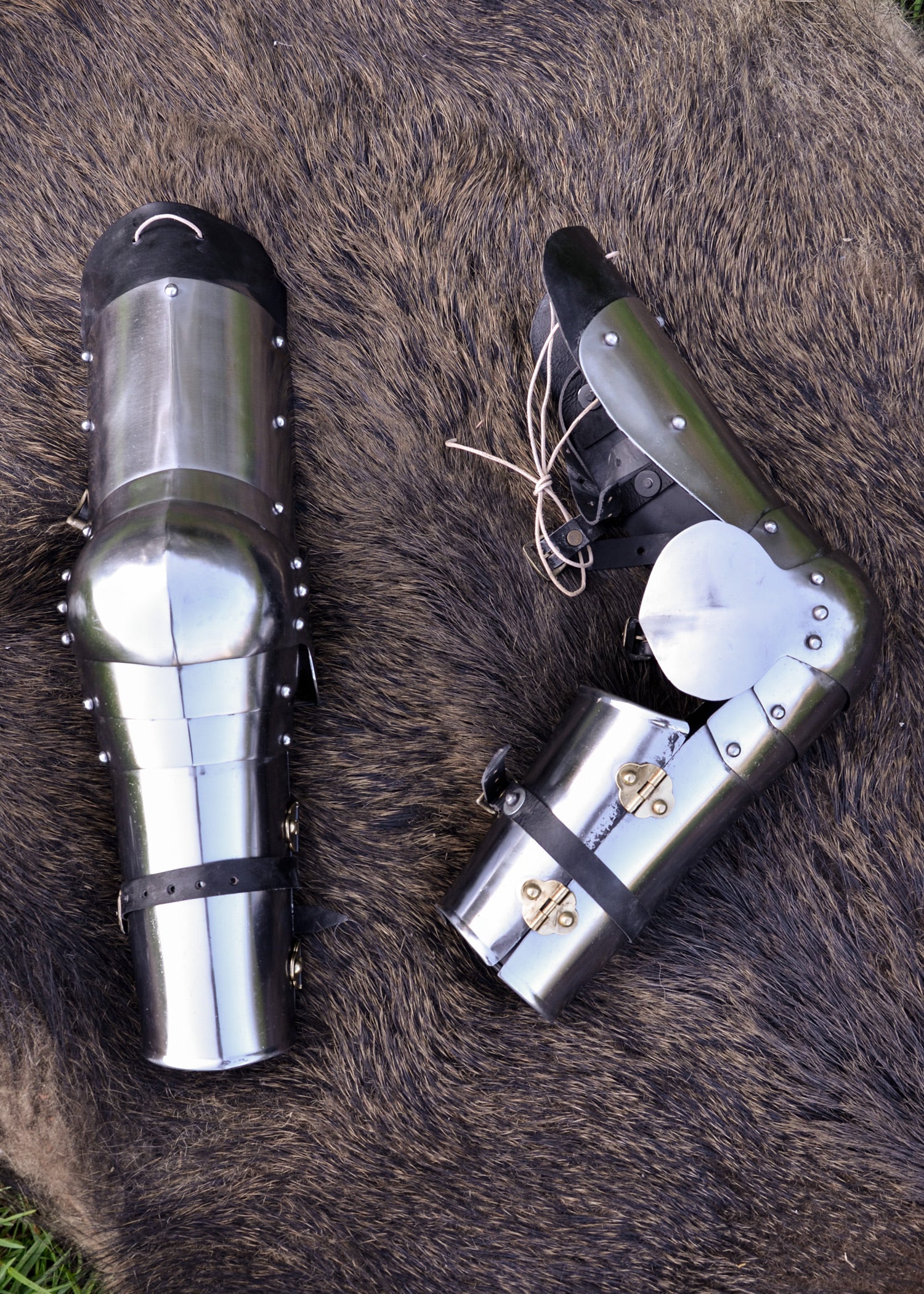
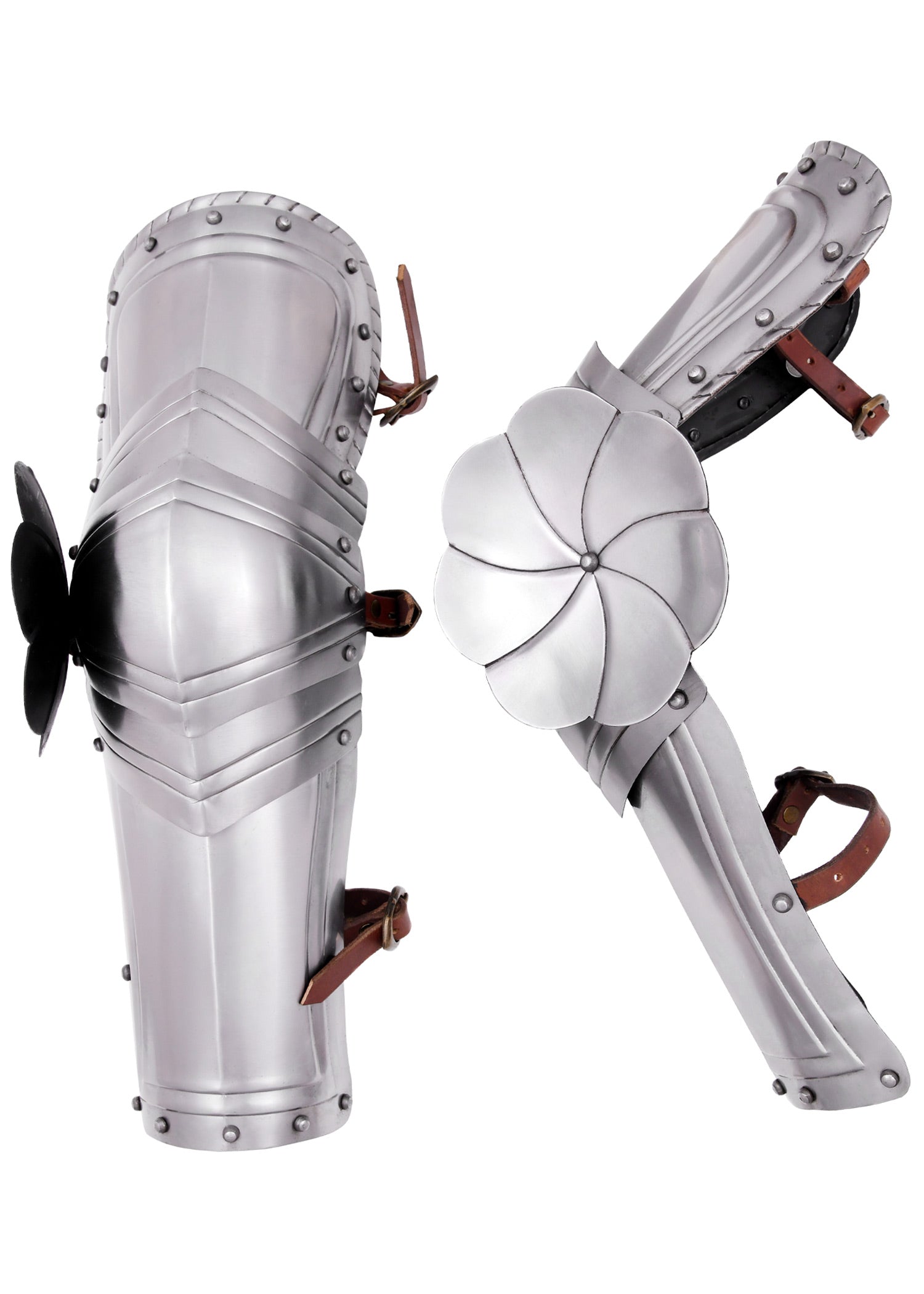
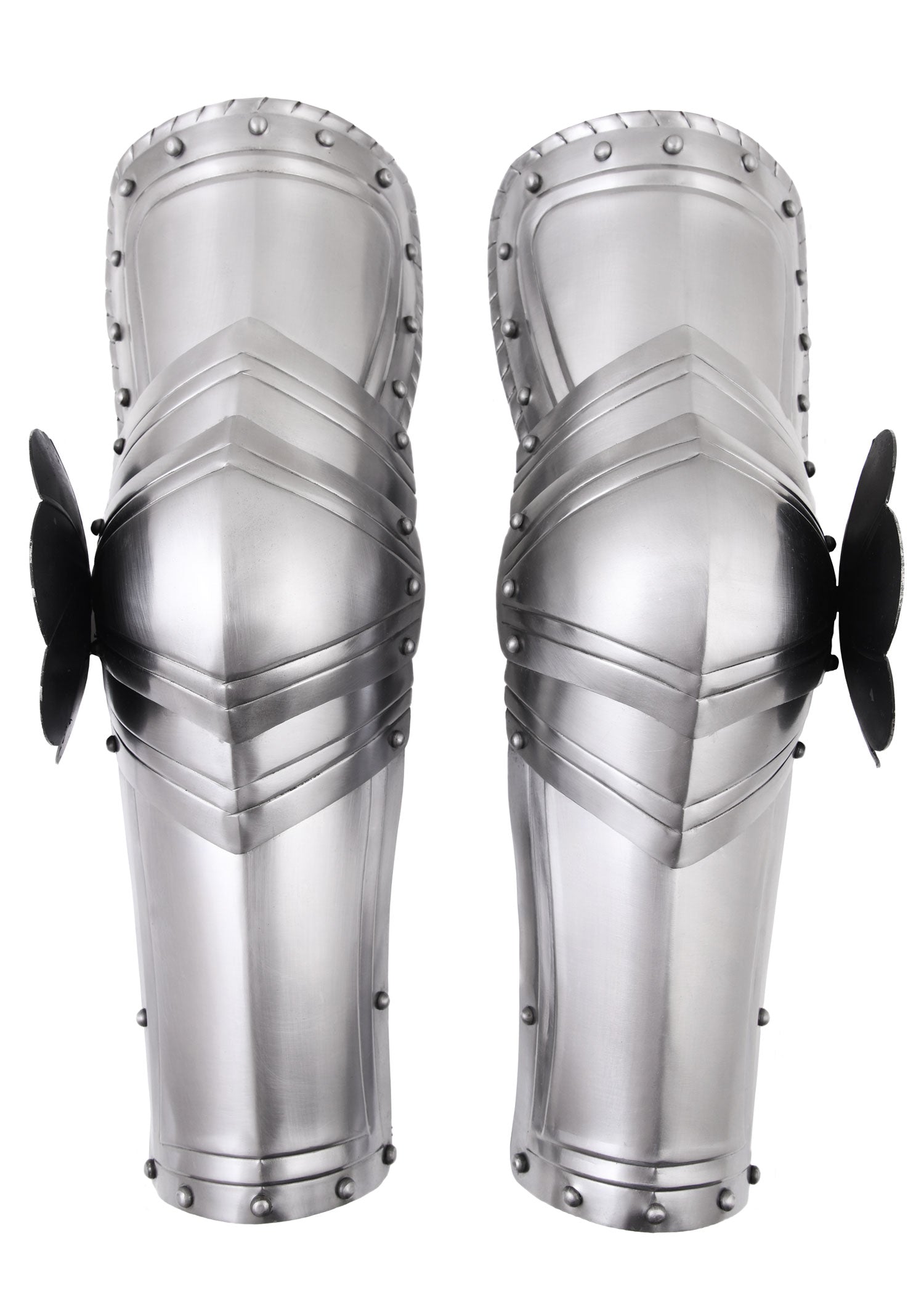
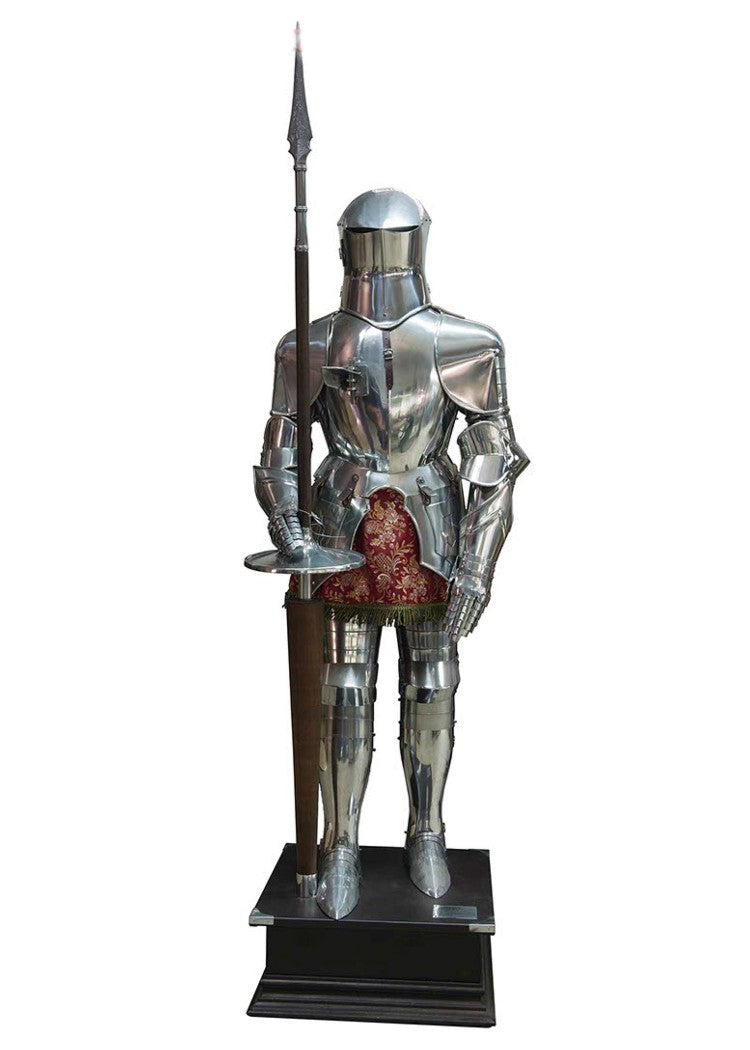
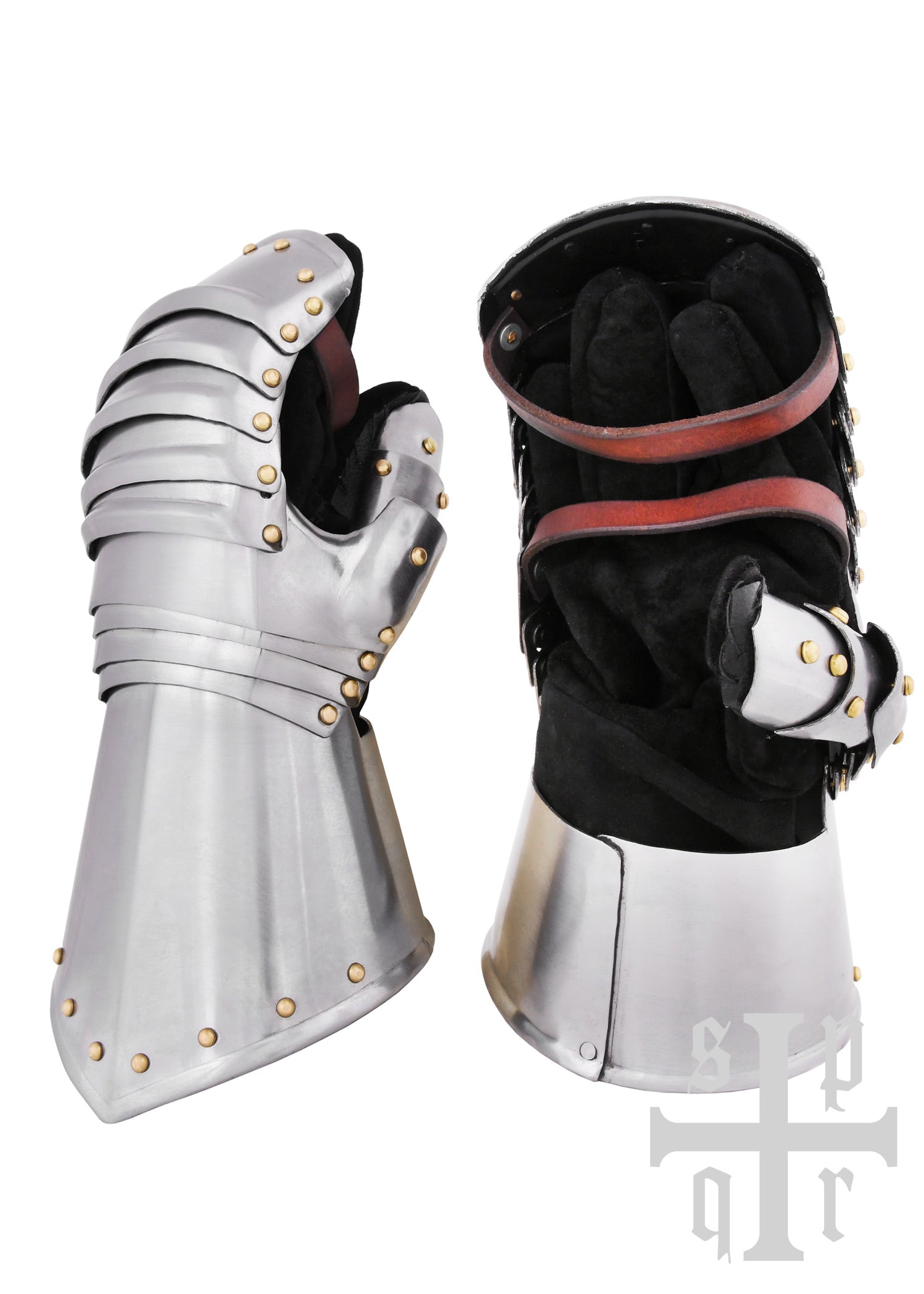
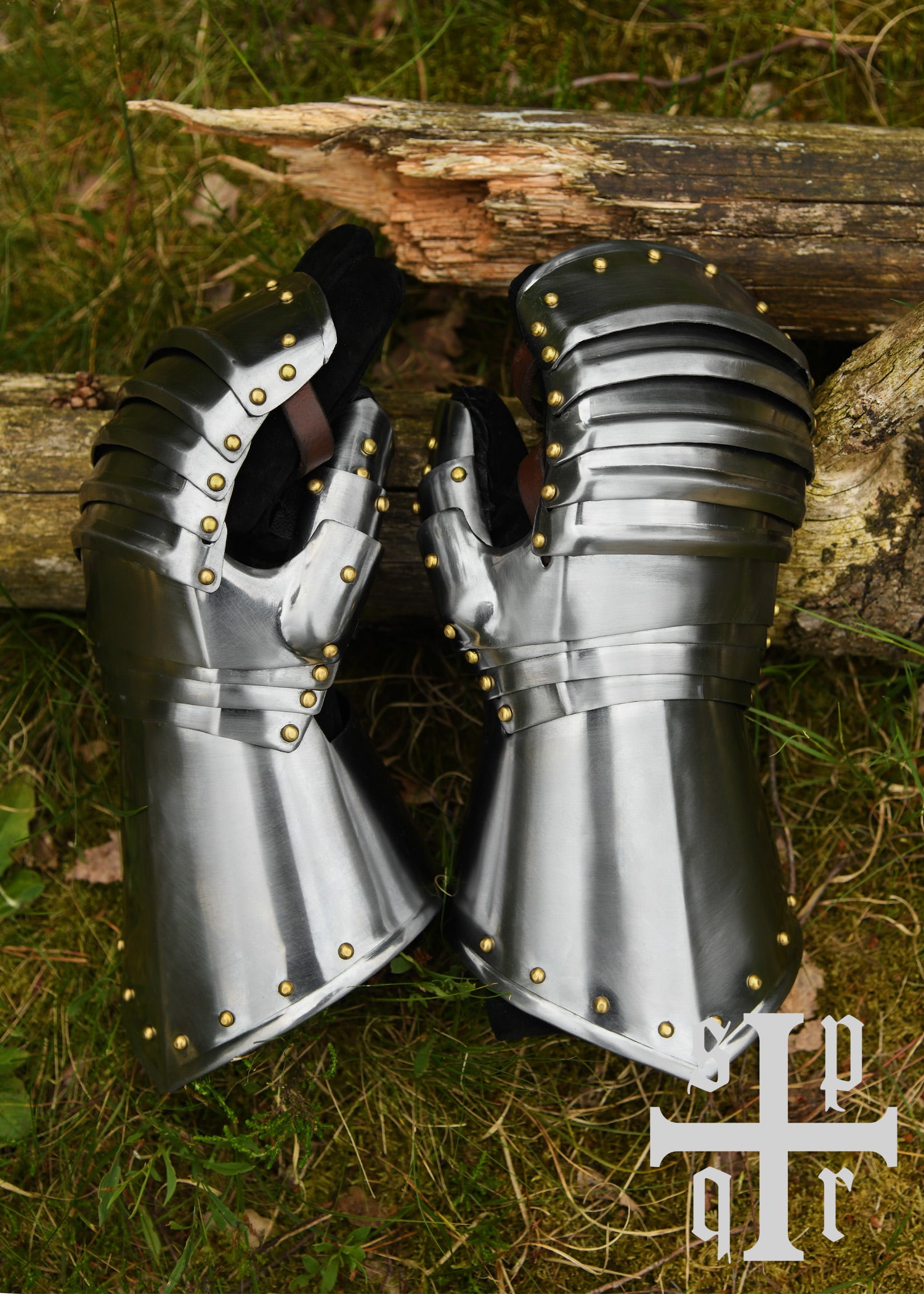
Infantry armor : Lighter than cavalry armor, designed for pikemen and foot soldiers , with movable plates on the limbs, but without as much coverage on the torso.
-
Tournament armor : Used in jousting tournaments, these armors were more ornate , often decorated with the emblems and colors of the nobles, but were also designed to offer protection in combat .
-
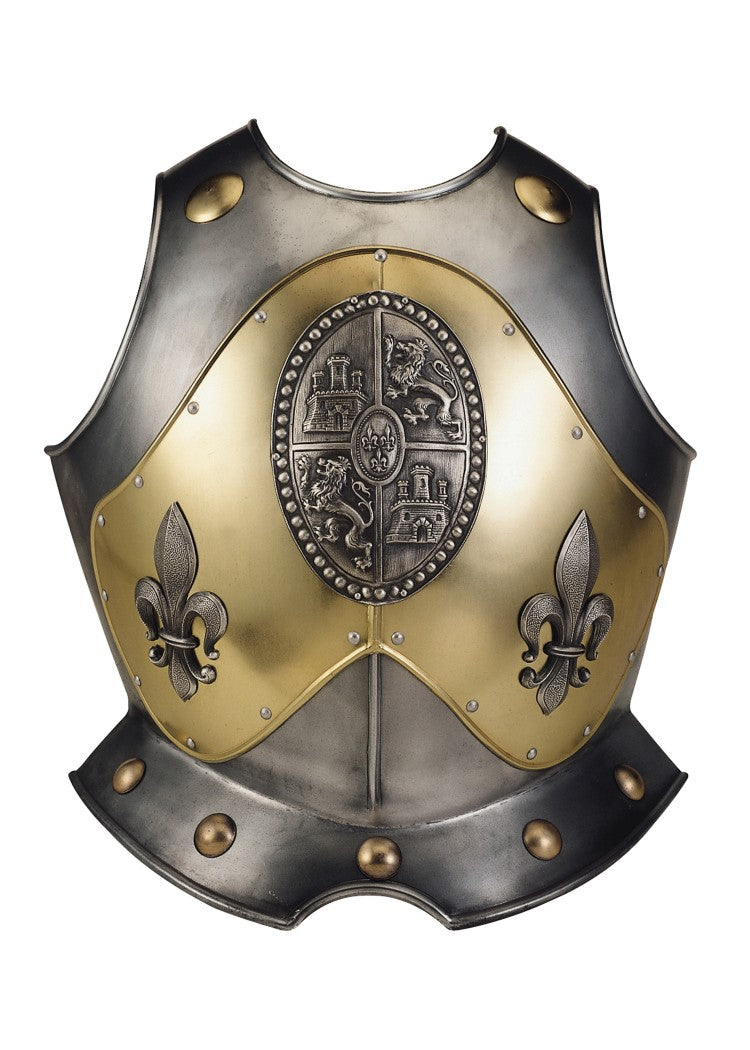
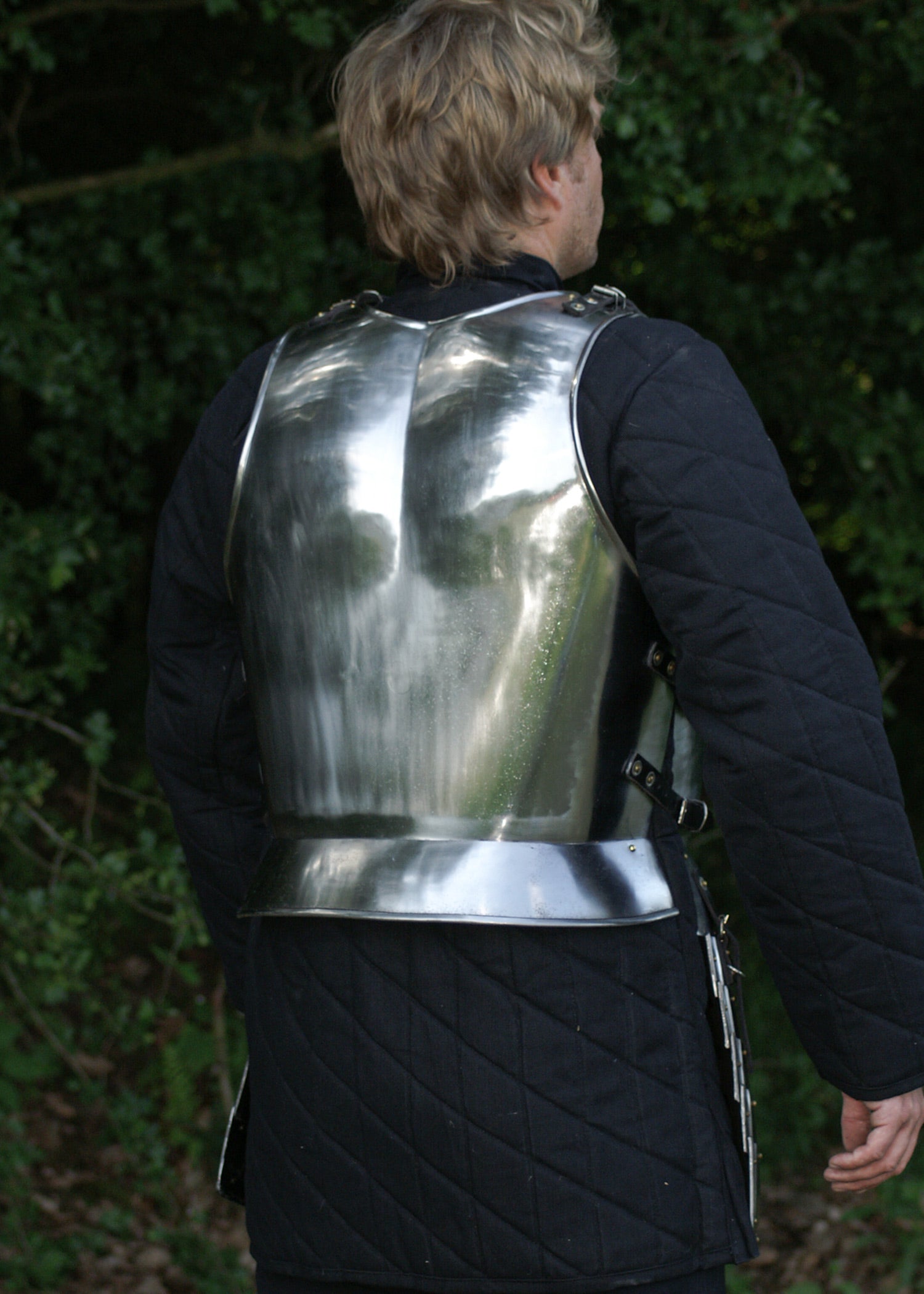
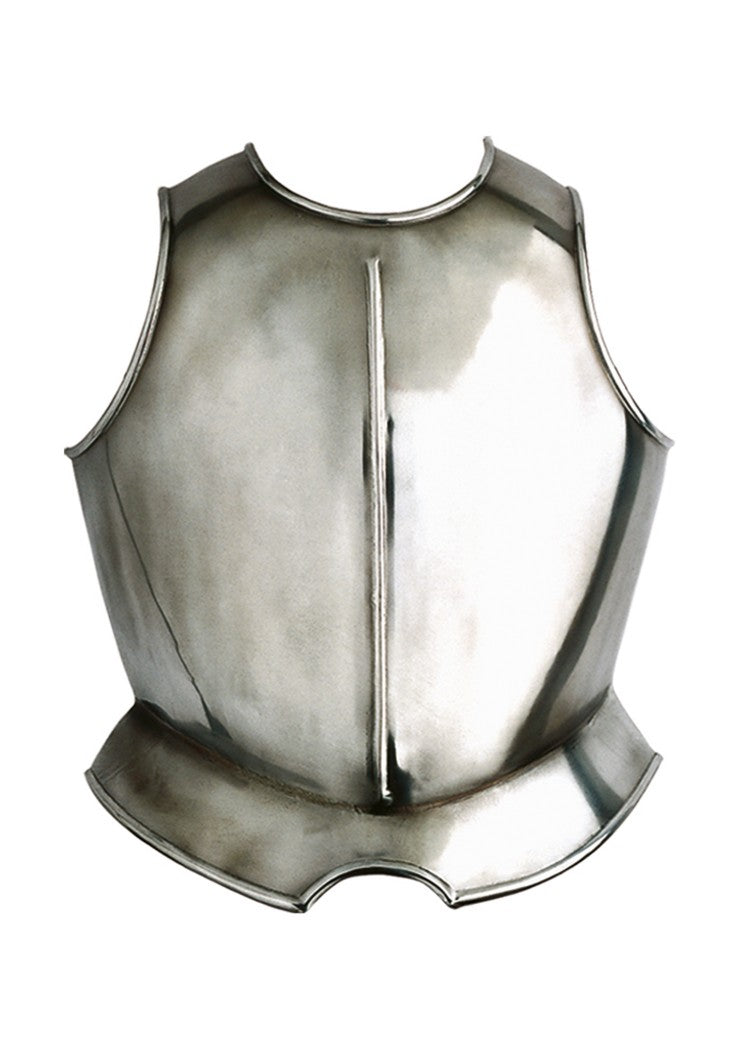
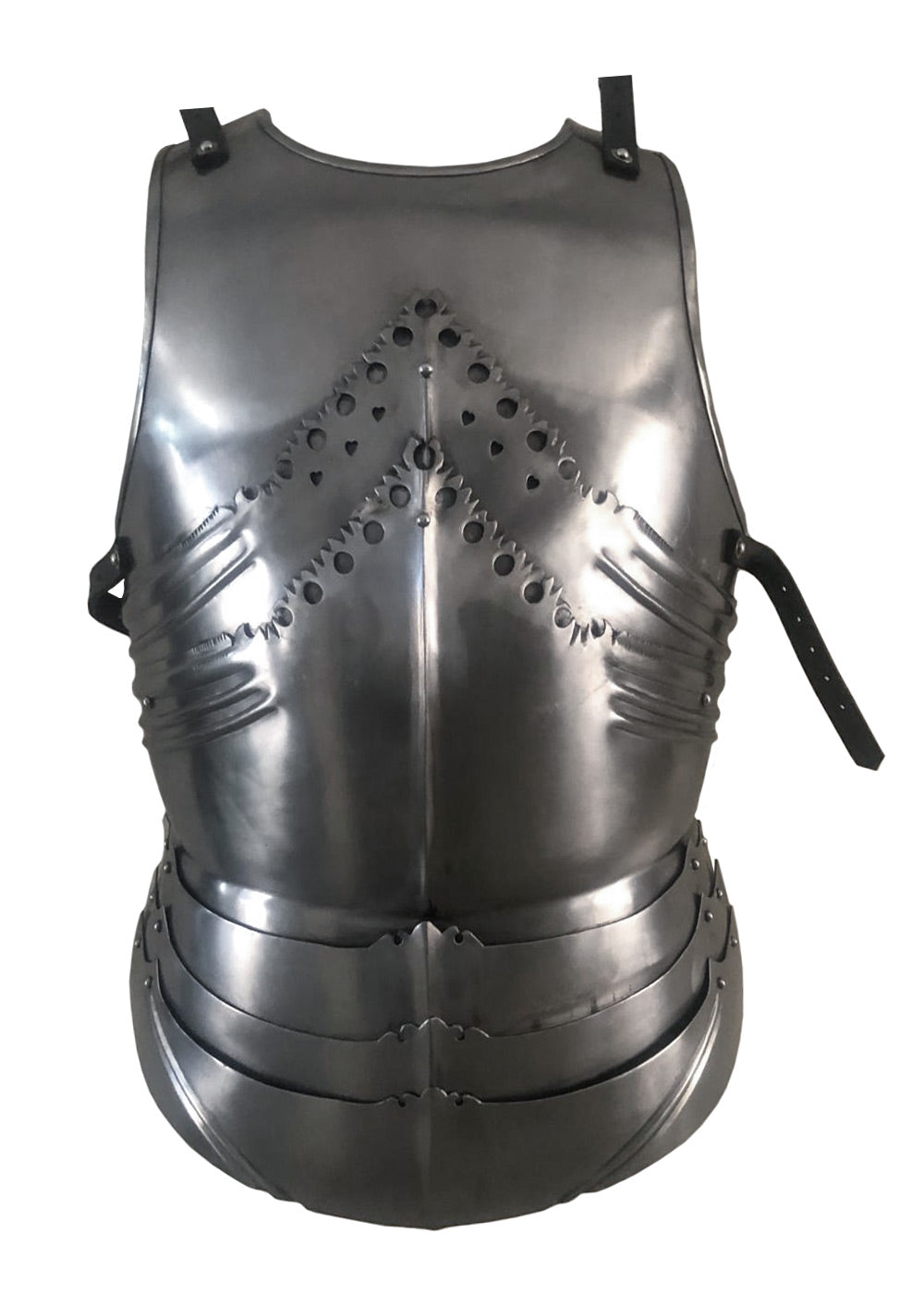
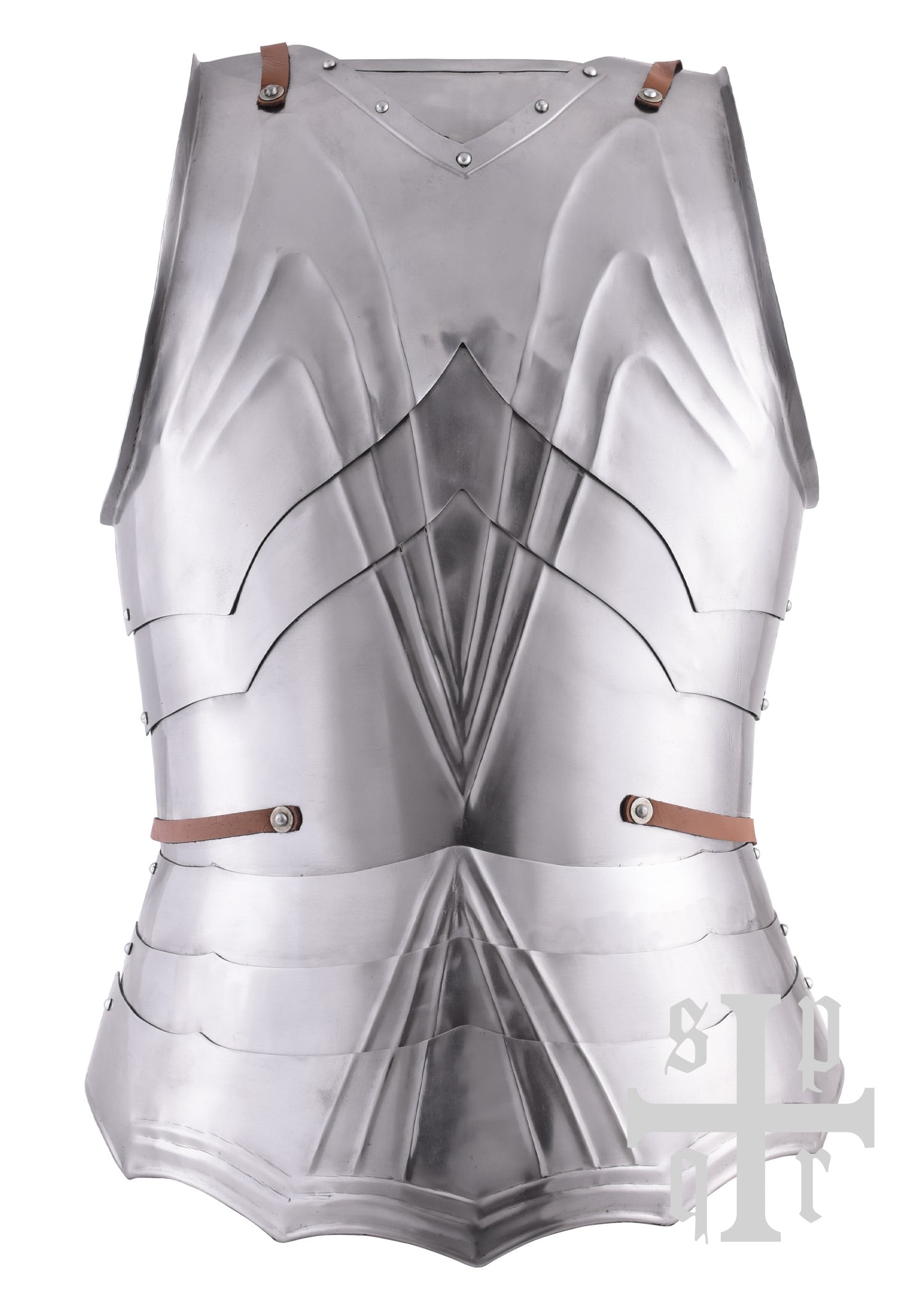
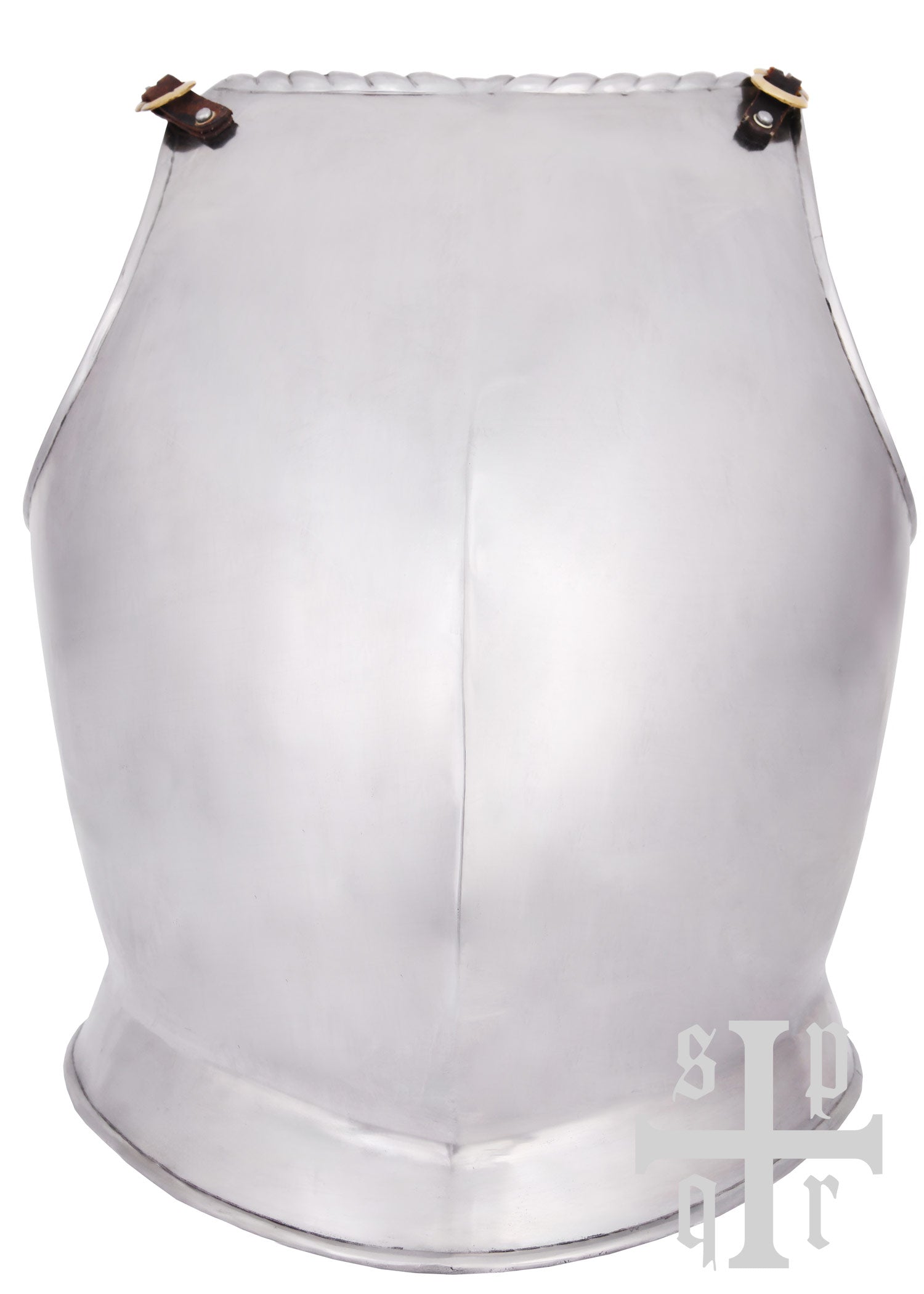
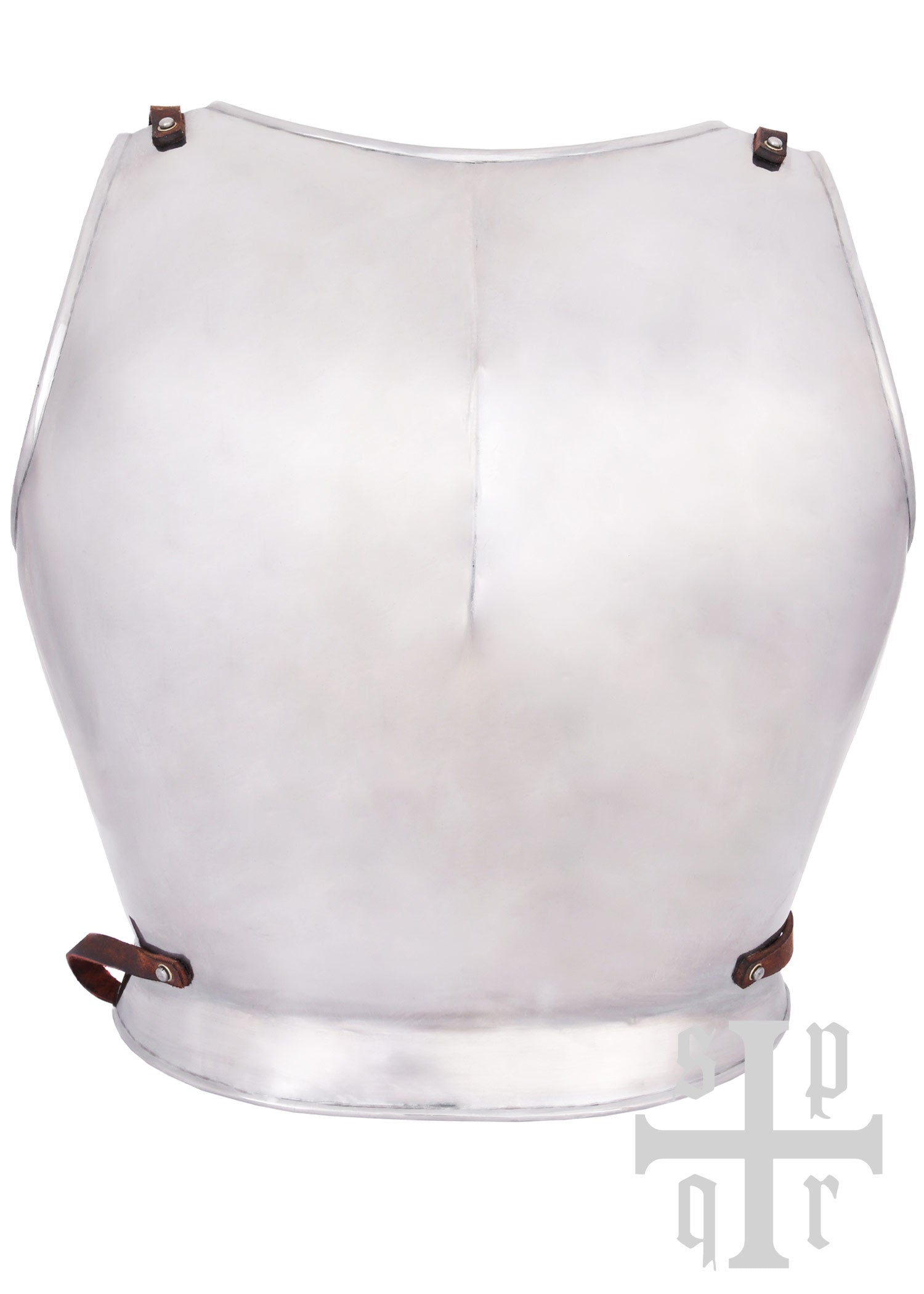
Half-body armor : Also known as "cuirass," it covered the upper torso and was combined with other pieces of protection for the legs and arms.
-
Italian Cuirass : Influenced by Italian schools of armor, characterized by a tighter fit and elegant decorative details.
Materials and manufacturing
-
Steel and iron : The predominant materials in the manufacture of armor, optimized through the use of tempering and forging techniques .
-
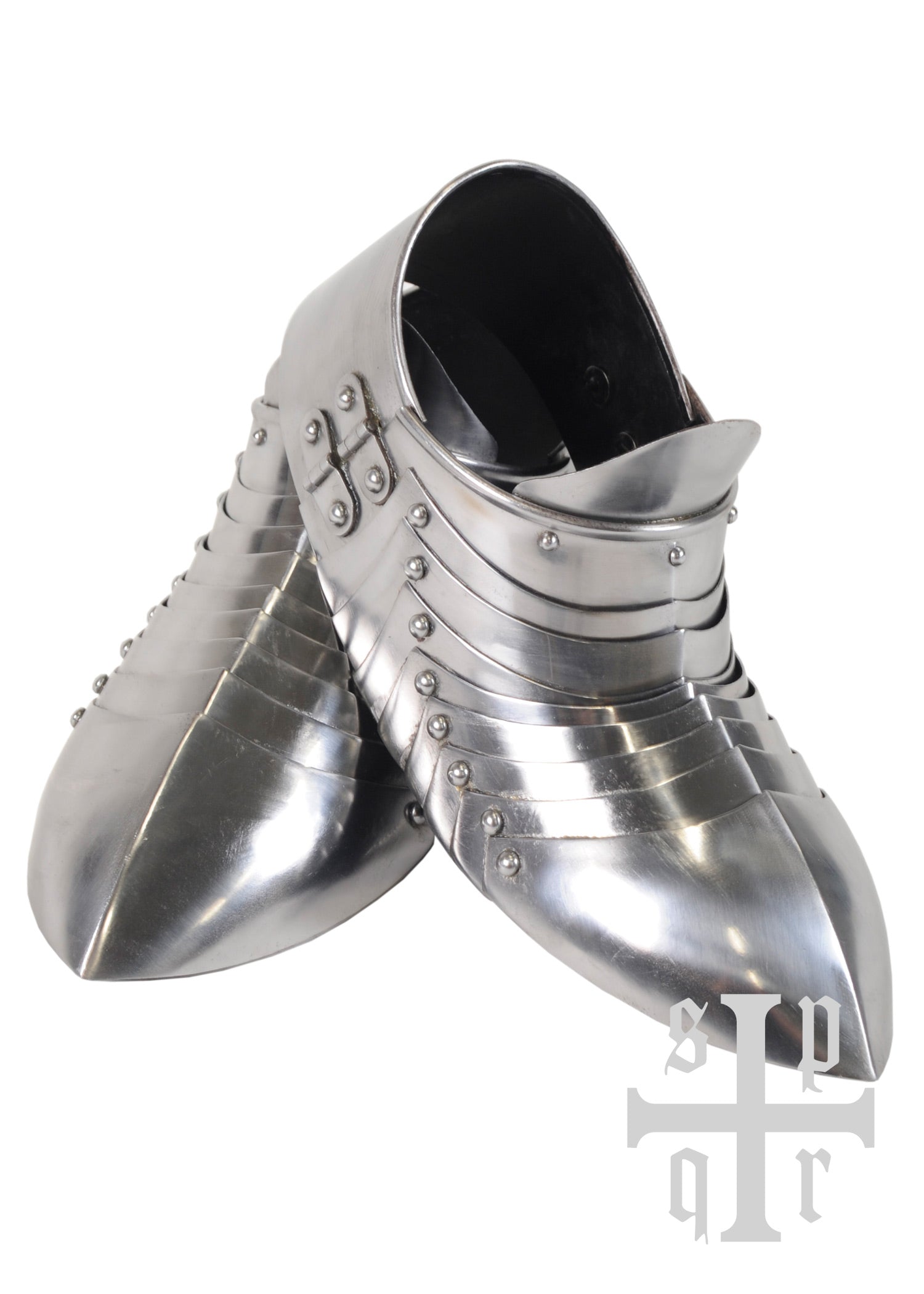
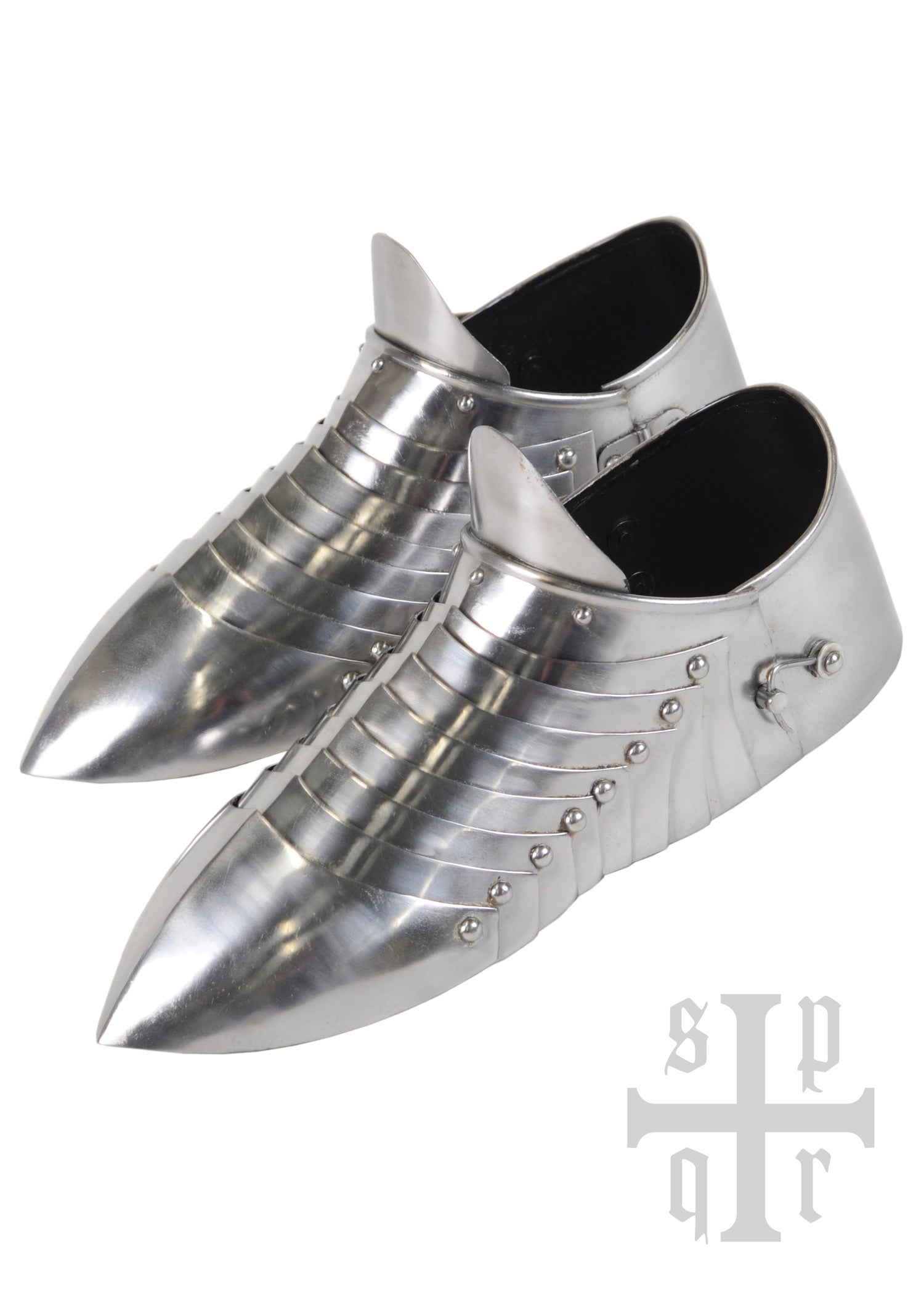
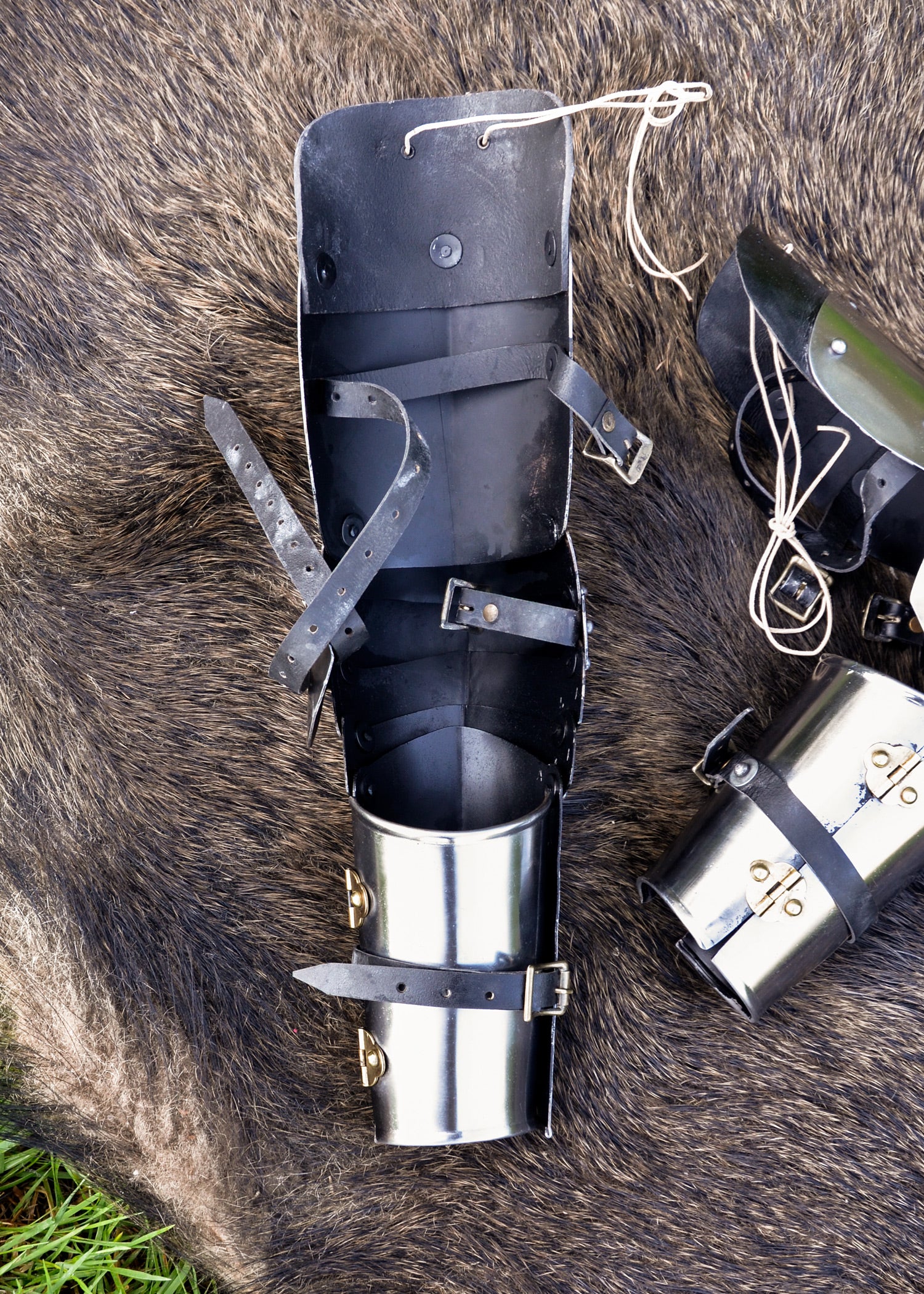
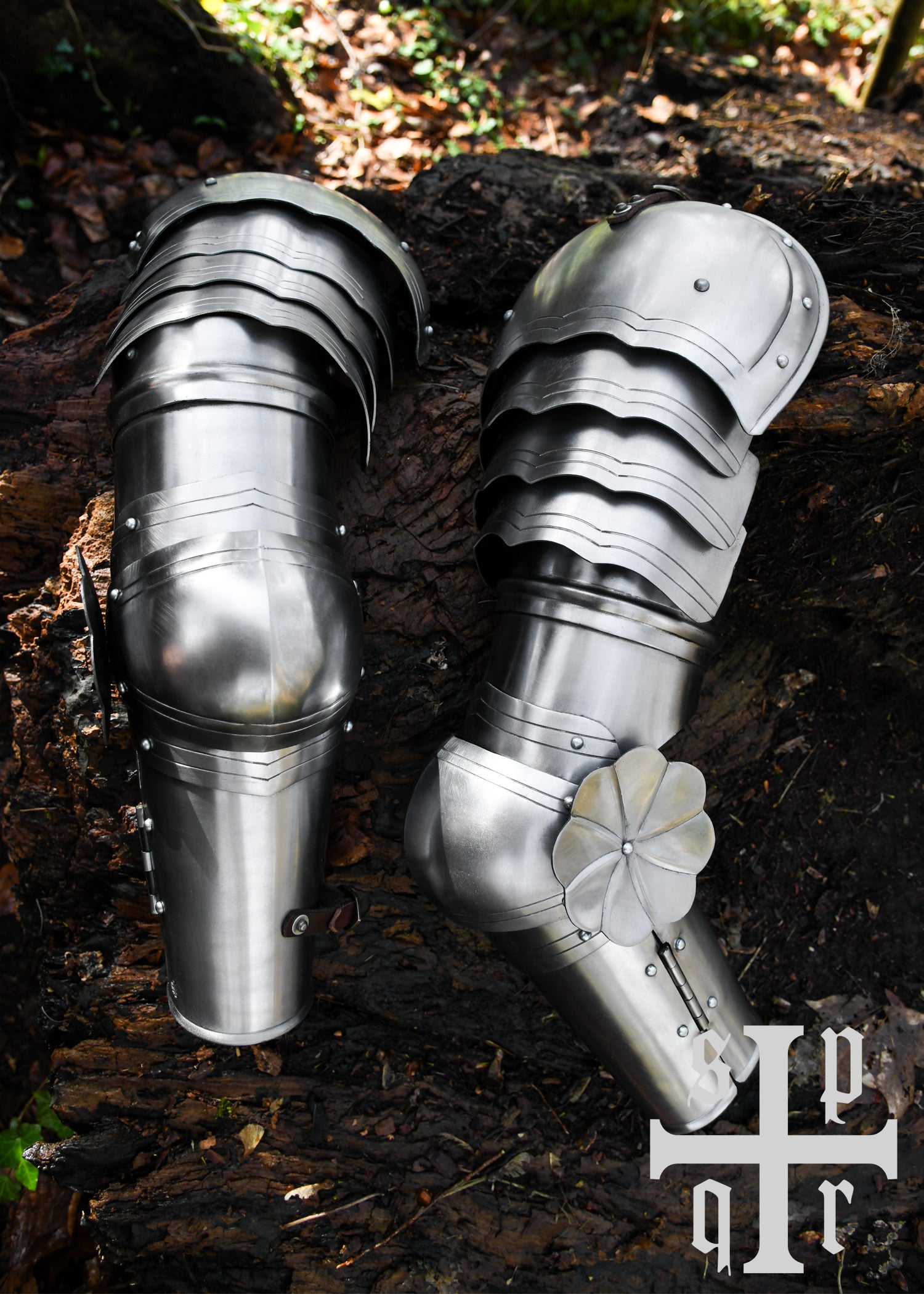
Articulated plates : They were developed to provide flexibility and facilitate movements without sacrificing protection.
-
Fittings and details : Many elite armors included gold, silver, and engraving decorations that reflected the wearer's social status.
-
Leather and fabric inner lining : To improve comfort, interior linings were used to help absorb sweat and provide a proper fit.
Differences with armor from other eras and cultures.
-
Lighter and more functional : Unlike heavier medieval armor, Renaissance armor was lighter and more adaptable , allowing greater agility in combat.
-
Firearm Optimization : Renaissance armor was designed to better withstand firearm impacts , something that was not evident in earlier eras.
-
More elegant design : While medieval armor was primarily functional, Renaissance armor also began to incorporate a more decorative and elegant approach , reflecting the style of the time .
Renaissance armor marked a milestone in the evolution of combat, combining elegance, innovation, and protection in a single piece of military equipment. If you're looking for authentic replicas of cavalry, infantry, or tournament armor for historical reenactment, collection, or display , at Medieval Shop you'll find pieces faithful to the grandeur of the Renaissance.