





7-10 Day Shipping

Shipping 7-10 Days

7-10 Day Shipping

7-10 Day Shipping

Shipping 7-10 Days

7-10 Day Shipping

7-10 Day Shipping


Shipping 7-10 Days

7-10 Day Shipping

Shipping 7-10 Days
7-10 Day Shipping
Shipping 7-10 Days

7-10 Day Shipping
Shipping 7-10 Days
7-10 Day Shipping
7-10 Day Shipping
Shipping 7-10 Days
7-10 Day Shipping
7-10 Day Shipping
Shipping 7-10 Days
7-10 Day Shipping
Shipping 7-10 Days
7-10 Day Shipping
Shipping 7-10 Days
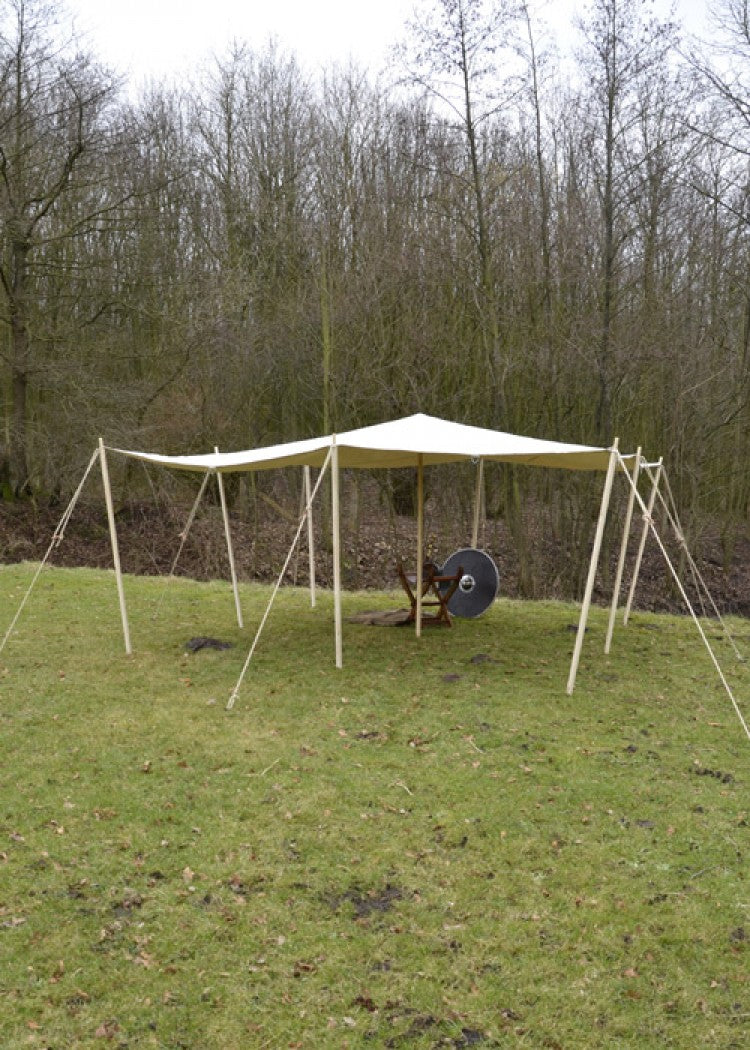
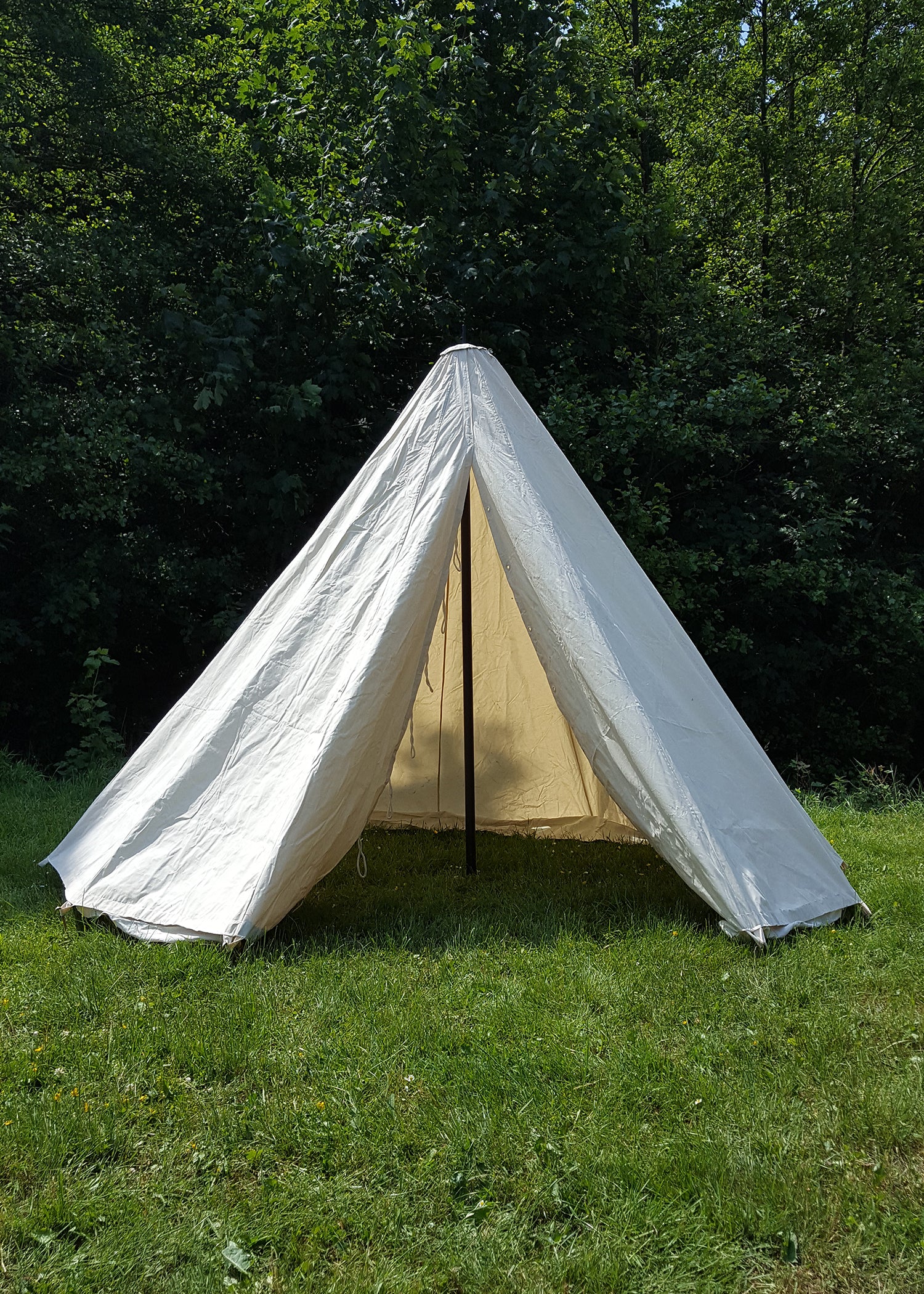
Viking Tents: sturdy shelters for explorers and warriors
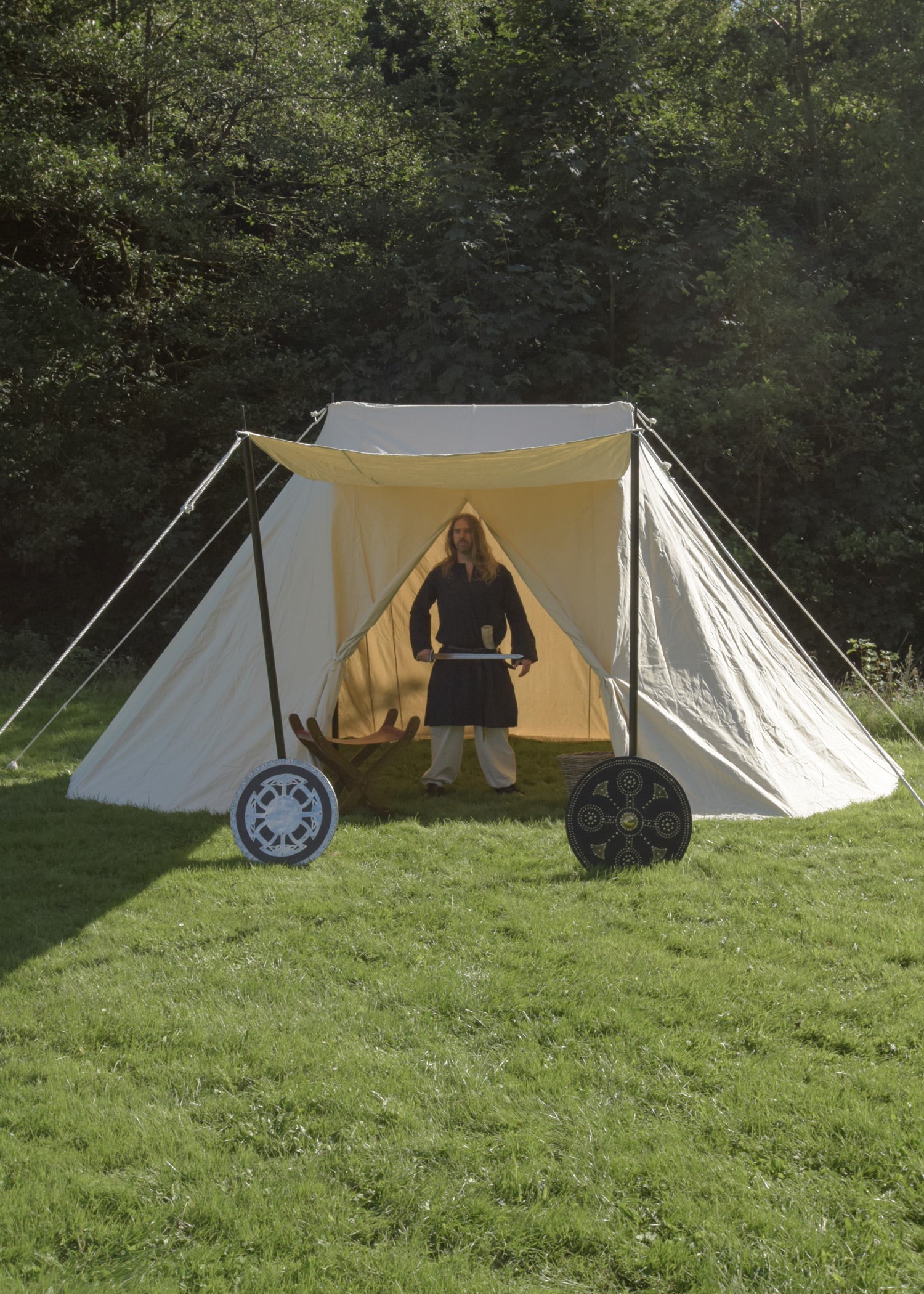
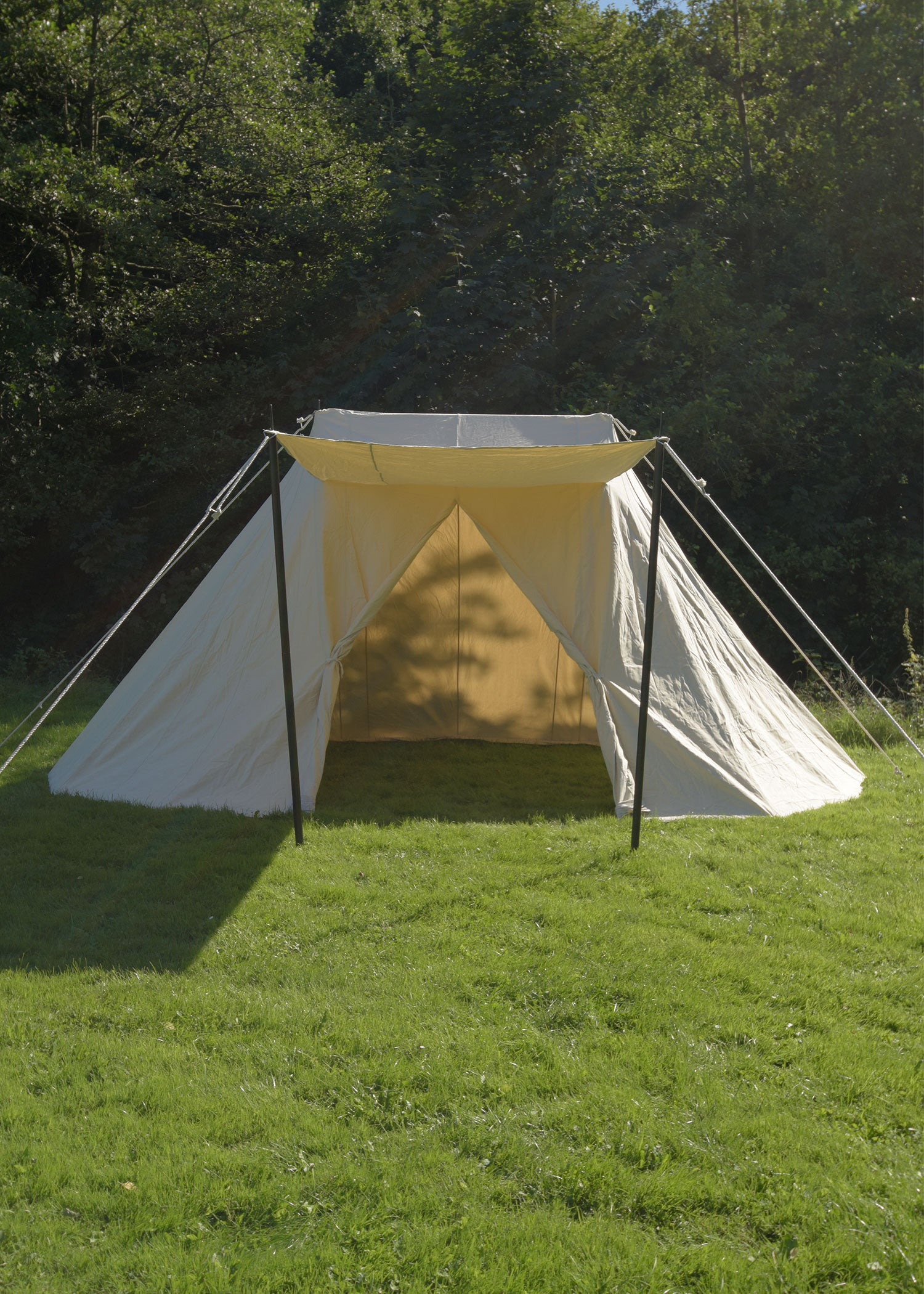
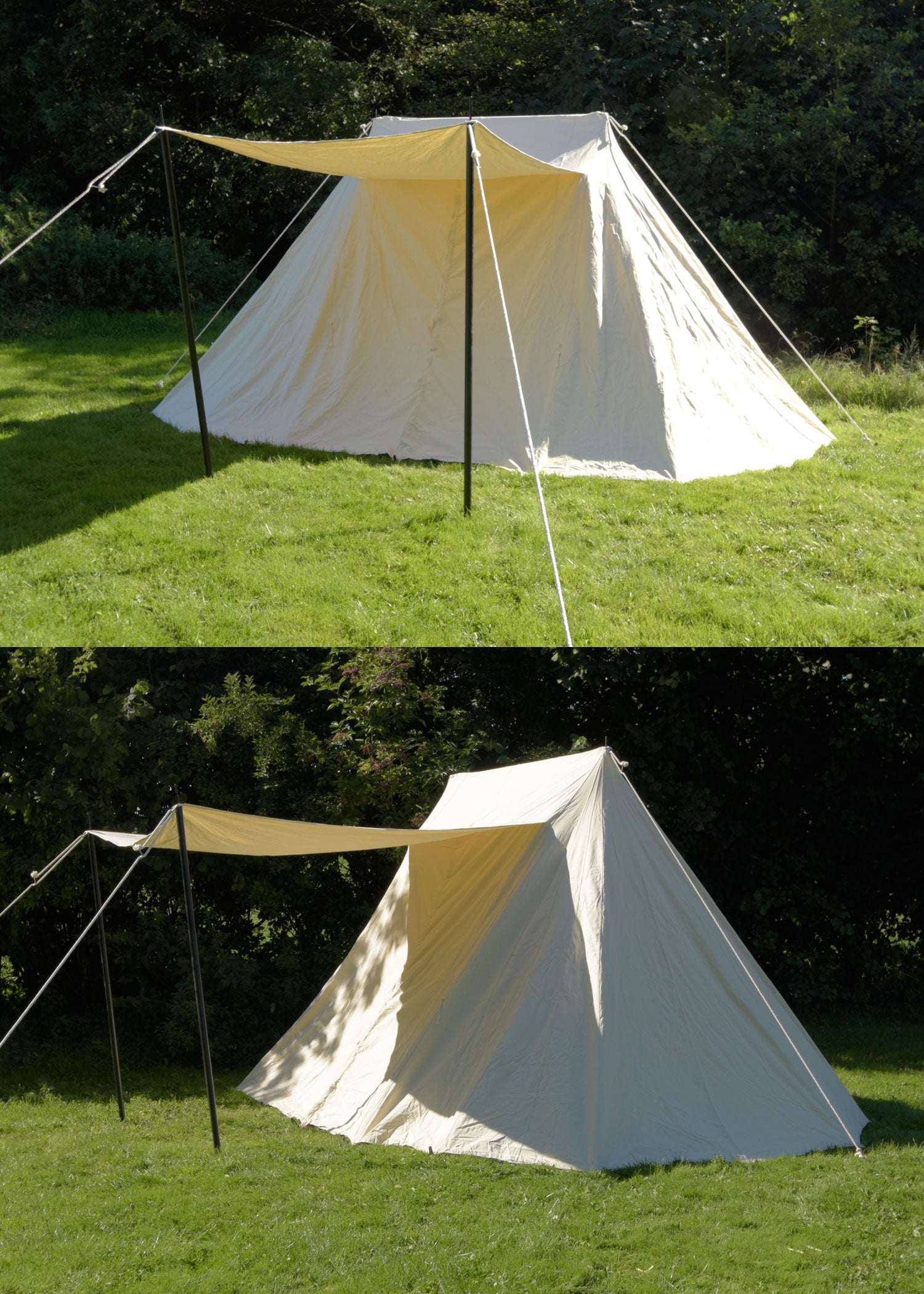
The Viking tents were essential for the journeys and expeditions of the Norse, providing protection and comfort in extreme climates. Used by merchants, explorers, and warriors, they were designed to be durable, easy to transport, and quick to assemble . Their structure and materials reflect the need for mobility and durability, key characteristics of Viking culture.
Main types of Viking tents
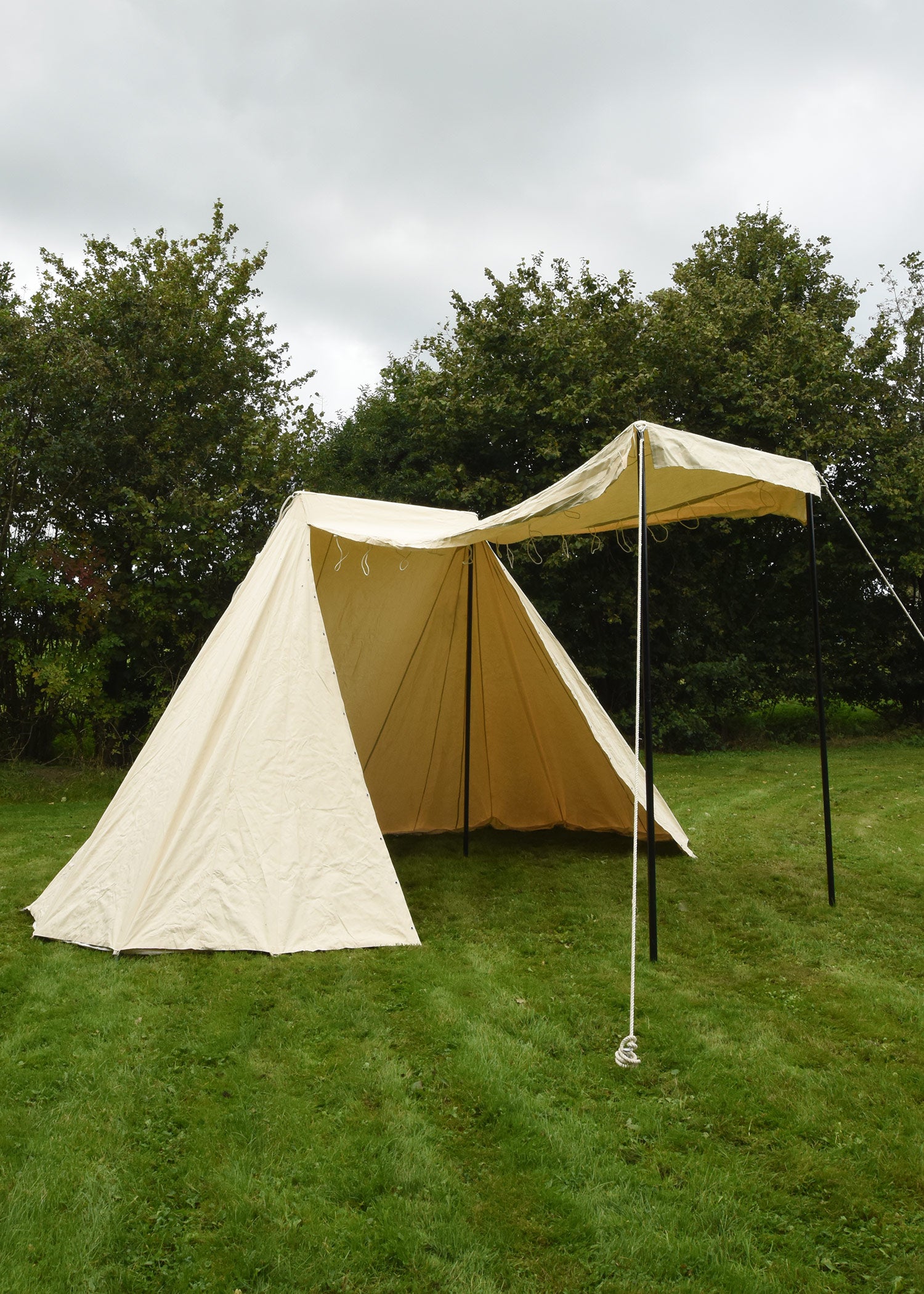
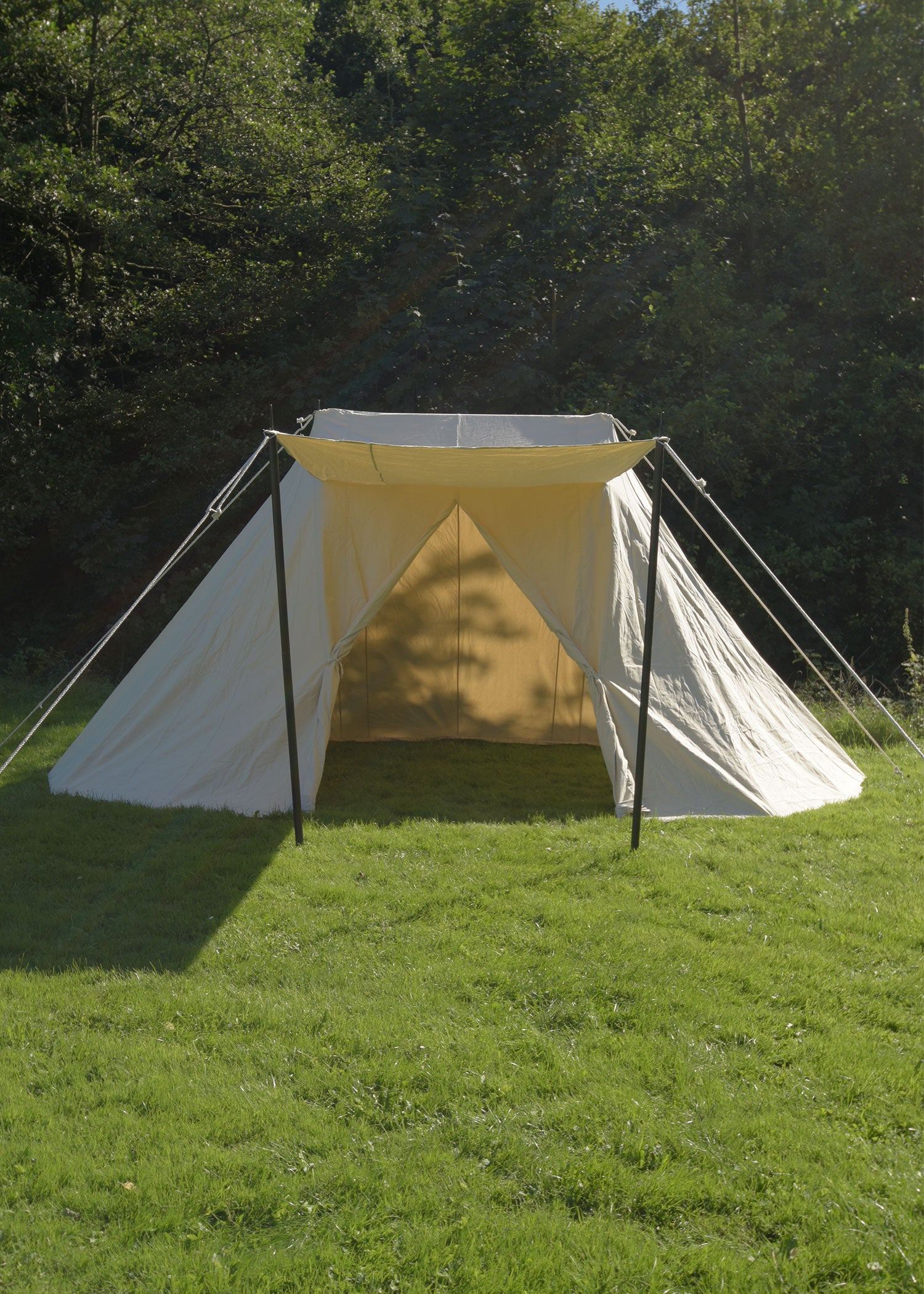
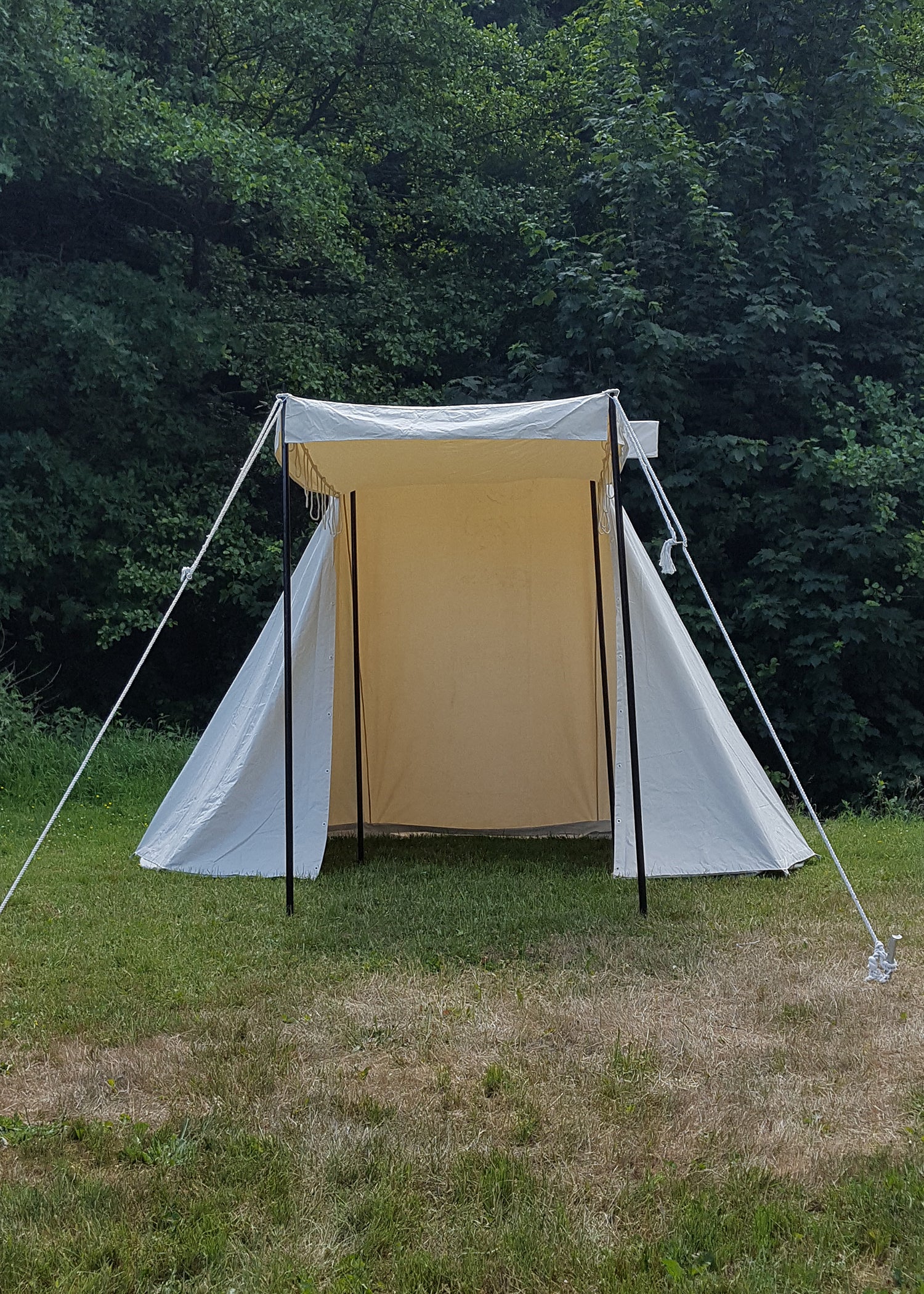
- Center-pole tent : Simple structure with a pole in the center and waterproof fabric or leather canvases.
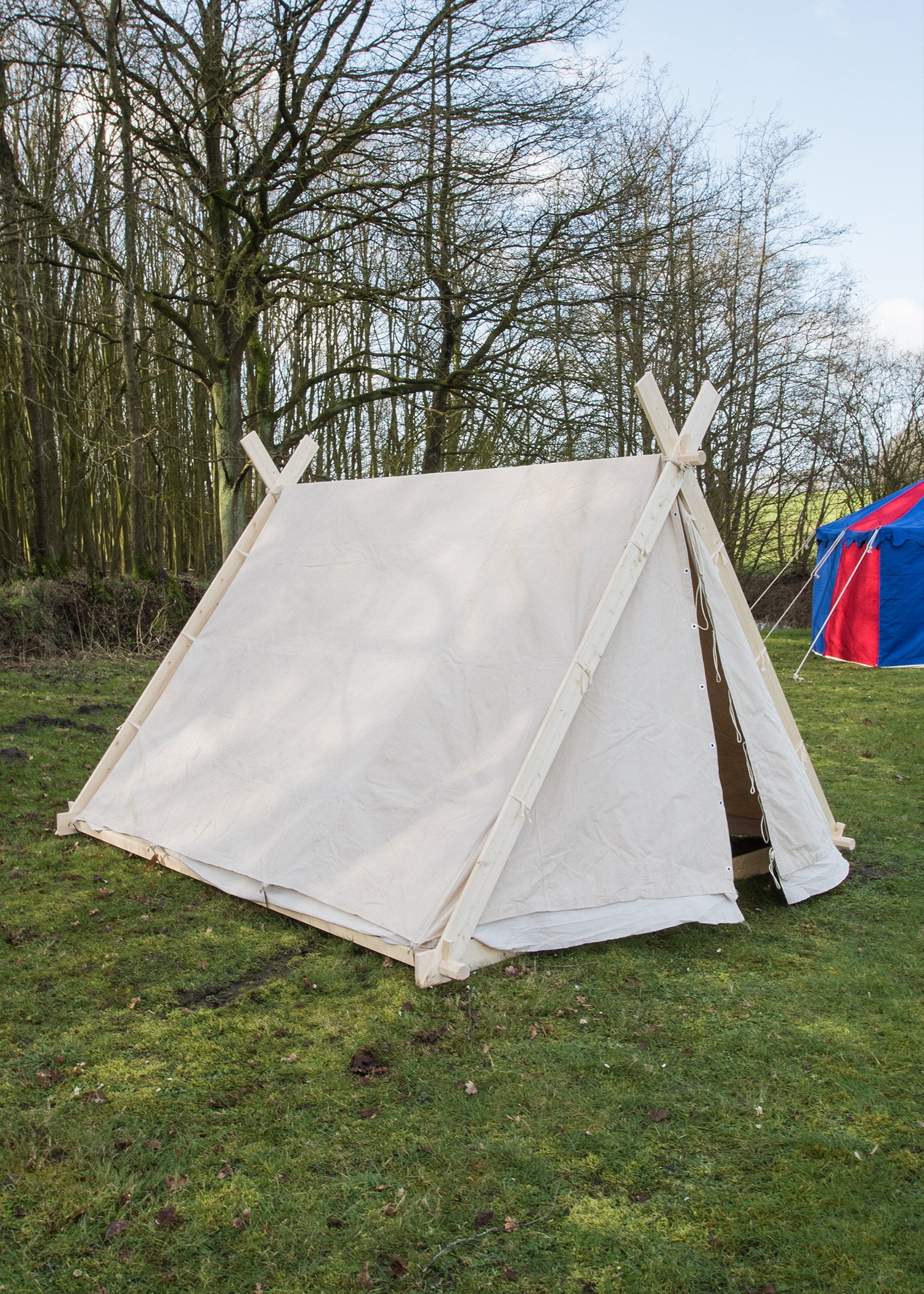
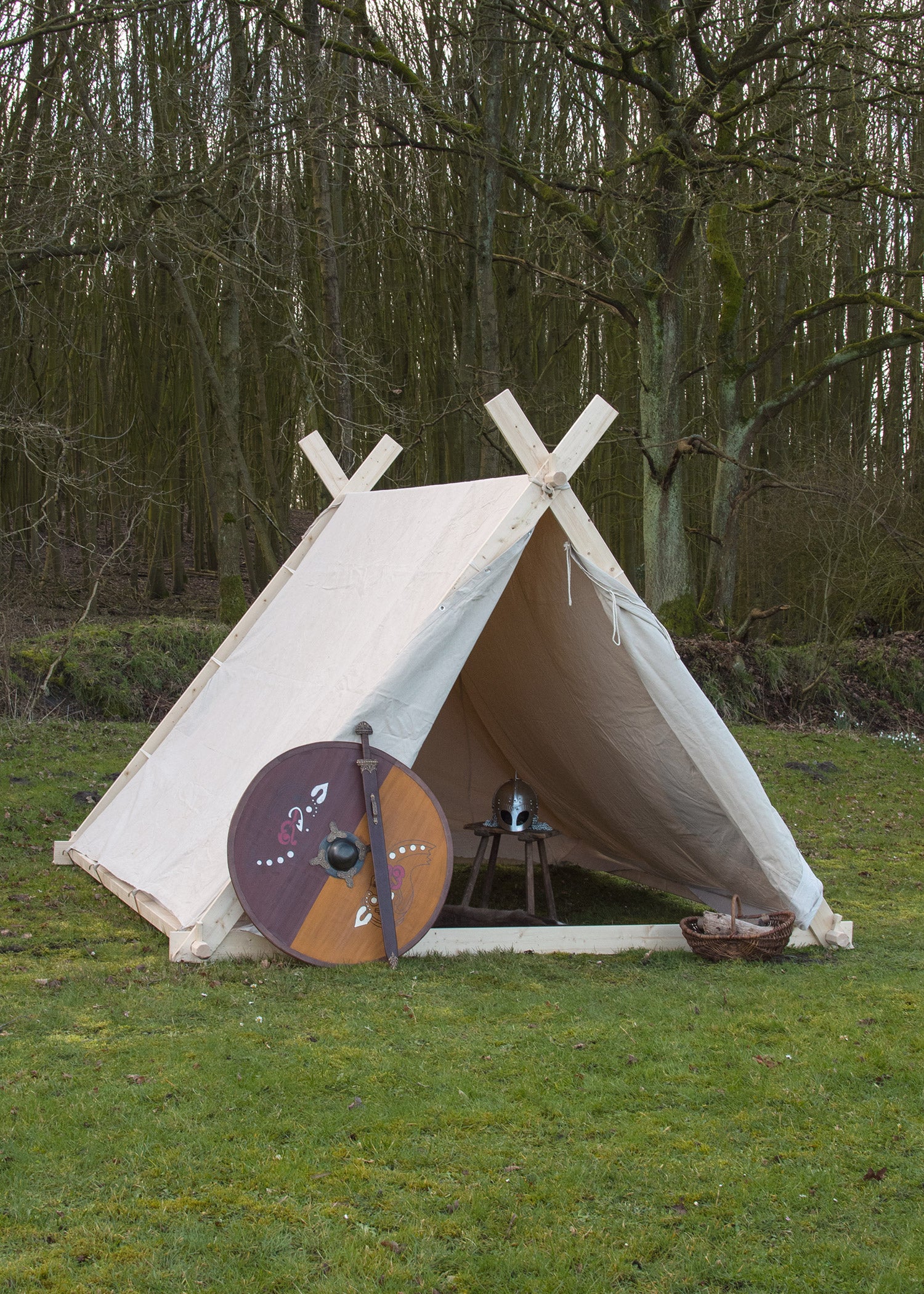
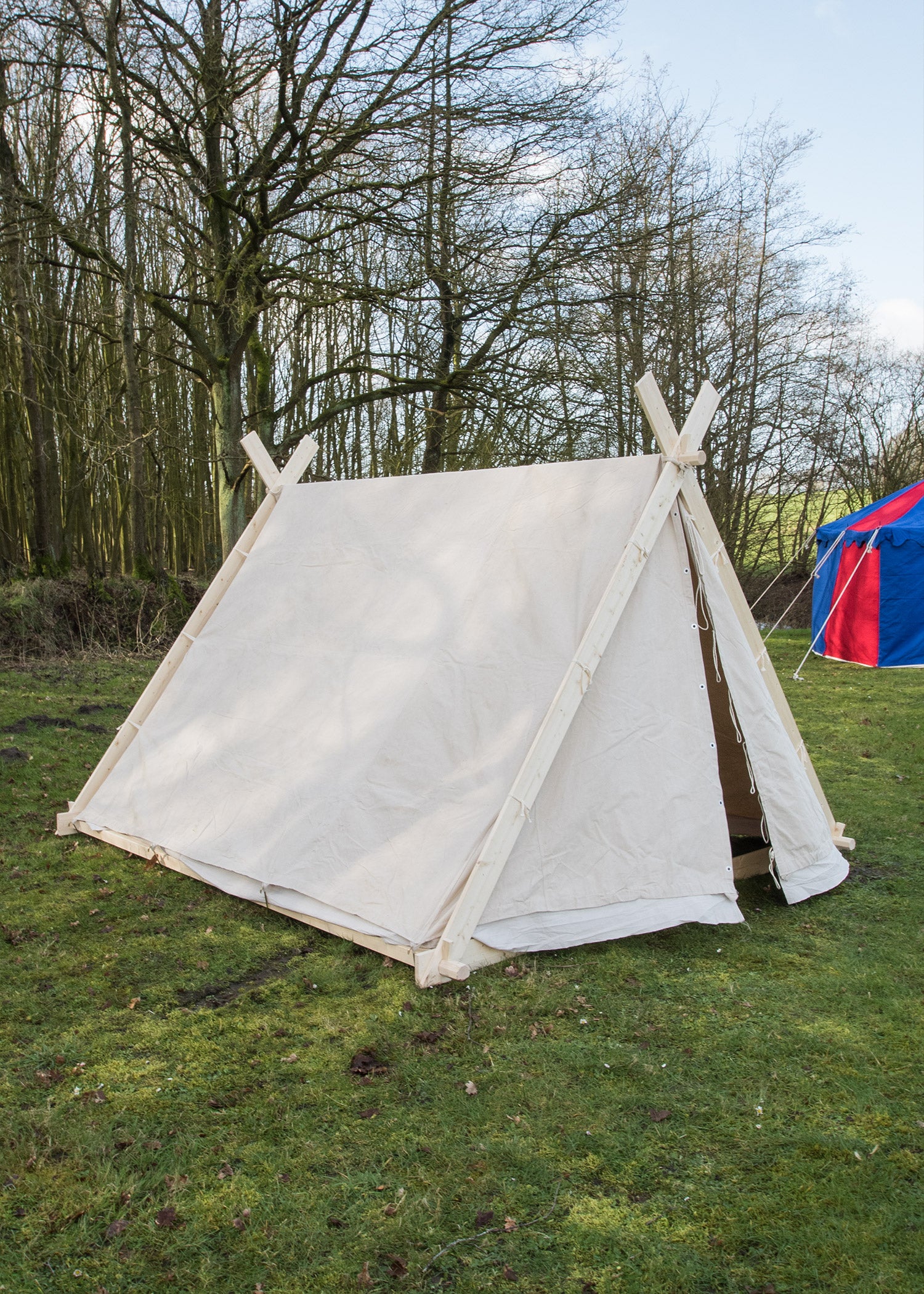
- A-frame tent (Oseberg) : Similar to a portable house, with an "A"-shaped wooden frame and heavy fabric or skin covers.
- Conical tent : Inspired by the tents of other cultures, with a more compact design that is quick to set up.
Characteristics of Viking tents
- Natural materials : Thick wool canvas, treated leather, and sturdy wood were the most used.
- Easy transport and assembly : Designed to be disassembled and transported in Viking ships without difficulty.
- Weather resistance : Waterproof and wind-resistant, ideal for the harsh conditions of Northern Europe.
- Adaptability : They were used for both commercial expeditions and military campaigns.
Differences from other medieval tents
- Superior mobility : Unlike large medieval tents, Viking tents were lighter and easier to transport.
- Wooden structure : It provided greater stability compared to the pole and rope tents of other cultures.
- Functional design : Intended for nomadic life, whereas other medieval cultures preferred more decorative and heavy tents.
The Viking tents were a key element in their journeys, providing shelter for commercial, military, and exploration expeditions. If you are looking for Viking tent replicas for historical reenactment, events, or medieval settings , at Todo Medieval you will find models faithful to the era.
