





7-10 Day Shipping


7-10 Day ShippingSold out

Shipping 7-10 Days


7-10 Day Shipping


Shipping 7-10 Days


7-10 Day Shipping


7-10 day shipping
5-7 Day ShippingSold out


7-10 Day ShippingSold out

7-10 Day ShippingSold out

7-10 Day Shipping


7-10 Day ShippingSold out


7-10 Day Shipping


7-10 Day Shipping


7-10 Day Shipping


7-10 Day ShippingSold out


7-10 Day ShippingSold out


7-10 Day ShippingSold out

Shipping 7-10 Days


7-10 Day Shipping


Shipping 7-10 Days


7-10 Day Shipping


7-10 Day ShippingSold out


7-10 Day Shipping


7-10 Day Shipping


Shipping 7-10 Days


7-10 Day Shipping


7-10 Day Shipping


7-10 Day ShippingSold out


7-10 Day Shipping
7-10 Day ShippingSold out
Shipping 7-10 Days
7-10 Day Shipping
Shipping 7-10 Days
7-10 Day Shipping
7-10 day shipping
5-7 Day ShippingSold out
7-10 Day ShippingSold out
7-10 Day ShippingSold out
7-10 Day Shipping
7-10 Day ShippingSold out
7-10 Day Shipping
7-10 Day Shipping
7-10 Day Shipping
7-10 Day ShippingSold out
7-10 Day ShippingSold out
7-10 Day ShippingSold out
Shipping 7-10 Days
7-10 Day Shipping
Shipping 7-10 Days
7-10 Day Shipping
7-10 Day ShippingSold out
7-10 Day Shipping
7-10 Day Shipping
Shipping 7-10 Days
7-10 Day Shipping
7-10 Day Shipping
7-10 Day ShippingSold out
Early Middle Ages Tents: Portable shelters for medieval life
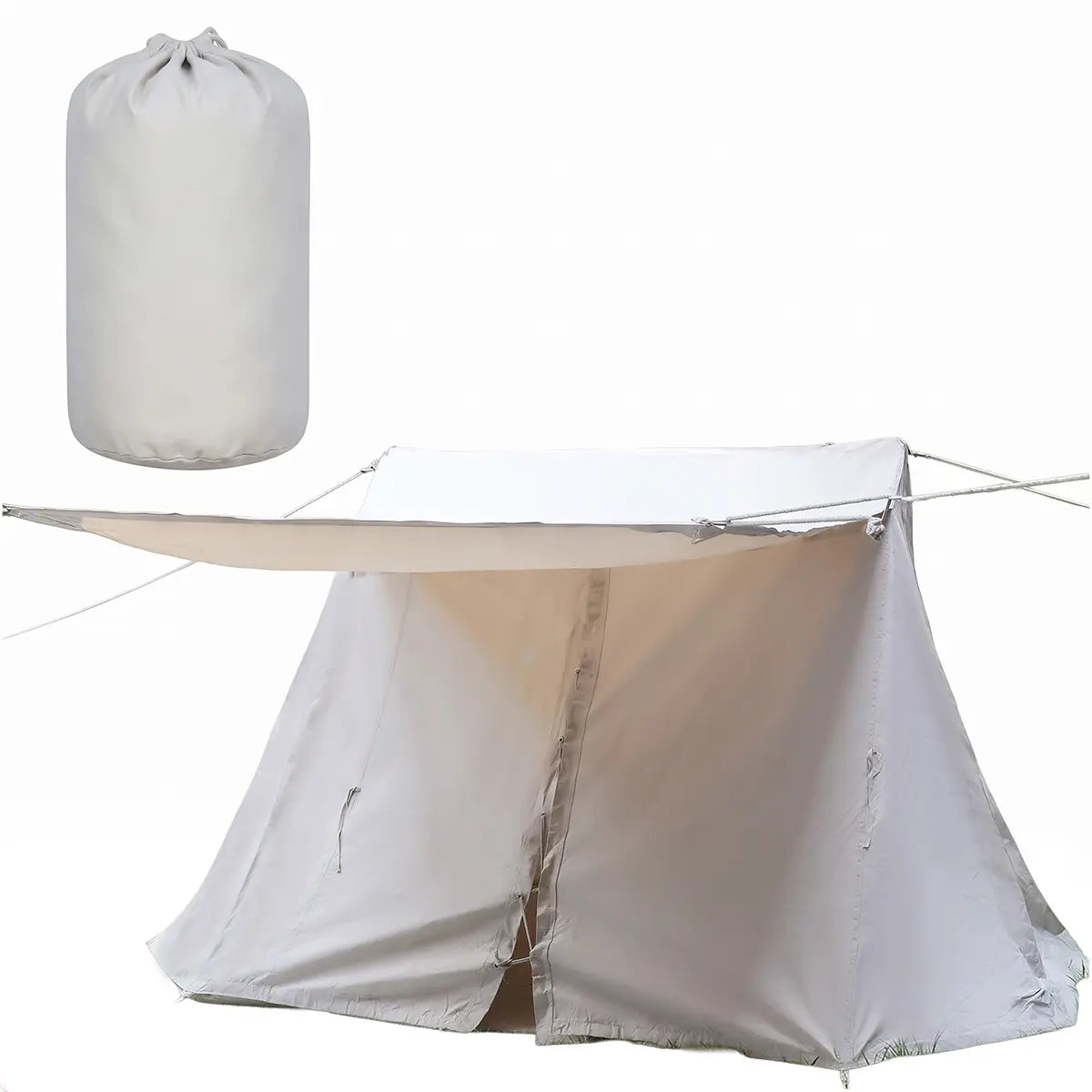
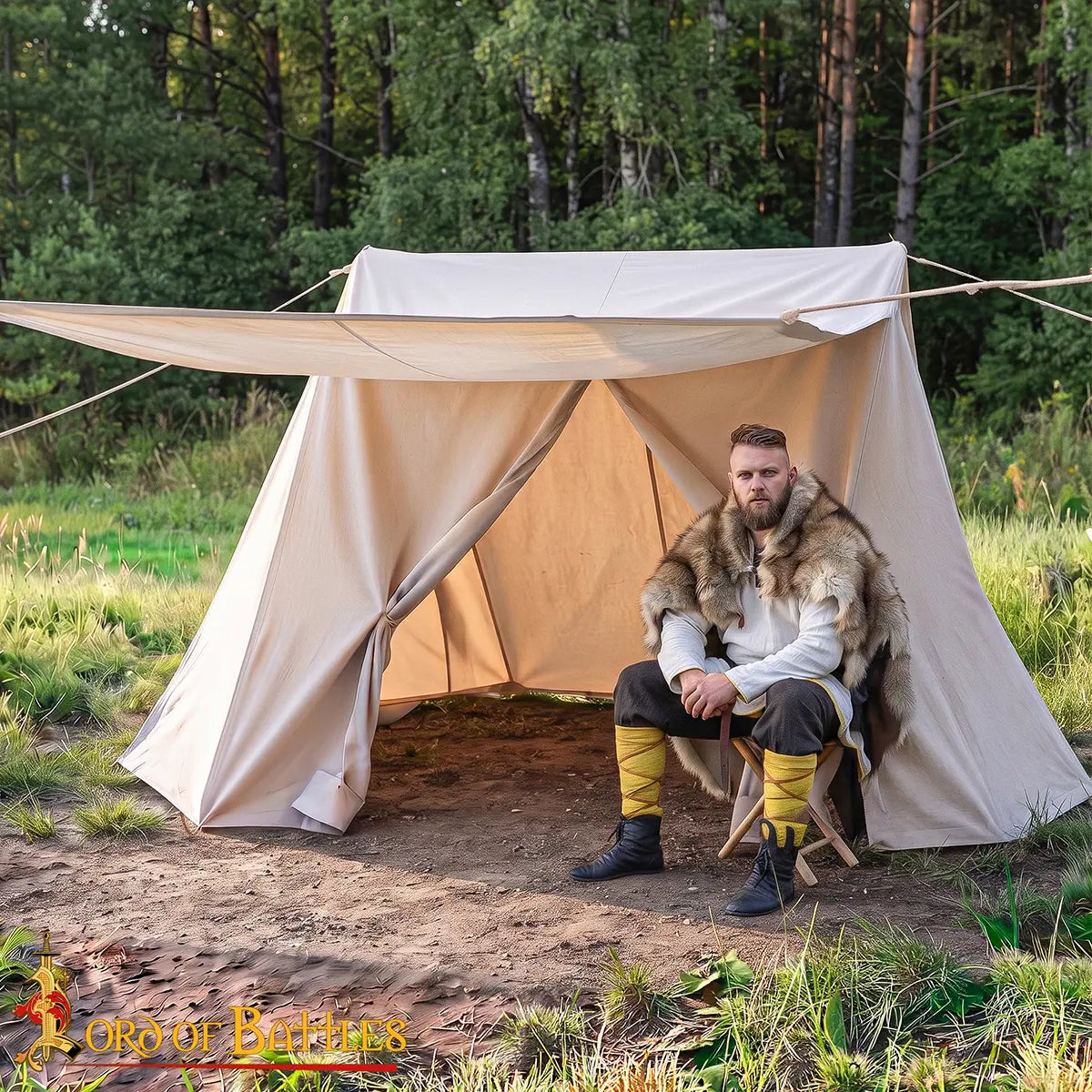
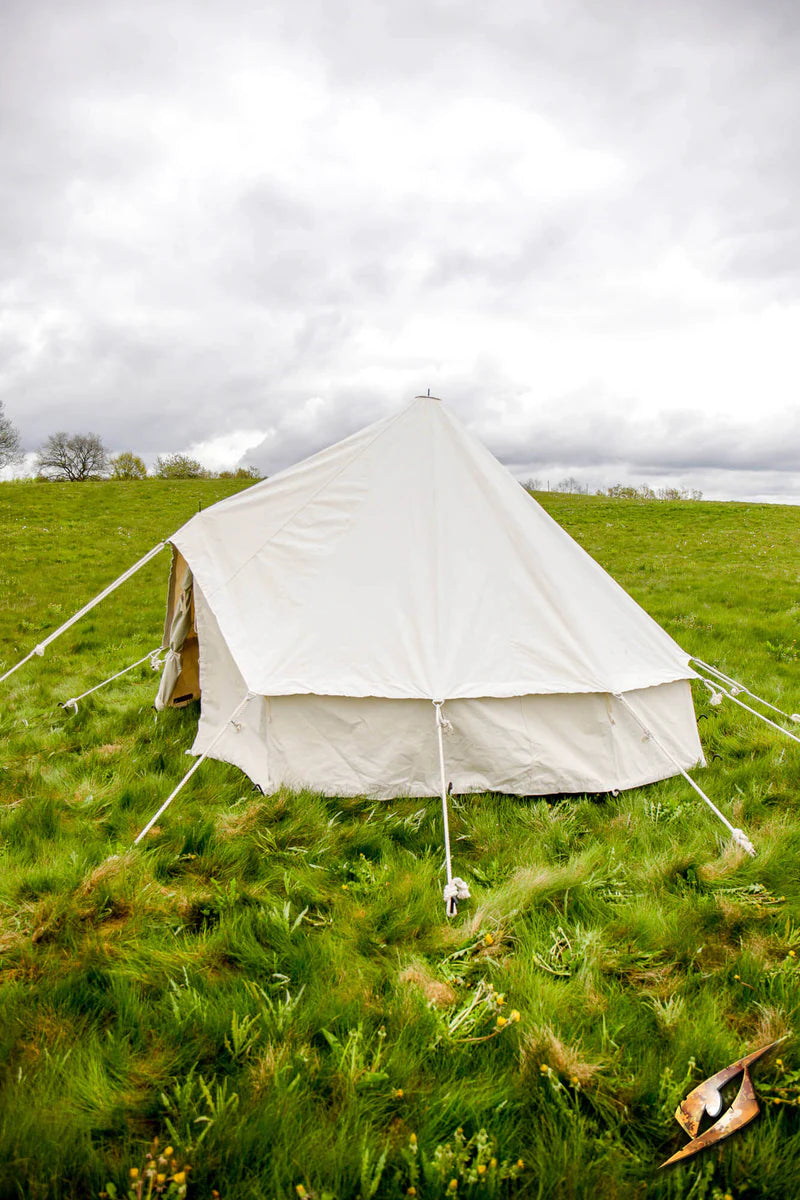
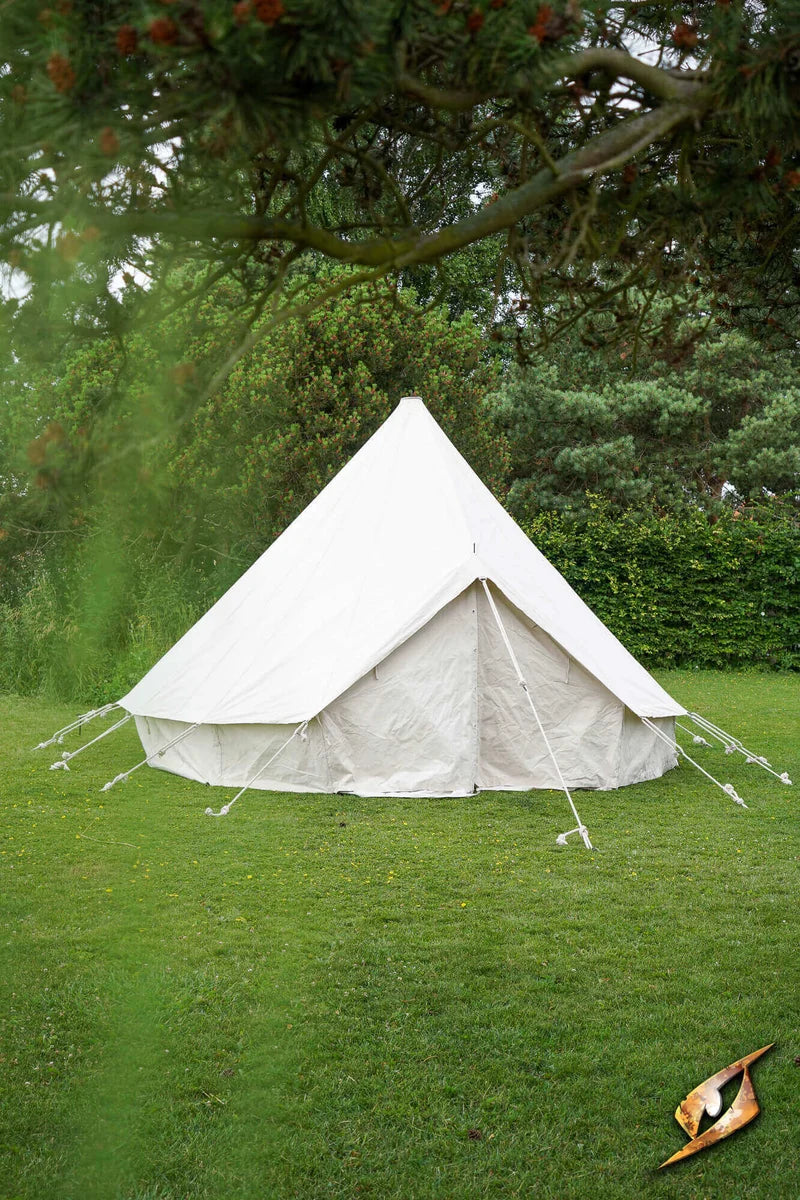
The Early Middle Ages tents were essential structures for military, commercial, and nomadic life. Used by knights, armies, merchants, and pilgrims , they offered protection from the weather and a private space in camps and while traveling. Made from heavy canvas, leather, or wool , and supported by wooden poles, these tents were sturdy and functional, adapting to different uses and needs.
Types of medieval tents
- Pavilion tents : Large in size and conical or polygonal in shape, used by the nobility and high military ranks.
- Camping tents : Smaller and more portable, used by soldiers and traveling merchants.
- Round tents : Similar to yurts, they offered greater stability against wind and adverse weather.
- Rectangular tents : Common in markets and fairs, used as stalls or temporary shelters.
Features of medieval tents.
- Durable materials : Made of heavy canvas, treated leather, or waterproofed wool.
- Easy setup and teardown : Designed to be transported and assembled quickly on different terrains.
- Reinforced structure : Wooden supports or tension ropes for greater stability.
- Decorated design : Some noble tents bore vivid colors and heraldic emblems.
Differences from tents of other cultures.
- More robust and durable : Unlike Viking tents, which tended to be smaller and more functional, medieval ones could be larger and more ornate.
- Widespread military use : In the Early Middle Ages, armies used huge organized camps with specific tents for each rank.
- Feudal influence : While in other cultures they were more uniform, medieval tents varied according to the status of their occupants.
The Early Middle Ages tents were key in battles, fairs, and expeditions. If you are looking for replicas of medieval tents for historical reenactment, events, or medieval settings , at Todo Medieval you will find authentic and functional options.
