




Kage No Senshi Chokuto, Battle Swords
Sold out
Consigue envío gratuito
Península Ibérica
Unión Europea
Importe estimado al añadir este producto. Sujeto al destino de entrega.
Este productos se enviará: 7-10 Day Shipping
Otros clientes también compraron...


Choose options
Consigue envío gratuito
Península Ibérica
Unión Europea
Importe estimado al añadir este producto. Sujeto al destino de entrega.
Este productos se enviará: 7-10 Day Shipping
Otros clientes también compraron...
Consigue envío gratuito
Península Ibérica
Unión Europea
Importe estimado al añadir este producto. Sujeto al destino de entrega.
Este productos se enviará: 7-10 Day Shipping
Otros clientes también compraron...
Enjoy the Kage No Senshi Chokuto, BattleBlades
Kage no senshi chokuto, battleblades
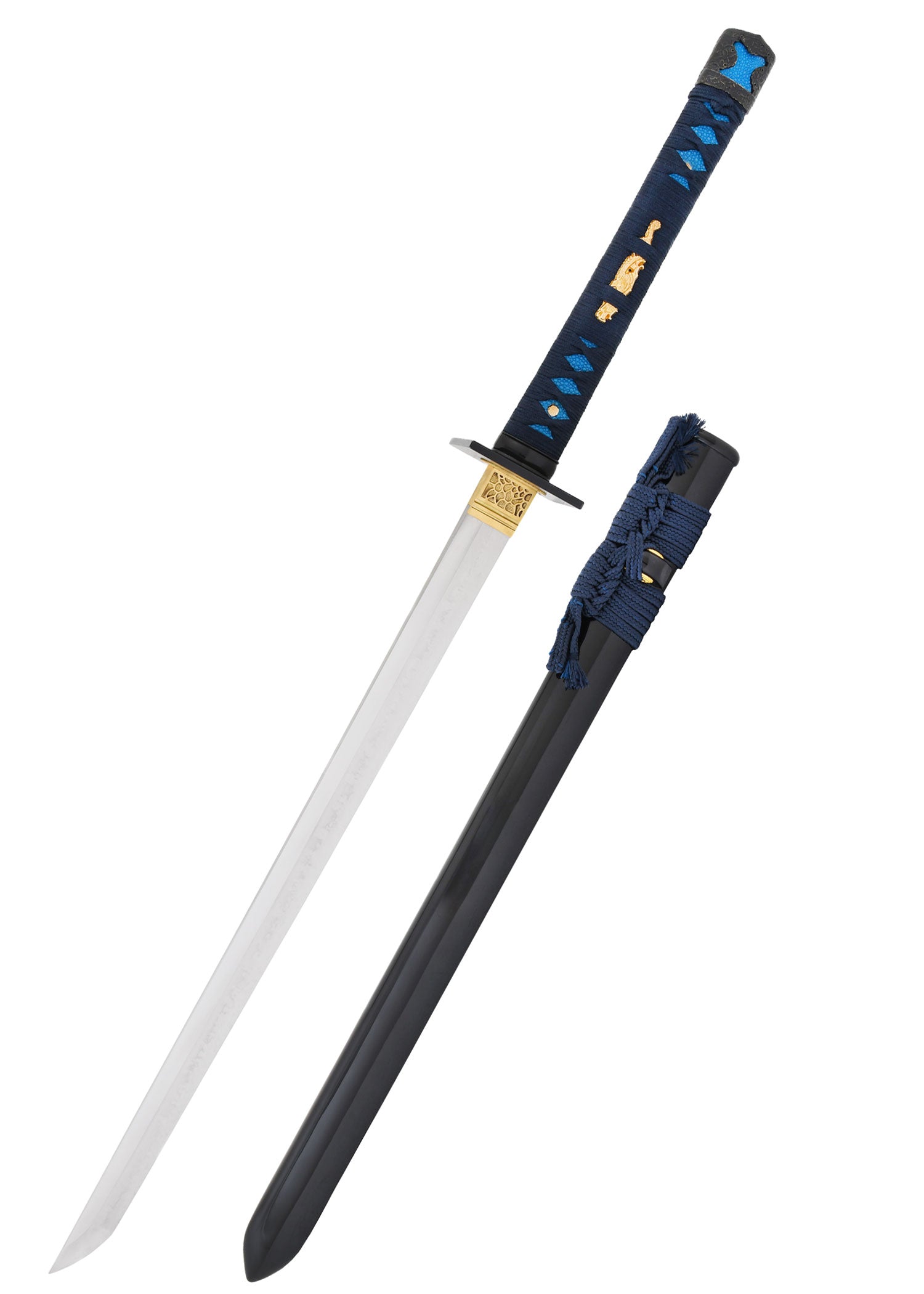
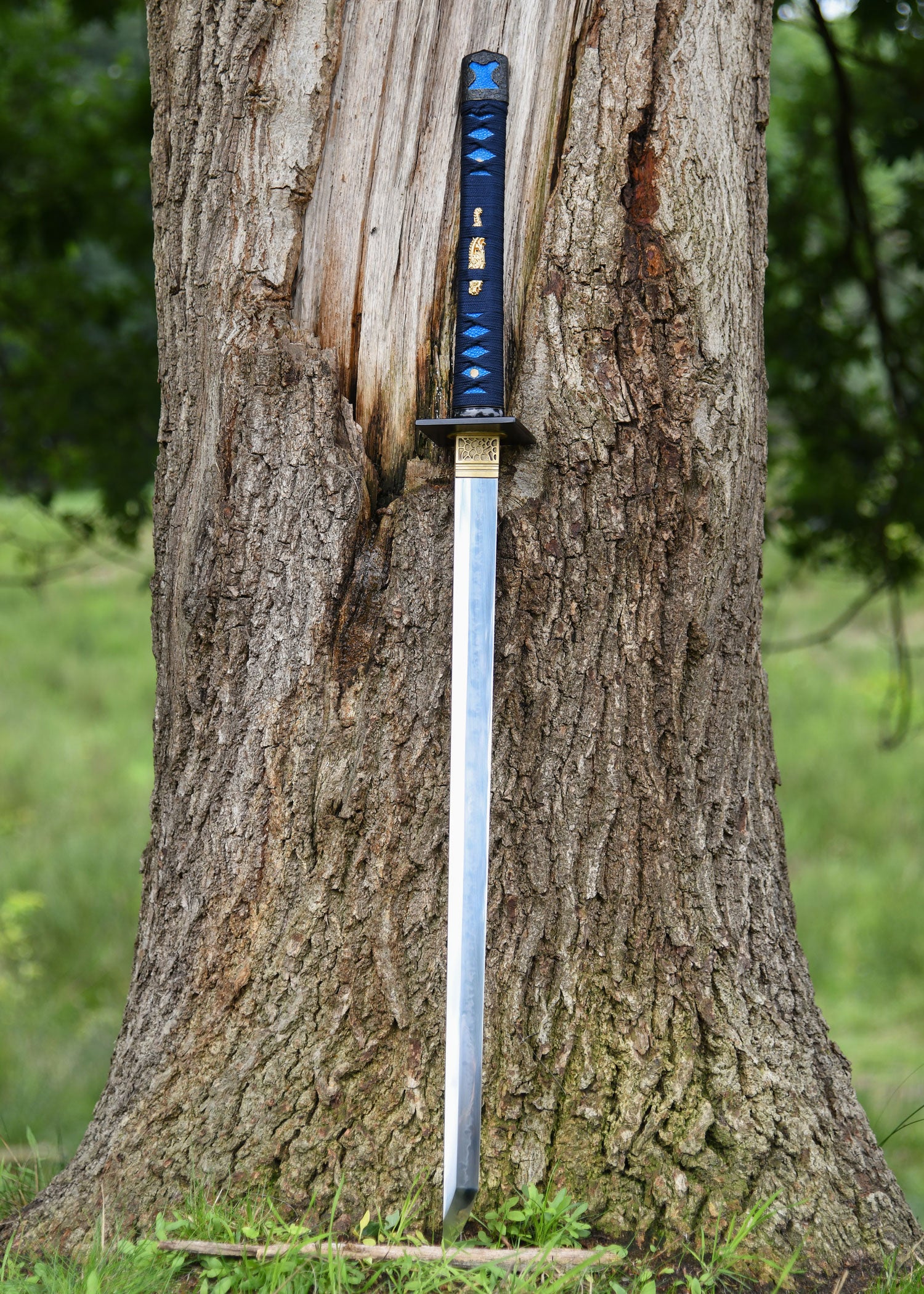
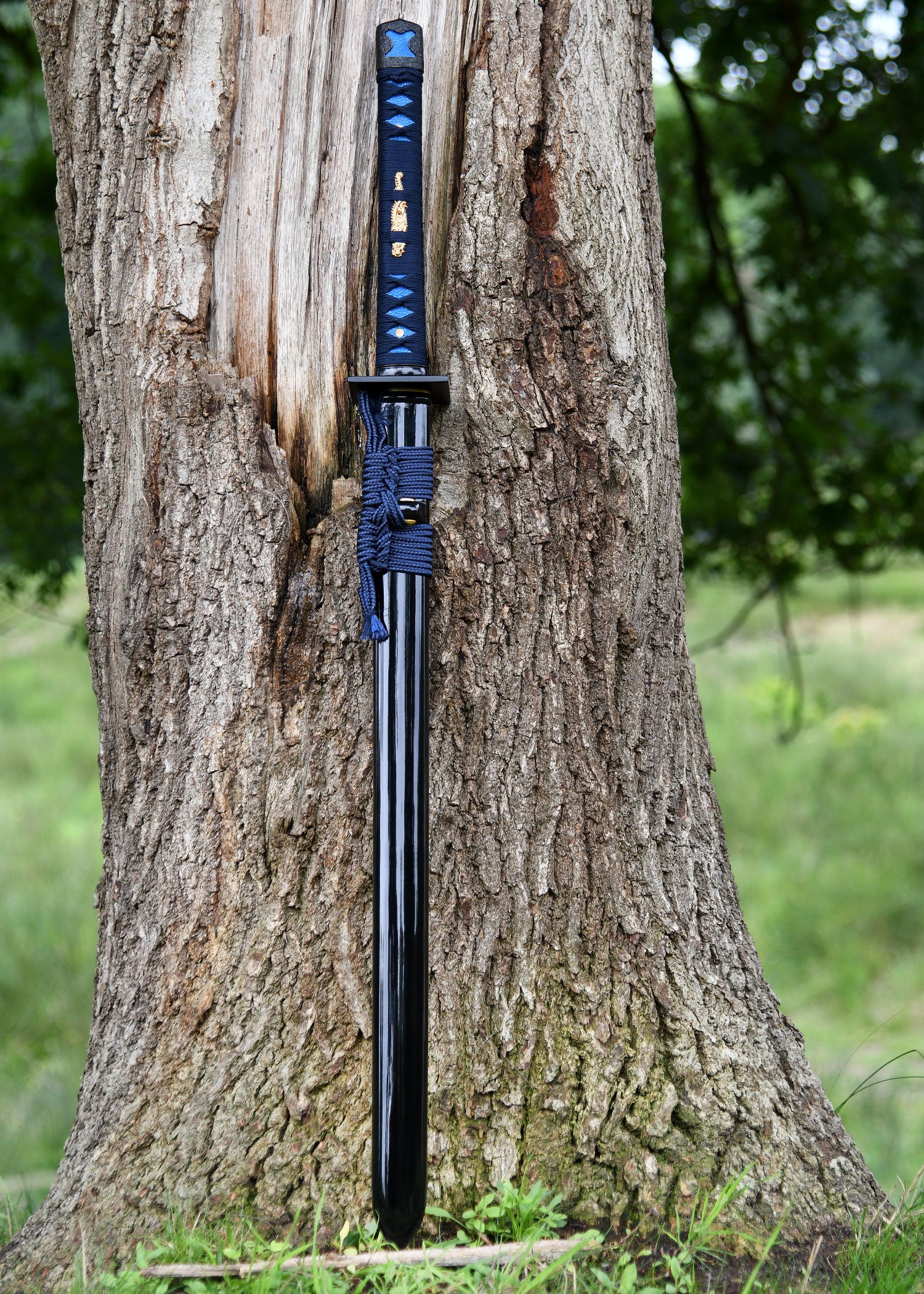
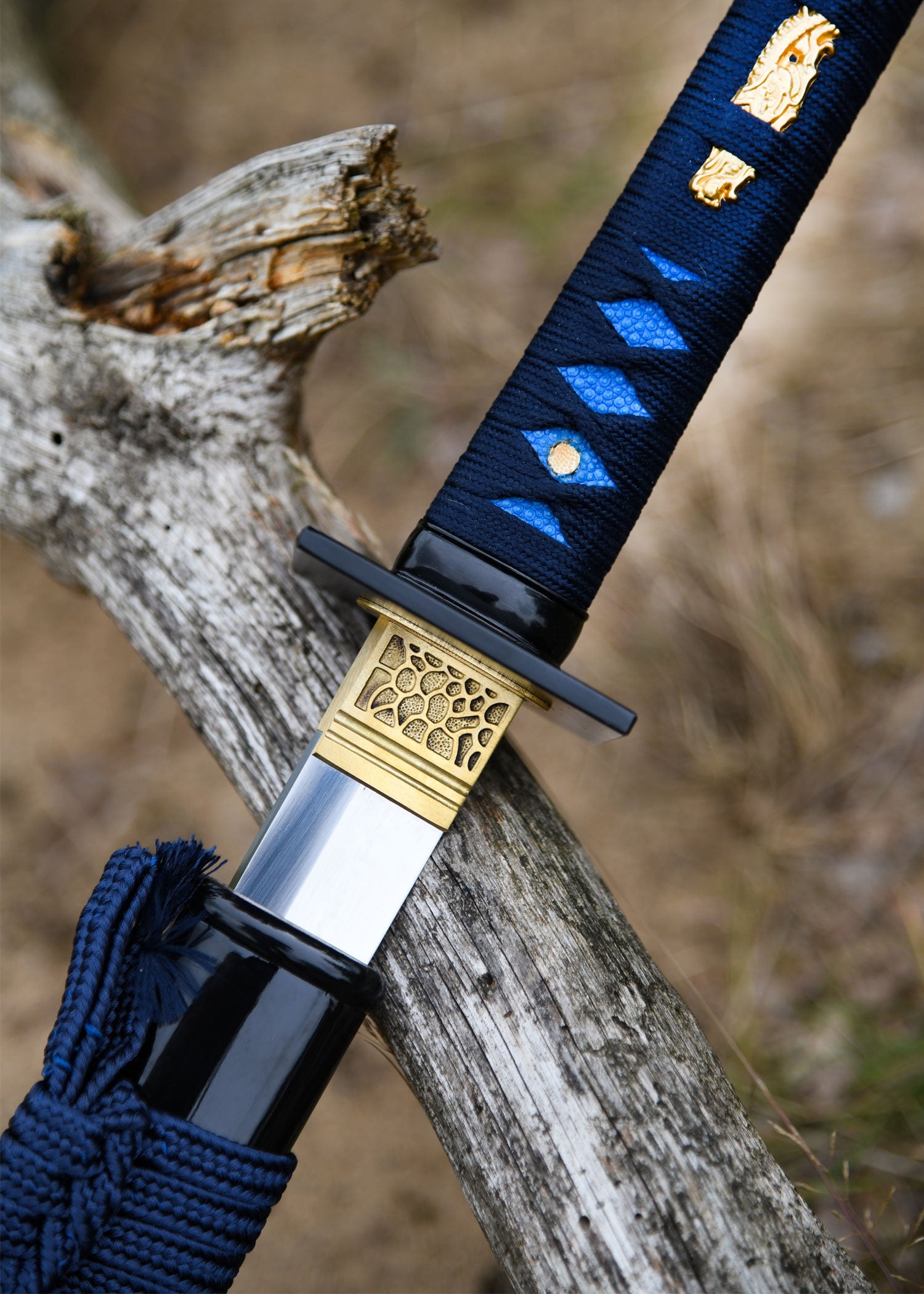
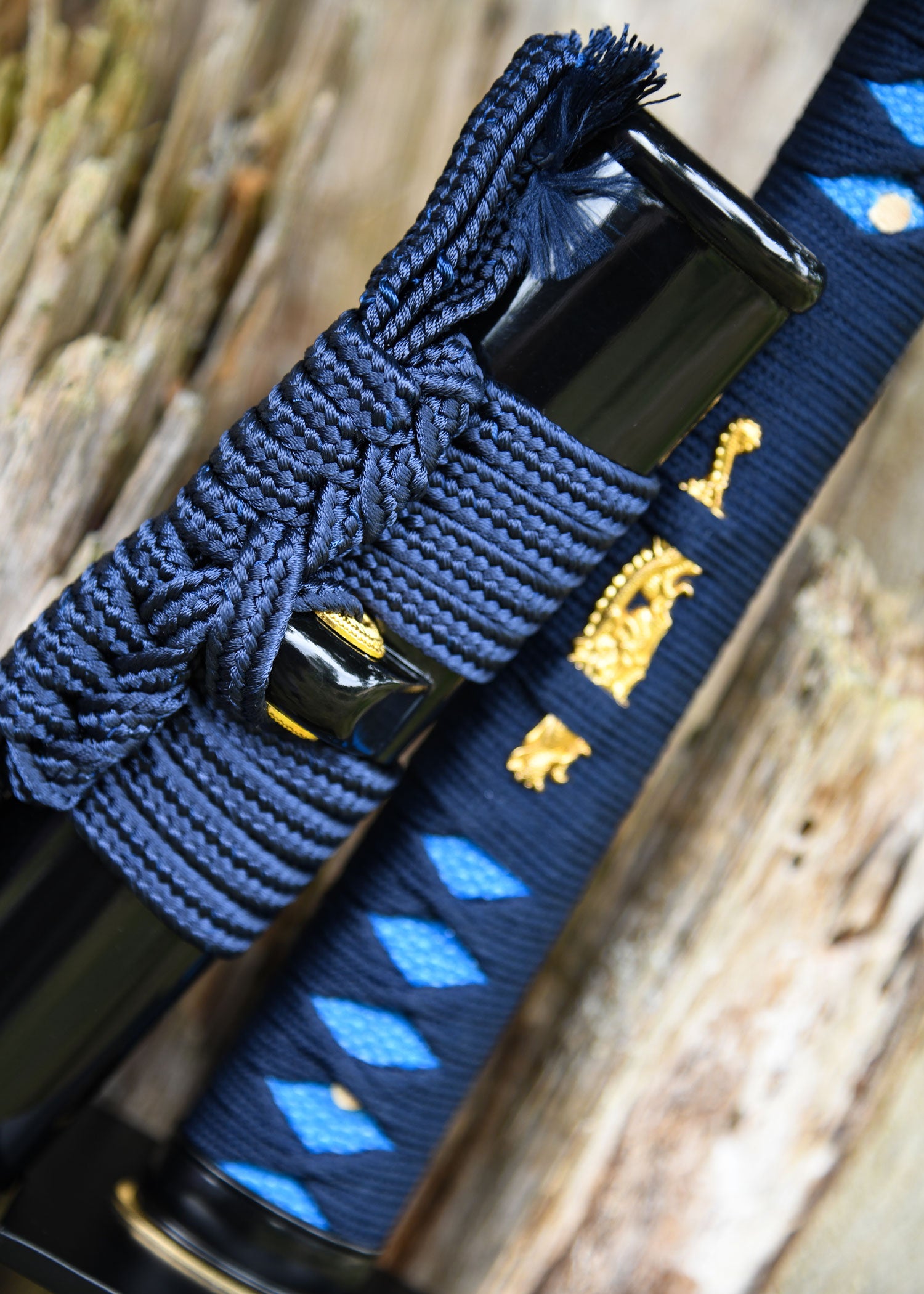
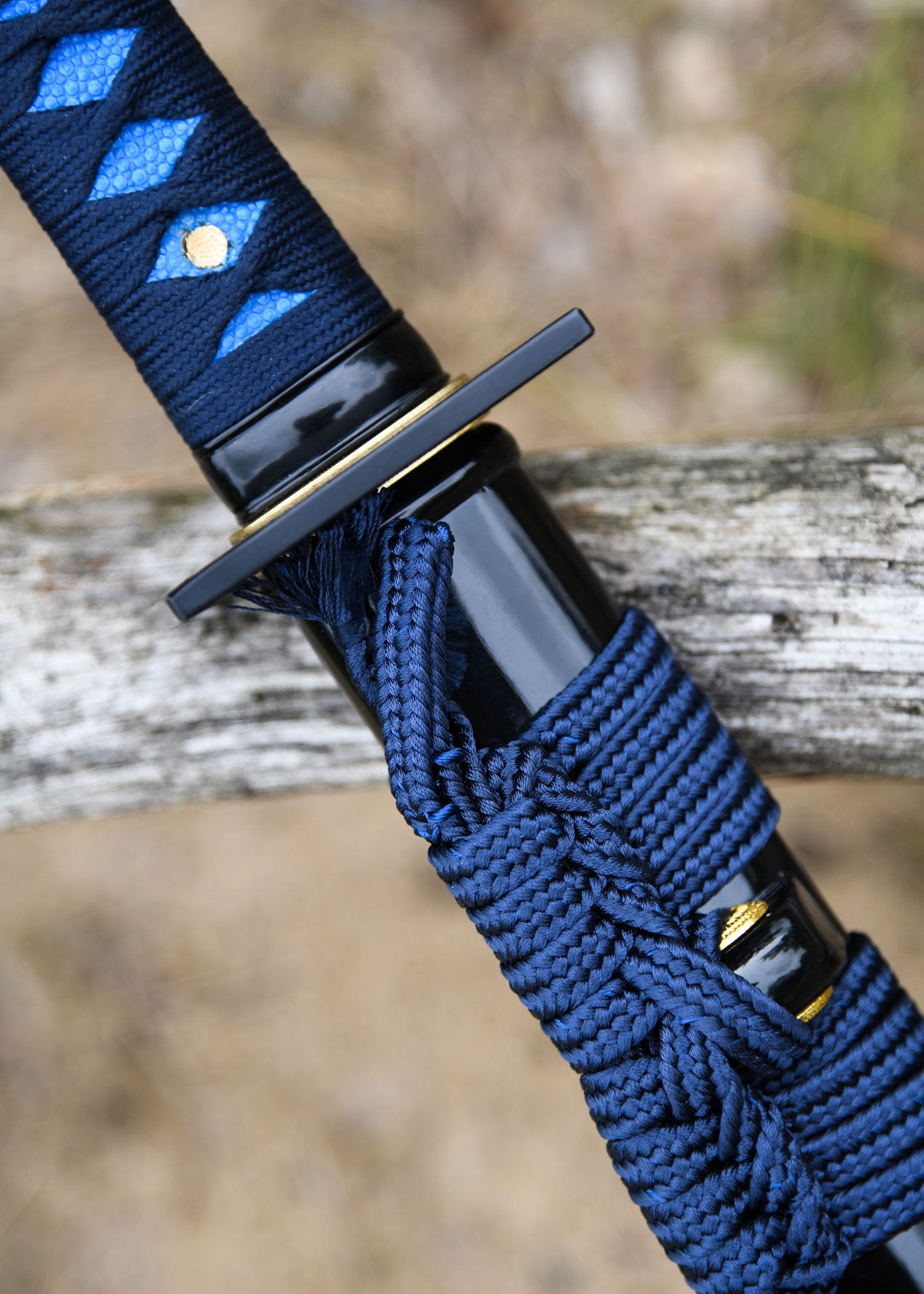
The Kage no senshi chokuto is immersed in the mysteries surrounding the existence of the modern shinobi. The name of the sword translates to "shadow warrior," which, along with the dark blue color of the sageo and ito, indicates the shadows in which the shinobi supposedly operate. The youngest member of the chokutō family is characterized by an unusual o-kissaki blade tip, rarely seen on shinobi gatana. It not only gives the blade a distinctive look, but also makes it easier to stab with the sword. The katate maki-wrapped tsuka is decorated with custom gold dragon menuki and a kabuto gane-style kashira. Overall, the sword is more compact than the shinobi chokutō, as it has a slightly shorter blade and a smaller tsuba. The rikko-style tsuka, on the other hand, is 10 mm longer than the shinobi chokutō to increase torque and maximum cutting power. The sharpened, polished, and hand-forged hazuya t10 blade features our signature bright, clay-hardened hamon. Protecting the blade is a jet-black saya, fully custom-made with a unique koiguchi shape for easier insertion.
This weapon has the guaranteed BattleBlades quality and comes with an embroidered BattleBlades silk sword bag and a certificate with a serial number.
How the ninja shinobi provinces were born
To protect themselves, their homes, and their families from the constant wars of the Sengoku period (1467-1598), commoners now known as shinobi formed their own caste outside of the usual feudal social categories, such as princes, samurai, and serfs. The stealth of the shinobi can be traced back even further, but it was not until the Sengoku period that ninjas were trained specifically for their purpose: to take advantage of constant warfare.
The yamabushi also lived in the mountainous regions of Iga and Koga and practiced religion and inner peace. The new caste system was founded in part by them because they did not want to have anything to do with the brutal outside war. The formation of their own caste system allowed the two ninja strongholds of Iga and Koga to exchange information and develop their own techniques of medicine, espionage, warfare, and assassination. Both Iga and Koga were governed by a city council instead of a daimyo (ruler), making them politically and socially independent, democratic, and autonomous ninja provinces. However, this era would soon come to an end when the last Koga ninja was deployed in the Shimabara Rebellion of 1637 and the mountainous regions came under the rule of the Tokugawa shogunate and its 300 daimyos. The Shimabara Rebellion was the largest civil war in Japan during the relatively peaceful Edo period (1603-1867). With the end of the Edo period, the Meiji Emperor and the Boshin War restored imperial rule in Japan.
Ninja Weapons
During the Sengoku and Edo periods, the two ninja strongholds of Iga and Koga developed their own weapons in addition to martial arts. The preferred weapons of the ninjas were the katana and straight-bladed swords such as the ninjato. There are many techniques that ninjas used with these swords, including their use as a weapon and as a means of distraction. Ninja swords were coated with a combination of red pepper and dirt at the tip of the scabbard. When the sword was unsheathed, the mixture was thrown into the enemies' eyes to distract them from the fatal blow.
Much is left to the imagination, as much of the known information about the national myth surrounding the ninja comes from folktales and modern pop culture. This mystery surrounding the shinobi has led to the belief that some of them even possessed supernatural powers, such as: flying, invisibility, shapeshifting, the ability to split into multiple bodies, summoning animals, and controlling the five classic elements.
The modern pop culture ninja was inspired primarily by the actor, writer, and martial artist Sho Kosugi, who made the straight-bladed ninja sword famous through his films and television shows in the 1980s. It is still debated whether a straight-bladed ninja sword with a square tsuba actually existed in feudal Japan, although it is depicted in many paintings. Myth or not, the Kage no senshi chokuto is a tribute to the great Sho Kosugi and the ninja-to he made popular again.
Details:
- Blade material/nagasa material: t10 steel
- Total length: approx. 84.6 cm
- Blade length/nagasa: approx. 56.2 cm
- Handle length/tsuka: approx. 27.7 cm
- Blade thickness at the back/kasane: approx. 7.1 mm
- Blade thickness at the front/sakikasane: approx. 3 mm
- Blade width/motohaba: approx. 3.2 cm
- Blade width at the tip/sakihaba: approx. 2.4 cm
- Weight with scabbard/saya: approx. 1.2 kg
- Weight: approx. 1.04 kg
The above specifications may vary slightly from one specimen to another.
At Todo Medieval we have thousands of medieval and other era products. Discover them!