




Category-B Gallows Sword Without Scabbard
€179,96 EUR
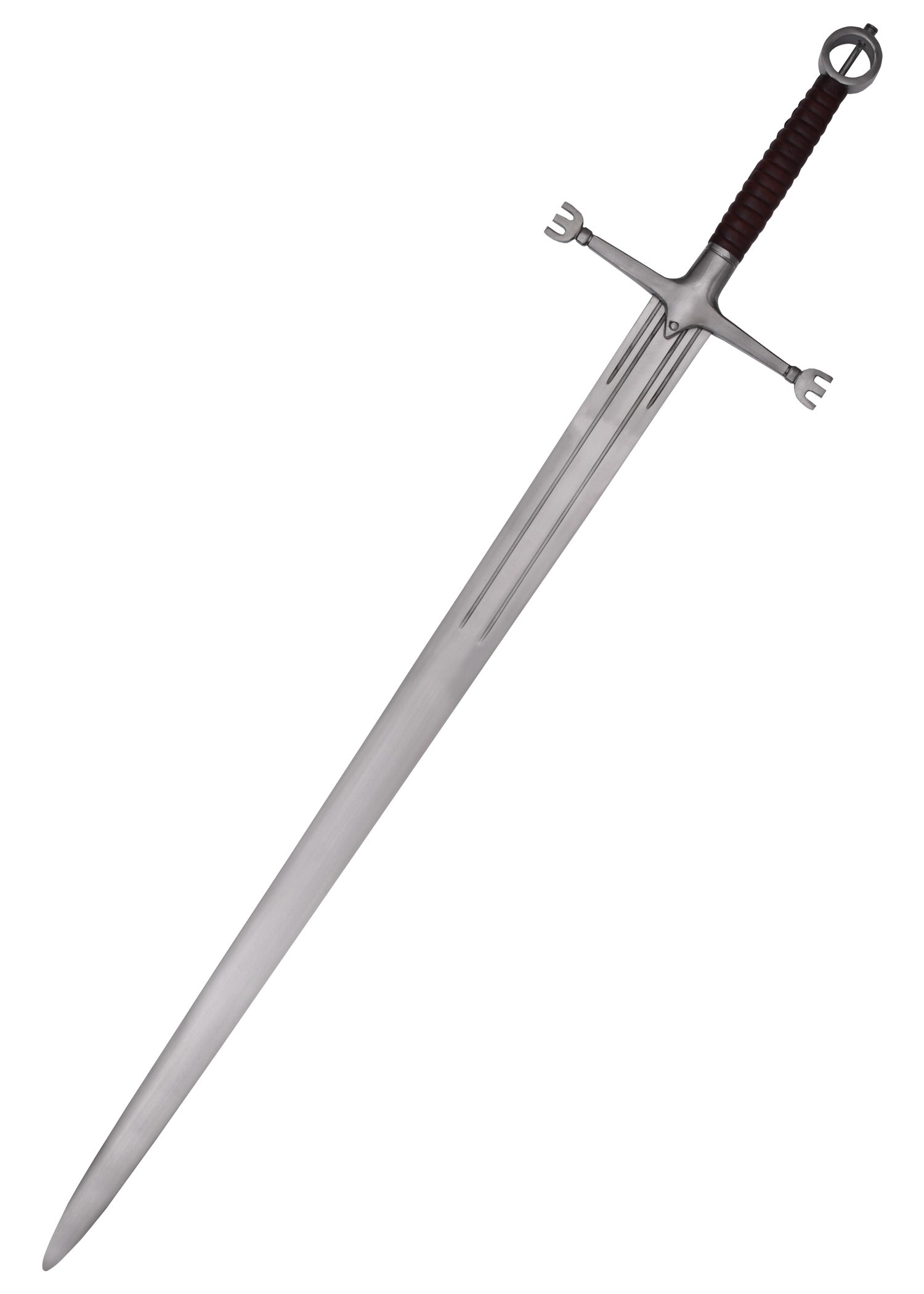
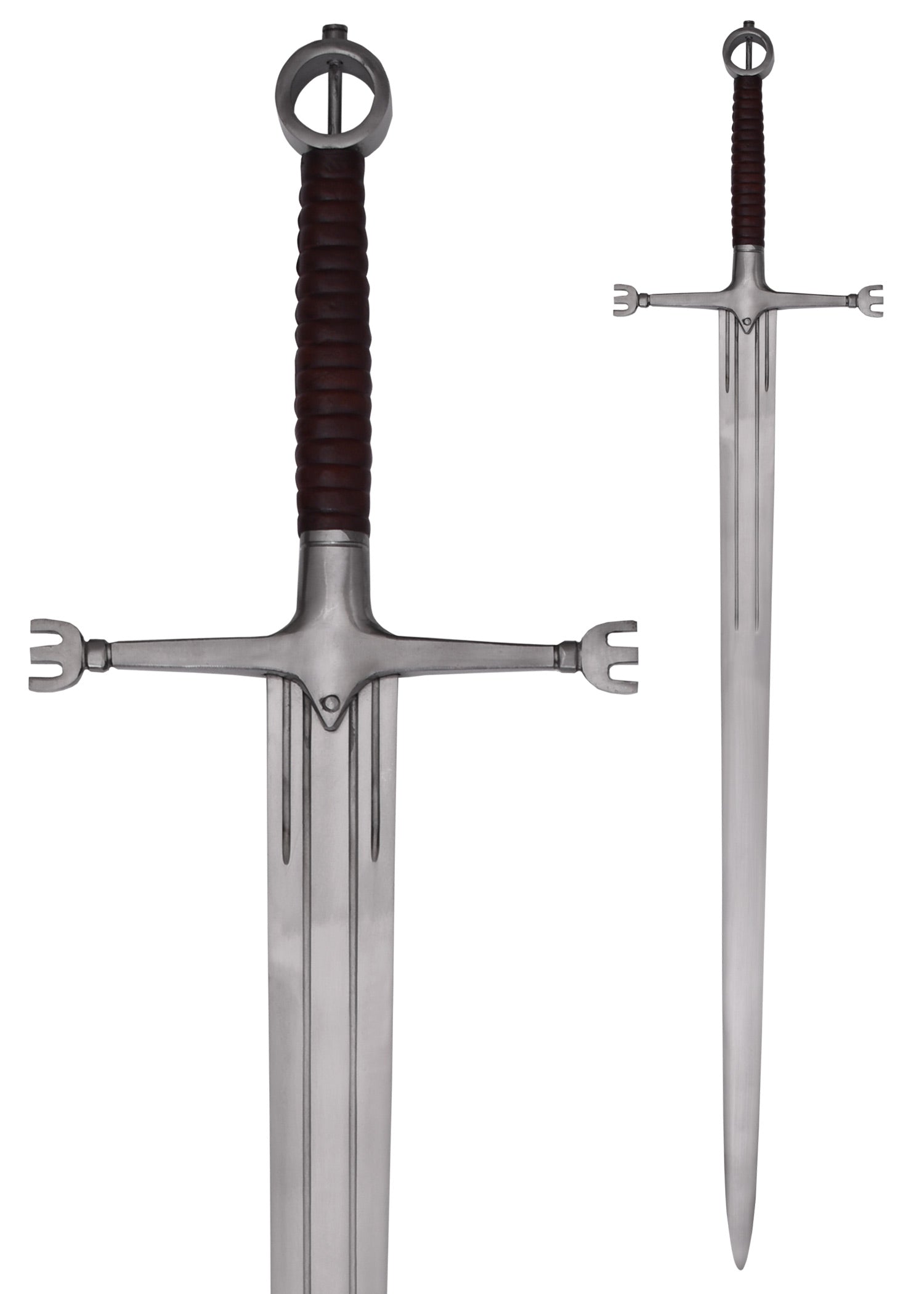
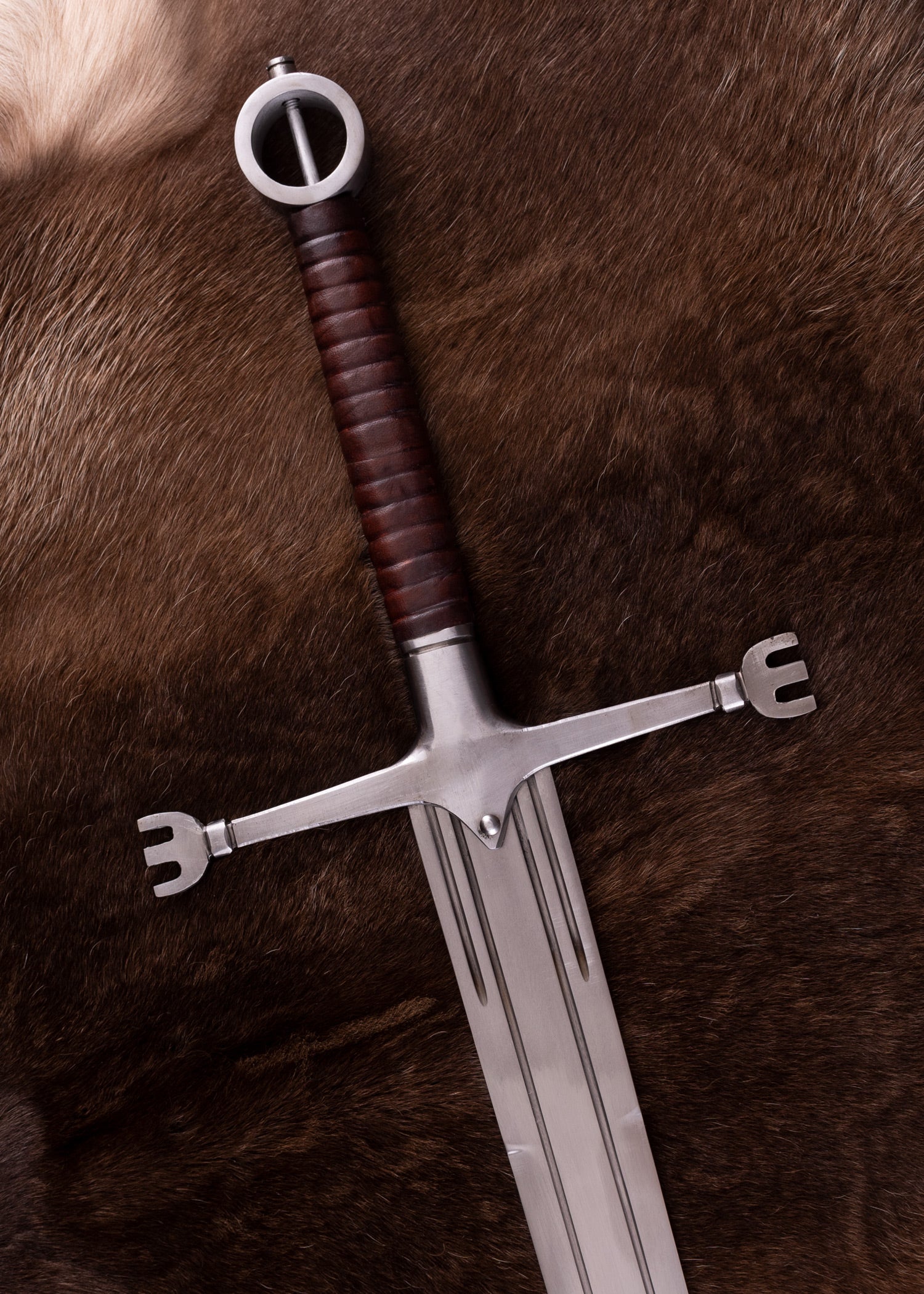
Category-B Gallows Sword Without Scabbard
In stock
Consigue envío gratuito
Península Ibérica
Unión Europea
Importe estimado al añadir este producto. Sujeto al destino de entrega.
Este productos se enviará: 7-10 Day Shipping
Otros clientes también compraron...

Choose options
In stock
Consigue envío gratuito
Península Ibérica
Unión Europea
Importe estimado al añadir este producto. Sujeto al destino de entrega.
Este productos se enviará: 7-10 Day Shipping
Otros clientes también compraron...
In stock
Consigue envío gratuito
Península Ibérica
Unión Europea
Importe estimado al añadir este producto. Sujeto al destino de entrega.
Este productos se enviará: 7-10 Day Shipping
Otros clientes también compraron...
Enjoy the Gallowglass Two-Handed Sword Without Scabbard
16th Century Irish Gallowglass Two-Handed Sword with Ring Pommel
The model for this two-handed sword was the massive sword of the elite Irish mercenaries of Scottish descent, known as gallowglass (also galloglass or galloglas - an anglicization of the Gaelic gallóglaigh / gallóglach, literally translated as "foreign young soldier"). Between the mid-13th and late 16th centuries, these intrepid, heavily armed infantrymen fought alongside the core light infantry that made up the bulk of Irish armed forces in the late Middle Ages and the Renaissance.
The gallowglass originally came from the Norse-Gaelic clans of the Scottish Highlands, Argyll, and the Hebrides (off the west coast of Scotland), whose Irish ancestors had intermarried with 10th-century Norse settlers. When they were dispossessed during the Scottish Wars of Independence, they fled to Ireland, where Irish princes quickly recognized their value and granted them employment, land to settle, and the right to provisions in exchange for their loyalty and military service. Many Irish lords also employed gallowglasses as bodyguards. Over the centuries, the ranks of the gallowglass were also filled with native Irish and newer Scottish mercenaries.
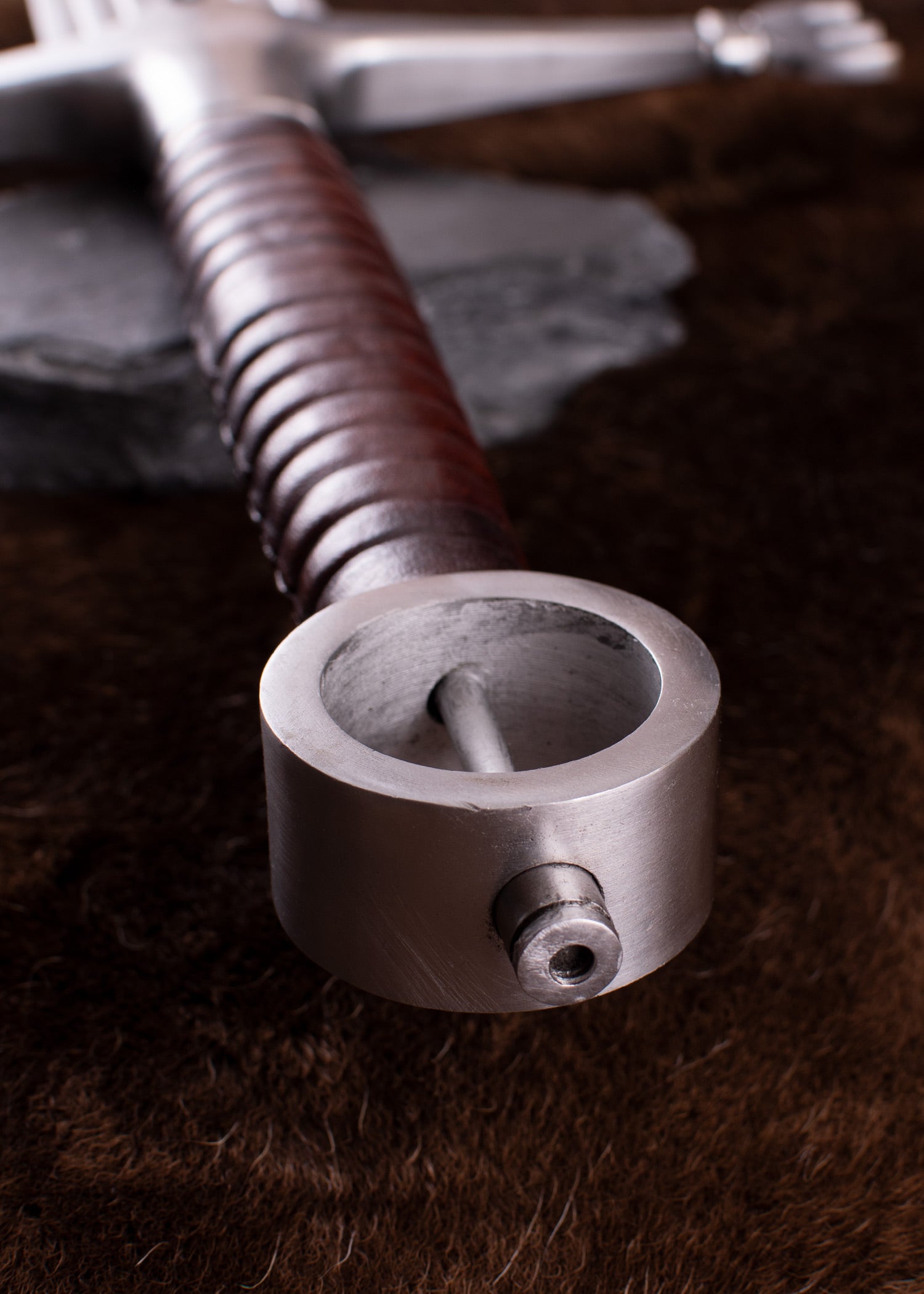
The preferred weapons of the highly trained gallowglass soldiers were a two-handed sparth axe (likely a relic of their Scandinavian heritage) and a large two-handed sword. The sword often had a characteristic ring-shaped pommel, through which the end of the blade's tang was visibly passed. This unique open ring pommel was relatively typical of Irish swords from the 15th and 16th centuries. Many surviving Irish-Gaelic ring-pommel swords were found during archaeological excavations throughout Ireland and can now be admired in various museums (e.g., at the National Museum of Ireland in Dublin).
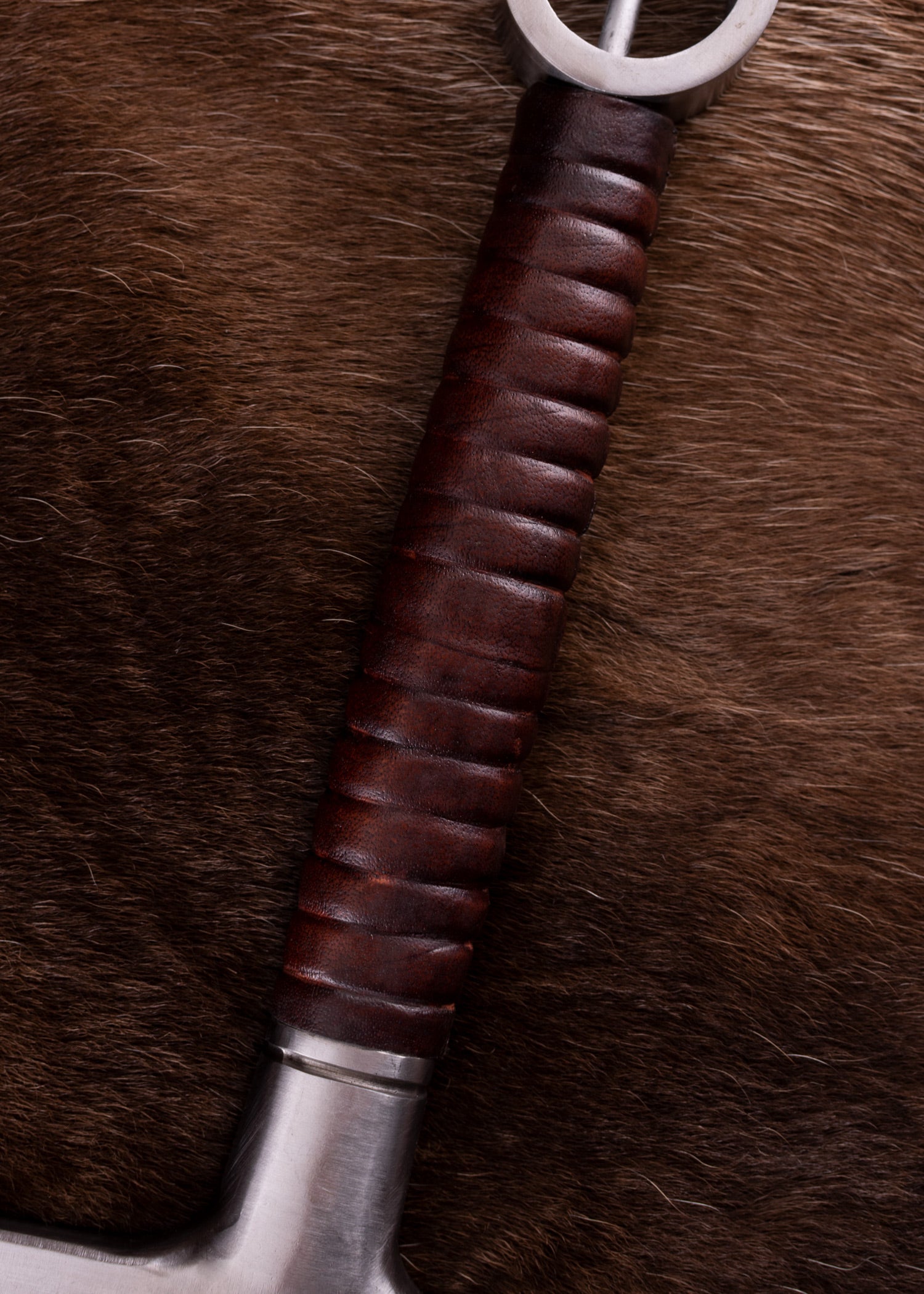
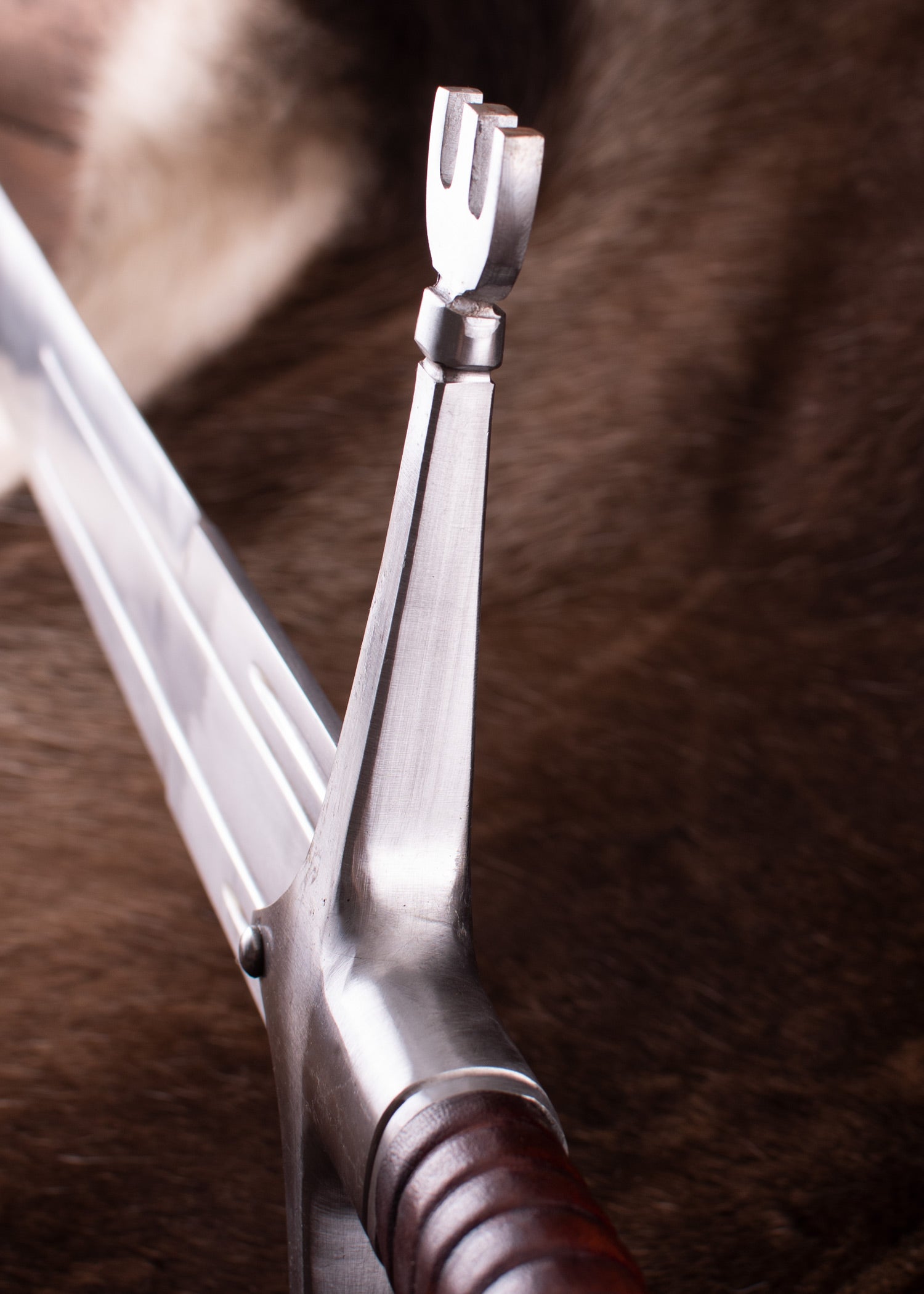
Our economical reconstruction of a gallowglass sword features a broad, flat, double-edged blade made of EN45 spring steel with a ricasso approximately 15 cm long at the base and four fullers on each side (two running about a third of the blade's length and two shorter ones). The cutting edges are not sharpened. The hilt has a crossguard approximately 30 cm long with e-shaped ends approximately 7 mm thick, a wooden handle tightly wrapped in brown leather, and ends with the iconic ring pommel that adorns many Irish swords.
This beautiful piece of Scottish-Irish history comes without a scabbard.
This late Medieval/Renaissance two-handed sword is designed as a collector's item or decorative object. It is also ideal as an accessory, for example to complete your costume, and will make your transformation into a proud Irish warrior simply perfect.
Details:
- Material: EN45 spring steel blade (carbon steel, not stainless), wooden handle with leather wrap, steel guard and pommel
- Total length: approx. 138 cm
- Blade length: approx. 106 cm
- Blade thickness: approx. 4 mm (cutting edges approx. 1 mm)
- Handle length: approx. 32 cm (grip section approx. 19 cm)
- Max. blade width: approx. 6.5 cm
- Point of balance: approx. 20 cm in front of the guard
- Ring pommel dimensions: approx. 5.7 cm ø, 8 mm thick
- Weight: approx. 2.8 kg
The above specifications may vary slightly from specimen to specimen.
The steel used here is not stainless and may show slight signs of corrosion. We recommend caring for the blade regularly, for example with Ballistol, a universal oil ideal for preserving steel products.
At Todo Medieval we have thousands of medieval products and items from other eras. Discover them!