





5-7 Day Shipping


7-10 Day Shipping


Shipping 7-10 Days
5-7 Day Shipping


5-7 Day Shipping


5-7 Day Shipping


Shipping 7-10 Days


Shipping 7-10 Days


7-10 Day Shipping


7-10 Day Shipping


7-10 Day Shipping


7-10 Day Shipping


7-10 Day Shipping


7-10 Day Shipping


7-10 Day Shipping


7-10 Day Shipping


7-10 Day Shipping


5-7 Day Shipping


7-10 Day Shipping


7-10 Day Shipping


Shipping 7-10 Days


7-10 Day Shipping


7-10 Day Shipping

7-10 Day Shipping

7-10 Day Shipping


7-10 Day Shipping


7-10 Day Shipping

7-10 Day Shipping

7-10 Day Shipping


7-10 Day Shipping

7-10 Day Shipping

7-10 Day Shipping


Shipping 7-10 Days


7-10 Day Shipping


7-10 Day Shipping


7-10 Day Shipping


7-10 Day Shipping

7-10 Day Shipping


7-10 Day Shipping

7-10 Day Shipping


5-7 Day Shipping
7-10 Day Shipping
Shipping 7-10 Days
5-7 Day Shipping
5-7 Day Shipping
5-7 Day Shipping
Shipping 7-10 Days
Shipping 7-10 Days
7-10 Day Shipping
7-10 Day Shipping
7-10 Day Shipping
7-10 Day Shipping
7-10 Day Shipping
7-10 Day Shipping
7-10 Day Shipping
7-10 Day Shipping
7-10 Day Shipping
5-7 Day Shipping
7-10 Day Shipping
7-10 Day Shipping
Shipping 7-10 Days
7-10 Day Shipping
7-10 Day Shipping
7-10 Day Shipping
7-10 Day Shipping
7-10 Day Shipping
7-10 Day Shipping
7-10 Day Shipping
7-10 Day Shipping
7-10 Day Shipping
7-10 Day Shipping
7-10 Day Shipping
Shipping 7-10 Days
7-10 Day Shipping
7-10 Day Shipping
7-10 Day Shipping
7-10 Day Shipping
7-10 Day Shipping
7-10 Day Shipping
7-10 Day Shipping
Roman Armor: protection and legacy of the legionnaires
Roman armor was key to the military success of the Roman Empire. Designed to offer mobility and protection, it evolved over time to adapt to the needs of soldiers and gladiators. Below, we explain its main components:
Main types of Roman armor
- Lorica Segmentata: The most iconic armor of the legionnaires. Formed by iron plates joined with rivets and leather straps, it offered great protection without sacrificing mobility.
- Lorica Hamata: A chainmail made of interlocking metal rings, worn by legionnaires and officers. More flexible than the segmentata, but heavier.
- Lorica Squamata: An armor of overlapping metal scales, common among officers and centurions, which combined resistance and elegance.
Other key pieces of Roman armor
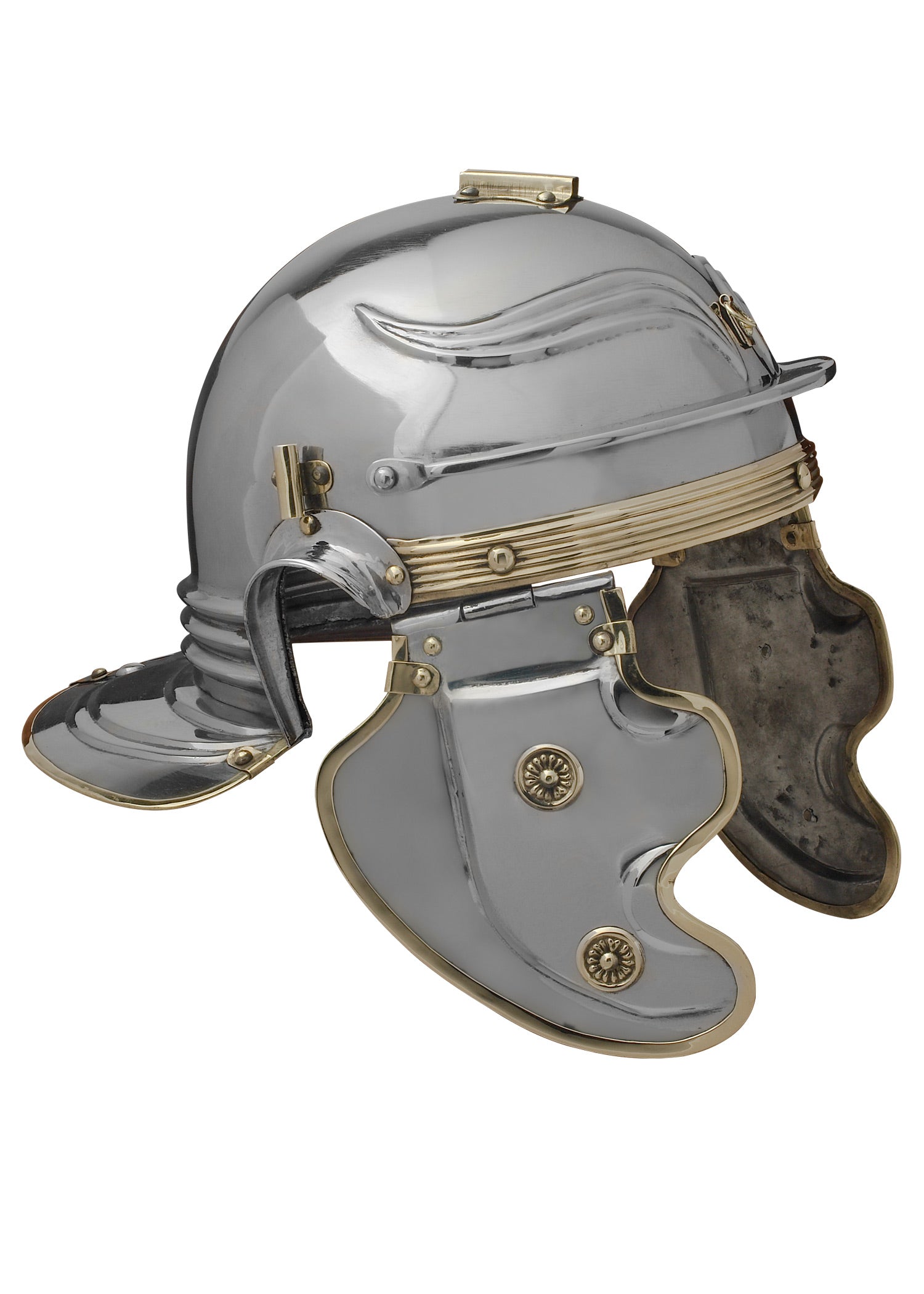
- Galea (Roman helmet): Fundamental for head protection. The best-known models are the Imperial Gallic and the Imperial Italic, both with reinforcements for the neck and side cheek guards.
- Manicae: Articulated arm protection, especially used by gladiators and some cavalry units.
- Greaves (Ocreae): Metal pieces that protected the legs, used mainly by centurions and high-ranking officers.
Roman armor was not only functional, but also reflected status and hierarchy within the army. Whether for historical reenactment, collecting, or decoration, at Todo Medieval you will find high-quality replicas that will transport you to the era of the great conquerors.
