
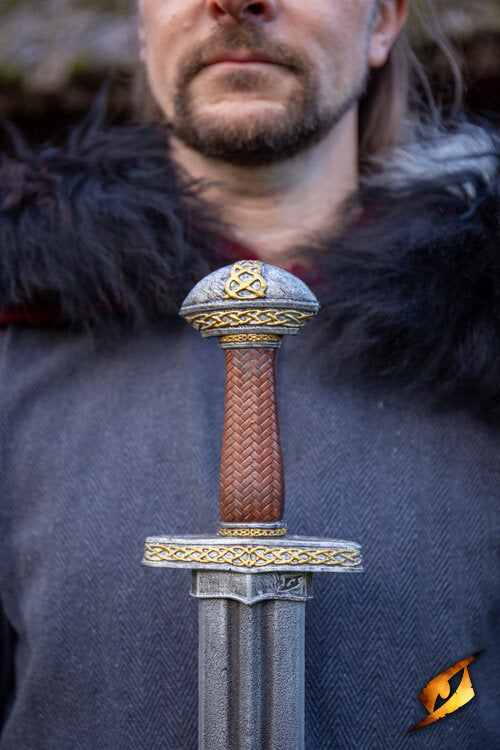
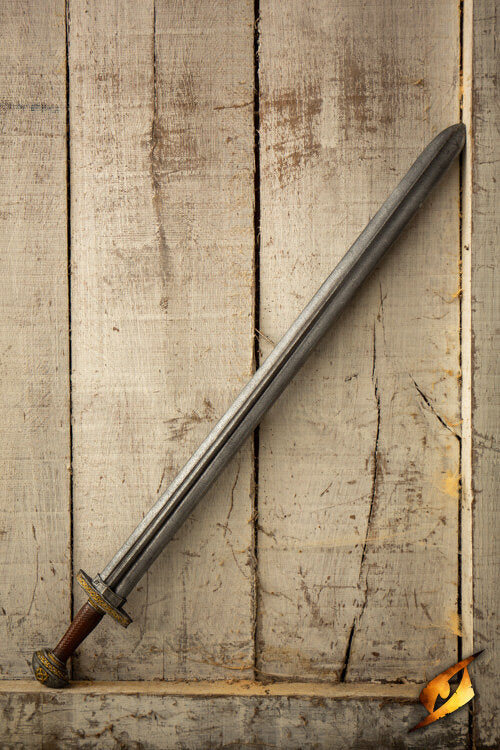
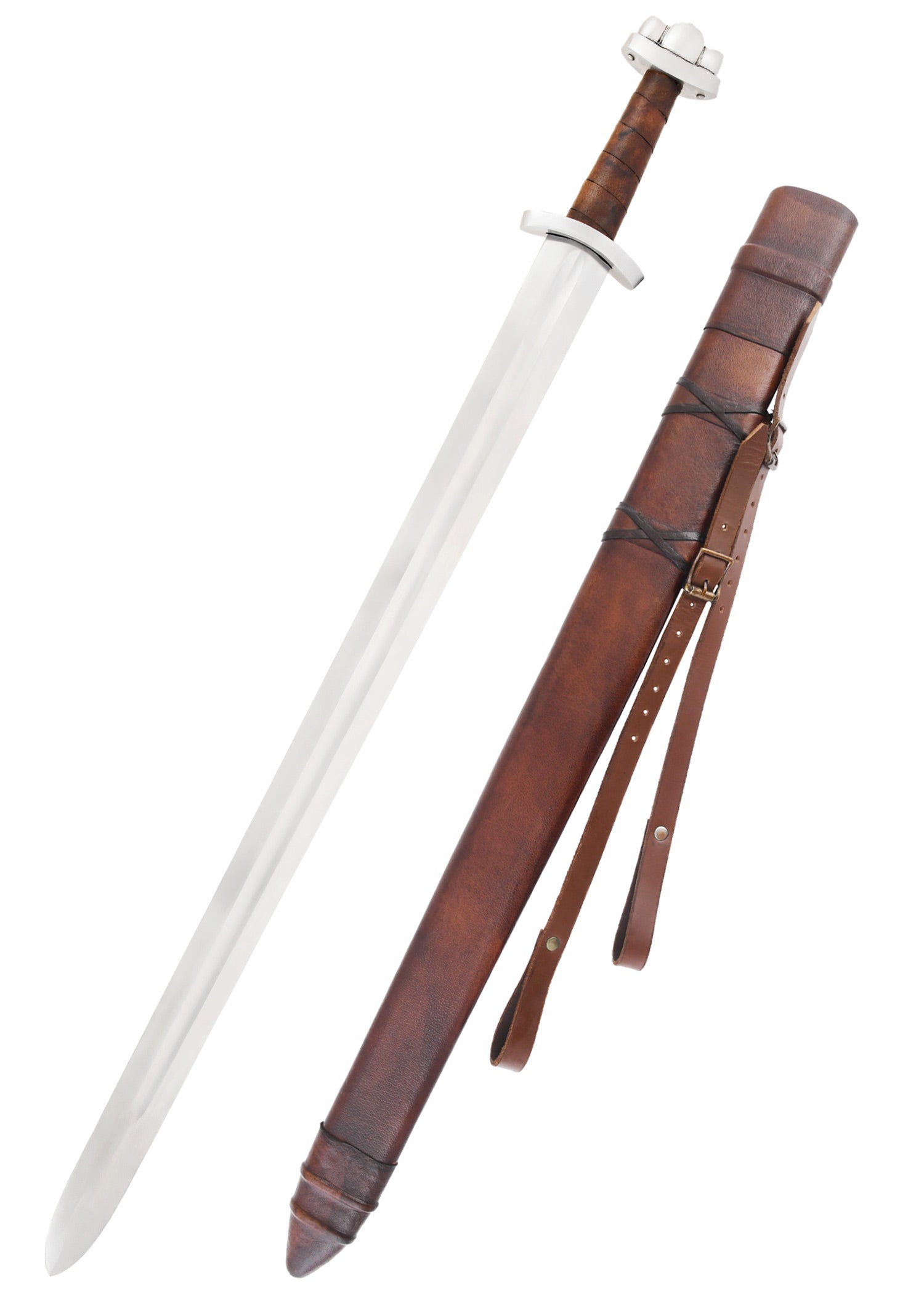

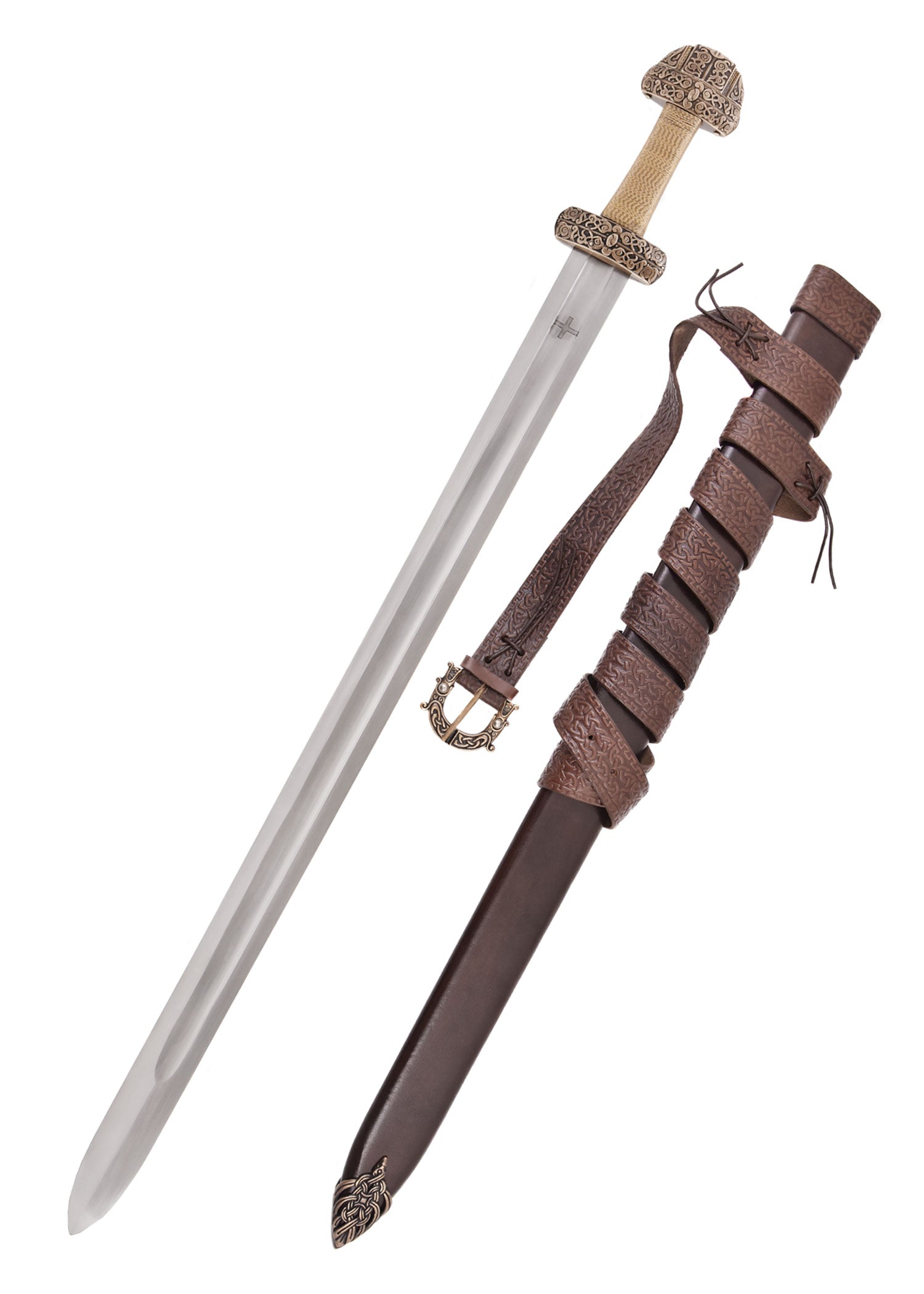

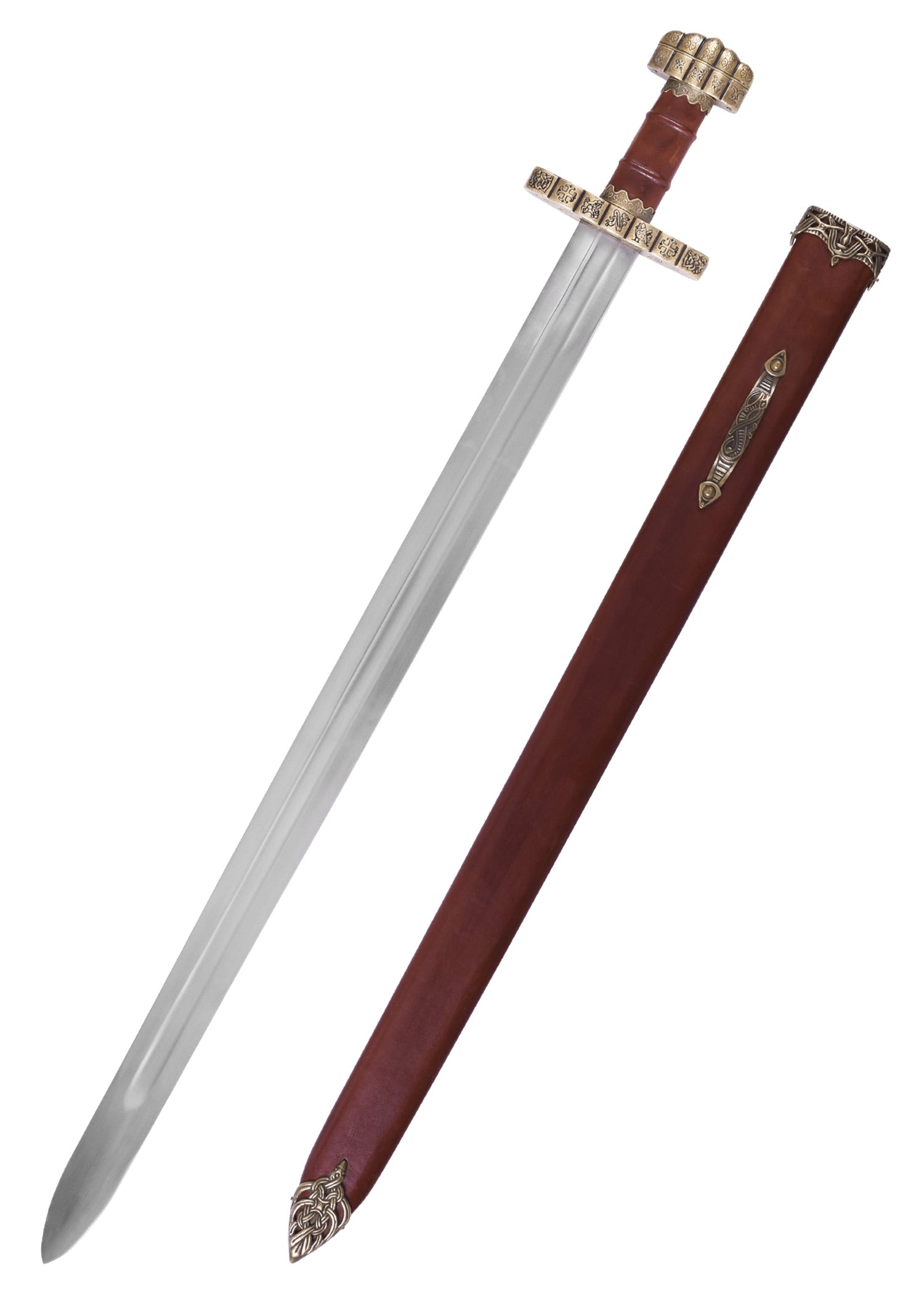

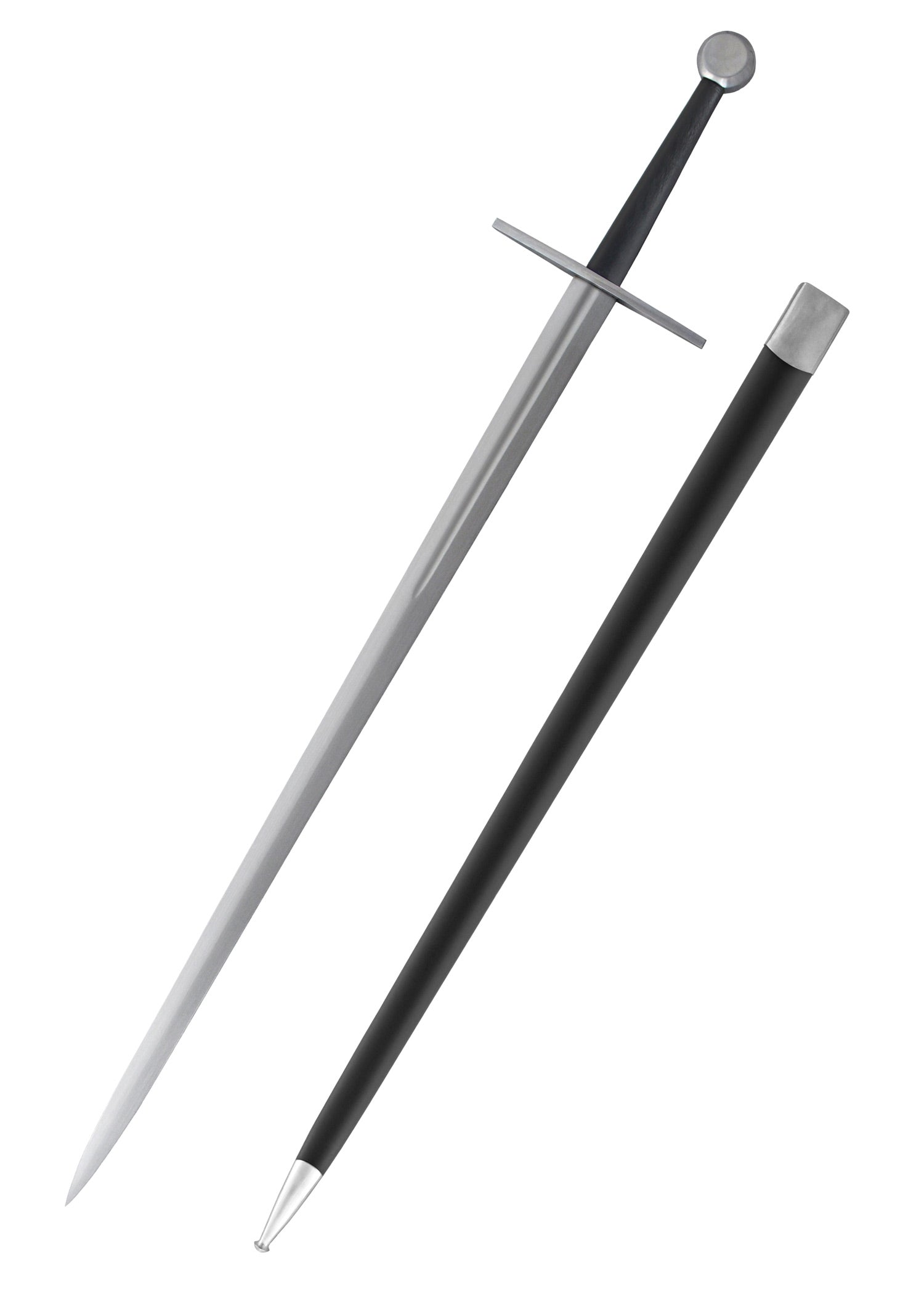
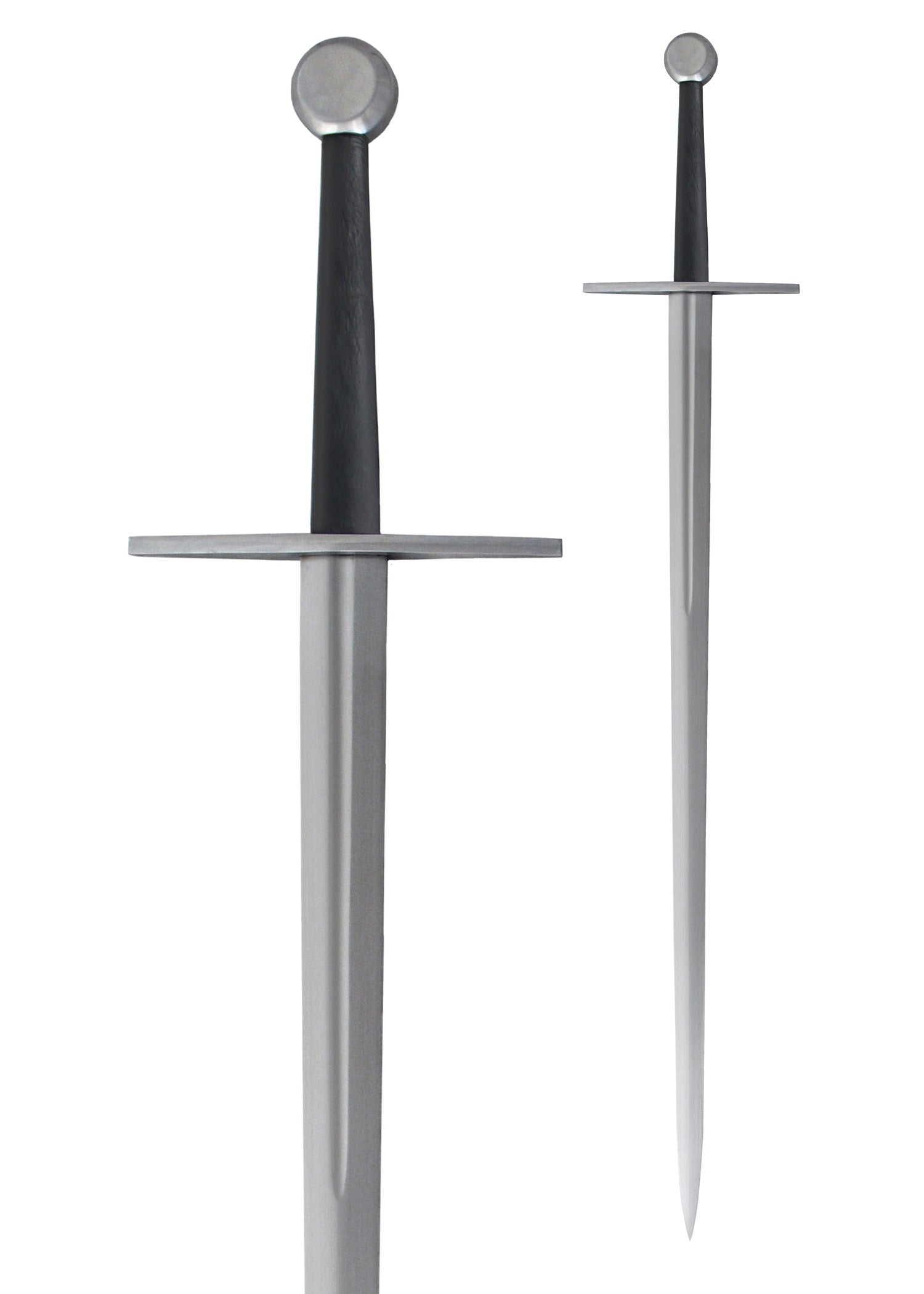


The value of the sword in medieval Viking society
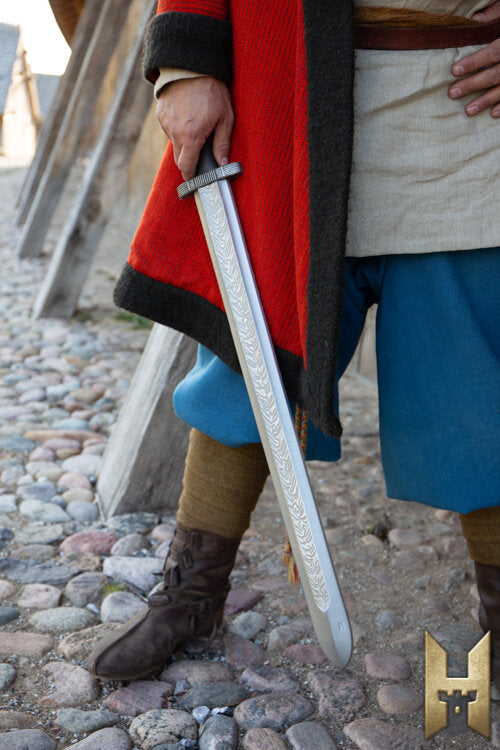
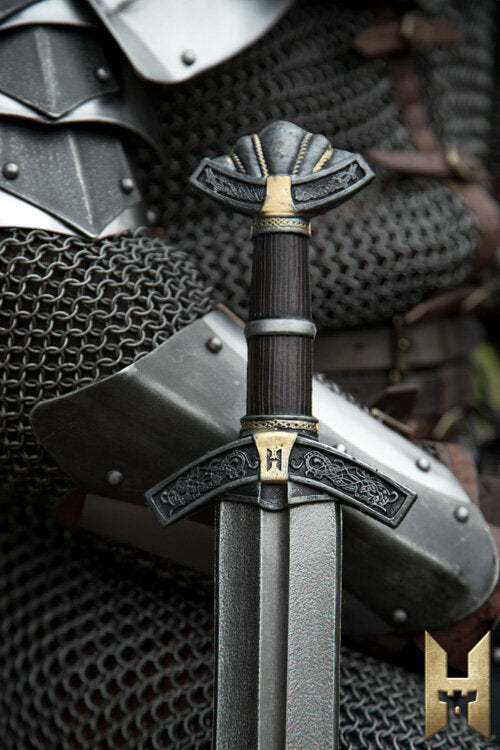
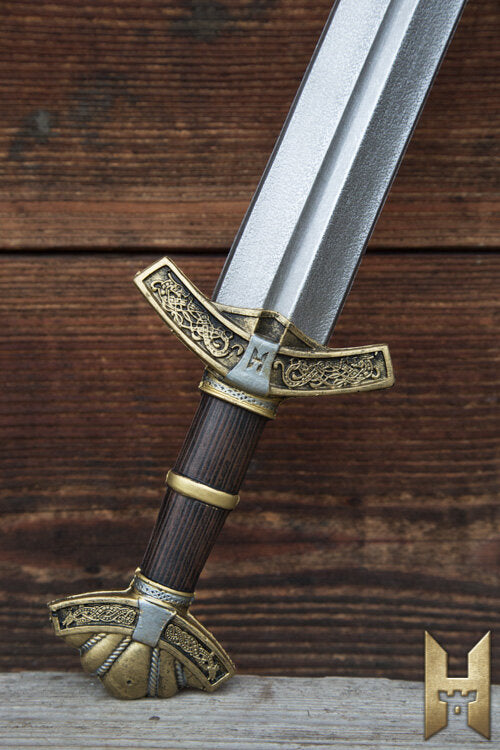
In medieval Scandinavia, the Viking sword was the most prestigious and expensive weapon, reserved for kings, jarls, and elite warriors.
Unlike axes or spears, its manufacture required quality iron, advanced techniques such as pattern welding, and, in many cases, imports from the Frankish realm. For this reason, the sword became a symbol of social status, political legitimacy, and personal honor within Viking culture.
The custom of naming swords
Medieval sources confirm that the Vikings gave proper names to certain swords, a practice inherited from the Germanic world.
Naming a weapon implied recognizing its historical value, its lineage, and the exploits associated with it.
Swords were passed down from generation to generation and were treated as objects with their own identity, reinforcing family memory and the prestige of the lineage.

Some swords in Viking history with proper names
Skofnung: the sword of King Hrólf Kraki
Skofnung is one of the best-documented named Viking swords in Norse literature. It appears in the Hrólfs saga kraka and the Kormáks saga, where it is described as the weapon of the legendary Danish King Hrólf Kraki.
The sagas attribute an extraordinary edge and almost ritualistic properties to it, such as the need to perform spells to heal the wounds it caused.
Its presence in more than one saga reinforces its cultural importance.
Kvernbit: royal weapon of Haakon the Good
Kvernbit, whose name means "mill-biter," is attributed to the Norwegian King Haakon the Good in Snorri Sturluson's Heimskringla.
Haakon was a historically documented figure of the 10th century, which makes Kvernbit one of the most solid examples of a named sword associated with a real king.
The chronicle highlights its ability to cut through stone, underscoring the symbolism of royal power.
Leggbítr: the sword of Magnus Barefoot
Leggbítr ("leg-biter") belonged to the Norwegian King Magnus Barefoot, a historical figure of the 11th century.
Also mentioned in the Heimskringla, its name alludes to the length of the weapon and its effectiveness in combat.
This example demonstrates that the tradition of naming swords was not limited to the legendary period, but continued in verifiable historical contexts.
Gram: the heroic sword of the Völsung cycle
Gram appears in the Völsunga saga as the weapon of the hero Sigurd. Although its nature is clearly mythical, its importance is key to understanding the Viking imaginary.
The sword is forged, broken, and reforged, representing heritage, destiny, and legitimacy.
Although it is not a real historical object, it profoundly influenced the cultural perception of Viking swords.
Tyrfing: power and curse in Norse tradition
Tyrfing is described in the Hervarar saga ok Heiðreks as a sword forged by dwarves and cursed, destined to cause death every time it is unsheathed.
Its function is not historical, but symbolic, showing how weapons could embody moral consequences and warnings about the abuse of power.

Historical significance of named swords
From an academic point of view, these swords should not all be interpreted as real archaeological objects, but as literary evidence of a documented cultural practice: the personalization of elite weapons.
The repetition of this motif in sagas, chronicles, and poems confirms that naming swords was a real tradition in Viking society.