





Sengakuji Temple (泉岳寺) is located in the Minato district, south of Tokyo, and occupies a central place in the samurai history of Japan.
Its relevance is not due to architectural monumentality, but rather to its direct link to the 47 ronin of Ako, protagonists of one of the most significant historical episodes of the Edo period (1603–1868), which relates to the values of honor, loyalty, and discipline of bushido.

Historical origin and religious context of Sengakuji
Sengakuji was founded in 1612 by order of Shogun Tokugawa Ieyasu, during a period of political stabilization following decades of internal wars.
The temple belongs to the Soto Zen school, one of the main branches of Japanese Zen Buddhism, centered on meditation and a disciplined life.
Over the centuries, the complex suffered fires and reconstructions, which were common in the urban history of Edo. For this reason, the main gate and the cemetery are the oldest preserved elements today, and are the spaces where its greatest historical value is concentrated.

The 47 Ronin and their relationship with Sengakuji
The Ako Incident and the fall of Asano Naganori
The relationship between Sengakuji and the 47 ronin dates back to 1701. That year, Asano Naganori, daimyo of the Ako domain, was sent to Edo to fulfill ceremonial functions before the shogunate's court. During his stay, he was the target of continuous provocations by Kira Yoshinaka, a high-ranking official.
The situation culminated when Asano wounded Kira inside Edo Castle, an act forbidden by the strict regulations of the shogunate. As punishment, Asano was forced to commit seppuku, while Kira received no sanction whatsoever.
With the death of their lord, the samurai of Ako were reduced to ronin.
The planned revenge of the 47 ronin
Under the leadership of Oishi Yoshio (Kuranosuke), the ronin organized their response over approximately eighteen months.
To avoid suspicion, they adopted a strategy of deception that included dispersing the group and behaving in ways that appeared to show an abandonment of the samurai code.
On December 14, 1702, the 47 ronin attacked Kira's residence and executed him. Afterward, they brought his head to Sengakuji Temple and placed it before the tomb of Asano Naganori, thus concluding the act of revenge and fidelity to their lord.
Seppuku and burials in the Sengakuji cemetery
After the events, the shogunate recognized the moral consistency of the ronin, but could not ignore the law. They were ordered to commit seppuku, which allowed them to die with honor.
Forty-six of them were buried in Sengakuji next to their master after committing seppuku.
The cemetery preserves gravestones identified with the names of each warrior. There are also memorial graves dedicated to Kayano Sanpei, who was indirectly linked to the group, and Terasaka Kichiemon, the only ronin pardoned due to his youth, his low rank compared to his comrades, and because the leader, Oishi Kuranosuke, specifically ordered him to travel to Ako province to inform the officials about what had happened, testifying that the revenge for the death of their lord had been successfully completed; after fulfilling his duty of documenting this, he managed to live until age 87 before being buried alongside his companions.

Historical elements of the compound and material memory
Within the compound, the Kubiarai Ido, the Head-Washing Well, is preserved, where according to tradition the ronin cleaned Kira's head before presenting it at the temple.
Also notable is a statue dedicated to Kodo Sawaki, an influential 20th-century Zen master, which reflects the spiritual continuity of the place.
Akogishi Kinenkan Museum and annual commemoration
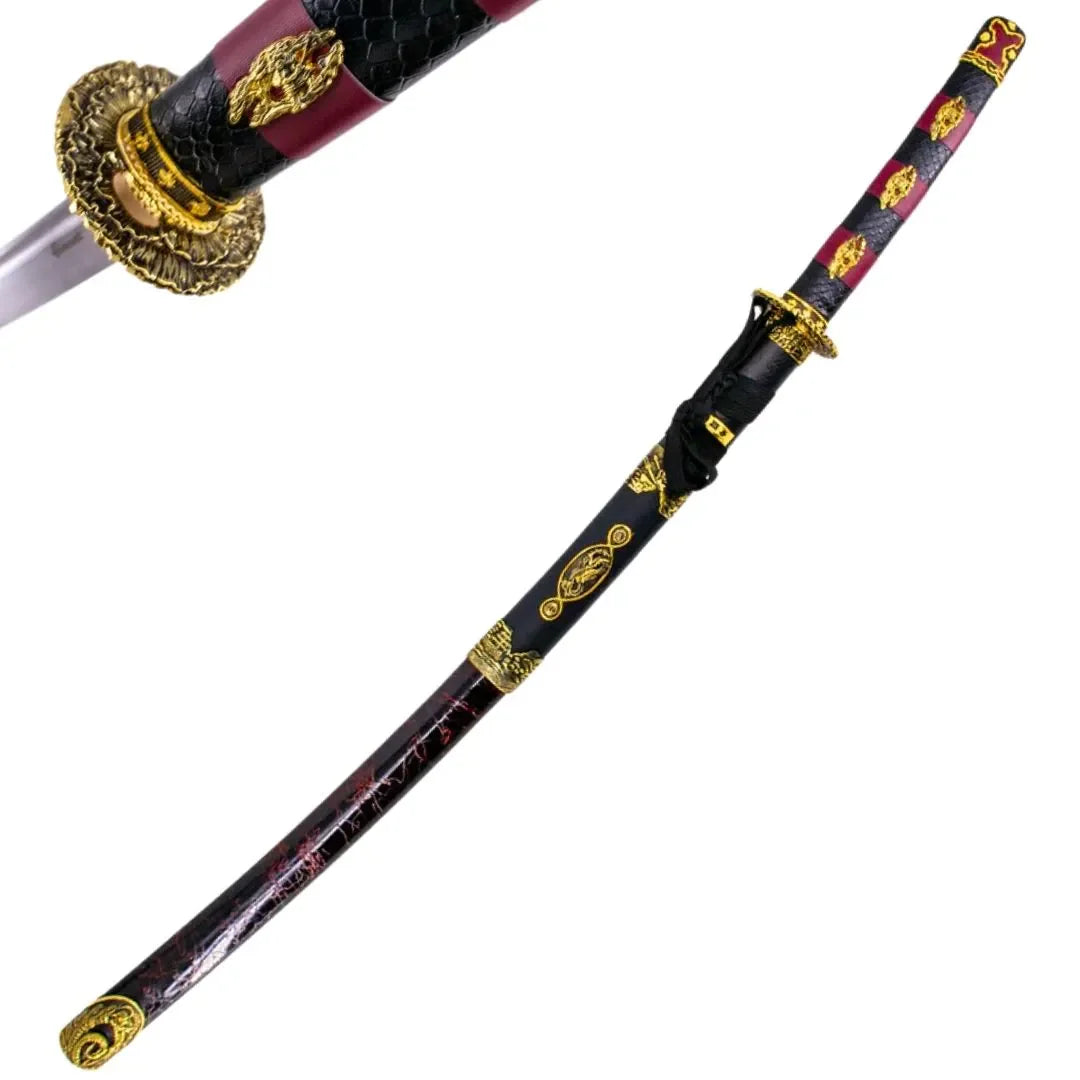
Sengakuji houses the Akogishi Kinenkan museum, where letters, weapons, and documents linked to the Ako incident are exhibited, offering a rigorous historical context of the event.
Every December 14, the temple holds the Ako Gishisai festival, with ceremonies and commemorative acts that keep the memory of the 47 ronin alive within Japanese culture.