






The Rise of Impact Weapons in the Middle Ages
During the European Middle Ages, the evolution of warfare was closely linked to the development of armor.
As metal protection became more resistant to cutting, the need arose for weapons capable of delivering direct force. In this context, maces and flails established themselves as effective solutions based on impact.
These weapons did not rely on an edge, but rather on the energy of the blow, designed to deform metal, cause fractures, and generate internal injuries even when the armor remained intact.
Their presence is documented between the 12th and 15th centuries in military chronicles, artistic representations, and archaeological remains.
Both infantry and cavalry adopted these weapons in scenarios where blunt force offered a tactical advantage.
Their use reflects a technological transition in medieval combat: the priority was no longer to cut, but to neutralize the protected adversary.

Design and Variants of the Medieval Mace
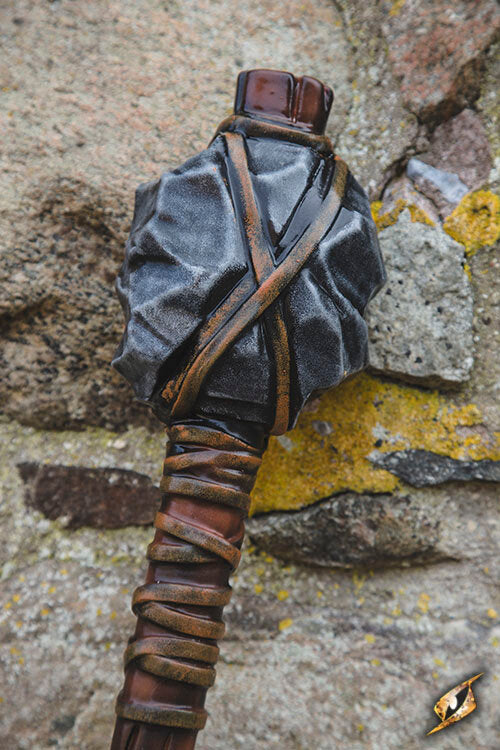
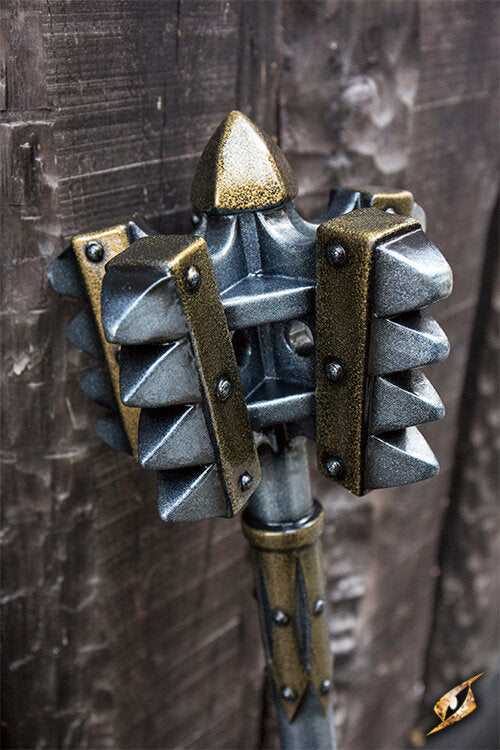
The medieval mace consisted of a robust handle topped by a heavy head, usually made of iron or steel.
The first versions were simple, but over time, models with flanges, spikes, or star-shaped heads appeared that concentrated the force of the impact. These variations sought to improve penetration and maximize structural damage to helmets and breastplates.
Some maces incorporated reinforced or fluted handles to improve grip during combat.
Their balance allowed for precise and repeated blows, which made them reliable weapons in close-quarters engagements.
Medieval documents also record the ceremonial use of ornamented maces as symbols of military or religious authority, demonstrating their relevance beyond the battlefield.
The Flail: Articulated Engineering for Combat
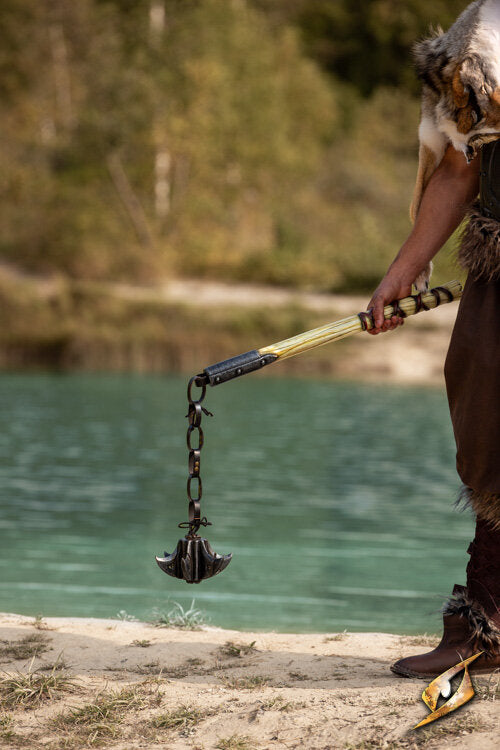
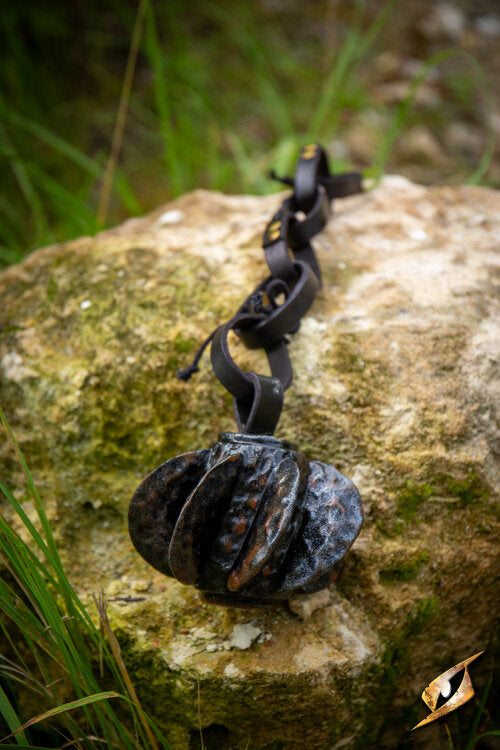
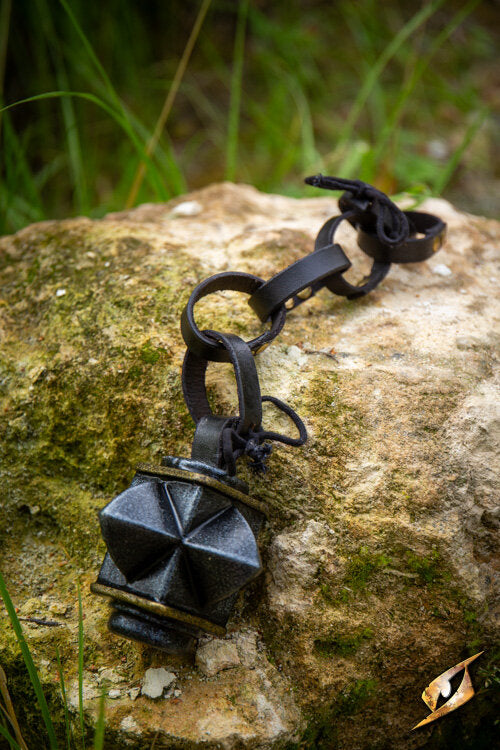
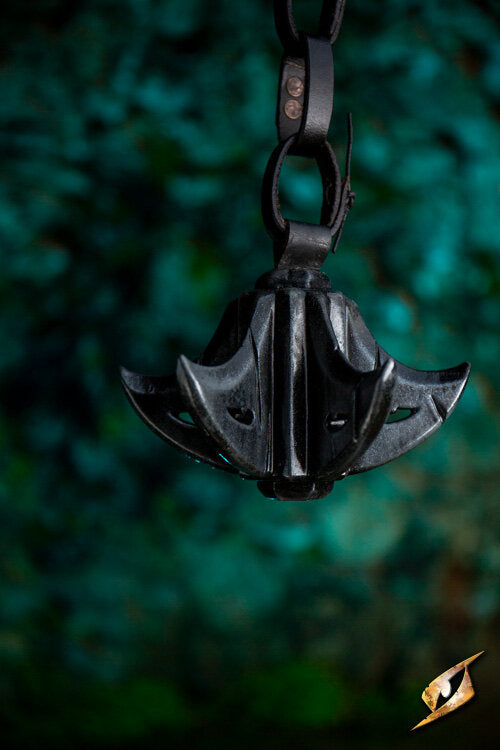
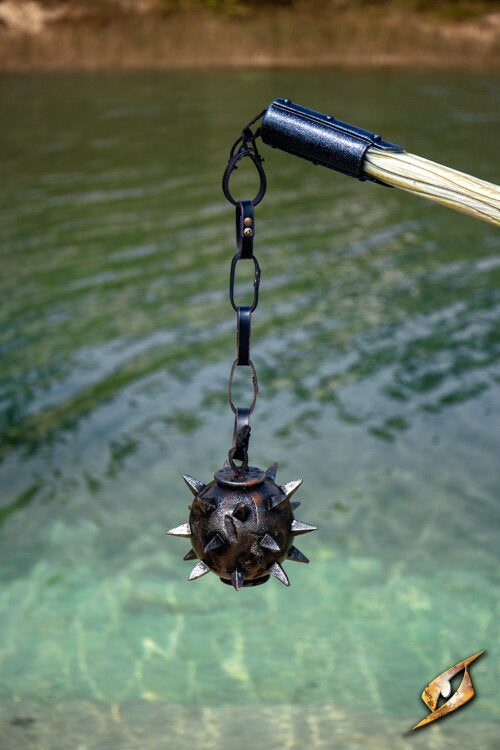
The flail represented a more complex technical evolution. It consisted of a handle attached by a chain to one or more metal balls, either smooth or spiked.
This articulated structure allowed for strikes from angles difficult to block, overcoming shields or closed defenses.
Its effectiveness depended on the user's skill, as it required control to avoid self-injury.
Although some flails derived from agricultural tools adapted during conflicts, military models were specialized pieces.
They were used especially in open combat or sieges, where their unpredictable movement could disrupt enemy formations.
Their lower frequency compared to the mace does not diminish their importance as a medieval war innovation.

Historical Evidence and Museum Conservation
Remains of maces and flails have been found in fortifications, ancient battlefields, and European burials.
These pieces allow for the study of the metallurgy, structural balance, and tactical adaptation of medieval weaponry.
Museums such as the British Museum in London, the Army Museum in Paris, or Central European institutions preserve specimens that show the evolution from simple designs to specialized models.
Some findings include Byzantine ceremonial maces, weapons from the Holy Roman Empire, and 15th-century flails with original elements.
These collections confirm that blunt weapons were an integral part of medieval warfare, reflecting the constant interaction between defense, engineering, and strategy.