





Medieval Store Blog General
Europa
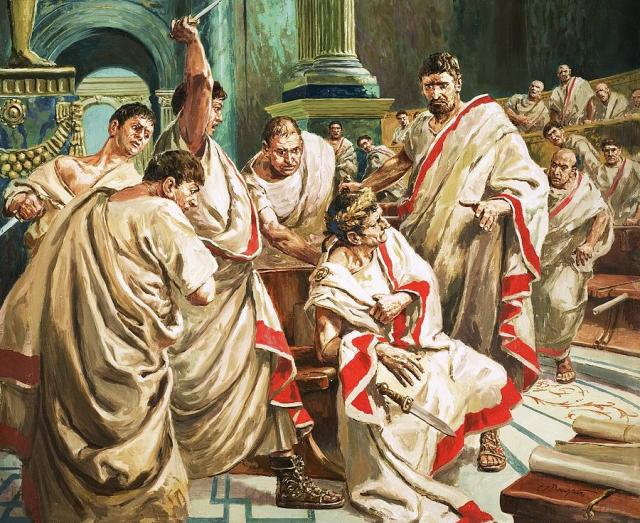
March in Ancient Rome: The Assassination of Julius Caesar
On March 15, 44 BC, Julius Caesar was assassinated in the Roman Senate during the Ides of March.
The attack, led by Marcus Junius Brutus and other conspirators, triggered further civil wars and acc...
The beginning of the year in archaic Rome
In the earliest Rome, March 1st traditionally marked the start of the civi...
África
Intef II: historical context and role in Egypt's Second Intermediate Period
Wegaf was a poorly documented pharaoh of the 13th Dynasty who ruled during Egypt's Second Intermediate Period, a time marked by political fragmentation and instability.
His brief reign reflects the...
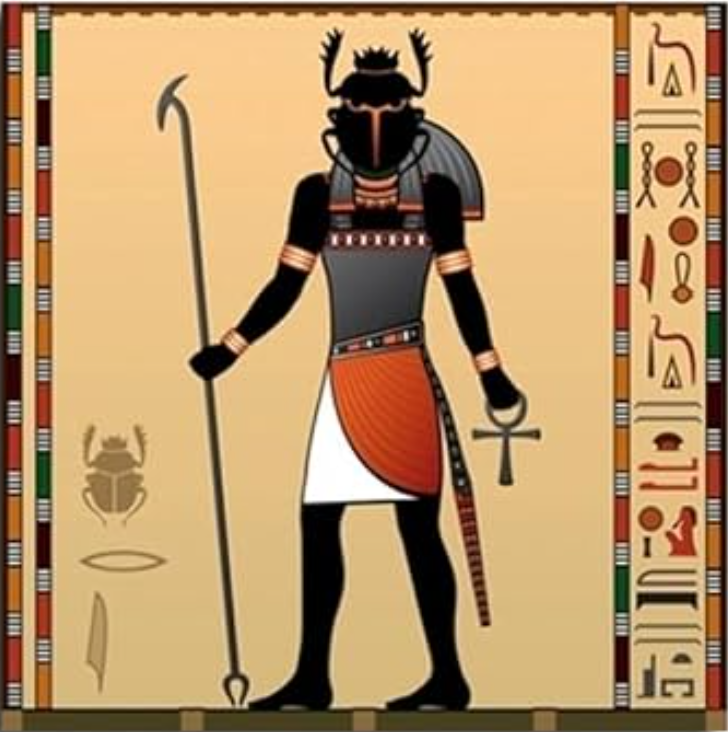
Khepri II, also known in Egyptology as Jepri II, was a poorly documented pharaoh of the 13th Egyptian dynasty, a per...

curiosidades
Great figures born in February who changed the history of science
February stands out in the history of science as the birth month of fundamental figures such as Nicolaus Copernicus, Galileo Galilei, Alessandro Volta, Charles Darwin, and Thomas Edison.Their disco...
February has been the birth month of some of the most influential minds in history.
Scientists, astronomers, and inv...
Europa
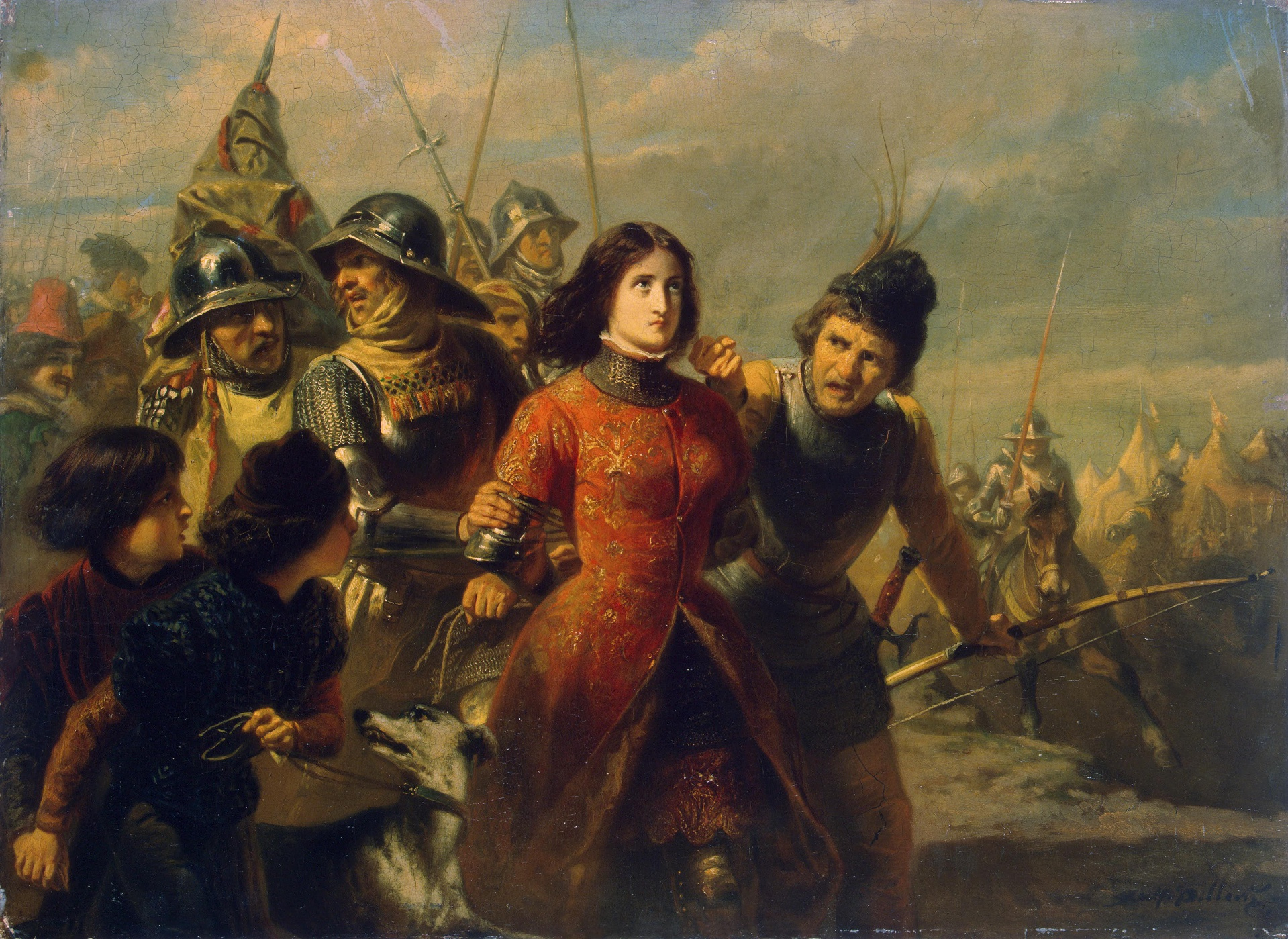
The public trial of Joan of Arc in Rouen
On February 21, 1431, the public trial of Joan of Arc began in Rouen, one of the most documented trials of the Middle Ages.
Accused of heresy by a court controlled by England, she was subjected to ...
Joan of Arc was born in 1412 in Domrémy, a village in northeastern France, into a peasant family.
From her adolesc...
Europa
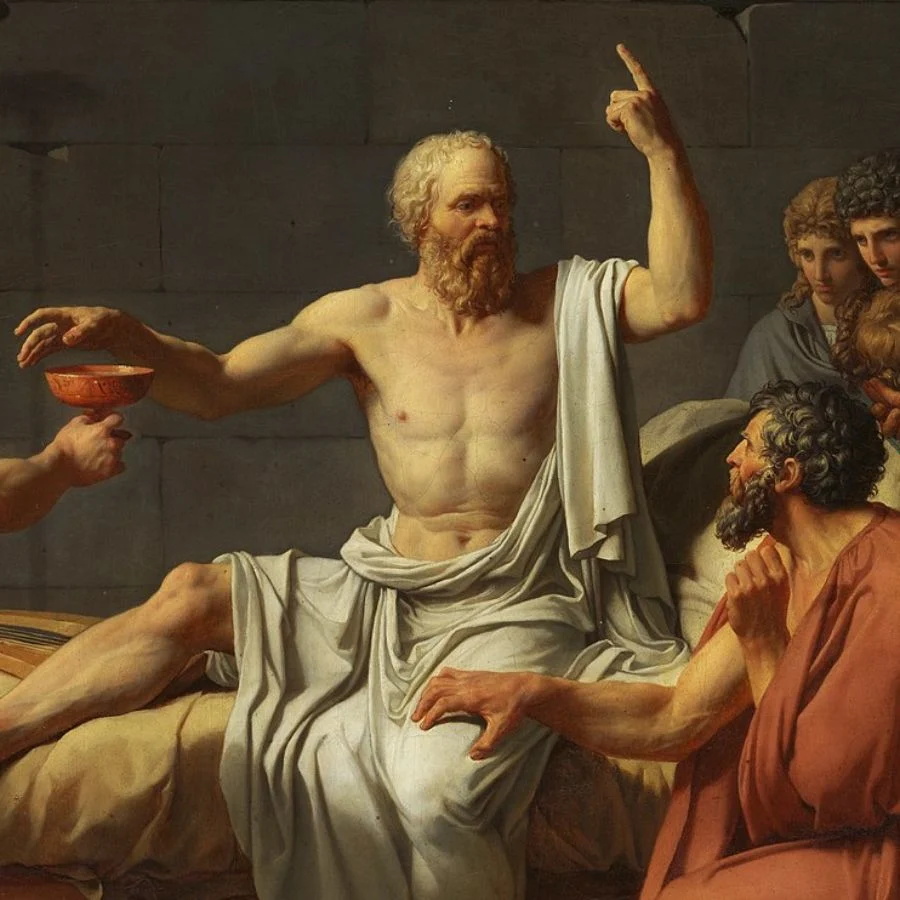
Year 399 B.C.: Socrates, and the trial that marked the history of philosophy
In 399 BC, Socrates was imprisoned and put on trial in Athens, accused of impiety and corrupting the youth.
This trial, widely documented by Plato and Xenophon, took place in a context of political...
Socrates was born in Athens around 470 BC and is considered one of the founders of Western philosophy.
The son of a ...

Europa
February and royal power in Europe: three coronations that marked medieval and modern history
February was the setting for three decisive coronations in European history.The proclamation of Otto I gave rise to the Holy Roman Empire, Edward III spurred the Hundred Years' War, and Edward VI c...
Throughout European history, coronations were not mere symbolic ceremonies, but decisive political acts that consoli...

Europa
Galileo Galilei and the Inquisition trial for the defense of heliocentrism
In February 1633, Galileo Galilei arrived in Rome to face the Inquisition for defending the heliocentric model, which placed the Sun at the center of the solar system.
This historic trial reflects ...
The case of Galileo Galilei is one of the most representative episodes of the clash between science and religion in ...
Europa
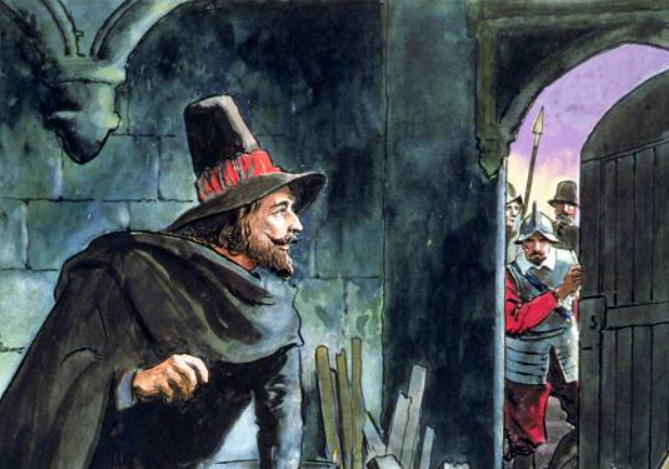
The execution of Guy Fawkes: the Gunpowder Plot and a British political-cultural milestone
On January 31, 1606, Guy Fawkes was executed following the failure of the Gunpowder Plot, a conspiracy to blow up Parliament and assassinate King James I.
This event reinforced the authority of the...
On January 31, 1606, Guy Fawkes was executed in London following his participation in the Gunpowder Plot, a failed a...
Europa
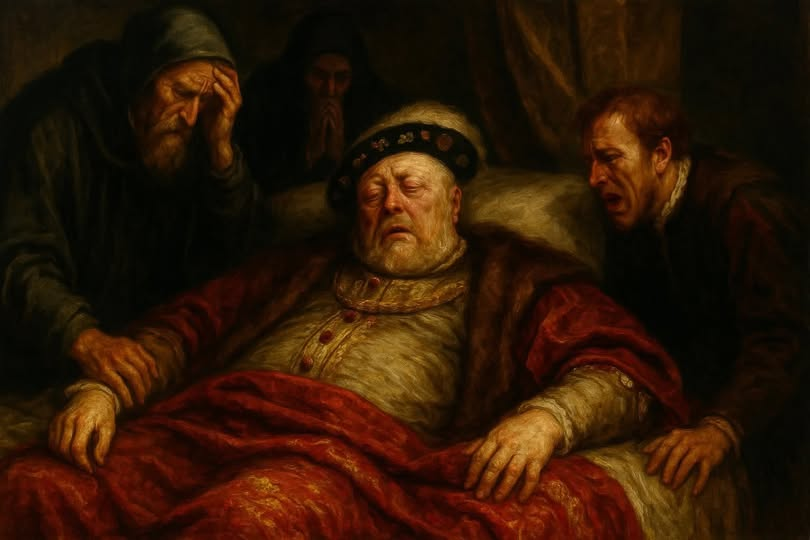
The death of Henry VIII: a decisive event in the history of England
On January 28, 1547, Henry VIII, one of the most influential monarchs in the history of England, passed away.
His death brought to a close a reign marked by the break with the Catholic Church, the ...
Death of King Henry VIII and its historical context
On January 28, 1547, Henry VIII, King of England since 1509, pas...
