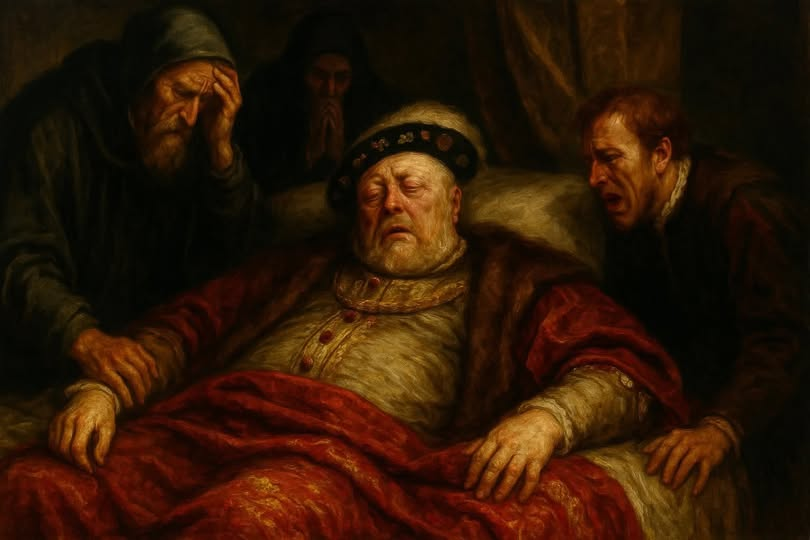
On January 31, 1606, Guy Fawkes was executed in London following his participation in the Gunpowder Plot, a failed attempt to blow up the Palace of Westminster and assassinate King James I of England.
Fawkes's execution became a decisive event in British political history, setting a precedent for the suppression of internal conspiracies and consolidating the monarch's authority.
This episode also gave rise to a British political-cultural milestone, which is commemorated every year on November 5 during Guy Fawkes Night or Bonfire Night.

Background: England and religious tension
At the beginning of the 17th century, England was experiencing a climate of religious tension between Catholics and Protestants.
Following the English Reformation and the establishment of the Church of England, English Catholics suffered legal persecution, property limitations, and restrictions on holding public office.
Religious discrimination and political frustration created a breeding ground for conspiracies like that of Fawkes and his accomplices, who sought to overthrow the king and restore Catholicism as the dominant religion.
The Gunpowder Plot and the arrest of Fawkes
The Gunpowder Plot took place in November 1605, when Guy Fawkes and a group of conspirators planned to place barrels of gunpowder under the House of Lords to assassinate James I and members of Parliament.
Fawkes, an explosives expert, was captured in the palace cellars on the night of November 4, 1605. His arrest prevented the destruction of Parliament and put an end to the plot.
Fawkes was interrogated, tortured, and eventually convicted of treason.
His trial and conviction reflected the firmness of the English monarchy in the face of internal threats and the state's determination to maintain political stability.

Execution of Guy Fawkes
On January 31, 1606, Guy Fawkes was hanged, drawn, and quartered in public, a method reserved for traitors in England at the time.
The execution became an exemplary act, intended to deter other conspirators and consolidate the authority of King James I.
The spread of the news and the severity of the punishment transformed the event into a symbol of state control and obedience to the law.
Political consequences of the execution
The death of Guy Fawkes reinforced the position of the monarchy in England and contributed to the consolidation of a parliamentary system under royal control.
The suppression of the Gunpowder Plot allowed the government to implement stricter laws against Catholics and strengthen surveillance on movements considered subversive.
Furthermore, the event influenced British political culture, establishing the figure of Fawkes as an annual reminder of treason and loyalty to the monarch.

Historical and cultural importance
The thwarted assassination and the execution of Fawkes did not only affect England.
In Europe, the failure of the conspiracy evidenced the stability of English power against internal movements and contributed to the international perception of James I as a strong monarch.
Culturally, the story of Fawkes inspired popular traditions, songs, literary works, and theatrical performances, consolidating a British political-cultural milestone that endures to this day.
The execution of Guy Fawkes on January 31, 1606, marked a decisive moment in English history, consolidating royal authority after the Gunpowder Plot.
The event had immediate political consequences, strengthened control over religious minorities, and left a cultural legacy that has endured for more than four centuries, especially in British historical and political memory, establishing Fawkes as a historical reference for loyalty and treason in the European context of the Early Modern period.
Global relevance
Globally, the execution of Guy Fawkes and the Gunpowder Plot represent an early example of the relationship between political terrorism, state repression, and social control.
Its memory has transcended the British historical sphere as a symbol of resistance, vigilance, and the challenging of power, influencing contemporary debates on security, justice, and political authority.
Fawkes's narrative remains relevant in studies of history, comparative politics, and cultural analysis regarding the formation and legitimation of modern states.