







Henry V's campaign in France in 1415
The Battle of Agincourt took place on October 25, 1415, during the Hundred Years' War, the prolonged conflict between the crowns of England and France that originated from disputes over the French throne and the territories held by the English monarchs on French soil.
In 1413, Henry V ascended the English throne and decided to resume military campaigns against France, aiming to gain recognition for his dynastic rights and recover territories.
In August 1415, Henry V landed in Normandy with an army that began the siege of Harfleur, an important port city whose conquest cost him numerous casualties due to fighting and disease. By October, he decided to advance toward Calais, an English territory located in northern France, but during the march, the French army blocked his path, so both armies ended up facing each other near the town of Agincourt, in the present-day French region of Hauts-de-France, leading to the Battle of Agincourt.
What happened at the Battle of Agincourt?
The English army was exhausted, had fewer troops, and was suffering the consequences of the campaign, although estimates of the number of combatants vary by source, they agree that the French had a considerable numerical superiority. Despite this, the terrain played a decisive role, as the rains had left the field muddy and the space between the woods limited the movement of the troops, since the French deployed a force composed mainly of knights and men-at-arms, many of them protected by heavy armor, while Henry V organized his men-at-arms on foot and positioned numerous archers equipped with the English longbow on the flanks, who also drove pointed stakes into the ground to hinder enemy cavalry charges.
When the French advanced, the mud slowed their march, the formation lost cohesion, and the combatants were exposed to arrows, while the pressure from the rear ranks exacerbated the confusion, all while the English maintained favorable positions.

The English longbow: a decisive advantage
No specific inventor is known, as the bow is an ancient weapon that had been used thousands of years before the Middle Ages; therefore, the English longbow was not an individual invention, but the result of a long tradition of manufacture and use.
What was it like, and what made it so effective?
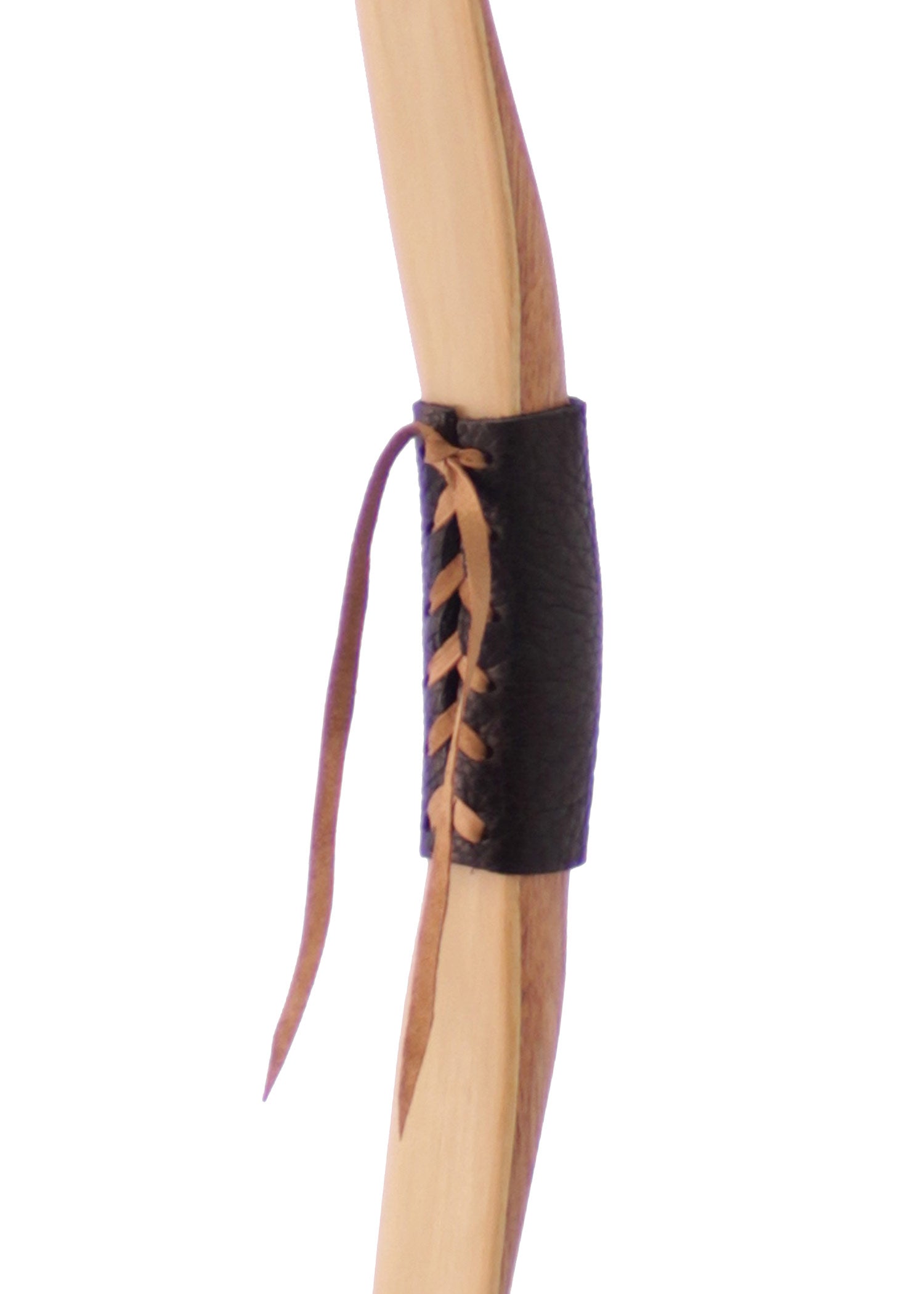
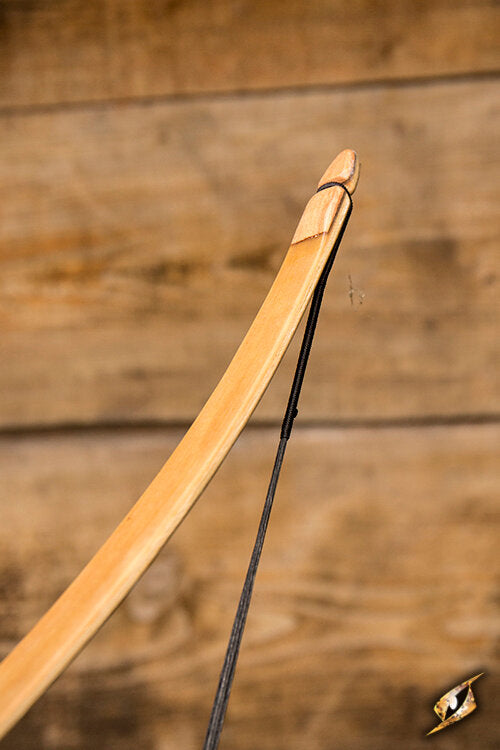
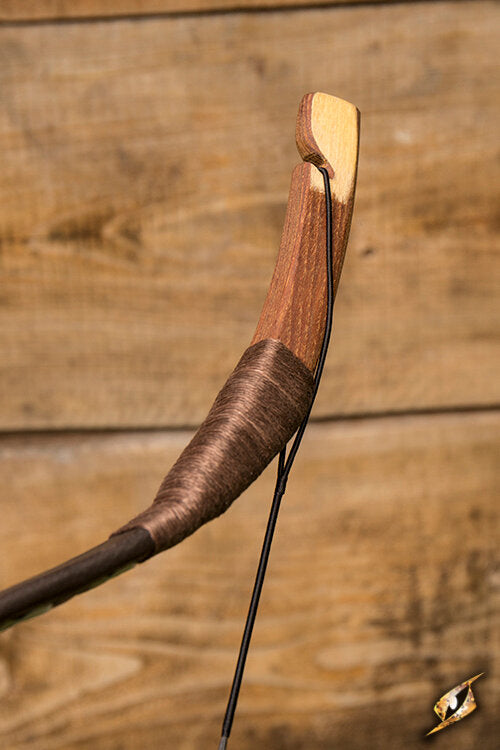
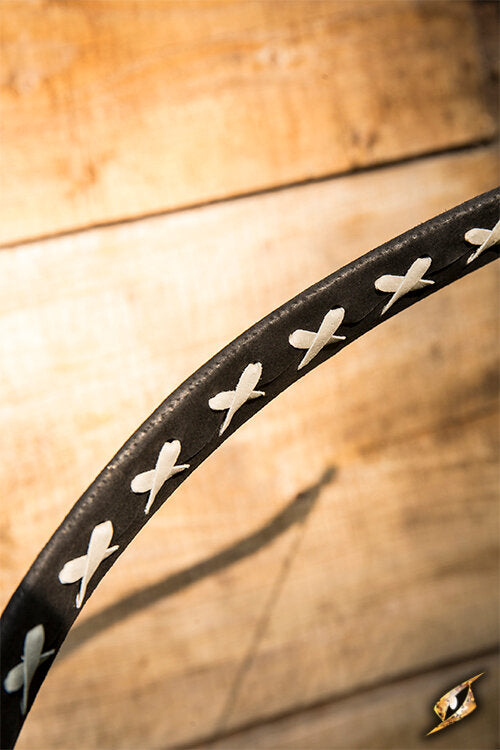
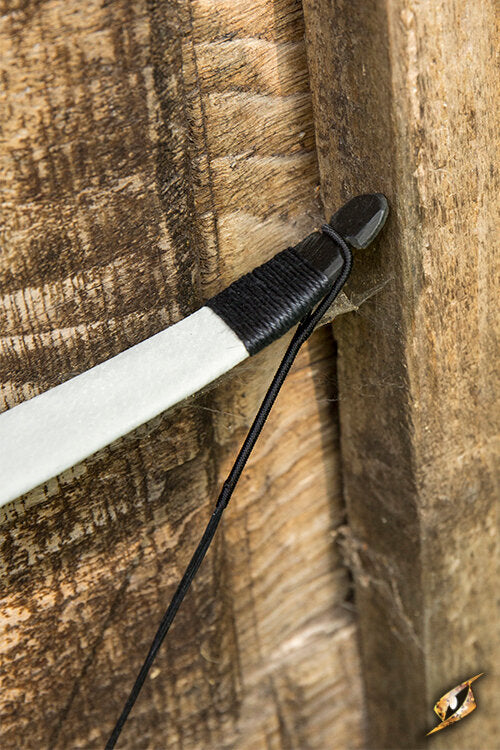
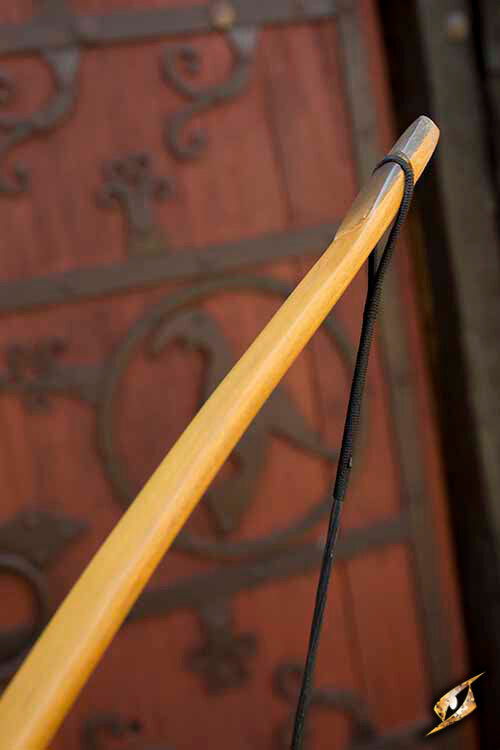
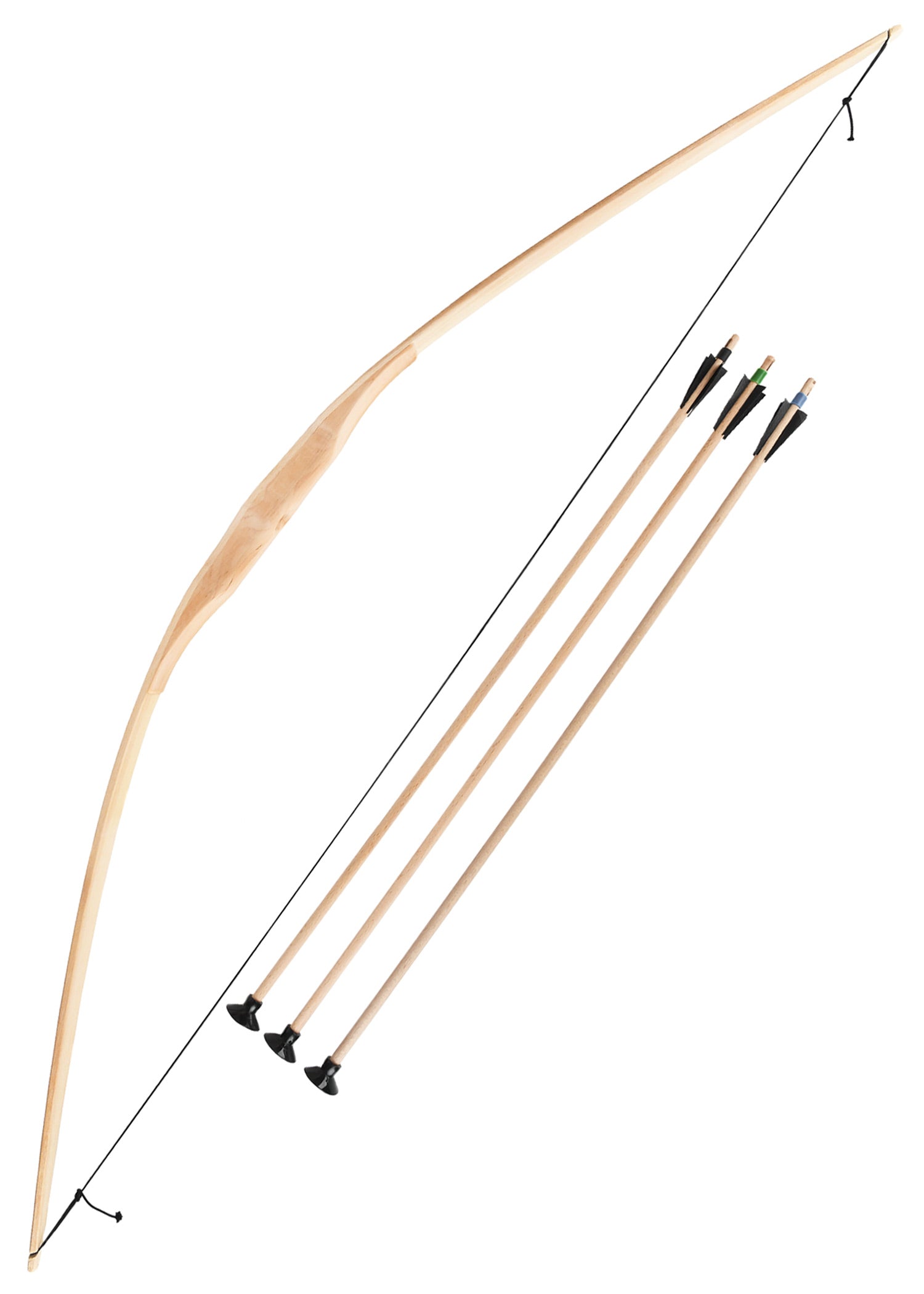
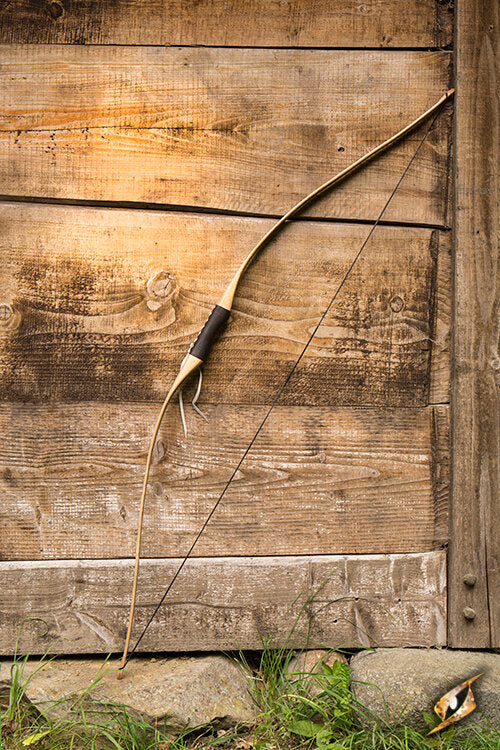
The longbow usually measured around 1.8 meters and was often made of yew wood, although other woods were also used. Its simple structure allowed it to store energy when drawn and transfer it to the arrow when the string was released. Some military bows even required considerable strength to draw, so using them effectively required years of practice and specific physical training.
Archers could shoot repeatedly as long as they had their supply of arrows, although military effectiveness depended on the number of archers deployed, their training, the coordination of shots, and the ability to maintain a defensive position. Together, each archer's skill and their ability to maintain a high rate of fire influenced the outcome as much as the conditions on the battlefield.
What happened to the archers at Agincourt?
Arrows could wound horses, strike vulnerable areas of armor, and disrupt formations. Although quality armor provided significant protection, the projectiles did not always need to pierce it to be effective: wounding animals and breaking the cohesion of the troops could also neutralize a charge.
At Agincourt, the longbow worked in conjunction with the choice of terrain, defensive stakes, and the discipline of the English army, as the French cavalry could not fully exploit its mobility and became trapped in a difficult advance.

Why did France lose?
Henry V's army defeated a French force that outnumbered it and caused numerous casualties among the French nobility and men-at-arms, although the exact figures of dead and prisoners remain a subject of historical debate.
The French defeat had several military causes, while numerical superiority did not translate into an effective advantage because the terrain hindered advancement, the troops became compressed, and the attacks lost coordination.
The actions of the English archers helped disorganize the French before and during hand-to-hand combat, and Henry V's leadership was also important, as he maintained a proper defensive formation and took advantage of his opponent's difficulties.
The battle showed that heavy cavalry could be defeated when attacking under unfavorable conditions against well-organized troops.
Consequences of the Battle of Agincourt
The victory strengthened Henry V's political and military position, and in the following years, England expanded its conquests in France until, in 1420, the Treaty of Troyes recognized the English monarch as heir to the French throne, although this provision was never consolidated after his death.
France suffered a severe loss of nobles and military commanders, which temporarily weakened its ability to respond. However, the war continued for decades, and the English victory did not guarantee the final conquest of the French kingdom. Agincourt nevertheless became one of the best-known battles of the Hundred Years' War, while its outcome was linked to factors that turned an initially unfavorable situation for England into a major military victory.