



Halloween Was Not Always What We Know It as Today
Halloween is celebrated every year on October 31 and today is associated with costumes, pumpkins, candy, horror movies, and parties. However, its origins are much older, as the current celebration brings together traditions from different eras, especially ancient Celtic customs, Christian All Saints' Day festivals, and popular traditions that later developed in Europe and the United States.
To understand why Halloween is celebrated and how it came to become the holiday we know today, it is necessary to know the relationship between Samhain, medieval Christian celebrations, and popular customs that were transformed over the centuries. That is what we will tell you next.

Samhain, the Celtic Origin of Halloween
One of the main roots of Halloween is found in Samhain, an ancient celebration of the Celtic peoples of Ireland and other parts of Europe, which was celebrated around the end of October and marked the end of the harvest season and the arrival of the coldest and darkest part of the year.
What Was Samhain?
For the communities that celebrated it, it was a time of transition in the traditional calendar, which marked the end of the agricultural season and the beginning of winter.
Over time, popular tradition linked this date with the world of the dead and with different supernatural beliefs, as this time had a special meaning for those communities: it was believed that during Samhain the separation between the world of the living and the world of the dead was harder to distinguish, so spirits could approach the world of the living. For this reason, bonfires were lit and different rituals were performed.
Costumes and Special Clothing During Samhain
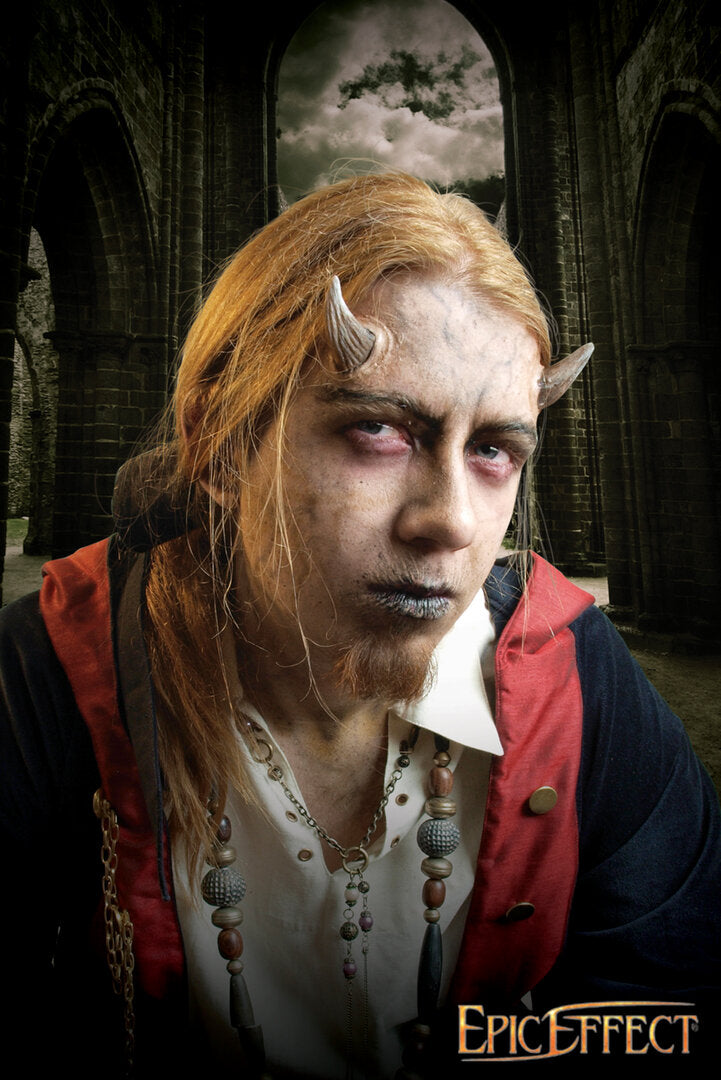
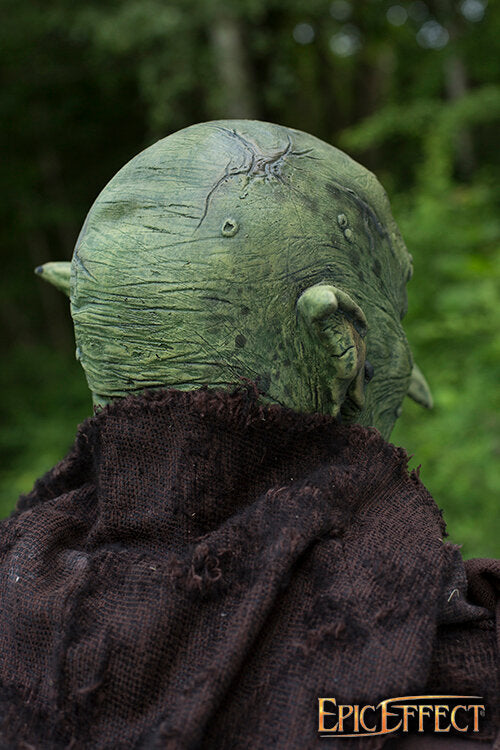
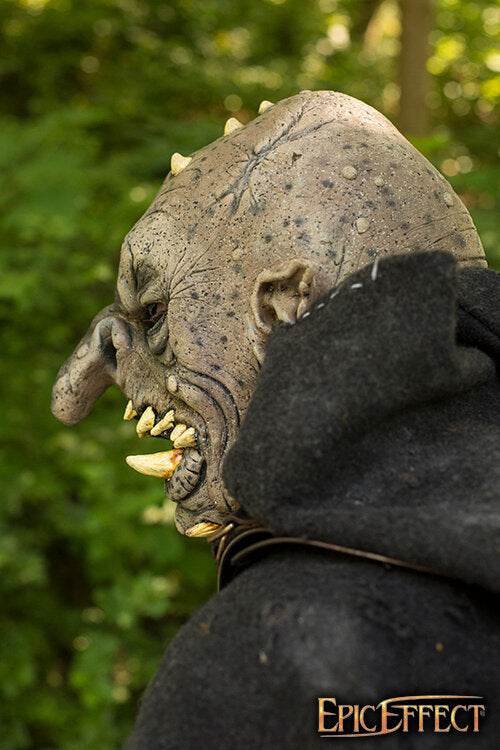
There was a custom of wearing costumes or special clothing, although traditions associated with costumes, masks, and other forms of supernatural representation changed according to the era and place, and some of them eventually became part of the later imagery of Halloween, as these ancient traditions changed over the centuries and blended with other religious celebrations.
In Ireland and Scotland, for example, customs such as guising developed, in which people, including children, wore masks and costumes representing supernatural beings. According to popular belief, these costumes served to confuse the spirits that wandered during that night, making them believe that those who wore them were one of them, thus preventing them from recognizing them and harming them.
Over time, the customs of dressing up and going door-to-door were incorporated into Halloween celebrations and helped shape the current tradition, although their origins gradually faded and were forgotten over time.

The Origin of All Saints' Day
The history of Halloween is also related to the development of Christian celebrations dedicated to saints and the deceased, All Saints' Day, which is celebrated on November 1 and acquired great importance in the Christian calendar during the Middle Ages.
The spread of Christianity in Europe meant that some ancient dates and popular customs became associated with Christian celebrations, and thus November 1 came to be celebrated as All Saints' Day, a holiday dedicated to saints and the deceased.
But although Samhain is associated with All Saints' Day, they are different traditions that, over time, coexisted and influenced each other within European popular customs. Their combination helps explain part of the cultural history that later shaped Halloween, as the night before, October 31, received the English name All Hallows' Eve, which means approximately "the eve of All Saints." Over time, this expression evolved to become Halloween.
Thus, the new celebration preserved some elements related to the dead and ancient popular traditions, and stories about ghosts, spirits, witches, and supernatural creatures gradually became increasingly important in the imagery of Halloween.
In different parts of Europe, customs related to the deceased also appeared: in some areas, candles were lit, special foods were prepared, and family graves were visited.
Thus, the celebration gradually changed according to the region and ended up bringing together religious elements, popular traditions, and stories related to the supernatural world.

From Medieval Traditions to Modern Halloween
How Was the Halloween We Know Today Born?
The modern celebration did not appear overnight, but was the result of centuries of transformation of religious and popular traditions, as during the Middle Ages, celebrations related to saints, the deceased, and beliefs about the supernatural world were part of the culture of different European regions.
The most important transformation came when the Halloween tradition spread to the United States and Canada thanks to the arrival of numerous immigrants from Ireland and Scotland during the 19th century. In America, different European customs began to blend, and community celebrations, costumes, pranks, and scary stories gained popularity.
One of the most well-known Halloween traditions also appeared: "trick or treat," as ancient customs related to food and house visits evolved into the modern tradition in which children dress up and go door-to-door asking for candy.
One of the antecedents of this tradition, for example, is found in souling, an English medieval custom in which poor people went door-to-door and received small cakes, known as soul cakes, in exchange for praying for the souls of the deceased relatives of those who gave them.
In Ireland and Scotland, there was also the tradition of guising, in which people dressed up, visited houses, sang, recited verses, or played pranks in exchange for food. During the 19th century, Irish and Scottish immigrants brought their customs to the United States and Canada, where they blended with other popular celebrations.
Later, at the beginning of the 20th century, the pranks and acts of vandalism associated with Halloween led some American communities to promote organized parties and activities for children, until gradually, going door-to-door for treats became one of the main activities of the celebration, and "trick or treat" gained great popularity in the United States during the decades following World War II.
Halloween Pumpkin: The Origin of a Tradition
The Halloween pumpkin also has a curious history, as turnips and other vegetables were originally used in Ireland and Scotland to make lanterns. But when the tradition reached the United States, the pumpkin became the preferred material because of its size and ease of carving.
This change explains the origin of one of the most recognizable images of Halloween, the carved pumpkin, popularly known as a jack-o'-lantern, which eventually became one of the main symbols of the American celebration and, later, of Halloween in many other countries, eventually traveling around the world.

Halloween Today: A Tradition That Has Evolved Over the Centuries
During the 20th century, Halloween became part of popular culture, as movies, television, video games, and literature helped spread its image around the world. Today, it is celebrated in numerous countries, although each place maintains its own customs.
In this way, the origin of Halloween cannot be explained by a single tradition, as Samhain, Christian All Saints' Day celebrations, and European popular customs are part of a broader history of cultural transformation. However, the holiday we know today preserves elements of that past, although its meaning and forms of celebration have changed considerably over time.