





John Lee Fujisan Katana, Damascus Structure
€394,76 EUR
John Lee Fujisan Katana, Damascus Structure
Este productos se enviará: 7-10 Day Shipping
Otros clientes también compraron...


Choose options
Este productos se enviará: 7-10 Day Shipping
Otros clientes también compraron...
Este productos se enviará: 7-10 Day Shipping
Otros clientes también compraron...
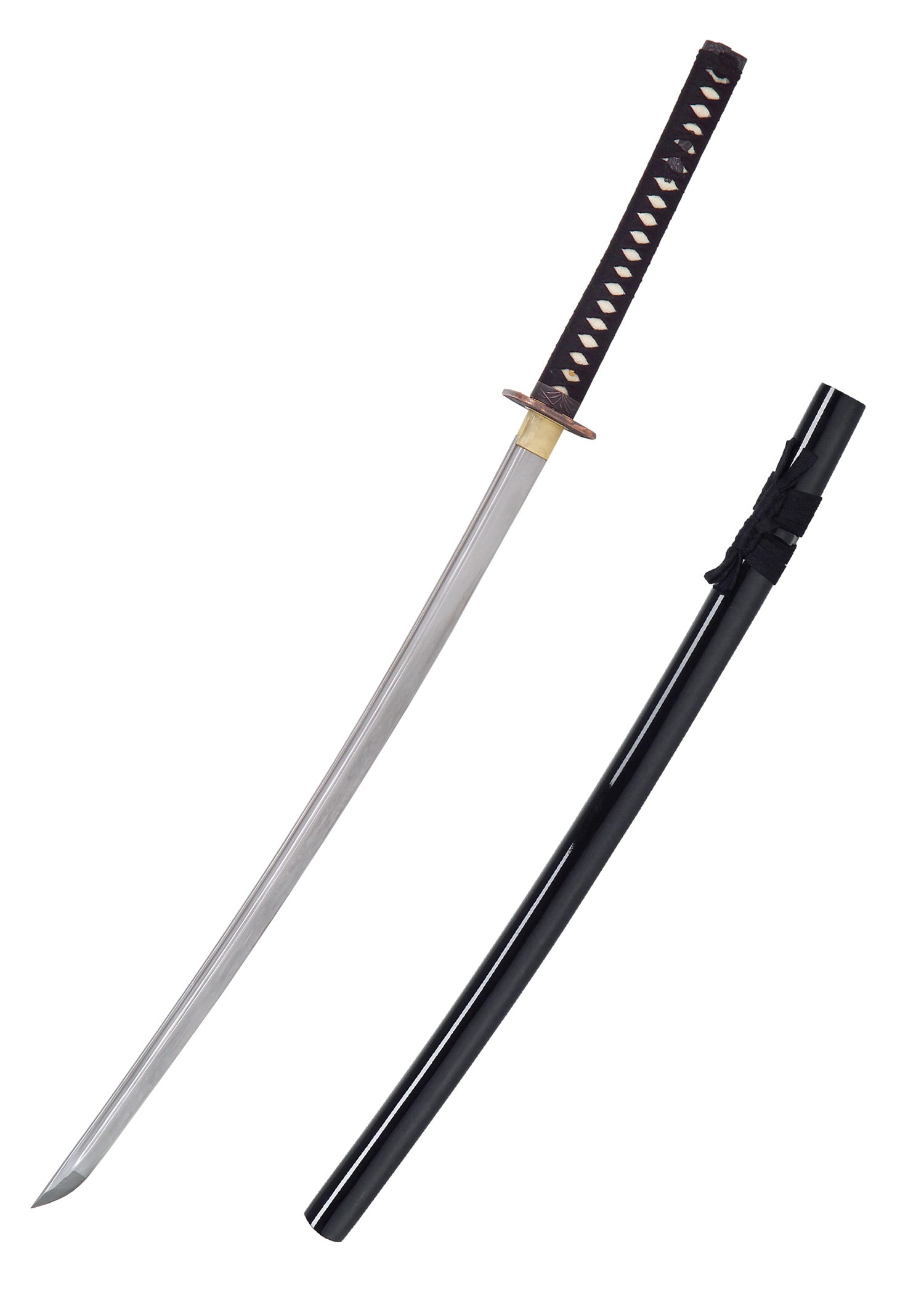
Treat yourself to a John Lee Fujisan Katana, Damascus structure
John Lee Fujisan Katana, Damascus structure
Hand-forged samurai sword from the John Lee series
Masterpieces of Asian smithing
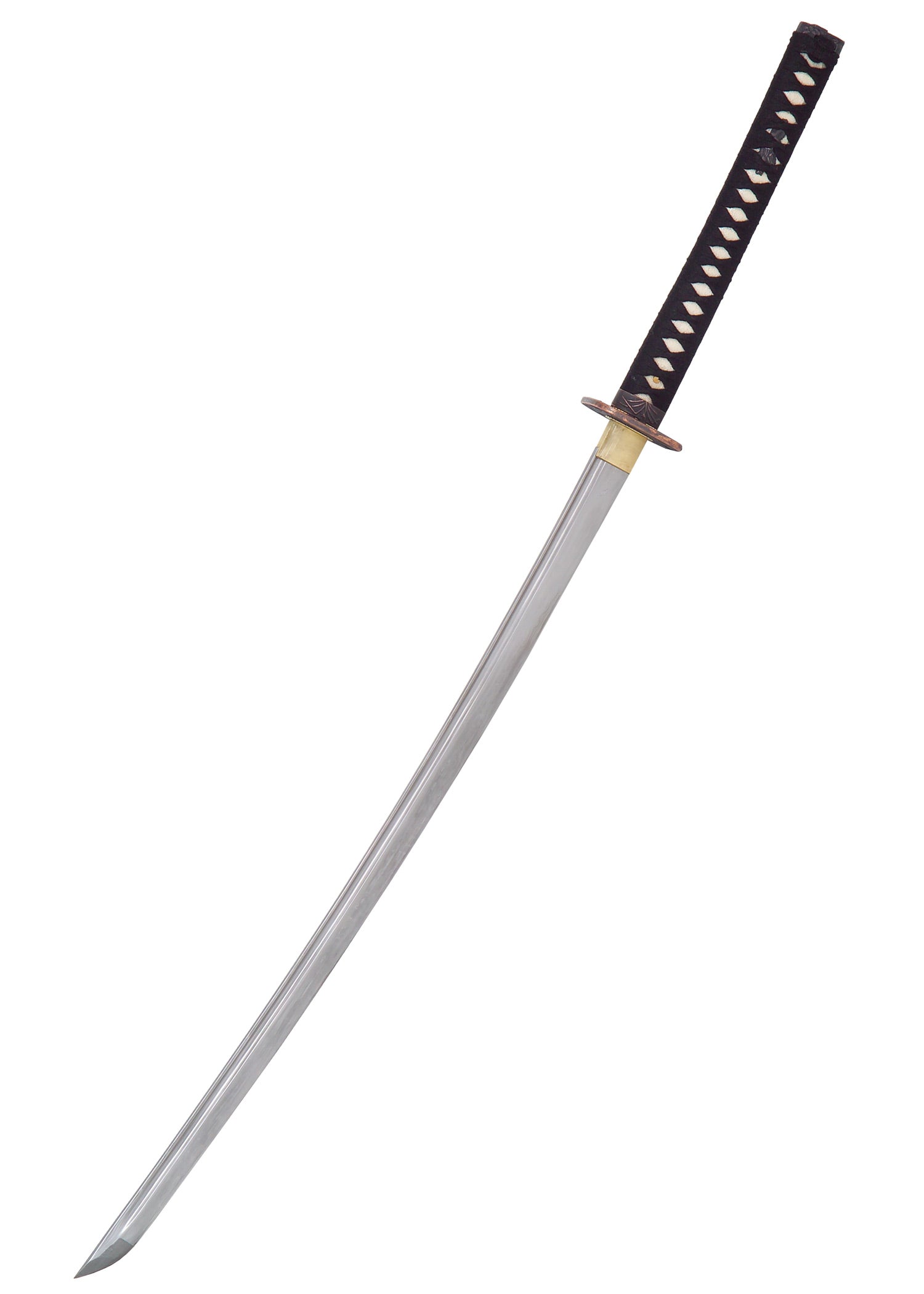
- The sword blades are hand-forged from carbon steel and traditionally tempered.
- The blades have been folded 12 times (resulting in approximately 8,000 layers) and have a beautiful Damascus structure.
- The sharp blades have been provided with a bo-hi (groove) to reduce weight.
- The handles (tsuka) are made of wood and covered with genuine ray skin (same).
- The handle wraps (tsuka-ito) are traditionally made of black cotton.
- Two menuki are inlaid in the handles.
- The sword tangs are especially long and are fixed to the handle with 2 bamboo pins (mekugi).
- The scabbards (saya) are made of wood.
- The blade collars (habaki) are made of brass.
- Made according to museum templates.
John Lee Fujisan Katana
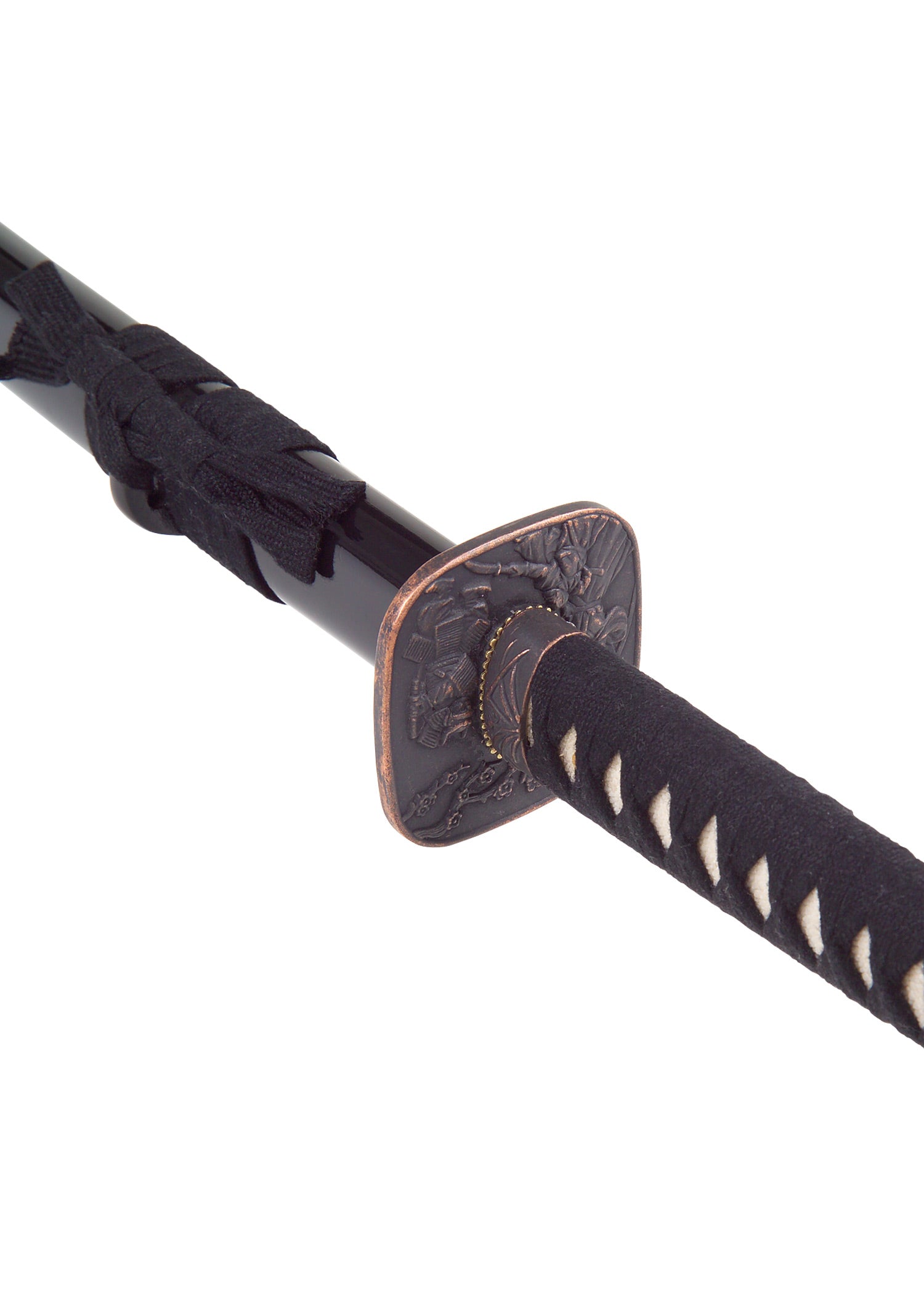
At over 3,700 meters, Mount Fuji is the highest mountain in Japan. This sacred mountain plays an important role in Shinto, the ancient Japanese religion. Fu means rich, ji means warrior, san means mountain. The tsuba depicts Mount Fujisan.
Dimensions/details:
The blades are folded 12 times.
Total length: approx. 104 cm
Blade length: approx. 73 cm
Handle length: approx. 30.5 cm
Blade curvature (sori): approx. 18-20 mm
Weight without scabbard: approx. 1.05 kg
Weight with scabbard: approx. 1.3 kg
The term Damascus steel, Damascus steel or simply Damascus refers to a composite steel made from two or more different types of steel. The name is derived from the Syrian city of Damascus, which is considered an ancient stronghold and origin of Damascus steel production.
Typically, a hard, high-carbon steel and a soft, low-carbon steel are joined by repeated forge welding and folding. High-carbon steel provides greater hardness, better hardenability, and longer edge retention, while the softer steel gives the blade greater elasticity and higher resistance to breakage. With this technology, which was developed in an era of poor and changing steel qualities, the positive properties of different steels can be combined. Due to the different colors with different carbon contents, impressive patterns of alternating layers are created, such as so-called twist Damascus or rose Damascus. Because of these patterns, Damascus swords from the Middle Ages were said to have inherent magic. The Edda describes a damascened sword as a bloody worm, a poisonous snake.
At Todo Medieval we have thousands of medieval and other historical products. Discover them!
Free shipping
The entire Iberian Peninsula from €60 (*Does not include islands) and worldwide shipping check our rates
Customer service
We are available from Monday to Friday to answer your questions.
Secure Payment
We comply with all regulations to ensure Secure Payment
Contact us
Need to contact us? Simply send us an email at [email protected]
