











LARP, an acronym for Live Action Role Play, is an activity that combines character portrayal with social interaction and real-time storytelling.
Although it may recall improvised theater or traditional role-playing games, LARP offers a much more immersive experience, where participants live out their characters in a fictional, historical, or franchise-inspired world.
In this article, we explain what LARP is, how it differs from soft combat, and what types of events exist to help you better understand this fascinating hobby.

Live action role-playing: living a story
LARP allows players to bring a character to life within a shared story.
Unlike other role-playing games, there are no dice or chance rolls here: everything depends on portrayal, interaction, and consistency with the unfolding narrative.
Each event defines a context: a world, a historical period, or a fantasy universe.
Players can create their own character with a backstory and goals, or receive a pre-defined one, which is ideal for those new to the activity.
The essence of LARP is not to "win," but to build the story. Every decision and action of the character contributes to the event's development. Even difficult situations or defeats can be rewarding because they enrich the narrative and create excitement for all participants.
Differences between LARP and Soft Combat
Although they are sometimes confused, LARP and soft combat are distinct activities.
Soft combat is a sport using foam weapons, with rules focused on safety and physical skill.
Here, there is no character portrayal, and the main objective is to practice combat techniques without risk.
Live action role-playing can include soft combat as a mechanic to represent confrontations, but its focus is on portrayal and story development.
A LARP event can combine combat, intrigue, diplomacy, and all kinds of interactions that make the experience more complete and fun.

Types of events: from parlor LARPs to grand adventures
There are different LARP formats depending on the scale and the desired experience.
Parlor LARPs are small events in confined spaces where scenes of conversations, parties, or local meetings are played out.
The story is defined, but the interaction between characters makes it unique.
Do you want a high-quality LARP sword?
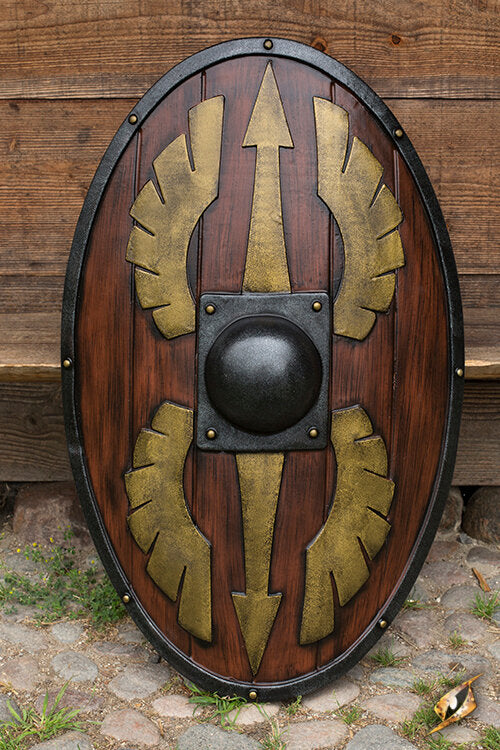
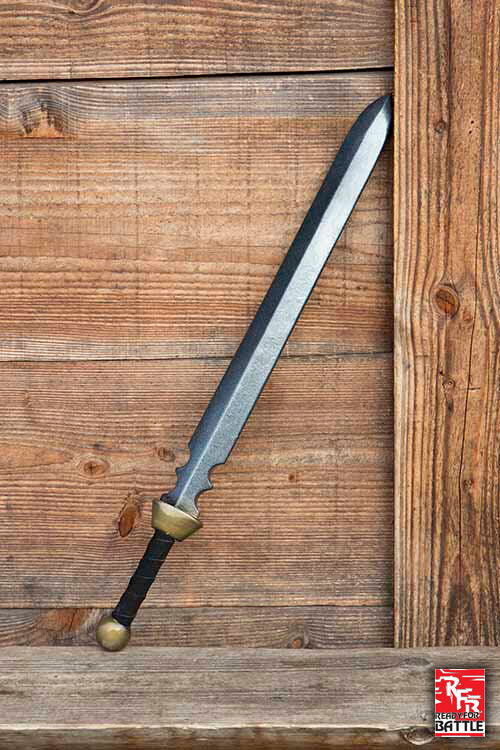
At Todo Medieval, you will find swords, shields, clothing, daggers, and many more items for your medieval battle, with shipping throughout Spain.
See swords and daggersLarge-scale events take place in wide or historical environments, such as castles or forests, with dozens or hundreds of participants.
They can last for an entire weekend, including game cycles, breaks, and social activities, always respecting character immersion.
An important detail is the distinction between "on-roll" and "off-roll."
During on-roll moments, players act as their characters; off-roll allows for personal interaction and rest, avoiding metagaming—that is, using information the character would not have.

Tips for beginners
To get started in LARP, it is advisable to:
- Start with a pre-defined character to adapt more easily to the mechanics and narrative.
- Remember that it is not about acting perfectly, but about contributing to the story. Interaction and creativity are more important than acting skills.
- Go with the flow of the story, accept your character's defeats or deceits, and take advantage of every situation to create memorable moments with other players.
No theater experience or special skills are required: it is enough to imagine and live your character's story, committing yourself to the game and the other participants.
LARP is more than a game: it is a social and narrative experience where participants create unique stories together.
Do not miss the great variety of products for LARP that we have in our Medieval Store. You are sure to find everything you need to create your own character.


