









Sacred Symbol of the Order of the Temple
The Spanish Templar Cross is one of the most recognizable and symbolism-laden emblems of the Middle Ages.
Associated with the Order of the Temple, this cross represents both the ideal of the Christian knights and the military and spiritual legacy left by their presence on the Iberian Peninsula.
I invite you to explore its origin, evolution, meaning, and unique characteristics within the historical context of Spain.

Origin of the Templar Cross in Spain
The Order of the Temple was officially founded in 1119 by Hugues de Payns in Jerusalem, but it arrived on the Iberian Peninsula a few years later.
Its presence in Spain is documented since 1128, when King Alfonso I of Aragon and Navarre, known as "the Battler," ceded several fortresses to them after his death. This act marked the beginning of Templar influence in territories such as Aragon, Castile, Catalonia, and Portugal.
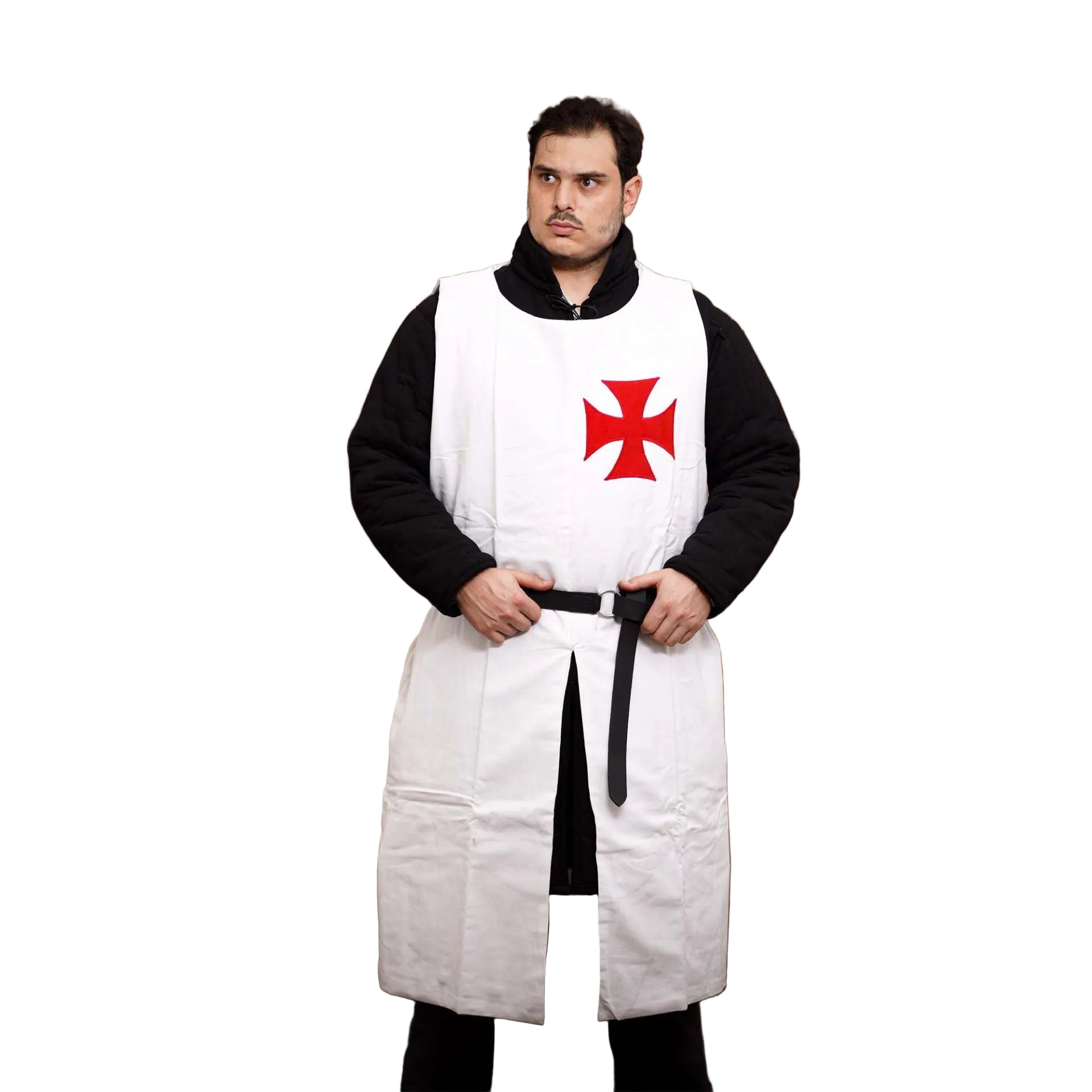
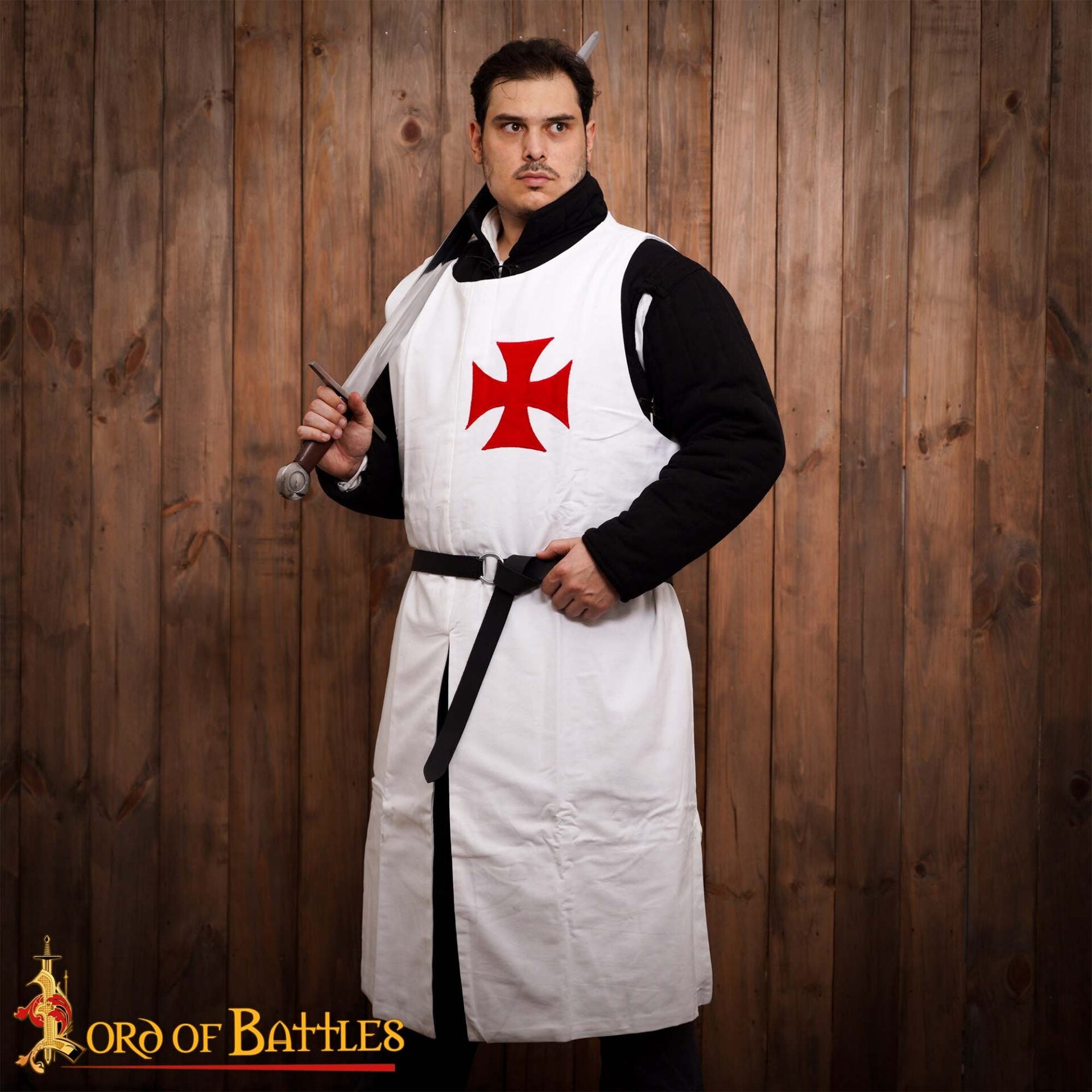
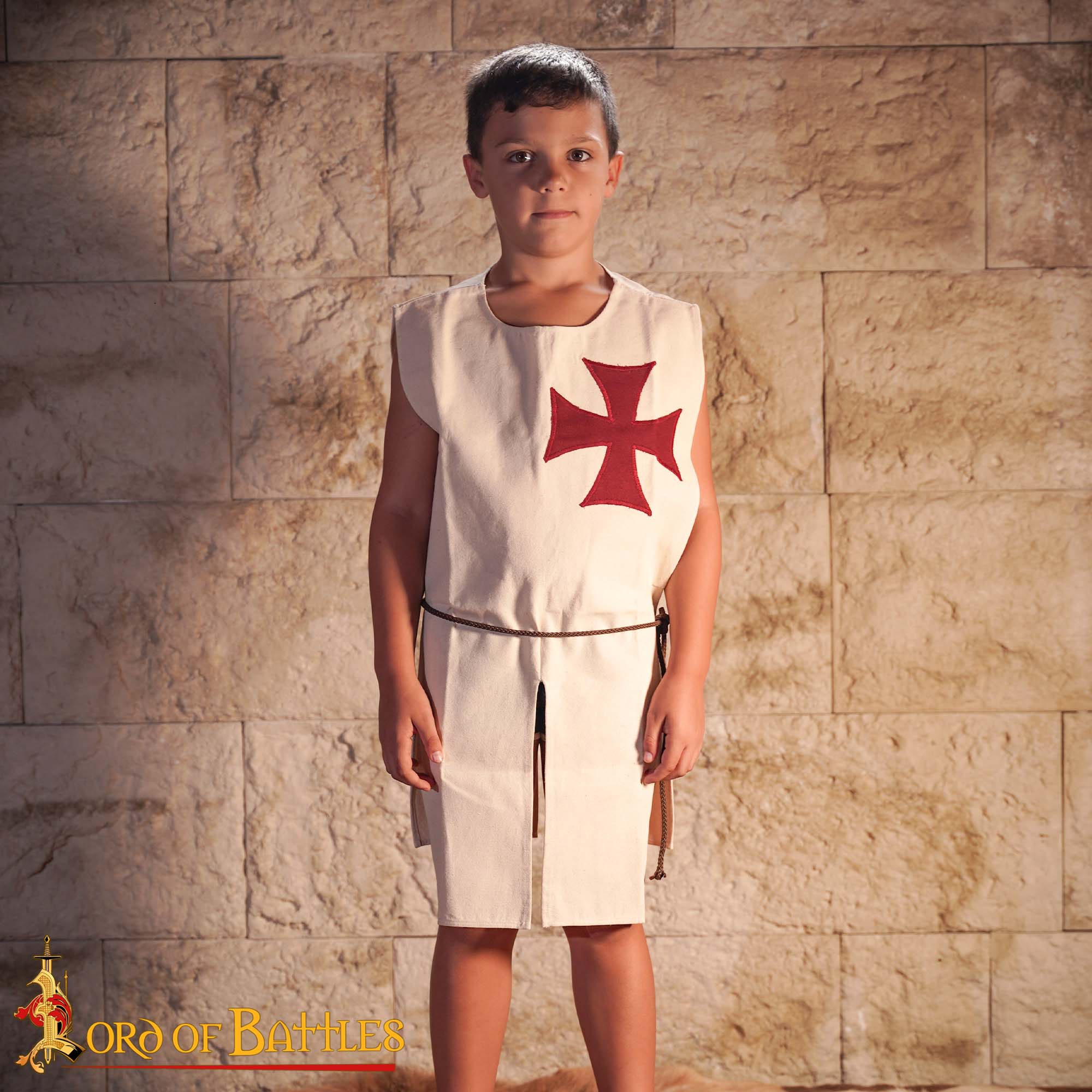
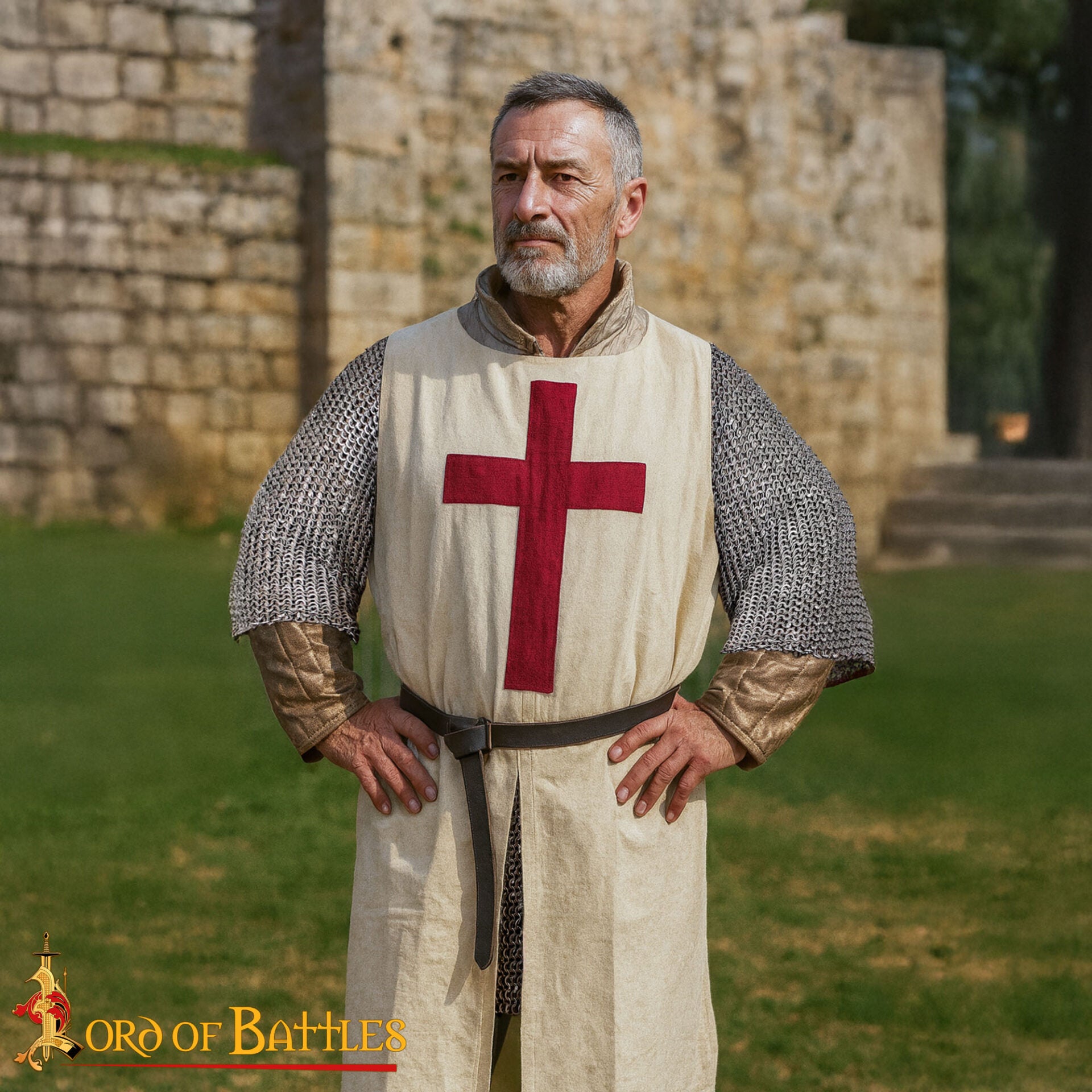
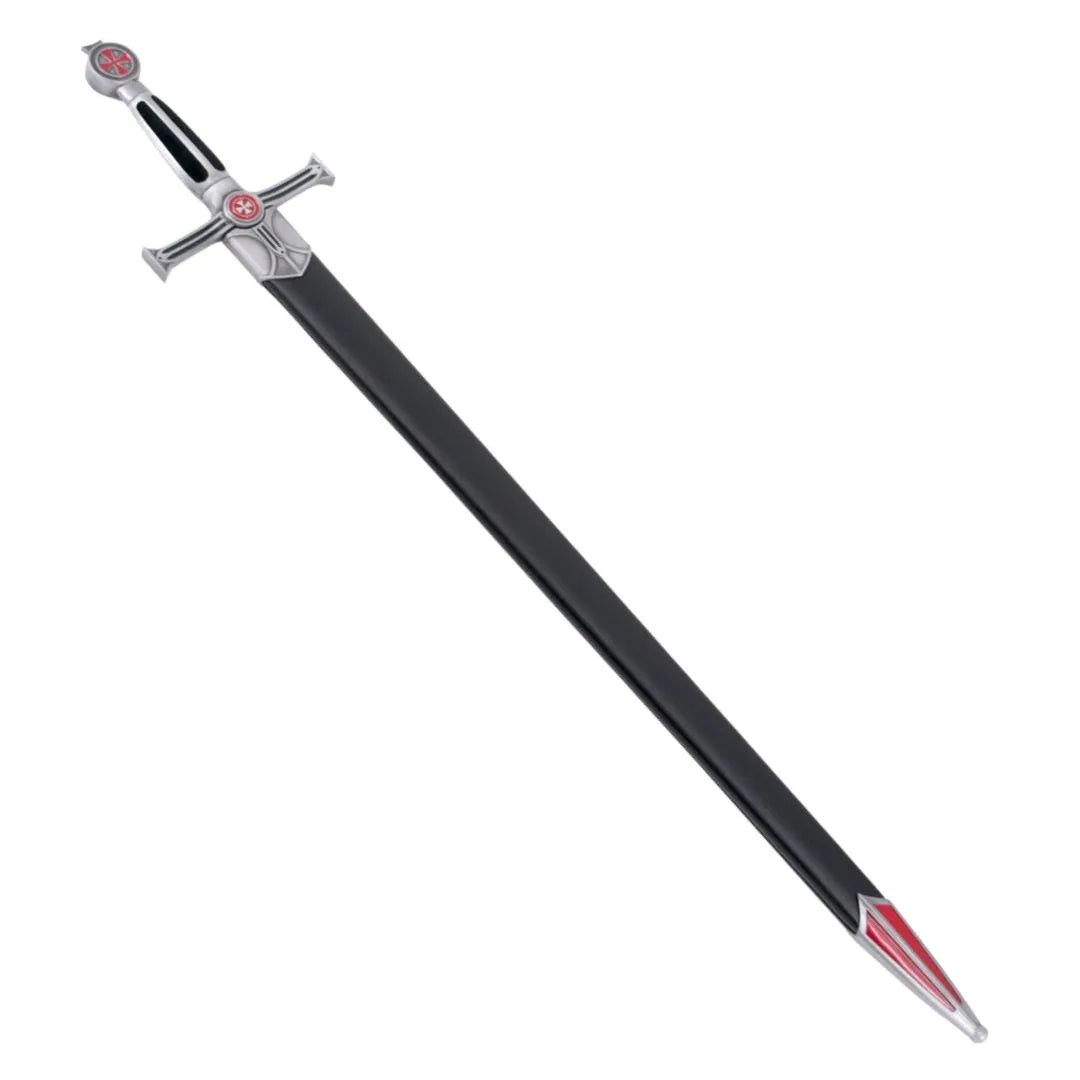
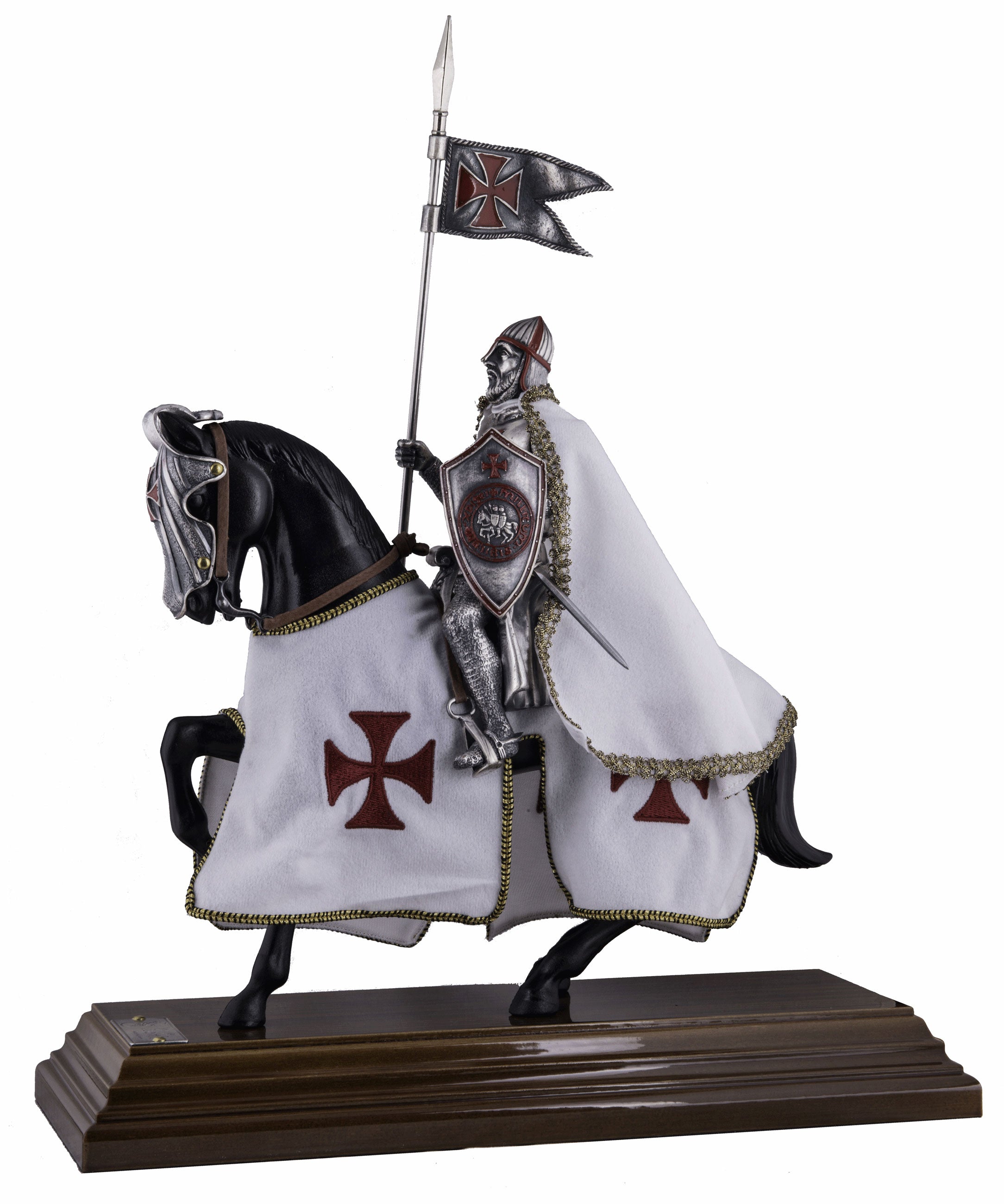
The cross used by the Templars in Spain derives from the original symbol adopted by the order: a cross pattée, with arms of equal length that widen at their ends, generally red on a white background. The red represented the blood of Christ and the sacrifice of the knights in the name of their faith.

Characteristics of the Spanish Templar Cross
The red cross pattée is the most representative design of the Spanish Templars.
Unlike other Christian crosses, it has an almost geometric shape, with wedge-shaped arms that widen toward the tips.
It was embroidered on the left side of the knights' white mantle, right over the heart, as a symbol of their sacred vow.
Although its general shape was common throughout Europe, some versions used in Spain present local variations, such as slightly curved tips or stylized finials influenced by Romanesque art.
In some enclaves, the cross was sculpted in stone above the gates of castles or painted on heraldic shields, as seen in the Templar castle of Ponferrada or that of Monzón.
The cross as a symbol of power and faith
For the Spanish Templars, the cross was not only a mark of belonging but a spiritual symbol. It represented the struggle of good against evil, martyrdom, obedience, and chastity. It also functioned as a protective talisman in battles against the Muslims during the Reconquista.
During the 12th and 13th centuries, the Templar cross was viewed with respect and fear. Its mere presence on the battlefield was enough to inspire the faithful and sow doubt among the enemies. The legend that the Templars fought as if they were invincible contributed to the mystical aura that surrounds their cross to this day.

The persecution and the Templar legacy in Spain
In 1307, under pressure from King Philip IV of France and Pope Clement V, the order was persecuted, dissolved, and accused of heresy. However, in Spain, the proceedings against the Templars were less brutal. Many of their assets passed into the hands of other military orders, such as the Order of Montesa in the Crown of Aragon.
Even after being dissolved, the image of the Templar cross survived in churches, monasteries, and castles. Its influence can be traced in medieval architecture, popular legends, and Christian iconography in regions such as Extremadura, Galicia, and Castile and Leon.
Do you want a scimitar replica?
At Todo Medieval you will find decorative and functional oriental scimitars and sabers, in real steel and with shipping throughout Spain.
View swords and sabersModern revaluation
Today, the Spanish Templar Cross is a subject of study, devotion, and fascination.
Cultural associations, Templar tourist routes, and historical reenactments contribute to keeping the Templar heritage alive in Spain. Monuments such as the Castle of Ponferrada, the Convent of Christ in Tomar (Portugal), or the Templar churches in Segovia and Zamora preserve the trace of these knights and their distinctive symbol.
The Spanish Templar Cross is not just an icon of the past, but a gateway to the mystery, faith, and history of one of the most powerful orders of the Middle Ages.
Its presence on the Iberian Peninsula left a deep mark, still visible today in the stone, legend, and collective imagination.
If you would like to know about other types of Templar crosses, you can do so in the linked article.
And don't forget to take a look at our Medieval Store, where you will also find many products associated with the Order of the Temple.