







What was the Battle of Roslin?
The Battle of Roslin, fought on February 24, 1303, was a key confrontation within the First War of Scottish Independence (1296–1328). In it, Scottish forces defeated an English column near the town of Roslin, south of Edinburgh.
Although not as well-known as the Battle of Stirling Bridge (1297) or the Battle of Bannockburn (1314), Roslin represents a significant example of the maneuver warfare and ambushes that characterized much of the conflict between Scotland and England at the beginning of the 14th century.
Historical context: the war between Scotland and England
At the end of the 13th century, the death of the Scottish King Alexander III without a clear heir triggered a succession crisis that allowed for the intervention of the English King Edward I of England. Following the deposition of John Balliol, England attempted to consolidate its rule over Scotland.
In 1303, Edward I launched a new military campaign to quell Scottish resistance. Various English contingents operated in the center and southeast of the country, including detachments sent to secure strategic routes near Edinburgh.
Who participated in the Battle of Roslin?
Scottish side
-
John Comyn (known as “Red Comyn”)
-
Simon Fraser
Both commanders quickly gathered local forces to intercept an English column on the move.
English side
-
John Segrave
Segrave led a force sent to operate in the region. The exact numbers of combatants vary according to medieval chronicles, which often exaggerate the figures. Modern historians agree that it was a significant contingent, but not a full army.

|
 |
 |
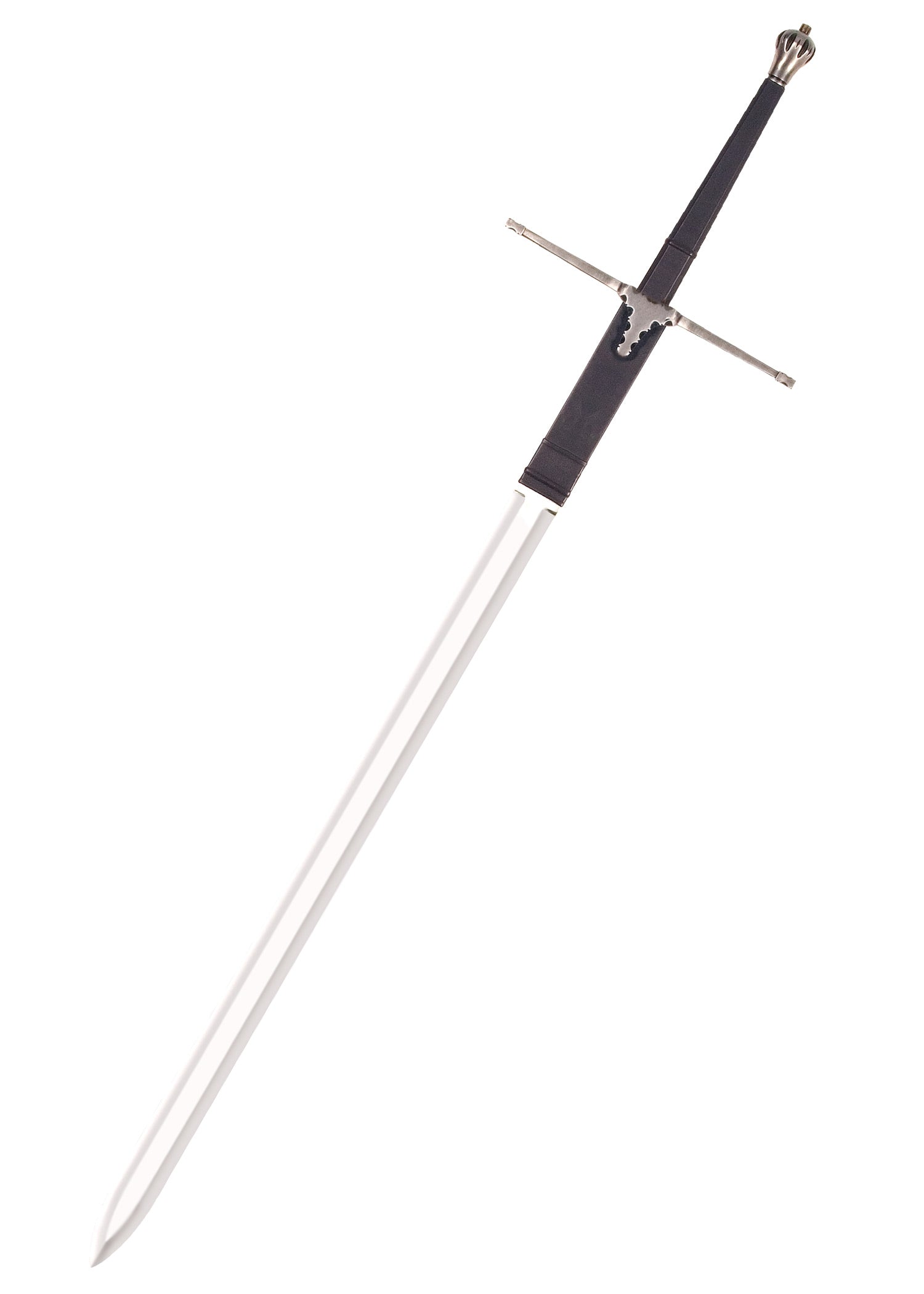
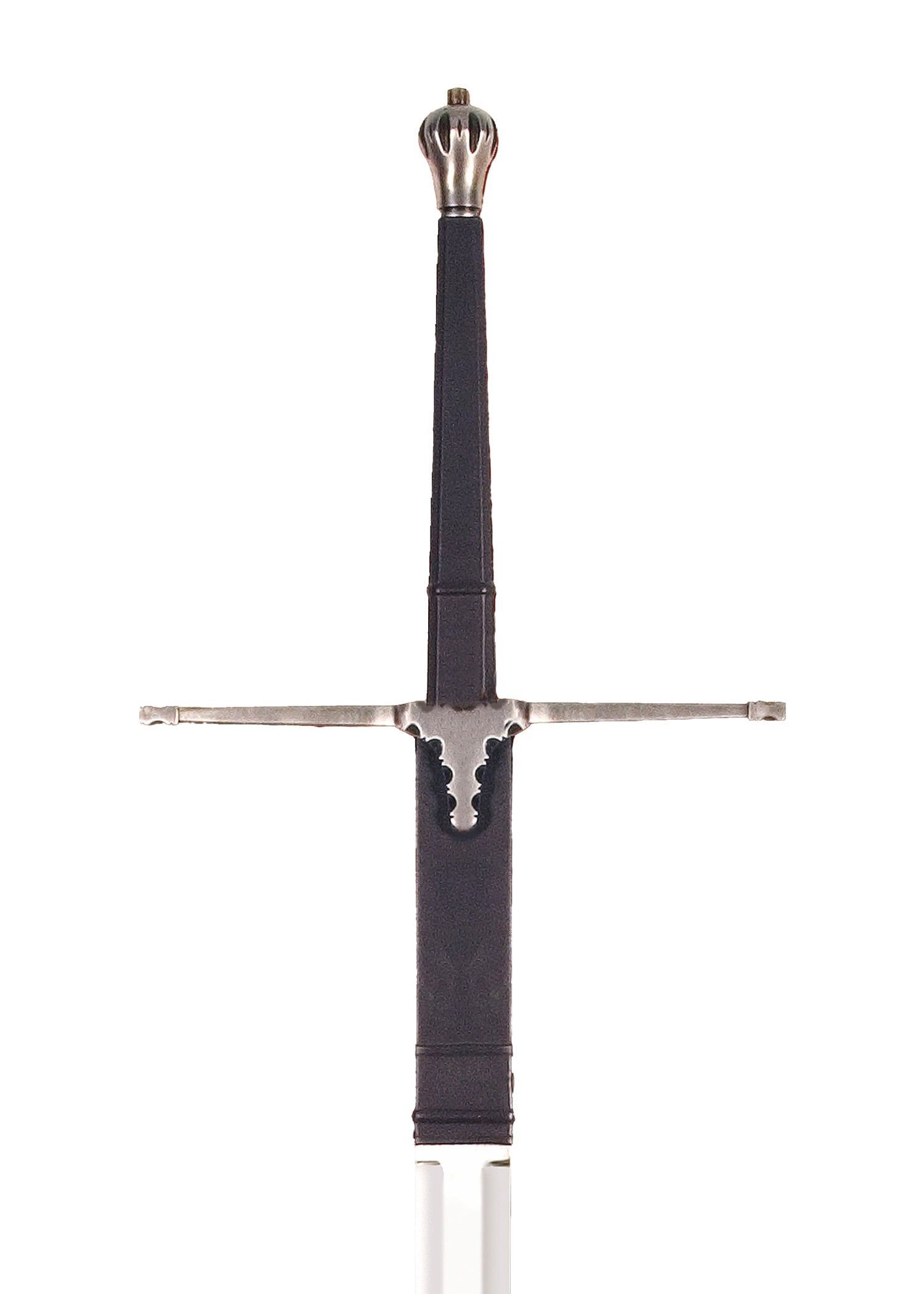
Do not miss this incredible Scottish sword
Course of the battle
The Battle of Roslin was characterized by surprise and the fragmentation of the English forces. According to medieval sources:
-
English troops marched divided into several columns.
-
The Scots took advantage of this dispersion to attack separately.
-
Several successive clashes occurred on the same day.
-
Part of the English contingent was defeated before it could reorganize.
The terrain of Roslin Glen, with its narrow valleys and wooded areas, favored Scottish tactics. The operation was, in essence, a rapid interception action rather than a traditional pitched battle.
Some chronicles maintain that John Segrave was temporarily captured, although the details regarding his detention and release are not entirely consistent across sources.
Consequences of the Battle of Roslin
Moral impact
The victory boosted Scottish morale at a time when English military pressure was intense.
Economic benefit
The capture of English knights and officers allowed for the collection of ransoms, a common practice in medieval warfare.
Limited strategic impact
Despite the tactical success, the battle did not decisively alter the course of the war. Edward I continued his campaign and maintained control over large areas of Scotland for the years that followed.
Nevertheless, Roslin demonstrated that Scottish forces could defeat English detachments through mobility, knowledge of the terrain, and coordinated attacks.
You will love these Scottish swords!
The Battle of Roslin in the context of Scottish independence
The First War of Scottish Independence includes better-known episodes such as:
-
Battle of Stirling Bridge
-
Battle of Bannockburn
However, Roslin is relevant because it evidences the continuity of resistance even in periods when England seemed to dominate the situation.
The conflict would ultimately culminate in the recognition of Scottish independence in 1328, after decades of intermittent fighting.
Where is Roslin today?
The battle took place near the current town of Roslin, in Midlothian, Scotland. The area is also known for the famous Rosslyn Chapel, built in the 15th century.
Although there are no major specific commemorative monuments for the combat, the landscape retains features similar to those of the medieval terrain, which helps to understand the tactical nature of the confrontation.
The Battle of Roslin (1303) was a Scottish tactical victory within the First War of Scottish Independence. While it did not change the outcome of the conflict on its own, it did represent an effective example of maneuver warfare and organized resistance against the English occupation.
Roslin demonstrates that, in medieval warfare, knowledge of the terrain and the ability to act quickly could be as decisive as the size of the army.


