



Double-edged swords: weapons designed for cutting and thrusting throughout history
From ancient civilizations to the Middle Ages, double-edged swords were symbols of power, warfare, and prestige.
Their blades, featuring two sharp edges, allowed for a combination of slashing and thrusting, offering balance and versatility in combat.
Used by soldiers, warriors, knights, and military elites, each culture developed its own designs and techniques; therefore, from the straight swords of Antiquity to the great medieval blades, these weapons reflect the evolution of warfare through the centuries.
Below, we review the 9 most famous double-edged swords in history, ordered from oldest to most modern.
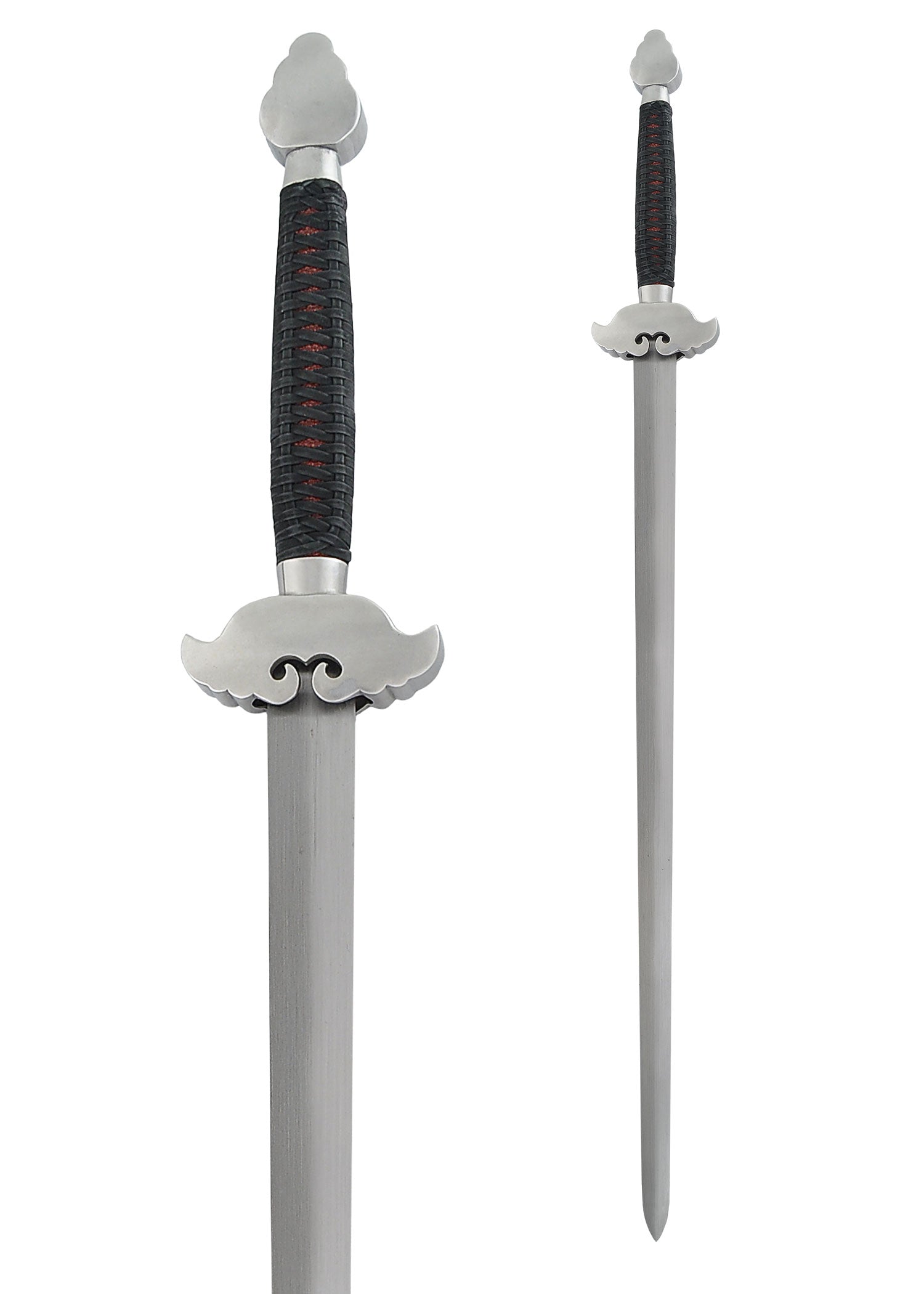
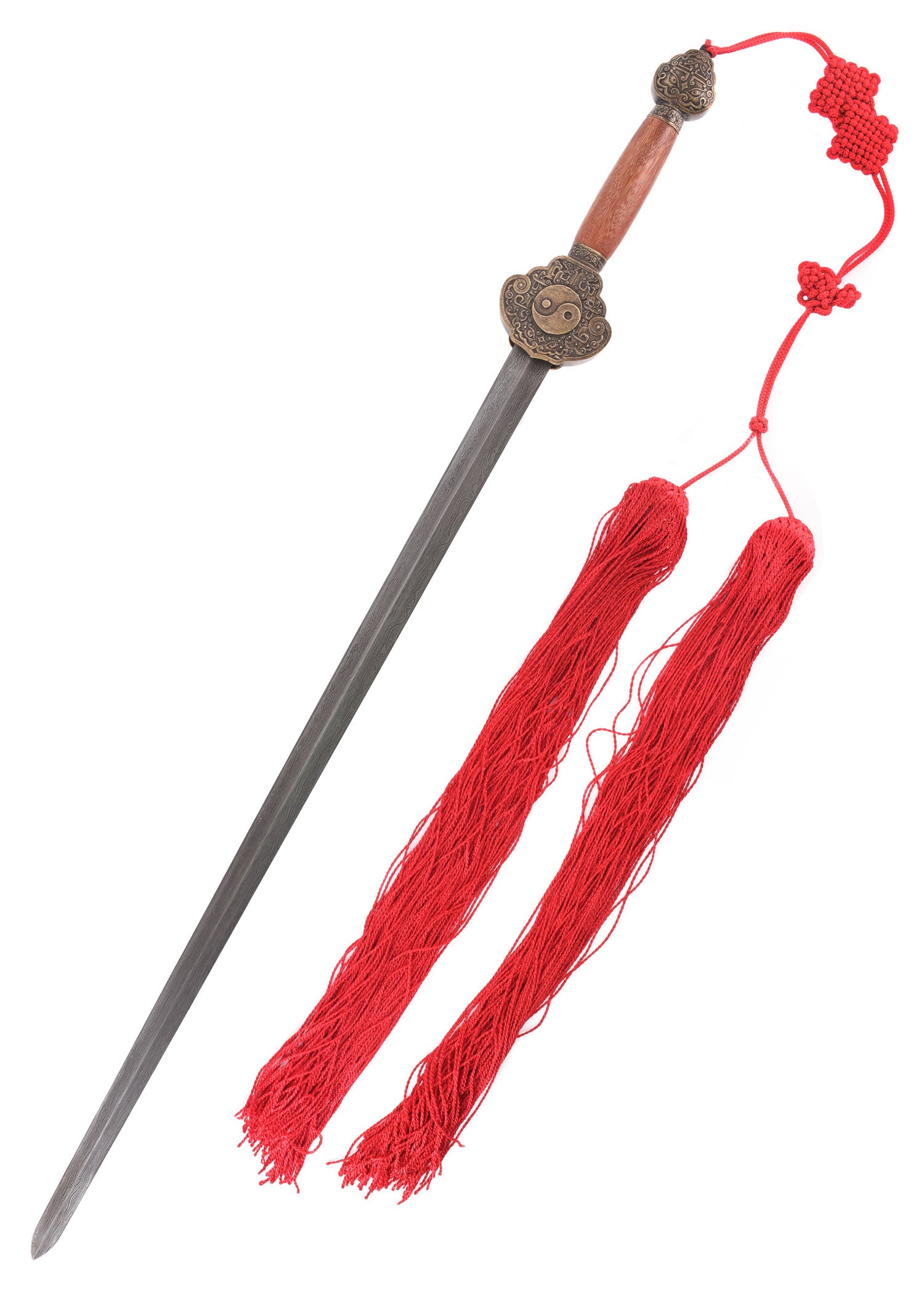
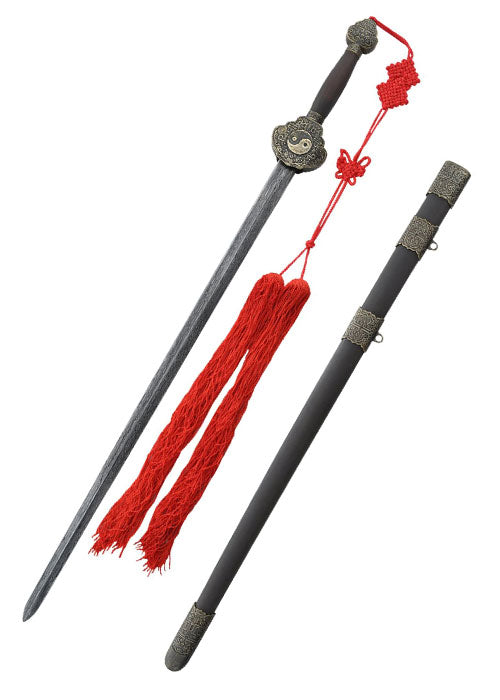
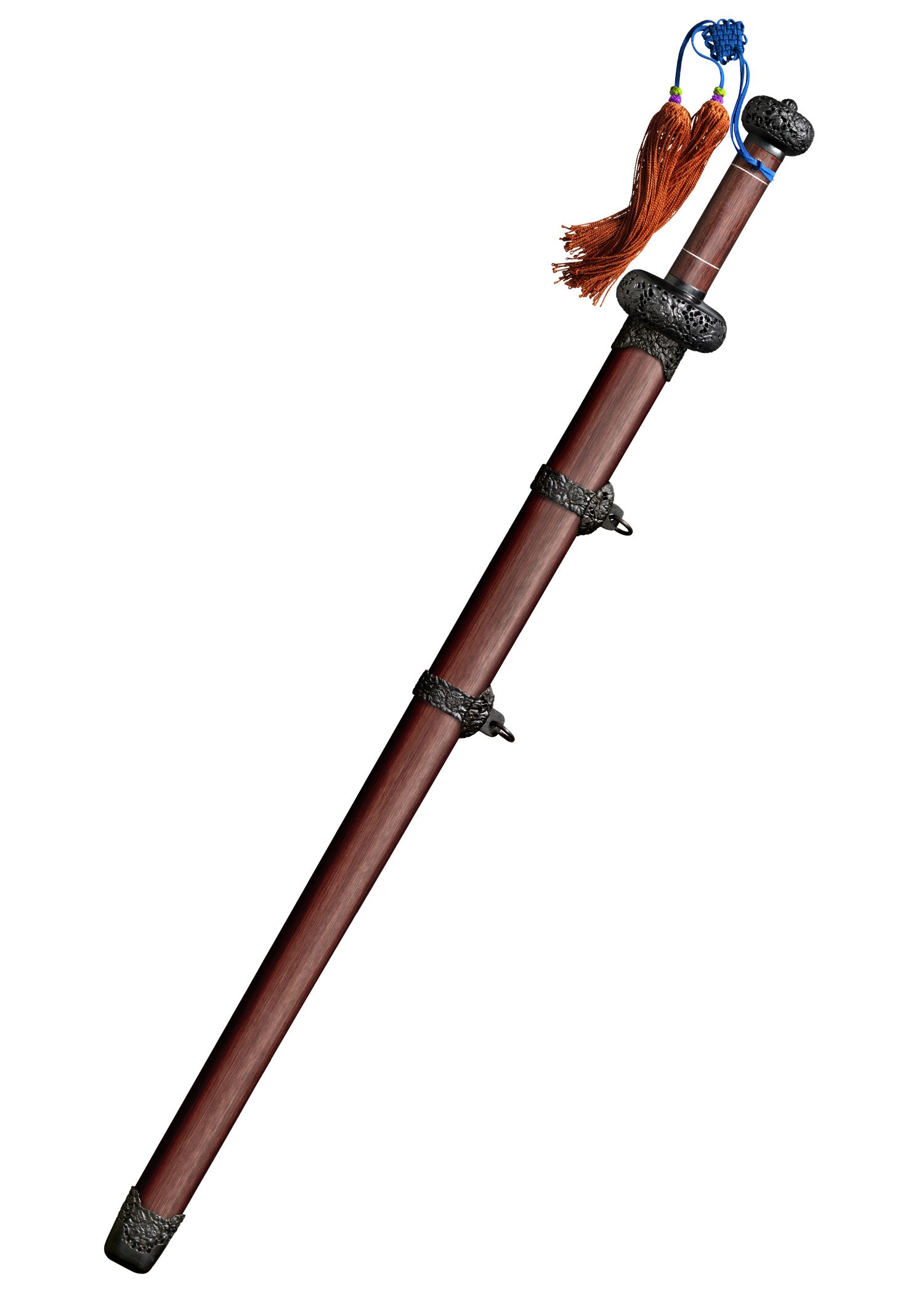
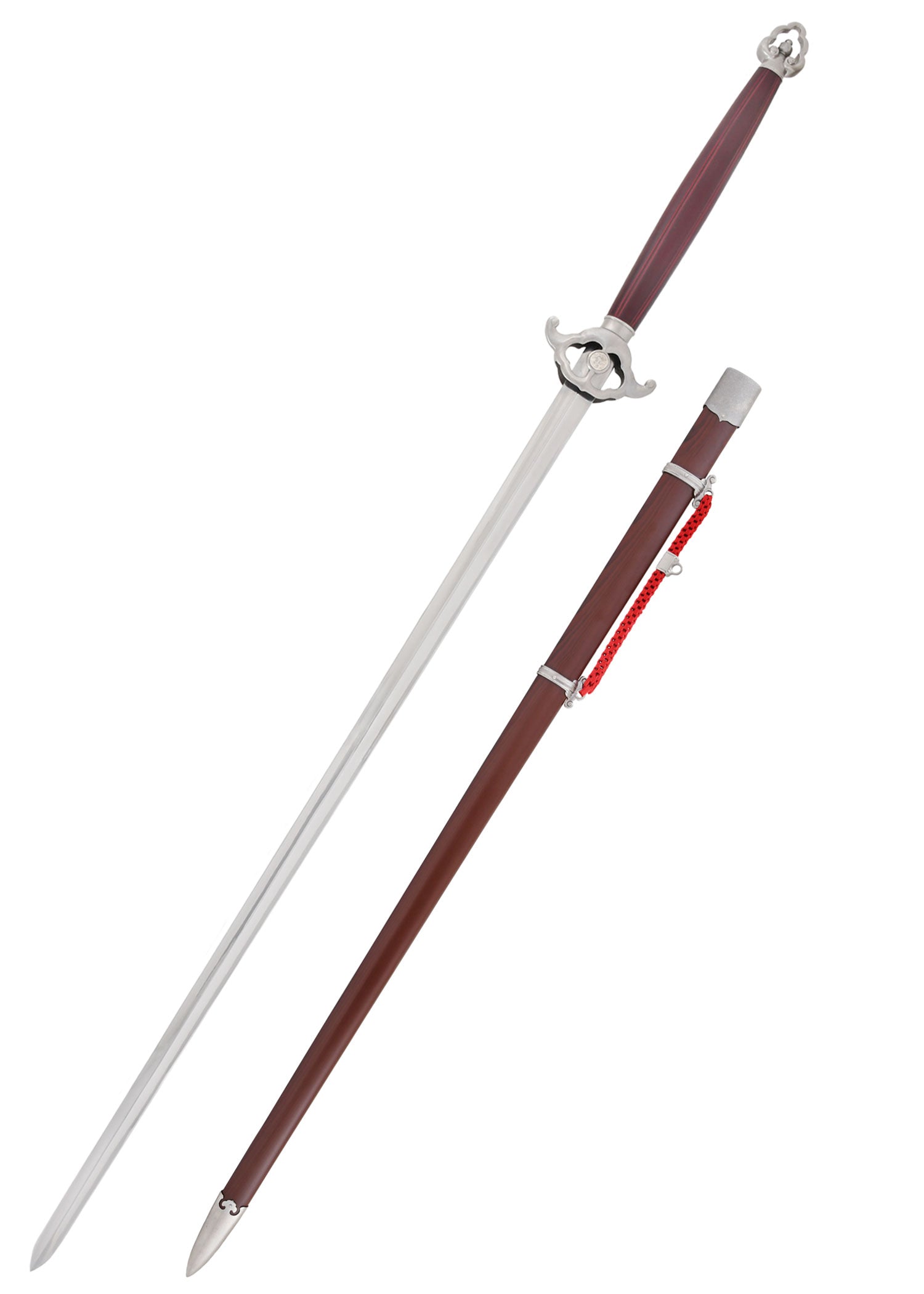
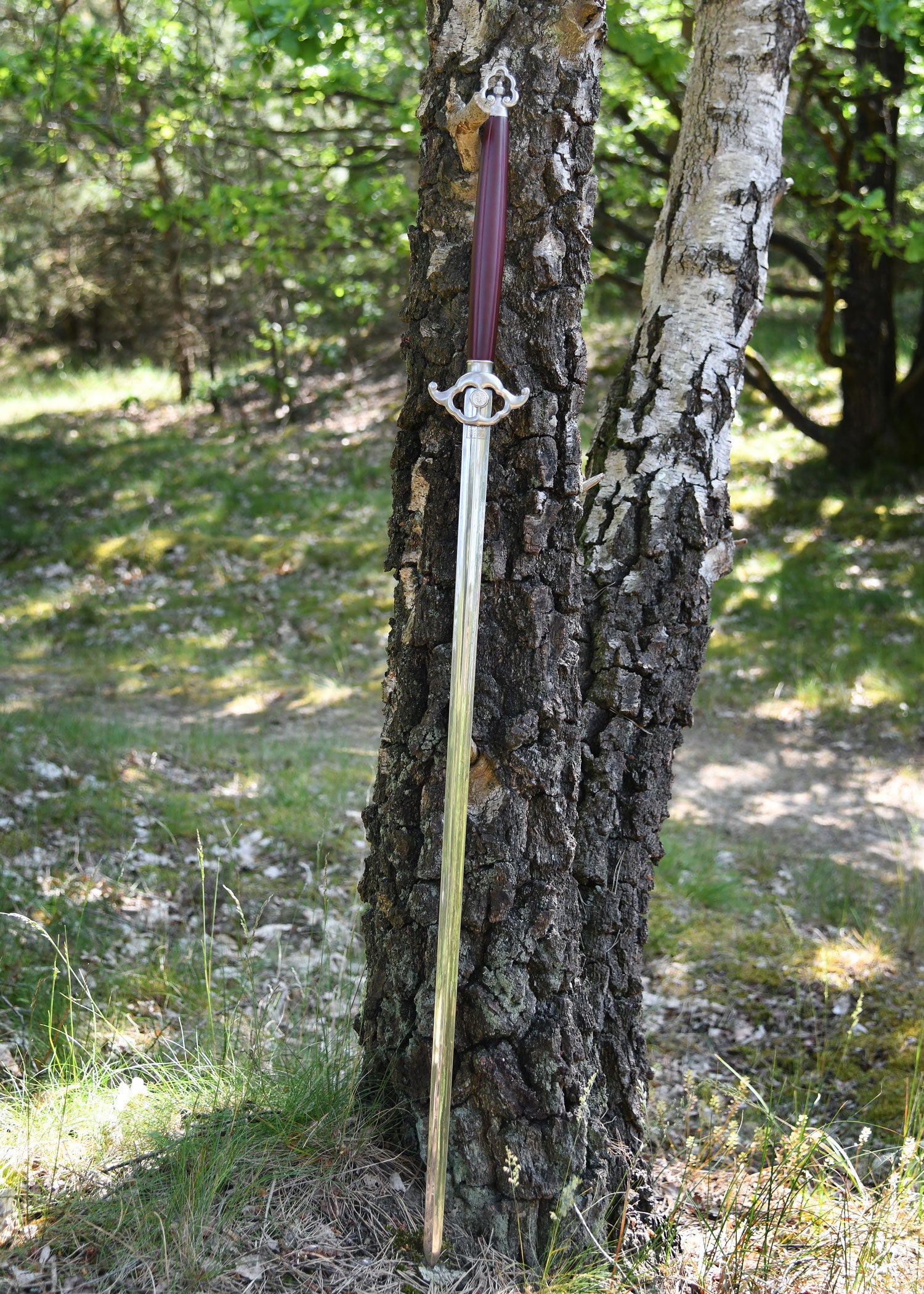
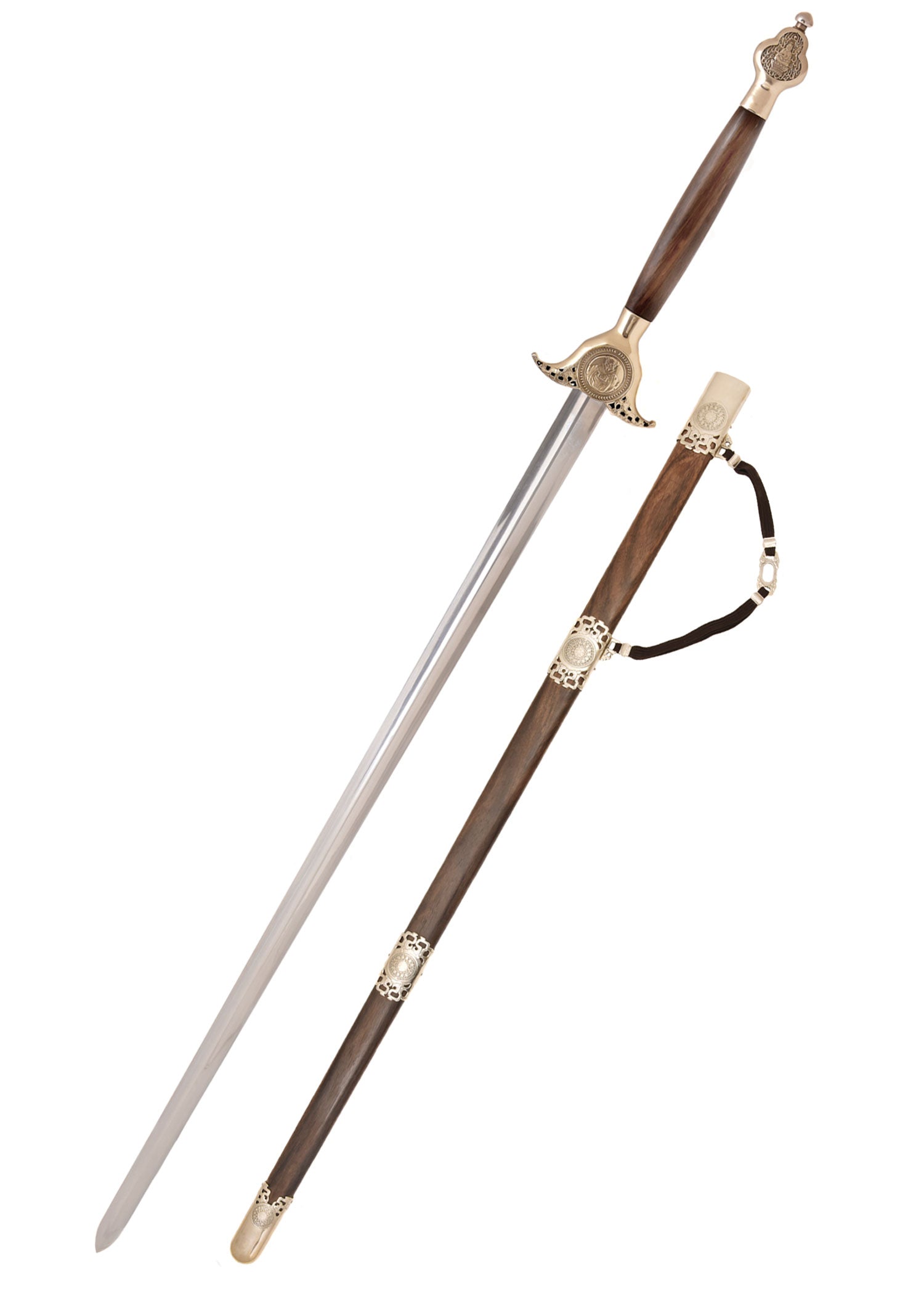
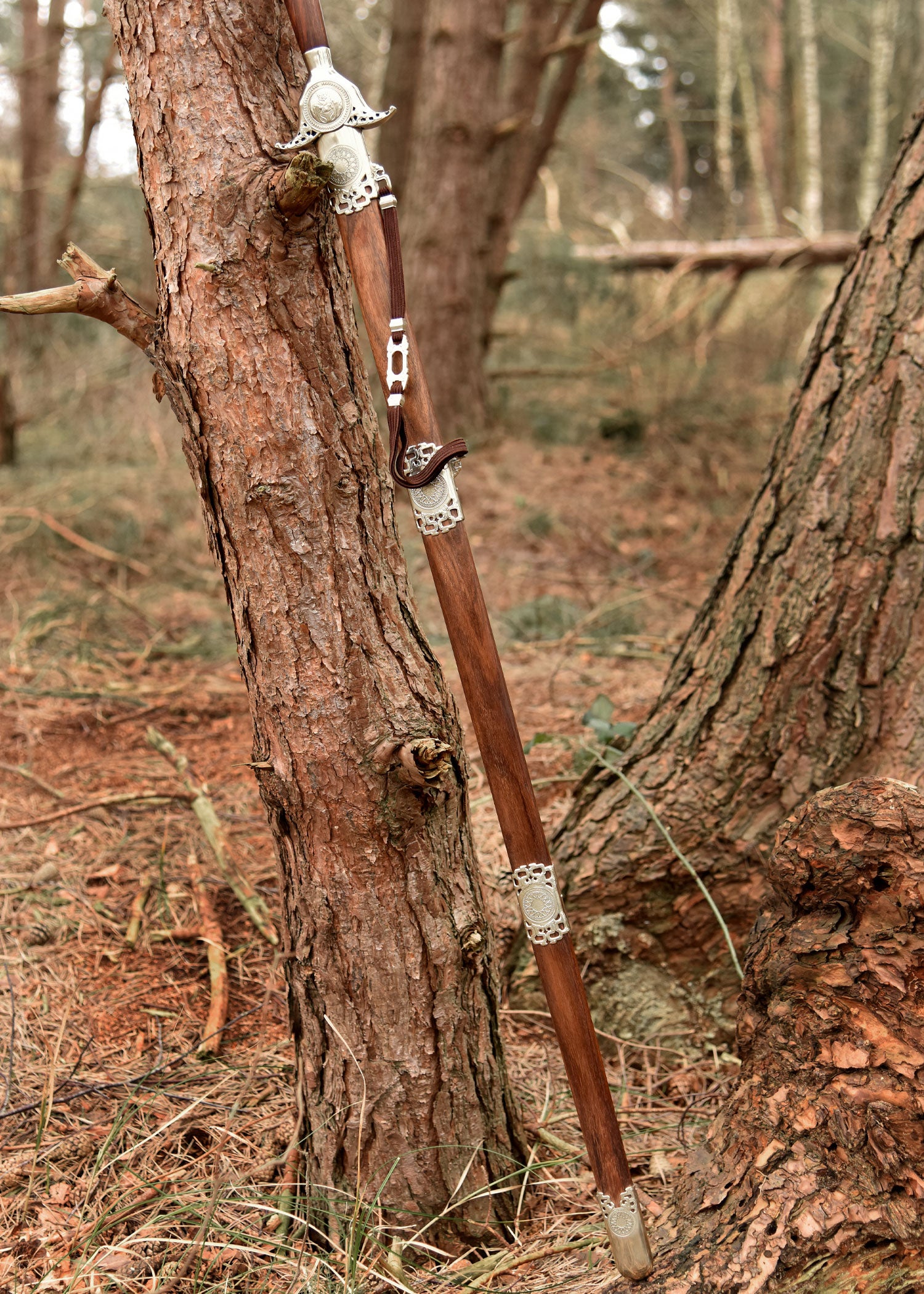
Jian (劍)

China — approximately from the 7th century BC.
The jian is one of China's most important straight, double-edged swords and was used for over 2,000 years.
Its straight, narrow, and balanced blade combined slashes and thrusts, and it was used by soldiers, officers, and military elites.
It also acquired great cultural value as a symbol of discipline, elegance, and the refined warrior.
Geom (검)

Korea — approximately from the 5th century BC.
The geom is a traditional straight Korean sword with double-edged blades similar to the Chinese jian. Although the term was originally used to denote all swords in Korea, it eventually focused solely on this type of double-edged sword.
It was used by Korean warriors and military classes, representing power and defense.
Beyond its military function, it acquired significant cultural value within traditional Korean martial arts.
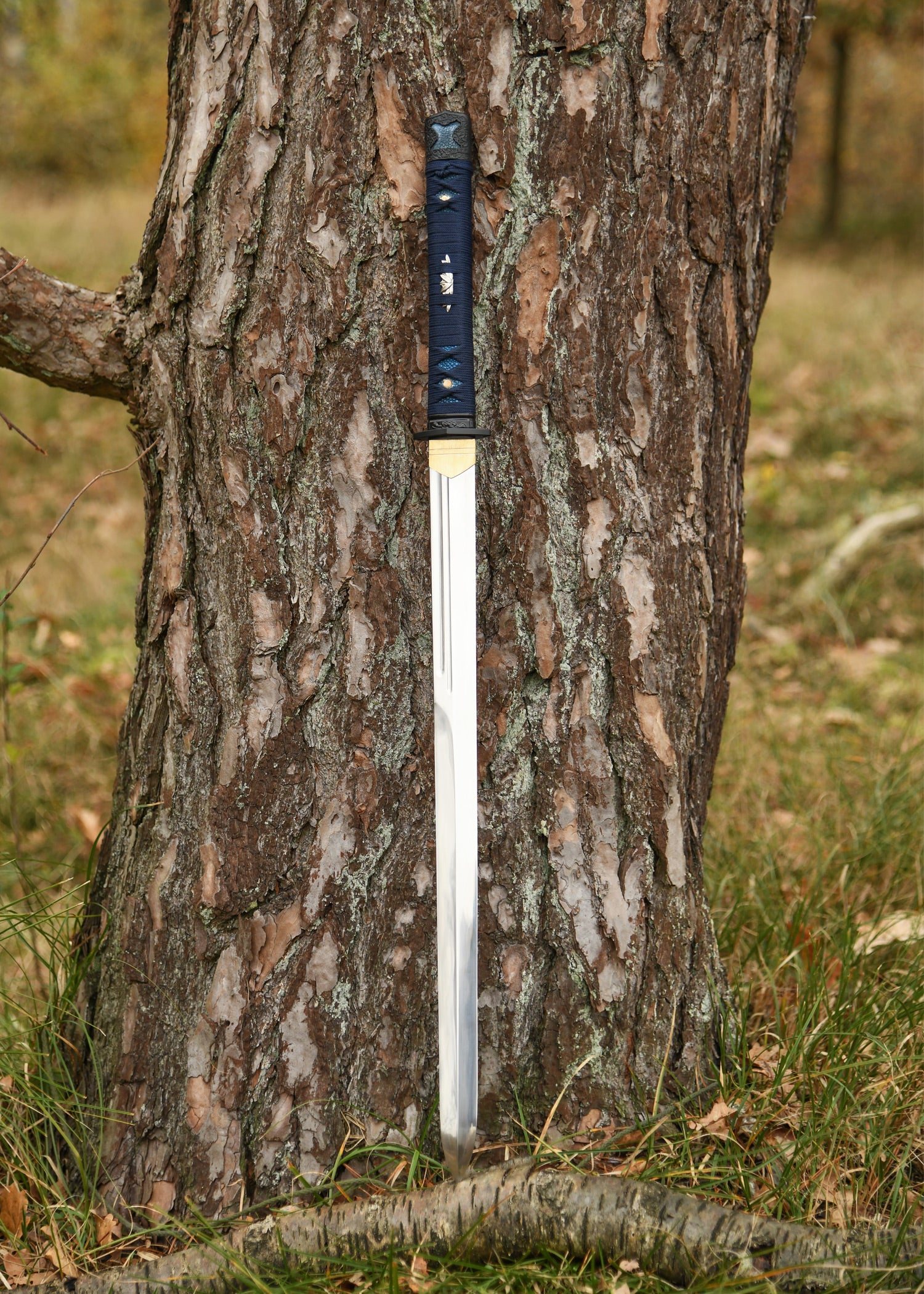
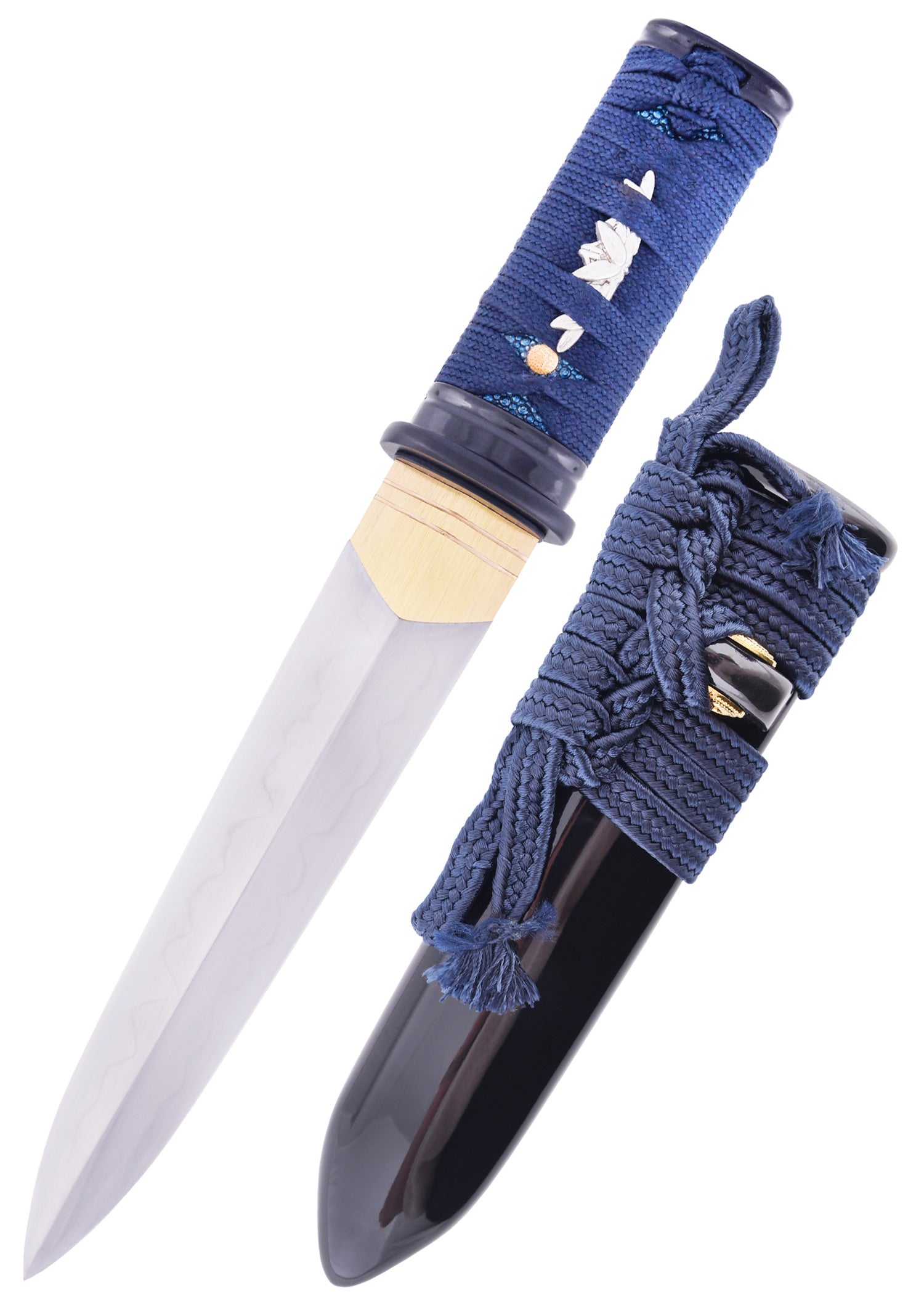
Tsurugi / Ken (剣)

Japan — approximately from the 3rd century BC.
The tsurugi is one of Japan's oldest double-edged swords, with a design influenced by models from China and Korea.
Featuring a straight blade designed to combine slashes and thrusts, it was used during the early periods of Japanese history by warriors, members of the aristocracy, and in ceremonial contexts linked to religion and imperial tradition.
Later, these weapons primarily served ceremonial, religious, and traditional martial arts functions, preserving a tradition that predates the dominance of the samurai sword.
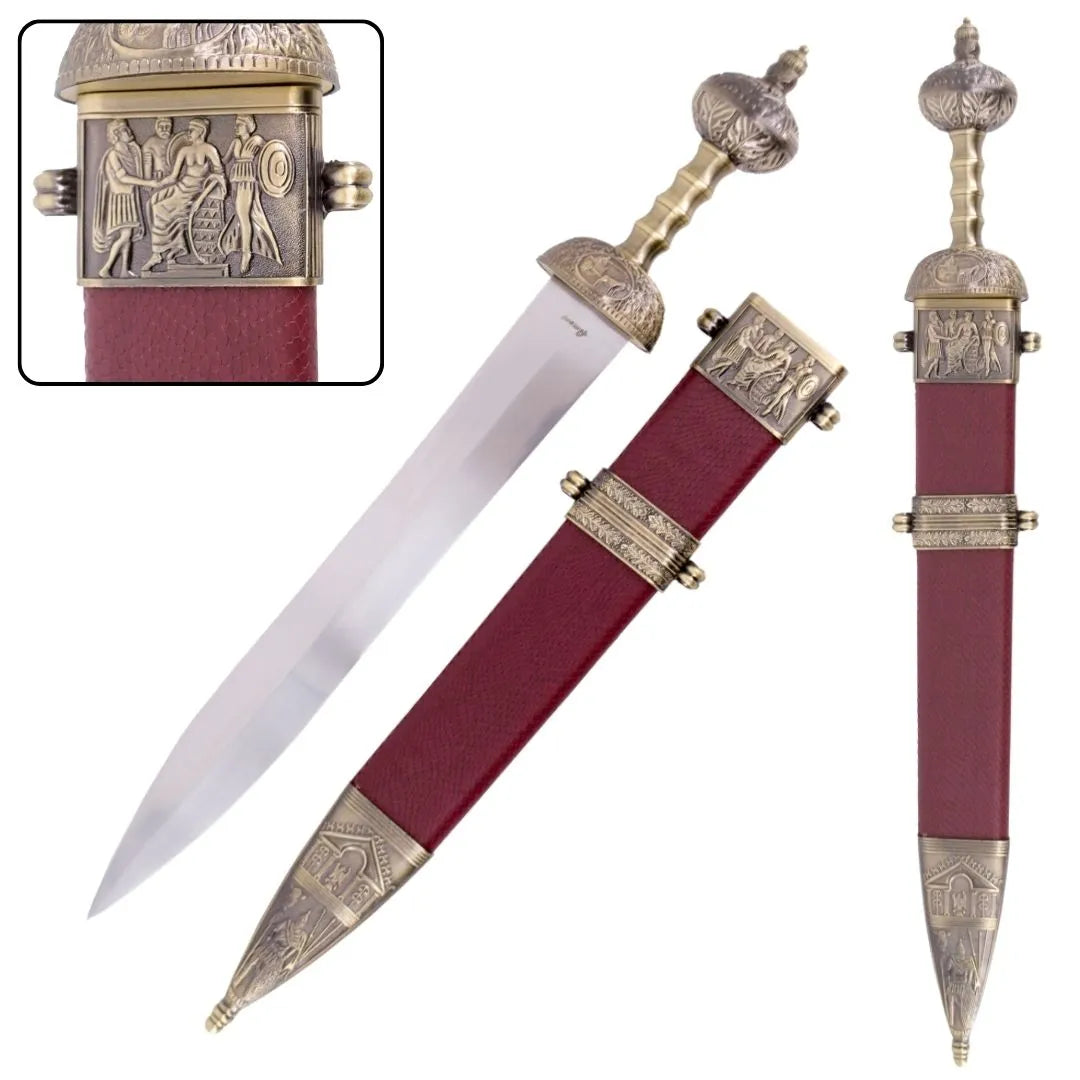
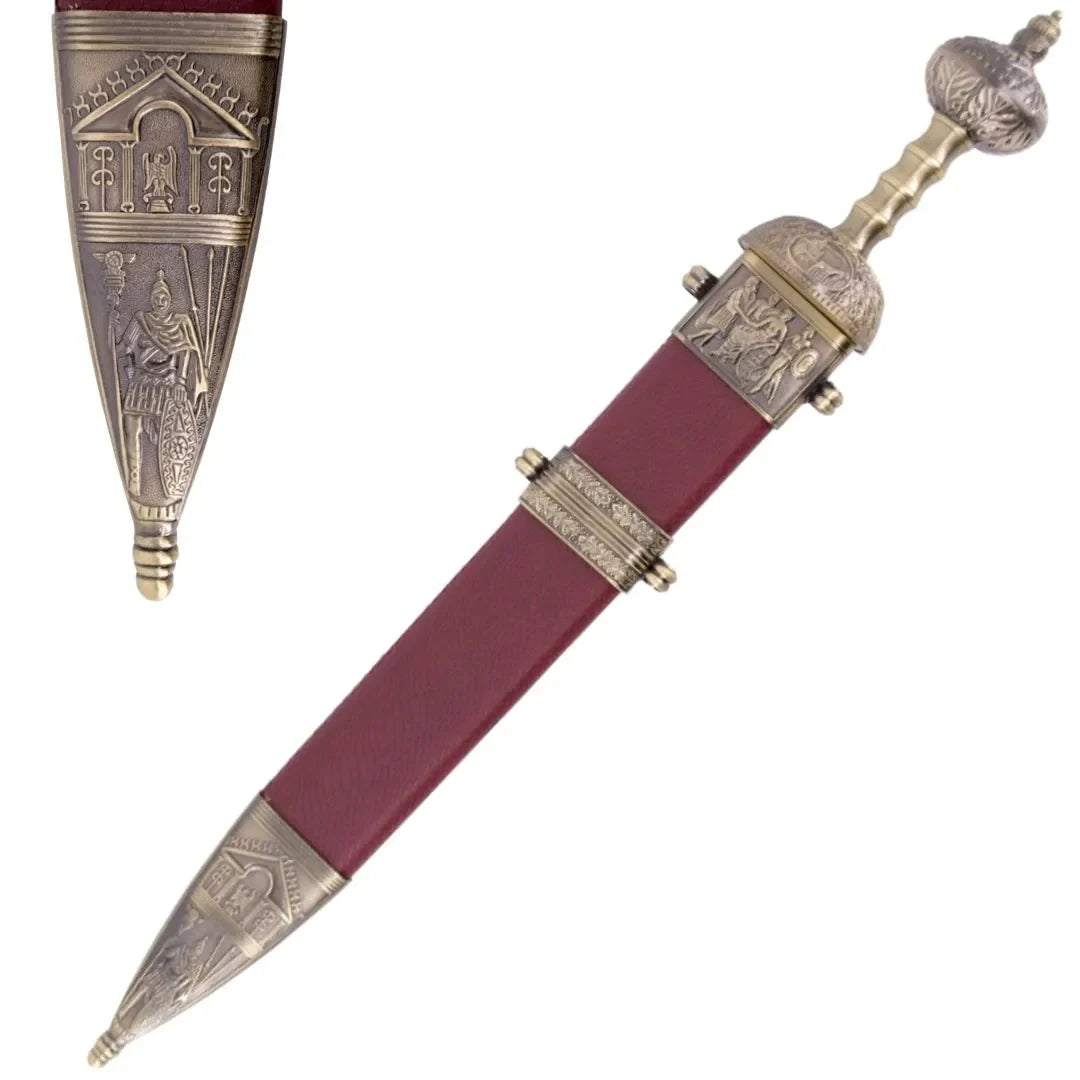
Roman Gladius

Rome — approximately 3rd century BC.
The gladius was the signature sword of the Roman legionaries.
Its straight, double-edged blade combined slashes and thrusts, while its compact size allowed for effective combat alongside the shield in tight formations.
It was one of the key weapons in the military expansion of the Roman Empire.
Viking sword

Scandinavia and Northern Europe — approximately 8th century.
The Viking sword was one of the most recognizable weapons of the Early Middle Ages.
Its straight, wide, double-edged blade was designed for powerful slashing strikes, and although it is linked to Norse warriors, it also circulated throughout Europe through trade and conflict.
These were valuable weapons whose possession represented prestige, wealth, and social status.
Knightly sword or arming sword

Western Europe — approximately 11th century.
The knightly sword was one of the most representative weapons of the European Middle Ages.
Its straight, double-edged blade was balanced for one-handed use alongside a shield and was used by medieval knights and warriors, combining effective slashes with thrusts against armored enemies.
Bastard sword or hand-and-a-half sword

Western Europe — approximately 14th century.
The bastard sword was an evolution of earlier medieval swords. Its size allowed it to be used with one or two hands, offering greater reach and power, while its double-edged blade combined slashes and thrusts, adapting to combat against the more resistant armor of the Late Middle Ages.
Longsword

Europe — approximately 14th century.
The longsword was one of the most representative weapons of the Late Middle Ages. Its straight, double-edged blade was designed to be used with both hands, combining reach, speed, and power, and was used by knights and professional warriors.
It also became a symbol of martial skill and European fencing.
Renaissance cut-and-thrust sword

Europe — approximately 15th century.
During the Renaissance, some swords evolved into more precise designs to combine slashes and thrusts, retaining the straight, double-edged blade in certain models but incorporating more complex hilts to protect the hand.
These swords were used by soldiers, nobles, and duelists, becoming symbols of prestige and military skill.