





Medieval Store Blog General

curiosidades
The Origin of the Sicarios
The word sicario is familiar to us and its current meaning seems very clear; however, behind it lies a much older and lesser-known history, related to a weapon whose name ended up acquiring a compl...
A word that survived nearly two thousand years
The word "sicario" (hitman) has an origin much older than it might se...
Europa
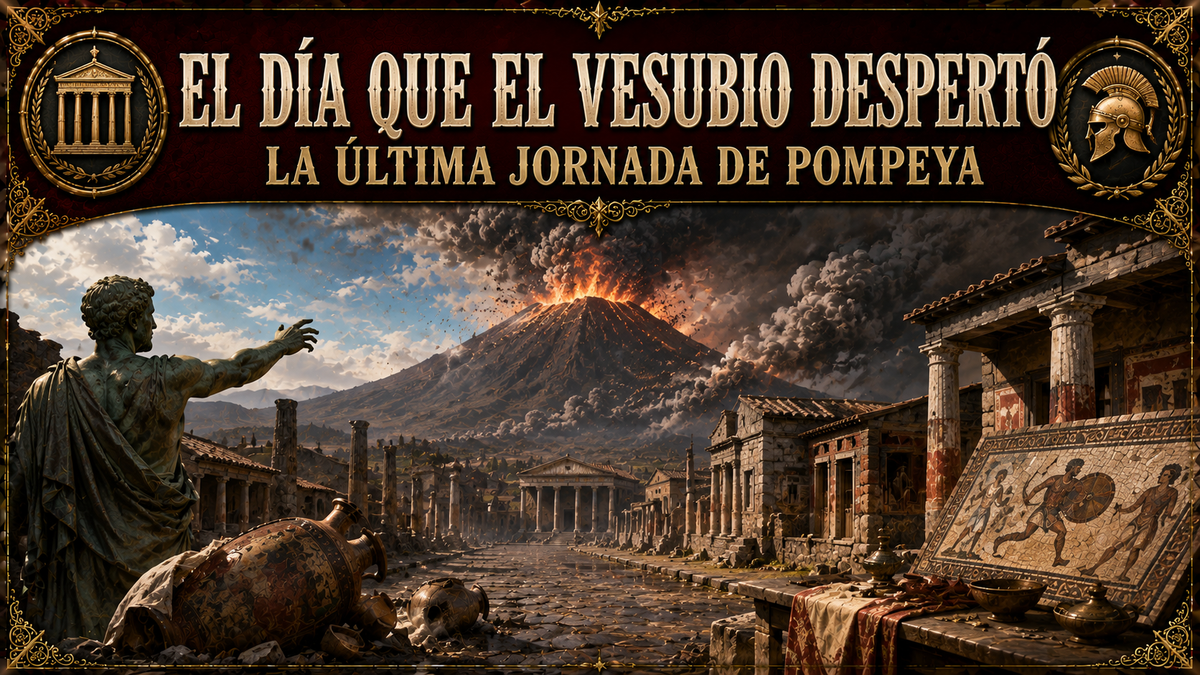
The day Vesuvius awoke: the last day of Pompeii
The eruption of Mount Vesuvius in 79 AD turned Pompeii and Herculaneum into two of the most fascinating archaeological sites of ancient Rome, although also two of the greatest natural disasters kno...
The Roman city that disappeared beneath the ashes
The streets of Pompeii in 79 AD, bustling with movement, were a re...
curiosidades
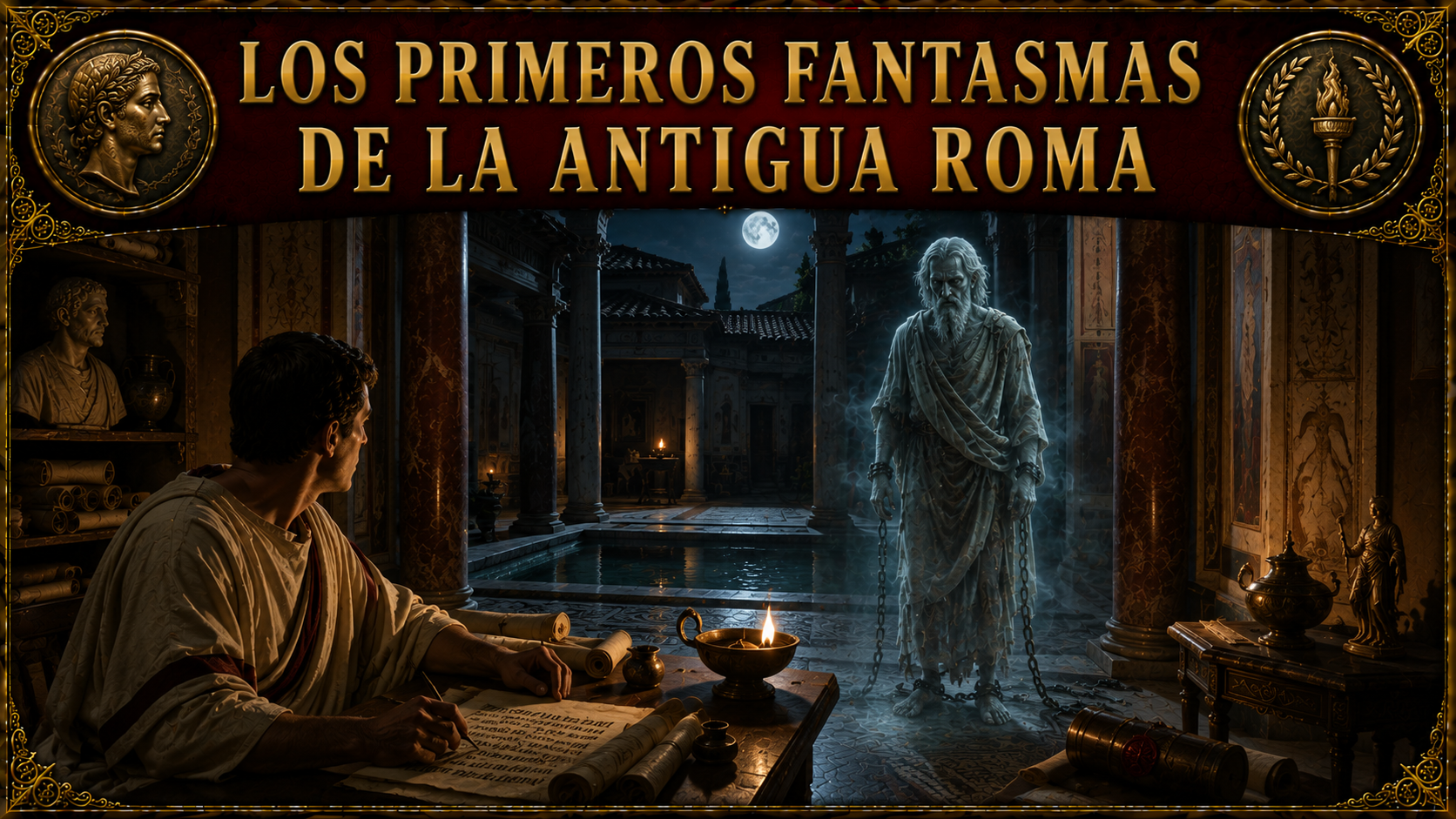
The first ghosts of Ancient Rome
Long before modern horror stories existed, the inhabitants of Ancient Rome were already fascinated by mysteries related to the dead and the unknown.
Ghost stories were part of a tradition in which...
The first horror stories written nearly 2000 years ago
Around the year 100, Gaius Plinius Caecilius Secundus (Pliny ...

Europa
Marcus Aurelius: the birth of the emperor who changed the history of the Roman Empire
Marcus Aurelius, born in the year 121 in Rome, was one of the most influential emperors of the Roman Empire.
This article covers his education, military campaigns, legal reforms, and crisis managem...
On April 26 in the year 121, Marcus Aurelius Antoninus was born in Rome. He came from a Roman senatorial family link...

espadas
Types of gladius: the Roman sword that defined combat in antiquity
Explore the main types of Roman gladius and how this short sword defined combat in antiquity.
From the Gladius Hispaniensis to the Pompeii model, each variant reflects the tactical evolution of the...
The gladius was not merely a short sword: it was a weapon designed with a very specific intent.
Its length, typicall...

curiosidades
Roman emperor who banned trousers
The ban on trousers in ancient Rome during the reign of Emperor Honorius is one of the most curious episodes in the history of the late Roman Empire.This regulation, included in the Theodosian Code...
In the late Roman Empire, a garment we consider essential today would become a subject of debate and legal control.
...

Europa
March in Ancient Rome: The Assassination of Julius Caesar
On March 15, 44 BC, Julius Caesar was assassinated in the Roman Senate during the Ides of March.
The attack, led by Marcus Junius Brutus and other conspirators, triggered further civil wars and acc...
The beginning of the year in archaic Rome
In the earliest Rome, March 1st traditionally marked the start of the civi...

espadas
Nydam Moor (Nydam Mose) Roman sword: historical context and use in Northern Europe
The Nydam Moor Roman sword is a key piece for understanding the evolution of late Roman weaponry and its influence in Northern Europe.
Found in a ritual deposit in Denmark, it reflects the contact ...
The Nydam Roman sword is one of the most important pieces for understanding the evolution of late Roman weaponry and...

Europa
Claudius, the emperor who continued the dynasty in Rome after the assassination of Caligula
On January 24, 41 AD, Claudius was proclaimed Emperor of Rome following the assassination of Caligula.
His ascent, driven by the Praetorian Guard, ended the institutional crisis that began after th...
Rise to power and consolidation of leadership in Rome
On January 24, 41 AD, Claudius was proclaimed emperor followin...
