










A word that survived nearly two thousand years
The word "sicario" (hitman) has an origin much older than it might seem, and its etymology is far from corresponding, at least directly, to the function with which they are associated today.
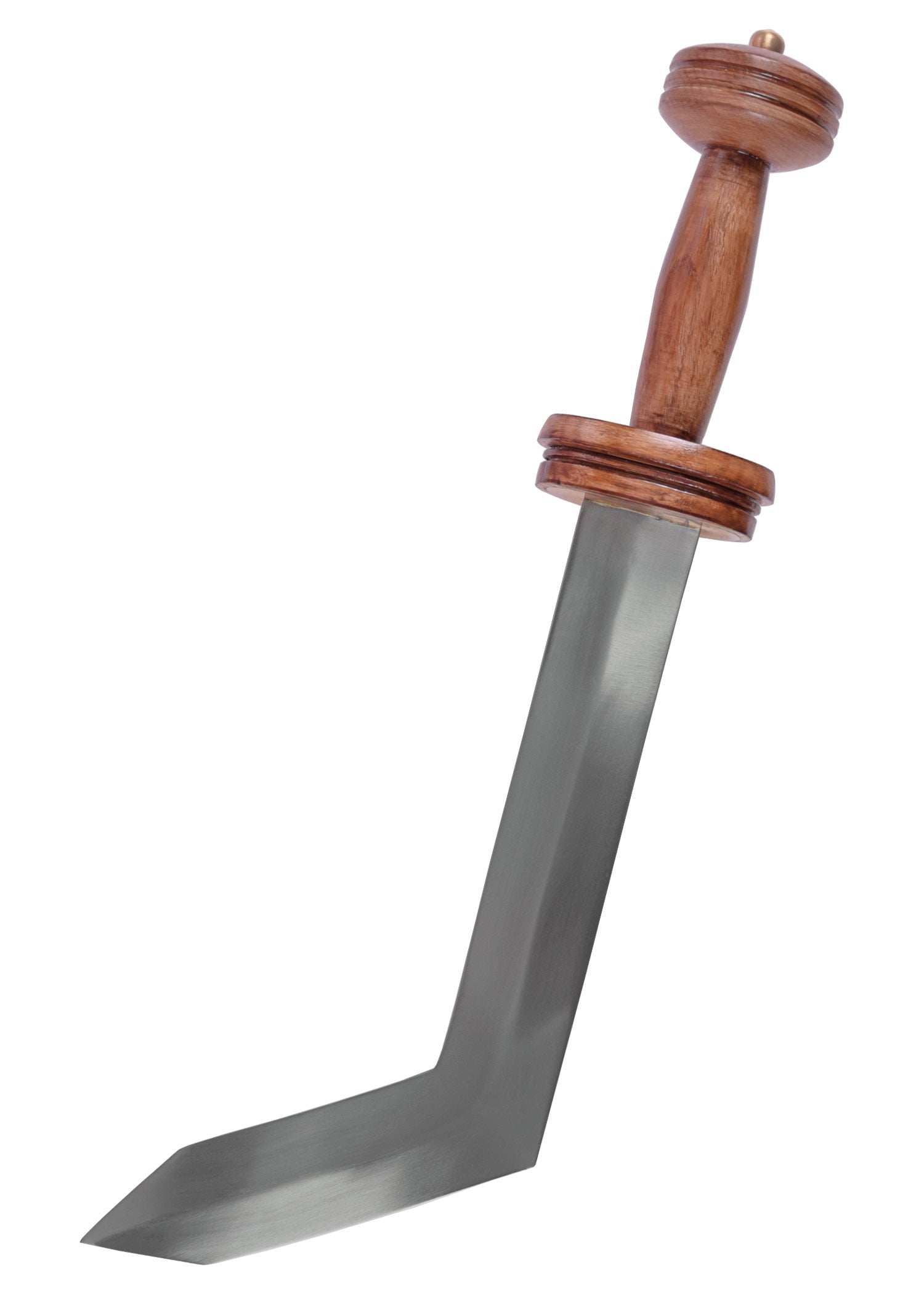
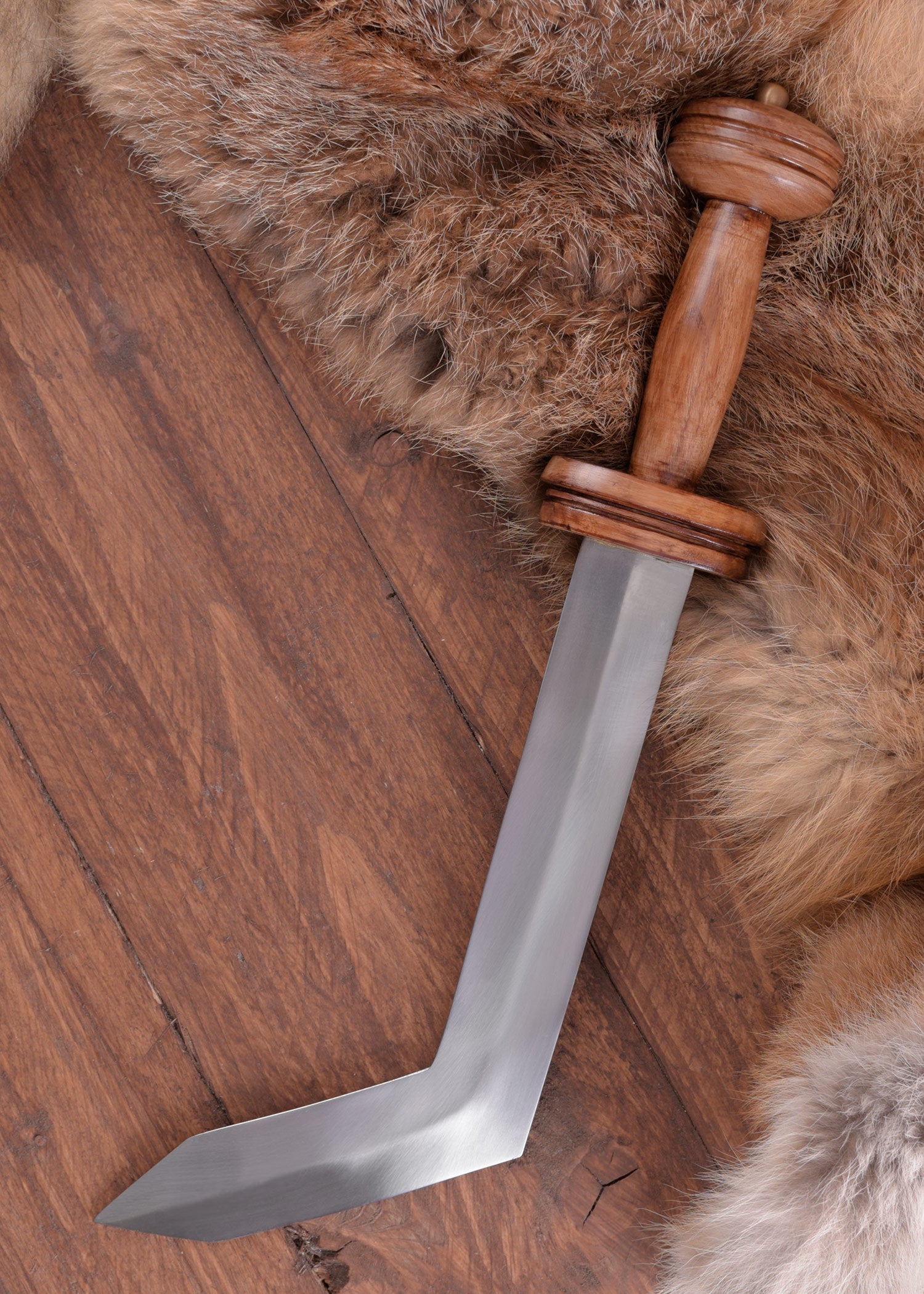
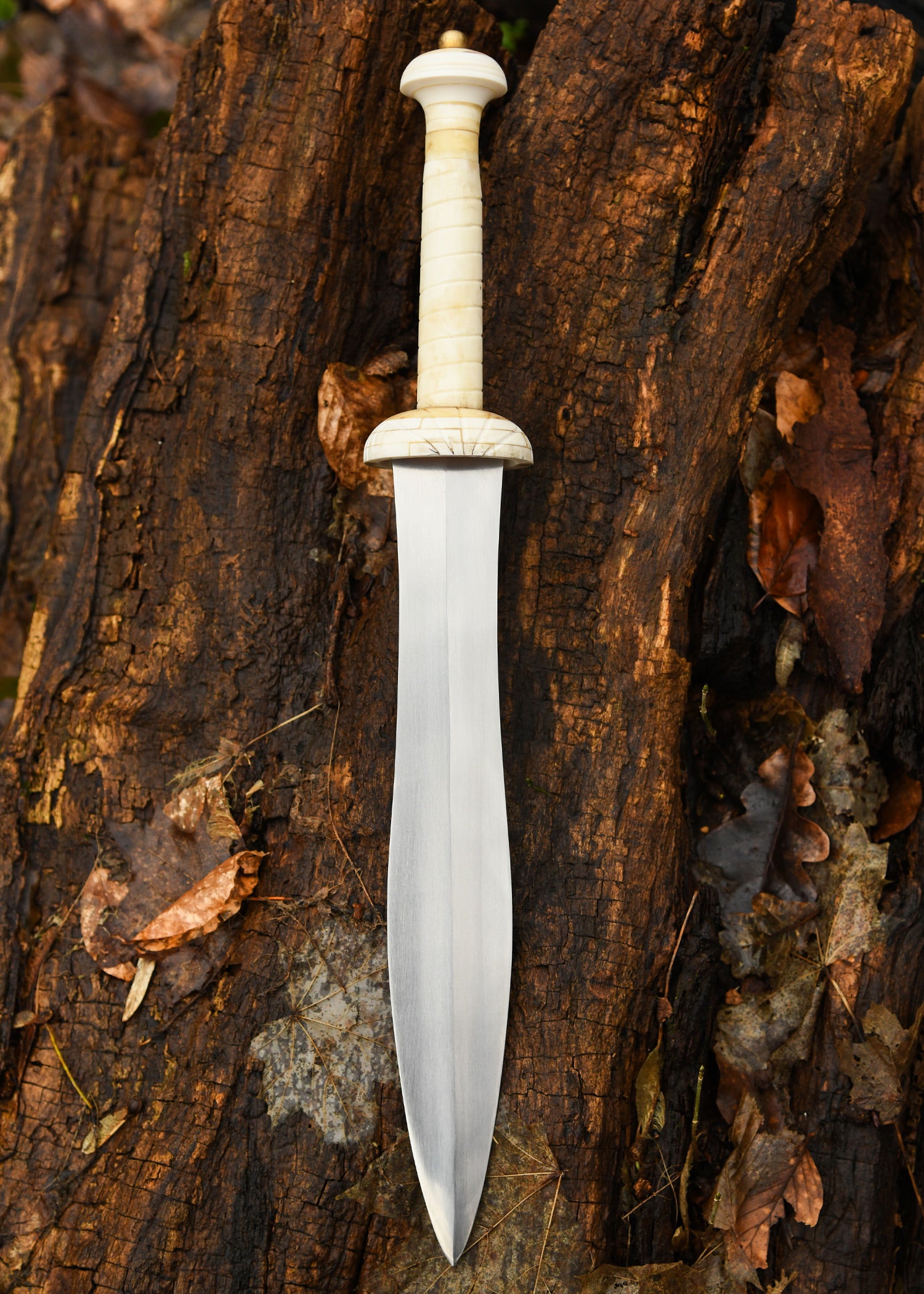
Its history is related to a small, curved sword known as a sica, a weapon linked to the peoples of Thrace and Dacia that ended up becoming part of the arsenal of certain Roman gladiators.
It was centuries later that the name of this weapon became associated with the sicarii, a group active in Roman Judea during the 1st century AD, whom ancient sources link to assassinations carried out with small weapons that could be hidden under clothing; thus, the connection between an ancient sword and a word we still use today is unsettling, but to understand it, we must go back to the world of the Thracian warriors.

The curved sword that caught Rome's attention
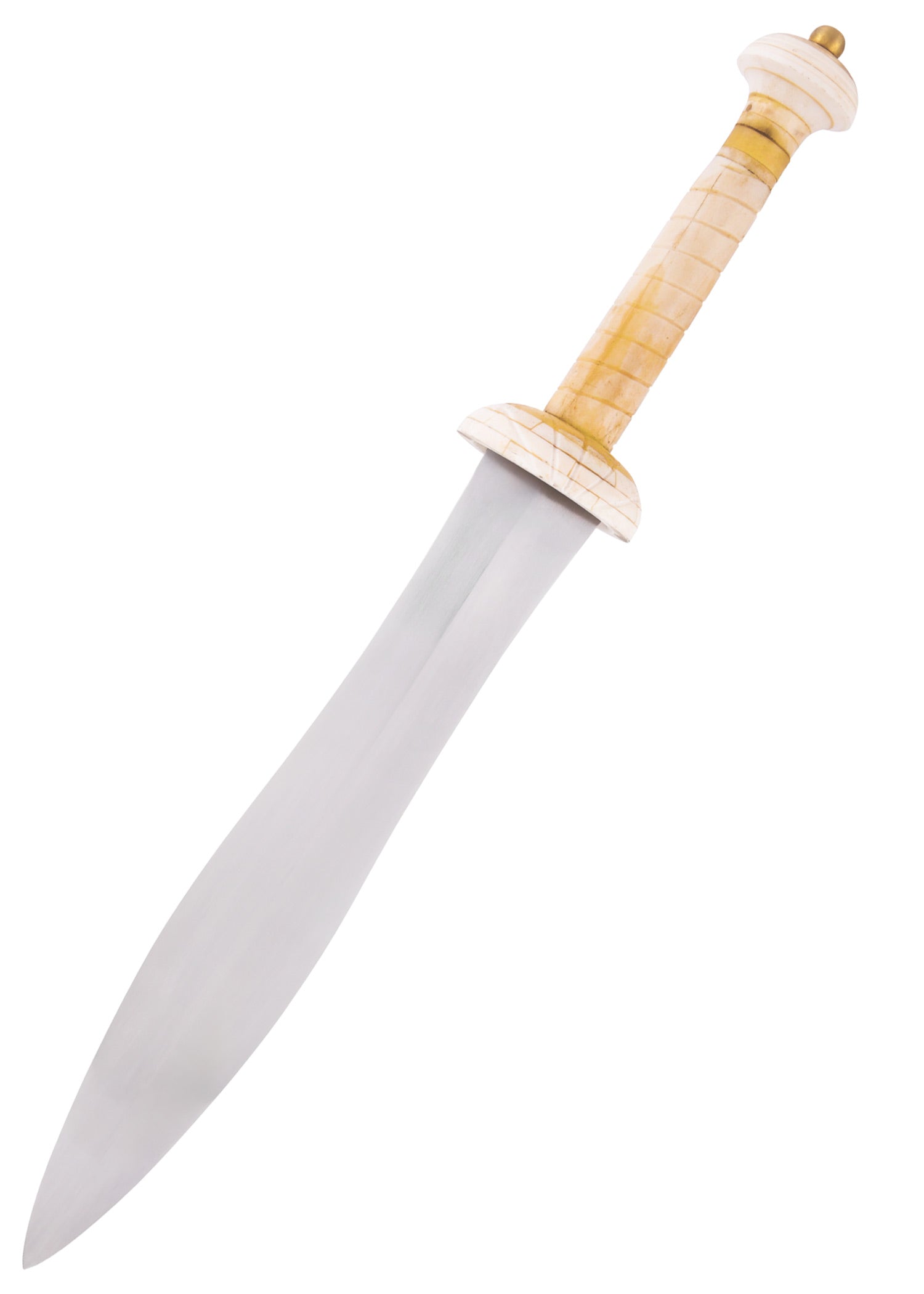
The sica was a sword with an inward-curving blade, whose origin is related to the armament traditions of the Thracian and Dacian peoples, in regions of the Balkans, where curved weapons had a prominent presence.
Compared to a straight sword, the curvature offered a different path during hand-to-hand combat; the edge could reach areas around a shield and strike points that a frontal defense protected more easily.
Archaeological remains show that there were different sizes and shapes; some pieces were relatively short, while others had longer blades and a marked curvature.

The gladiator who fought with a sica
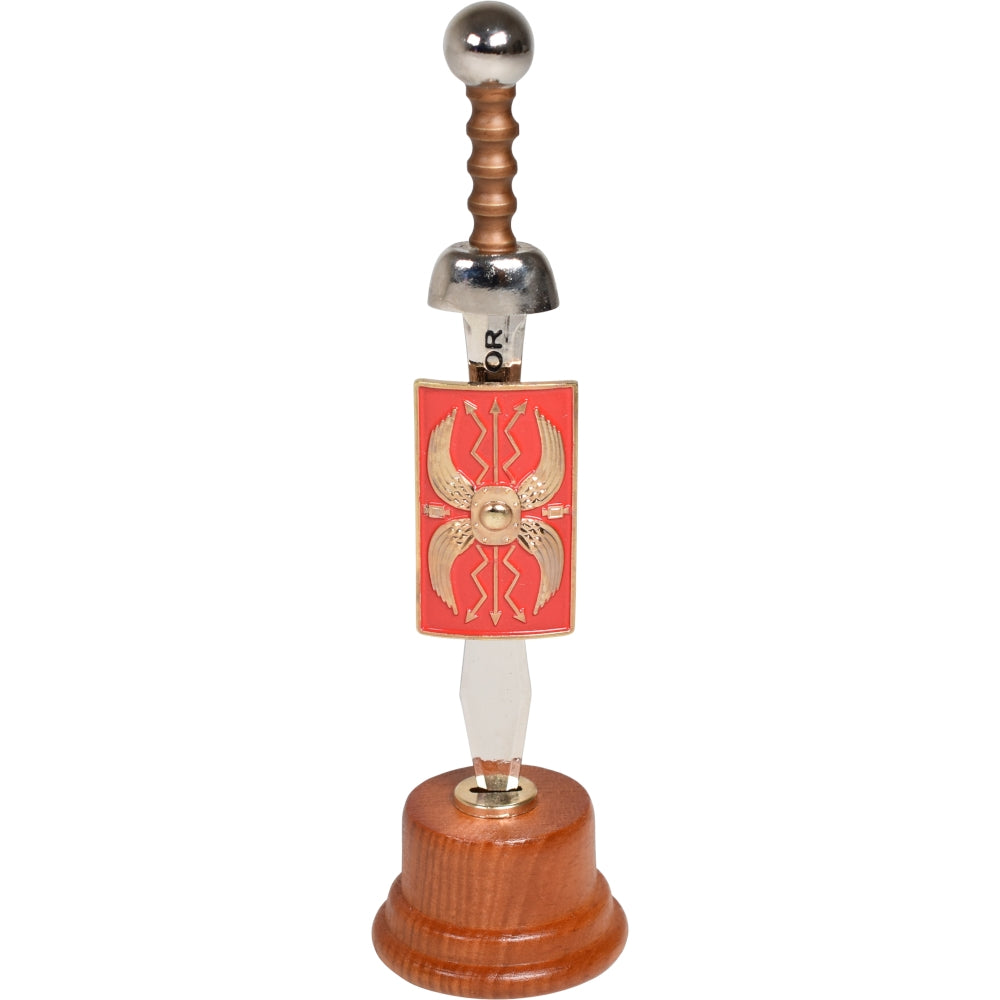
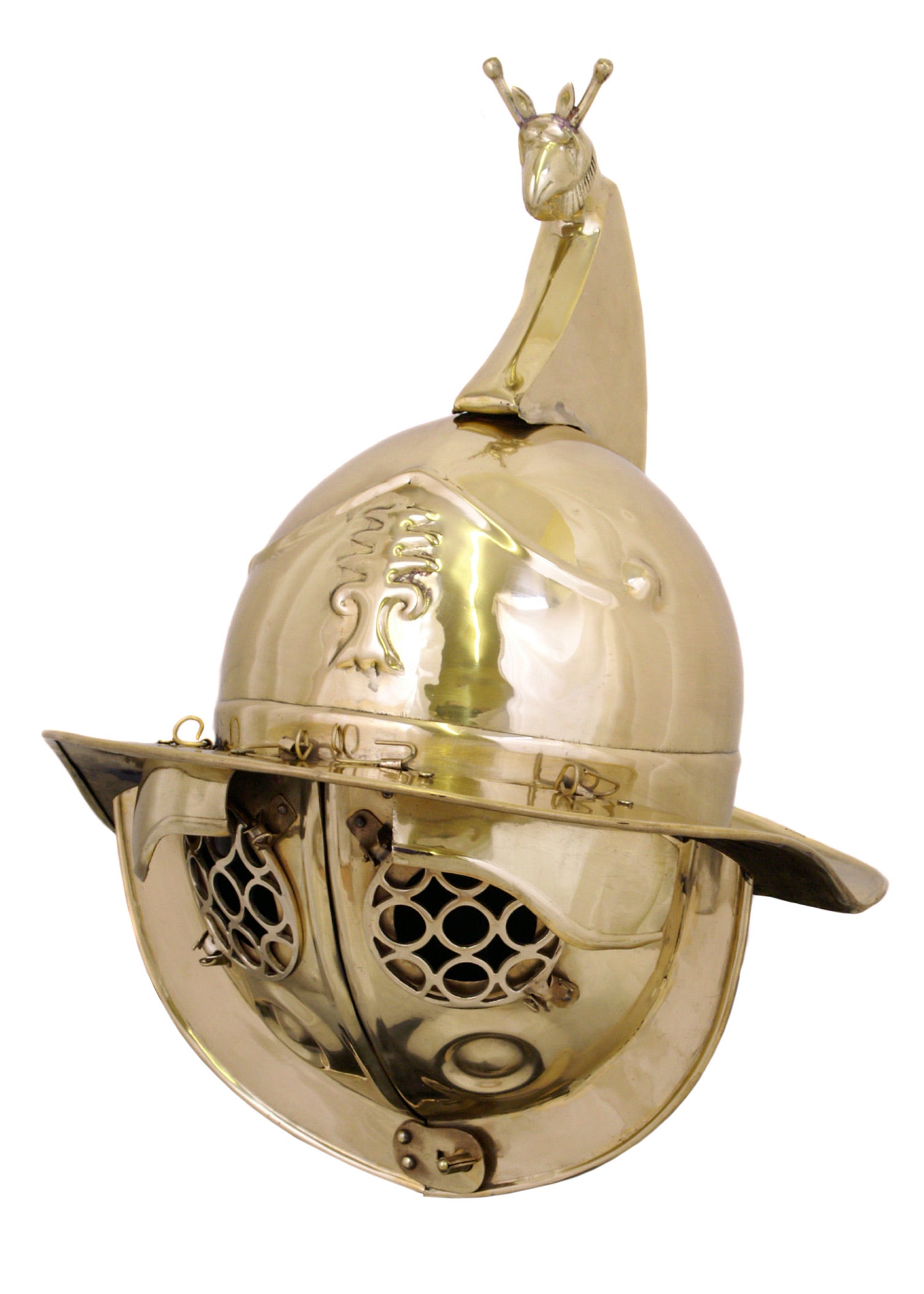
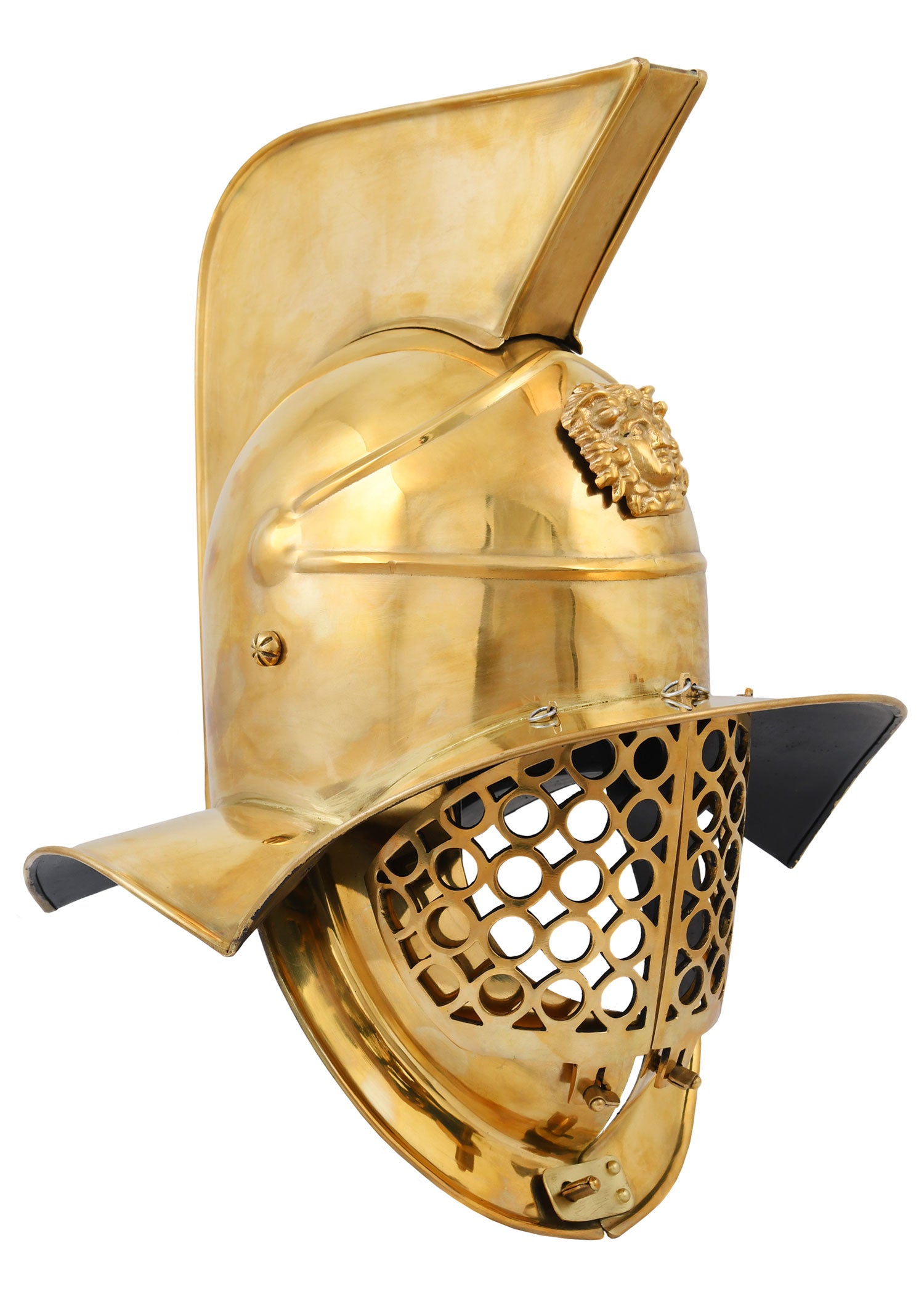
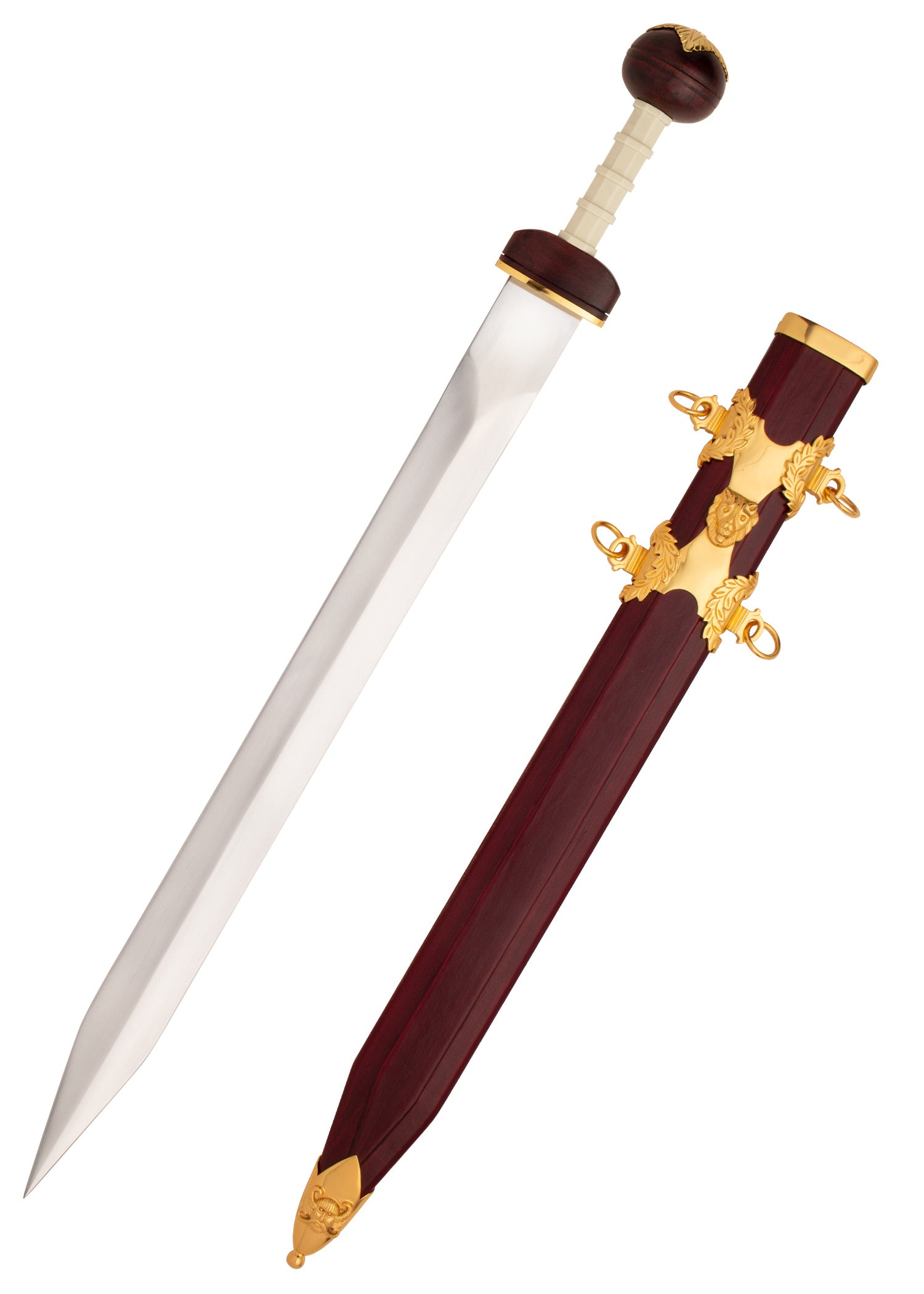
The sica found a new stage in the Roman arenas when the gladiator known as the Thraex, inspired by the image of the Thracian warrior, used a sica along with a small shield and protections designed to cover different parts of the body.
His way of fighting depended largely on the characteristics of that blade; while the small shield offered less coverage than others used by gladiators, it granted him greater mobility, and the sica allowed him to seek attacks from different trajectories.
For the spectators in the amphitheaters, the weapon provided an easily recognizable image: a curved blade associated with Balkan warriors.

Judea, 1st Century: when the sica acquired a sinister meaning
But beyond warriors and the Colosseum itself, the word that would end up leaving a much greater mark appeared in another context: during the 1st century AD, Judea was under Roman rule and going through a period of intense political and religious tension; it is in this setting that the sicarii appear, mentioned by ancient authors like Flavius Josephus.
The term comes from the Latin *sicarius*, related to the weapon they used, the sica. Sources describe these individuals as people who used small, concealed weapons to attack their targets, even in crowded places, resulting in a particularly disturbing image: an attacker could approach through a crowd, with a weapon hidden under their clothes, strike, re-hide it, and disappear by taking advantage of the confusion.
Here, the ancient curved sword acquired a completely different association; its name passed from the world of weaponry into the vocabulary related to contract killing.

A small, curved blade ended up leaving a huge mark on language.
The sword disappeared from the battlefield, and, over time, it also lost much of its later utility, but its name achieved something much more difficult: it survived.
The Latin term *sicarius* eventually gave rise to "sicario," a word that today has a much broader meaning and is used to designate a person hired to commit murder. Thus, every time we say "sicario," we are using a word whose origin is linked to the name of an ancient weapon, the origins of which are set almost twenty centuries in the past and behind which lie Thracian warriors, Roman gladiators, and an era marked by power struggles in Judea.


