





Medieval Store Blog General
Cultura
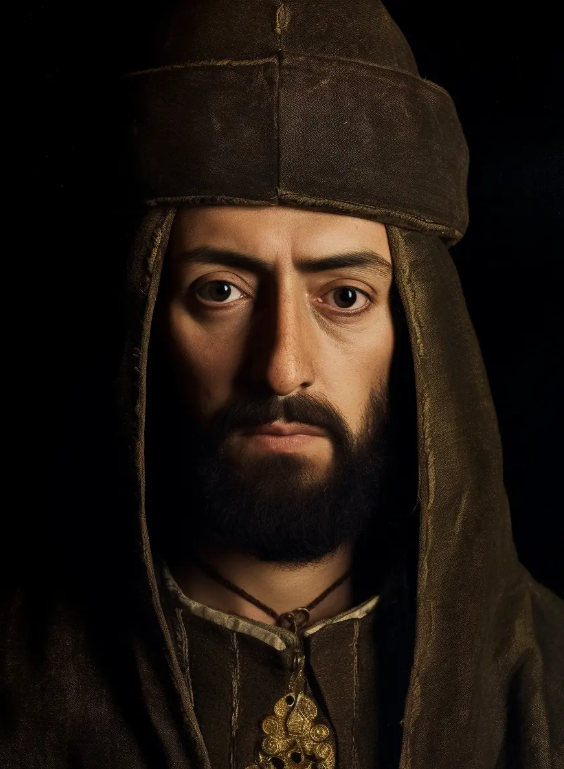
Abu Abdallah Muhammad XII and his Dagger: history, legend and symbol of a lost kingdom
Abu Abdallah Muhammad XII, known as Boabdil, was the last Nasrid sultan of Granada. His figure symbolizes the end of Al-Andalus in 1492, after the city was handed over to the Catholic Monarchs.
...
Abu Abdallah Muhammad XII, known as Boabdil, was the last sultan of the Nasrid kingdom of Granada, whose reign culmi...

armas
European sabres: history, evolution and legacy
The European sabre, with its curved blade and single edge, was designed for mounted warfare and dueling.
Originating in the 16th century under Eastern influence, it was adapted in various forms ...
What makes a weapon a saber?
Unlike a traditional double-edged straight sword, the sabre is characterized by i...

armas
Viking Knives: Tools of War, Honor, and Survival
Viking knives, especially the seax, were key weapons and tools in the lives of Norse warriors and peasants. Forged in iron and steel, with functional and symbolic designs, they represented status ...
In the collective imagination, the Vikings are remembered for their swords, axes, and longships, but one of the most ...

armas
The Scottish Dirk: The True Story of the Traditional Highland Dagger
The Scottish dirk is the traditional dagger of the Highlands, originating in the 17th century as a combat weapon and symbol of honor. With a straight blade and decorated hilt, it was an essential ...
The Scottish dirk is a long dagger of historical origin, closely linked to the culture of the Scottish Highlands. It...

armas
Templar, Hospitaller and Teutonic weapons, castles and fortresses of the Middle Ages
The Templars, Hospitallers, and Teutonic Knights were the most influential military orders of the Middle Ages. Although they shared similar religious ideals and functions, their weapons and fortre...
Medieval military orders were more than soldiers of Christ. They were powerful, hierarchical, and disciplined organi...

Cultura
The Cinquedea: History, Evolution, and Use of the Renaissance Italian Dagger
The cinquedea, a short Italian Renaissance dagger, is notable for its wide blade and detailed ornamentation.
Used between the 15th and 16th centuries, it was a symbol of status and personal defe...
The cinquedea, whose name means "five fingers" in Italian, due to the width of its blade at the handle, is a short R...

armas
Daggers of ancient Eastern civilizations
A quick look at daggers from ancient Eastern civilizations, including Egypt, Persia, China, and Korea. Its characteristics, ceremonial and military uses, and the archaeological contexts of its fin...
Daggers have been essential instruments in ancient Eastern civilizations, not only as weapons but also as symbols of...

Armaduras
Marto and the tradition of forging in Toledo: excellence, history, and legend
Marto combines the forging tradition of Toledo with modern excellence. From historical swords to movie replicas, each piece reflects authenticity, quality, and artistry. Recognized worldwide, the ...
Toledo, the city of three cultures, is famous not only for its history but also for its forging tradition. At the he...

Celta
The Ancient Celts: Who Were They Really?
The ancient Celts were a diverse and powerful civilization that left a profound mark on Europe.
Explore their social organization, spirituality, art, languages, and warrior traditions. This arti...
Far from being a single people, the Celts were a group of Indo-European tribes who, between the 8th century BC and 4...
