





Medieval Store Blog General

Cultura
The Philippine Talibon machete: cultural heritage and symbol of resistance
Discover the talibon, the Filipino machete with ancient roots that goes beyond being an agricultural tool. Forged on the island of Bohol, it symbolizes the resilience, culture, and identity of the...
The Philippine machete, traditionally known as bolo and, more specifically in certain regions, as talibon , is much ...
caballero
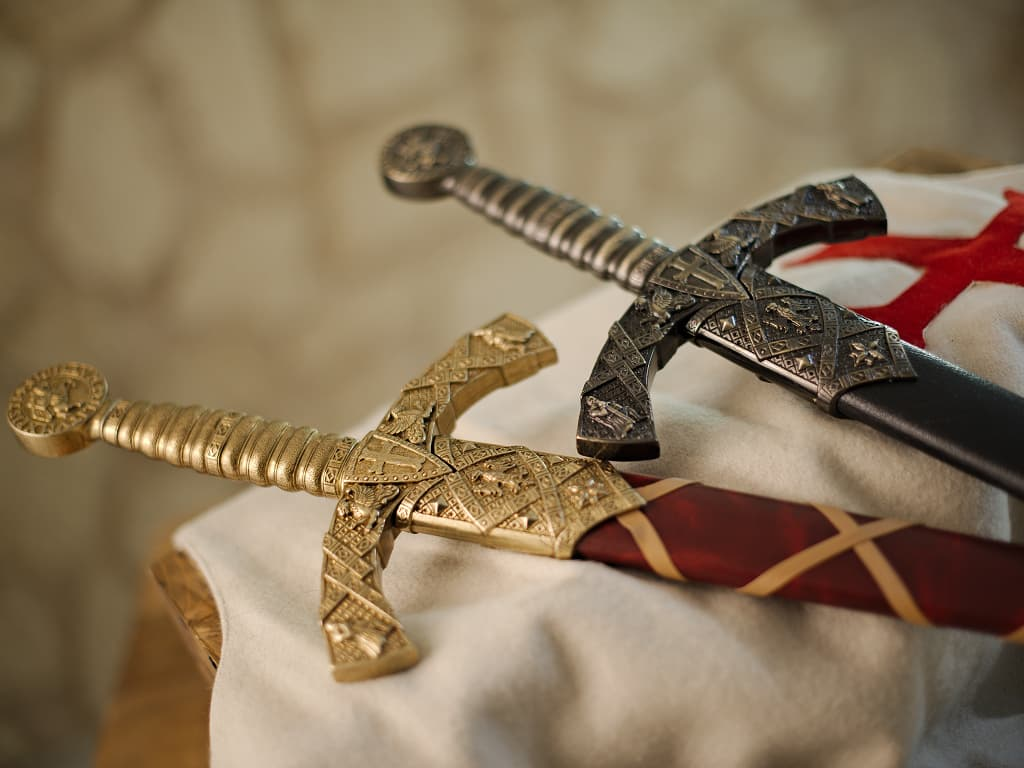
The swords of the Templars: symbols of faith, war and chivalry
Crusader swords were key weapons between the 11th and 13th centuries, used by Templars and knights in the Crusades. With a straight, double-edged blade, they evolved into more refined models. With...
During the Crusades—a series of military campaigns undertaken by the Christian kingdoms of Medieval Europe between th...
armas
The Jian sword: a symbol of elegance and wisdom in Chinese martial arts
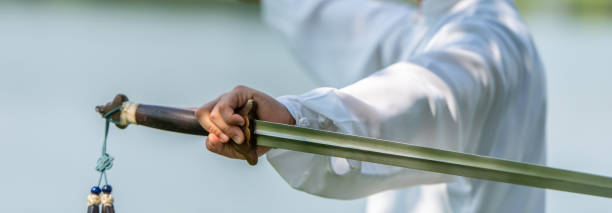
The jian is the traditional Chinese straight sword, double-edged and highly symbolic.
Used in styles such as Tai Chi and Kung Fu, it represents wisdom, balance and precision. Of ancient origin, ...
Within the vast repertoire of traditional Chinese weapons, the jian (剑) stands out as the most refined, symbolic and...

Cultura
Viking ships and knowledge of the sea: the secret of their voyages
The Vikings stood out as exceptional navigators, combining innovative ships, astronomical knowledge, and natural observation to navigate the seas and rivers of Europe, Iceland, Greenland, and even...
Viking maritime domain
The Vikings were not only feared warriors in medieval Europe; they were also exceptional n...

Cultura
Fascinating Viking Facts: History, Culture, and Discovery
The Vikings were much more than fierce warriors: they were farmers, traders, expert sailors, and explorers. Their society combined organization, technology, hygiene, genetic diversity, and signifi...
Vikings have captured the imagination of historians and the general public for centuries, but their image as fierce ...

Cultura
Being a Viking: a way of life, not a matter of heritage
Viking identity was not defined by genetics, but by customs, trade, navigation, and participation in warrior life.
Ancient DNA studies led by Eske Willerslev show that many buried as Vikings had...
For centuries, the image of the Viking has been associated with the stereotype of tall, blond, and light-eyed Scandi...
Cultura
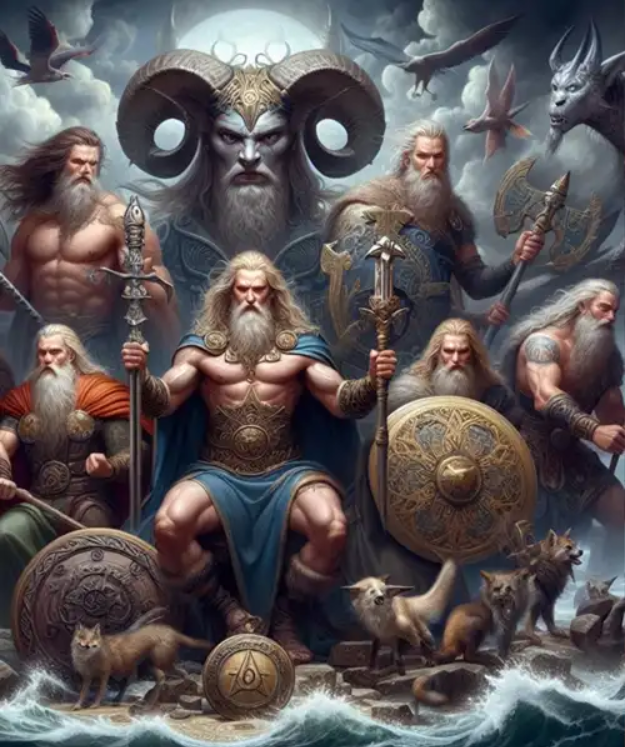
The gods most venerated by the Vikings: faith, power and protection
Norse mythology was essential to the daily lives of the Vikings, who worshipped gods such as Odin, Thor, Freyja, and Njord for wisdom, strength, love, and prosperity.
Tyr, Balder and Hel complem...
Norse mythology was deeply intertwined with the daily lives of the Vikings.
Their gods not only represented natura...
Cultura
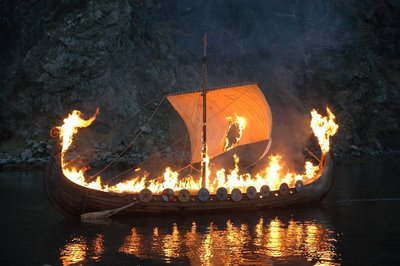
The meaning of death for the Vikings: rites, beliefs and final destiny
For the Vikings, death was a transition to the afterlife, marked by funeral rituals, spiritual beliefs, and social hierarchies.
Both men and women participated actively, and the völvas played an...
Death for the Vikings was not an end, but a transition full of symbolism and honor.
Their vision of the afterlife,...
Cultura
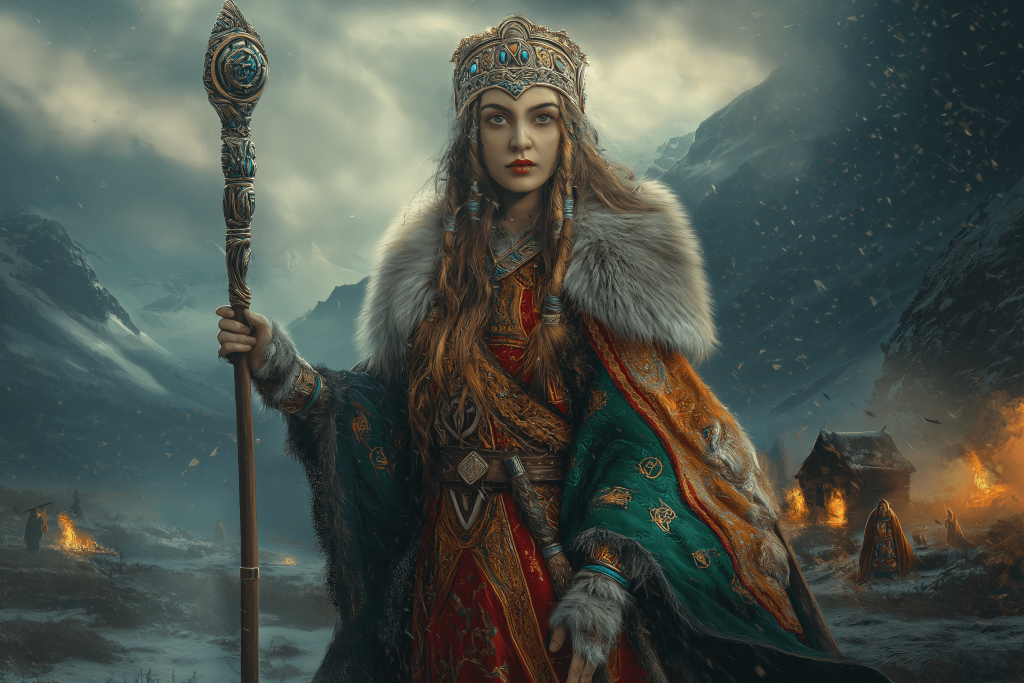
The Völvas: Priestesses, Seers, and Keepers of Mystery in the Viking Age
The völvas were highly influential Viking women, dedicated to magic, prophecy and rituals. Consulted by kings and villagers, they traveled through Nordic villages interpreting runes, omens, and dr...
In the Viking imagination, female figures were not just mothers or wives. There was a fascinating and powerful archet...
