













January is an especially significant month for epic fantasy readers, as January 3rd commemorates the birth of J. R. R. Tolkien, author of The Lord of the Rings and creator of one of the most influential literary universes of the 20th century.
Taking advantage of the month of his birth, this is an ideal time to delve into the mythological roots that shaped Middle-earth and many of its most iconic characters.
Tolkien was not just a novelist. He was a philologist, a medievalist, and an expert in Anglo-Saxon literature, with a profound knowledge of ancient languages, European history, and the mythical traditions of the continent's north.
His work does not arise from nothing, but rather from a careful reinterpretation of Germanic, Norse, Anglo-Saxon, and Celtic mythologies, adapted into a modern and coherent narrative.

Germanic mythology as the foundation of conflict and heroism
Germanic mythology decisively influenced the conception of good, evil, and destiny in Tolkien's work.
Elements such as the inevitable struggle against dark forces, the honor of the warrior, and the importance of sacrifice appear in both The Silmarillion and The Lord of the Rings.
Characters who face a tragic fate, even knowing they cannot avoid it, connect directly with medieval Germanic epics.
The legacy of Norse mythology in gods, heroes, and creatures
Norse mythology is one of the most recognizable influences on Middle-earth.
Tolkien deeply admired the Eddas and the Icelandic sagas. From them, he took the idea of an ancient world doomed to disappear, very similar to Ragnarök.
Dwarves, for example, come directly from the Norse tradition, both in their character and in many of their names, which appear almost unchanged in actual medieval texts.

The Anglo-Saxon tradition and the epic of Beowulf
As a specialist in Beowulf, Tolkien incorporated numerous elements of Anglo-Saxon mythology into his work.
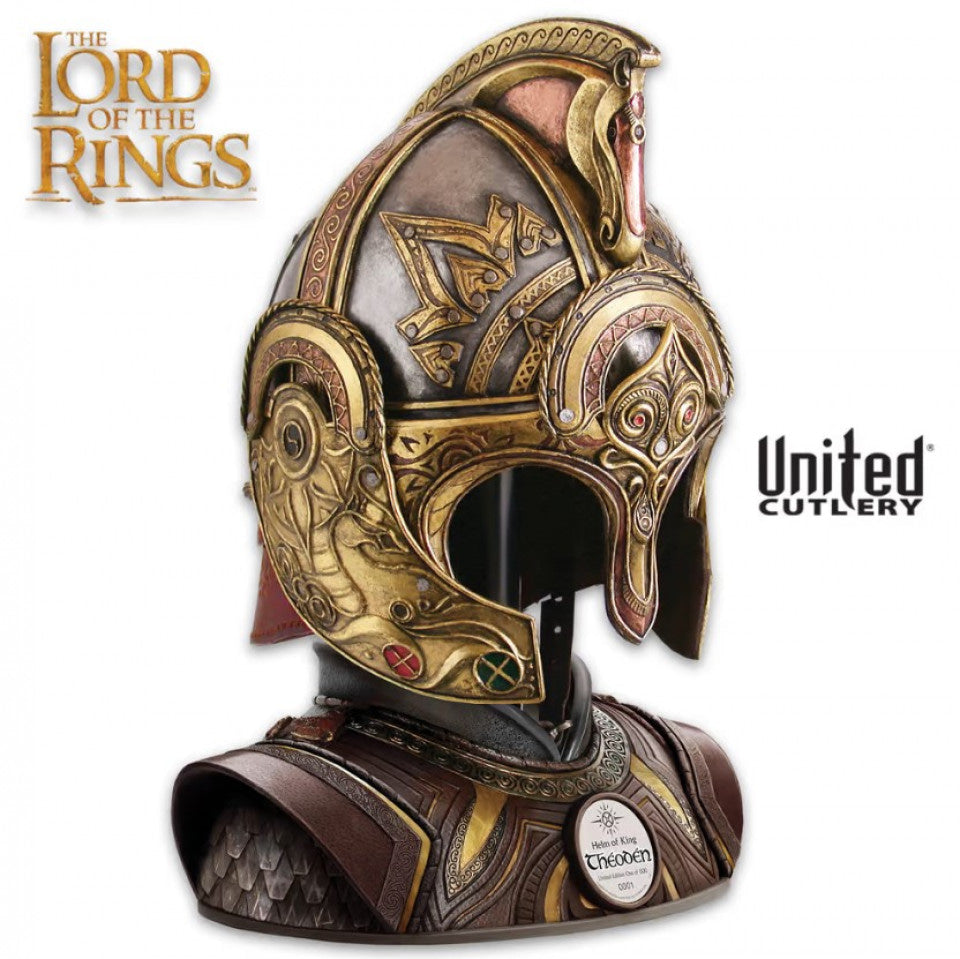
The figure of the hero who protects his people, the importance of lineage, and the relationship between king and community are present in characters like Aragorn or Théoden.
The narrative structure of many battle scenes recalls the Anglo-Saxon epic, where individual courage carries enormous symbolic weight.
Celtic influences and the spirituality of the natural world
Although less dominant, Celtic mythology also left its mark on Tolkien.
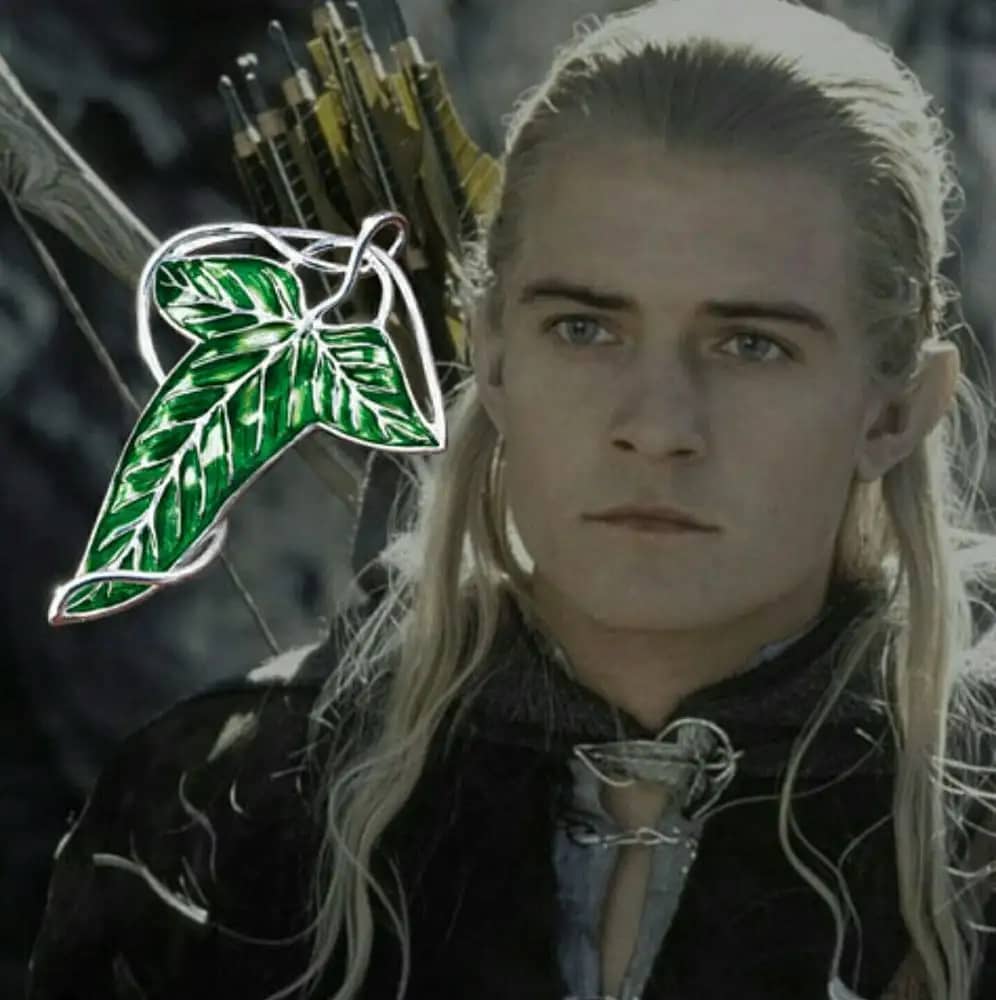
The relationship between the Elves and nature, the idea of ancient and almost eternal lands, and the melancholy for a world that is fading away are very present in this tradition.
Places like Lothlórien evoke a natural and timeless spirituality that connects directly with Celtic myths.

A mythology reimagined for modern fantasy
The most notable aspect of Tolkien's work is that he does not limit himself to copying ancient myths. He studies, filters, and transforms them to create a mythology of his own.
His characters are not simple reflections of ancient gods or heroes, but complex figures adapted to a coherent and deeply human story.
That combination of academic rigor and literary creativity is what makes Middle-earth a believable and timeless universe.
January as a starting point to rediscover Tolkien
Commemorating the birth of J. R. R. Tolkien in January is a perfect opportunity to return to his books from a different perspective: that of the mythologies that made them possible.
Understanding these influences does not diminish the magic of his work; rather, it enriches it and allows one to appreciate the cultural depth behind every character, every story, and every conflict in Middle-earth.


