

What were the most lethal types of swords in history?
The most lethal swords in history are not necessarily the most "famous," but those that were used on a massive scale in actual wars for centuries, in contexts where hand-to-hand combat was decisive.
Their lethality stems from their effectiveness, accessibility, design, and role in prolonged historical conflicts.
If you want to take a closer look at the various types of swords available, discover our collection of medieval swords, featuring pieces faithful to every era and combat style.
1. Roman Gladius

The Gladius was one of the most lethal weapons of antiquity because it was integrated into the Roman military system.
Its true power did not depend on the weapon itself, but on the way it was used by the legions.
In close combat, soldiers would advance in a compact formation and attack in a coordinated manner, which turned every thrust into an extremely efficient movement.
It was a weapon designed to end fights quickly at very close range.
2. Medieval Knightly Sword

The medieval knightly sword was one of the most important weapons in Europe for centuries.
Its design allowed for both cutting and thrusting, making it adaptable to different types of enemies.
In a context where war was constant, this sword evolved alongside armor, remaining a reliable tool in direct combat, especially in battles between knights and sieges.
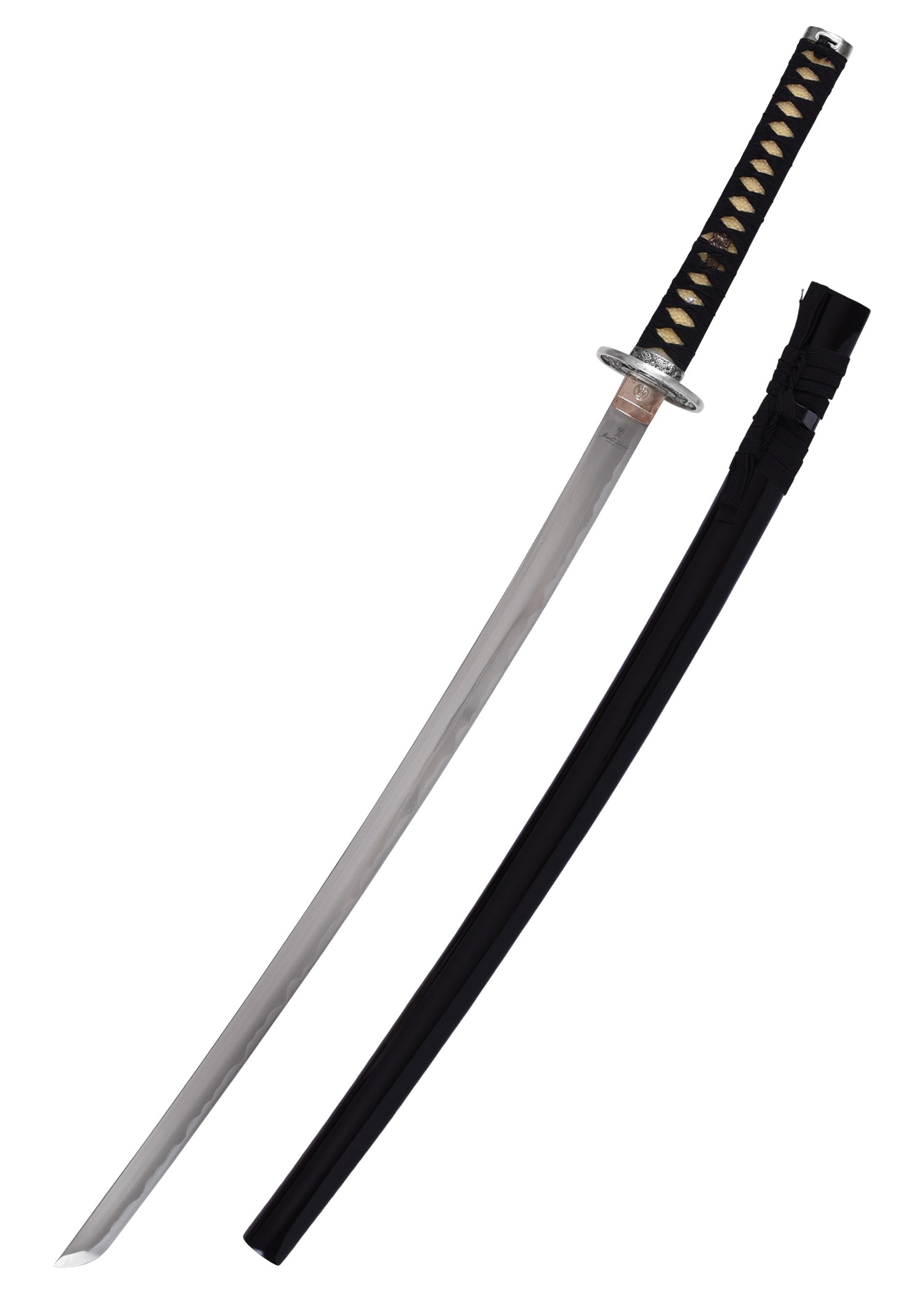
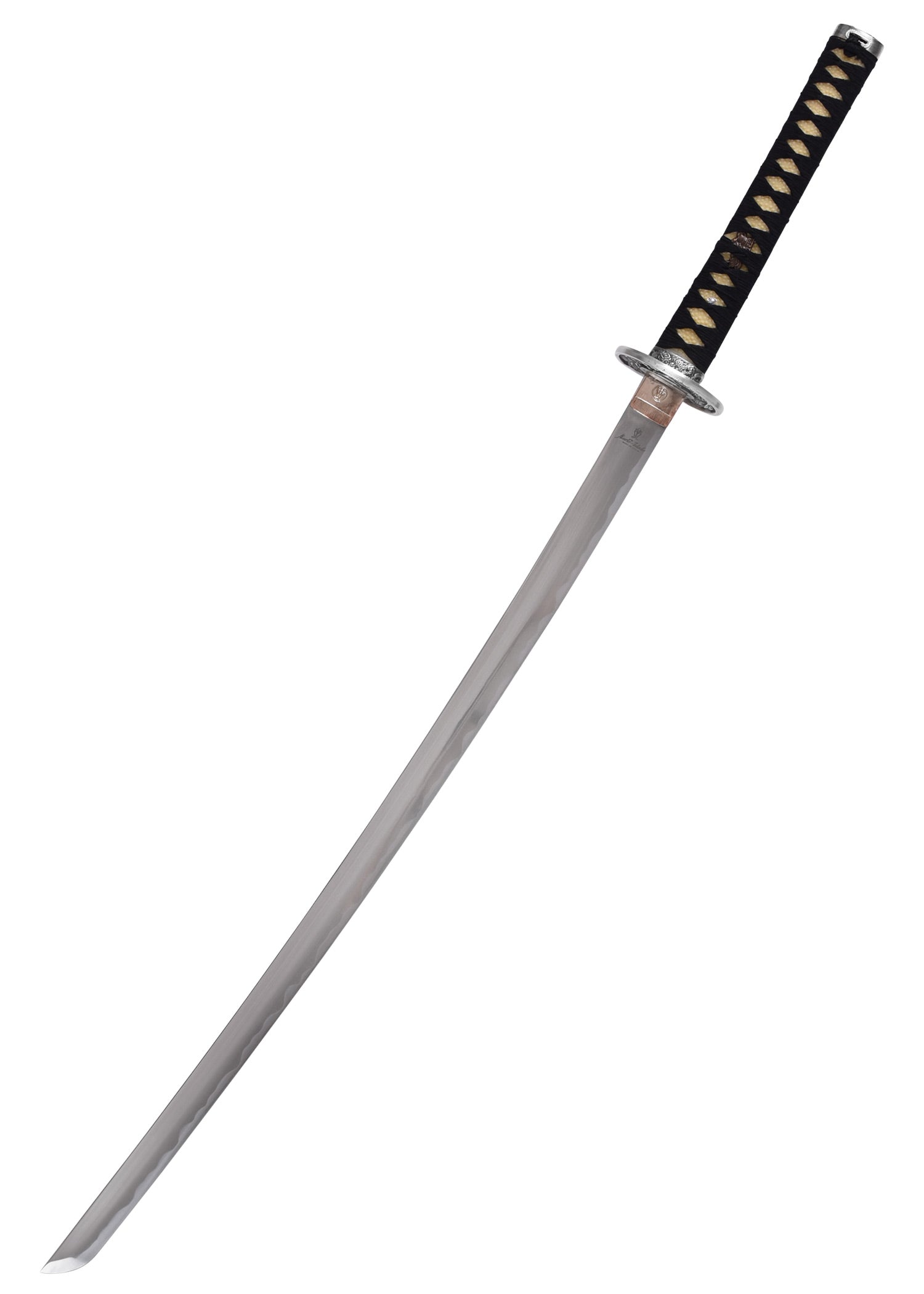
3. Katana

The katana was lethal in an environment of clan warfare where individual combat carried great weight.
Its manufacturing process allowed for an extremely sharp and durable edge, making it effective for quick cuts.
In the hands of a trained warrior, its speed and precision could decide an engagement in just a few movements, especially in duels and close-quarters combat.
In addition to its use in war, the katana was also associated with practices that increased its reputation as a lethal weapon.
One of these was tsujigiri, a practice in which some samurai would test the sharpness of a newly forged sword or demonstrate their skill by attacking unsuspecting passersby.
Although this practice was banned by Japanese authorities, it contributed to the katana's fame beyond the battlefield.
Likewise, it was one of the swords used during seppuku (popularly known as harakiri), the ritual suicide of the samurai.
This act involved a second warrior, known as a kaishakunin, whose mission was to decapitate the performer at the opportune moment to spare them prolonged suffering.
4. Ulfberht Sword

The Ulfberht were high-quality swords used during the Viking expansion in Europe.
Their main advantage was the quality of the steel, which was far superior to most weapons of their time.
This gave them exceptional durability and a consistent cutting ability even in prolonged combat.
They were weapons associated with elite warriors in a period of continuous war, raiding, and conquest.
5. Late Roman Spatha

The spatha was the natural evolution of Roman combat as cavalry began to gain importance.
Its greater length made it more useful in open spaces, where reach was key.
It allowed for attacking from a greater distance than the gladius and was better adapted to rapid engagements between mounted units.
6. Toledo Sword

The Toledo sword became one of the most prized in Europe due to the quality of its steel.
Its balance between hardness and flexibility ensured it would not break easily in combat.
It was a very reliable sword in medieval wars, where engagements were long and required resilient weapons capable of holding an edge.
7. European Longsword

The European longsword was one of the most complete weapons of the Late Middle Ages.
Its length allowed for controlling distance in combat, and its design provided both offensive and defensive options.
It was especially effective against armored opponents, as it could be adapted to different combat techniques developed in medieval fencing.
8. Jian

The jian was a highly valued sword in ancient China for its balance and precision.
It did not rely on brute force, but on the user's technical control.
It was used by trained warriors who prioritized speed and accuracy in their movements, making it very effective in direct confrontations and duels between elite combatants.
9. Shamshir

The shamshir was a sword designed for light cavalry.
Its curved shape allowed for quick cuts while moving on horseback, taking advantage of the rider's speed.
It was very effective in shock and retreat attacks, typical of the armies of the Middle East and Central Asia, where mobility was key in warfare.
10. Norman Sword

The Norman sword emerged from the evolution of Viking swords and adapted to the context of feudal Europe.
Its balanced design allowed it to both cut and withstand impacts in combat.
It was widely used in conquest campaigns in Western Europe, where constant warfare demanded reliable, resilient, and easy-to-handle weapons in prolonged battles.