



In Norse mythology, one of the names that resonates the most is Odin, the supreme god, the father of the gods, and the lord of Asgard.
A central figure in the Viking pantheon, Odin is a symbol of wisdom, strategy, magic, and war.
His presence permeates the sagas, poems, and legends that have reached us today.
In this article, we will explore who Odin is, what he represents within the Norse worldview, and, above all, what the magical weapons and objects of power are that make him one of the most fascinating deities in history.

Odin in Norse mythology
Odin, also known as the All-Father, occupies a privileged place among the Æsir, the principal Norse gods.
He was worshipped by the Viking peoples as a god of wisdom, poetry, death, battle, and runic magic.
This god was not content with just ruling; he was always seeking knowledge. Legend has it that he sacrificed an eye at Mímir’s well to obtain infinite wisdom.
He also hung himself from the Yggdrasil tree, pierced by his own spear, to discover the secrets of the runes.
This constant quest makes him a complex, feared, and revered god.
Do you want a Viking Sword?
At Todo Medieval, you will find swords, axes, clothing, shields, and many other Viking items to start your collection, with shipping throughout Spain.
See Viking collection
Odin's animals and symbols
Odin was not alone in his reign. He was accompanied by his loyal ravens, Huginn and Muninn, who flew through the worlds bringing him information.
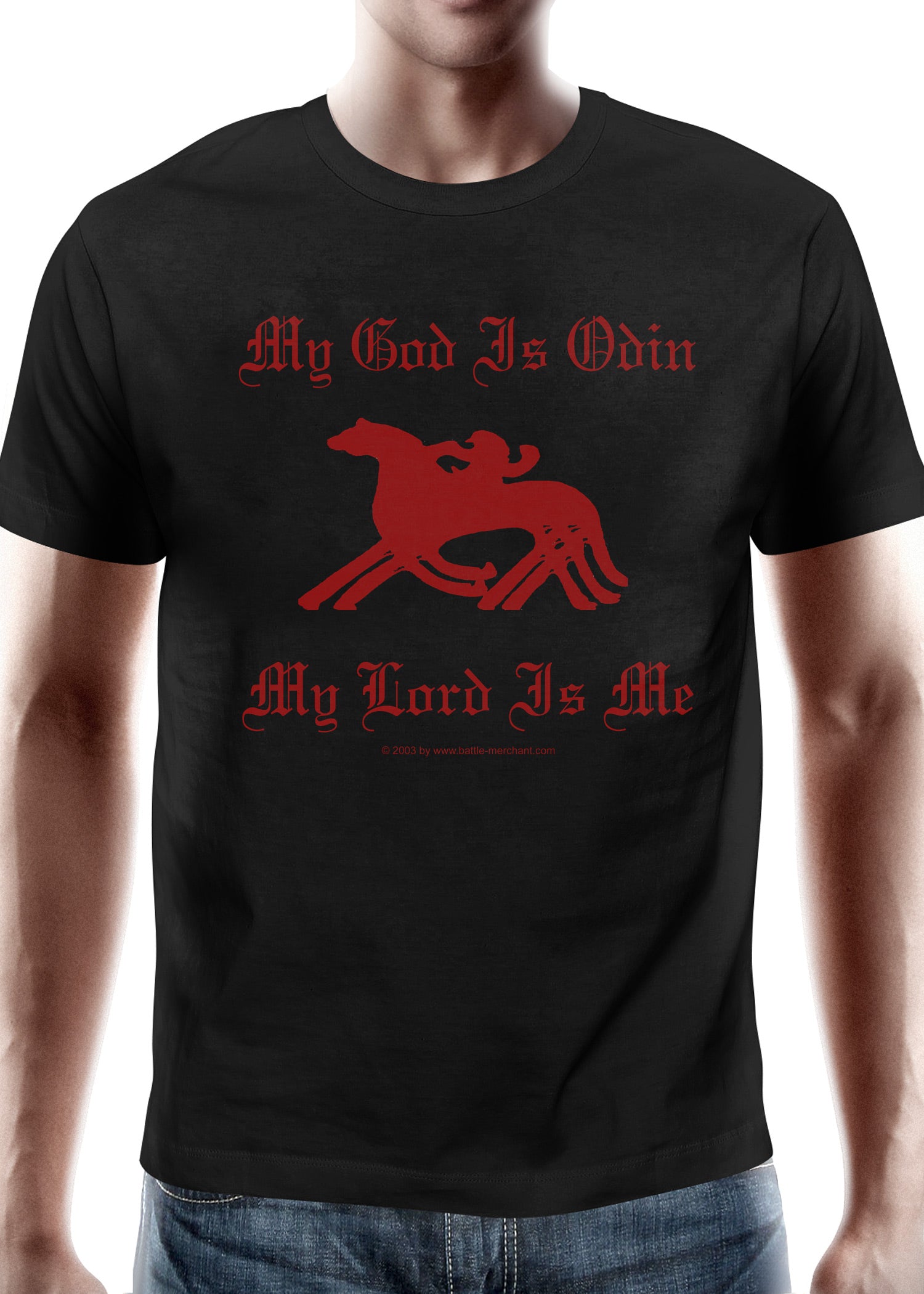
He also had two wolves, Geri and Freki, and rode the eight-legged horse Sleipnir, capable of traveling between realms.
These symbols not only reinforce his power but also show the breadth of his dominion over war, magic, and fate.

Odin's weapons and objects of power
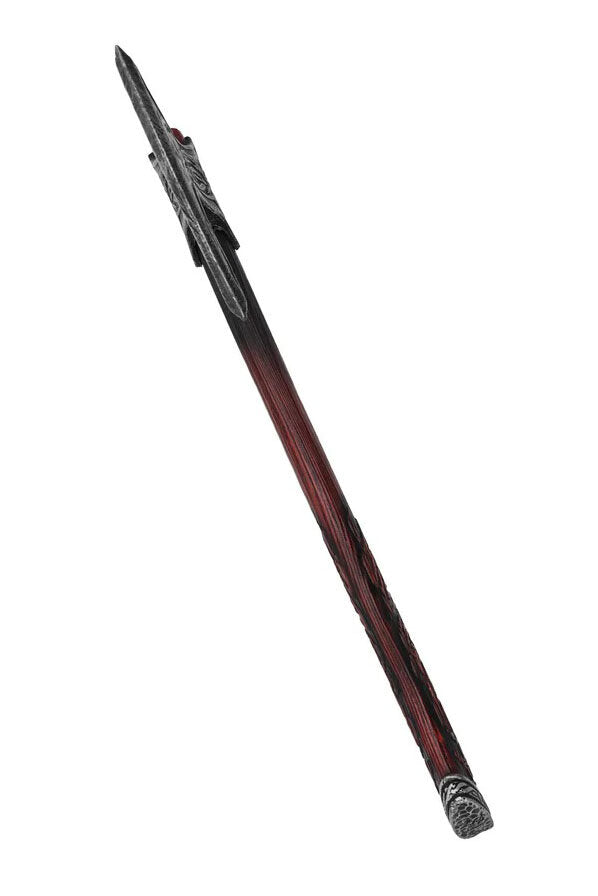
Gungnir, the spear
Odin’s most famous weapon is the spear Gungnir, forged by the dwarves, master craftsmen of Norse mythology.
This magical spear had the particularity of never missing its target, symbolizing precision, justice, and divine authority.
Draupnir, the ring
Another object of power is the ring Draupnir, also created by the dwarves.
Every nine nights, this ring would generate eight other identical rings, representing wealth, abundance, and rebirth.
It was a symbol of prosperity and inexhaustible power.
Sleipnir, the horse
Although not a weapon or an object per se, the horse Sleipnir is considered one of Odin's greatest possessions of power.
Thanks to its eight legs, it could traverse the nine worlds of Yggdrasil with supernatural speed.
This magical horse allowed him to be present in battles, rituals, and divine councils without restriction of time or space.
Hlidskjalf, the throne
In his palace of Asgard, Odin sat on the throne Hlidskjalf, from which he could observe all the worlds.
This capacity for surveillance reinforced his role as guardian of the cosmic order and lord of fate.

Odin and war in Valhalla
Odin was also known as the god who chose those who fell in battle.
The Valkyries, his divine handmaidens, brought the bravest warriors to Valhalla, the hall of heroes. There, they prepared to fight in Ragnarök, the end of the world according to Norse mythology.
This warlike facet made him a benchmark for the Vikings, who revered him as a protector in war and a guide in death.

The eternal legacy of Odin
Odin is not just a god of Viking mythology, but an eternal symbol of wisdom, power, and mystery.
His magical possessions, such as the spear Gungnir, the ring Draupnir, his horse Sleipnir, or his throne Hlidskjalf, reinforce his image as a supreme deity and lord of the nine worlds.
The figure of Odin remains alive in popular culture, appearing in books, movies, series, and video games, among others, demonstrating that the legacy of the All-Father remains as fascinating today as it was for the ancient Norse peoples.
You can also visit our Medieval Store, where you will find a large number of Viking and Norse products, among others.