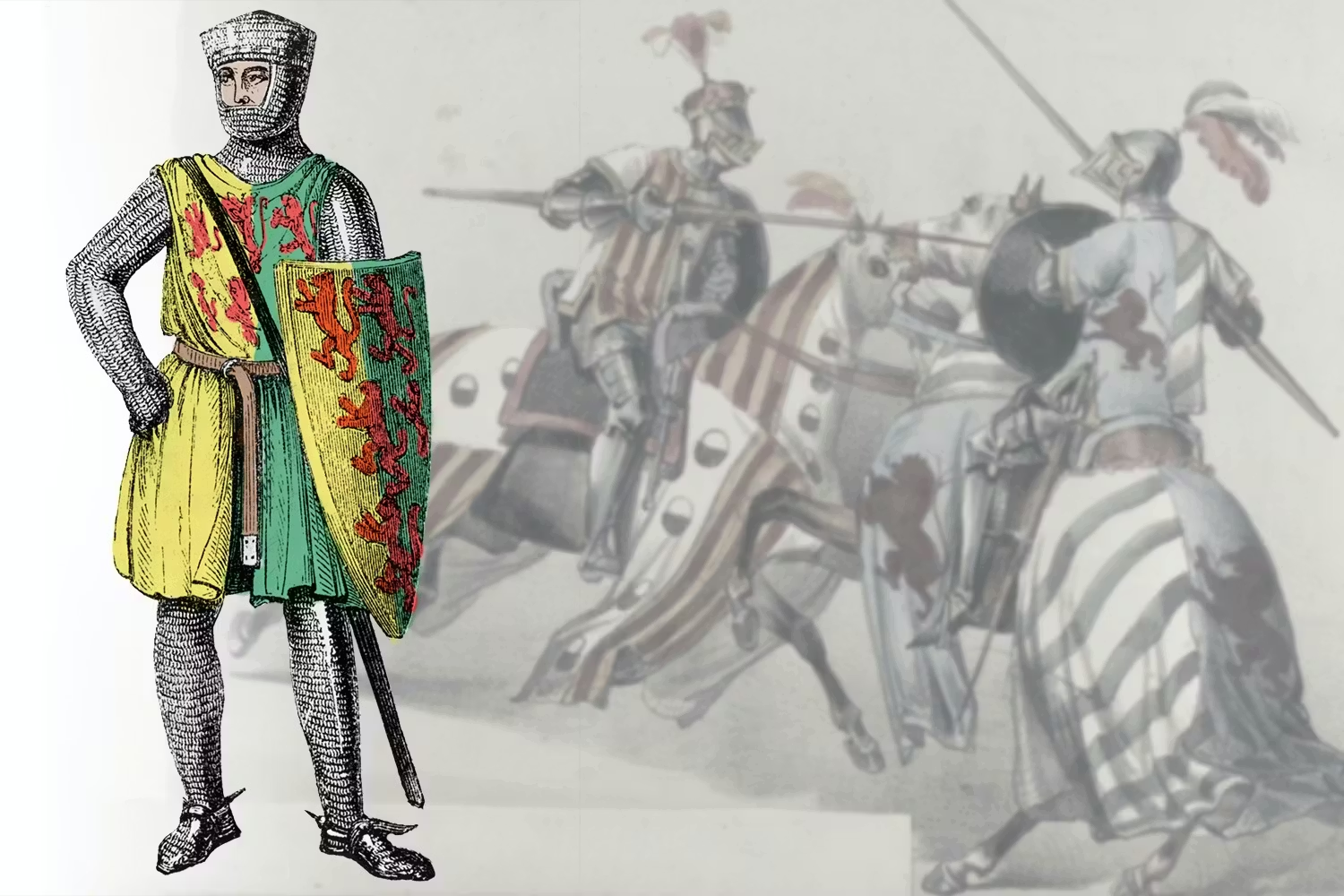





Receiving the Key to the City of London is one of the oldest existing ceremonial honors in the world.
This recognition, born in the Middle Ages, has evolved over the centuries, keeping alive its symbolic value as a gesture of respect, trust and gratitude towards those who have contributed to the progress of a community.
Although today its presentation is associated with prominent figures in art, politics or science, its origin dates back to a time when the keys represented the power of access and command over a fortified city.
Since then, the key-handing ceremony has gone from being a political act to becoming a tribute steeped in history and tradition.

A medieval gesture of trust
During the Middle Ages, surrendering the keys to a city to a monarch or feudal lord symbolized peaceful surrender and loyalty. This gesture sealed the trust between rulers and subjects and marked the beginning of a new period of rule or protection.
Keys, invented around the 7th century, were not just tools: they were symbols of authority, power, and responsibility.
Owners of castles or fortresses used to delegate their keys to trusted people, guaranteeing their safety in times of war.
Over the centuries, this custom transformed into an honorary tradition, reflecting the mutual respect between power and citizens.
From surrender to recognition
In the 13th century, London adopted this custom for a different purpose: to recognize free citizens, known as freemen, who enjoyed independence from feudal lords.
Thus was born the expression “Freedom of the City,” which literally means “freedom of the city.” This title conferred privileges such as the right to trade or move freely within the city walls.
The first documented reference to this distinction dates back to 1237, in the city of London, considered the cradle of this medieval tradition.
Since then, the act has remained an honorary ceremony that recognizes the civic values and social or cultural contribution of its recipients.

The ceremonial act today
Today, the Key to London is presented in the Chamberlain Courtroom, the ceremonial heart of City Hall.
The ceremony, presided over by an official of the municipal corporation, includes the presentation of a symbolic reproduction of the original key, a commemorative diploma, and the decree naming the honoree an Honorary Citizen.
Although it no longer implies legal privileges or economic rights, the ceremony retains its medieval solemnity.
The mayor's role has taken a backseat to institutional protocol, but the spirit of the recognition remains the same: to thank those who represent the values of London.
A recognition with a history that spans the world
Throughout the centuries, numerous personalities have received the Key to the City of London, including Winston Churchill, Princess Diana, Margaret Thatcher, Nelson Mandela, JK Rowling, Luciano Pavarotti, Colin Firth and Morgan Freeman.
More recently, the honor was bestowed upon Argentine Juan Dávila y Verdin, recognized for his work in education and sustainable development in Latin America.
Until 1996, this title could only be awarded to British or Commonwealth citizens, but with the international opening of the distinction, London consolidated its position as a global city, promoting universal values such as freedom, cooperation and sustainability.

From symbol of power to gesture of admiration
The handing over of keys has gone from being a feudal symbol to becoming a contemporary cultural ceremony.
Today, it represents the city's openness to those who inspire it through their work or example. It is a living legacy of medieval English tradition, adapted to the modern world.
Thus, the Key to London does not open physical doors, but symbolic doors: those of recognition, respect, and gratitude.
A custom born almost eight hundred years ago that, far from disappearing, evolves to continue reminding us that gestures of honor and trust can transcend centuries and remain valid in the modern era.