










Medieval Shields: History, Types and Meaning
During the Middle Ages, the shield was an essential tool on the battlefield. Not only did it offer protection to the warrior, but it also represented his identity, lineage, and social position. Over time, the shield transformed into a symbol of both defense and prestige and heritage.
Origins and materials
The use of shields predates the Middle Ages. Ancient civilizations such as Egypt, Greece, and Rome already employed primitive versions made of wood, leather, or wicker. In medieval Europe, these materials remained common, although improved with more durable techniques.
Don't miss our medieval shields!
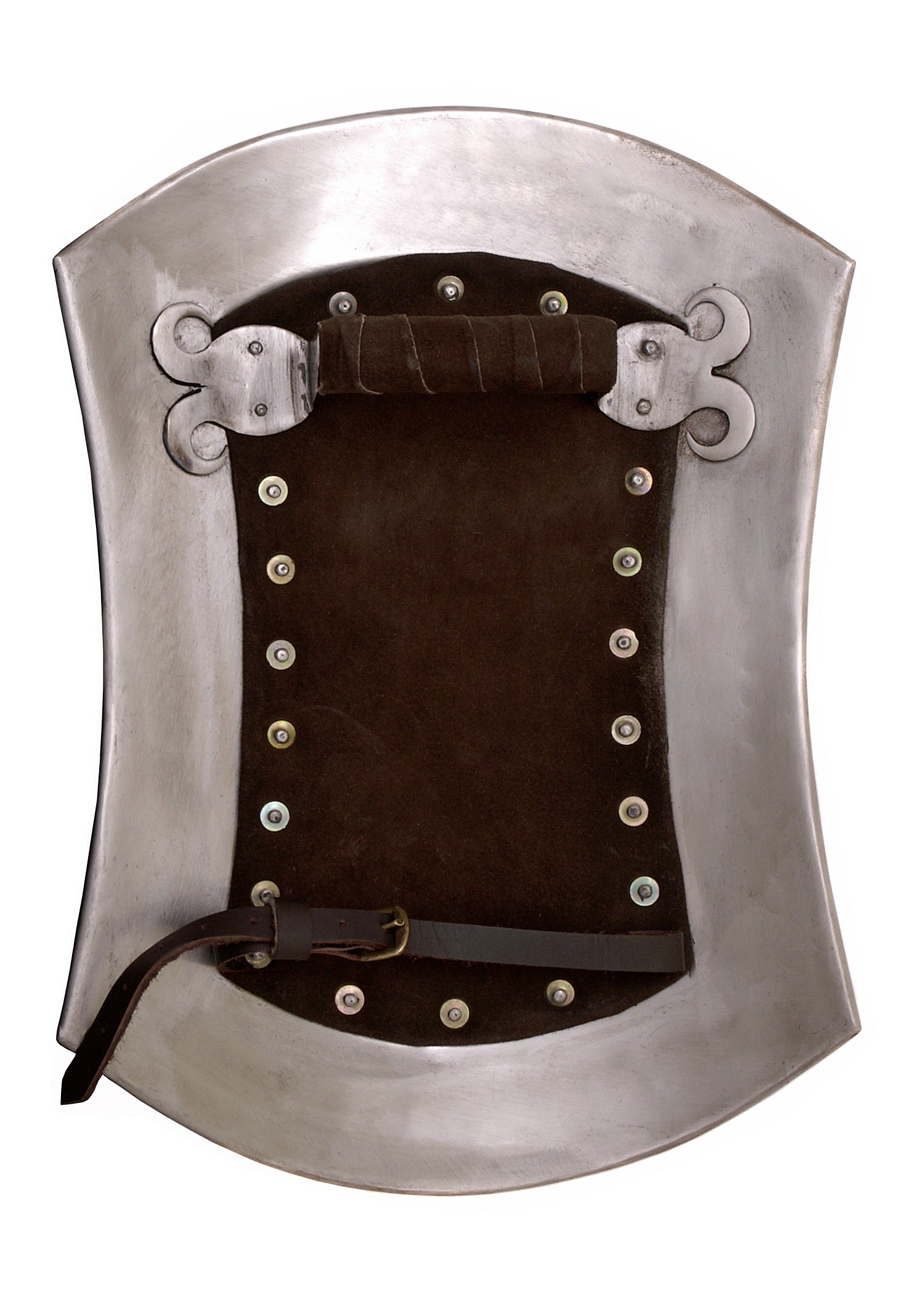
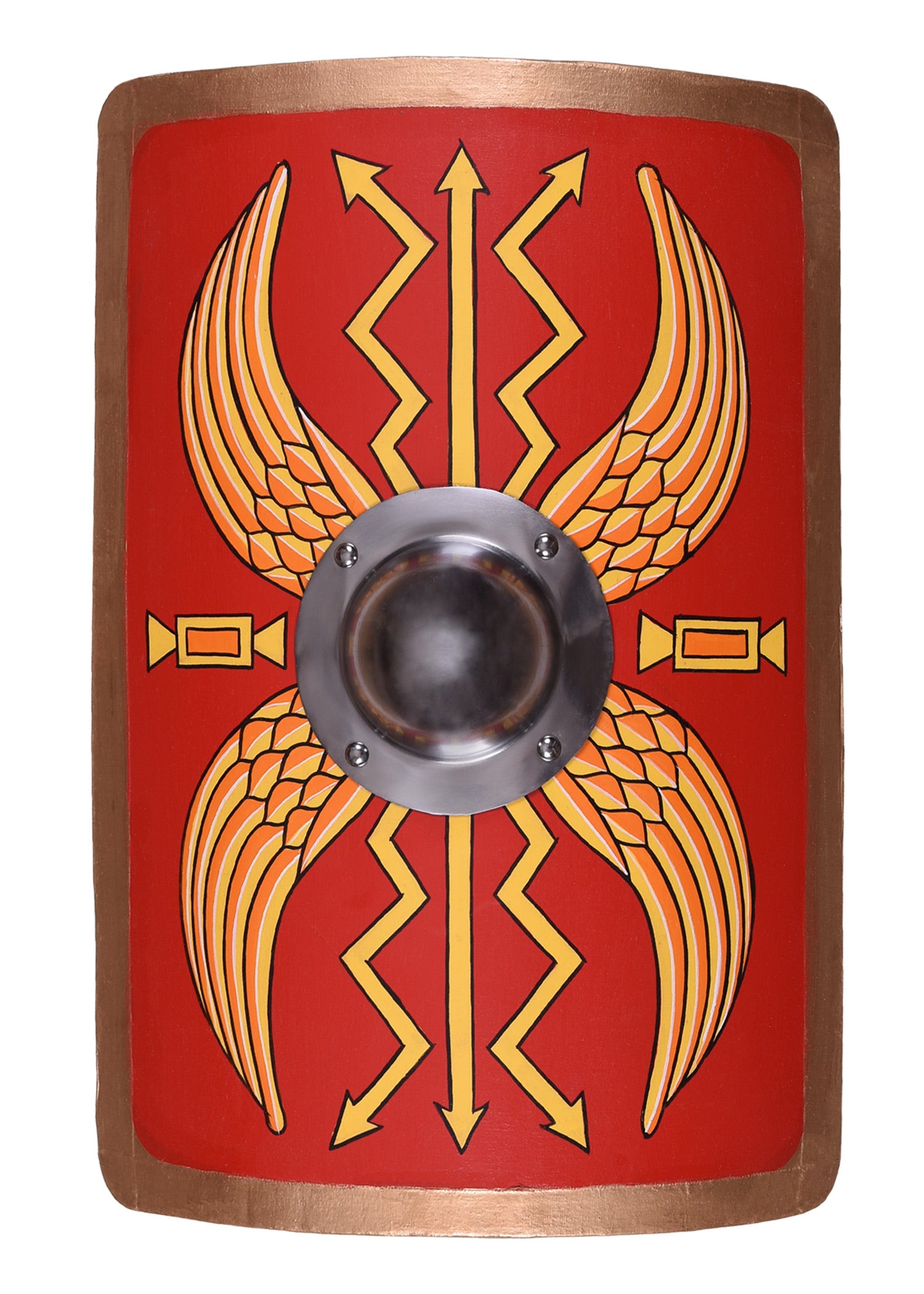
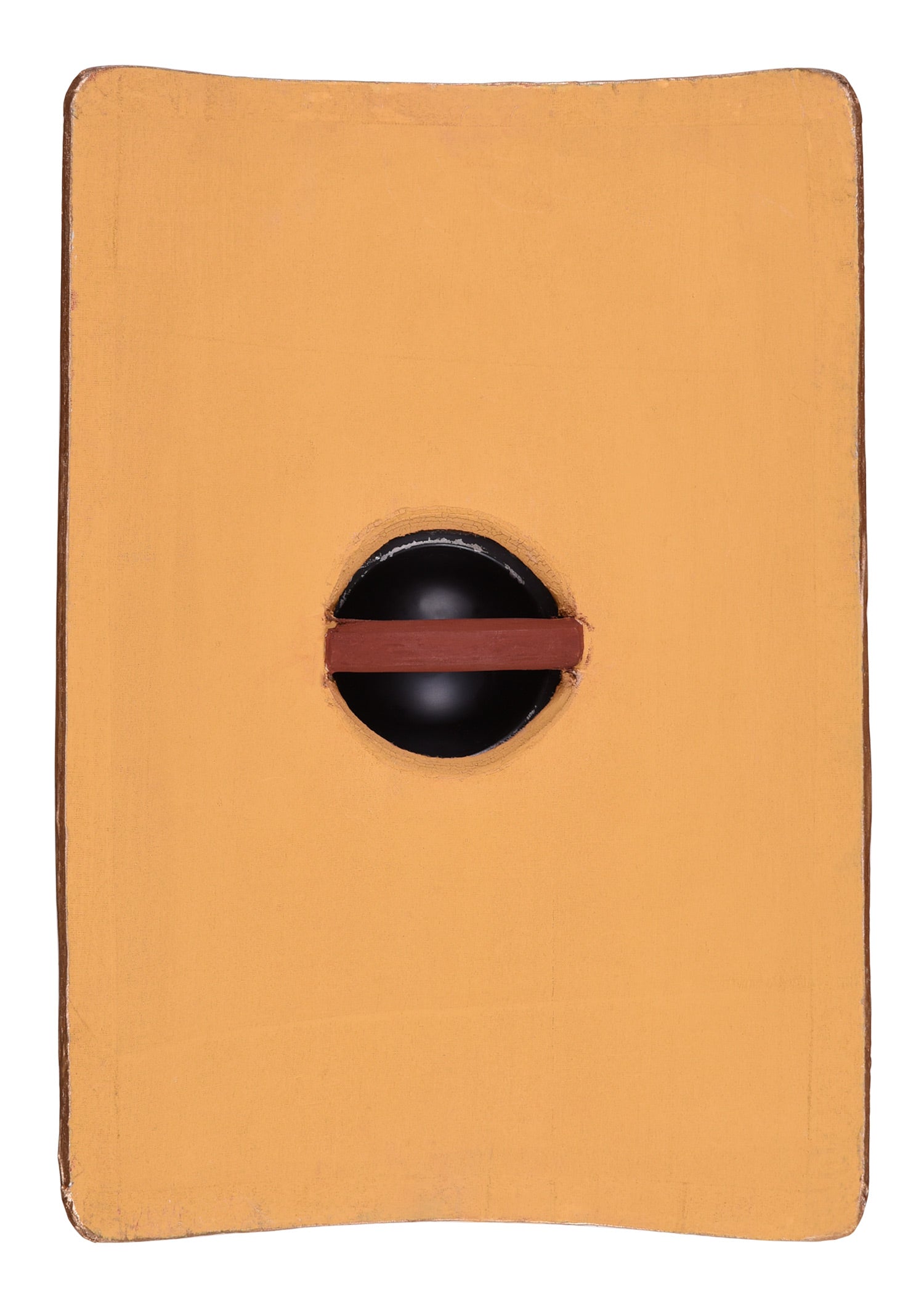
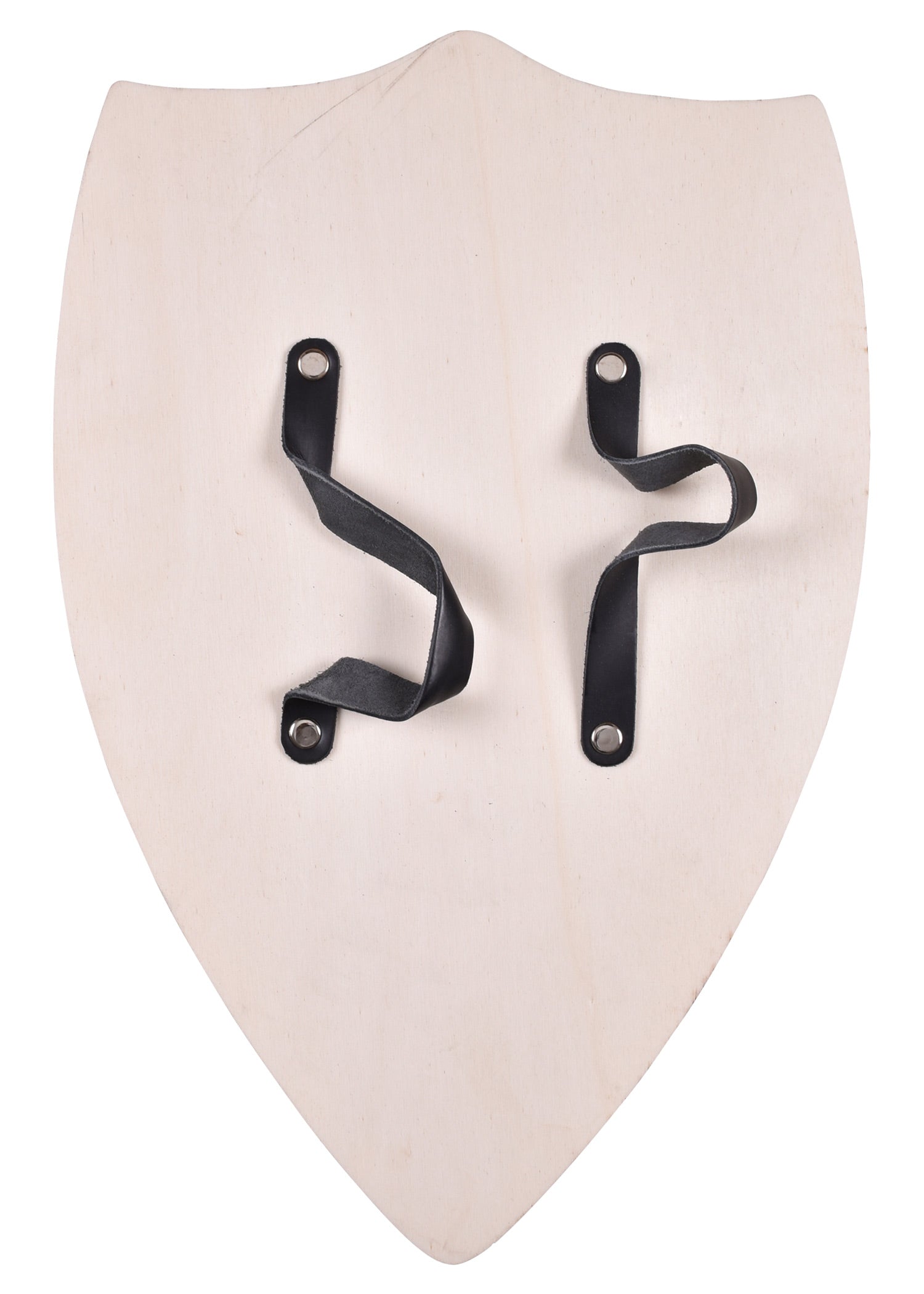
Medieval shields were primarily made of linden, poplar, or birch wood , due to their lightness and strength. To reinforce them, they were covered with stiffened leather or glued linen , and metal rims or iron umbos were added in the center. The inside often had leather handles or straps , called guige , that allowed them to be hung from the shoulder or neck when not in use.

|
 |
 |
In addition to their defensive function, many shields were painted or varnished, both to protect them from moisture and to display the colors or symbols of their bearer.
Types of medieval shields
Throughout the medieval centuries, shields evolved to adapt to changes in tactics and weaponry. These are the most representative types:
Round shield
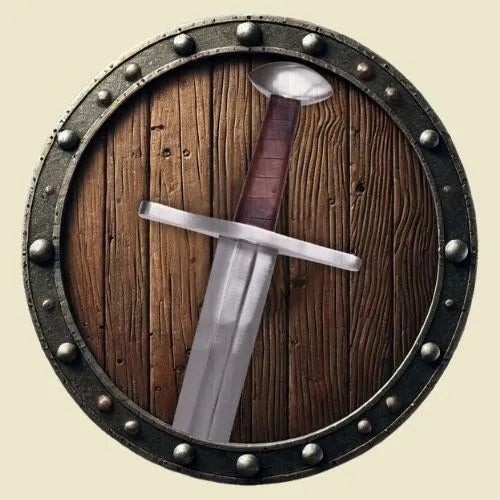
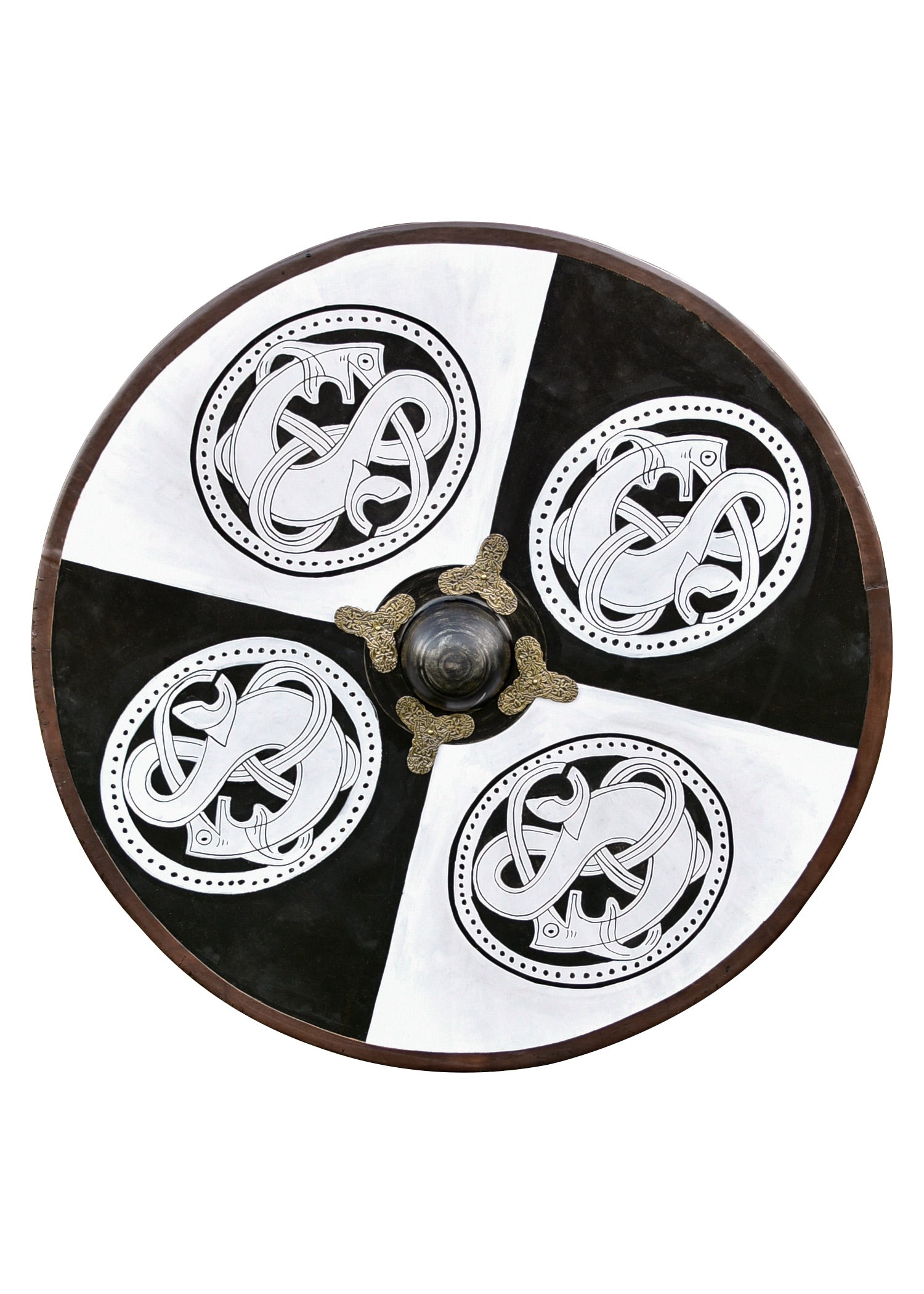
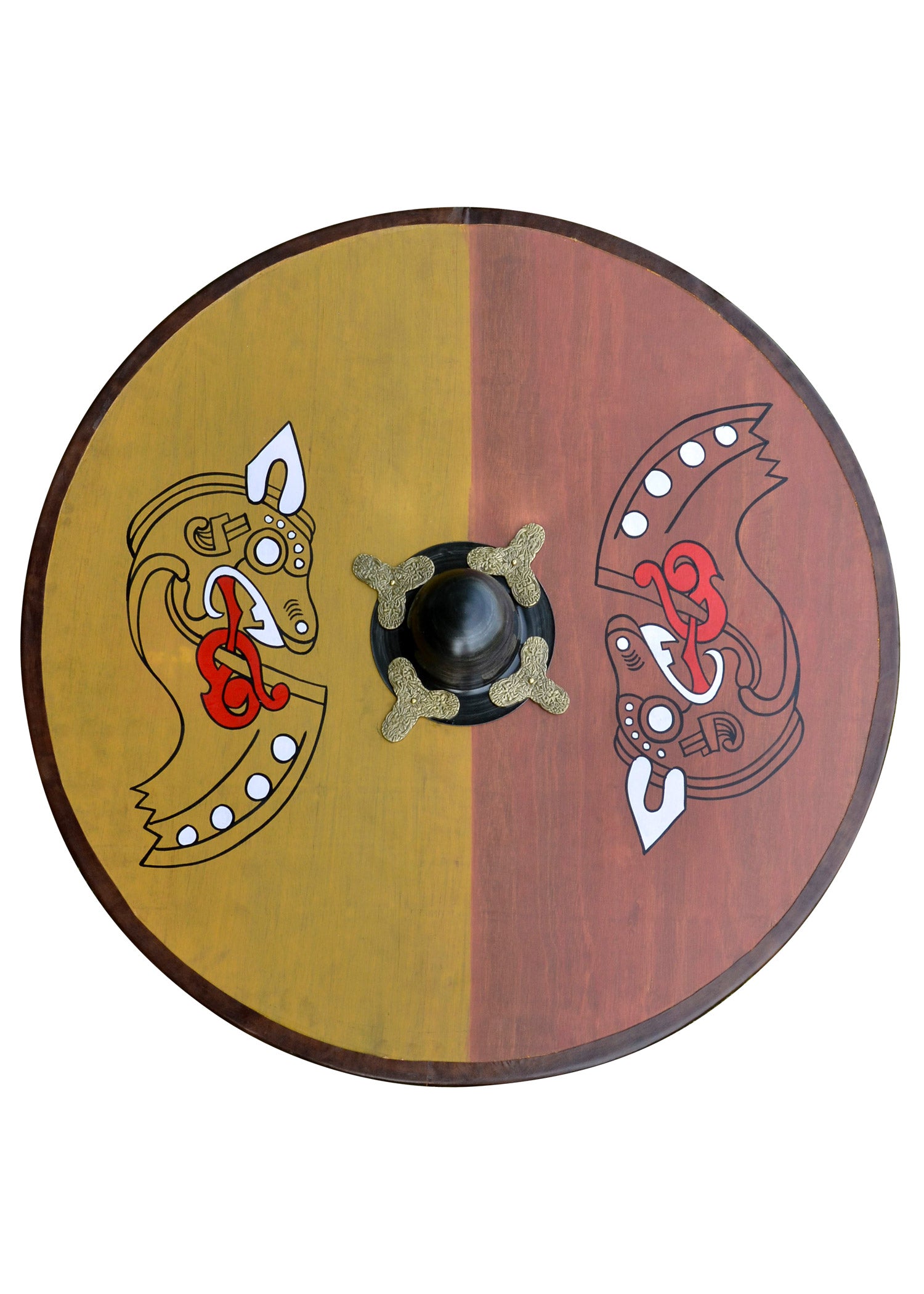
Used between the 9th and 11th centuries, especially by Vikings and Germanic peoples. It had a central metal umbo to deflect blows and could be used both in close combat and in a shield wall formation. Its size varied, and smaller versions (called bucklers ) continued to be used until the Renaissance.
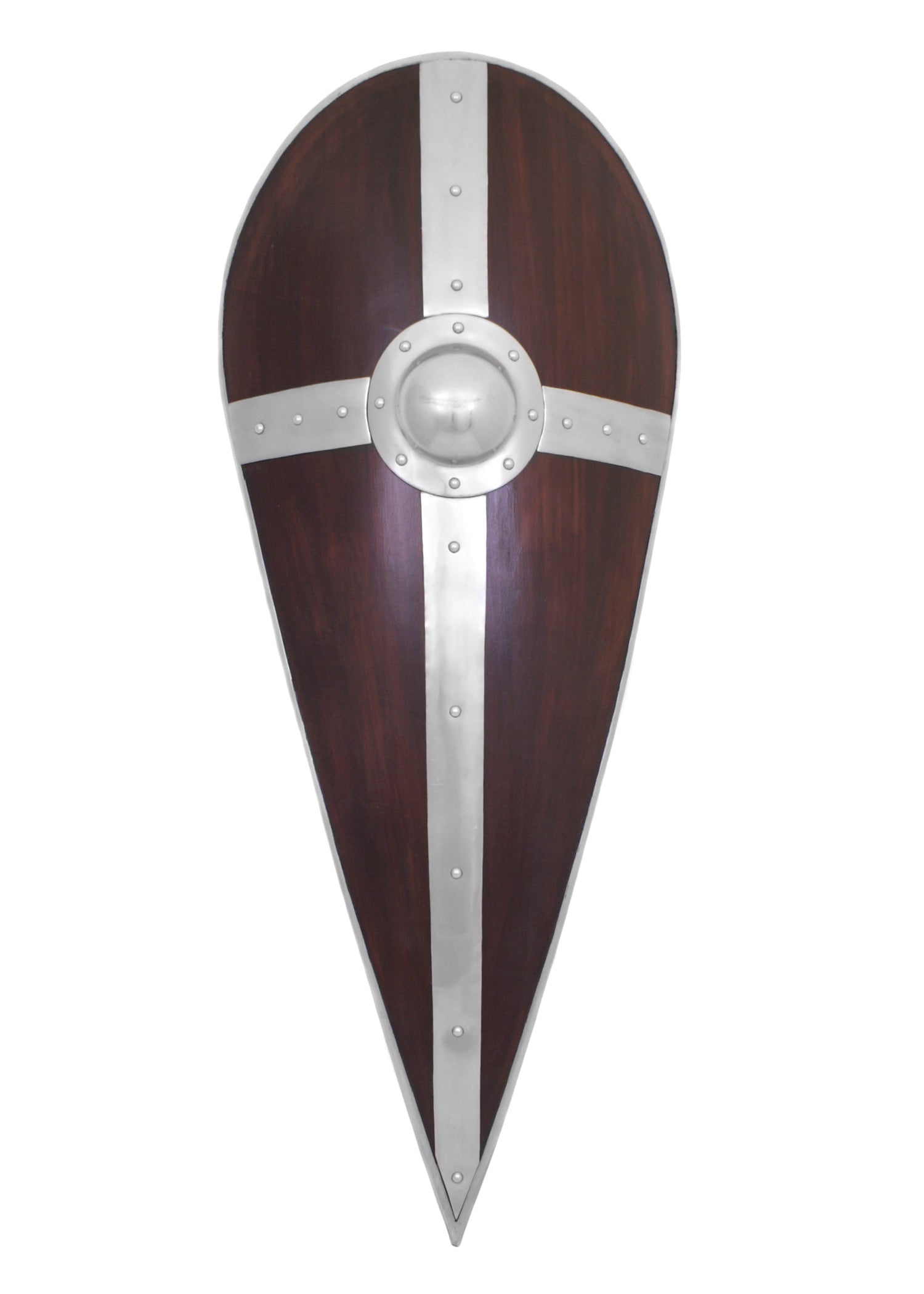
Kite shield
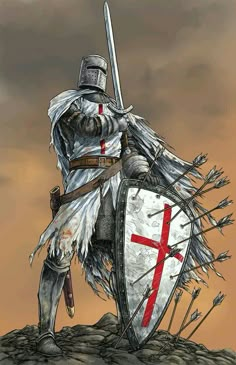
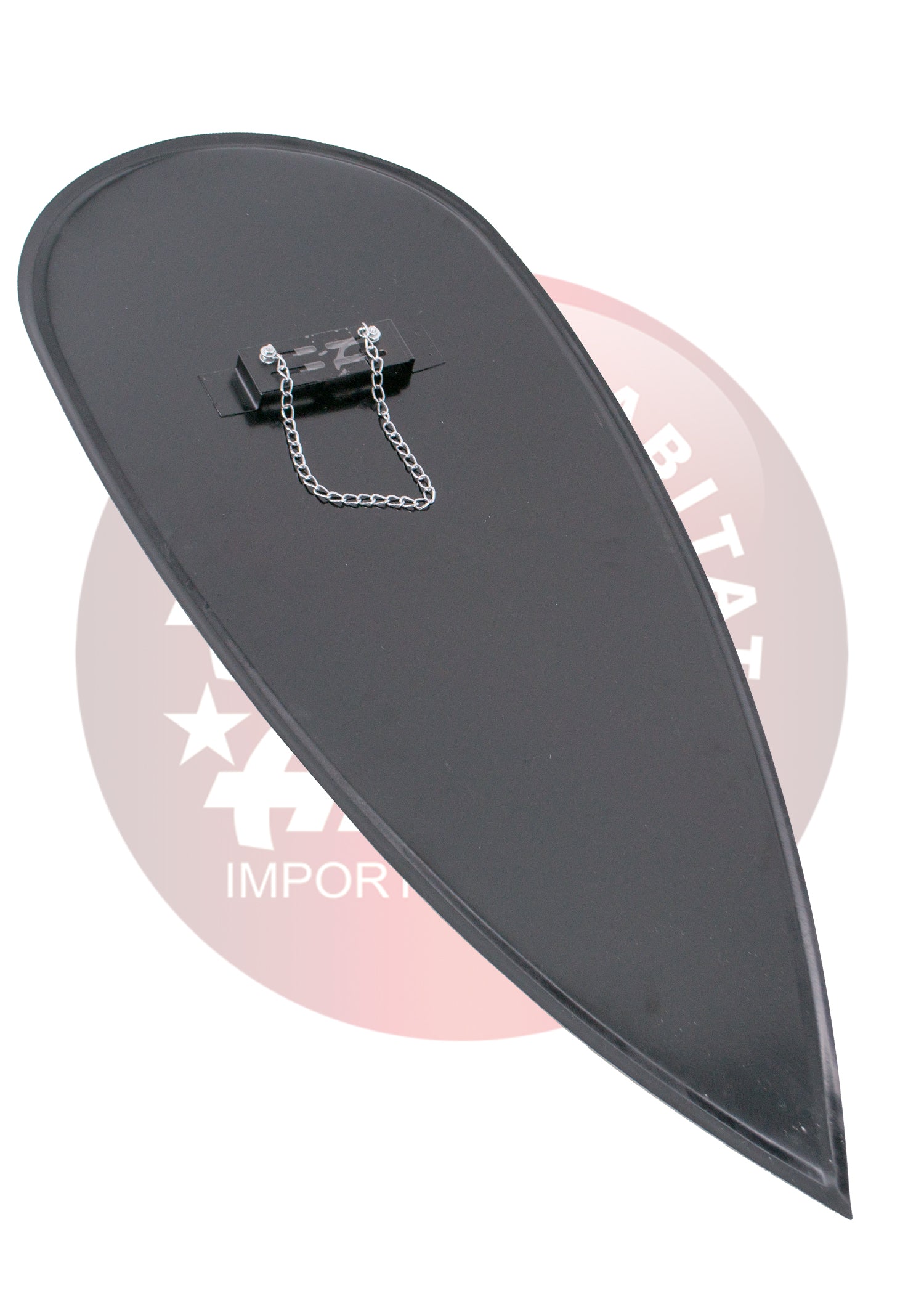
Popular between the 11th and 12th centuries, its elongated, pointed shape allowed it to cover from the neck to the legs, making it ideal for Norman cavalry and the Crusaders. Its silhouette appears depicted in the famous Bayeux Tapestry.
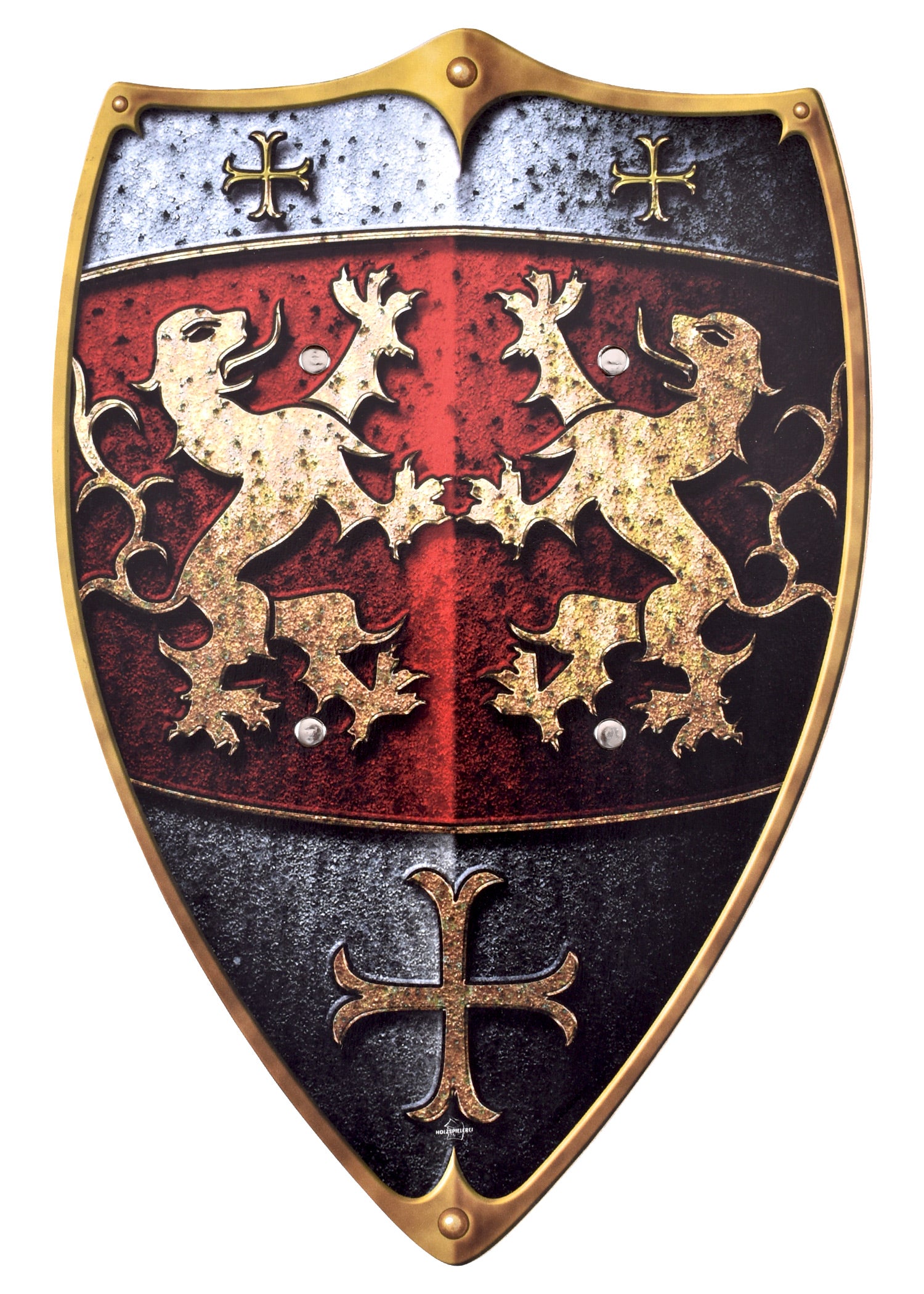
Triangular shield or “heater”
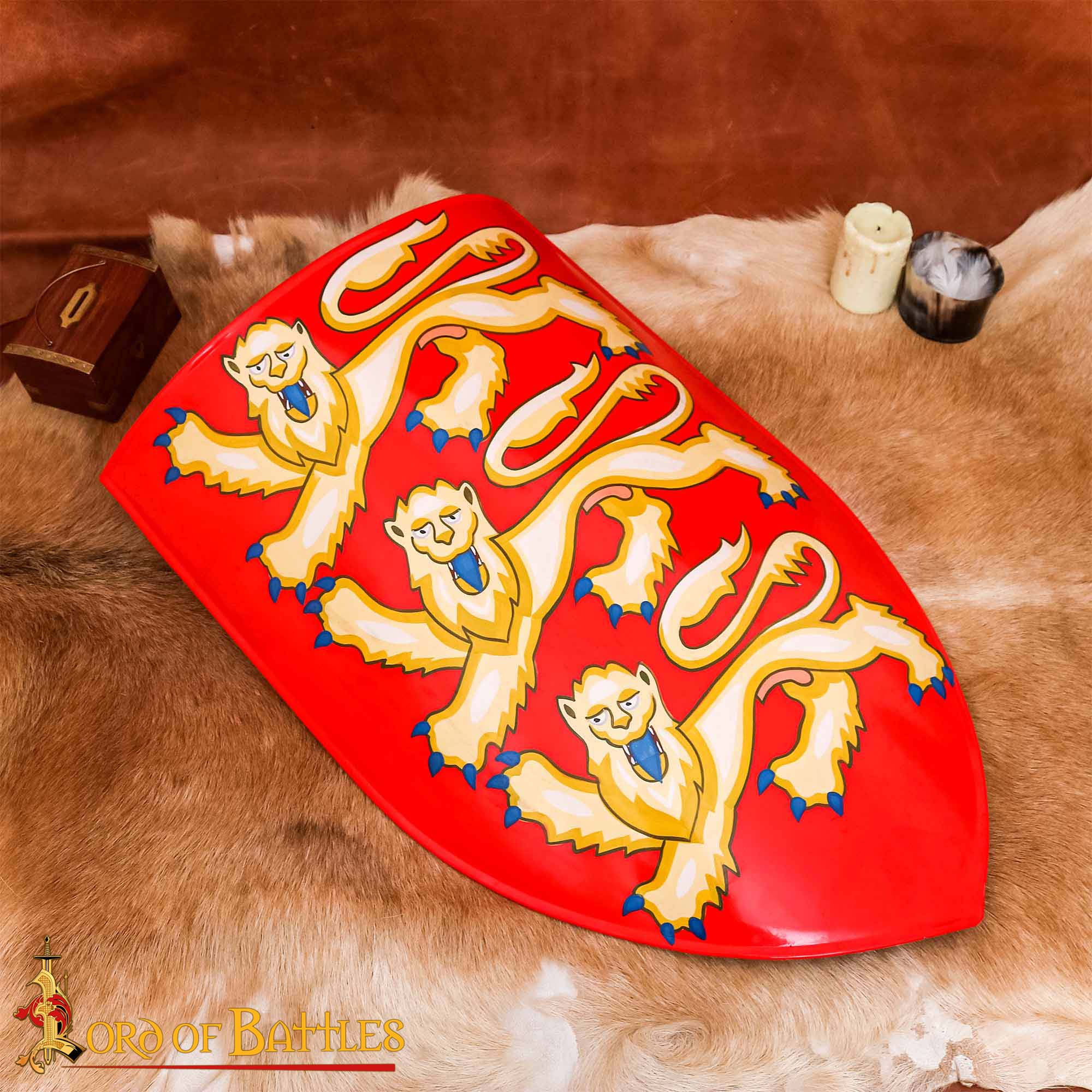
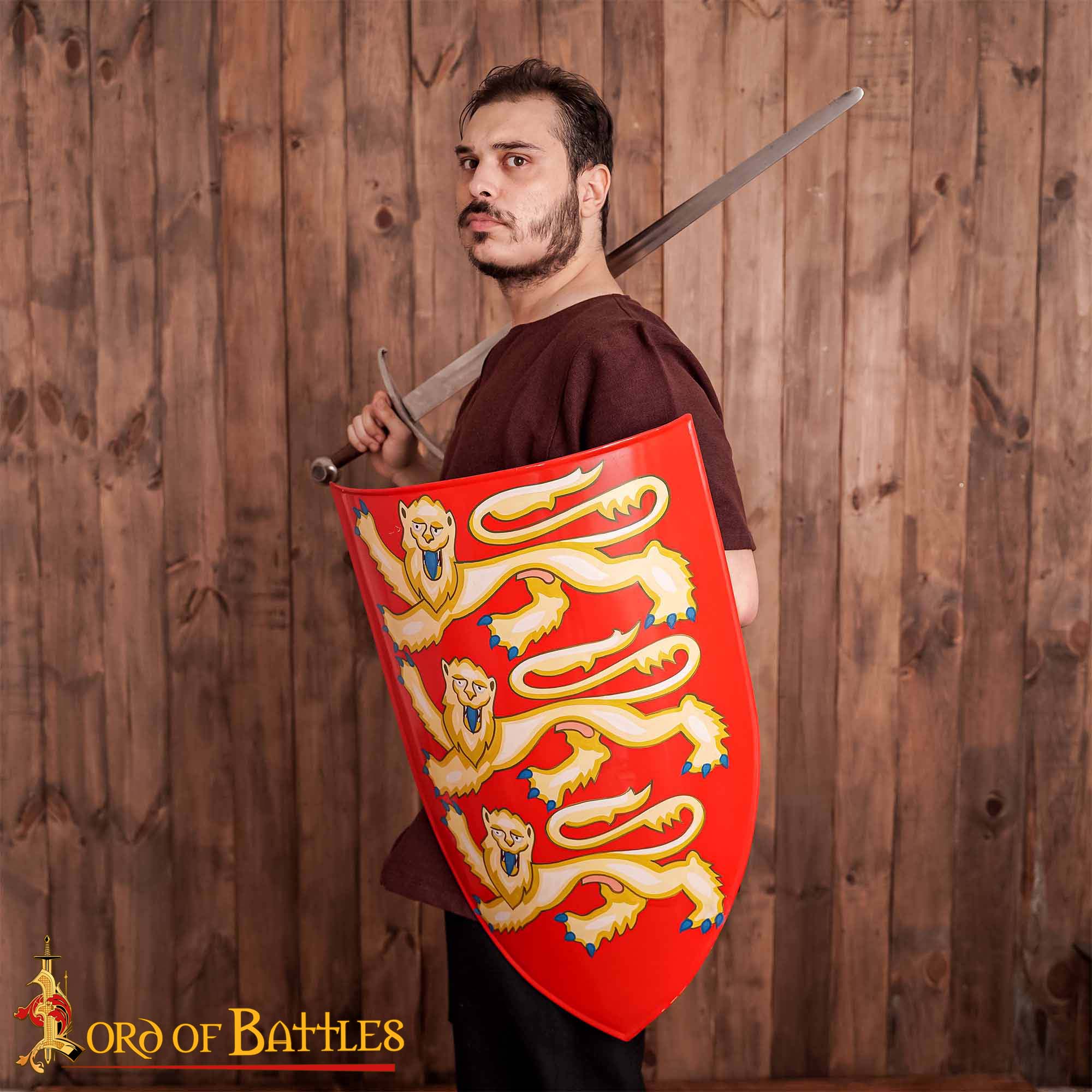
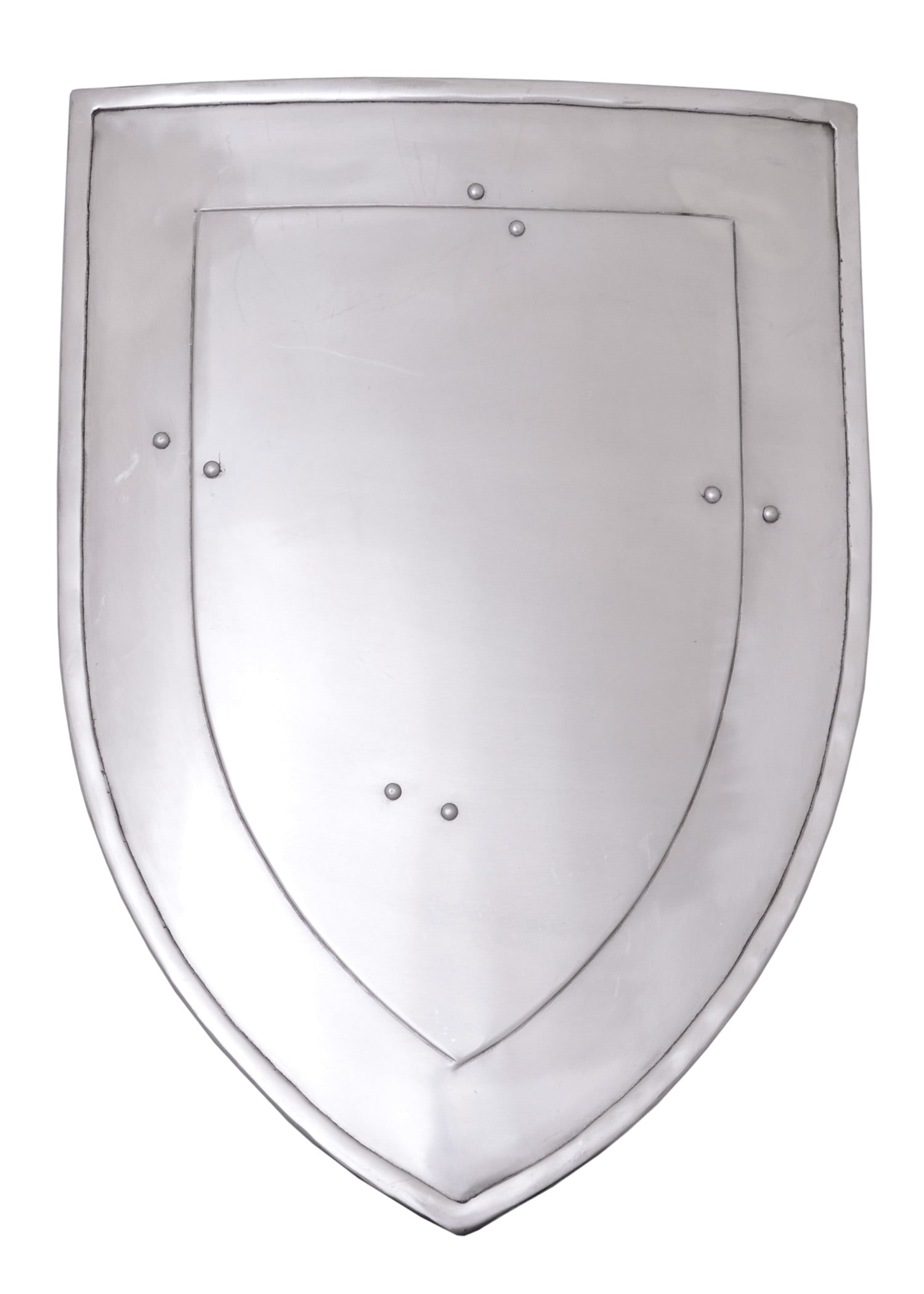
It appeared in the 13th and 14th centuries. Smaller and lighter, it was perfect for mounted knights, as it offered good protection without limiting mobility. Its triangular shape became the basis of classical heraldic design.
Pavés or pavise
Used in the 14th and 15th centuries, it was a large shield that could be placed on the ground. It served as cover for archers and crossbowmen while they reloaded. Some models were curved or even folded.
Mantles
They were large wooden or leather panels used in sieges to protect soldiers from projectiles. Although they were not carried on the arm, they served the defensive function of a collective shield.
Tactical and symbolic function
In combat, the shield served to block, deflect, and cushion blows from swords, spears, or arrows. Its design directly influenced strategy: large shields were ideal for resisting projectile attacks, while smaller ones offered agility in close combat.
But the shield was much more than a military tool. With the development of heraldry in the 12th century, it became a personal and family symbol. Knights began to paint figures, colors, and emblems on them that identified their lineage, alliances, or exploits. These heraldic designs continued to be used even after shields were no longer used in combat, giving rise to the coats of arms of families, kingdoms, and cities.
Don't miss this Viking shield!
Decline and legacy
With the advent of portable firearms in the 15th and 16th centuries, shields ceased to be useful on the battlefield. However, their symbolic value endured. Heraldic shields came to represent honor, lineage, and belonging , and their iconography is still found on flags, coats of arms, and official emblems.
Historical curiosities
-
The Seedorf coat of arms, from the 12th century, is one of the oldest surviving coats of arms with a heraldic design.
-
Many original shields have not survived due to the fragility of their materials; what survives today are mainly copies or representations in medieval manuscripts and illustrations.
-
On the Iberian Peninsula, medieval kingdoms developed distinctive coats of arms: the castle and lion in Castile and León, the bars of Aragon, and the chains of Navarre, symbols that still survive in modern heraldry.
The medieval shield was much more than a simple instrument of defense. It represented the union of art, war, and identity. Its evolution reflects the transformation of feudal society, from hand-to-hand combat to the emergence of heraldry as a visual language of power and prestige. Today, centuries later, its legacy remains present in the symbols that represent nations, families, and traditions around the world.