










Templar swords and the birth of a legend
During the 12th century, Templar swords became one of the most recognizable symbols of medieval Europe. They were not merely weapons of war. They represented a commitment to ideals that would profoundly shape the history of the Crusades and Christian chivalry.
The Knights Templar emerged in an era of conflict, pilgrimages, and great political transformations. In that context, the medieval sword was much more than a combat tool. It symbolized responsibility, duty, and the willingness to defend what one believed in.
The first swords associated with the Order of the Temple stood out for their sober and functional lines. Their design perfectly reflected the character of those warrior-monks who sought to combine military discipline with a life guided by spiritual principles.

Hugues de Payens, the man who gave shape to the Order of the Temple
To speak of the Templars is to inevitably speak of Hugues de Payens.
Considered one of the founders of the Order of the Temple, he played a decisive role in creating an institution that would end up becoming one of the most influential organizations of the Middle Ages.
His figure is linked to values that still command admiration today. Loyalty to his companions, a sense of duty, personal discipline, and determination to fulfill a mission marked the path of the first Templars.
As centuries passed, his name ceased to belong only to history and transformed into a symbol.
When Hugues de Payens is mentioned, it evokes the origin of a brotherhood that championed unity, sacrifice, and perseverance in the face of adversity.

The Hugues de Payens Templar Sword: A sword that reflects the spirit of the first Templars
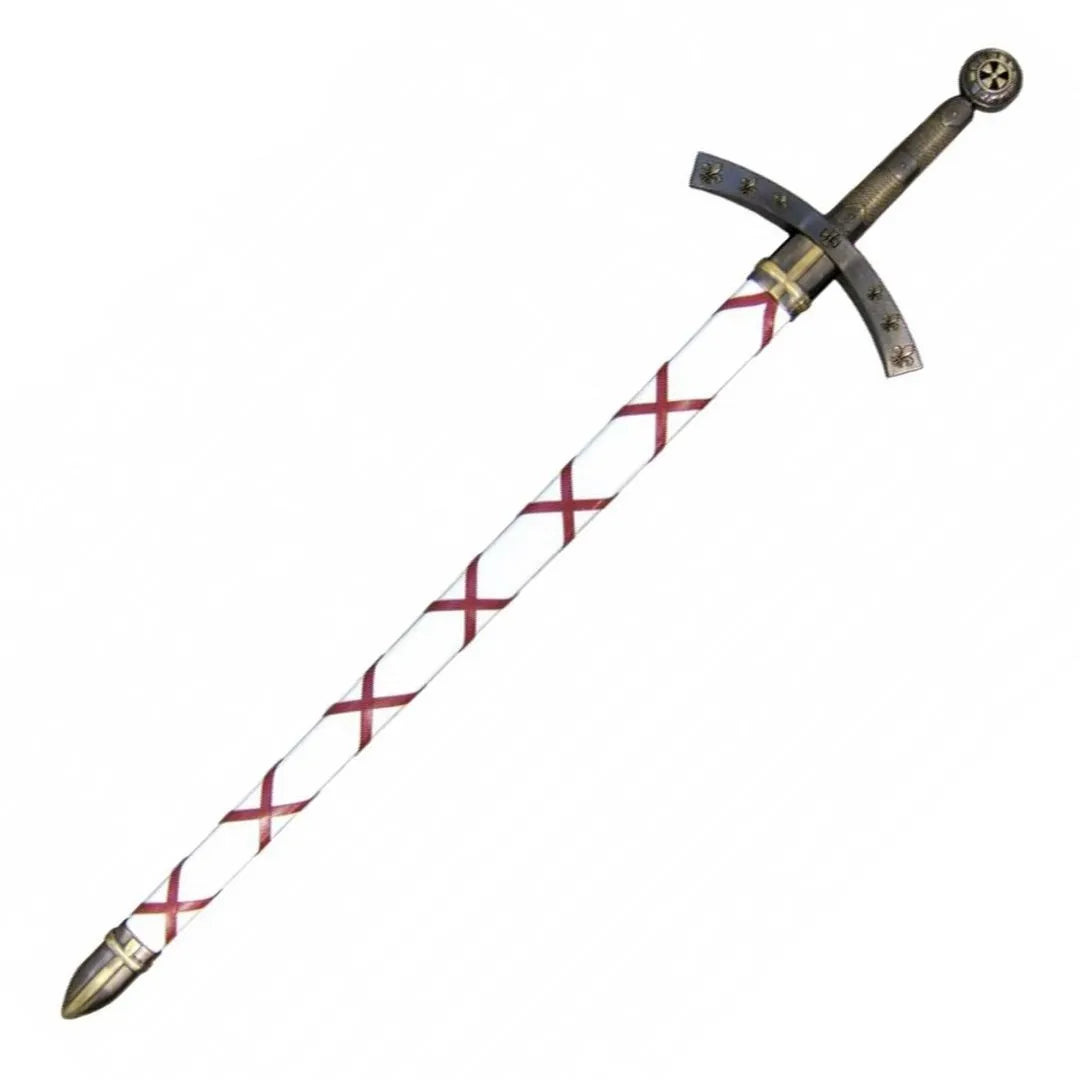
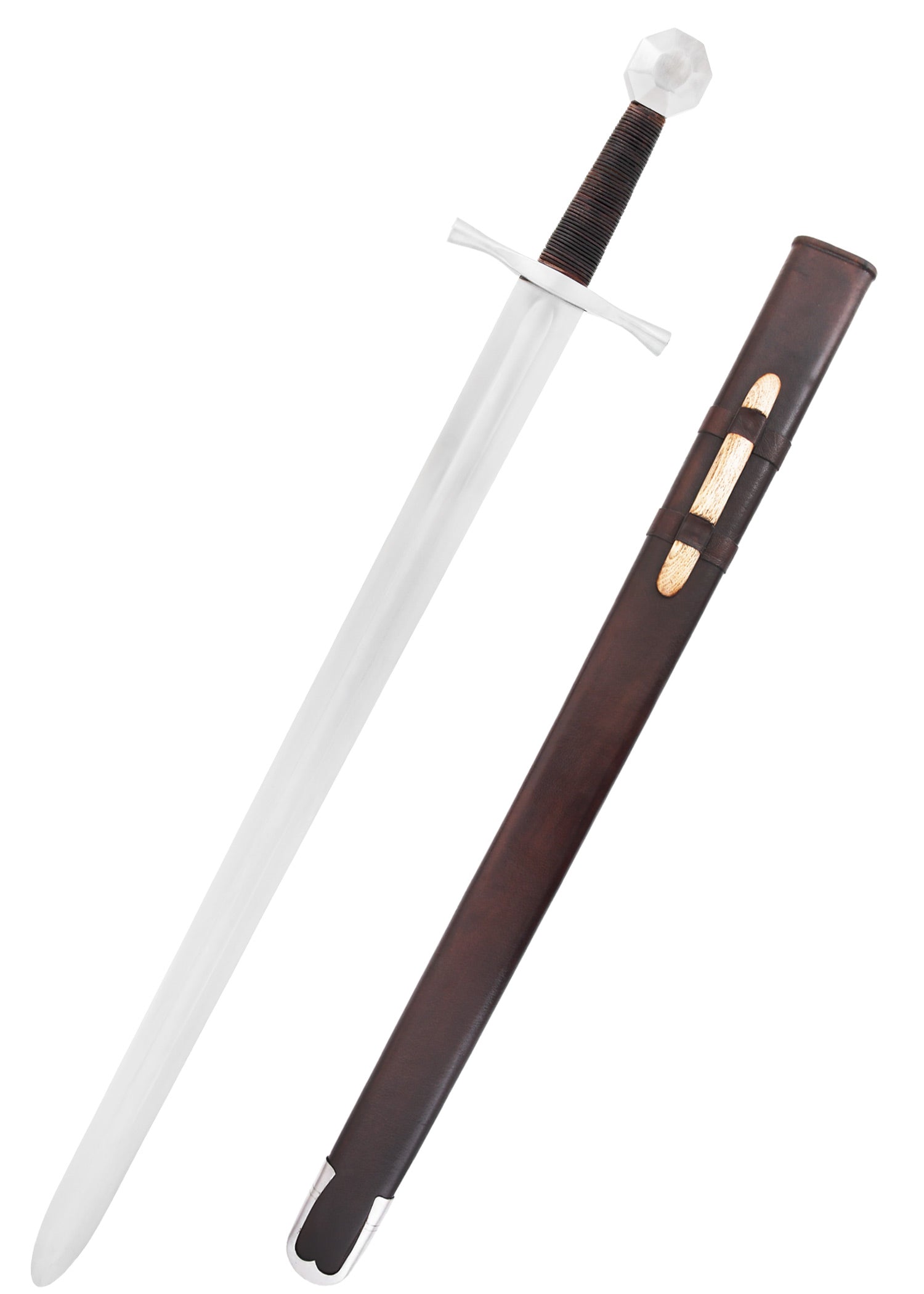
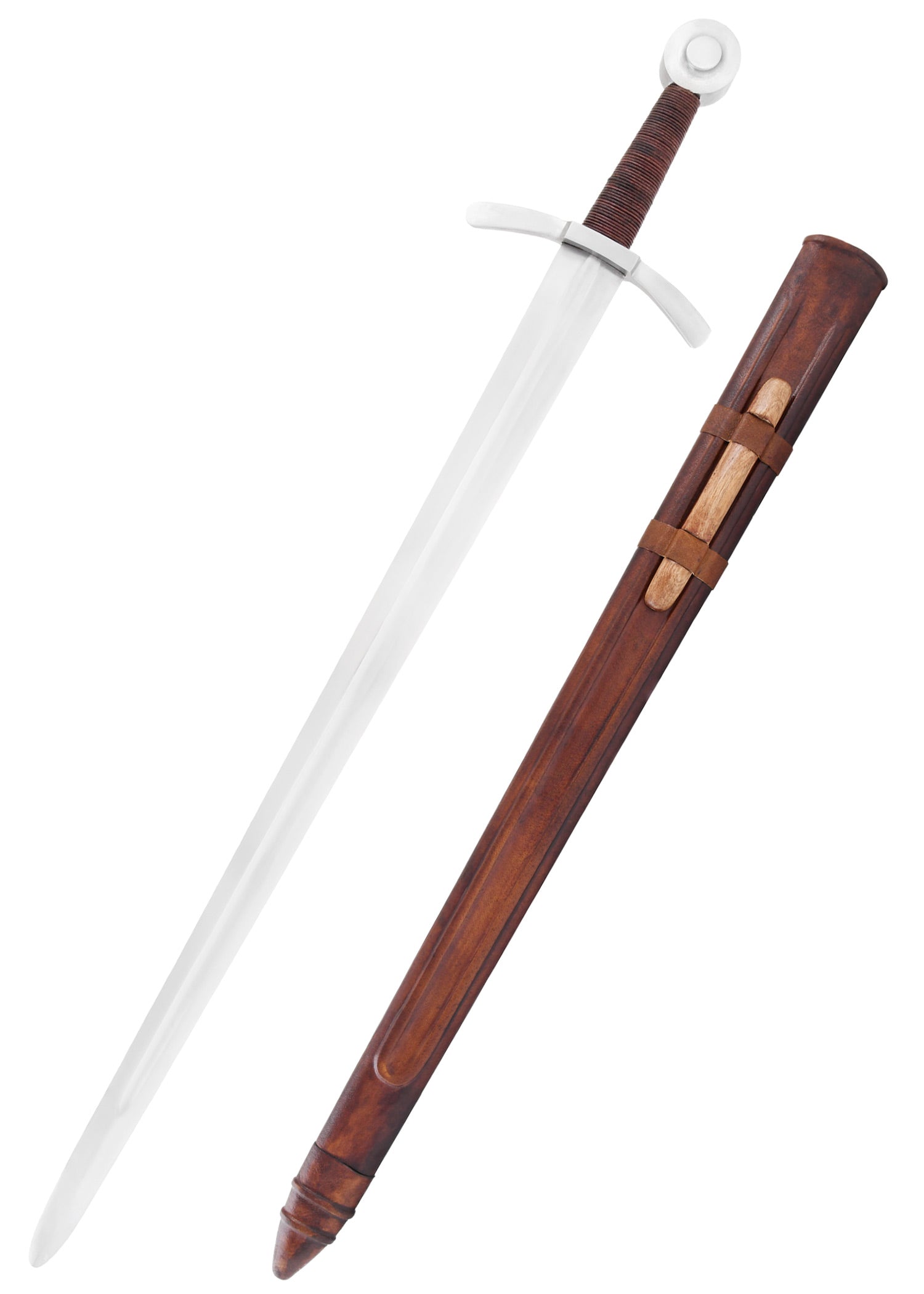
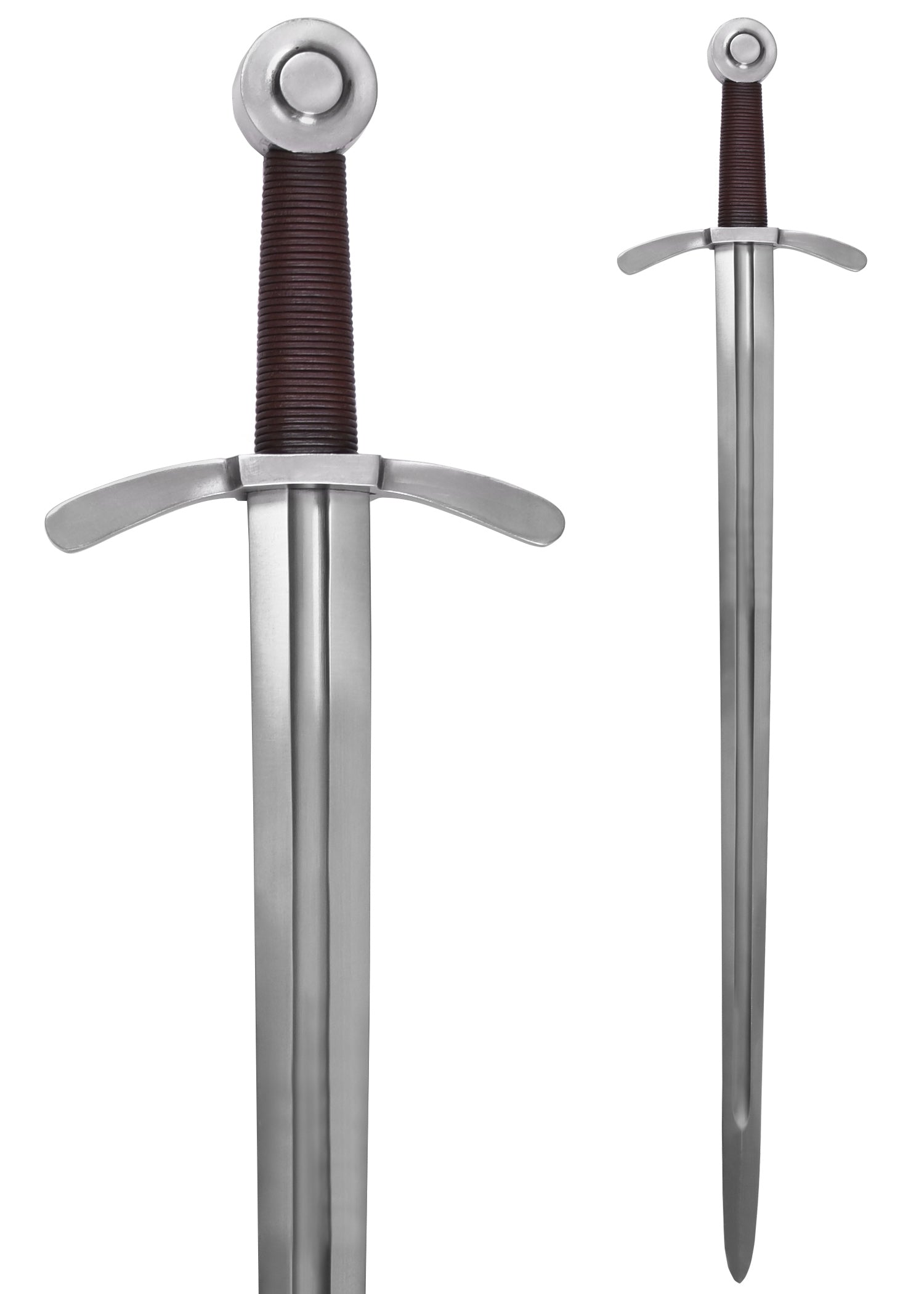
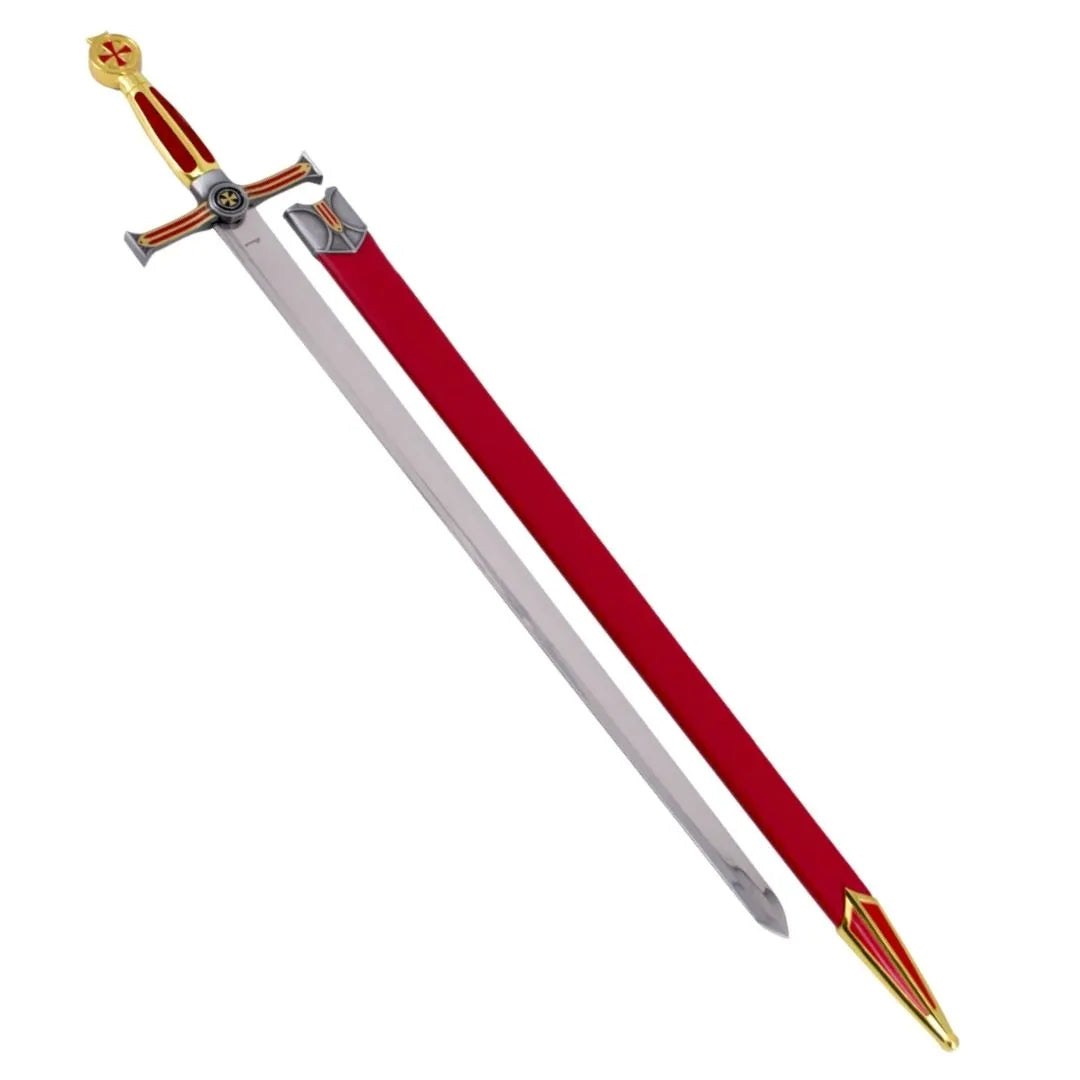
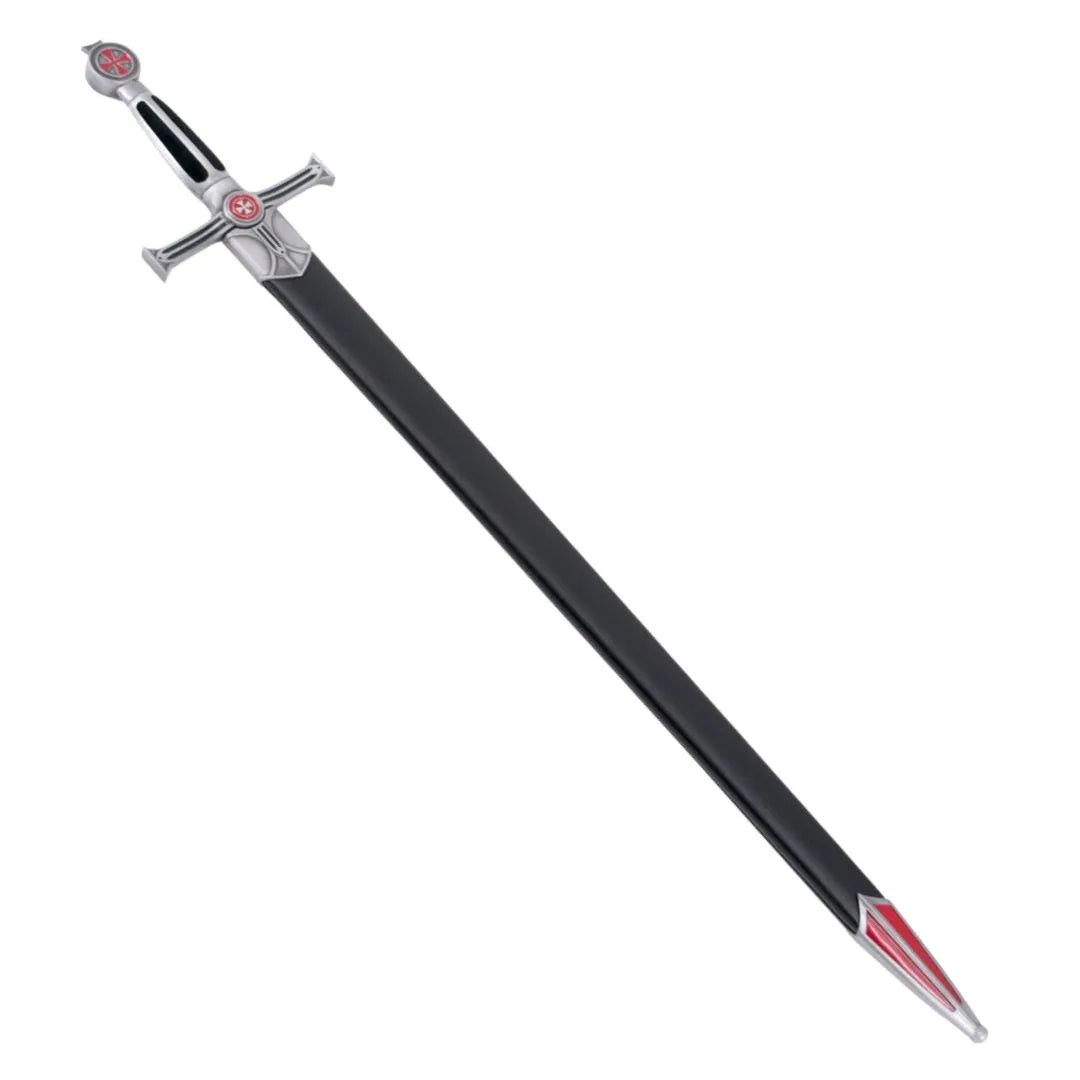
The Hugues de Payens Templar Sword, a replica of the one he is believed to have used, captures that very historical legacy. Its aesthetic recalls the weapons associated with the early years of the Order, conveying a sense of sobriety, firmness, and authority.
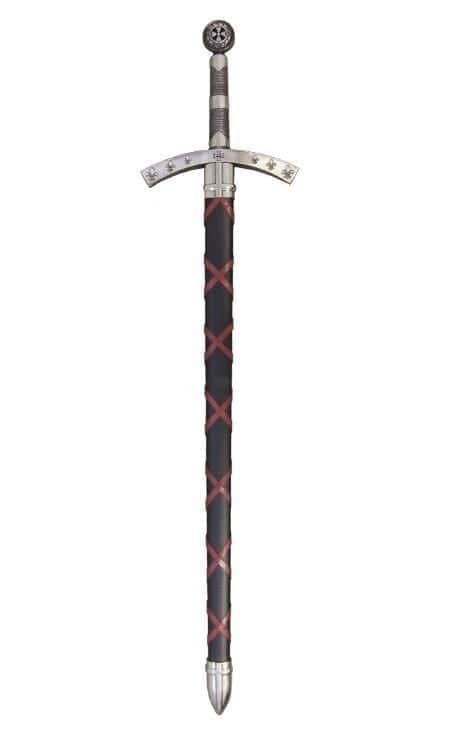
The white scabbard (though there is also a black, more discreet version) also provides a visual identity closely linked to the traditional image of the Knights Templar, evoking the iconic white tunics that distinguished the members of the Order of the Temple—a color that symbolized purity, chastity, moral rectitude, and total devotion to the Christian faith, virtues that Hugues de Payens considered fundamental for those who joined the Order.
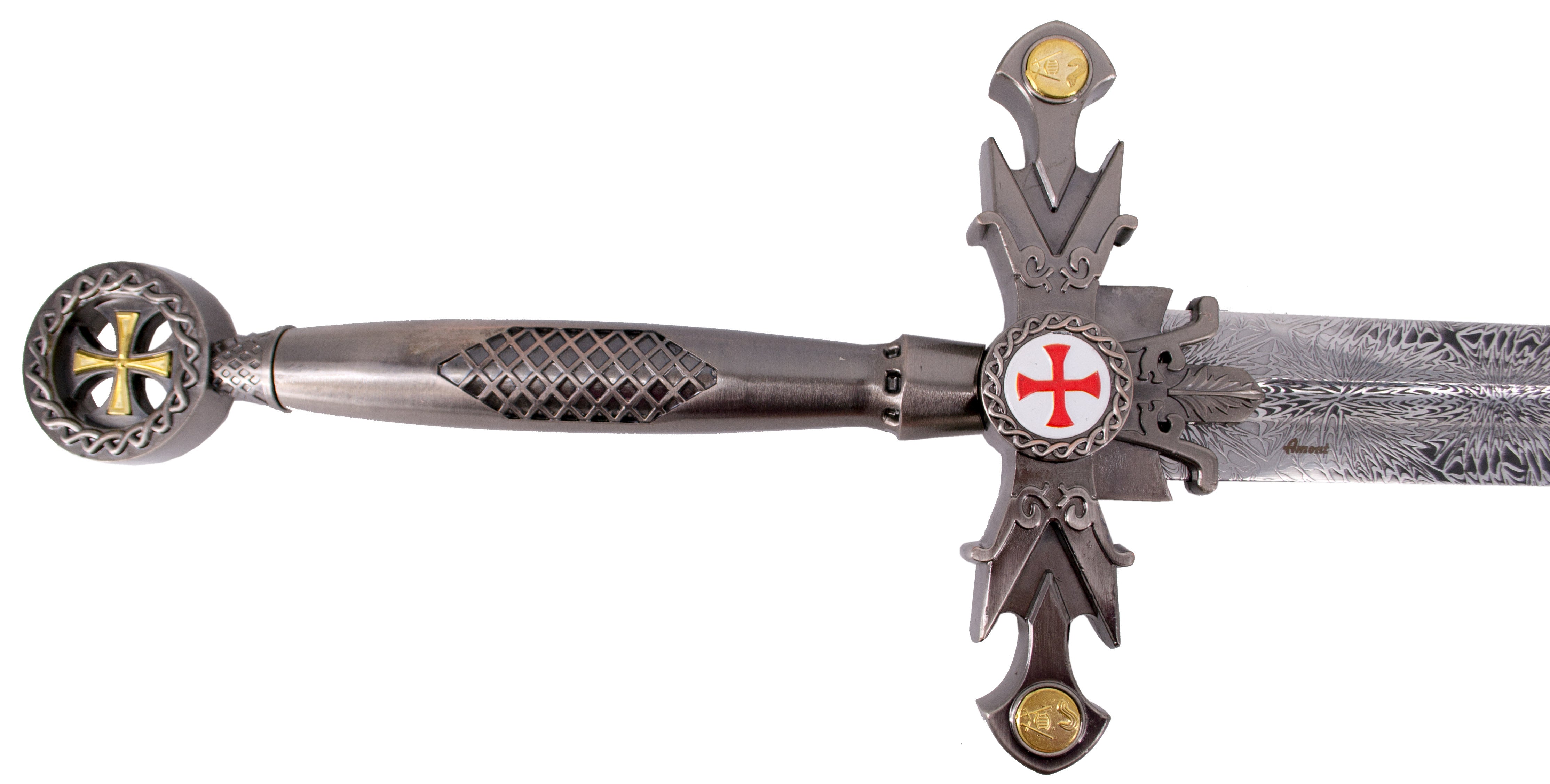
The contrast between the steel and the elements inspired by Templar symbolism, such as the crimson-colored cross pattee and the white scabbard, both associated with the habit of the Knights Templar, reinforces the presence of a piece that seems to connect directly with the ideals of that era.
But beyond its appearance, what is truly striking is what it represents. Each of its elements refers to concepts deeply rooted in Templar history: honor, courage, discipline, faith, leadership, commitment, and strength.
That is why this sword does not just remind us of Hugues de Payens. It also evokes the spirit of the men who helped build one of the most fascinating legends of the Middle Ages, a story that continues to spark interest centuries after the first Templars wielded their weapons under the emblem of the cross.

