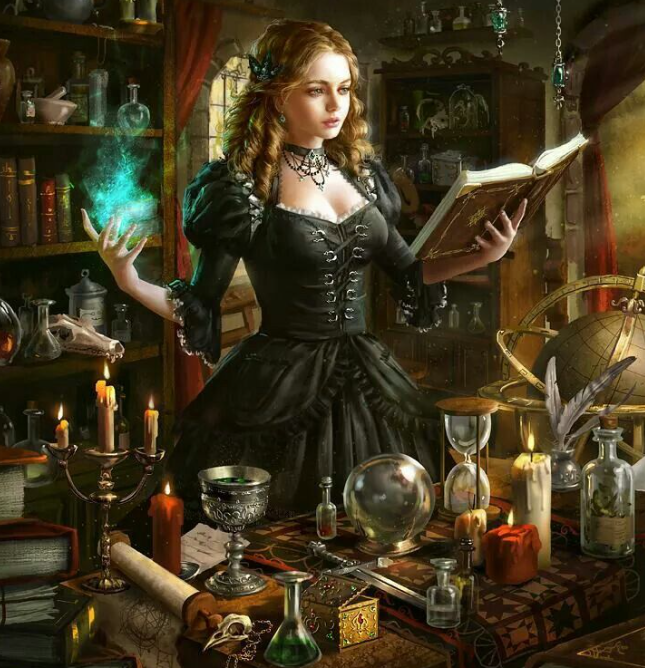
Curiosities of everyday life in the Renaissance: a time of creativity and discovery
The Renaissance is often remembered as an era of great artists and thinkers. However, its impact was much broader: it transformed the way people lived, learned, and related to the world. Everyday life began to fill with new ideas, better tools, and a renewed curiosity for understanding nature and the human being.
Today we show you some curiosities of the Renaissance:
1. A new look at the human being
During the Renaissance, a special appreciation for human capabilities emerged. Philosophers, teachers, and artists promoted the idea that every person could develop through knowledge, art, and work.
This confidence in talent and creativity spurred the formation of schools, libraries, and workshops where knowledge was shared, something that strengthened the cultural life of cities.

|
 |
 |
Don't miss this great Morion helmet
2. More accessible books and more readers
The printing press changed the pace of the world. Books, which were once rare and expensive objects, began to be produced in greater quantities.
Thanks to this, practical manuals, collections of stories, scientific treatises, and educational texts emerged that began to circulate among merchants, students, and artisans.
Although literacy was not universal, more and more people could learn, teach, and preserve knowledge.
Don't miss this side sword for exhibition combat
3. Advances in science and observation
The Renaissance spirit encouraged the direct observation of nature. Instruments were perfected, more precise maps were made, and more detailed studies of the human body, botany, and astronomy began.
These advances benefited everyday life: better trade routes, more knowledge about diseases, and new techniques in agriculture and crafts.
4. More active and connected cities
Renaissance cities became meeting points. Markets, workshops, and squares brought together people of different trades and backgrounds. The exchange of goods also strengthened the exchange of ideas.
Architecture gained prominence: orderly squares, better-planned public buildings, and spaces designed for social and cultural interaction.
5. Art reached beyond the elites
While great patrons supported famous artists, the taste for art extended to homes, small churches, and community spaces. Paintings, reliefs, and decorations sought to embellish everyday life and teach stories.
Music also spread forcefully. Popular songs, religious choirs, and compositions for celebrations made sound a regular presence in daily life.
6. Practical education for real life
Learning did not happen only in universities or monasteries. Artisan workshops functioned as true schools. Young apprentices acquired discipline, techniques, and practical knowledge to earn a living.
This system helped to pass on knowledge from generation to generation and contributed to the development of more specialized professions.
7. Innovation at the table and in the home
Although social differences existed, the circulation of new products and spices enriched the cuisine. Recipes, techniques, and flavors were incorporated that added variety to the diet.
In many homes, improvements were introduced in utensils, furniture, and domestic organization, making life more comfortable and functional.
The Renaissance was much more than an artistic period. It was a stage in which curiosity, learning, and innovation began to transform daily life. People discovered new ways to create, work, and understand their environment.
Did you like it? Don't miss our Renaissance collection!